Understanding Your Hessonite: The Cinnamon Stone Basics
Hessonite garnet, affectionately known as the "cinnamon stone" due to its distinctive honey-orange to reddish-brown coloration, represents one of the most captivating varieties within the grossular garnet family. This gemstone has been treasured for millennia, particularly within Vedic astrology traditions where it is associated with the planet Rahu and believed to bring clarity, protection, and spiritual growth to its wearer. Unlike the deep red pyrope or almandine garnets commonly found in commercial jewelry, hessonite displays a unique turbid appearance with a characteristic "treacle" or roiled effect caused by its internal crystalline structure. Understanding these fundamental properties is essential before embarking on any Hessonite Garnet Care and Cleaning regimen, as the stone's distinct physical characteristics directly influence how it should be handled and maintained.
The physical properties of hessonite garnet reveal why specialized cinnamon stone maintenance protocols are necessary for preserving its beauty over generations. With a refractive index ranging from 1.742 to 1.748, hessonite possesses moderate brilliance that can be diminished by improper cleaning techniques or exposure to harsh chemicals. Most notably, authentic hessonite typically contains visible inclusions, including needle-like crystals, fingerprint patterns, and internal fractures that, while contributing to its unique identity, create vulnerability points within the stone's structure. These natural characteristics mean that hessonite requires gentler handling than many other gemstones, necessitating a nuanced approach to cleaning that respects its delicate internal architecture while restoring its warm, glowing luster.
Hessonite Hardness and Durability Considerations
When evaluating hessonite gemstone hardness, gemologists assign this grossular variety a rating between 6.5 and 7.5 on the Mohs hardness scale, placing it in a moderate durability category that demands respectful treatment during daily wear. This hardness range indicates that while hessonite can resist scratching from materials like steel or common household dust, it remains vulnerable to abrasion from harder gemstones such as diamonds, sapphires, and even quartz particles that might be present in the environment. The variability in hardness within this range often depends on the specific chemical composition and density of individual stones, meaning some hessonite specimens may be softer and more susceptible to damage than others. Understanding these limitations is crucial for garnet stone preservation, as assumptions about universal durability can lead to catastrophic damage when softer specimens encounter harder materials.
Beyond surface hardness, hessonite's structural integrity is compromised by the presence of cleavage planes and potential fracture risks that make the stone vulnerable to impact damage. Unlike diamonds, which cleave along specific planes but resist general fracturing, hessonite can develop internal cracks or complete breaks when subjected to sharp blows, rapid temperature changes, or pressure applied at vulnerable angles. The internal inclusions common to hessonite, while aesthetically desirable for identification purposes, act as stress concentrators that can propagate cracks throughout the stone when exposed to trauma. For collectors and wearers alike, this means that hessonite jewelry should never be worn during activities involving potential impact, and careful attention must be paid to setting designs that protect rather than expose the stone's vulnerable edges and points.
Daily Wear Guidelines and Precautionary Measures
Implementing thoughtful gemstone care tips for daily hessonite wear begins with establishing consistent habits regarding when to remove your jewelry to prevent accidental damage. Physical activities such as gardening, sports, weightlifting, or even vigorous household cleaning pose significant risks, as the stone might strike hard surfaces or experience pressure that compromises its setting or structure. Cooking presents particular hazards for hessonite jewelry cleaning considerations, as exposure to high heat from stovetops or ovens can induce thermal shock, while grease and food acids may accumulate in settings and etch the stone's surface over time. Developing the discipline to remove hessonite rings, bracelets, and pendants before engaging in these activities represents the first and most effective line of defense in maintaining your gemstone's pristine condition.
Temperature management plays a critical role in hessonite jewelry cleaning and maintenance protocols, as this gemstone is particularly susceptible to thermal shock caused by rapid temperature fluctuations. Moving from a cold outdoor environment into a heated building, or vice versa, can cause the stone to contract or expand at different rates than its metal setting, potentially loosening the mount or creating internal fractures. Similarly, exposure to extreme heat from hair dryers, saunas, or hot tubs can permanently damage the stone's internal structure and alter its color. Complementing these temperature precautions with regular visual inspections of prongs, bezels, and settings ensures that any loosening or wear is caught early before it results in the tragic loss of a cherished stone.
Step-by-Step Home Cleaning Methods
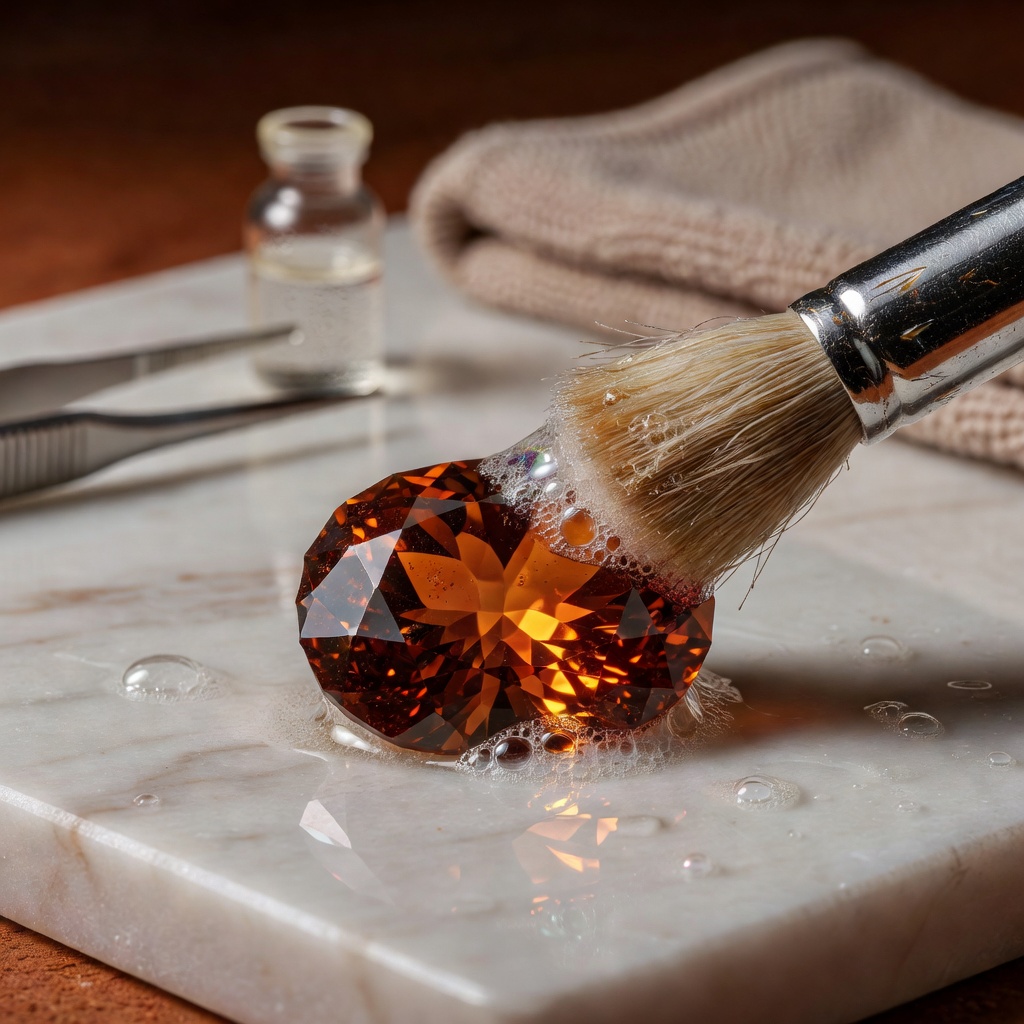
Executing proper grossular garnet cleaning at home requires minimal equipment but demands careful attention to technique and water temperature to avoid damaging your precious stone. Begin by preparing a solution of lukewarm water—never hot or boiling, as extreme heat can cause thermal shock—mixed with a few drops of mild, phosphate-free dish soap in a clean bowl. The water should feel comfortable to the touch, approximately room temperature or slightly warmer, ensuring that the hessonite experiences no sudden temperature changes during the cleaning process. Place your jewelry in this solution and allow it to soak for 10-15 minutes, which helps loosen accumulated oils, cosmetics, and environmental debris that dull the stone's natural brilliance.
After soaking, employ a gentle brushing technique using a soft-bristled toothbrush—preferably one with baby-soft bristles or a brush specifically designated for jewelry cleaning—to carefully remove remaining residues. Hold the piece firmly but gently, brushing around the setting and along the pavilion (bottom) of the stone where oils tend to accumulate most heavily. Use light, circular motions rather than aggressive scrubbing, paying special attention to the areas beneath the stone where dirt often hides from casual observation. Once brushing is complete, rinse the jewelry thoroughly under lukewarm running water, ensuring all soap residue is removed, as dried soap film can create a dulling haze that mimics damage to the stone.
The final step in Hessonite Garnet Care and Cleaning involves proper drying techniques that prevent water spots and ensure no moisture remains trapped in the setting. Pat the jewelry gently with a soft, lint-free microfiber cloth or a jeweler's polishing cloth, taking care not to snag any prongs or delicate metalwork. Allow the piece to air dry completely on a fresh section of the cloth for several hours before returning it to storage or wearing it again. For intricate vintage pieces with elaborate settings, consider using a hairdryer on the cool setting held at a distance to ensure complete drying, though room temperature air drying remains the safest method for preserving both the stone and its mounting.
Cleaning Agents and Equipment to Avoid
While modern technology offers numerous convenient cleaning devices for jewelry, ultrasonic cleaners and steam cleaning devices pose significant dangers to hessonite and must be strictly avoided regardless of how dirty the stone appears. The high-frequency vibrations generated by ultrasonic cleaners can cause existing internal fractures and inclusions to expand or propagate, potentially shattering the stone from within even if no external damage is visible. Steam cleaners present similar risks through the combination of extreme heat and pressure, which can induce thermal shock and cause hessonite to crack or craze across its surface. These aggressive methods, while suitable for diamonds or sapphires, contradict essential gemstone care tips for hessonite and can transform a valuable heirloom into irreparable fragments within seconds.
Harsh chemical agents including household bleach, ammonia, chlorine, and acidic solutions such as vinegar or lemon juice can etch the surface of hessonite, permanently damaging its polish and altering its refractive properties. These substances can also attack the metal settings, causing prongs to weaken and potentially releasing the stone entirely. Equally damaging are abrasive materials commonly suggested in internet "life hacks," such as baking soda, toothpaste, or scouring pads, which contain particles harder than hessonite itself and will scratch the gemstone's surface. Even seemingly soft cloths impregnated with polishing compounds can cause micro-abrasions that accumulate over time, gradually diminishing the stone's brilliance and requiring professional re-polishing to restore its original luster.
Proper Storage Solutions for Long-term Protection
Effective garnet stone preservation extends beyond cleaning protocols to encompass thoughtful storage practices that protect hessonite from environmental hazards and contact with harder materials. Each piece of hessonite jewelry should be stored individually in soft cloth pouches, preferably made of chamois or anti-tarnish fabric, or placed in lined jewelry boxes featuring separate compartments that prevent pieces from touching one another. This separation is crucial because contact with harder gemstones such as diamonds, sapphires, rubies, or even other garnets like almandine or pyrope can scratch hessonite's surface during the natural movement of opening and closing jewelry boxes. For extensive collections, consider investing in a jewelry armoire with padded slots or a dedicated hessonite storage box that keeps these cinnamon-hued gems safely isolated from their harder crystalline cousins.
Environmental conditions significantly impact hessonite jewelry cleaning and storage requirements, necessitating careful consideration of light, humidity, and temperature in your chosen storage location. Direct sunlight exposure over extended periods can fade the distinctive honey-orange coloration that makes hessonite desirable, while extreme humidity fluctuations can cause metal settings to expand and contract, potentially loosening the stone's mount. Ideal storage environments maintain consistent moderate temperatures and humidity levels, away from heating vents, windows, or bathroom areas where steam and temperature variations are common. For heirloom pieces or significant investments, consider storing hessonite jewelry in a safe or safety deposit box with silica gel packets to control moisture, ensuring that your treasured cinnamon stones remain vibrant and secure for future generations.
Professional Maintenance and Inspection Protocols
While diligent home care forms the foundation of Hessonite Garnet Care and Cleaning, professional maintenance by certified gemologists provides essential oversight that prevents minor issues from developing into catastrophic losses. Schedule annual inspections with a reputable jeweler who can examine the stone under magnification to detect loose settings, worn prongs, or developing fractures invisible to the naked eye. During these inspections, professionals can tighten settings, reinforce weak prongs, and assess whether the stone has sustained any damage requiring immediate attention. These preventative visits represent a modest investment compared to the cost of replacing a lost or damaged hessonite, particularly for antique pieces where original stones may be irreplaceable due to their unique color characteristics and historical provenance.
Professional deep cleaning services offer solutions for heavily soiled hessonite or intricate vintage pieces where home cleaning methods prove insufficient or risky. Jewelers possess specialized equipment and solutions specifically formulated for grossular garnet cleaning that can safely remove tenacious buildup of oils, cosmetics, and environmental pollutants without damaging the stone or its setting. Additionally, professional re-polishing services can restore luster to hessonite that has suffered surface scratches or dulling from years of wear, essentially returning the stone to its original brilliance. When selecting a jeweler for these services, verify their experience with colored gemstones specifically, as some establishments focus primarily on diamonds and may lack the nuanced understanding required for proper cinnamon stone maintenance and restoration techniques.
Recognizing Warning Signs That Require Immediate Attention
Vigilant observation of your hessonite's condition enables early intervention when warning signs emerge, potentially saving the stone from further damage or loss. Visible surface scratches, chips, or abrasions that catch the light differently than the surrounding polished areas indicate that the stone has contacted harder materials and requires professional assessment. These blemishes not only detract from the gem's beauty but can compromise its structural integrity by creating weak points where fractures may develop. Similarly, cloudiness or a persistent film that remains after proper cleaning often signals internal damage, chemical etching, or the presence of liquid inclusions that have become visible due to structural changes within the stone.
Mechanical warning signs in the setting demand immediate professional attention to prevent stone loss, including loose settings that allow the hessonite to move or rattle within its mount, visible gaps between the stone and metalwork, or prongs that appear bent, worn, or lifted away from the stone's edges. These symptoms indicate that the setting no longer provides adequate security, and continued wear significantly increases the risk of the stone falling out unnoticed. Understanding hessonite gemstone hardness limitations helps explain why these setting failures occur—moderate impact or pressure can deform gold or silver settings designed to hold the stone securely. At the first indication of any of these warning signs, discontinue wearing the piece immediately and consult a qualified jeweler for emergency repairs and comprehensive garnet stone preservation assessment.
Frequently Asked Questions
Can I Clean My Hessonite Garnet With an Ultrasonic Cleaner?
No, ultrasonic cleaners are not recommended for hessonite garnet. While the stone ranks 6.5-7.5 on the Mohs hardness scale, it often contains internal inclusions and fractures that can expand or cause the stone to shatter under ultrasonic vibrations. Always stick to gentle hand-cleaning with mild soapy water and a soft brush.
How Often Should I Clean My Hessonite Jewelry?
Clean hessonite jewelry every 2-4 weeks if worn regularly, or whenever you notice a buildup of oils, lotions, or diminished brilliance. Rings require more frequent cleaning than pendants or earrings due to constant hand contact. Perform a quick rinse weekly and a thorough cleaning monthly to maintain optimal sparkle.
Is Hessonite Garnet Safe to Wear While Swimming or Showering?
No, you should remove hessonite jewelry before swimming or showering. Chlorine in pools, salt in ocean water, and harsh soaps can damage the stone's surface and metal settings. Additionally, cold water can cause your fingers to shrink, increasing the risk of losing rings. Always store your jewelry safely before water activities.
What Causes Hessonite Garnet to Lose Its Luster?
Hessonite typically loses luster due to accumulated body oils, soap residue, and everyday grime building up on the surface and beneath the setting. Chemical exposure to perfumes, hairsprays, and household cleaners can also create a dull film. In some cases, surface scratches from improper cleaning or storage may permanently reduce brilliance.
Can I Use Baking Soda or Toothpaste to Clean My Hessonite Stone?
Absolutely not. Baking soda and toothpaste are abrasive substances that will scratch hessonite's surface, permanently damaging its polish and brilliance. These materials are too harsh for gemstones with a hardness below 8 on the Mohs scale. Only use mild dish soap, lukewarm water, and a soft-bristled brush specifically designated for jewelry cleaning.
How Should I Store Hessonite Garnet to Prevent Damage?
Store hessonite separately in a soft cloth pouch or a jewelry box with individual compartments to prevent contact with harder gemstones like diamonds or sapphires. Keep pieces away from direct sunlight and extreme temperature fluctuations. For extra protection, wrap the jewelry in acid-free tissue paper before placing it in your jewelry box.
Is Hessonite Garnet Sensitive to Heat and Temperature Changes?
Yes, hessonite can be sensitive to sudden temperature changes which may cause thermal shock and cracking. Avoid wearing hessonite jewelry in saunas, while cooking over high heat, or moving between extreme temperature environments. Never use steam cleaners or boiling water for cleaning, as rapid heat expansion can damage the stone's internal structure.
When Should I Take My Hessonite to a Professional Jeweler?
Visit a professional jeweler immediately if you notice loose settings, visible chips or cracks, or if the stone appears cloudy despite cleaning. Schedule annual check-ups for prong tightening and professional deep cleaning. Also seek professional help if the stone has been exposed to harsh chemicals or impact trauma, even if no visible damage is apparent.