
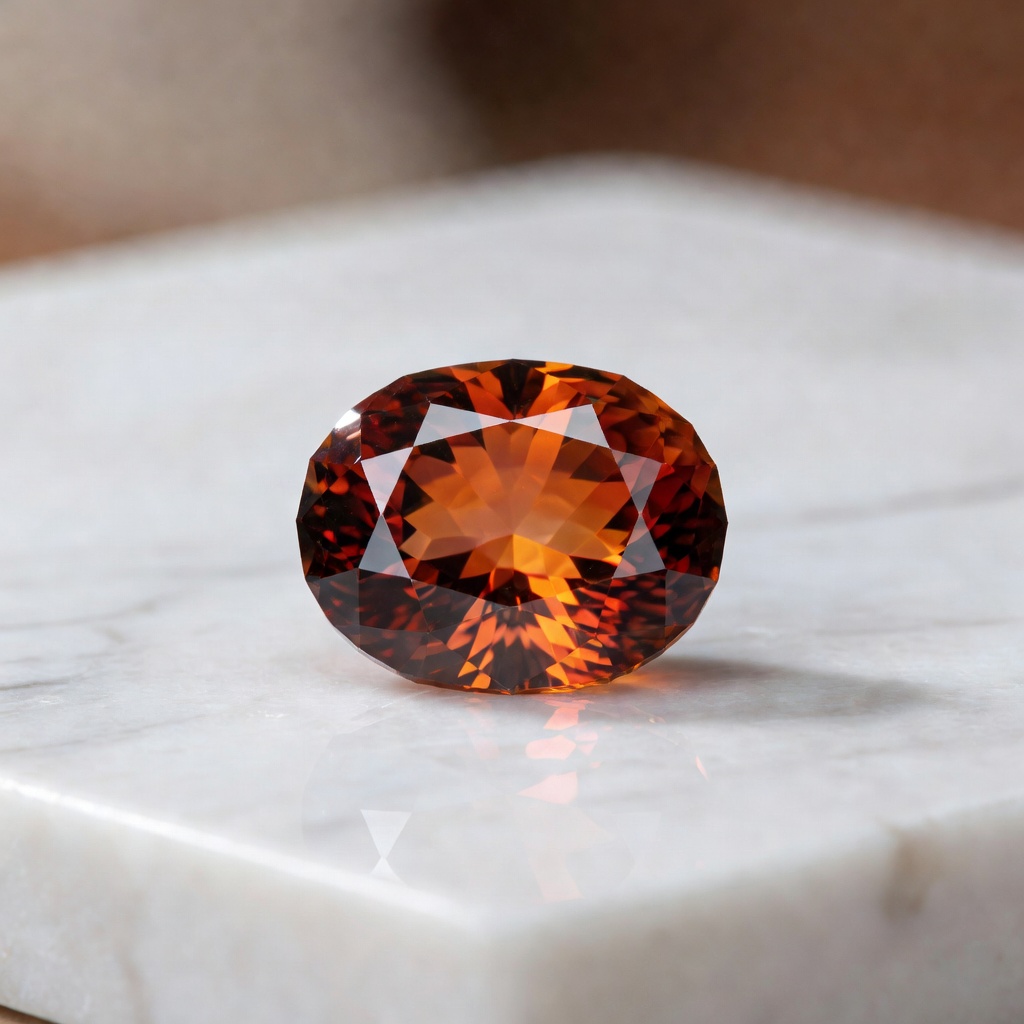
What Is Hessonite Garnet? Understanding the Cinnamon Stone
Hessonite garnet represents one of the most distinctive varieties of the grossular garnet family, celebrated for its captivating honey-orange to deep brownish-red coloration that immediately evokes images of warm autumn spices. This remarkable gemstone, chemically classified as calcium aluminum silicate, derives its unique appearance from trace elements of iron and manganese that interact with its crystalline structure during formation. With a respectable hardness rating of 6.5 to 7 on the Mohs scale, hessonite offers sufficient durability for various jewelry applications while requiring slightly more care than harder gemstones like sapphire or diamond. The stone's characteristic internal features, often described as treacle-like or swirling smoke patterns, distinguish it from other garnet varieties and contribute to its unique optical properties.
The endearing nickname "cinnamon stone" emerged from hessonite's remarkable resemblance to the warm, spicy hues of ground cinnamon and honey, making it instantly recognizable among gemstone enthusiasts and collectors. Unlike the deep red pyrope or vibrant green tsavorite garnets, hessonite occupies a unique color niche that ranges from pale yellow-orange to intense reddish-brown, with the most prized specimens displaying a rich, glowing cinnamon color often referred to as "pigeon blood" orange in the trade. This distinctive palette has made hessonite particularly popular in both fashion jewelry and traditional astrological applications, where its warm tones are believed to channel specific energetic properties. When examining high-quality specimens, particularly those originating from Sri Lanka, one can observe a beautiful vitreous luster that enhances the stone's depth and richness, creating an almost liquid appearance that seems to glow from within.
In Vedic astrology, hessonite garnet—known as "gomed stone" or "gomedhaka"—holds profound significance as the primary gemstone associated with the shadow planet Rahu, representing the north node of the moon. Ancient texts describe this connection as powerful for mitigating the karmic influences and disruptive energies that Rahu can manifest in one's astrological chart, particularly during challenging planetary periods known as dashas. The stone's warm colors are traditionally believed to resonate with Rahu's energetic frequency, creating a harmonious bridge between celestial influences and earthly existence. For those seeking both aesthetic beauty and metaphysical significance, hessonite offers a rare combination of visual appeal and traditional spiritual importance that few other gemstones can match.
Essential Quality Factors for Hessonite Garnet
Understanding hessonite quality factors requires careful attention to the four Cs—color, clarity, cut, and carat weight—each playing a crucial role in determining both beauty and value. Color stands as the paramount consideration, with ideal specimens displaying a medium to medium-dark orange to reddish-brown hue often described as "pigeon blood" orange or deep honey cinnamon. Stones that appear too pale or yellowish typically command lower prices, while excessively dark specimens that approach blackish-brown lack the desirable warmth and brilliance that characterize fine hessonite. The most valuable stones exhibit even color distribution throughout the crystal without zoning or windowing, maintaining their rich cinnamon tones when viewed from multiple angles under various lighting conditions.
Clarity standards for hessonite garnet differ somewhat from other gemstones due to the prevalence of characteristic inclusions known as "jardins," French for gardens, which appear as swirling, treacle-like patterns within the stone. Unlike diamonds, where inclusions significantly detract from value, hessonite's jardins are often accepted and even appreciated as proof of natural origin, provided they do not severely impact transparency or durability. Eye-clean stones—those without visible inclusions to the unaided eye—command premium prices and are particularly sought after for astrological purposes where clarity is believed to enhance energetic transmission. However, collectors should be wary of stones that appear perfectly clean under magnification, as this may indicate synthetic origin or glass imitation rather than exceptional natural quality.
Cut quality dramatically influences how hessonite displays its color and brilliance, with skilled lapidaries orienting the rough to maximize the stone's inherent warmth while minimizing color zoning. Mixed cuts, cushion shapes, and oval designs tend to perform best for hessonite, allowing optimal light return while maintaining weight retention from the typically irregular rough crystals. Poor cutting can result in windowing—areas where light passes straight through rather than reflecting back—creating dead spots that diminish the stone's life and value. When evaluating cut, examine the stone face-up to ensure even color distribution and look for symmetrical faceting that enhances rather than detracts from the gem's natural beauty.
Carat weight considerations for hessonite garnet involve balancing size with quality, as larger clean specimens become increasingly rare and expensive. While hessonite occurs in sizes ranging from small accent stones to impressive collector pieces exceeding ten carats, the sweet spot for both jewelry and astrological purposes typically falls between three to six carats. Price per carat increases exponentially with size for high-quality material, meaning a five-carat fine hessonite may cost significantly more than five times the price of a one-carat stone of similar quality. When selecting carat weight, consider the intended use—smaller stones work beautifully in earrings and delicate pendants, while larger specimens make striking rings or astrological talismans.
Natural vs Synthetic: Authentication Essentials
Distinguishing natural hessonite vs synthetic requires trained observation and often laboratory verification, as modern lab-created stones can closely mimic natural appearance. Natural hessonite typically displays the characteristic "treacle" or "whiskey in water" effect—swirling, heat-wave-like inclusions that create a soft, velvety appearance under magnification. Synthetic counterparts, whether flux-grown or hydrothermal, often appear too perfect, displaying curved growth lines, metallic flux inclusions, or an unnatural clarity that lacks the organic complexity of natural material. When examining potential purchases, request magnification of at least 10x to observe these internal characteristics, or better yet, insist on examination by a qualified gemologist before finalizing significant investments.
Common treatments in the hessonite market include heat treatment, which can improve color by reducing brownish tones and enhancing orange hues, though untreated natural stones command higher prices. While heat treatment is considered relatively stable and acceptable in the trade, disclosure remains essential for fair valuation and astrological applications where untreated stones are preferred. Identification tools such as refractive index testing (natural hessonite typically measures 1.74-1.75) and specific gravity determination (3.60-3.70 for natural material) provide objective data points for authentication. Advanced testing using spectroscopy can reveal treatment signatures or distinguish natural from synthetic origin through characteristic absorption patterns.
Red flags for potential fraud include glass imitations, assembled stones (doublets or triplets), and dyed quartz or cubic zirconia passed off as natural hessonite. Glass imitations often contain round gas bubbles, show conchoidal fractures when chipped, and lack the crystalline structure visible under polarized light. Assembled stones may display obvious glue lines, different optical properties between layers, or unusual heft due to hidden backing materials. When evaluating hessonite garnet, reference number mwcopx serves as an example of proper documentation tracking, ensuring each stone's journey from mine to market remains transparent and verifiable.
Professional gemological laboratories employ sophisticated techniques including Raman spectroscopy, UV-Vis-NIR spectroscopy, and laser ablation inductively coupled plasma mass spectrometry (LA-ICP-MS) to definitively identify treatments and synthetic origin. For consumers, purchasing only from dealers who provide detailed certification from reputable labs like GIA, IGI, or GRS offers the best protection against misrepresentation. When in doubt about a stone's authenticity, consult an independent appraiser rather than relying solely on the seller's claims, particularly for investment-grade pieces or stones intended for astrological use where natural origin is paramount.
Hessonite Garnet Pricing and Value Assessment
Understanding hessonite garnet price per carat requires recognizing the broad spectrum of quality available in today's market, with prices ranging from modest to quite substantial depending on specific characteristics. Commercial grade hessonite, typically displaying light orange colors, visible inclusions, or poor cutting, generally commands between $20 to $50 per carat, making it accessible for casual jewelry or introductory astrological use. Fine quality specimens featuring deep cinnamon color, good clarity, and expert cutting fall into the $100 to $300 per carat range, while exceptional large stones from prestigious origins like Sri Lanka can exceed $500 per carat for top-tier material. These price differentials reflect not just aesthetic preferences but also rarity, as truly fine hessonite represents a small fraction of total production.
Origin significantly impacts hessonite valuation, with Sri Lanka hessonite garnet consistently commanding the highest premiums due to its renowned honey-orange color and relative clarity compared to material from other localities. Sri Lankan (Ceylon) stones typically display the coveted "pigeon blood" orange tone with minimal brown modifier, creating a bright, warm appearance highly prized in both jewelry and astrological contexts. Indian hessonite, particularly from Rajasthan and Orissa, tends toward darker reddish-brown tones with heavier inclusions, offering excellent value for those seeking the stone's metaphysical properties without the premium price tag. African sources including Madagascar and Tanzania produce hessonite with good orange coloration but often with more visible inclusions, positioning them as mid-range options in the pricing hierarchy.
Color intensity and clarity directly correlate with market value in hessonite, following predictable patterns that reward the most visually appealing specimens. Stones displaying pure orange to reddish-brown without excessive darkness or yellowish undertones command top prices, while those with "sleepy" or milky appearances due to heavy inclusions see significant discounts. The relationship between clarity and price is somewhat nuanced—while eye-clean stones are most valuable, lightly included material with attractive jardins acceptable for jewelry may still command strong prices if the color is exceptional. Investment potential exists primarily in fine, large specimens from documented Sri Lankan sources, as these maintain value and liquidity better than commercial grade material or stones of uncertain origin.
Resale considerations for hessonite collectors should focus on documentation, provenance, and timelessness of setting design rather than trendy mountings that may quickly date the piece. Natural, untreated stones with laboratory certification retain value significantly better than treated material, particularly as treatments become more detectable and disclosure more strictly enforced in the trade. When building a collection or making significant purchases, prioritize stones with unique color characteristics or exceptional size, as these rarity factors provide the best hedge against market fluctuations. Working with established dealers who offer buy-back policies or consignment options can provide additional security for investment-grade purchases.
Astrological Significance: Who Should Wear Gomed?
The astrological benefits of hessonite center on its traditional association with Rahu, the shadow planet in Vedic astrology representing the north lunar node and karmic desires unfulfilled from past lives. According to classical texts, wearing gomed stone helps pacify Rahu's disruptive influences, particularly during the 18-year Rahu Mahadasha period or when Rahu occupies challenging positions in the birth chart. Rahu governs materialism, foreign connections, innovation, and sudden changes—wearing hessonite is believed to harness these energies constructively rather than allowing them to manifest as confusion, addiction, or unexpected obstacles. The stone's warm cinnamon color resonates with Rahu's frequency, creating a protective shield that filters negative influences while amplifying the planet's positive attributes of ambition and unconventional success.
Specific astrological conditions indicating hessonite suitability include Rahu positioned in the 1st, 6th, or 10th houses of the birth chart, or when undergoing Rahu antardasha (sub-period) within other planetary major periods. Individuals experiencing persistent mental confusion, inexplicable fears, or sudden career obstacles despite hard work may benefit from this gemstone after proper astrological consultation. The stone is particularly recommended for those in fields requiring innovation, research, foreign trade, or dealing with mass media and politics—domains traditionally governed by Rahu's influence. However, hessonite is not universally beneficial; those with Rahu well-placed or in certain house positions might experience adverse effects, underscoring the importance of personalized astrological advice before wearing.
Traditional wearing protocols specify silver or panchdhatu (five-metal alloy) settings as most effective for transmitting hessonite's energetic properties, with silver being preferred for its cooling, lunar associations that balance Rahu's intense energy. The stone should ideally weigh between three to six carats, calculated at approximately one carat per ten kilograms of body weight, and must touch the skin to facilitate energy transfer. Ritual activation typically involves cleansing the stone in raw milk or Ganges water, energizing it with Rahu mantras on Saturday or Wednesday during Rahu Kalam (the time period ruled by Rahu), and wearing it on the middle finger of the right hand for right-handed individuals. Some practitioners recommend wearing hessonite set in a silver ring on a Saturday evening during the waxing moon phase for maximum astrological benefit.
Expected benefits from properly selected and energized hessonite include enhanced mental clarity and focus, protection from hidden enemies and deception, improved career stability particularly in foreign ventures, and relief from stress-related ailments. Many wearers report increased confidence in decision-making and reduced anxiety regarding the future, as the stone is believed to ground Rahu's chaotic energy into practical manifestation. Physical benefits traditionally associated with hessonite include improved digestion, relief from skin conditions, and balanced metabolism, though these should complement rather than replace conventional medical treatment. Regular cleansing of the stone under running water and exposure to moonlight helps maintain its energetic potency, ensuring continued astrological effectiveness.
Certification and Documentation Requirements
Navigating the Hessonite Garnet Buying Guide effectively requires understanding the critical role of third-party certification in verifying authenticity, origin, and treatment status. Trusted gemological laboratories such as the Gemological Institute of America (GIA), International Gemological Institute (IGI), and GemResearch Swisslab (GRS) provide standardized reporting that identifies hessonite variety, confirms natural origin, and discloses any treatments applied. Local certified laboratories in major trading centers like Jaipur, Colombo, and Bangkok also offer reliable services, particularly for origin-specific documentation that may carry weight in regional markets. A proper certificate serves as the stone's passport, providing an independent verification that protects both buyer and seller while establishing baseline value for insurance and resale purposes.
Key elements to verify on hessonite certificates include precise identification as "Natural Hessonite Garnet" or "Natural Grossular Garnet (Hessonite)," detailed weight measurements to the nearest hundredth of a carat, and dimensional measurements in millimeters. Treatment disclosure is crucial—certificates should explicitly state "No indications of heating" or specify if heat treatment has been detected, as this significantly affects value and astrological suitability. Origin reports indicating "Sri Lanka," "Ceylon," "India," or "Africa" help establish provenance and justify pricing premiums for prestigious sources. Be wary of vague terminology such as "natural color" without treatment clarification, or certificates from unknown labs lacking proper accreditation or contact information.
Common scams in the hessonite market include misrepresentation of origin (passing off Indian material as Sri Lankan), non-disclosure of heat treatment, and selling synthetic or glass imitations with forged certificates. Sophisticated fraudsters may create fake laboratory websites or use legitimate certificate numbers on counterfeit documents, requiring buyers to verify certificate authenticity directly with the issuing lab using online verification tools or direct contact. Another prevalent issue involves "filled" hessonite, where surface-reaching fractures are concealed with oil or resin to improve apparent clarity—treatments that may not be immediately obvious without microscopic examination. Always cross-reference certificate details with the physical stone, ensuring weight and dimensions match exactly before completing purchases.
Reputable dealers demonstrate confidence in their merchandise by offering return policies, typically ranging from seven to thirty days, allowing buyers to obtain independent verification. When purchasing hessonite for significant investment or astrological purposes, budget additionally for verification by an independent gemologist or appraisal by a qualified jewelry professional. Maintain all documentation including purchase receipts, certificates, and any treatment disclosure forms in a secure location, as these papers significantly impact future resale value and insurance coverage. Establishing relationships with dealers who specialize specifically in colored gemstones rather than general jewelry retailers often yields better quality control and more knowledgeable service regarding hessonite's unique characteristics.
Choosing the Perfect Jewelry Setting
Selecting appropriate hessonite jewelry settings requires balancing aesthetic preferences with practical durability considerations, given hessonite's moderate hardness of 6.5-7 on the Mohs scale. For daily wear rings, protective settings such as bezels or partial bezels offer superior security compared to delicate prong settings that may snag or loosen over time. Bezel settings encircle the stone's girdle with metal, providing excellent protection against chips and scratches while creating a sleek, modern appearance that complements hessonite's warm tones. V-prong or double-prong configurations offer reasonable alternatives for those preferring more light exposure, though these require more frequent maintenance checks to ensure stones remain secure.
Metal compatibility presents important considerations depending on whether the hessonite is intended for fashion wear or astrological purposes. Silver remains the traditional and most recommended metal for astrological hessonite, believed to enhance the stone's connection with lunar energies and Rahu's influence while remaining affordable for larger stones required for therapeutic effects. For fashion jewelry, yellow gold creates a harmonious warm palette with hessonite's cinnamon tones, while rose gold accentuates the stone's pinkish-orange undertones beautifully. White metals like platinum or white gold provide striking contrast that makes the orange hues pop, though the cost may be prohibitive for larger cabochons or astrological rings requiring substantial metal weight.
Durability considerations vary significantly by jewelry type, with earrings and pendants offering safer environments for hessonite than rings subjected to daily impact and abrasion. Cocktail rings or occasional wear pieces can feature more elaborate prong settings, while engagement-style or daily wear rings demand robust protection. When designing custom pieces, consider the wearer's lifestyle—active individuals or those working with their hands should avoid high-profile settings that elevate the stone above the finger, opting instead for low, protective mountings. Cathedral settings, tension settings, or flush settings may not provide adequate protection for hessonite's slightly softer nature compared to sapphire or diamond alternatives.
Matching hessonite with complementary gemstones creates sophisticated jewelry designs while respecting astrological traditions that recommend specific pairings. Pearl or moonstone combinations work beautifully with hessonite for lunar-themed jewelry, while cat's eye (chrysoberyl) traditionally accompanies hessonite in Vedic astrology as both relate to the lunar nodes (Rahu and Ketu). For fashion pieces, hessonite pairs elegantly with champagne diamonds, smoky quartz, or cognac diamonds in warm-toned compositions, or provides striking contrast against blue sapphires or tsavorite garnets in complementary color schemes. When combining stones, ensure similar hardness levels to prevent scratching, or set harder stones (diamond, sapphire) in positions that won't contact the hessonite during wear.
Where to Buy: Online vs Offline Dealers
Determining where to buy hessonite garnet requires evaluating the distinct advantages and risks of online marketplaces versus traditional brick-and-mortar establishments. Online platforms offer unprecedented access to global inventory, competitive pricing due to reduced overhead costs, and the convenience of comparison shopping across multiple vendors simultaneously. However, the inability to physically examine color accuracy, clarity characteristics, and cut quality before purchase necessitates strict due diligence regarding seller reputation, return policies, and photographic representation. Reputable online dealers provide high-resolution images under multiple lighting conditions, 360-degree video rotation, and detailed specifications that partially compensate for the lack of physical inspection.
Specialized gemstone dealers offer distinct advantages over general jewelry retailers when sourcing hessonite, possessing specific expertise in grossular garnet varieties and established networks for obtaining fine material from Sri Lanka, India, and African sources. These specialists understand the nuances of hessonite quality factors, can accurately assess jardins versus detrimental inclusions, and typically maintain inventory specifically selected for astrological suitability. General jewelers may carry hessonite as a secondary item but often lack the specialized knowledge to evaluate origin, treatment status, or astrological quality, potentially resulting in overpayment for inferior material. When visiting physical locations, request examination under neutral lighting (daylight equivalent) rather than store lighting designed to enhance appearance, and bring a loupe to inspect inclusions personally.
Essential questions to ask sellers regardless of venue include specific origin documentation ("Is this Sri Lankan or African material?"), treatment disclosure ("Has this stone been heated or treated in any way?"), and certification availability ("Does this come with a GIA or IGI certificate?"). Inquire about the stone's history—whether it has been in inventory long-term or recently acquired—as fresh stock from cutting centers often offers better value than stones passed through multiple dealers. For astrological purchases, ask specifically whether the stone has been tested for suitability ("Is this stone free from defects that would negate astrological benefits?") and whether the seller provides energization services or guidance on proper wearing rituals.
Video inspection capabilities have become essential for online hessonite purchases, allowing buyers to observe color zoning, windowing, and inclusion patterns that static photographs might obscure. Request videos showing the stone in natural daylight, diffused artificial light, and against white and black backgrounds to accurately assess body color and transparency. Verify return windows thoroughly—reputable sellers offer at least seven days for domestic purchases and reasonable periods for international shipments, allowing time for independent appraisal. Payment security remains paramount; use credit cards or secure escrow services that offer buyer protection, avoiding wire transfers or cryptocurrency for initial transactions with unknown sellers.
Care and Maintenance Best Practices
Proper hessonite garnet care begins with understanding the stone's moderate hardness and sensitivity to thermal shock, sudden temperature changes, and harsh chemicals. Routine cleaning requires only warm soapy water (mild dish detergent) and a soft-bristled brush, gently scrubbing behind the stone where dirt accumulates and rinsing thoroughly with clean water. Avoid ultrasonic cleaners and steam cleaning devices, as the vibrations and heat can exacerbate existing fractures or cause thermal shock in stones with liquid inclusions. After cleaning, pat dry with a soft lint-free cloth rather than rubbing, which can attract dust particles that might scratch the surface.
Storage recommendations emphasize separate compartments for hessonite jewelry to prevent scratching from harder gemstones like diamonds, rubies, or sapphires that might share a jewelry box. Individual soft pouches, fabric-lined compartments, or dedicated gemstone boxes prevent contact damage and protect settings from deformation. When traveling, carry hessonite pieces in carry-on luggage rather than checked baggage, maintaining temperature stability and reducing risk of loss or theft. For astrological rings worn daily, consider removing the stone during heavy physical activities, gardening, or household cleaning to prevent impact damage or exposure to chemicals.
Chemicals to avoid extend beyond obvious culprits like bleach and ammonia to include harsh detergents, hair spray, perfume, and chlorine from swimming pools or hot tubs. These substances can attack the metal settings, potentially loosening the stone, or create buildup on the hessonite's surface that dulls its luster over time. Apply cosmetics and fragrances before putting on hessonite jewelry, allowing these products to dry completely to minimize chemical contact. Sudden temperature changes—such as moving from a hot tub to a cold pool or leaving heated buildings into freezing winter air—can cause thermal shock, potentially fracturing the stone due to differential expansion between surface and interior.
Professional maintenance schedules should include annual inspections by a qualified jeweler who can check prong tightness, bezel integrity, and signs of wear in the setting before stones become loose or lost. For astrological jewelry, some practitioners recommend periodic energetic cleansing through moonlight exposure, burial in earth overnight, or rinsing in natural water sources to maintain metaphysical potency. Re-polishing may eventually become necessary for heavily worn hessonite rings, though this should be performed by lapidaries experienced with garnet materials to prevent overheating during the process. Maintaining detailed records of cleaning dates, professional inspections, and any repairs helps preserve both the physical condition and documented history of valuable hessonite pieces.
Final Checklist: Making Your Purchase Decision
Completing your Hessonite Garnet Buying Guide journey requires systematic verification before finalizing any purchase, regardless of price point or intended use. Begin with the 4C assessment: verify that Color displays the desired cinnamon to honey-orange tone without excessive darkness or pallor, examine Clarity to ensure inclusions are acceptable "jardins" rather than cracks or heavy clouding, confirm Cut quality maximizes brilliance without windowing, and verify Carat weight meets your astrological or aesthetic requirements. Cross-reference these observations with accompanying certification, ensuring the laboratory report matches the physical stone and explicitly states "Natural" origin with full treatment disclosure. For astrological purchases, additional verification includes checking for surface-reaching fractures, dull spots, or milkiness that traditional texts identify as defects negating a stone's beneficial properties.
Budget allocation strategies should prioritize quality over size, as a smaller, fine-quality hessonite from Sri Lanka with excellent color and clarity outperforms a larger, included stone of inferior color for both wearability and value retention. Allocate approximately 60-70% of budget toward the stone itself, reserving remaining funds for quality setting and certification rather than elaborate mountings that may exceed the gem's value. Consider future upgrade possibilities—some dealers offer trade-in programs allowing progression from commercial to fine quality as budget permits. Remember that untreated natural stones command premiums but retain value better than treated material, making them smarter long-term investments even at higher initial cost.
Timeline considerations for astrological purchases include consulting almanacs or astrologers to identify auspicious purchase dates, typically Saturdays or Wednesdays during Rahu Kalam or specific lunar phases favorable for acquiring Rahu gemstones. Avoid purchasing during retrograde periods or inauspicious planetary hours if following strict Vedic traditions. Allow sufficient time for proper energization rituals, setting creation (typically 1-2 weeks for custom work), and personal preparation before first wearing. Rush purchases often result in compromised quality or inadequate documentation; patience yields superior stones and more favorable energetic timing.
Ultimately, prioritize authenticity and quality over bargain pricing or impressive size when selecting hessonite garnet. The market unfortunately contains numerous imitations, treated stones sold as natural, and misrepresented origins that disappoint buyers seeking specific astrological or investment benefits. Establish relationships with reputable dealers who guarantee their merchandise, provide comprehensive documentation, and offer educational guidance rather than high-pressure sales tactics. A genuine, well-selected hessonite serves as a lifetime companion—whether worn for beauty, astrological benefit, or investment—rewarding careful selection with decades of enjoyment and potential appreciation.
Frequently Asked Questions
What is hessonite garnet and why is it called the cinnamon stone?
Hessonite garnet is a variety of grossular garnet known for its distinctive honey-orange to reddish-brown color resembling cinnamon spice. This warm, spicy hue earned it the nickname 'cinnamon stone.' Chemically, it's a calcium aluminum silicate with a hardness of 6.5-7 on the Mohs scale, making it suitable for various jewelry applications.
How much does hessonite garnet cost per carat?
Hessonite garnet prices typically range from $20 to $300+ per carat depending on quality. Commercial grade stones with lighter colors and visible inclusions cost $20-50 per carat, while fine quality specimens with deep cinnamon color and good clarity command $100-300 per carat. Exceptional large stones from Sri Lanka (Ceylon) can exceed $500 per carat.
How can I tell if my hessonite garnet is natural or synthetic?
Natural hessonite typically contains characteristic inclusions called 'jardins' (gardens) that look like swirling smoke or treacle. Under magnification, synthetic stones often appear too perfect or show curved growth lines. Natural hessonite has a specific gravity of 3.6-3.7 and refractive index of 1.74-1.75. Always request certification from reputable labs like GIA or IGI to confirm authenticity.
Which origin is best for hessonite garnet - Sri Lanka, India, or Africa?
Sri Lankan (Ceylon) hessonite is generally considered the finest quality, prized for its bright honey-orange color and exceptional clarity. Indian hessonite, particularly from Rajasthan, tends to be darker reddish-brown and more affordable. African hessonite (Madagascar, Tanzania) offers good value with orange tones but often has more inclusions. For astrological purposes, Sri Lankan origin is most recommended.
What color should I look for when buying hessonite garnet?
The most desirable hessonite color is a medium to medium-dark orange to reddish-brown, often described as 'pigeon blood' orange or deep honey. Avoid stones that are too pale (yellowish) or too dark (almost black). The ideal stone should display a warm, glowing cinnamon color with good saturation and even distribution throughout the gem.
Is hessonite garnet durable enough for daily wear in rings?
With a hardness of 6.5-7 on the Mohs scale, hessonite garnet is moderately durable but requires protective settings for daily wear. It's softer than sapphire or ruby but harder than opal. For rings worn daily, choose bezel settings or protective prong designs. Pendants and earrings are safer options as they experience less impact. Avoid wearing hessonite during heavy physical activities.
What carat weight is recommended for astrological benefits?
For astrological purposes, hessonite garnet (Gomed) should ideally weigh between 3 to 6 carats, depending on the wearer's body weight (generally 1 carat per 10 kg of body weight). The stone should make contact with the skin when worn, typically set in silver or panchdhatu (five-metal alloy) on the middle finger of the right hand. Consult a qualified astrologer for personalized recommendations.
Do I need a certificate when buying hessonite garnet?
Yes, certification is essential when purchasing hessonite garnet, especially for higher values or astrological use. A certificate from reputable labs (GIA, IGI, GRS, or certified local laboratories) confirms the stone is natural, identifies any treatments, verifies origin, and documents exact weight and dimensions. Never buy expensive hessonite without proper documentation, as untreated natural stones command premium prices.


