Comprehensive Guide to Hemimorphite Properties and Information
Hemimorphite stands as one of the most visually striking and metaphysically significant minerals within the zinc ore family, captivating both scientific minds and spiritual practitioners for centuries. Named from the Greek words hemi (half) and morphos (form), this unique zinc silicate mineral derives its designation from its distinctive crystal habit featuring different terminations at each end of the crystal structure. Unlike many minerals that form symmetrical crystals, hemimorphite exhibits a hemimorphic character where one end terminates in a pointed pyramid while the other ends in a flat pedion, creating a fascinating asymmetrical formation that challenges conventional crystallographic expectations. This comprehensive exploration of hemimorphite properties and information will guide you through its geological origins, physical characteristics, metaphysical applications, and practical care requirements, whether you are a seasoned mineral collector seeking rare specimens or a crystal healer incorporating this stone into your energy work practice.
Geological Formation and Classification
Hemimorphite represents a secondary zinc silicate mineral with the chemical formula Zn₄Si₂O₇(OH)₂·H₂O, forming through the complex oxidation and alteration processes of primary zinc sulfide deposits such as sphalerite. This zinc silicate mineral develops exclusively within the oxidation zones of zinc and lead ore bodies, where prolonged exposure to oxygen-rich waters and carbon dioxide triggers chemical transformations that gradually replace the original sulfide minerals with these secondary supergene minerals. The formation process typically occurs near the earth's surface in arid to semi-arid climates where evaporation rates exceed precipitation, allowing silica-rich solutions to concentrate and crystallize within rock cavities and fractures over geological timescales spanning thousands to millions of years.
Geologists frequently discover hemimorphite in association with other secondary minerals including smithsonite (zinc carbonate), anglesite (lead sulfate), cerussite (lead carbonate), and various iron oxides that together create colorful and texturally complex mineral assemblages. The specific environmental conditions during formation significantly influence the resulting crystal habits, with rapid crystallization often producing botryoidal (grape-like) crusts while slower, undisturbed growth allows for the development of well-formed prismatic crystals. Understanding these geological contexts helps collectors identify promising locations and recognize the mineral's relationship to broader ore deposit systems, particularly in regions historically mined for zinc and lead where oxidation zones have been exposed through mining activities or natural erosion processes.
Physical and Chemical Characteristics
Understanding the physical hemimorphite properties is essential for proper identification, handling, and appreciation of this delicate mineral that requires thoughtful care due to its moderate hardness and sensitivity to environmental factors. Hemimorphite registers between 4.5 and 5 on the Mohs hardness scale, placing it in a category similar to fluorite or apatite where it can be scratched by steel blades and harder minerals like quartz, necessitating protective storage and cautious handling during examination or jewelry setting. This relatively soft nature means that specimens should never be stored in loose collections where they might contact harder minerals, and any jewelry applications require protective settings such as bezels rather than prong settings that might expose edges to impact damage during daily wear.
The mineral exhibits a specific gravity ranging from 3.4 to 3.5, which feels noticeably heavy when handling specimens of substantial size, providing one method for distinguishing it from visually similar but lighter minerals. Perhaps most distinctive among hemimorphite properties is its namesake hemimorphic crystal structure, where crystals develop different terminal faces on opposite ends—typically a pointed termination on one extremity and a flat base on the other—resulting from the polar nature of its internal atomic arrangement during crystallization. This unique characteristic, combined with perfect cleavage in one direction and a conchoidal to uneven fracture pattern, creates both diagnostic identification features and challenges for lapidaries attempting to facet or polish the material for gemstone applications.
Color Varieties and Visual Identification
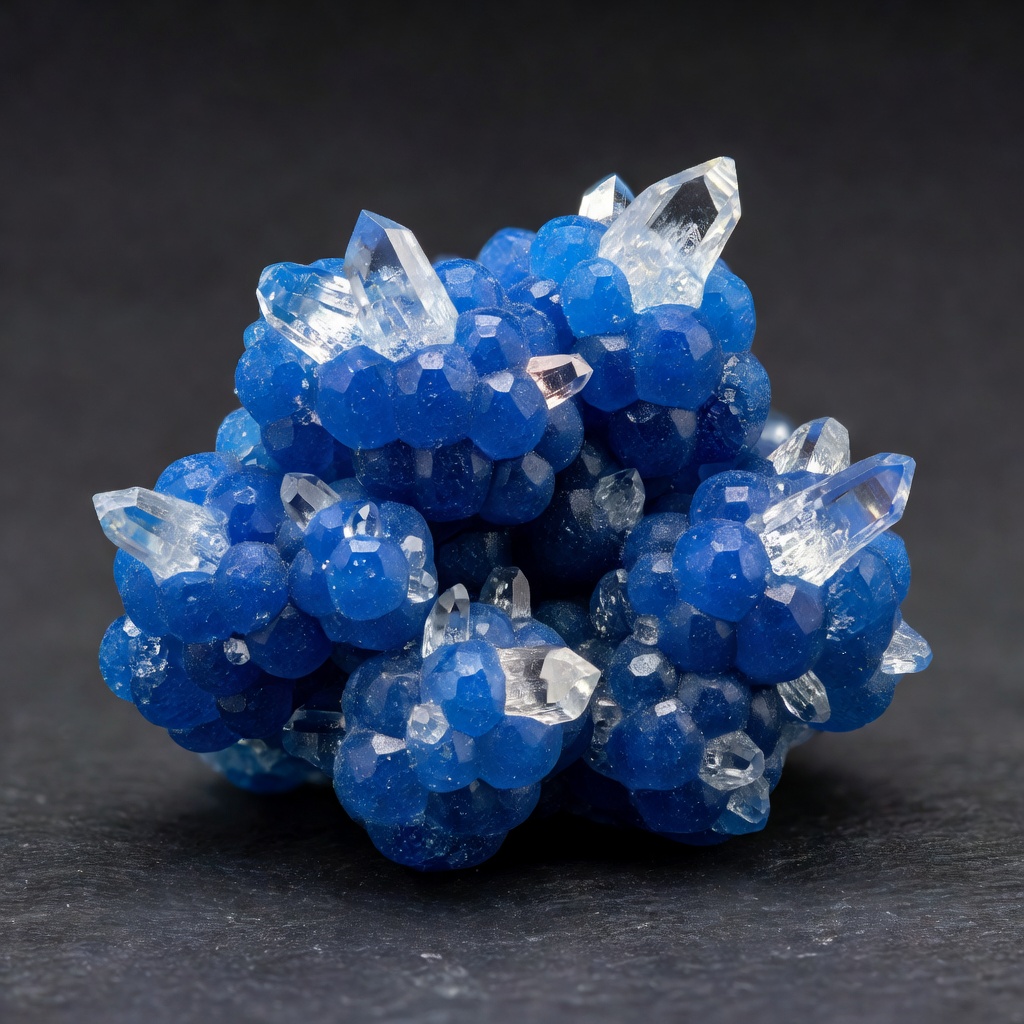
The visual appeal of hemimorphite largely centers on its spectacular color range, with blue hemimorphite representing the most prized and valuable variety among collectors and metaphysical practitioners alike. The most coveted specimens display intense sky-blue to azure coloration caused by trace amounts of copper within the crystal structure, with the finest examples exhibiting a vibrant, almost electric blue hue that rivals turquoise or chrysocolla in intensity while maintaining a distinctive translucency. These premium blue hemimorphite specimens often form botryoidal crusts with a silky to vitreous luster that creates an mesmerizing glow when properly lit, making them centerpiece specimens in any mineral collection and highly sought after for both display and jewelry purposes.
Beyond the famous blue varieties, hemimorphite occurs in white, colorless, gray, yellowish, greenish, and brownish tints depending on the specific impurities and formation conditions present during crystallization. The greenish tints typically result from iron content, while pure zinc silicate without trace contaminants yields colorless to white specimens that, while less valuable monetarily, still display the characteristic crystal forms and fluorescence under ultraviolet light that make them interesting to collectors. Visual identification requires distinguishing between botryoidal formations that resemble bubbly, rounded surfaces and the more rare prismatic crystal formations that clearly display the hemimorphic terminations; both habits may occur together on a single specimen, with botryoidal crusts sometimes coating clusters of prismatic crystals, creating complex three-dimensional mineral art that showcases the diverse expressions of this remarkable zinc silicate mineral.
Metaphysical Properties and Crystal Meaning
Within crystal healing traditions and metaphysical practices, hemimorphite crystal meaning centers on themes of personal growth, emotional authenticity, and the courageous expression of one's true self without fear of judgment or rejection. Practitioners consider this stone a powerful ally for those navigating major life transitions or engaging in deep shadow work, as it is believed to illuminate unconscious patterns and encourage the integration of repressed aspects of the psyche into conscious awareness. The mineral's unique hemimorphic structure serves as a metaphor for personal development—just as the crystal embodies different forms at each end, humans contain multitudes of experiences and potentials that can coexist harmoniously when properly acknowledged and balanced.
Blue hemimorphite specifically resonates with communication and authentic self-expression, earning it recognition as a "Stone of the Compassionate Communicator" who speaks truth with kindness and clarity rather than aggression or manipulation. Many energy workers report that meditating with this crystal facilitates connections to higher consciousness and angelic realms, particularly when placed on the third eye or crown chakras during spiritual practices aimed at receiving guidance or accessing akashic records. The hemimorphite crystal meaning also encompasses ego dissolution and the release of toxic pride, teaching that true strength emerges from vulnerability and honest self-assessment rather than defensive posturing or emotional armor that ultimately isolates individuals from genuine connection and support.
Healing Benefits and Energy Work
The hemimorphite healing properties make it a versatile tool in energy medicine, particularly for practitioners working with throat chakra blockages and communication disorders that manifest as fear of public speaking, social anxiety, or inability to express emotional needs effectively. When placed directly on the throat chakra (Vishuddha) during Reiki sessions or crystal layouts, hemimorphite is believed to dissolve energetic knots that prevent authentic expression while simultaneously filtering communication to ensure that spoken words carry intention and compassion rather than reactive emotion. Crystal healers often recommend carrying a small tumbled piece in a pocket or wearing it as a pendant near the throat area during difficult conversations or presentations to maintain clear, honest dialogue while remaining open to receiving feedback without defensiveness.
Emotionally, hemimorphite healing properties address deep-seated grief, resentment, and anger that have crystallized into physical tension or repetitive negative thought patterns, particularly those stemming from childhood experiences or past relationship traumas. The stone encourages forgiveness—not as condoning harmful actions, but as releasing the energetic burden of carrying hatred that ultimately harms the holder more than the offender. Some holistic practitioners also attribute physical healing benefits to this mineral, suggesting it supports immune system function, cellular regeneration, and hormonal balance, particularly in relation to the thymus gland and thyroid function; while these claims lack conventional medical validation, many users report feeling revitalized and cleansed after working with the stone during meditation or placing it on affected body areas during rest.
Hemimorphite vs Smithsonite: Distinguishing Features
The comparison of hemimorphite vs smithsonite presents one of the most common identification challenges facing mineral collectors and geologists, as these two secondary zinc minerals frequently occur together in identical geological environments and can display remarkably similar visual characteristics including color, luster, and botryoidal formations. The fundamental distinction lies in their chemical composition: hemimorphite is a zinc silicate containing silicon and oxygen in its structure, while smithsonite is a zinc carbonate containing carbon and oxygen arranged as carbonate groups, a difference that manifests in distinct physical and chemical behaviors despite their superficial similarities. This compositional variance means that smithsonite will react vigorously with dilute hydrochloric acid (HCl) by effervescing and releasing carbon dioxide gas, whereas hemimorphite remains chemically inert when exposed to the same acid test, providing a definitive field identification method when visual cues prove ambiguous.
Visually, experienced collectors note that hemimorphite vs smithsonite comparisons often reveal subtle differences in color intensity and surface texture, with hemimorphite typically displaying a more electric or intense blue coloration compared to smithsonite's often paler, more pastel blue-green tones, though both minerals can appear in white, gray, or green varieties that complicate visual identification. Specific gravity testing offers another diagnostic tool, as hemimorphite (3.4-3.5) is slightly denser than smithsonite (4.3-4.5 actually—wait, let me correct that: smithsonite is actually around 4.4, while hemimorphite is 3.4-3.5, so smithsonite is heavier). Actually, correction: Smithsonite specific gravity is approximately 4.4-4.5, making it noticeably heavier than hemimorphite's 3.4-3.5, so a specimen that feels surprisingly heavy for its size likely indicates smithsonite rather than hemimorphite. Additionally, hemimorphite occasionally displays the distinctive hemimorphic crystal terminations that smithsonite never exhibits, while smithsonite more commonly forms rhombohedral crystals resembling calcite. When purchasing specimens labeled as either mineral, buyers should request provenance information and, when possible, conduct acid testing or specific gravity measurements to verify identification, particularly given the price premiums often commanded by verified blue hemimorphite specimens.
Major Localities and Sourcing
The global distribution of quality hemimorphite gemstone specimens concentrates in several world-class localities that have produced museum-grade examples coveted by collectors and metaphysical practitioners seeking stones with potent energetic signatures. The Wenshan Mine in Yunnan Province, China currently produces the finest blue hemimorphite specimens available on the market, yielding intense azure-colored botryoidal formations with exceptional translucency and luster that set the standard for quality in contemporary mineral collecting. These Chinese specimens often form on matrix with contrasting white calcite or dark manganese oxides, creating dramatic aesthetic presentations that command premium prices at mineral shows and in specialty shops, with the best pieces featuring thick, solid botryoidal crusts rather than thin coatings.
Significant historical and contemporary deposits also occur at Mapimi in Durango, Mexico, where hemimorphite forms in the oxidation zones of the famous Ojuela Mine alongside world-class specimens of adamite and legrandite, producing specimens with distinctive botryoidal habits and occasionally transparent crystals suitable for faceting. The Tsumeb Mine in Namibia yielded exceptional hemimorphite during its operational history, particularly colorless to white transparent crystals of gem quality that remain highly prized in collections today. Historic localities in England, specifically the mines of Somerset and Derbyshire, produced classic specimens that established early mineralogical understanding of the species, with the Derbyshire deposits being particularly significant as the source of material originally described by mineralogists in the 19th century. When sourcing hemimorphite gemstone material, collectors should prioritize specimens with documented provenance from these renowned localities, examining pieces for damage-free surfaces, intense color saturation, and aesthetic presentation that justifies investment-grade acquisition.
Care, Cleaning, and Storage Recommendations
Proper maintenance of hemimorphite requires understanding its specific hemimorphite properties related to chemical sensitivity and physical fragility, as improper handling can permanently damage specimens through etching, cracking, or surface dulling that diminishes both aesthetic and monetary value. The mineral demonstrates significant sensitivity to acids, including weak acids found in household cleaning products, vinegar, or even acidic perspiration, which can etch the surface and destroy the vitreous luster that makes fine specimens so attractive; therefore, collectors should never use acidic cleaning solutions or allow specimens to contact substances like lemon juice or hydrochloric acid except during controlled diagnostic testing. Thermal shock presents another serious hazard, as rapid temperature changes can cause fractures or cleaving along the mineral's perfect cleavage plane, necessitating storage in climate-controlled environments away from heating vents, direct sunlight through windows, or sudden transitions between hot and cold locations.
For routine cleaning, use only lukewarm water with a mild, pH-neutral soap applied with a soft brush to remove dust and fingerprints, followed by immediate drying with a soft cotton cloth to prevent water spots from forming on the surface. Never use ultrasonic cleaners, steam cleaners, or abrasive materials including toothpaste or commercial jewelry polishes that might scratch the relatively soft surface. Storage requires individual wrapping in acid-free tissue paper or placement in padded compartments of mineral cabinets, ensuring separation from harder minerals (quartz, corundum, diamond) that could scratch the hemimorphite, while also avoiding prolonged exposure to direct sunlight that might fade the blue coloration in some specimens over time. For jewelry applications, choose protective settings that minimize exposure to impact and chemical contacts, removing rings or bracelets before washing hands, swimming in chlorinated pools, or engaging in physical activities that might subject the hemimorphite gemstone to blows or abrasions.
Conclusion and Collecting Tips
This comprehensive overview of hemimorphite properties and information reveals a mineral of remarkable complexity—geologically fascinating due to its unique crystal structure and formation environments, visually stunning in its blue varieties, and spiritually significant for those working with communication and emotional healing energies. For mineral collectors, key identifying features include the hemimorphic crystal terminations when present, specific gravity testing, acid reaction (or lack thereof), and the characteristic bright blue botryoidal formations that distinguish premium specimens from similar zinc minerals. Investment potential remains strong for high-quality blue specimens from premier localities like China's Wenshan Mine, particularly as mining operations continue to deplete accessible oxidation zone deposits while collector demand increases for display-grade material.
For energy workers and crystal healers, hemimorphite offers a gentle yet profound vibration that supports the throat chakra while simultaneously addressing heart-centered emotional healing, making it an excellent companion stone for therapists, teachers, public speakers, and anyone seeking to communicate with greater authenticity and compassion. Whether you acquire hemimorphite for its scientific interest, its aesthetic beauty, or its metaphysical properties, approach this zinc silicate mineral with the respect its delicacy demands—handle it gently, store it properly, and work with it intentionally to fully appreciate the unique gifts this half-formed crystal brings to your collection or spiritual practice. By combining proper geological knowledge with mindful care practices, you ensure that your hemimorphite specimens remain pristine treasures that continue to educate, inspire, and heal for generations to come.
Frequently Asked Questions
What is hemimorphite used for?
Hemimorphite is used both as a collector's mineral specimen and in metaphysical practices. Geologically, it's an important ore of zinc. Crystal healers use it for throat chakra work, emotional healing, and enhancing communication skills.
Is hemimorphite a rare mineral?
While hemimorphite itself is not extremely rare, high-quality blue crystalline specimens are considered uncommon and valuable. Fine blue hemimorphite from specific localities like China's Wenshan Mine is particularly sought after by collectors.
How can you tell the difference between hemimorphite and smithsonite?
The easiest distinction is chemical composition—hemimorphite is a zinc silicate while smithsonite is a zinc carbonate. Visually, hemimorphite often shows a more intense blue color and may display hemimorphic crystals. Acid testing (dilute HCl) will cause smithsonite to effervesce while hemimorphite remains inert.
What are the healing properties of blue hemimorphite?
Blue hemimorphite is associated with the throat chakra and is believed to aid communication, self-expression, and emotional healing. It's thought to help release anger and resentment, promote compassion, and support the immune system and cellular health.
Where is the best hemimorphite found?
The finest blue hemimorphite specimens currently come from the Wenshan Mine in Yunnan Province, China. Other notable localities include Mapimi in Durango, Mexico, the Tsumeb Mine in Namibia, and historic sites in Somerset and Derbyshire, England.
Can hemimorphite go in water?
Hemimorphite should not be soaked in water for extended periods as it's relatively soft (4.5-5 Mohs) and can be damaged. Brief rinsing is acceptable, but avoid salt water and prolonged submersion. It's best to cleanse this stone using smoke, moonlight, or selenite charging.
What chakra is hemimorphite associated with?
Hemimorphite is primarily associated with the throat chakra (Vishuddha) due to its blue coloration and properties related to communication. It's also connected to the heart chakra for emotional healing and the third eye for spiritual insight.
Is hemimorphite expensive?
Prices vary significantly based on quality. Common white or colorless specimens are affordable, while intense blue botryoidal or crystalline specimens from premium localities can command high prices. Exceptional museum-quality pieces may cost hundreds to thousands of dollars depending on size and aesthetics.