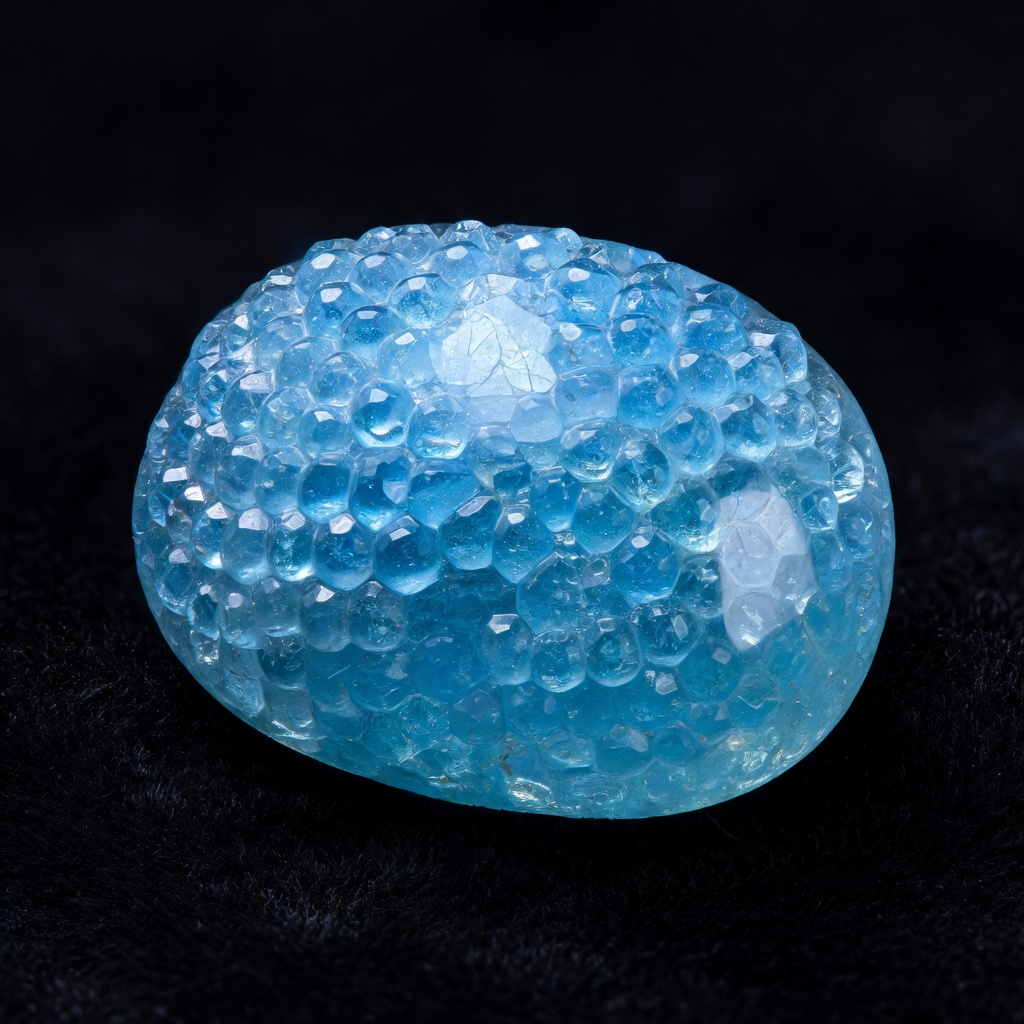
What Is Hemimorphite? Understanding This Rare Zinc Silicate Gemstone
Hemimorphite stands as one of the mineral kingdom's most visually striking yet underappreciated treasures, belonging to the sorosilicate class with a complex chemical formula of Zn₄Si₂O₇(OH)₂·H₂O. This rare zinc silicate gemstone forms primarily in the oxidized zones of zinc and lead ore deposits, where specific geological conditions involving hydrothermal activity create its distinctive crystal structures. Unlike many common gemstones found in multiple global locations, hemimorphite requires precise environmental factors including appropriate pH levels, temperature gradients, and zinc-rich host rocks to develop its characteristic botryoidal formations and crystal habits.
The mineral derives its name from the Greek words "hemi" (half) and "morph" (shape), referencing its unique property of forming differently terminated crystals at each end of a single specimen. Historically, hemimorphite was confused with smithsonite (zinc carbonate) until the 19th century, leading to its original classification as "calamine" before scientific analysis distinguished the two zinc-bearing minerals. Today, connoisseurs prize hemimorphite for its exceptional blue coloration ranging from delicate sky tones to intense electric azure, though it also occurs in white, colorless, green, and yellow-brown varieties that appeal to specialist collectors.
The modern resurgence of hemimorphite in artisan jewelry markets stems from its visual similarity to turquoise and larimar, combined with a scarcity that drives exclusivity. Unlike turquoise, which enjoys extensive mining operations across multiple continents, hemimorphite deposits remain limited to specific locales including Mexico's Mapimí mine, the Yunnan province of China, and select sites in Thailand and the Congo. This restricted supply chain means that high-quality specimens command significant attention at mineral shows and specialty gem shops, where designers seek unique centerpieces for bespoke creations that stand apart from mass-market jewelry offerings.
Current Hemimorphite Price Per Carat: Market Overview
Understanding hemimorphite value per carat requires navigating a market segmented distinctly by quality tiers, color intensity, and specimen size. Entry-level commercial grade material, typically characterized by white to pale blue coloration with moderate translucency or opaque sections, currently trades between $5 and $20 per carat in the wholesale market. These specimens often originate from bulk mineral lots and suit casual collectors or jewelry makers creating affordable silver pieces, though they lack the vivid saturation that defines investment-grade material.
The mid-range market segment, representing the sweet spot for serious jewelry applications, commands prices ranging from $50 to $150 per carat depending on specific visual characteristics. Stones in this category display consistent blue coloration with good translucency, minimal visible inclusions, and cabochon cuts suitable for protective ring or pendant settings. Jewelry designers particularly favor this tier for creating pieces that balance visual impact with accessibility, often pairing these stones with sterling silver or 14k gold mountings in contemporary Southwestern or bohemian-inspired designs.
At the apex of the market, collector-grade premium specimens featuring electric blue coloration, exceptional transparency, and sizes exceeding five carats can fetch $200 to $500 per carat or higher for museum-quality pieces. These stones typically originate from depleted mines like Mapimí in Durango, Mexico, where the most intense blue hemimorphite was historically extracted before operational closures. Price trends for 2024 indicate steady appreciation across all tiers, with inflation adjustments pushing mid-range material approximately 8-12% higher than 2023 levels, driven by increased demand from Asian markets and limited new mine production.
Color Grading: How Hue Affects Hemimorphite Value
Color serves as the primary value determinant in hemimorphite pricing, creating dramatic valuation spreads between seemingly similar specimens. Blue hemimorphite price premiums peak with electric to sky blue varieties that display the mineral's most coveted visual properties, particularly those stones exhibiting the "swimming pool blue" effect reminiscent of high-grade turquoise or larimar. These specimens derive their color from trace copper impurities within the crystal structure, with the most valuable stones showing homogeneous color distribution without zoning or pale patches that diminish visual impact.
White and colorless hemimorphite occupies a distinct market niche, typically commanding $10 to $40 per carat for transparent to translucent material suitable for faceted cutting. While lacking the visual punch of blue varieties, high-clarity white hemimorphite appeals to collectors appreciating the mineral's crystal habit and collectors of zinc minerals specifically. Some lapidaries utilize white specimens for intarsia work or as contrasting elements in multi-stone jewelry designs, though these generally serve specialist markets rather than mainstream jewelry consumers.
Green hemimorphite represents perhaps the rarest color variation, caused by iron content replacing zinc in the crystal lattice, though this rarity does not always translate to premium pricing. Most collectors prefer the classic blue association with hemimorphite, meaning green specimens typically trade at 60-80% of equivalent-quality blue stones unless displaying exceptional saturation and clarity. Multicolored banded specimens, showing transitions between white, blue, and green zones, appeal to mineral collectors seeking display pieces rather than jewelry applications, with values determined more by aesthetic patterning than pure color metrics.
Saturation Levels and Market Tiers
Saturation levels directly determine whether hemimorphite qualifies for wholesale bulk pricing or retail premium tiers. Stones with 70-100% color saturation (vivid, strong intensity) command the highest per-carat values and typically bypass wholesale channels entirely, moving directly from cutters to high-end jewelry designers or private collectors. Moderately saturated stones (40-69% intensity) comprise the bulk of commercial jewelry material, while weak saturation below 40% generally relegates specimens to educational collections or lapidary rough for cabochon practice.
Quality Factors Beyond Color: Clarity, Cut, and Carat
While color dominates initial impressions, hemimorphite quality factors encompassing clarity, cut style, and carat weight significantly influence final valuations. Transparency levels create distinct market categories: translucent to transparent material suitable for faceting commands 2-3 times the price of opaque cabochon-grade rough, provided the transparency does not reveal detrimental inclusions. The finest specimens display a "glowing" translucency where light penetrates the stone evenly, creating depth effects particularly striking in pendant designs where backlighting enhances the color.
Cut selection presents unique cost-benefit considerations for this relatively soft gemstone (4.5-5 on the Mohs hardness scale). Cabochon cuts, featuring smooth domed surfaces without facets, represent the standard for hemimorphite jewelry, typically adding $20-$50 per carat to rough material value depending on symmetry and polish quality. Faceted stones remain uncommon due to the mineral's perfect cleavage and brittleness, but when executed successfully by experienced lapidaries, can command premiums of 150-200% over cabochon prices due to the technical difficulty and light performance achieved.
Size premiums follow exponential rather than linear scaling, particularly for blue material above five carats. While a 2-carat fine blue cabochon might retail for $100 per carat, an equivalent quality 10-carat stone could command $300-$400 per carat due to the extreme rarity of large, clean rough. Inclusions present a complex valuation factor: minor internal patterns acceptable in turquoise become more detrimental in hemimorphite due to its greater transparency, while surface-reaching fractures significantly compromise structural integrity for jewelry use, potentially reducing value by 50-70% compared to inclusion-free specimens.
Hemimorphite Jewelry Cost: Settings and Design Considerations
Calculating total hemimorphite jewelry cost requires factoring mounting expenses, design complexity, and protective measures necessitated by the stone's physical properties. Rings generally incur higher overall costs than pendants due to the engineering required to secure stones against daily wear impacts, with bezel settings (metal rims surrounding the stone) adding $75-$200 to base material costs compared to $40-$100 for simpler pendant bails. The stone's relative softness demands protective settings that prevent edge chipping, making hemimorphite rings more suitable for occasional wear rather than daily engagement-style use.
Metal selection dramatically impacts final retail pricing, with sterling silver mountings offering the most accessible entry point at $50-$150 for simple designs, while 14k or 18k gold settings escalate costs by $300-$800 depending on metal weight and complexity. Platinum, though offering superior durability, rarely pairs with hemimorphite due to cost mismatches—spending $1,500 on a platinum mounting for a $200 stone makes commercial sense only for exceptional collector-grade specimens exceeding 15 carats. Many designers opt for gold vermeil (silver plated with gold) as a compromise, offering the warmth of gold at silver price points while maintaining design integrity.
Custom designer premiums add substantial costs to hemimorphite pieces, with established artisans charging $500-$2,000 above material costs for original designs incorporating the stone. These premiums reflect the designer's expertise in working with soft stones, ensuring proper seat cutting and protective bezel heights that prevent loss or damage. Case studies from Arizona-based jewelry designers show that hemimorphite pieces incorporating Southwestern motifs or organic, nature-inspired settings command 40% higher retail prices than standard commercial mountings, appealing to collectors seeking unique artistic expressions rather than mass-produced items.
Natural vs. Treated Stones: Price and Authenticity
The hemimorphite market maintains relatively high integrity regarding treatments compared to turquoise or jade, though buyers must remain vigilant regarding stabilization and color enhancement. Untreated natural hemimorphite represents the gold standard for collectors, exhibiting the mineral's true color saturation and surface characteristics including natural pitting or botryoidal textures. These specimens typically show subtle color variations under magnification and may display minor surface irregularities that authenticate their natural origin, with untreated vivid blue material commanding 30-50% premiums over stabilized equivalents.
Common treatments include resin stabilization for porous specimens, which improves durability and polishability but diminishes long-term investment value. Dyeing represents a more concerning practice, particularly in lower-grade white or pale blue material being sold as "electric blue" specimens. Treated stones typically show unnaturally uniform color saturation and may fluoresce differently under UV light compared to natural material. While stabilization extends the practical jewelry life of softer specimens, serious collectors prioritize untreated stones for investment portfolios, accepting the increased care requirements as trade-offs for authenticity.
Certification requirements become essential for purchases exceeding $500, with reputable laboratories such as GIA (Gemological Institute of America) or AGL (American Gemological Laboratories) providing treatment reports. These certificates verify natural origin, identify any resin impregnation or dyeing, and assess durability factors affecting long-term value. High-value purchases without documentation should trigger caution, particularly for unusually inexpensive vivid blue specimens that may represent dyed howlite or plastic imitations rather than genuine hemimorphite.
Where to Buy Hemimorphite: Dealers, Shows, and Online Markets
Securing quality hemimorphite requires navigating distinct purchasing channels, each offering specific advantages regarding selection, pricing, and verification. Reputable gemstone dealers specializing in collector minerals, such as those operating from Tucson, Arizona, or Idar-Oberstein, Germany, provide the most reliable sourcing for high-grade material. These specialists offer detailed provenance information, often sourcing directly from mine closures or estate collections, and provide return policies essential for verifying stones under personal lighting conditions. Expect to pay retail premiums of 20-40% over wholesale prices, but with guarantees of authenticity and disclosure of any treatments.
Mineral shows present optimal opportunities for hands-on evaluation and price negotiation, with major events like the Tucson Gem and Mineral Show or the Denver Gem and Mineral Showcase offering extensive hemimorphite selections. Show pricing typically runs 10-15% below brick-and-mortar retail, with cash transactions often securing additional discounts. Successful negotiation strategies include purchasing multiple specimens from single vendors (volume discounts), buying toward show ends when dealers prefer reducing inventory to packing transport, and requesting "rough to cut" parcels where you select preforms rather than finished stones.
Online marketplaces offer convenience but require rigorous verification protocols to avoid misrepresented material. When purchasing through platforms like eBay, Etsy, or specialized mineral auction sites, demand high-resolution photographs showing stones against neutral backgrounds, request videos demonstrating transparency by backlighting, and verify seller ratings specifically regarding mineral sales rather than general merchandise. Red flags include prices significantly below market rates (suggesting dyed imitations), sellers unwilling to provide additional photos, or descriptions using vague terms like "blue stone" rather than specific mineral identification. Always use payment methods offering buyer protection for transactions exceeding $200.
Investment Potential: Is Hemimorphite a Smart Purchase?
Evaluating hemimorphite as an investment requires understanding supply constraints and market liquidity compared to traditional gemstones. The closure of major producing mines, particularly Mexico's Mapimí operation which produced the finest blue material, creates genuine scarcity that supports long-term value appreciation. Unlike diamonds or sapphires with active mining operations replenishing supplies, hemimorphite exists in finite quantities, with existing material becoming progressively rarer as collectors remove specimens from active commerce. This supply dynamic suggests strong fundamentals for investment-grade pieces, particularly untreated vivid blue cabochons exceeding ten carats.
Collectibility trends within the metaphysical community drive additional demand, with practitioners attributing emotional healing and communication-enhancing properties to hemimorphite. This spiritual market segment, while volatile, creates consistent baseline demand that supports pricing even during economic downturns affecting luxury jewelry markets. However, liquidity considerations present challenges for investors seeking quick returns; hemimorphite lacks the standardized grading and auction house recognition of rubies or emeralds, meaning resale typically requires specialized mineral dealers or collector-to-collector transactions that may take months to complete.
When conducting a hemimorphite vs turquoise value comparison, hemimorphite offers advantages in scarcity but disadvantages in market recognition. While Sleeping Beauty turquoise commands immediate name recognition and liquid markets, comparable quality hemimorphite often sells at 60-80% of turquoise prices despite being significantly rarer. This disparity suggests potential undervaluation and appreciation opportunity as collectors recognize hemimorphite's comparative scarcity. Larimar presents another comparison point; both stones offer distinctive blue coloring and limited geographic sources, though larimar enjoys greater consumer awareness currently. Diversified collectors often acquire both, but hemimorphite's historical significance as a zinc ore mineral adds geological collector interest that larimar lacks.
Caring for Your Hemimorphite to Maintain Value
Proper maintenance protocols prove essential for preserving hemimorphite value per carat over time, given the mineral's sensitivity to environmental factors and physical impact. Cleaning requires gentle methods exclusively: lukewarm water with mild dish soap applied with soft brushes, followed by immediate drying with lint-free cloths. Never subject hemimorphite to ultrasonic cleaners, steam cleaning, or harsh chemical solvents, as these methods exploit the stone's cleavage planes and potential fracture inclusions, risking catastrophic damage even to apparently solid specimens. Professional jewelers should always be informed of the stone's identity before any maintenance procedures.
Storage recommendations emphasize isolation from harder gemstones to prevent scratching. Individual soft cloth pouches or compartmentalized jewelry boxes prevent contact with diamonds, sapphires, or even quartz (hardness 7) that could mar hemimorphite's polished surfaces. Environmental controls include avoiding prolonged exposure to direct sunlight, which can fade color-enhanced or naturally light-sensitive specimens over decades, and maintaining stable humidity levels to prevent dehydration of the mineral's water content that could lead to surface crazing or alteration.
Professional repolishing services become necessary when surface scratches accumulate from normal wear, typically costing $30-$75 depending on stone size and setting complexity. Insurance considerations should include specific riders for high-value specimens, as standard homeowner's policies often limit coverage for gemstone jewelry or require appraisals from certified gemologists. Maintain detailed documentation including purchase receipts, laboratory certificates, and high-resolution photographs to facilitate claims processing and verify provenance for future resale, ensuring that your hemimorphite investment retains both its beauty and financial value across generations.
Frequently Asked Questions About Hemimorphite Valuation
How much does hemimorphite cost per carat?
Hemimorphite typically ranges from $5 to $500 per carat depending on quality. Commercial-grade white or pale blue specimens cost $5-$20 per carat, while intense electric blue stones with high transparency can command $200-$500 per carat or more for exceptional pieces.
Is hemimorphite more expensive than turquoise?
High-quality hemimorphite often matches or exceeds mid-grade turquoise prices. While common turquoise ranges $3-$10 per carat, premium hemimorphite with intense blue coloration typically starts at $50-$150 per carat, making it comparable to Sleeping Beauty turquoise in the current market.
What color of hemimorphite is most valuable?
Vivid sky-blue to electric blue hemimorphite commands the highest prices, especially when displaying good translucency. Pure white specimens are moderately valued, while green and color-banded varieties are rare but typically fetch lower prices unless the green is exceptionally intense.
Why is hemimorphite expensive compared to other zinc minerals?
Hemimorphite commands premium pricing due to its limited geographic availability, difficulty in extracting gem-quality material, and increasing demand from both jewelry designers and mineral collectors. Unlike common calcite or quartz, significant hemimorphite deposits are rare and often depleted.
Can you buy hemimorphite jewelry online safely?
Yes, but only from established dealers offering return policies and certification for higher-priced items. Avoid marketplaces with suspiciously low prices, request detailed photos showing natural inclusions, and verify that the seller specializes in gemstones rather than general merchandise.
Does hemimorphite hold its value over time?
Investment-grade hemimorphite (vivid blue, 10+ carats, untreated) generally maintains or appreciates in value due to increasing scarcity. However, commercial-grade material may not appreciate significantly. The stone's relative softness limits everyday jewelry use, keeping collector specimens more valuable than mass-market pieces.
How can I tell if hemimorphite is real or synthetic?
Natural hemimorphite typically shows botryoidal (grape-like) formations, variable translucency, and natural inclusions under magnification. Synthetic versions are rare, but imitations using dyed howlite or plastic lack the specific gravity (3.45) and refractive index of genuine hemimorphite. Professional gemological testing confirms authenticity.
What is the most cost-effective way to start a hemimorphite collection?
Begin with smaller cabochons (2-5 carats) in the $20-$50 range to learn identification and quality assessment. Focus on white or pale blue specimens initially, then upgrade to vivid blue pieces as your knowledge grows. Purchasing rough specimens at mineral shows often provides better value than finished jewelry.