Introduction to Hemimorphite and Its Care Requirements
Hemimorphite stands out as a captivating collector's gemstone prized for its distinctive sky-blue to snow-white coloring and unique botryoidal crystal formations. This zinc silicate mineral, often discovered in the oxidation zones of zinc ore deposits, has gained significant popularity among jewelry enthusiasts who appreciate its ethereal appearance and metaphysical associations. Unlike harder gemstones commonly used in mass-market jewelry, hemimorphite requires specialized attention to maintain its pristine condition and vibrant luster over decades of ownership.
Understanding proper hemimorphite care and cleaning protocols is essential because this mineral possesses distinct physical characteristics that distinguish it from more durable stones like diamonds or sapphires. The gemstone's relative softness and perfect cleavage make it susceptible to damage from improper handling, aggressive cleaning techniques, and everyday wear patterns that might not affect harder minerals. Collectors who invest in high-quality hemimorphite specimens or jewelry pieces must recognize that gentle handling represents the foundation of effective hemimorphite stone care, ensuring these delicate treasures remain intact for future generations.
The delicate nature of hemimorphite demands a proactive approach to maintenance, requiring owners to adopt specific habits that prevent accidental damage before it occurs. Whether you own a rare blue hemimorphite cabochon set in sterling silver or a beaded necklace featuring milky white specimens, implementing consistent care routines will preserve both the aesthetic beauty and structural integrity of these unique gemstones. By mastering the fundamentals of hemimorphite preservation, you can confidently display and wear these stunning pieces while minimizing the risk of scratches, chips, or permanent discoloration.
Understanding Hemimorphite's Physical Properties
Before diving into specific maintenance techniques, comprehending the fundamental physical characteristics of hemimorphite provides crucial context for why certain care methods are necessary. Hemimorphite registers between 4.5 and 5 on the Mohs hardness scale, placing it in the same category as apatite and fluorite, significantly softer than quartz (7) and far below the durability of corundum varieties (9). This moderate hardness rating directly impacts how the stone interacts with environmental factors, making hemimorphite hardness a critical consideration when determining appropriate cleaning and wearing protocols.
The mineral's perfect cleavage in one direction creates a natural plane of weakness that can result in chipping or splitting when subjected to sharp impacts or pressure. Additionally, hemimorphite exhibits a specific gravity ranging from 3.4 to 3.5 and possesses a vitreous to pearly luster that requires protection from abrasive contact. These physical properties explain why hemimorphite gemstone maintenance focuses heavily on preventing mechanical damage rather than merely addressing surface dirt or tarnish.
Temperature sensitivity represents another crucial factor in hemimorphite preservation, as sudden thermal changes can cause internal stress fractures within the crystal structure. The stone reacts poorly to acidic environments and harsh chemical exposures, which can etch the surface or alter the distinctive coloration that makes hemimorphite so desirable. Understanding these vulnerabilities helps explain why conventional jewelry cleaning methods often prove too aggressive for this delicate mineral, necessitating specialized approaches that respect its unique chemical composition and crystalline structure.
Safe Cleaning Methods for Hemimorphite Jewelry
Implementing proper cleaning hemimorphite jewelry techniques begins with gathering appropriate materials that won't compromise the stone's integrity. Start by filling a small bowl with lukewarm distilled water, avoiding tap water which may contain minerals that could deposit residue on the stone's surface. Add two or three drops of mild, phosphate-free dish soap to create a gentle cleaning solution, stirring carefully to distribute the soap without creating excessive bubbles that might obscure your view of the jewelry during cleaning.
Submerge your hemimorphite piece completely and allow it to soak for no more than two to three minutes, which helps loosen accumulated oils, dust, and cosmetic residues without saturating the stone. Using a soft-bristled baby toothbrush, gently brush the gemstone and its setting with light, circular motions, paying special attention to the underside of the stone where dirt commonly accumulates. When learning how to clean hemimorphite effectively, remember that the bristles should glide across the surface rather than scrub aggressively, as excessive pressure can scratch the relatively soft mineral or loosen prongs holding the stone in place.
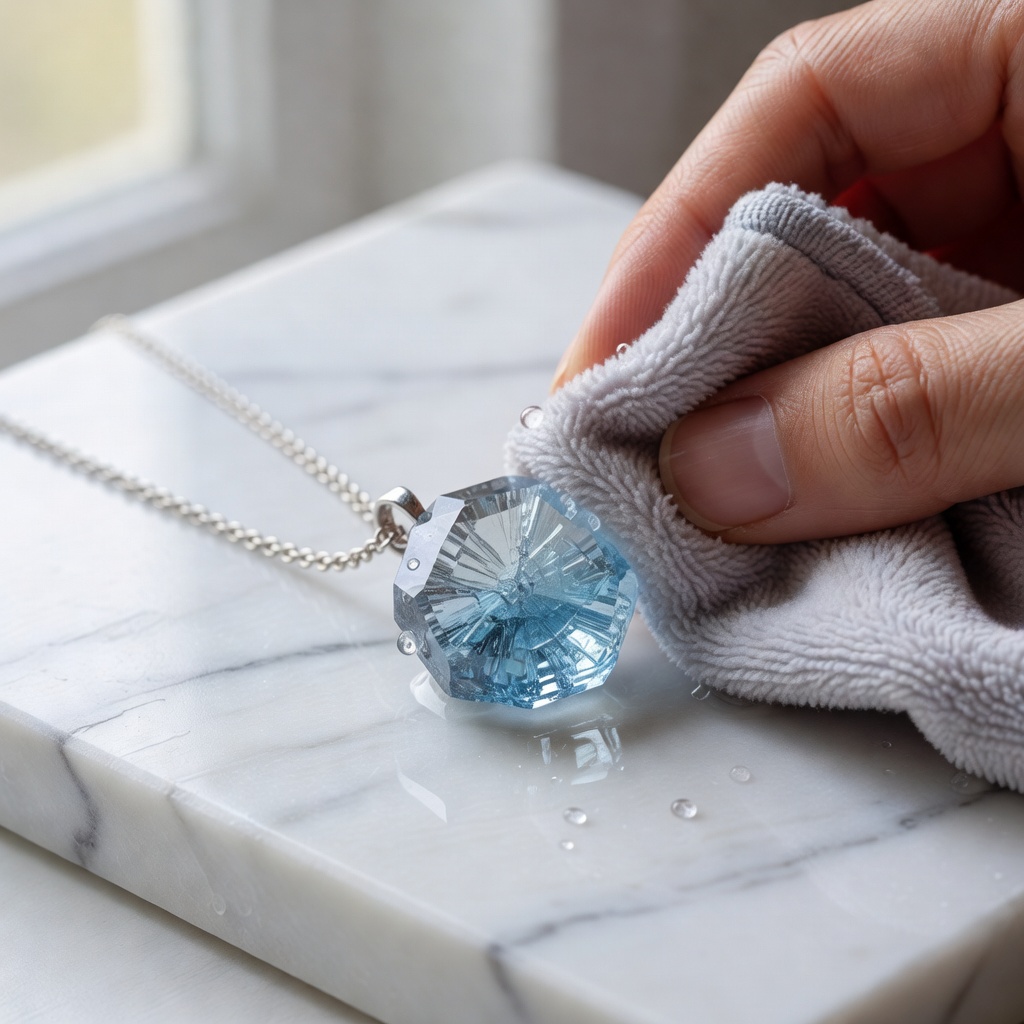
After brushing, rinse the jewelry thoroughly under a gentle stream of lukewarm running water, ensuring all soap residue washes away completely to prevent filmy buildup. Pat the piece dry immediately using a lint-free microfiber cloth, taking care to absorb moisture from crevices and behind the stone where water might linger and cause metal corrosion or mineral degradation. Never use paper towels or tissues, as these materials can leave behind fibrous particles or create minute scratches on the hemimorphite surface. Allow the jewelry to air dry completely on a soft towel for an additional hour before storing or wearing to ensure no moisture remains trapped in the setting.
Daily Wear Guidelines and Precautions
Protecting your hemimorphite investment extends beyond cleaning protocols into mindful wearing habits that minimize exposure to damaging conditions. Remove hemimorphite jewelry before engaging in physical activities such as sports, gym workouts, or household chores like gardening or dishwashing, where accidental impacts against hard surfaces could chip or fracture the stone. The combination of hemimorphite's moderate hardness and perfect cleavage makes it particularly vulnerable to damage from sudden blows or pressure, even from seemingly innocuous activities like carrying grocery bags or typing vigorously on a keyboard.
Chemical exposure represents a significant threat to hemimorphite stone care, necessitating the removal of pieces before applying cosmetics, perfumes, hairsprays, or sunscreen. These products often contain alcohol, acids, or abrasive compounds that can etch the stone's surface or create a dull film that obscures its natural luster. Adopt the habit of putting your hemimorphite jewelry on last when dressing and removing it first when undressing, creating a buffer that minimizes contact with potentially harmful substances while ensuring the piece doesn't snag on clothing fibers during changes.
Environmental factors also play a role in daily hemimorphite care and cleaning considerations, as prolonged exposure to direct sunlight or high humidity can affect the stone's appearance over time. Avoid wearing hemimorphite in swimming pools or hot tubs, where chlorine and bromine chemicals can cause surface deterioration, and refrain from exposing the stone to extreme temperature variations such as entering a sauna or stepping out into freezing weather immediately after being in a heated building. These precautions, while seemingly restrictive, significantly extend the lifespan of your hemimorphite pieces and reduce the frequency of necessary maintenance interventions.
Proper Storage Techniques to Prevent Damage
Effective hemimorphite storage tips begin with recognizing that this gemstone requires isolation from other jewelry pieces to prevent contact damage. Store each hemimorphite item individually in soft fabric pouches made from velvet, silk, or unbleached cotton, or place pieces in separate compartments within a fabric-lined jewelry box that prevents movement and friction. This separation proves particularly crucial because harder gemstones like diamonds (10), rubies (9), or even quartz (7) can scratch hemimorphite's surface simply through incidental contact during drawer opening or travel vibration.
When organizing your collection, designate specific areas for softer stones, creating a graduated storage system that keeps delicate minerals away from harder specimens. For rings containing hemimorphite, consider using individual ring boxes with padded interiors rather than tossing them into a shared jewelry dish where they might knock against metal bands or harder gemstones. Necklaces and bracelets should be stored flat or hung individually to prevent chain tangling that might cause pulling or torque on the hemimorphite settings.
Environmental control within your storage area contributes significantly to long-term hemimorphite gemstone maintenance, requiring attention to light exposure, humidity levels, and temperature stability. Position hemimorphite storage away from windows or direct sunlight, as UV radiation can potentially fade the distinctive blue coloration in some specimens over extended periods. Maintain moderate humidity levels in your storage area to prevent both excessive dryness, which might make the stone brittle, and high moisture, which could promote metal tarnishing in settings or encourage mineral deposits on the stone surface.
Common Cleaning Mistakes to Avoid
Many well-intentioned owners inadvertently damage their hemimorphite pieces by employing cleaning methods suitable for harder, more durable gemstones. Ultrasonic cleaners, while excellent for diamonds and sapphires, pose severe risks for hemimorphite care and cleaning due to the intense vibrations that can exploit the stone's perfect cleavage, causing internal fractures or complete breakage. Similarly, steam cleaning systems generate high temperatures and pressure that can induce thermal shock in hemimorphite, potentially creating spiderweb-like cracks across the surface or loosening the stone from its setting.
Harsh chemical agents represent another category of dangerous cleaning hemimorphite jewelry mistakes, as substances like bleach, ammonia, acetone, or commercial jewelry cleaners containing strong acids can etch or discolor the stone's surface. Even common household remedies such as vinegar, lemon juice, or baking soda pastes prove too abrasive or acidic for this delicate mineral, potentially stripping away the natural polish and creating microscopic pitting that dulls the luster. Always verify that any cleaning product specifically lists compatibility with soft porous stones before application.
Temperature-related errors frequently occur when owners use hot water for cleaning or transition hemimorphite rapidly between extreme temperature environments. Hot water can cause thermal expansion that stresses the crystal structure, while cold water shocks can create contraction that loosens settings or induces internal cracking. Similarly, using hair dryers or heat guns to speed up drying times introduces unnecessary thermal risks. Maintaining consistent lukewarm temperatures throughout the cleaning process protects the stone's integrity and prevents the cumulative damage that often results from repeated exposure to thermal stress.
DIY Cleaning Solutions and Natural Alternatives
For those seeking natural approaches to how to clean hemimorphite, creating gentle homemade solutions offers effective alternatives to commercial products while ensuring complete control over chemical composition. Mix one part mild castile soap or unscented baby shampoo with ten parts distilled water to create a pH-neutral cleaning bath that removes oils without leaving residue. Some collectors add a single drop of pure olive oil to the mixture, which helps condition the stone's surface while cleaning, though this should be used sparingly to avoid buildup in setting crevices.
Distilled water serves as the foundation of safe hemimorphite stone care, preventing the mineral deposits and chlorine residues commonly found in tap water from accumulating on the stone's surface. If distilled water isn't immediately available, boiled and cooled water serves as an acceptable temporary substitute, though prolonged use of mineral-heavy water can eventually create a cloudy film that requires professional polishing to remove. When preparing your cleaning station, ensure you have several clean microfiber cloths available, dedicating specific cloths for washing, drying, and final buffing to prevent cross-contamination.
Natural drying techniques emphasize patience over speed, allowing hemimorphite to air dry completely without mechanical assistance. After patting the stone dry with a microfiber cloth, place the jewelry on a clean cotton towel in a dust-free area away from direct sunlight or heat sources. Some enthusiasts use silica gel packets in their drying area to absorb ambient moisture quickly, though these should not come into direct contact with the stone. This gentle approach to moisture removal complements the careful cleaning process, ensuring that water spots or oxidation don't mar the metal settings or stone surface during the drying phase.
When to Seek Professional Jewelry Maintenance
Recognizing the limitations of home hemimorphite gemstone maintenance helps determine when professional intervention becomes necessary to preserve valuable pieces. Inspect your jewelry monthly for signs of loose prongs, wiggling stones, or bent settings that might indicate the hemimorphite is at risk of falling out during wear. If you notice any movement in the stone, visible gaps between the gem and its setting, or scratches on the metal that suggest recent impacts, immediately cease wearing the piece and consult a jeweler experienced with soft gemstones.
Professional polishing offers solutions for hemimorphite that has developed surface scratches or lost its vitreous luster due to years of gentle wear. Unlike home buffing attempts that might use inappropriate compounds or excessive pressure, professional jewelers possess specialized equipment and compounds designed specifically for stones in the 4.5-5 hardness range. They can also perform ultrasonic cleaning on the metal components alone while protecting the hemimorphite, or remove the stone temporarily for comprehensive setting restoration if necessary.
Establishing an annual inspection routine with a trusted jeweler ensures that cleaning hemimorphite jewelry remains effective and safe over the long term. During these checkups, professionals can tighten settings, check for microscopic cracks that might have developed, and provide deep cleaning of areas unreachable with home methods. For investment-grade pieces or antique hemimorphite jewelry, maintaining documentation of professional maintenance visits supports insurance valuations and provenance records, creating a comprehensive care history that enhances the piece's market value and personal significance.
Long-Term Maintenance Schedule
Developing a consistent calendar for hemimorphite care and cleaning prevents the accumulation of damage while ensuring your pieces remain display-ready throughout the year. For frequently worn items, implement a gentle cleaning every two to three months using the mild soap method described previously, while pieces worn only occasionally might require cleaning just twice annually unless exposed to sweat or cosmetics. After any event where the jewelry contacts perfume, hair products, or perspiration, immediate cleaning prevents chemical etching and oil buildup that becomes increasingly difficult to remove over time.
Create a monthly inspection checklist that examines hemimorphite for new scratches, cloudiness, or setting integrity issues, documenting any changes with dated photographs to track condition over years. This systematic approach to hemimorphite storage tips and maintenance allows you to identify patterns of wear that might indicate necessary adjustments to wearing habits or storage methods. During these monthly reviews, also assess the storage environment itself, checking for humidity changes, light exposure shifts, or potential contamination sources that might affect the long-term preservation of your collection.
Maintain detailed records of your hemimorphite acquisitions, including purchase receipts, gemological certificates, and photographs of each piece from multiple angles for insurance and estate planning purposes. Update these files whenever you perform significant maintenance, cleanings, or repairs, creating a comprehensive history that proves invaluable for valuation purposes or potential resale. By combining diligent documentation with proactive hemimorphite care and cleaning schedules, you ensure that these delicate blue and white treasures remain pristine heirlooms capable of being enjoyed for generations while retaining their financial and aesthetic value.
Frequently Asked Questions
Can I use an ultrasonic cleaner for hemimorphite care and cleaning?
No, ultrasonic cleaners are not recommended for hemimorphite. The vibrations can cause internal fractures and loosen settings due to the stone's relatively soft nature (4.5-5 on the Mohs scale) and perfect cleavage. Always stick to gentle hand cleaning methods.
What is the hardness of hemimorphite and why does it matter for cleaning?
Hemimorphite ranks 4.5 to 5 on the Mohs hardness scale, making it softer than many common gemstones. This means it can be easily scratched by harder materials and requires gentle cleaning methods without abrasive materials or harsh scrubbing.
Can hemimorphite get wet during cleaning?
Yes, hemimorphite can safely get wet with lukewarm water during cleaning. However, avoid prolonged soaking and never expose it to hot water, which can cause thermal shock. Always dry thoroughly with a soft cloth immediately after rinsing.
How should I store my hemimorphite jewelry to prevent damage?
Store hemimorphite separately in soft fabric pouches or individual compartments in a jewelry box. Keep it away from harder gemstones like diamonds or sapphires that could scratch it, and avoid direct sunlight to prevent potential color fading.
Is hemimorphite suitable for daily wear?
Hemimorphite is not ideal for daily wear due to its moderate hardness and perfect cleavage, making it prone to chipping and scratching. It's best reserved for occasional wear or protected settings, and should be removed during physical activities, cooking, or cleaning.
What household products are safe for cleaning hemimorphite?
Only mild dish soap mixed with lukewarm distilled water is recommended. Avoid ammonia, bleach, vinegar, baking soda, and commercial jewelry cleaners unless specifically labeled safe for soft porous stones. Always use a soft baby toothbrush for gentle scrubbing.
How often should I clean my hemimorphite gemstone?
Clean hemimorphite every 2-3 months with normal wear, or immediately after exposure to sweat, cosmetics, or chemicals. Over-cleaning can cause unnecessary wear, so only clean when the stone appears dull or after specific contaminant exposure.
Can I wear hemimorphite in the shower or swimming pool?
No, you should remove hemimorphite before showering or swimming. Chlorine and salt water can damage the stone's surface, while soaps and shampoos can leave residue in crevices. Hot water from showers also poses a thermal shock risk.