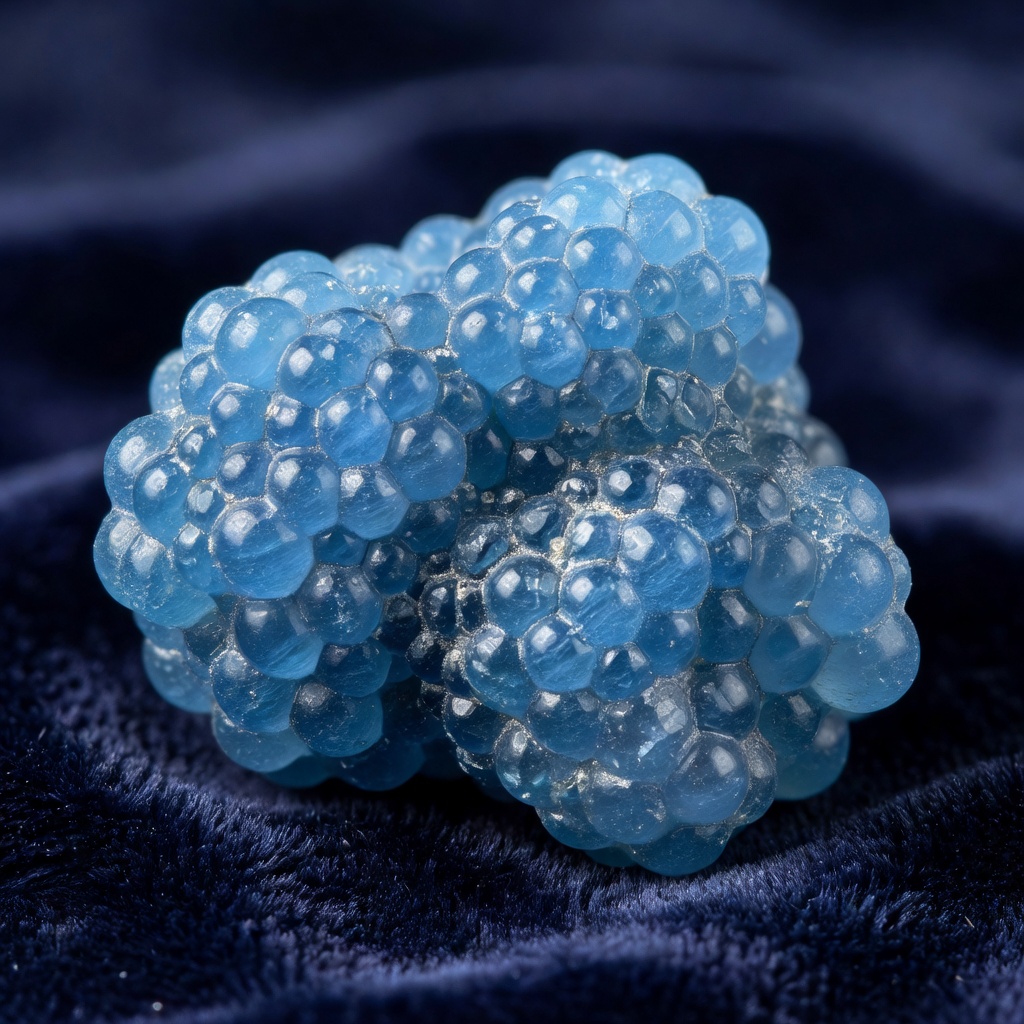
What is Hemimorphite? Understanding This Unique Mineral
Hemimorphite is a captivating zinc silicate mineral with the chemical composition Zn4(Si2O7)(OH)2·H2O that has garnered significant attention among gem collectors and mineral enthusiasts worldwide. This distinctive hemimorphite stone belongs to the sorosilicate class of minerals and forms primarily as a secondary mineral in the oxidized zones of zinc and lead deposits. Its unique nomenclature derives from the Greek words "hemi" meaning half and "morph" meaning form, directly referencing the mineral's most striking characteristic: crystals that develop different terminations at opposite ends of a single crystal axis.
The hemimorphite properties that make it scientifically fascinating include its hemimorphic crystal development, where one termination is typically blunt or pedion-shaped while the opposite end forms a pyramidal point. This asymmetrical growth pattern is relatively rare in the mineral kingdom and creates specimens that are highly prized by collectors seeking unusual formations. Historically, hemimorphite was often confused with smithsonite until the mid-19th century when British mineralogists definitively separated the two based on their distinct chemical compositions and crystal structures.
When examining rough specimens, collectors should look for the characteristic crystal habit that defines this mineral. Quality specimens often display clusters of these uniquely terminated crystals ranging from microscopic to several centimeters in length, frequently growing on a matrix of limestone or iron oxide. The mineral typically forms in botryoidal or stalactitic masses in addition to crystalline forms, creating diverse specimen types that appeal to different collecting preferences and display aesthetics.
Types and Colors: From Sky Blue to Snow White
The visual spectrum of blue hemimorphite represents the most coveted variety in the gem market, ranging from delicate sky blue to intense turquoise and Robin's egg blue hues. This coloration results from trace amounts of copper impurities within the crystal structure, with the most saturated specimens commanding premium prices among collectors. While blue varieties dominate the high-end market, hemimorphite also occurs in colorless, white, gray, green, and brown varieties, each possessing unique appeal for specific jewelry applications or mineral collections.
Texture and formation type significantly impact both value and usability of hemimorphite stone specimens. Botryoidal formations create grape-like clusters with a distinctive silky luster that polishes beautifully into cabochons, while distinct crystalline structures appeal to specimen collectors seeking aesthetic mineral displays. The botryoidal variety often exhibits a more intense color saturation due to the dense aggregation of microscopic crystals, making it particularly suitable for bead work and ornamental carvings where uniform color distribution is desired.
Geographic origin profoundly influences the characteristics and value of hemimorphite specimens. Mexican material from the Mapimi region typically produces intense blue botryoidal masses that define the standard for fine quality, while Chinese specimens from Yunnan Province often display exceptional transparency suitable for faceting. Namibian deposits yield unique combinations of crystal formations on contrasting matrices, creating dramatic display pieces that showcase the mineral's hemimorphic properties against dark manganese oxide backgrounds. Understanding these location-specific variations helps collectors make informed decisions when building geographically diverse collections.
Quality Factors: How to Assess Hemimorphite Value
Evaluating hemimorphite value requires careful consideration of several interrelated factors that determine both aesthetic appeal and market price. Color saturation stands as the primary value determinant, with intense, uniform blue hues commanding significantly higher prices than pale or zoning specimens. Premium material exhibits consistent coloration throughout the entire specimen without brownish or greenish secondary tones, though some collectors specifically seek color-zoned crystals that display transitions from white to blue as geological formation evidence.
Clarity levels vary dramatically between different hemimorphite varieties and usage intentions. Transparent to translucent material suitable for faceting represents the rarest and most valuable category, requiring examination under proper lighting to detect internal fractures or cloudy inclusions that might compromise durability or brilliance. Opaque specimens with exceptional surface luster and interesting formation patterns can still achieve high values among mineral collectors, particularly when displaying the characteristic botryoidal structure with a waxy to silky sheen that distinguishes fine material from common rough.
Structural integrity significantly impacts long-term value and desirability. Inspect specimens carefully for surface-reaching cracks, cleavage planes, or repair work that might compromise stability in jewelry settings. High-quality hemimorphite should display smooth, continuous surfaces without pitting or etching when intended for cabochon cutting, while crystalline specimens require intact terminations on both ends of the hemimorphic crystals. When purchasing rough material for lapidary work, examine the specific gravity and hardness consistency to ensure the stone will polish evenly without undercutting softer areas.
Hemimorphite vs Smithsonite: Spotting the Difference
Understanding the distinctions in hemimorphite vs smithsonite comparisons proves essential for collectors and jewelers, as both zinc minerals often occur together in identical geological environments and can appear remarkably similar in their blue varieties. While hemimorphite represents a zinc silicate, smithsonite constitutes a zinc carbonate, creating fundamental differences in their physical and chemical properties despite superficial visual similarities. These minerals were historically classified together as "calamine" until scientific analysis revealed their distinct compositions in the 1800s.
Physical property comparisons provide reliable identification methods for distinguishing between these look-alike minerals. Hemimorphite typically exhibits a specific gravity of 3.4-3.5 compared to smithsonite's heavier 4.4-4.5 range, making density testing a definitive identification tool when precise measurements are possible. Hardness testing reveals hemimorphite ranges from 4.5-5 on the Mohs scale while smithsonite remains slightly softer at 4-4.5, though this difference requires careful testing to avoid damaging specimens. Visual identification techniques include examining crystal habits—hemimorphite displays the distinctive hemimorphic termination difference while smithsonite typically forms rhombohedral crystals or botryoidal masses with a different surface texture.
Simple acid tests provide conclusive differentiation between these minerals, as smithsonite (a carbonate) effervesces vigorously when exposed to dilute hydrochloric acid, while hemimorphite (a silicate) shows no reaction. Professional laboratory verification methods include Raman spectroscopy or X-ray diffraction analysis, which provide definitive chemical fingerprints. When purchasing high-value blue specimens, request gemological reports that specifically identify the mineral species, as treated smithsonite is sometimes misrepresented as hemimorphite in unscrupulous markets. Additionally, examining fluorescence under ultraviolet light can help, as hemimorphite often shows distinct blue-white fluorescence compared to smithsonite's typical inert or weak response.
Pricing Guide: What to Expect When Buying Hemimorphite
Understanding hemimorphite value across different quality tiers helps buyers establish realistic budgets and recognize genuine bargains versus overpriced material. Entry-level specimens suitable for educational collections or beginner lapidary projects typically range from $5-20 per carat for white, pale blue, or heavily included material with limited transparency. Mid-grade material featuring decent blue coloration and acceptable clarity for cabochon cutting generally commands $20-50 per carat, while gem-quality transparent blue crystals suitable for precision faceting can reach $50-200+ per carat depending on size and perfection.
Several specific factors dramatically increase value beyond basic quality parameters. Large crystal size significantly impacts pricing, as intact hemimorphic crystals exceeding two centimeters in length are considerably rarer than smaller specimens and command exponential price increases. Documented provenance from classic localities such as Mapimi, Mexico, or the 79 Mine in Arizona adds substantial premium, particularly when accompanied by historical mining data or previous ownership documentation. Unusual crystal formations, such as complete "floaters" (crystals detached from matrix) or specimens showing perfect hemimorphic development on both terminations, represent museum-quality material that can fetch thousands of dollars at specialized mineral auctions.
Market trends indicate steady appreciation for fine blue hemimorphite as deposits become increasingly depleted and mining restrictions limit new material entering the market. Investment potential remains strongest for exceptional specimens with documented locality information and unique aesthetic qualities that appeal to serious mineral collectors. While hemimorphite does not typically appreciate as rapidly as diamonds or colored gemstones like ruby, rare specimens from defunct mines consistently outperform inflation and provide portfolio diversification for mineral investors. Monitor specialized mineral auction sites and gem shows to track current market conditions, as prices can fluctuate based on the availability of fresh material from significant new finds.
Where to Buy: Finding Reputable Hemimorphite Dealers
Navigating the marketplace for authentic specimens requires diligence and knowledge to avoid common pitfalls in this hemimorphite buying guide. Trusted online marketplaces specializing in minerals, such as Mindat.org's trading section or established dealers with decades of reputation, offer extensive selections with detailed photography and provenance information. However, local mineral shows and gem fairs, particularly major events like the Tucson Gem and Mineral Show or the Denver Mineral Show, provide invaluable opportunities for hands-on examination and direct negotiation with miners and wholesale dealers who can offer firsthand information about extraction locations and specimen history.
Recognizing red flags indicating synthetic or treated stones protects buyers from costly mistakes. Be extremely wary of specimens displaying unnaturally perfect color uniformity or crystal formations that appear too symmetrical to be natural, as these may indicate laboratory growth or extensive enhancement. Plastic and resin imitations feel distinctly warm and lightweight compared to genuine mineral specimens, which remain cool to the touch and possess substantial heft for their size. Examine surfaces carefully for mold marks, air bubbles, or overly perfect luster that might indicate manufactured material rather than natural crystallization processes.
The importance of certificates of authenticity and gemological reports cannot be overstated when investing in significant specimens. Reputable dealers should provide detailed invoices specifying the exact mineral identification, treatment status (natural vs enhanced), and geographical origin when known. For purchases exceeding several hundred dollars, request analysis from recognized laboratories such as GIA, AGL, or independent mineralogical institutions that can verify the species through spectroscopic analysis. Verify dealer credentials through membership in professional organizations like the Mineralogical Society of America or regional mineral clubs, which maintain ethical standards and dispute resolution processes for member dealers.
Jewelry Considerations: Settings and Wearability
Designing or purchasing hemimorphite jewelry requires careful consideration of the stone's physical limitations to ensure longevity and practical wearability. With a Mohs hardness of only 4.5-5, hemimorphite ranks relatively soft compared to common jewelry gemstones, making it susceptible to scratching, abrasion, and cleavage damage from everyday impacts. This durability concern necessitates thoughtful setting selection and realistic expectations regarding appropriate usage scenarios, distinguishing hemimorphite from harder alternatives like sapphire or spinel that withstand daily wear more robustly.
Protective setting options significantly extend the wearable life of hemimorphite pieces. Bezel settings that wrap the stone's girdle with metal provide superior protection compared to prong settings, shielding the edges from direct blows and preventing chips during accidental contact. Pendants and earrings represent ideal jewelry types for this delicate gemstone, as they experience less mechanical stress than rings or bracelets that encounter hard surfaces during daily activities. When ring settings are unavoidable, consider protective designs featuring surrounding halos of harder stones or raised bezels that elevate the hemimorphite above the plane of contact with desks and countertops.
Distinguishing between daily wear pieces and collection display items helps collectors make appropriate purchasing decisions. Reserve faceted hemimorphite stones for occasional wear during special events rather than everyday jewelry, as the combination of cleavage planes and relatively low hardness makes them vulnerable to damage during routine activities like typing or household chores. Cabochon cuts in thick, domed profiles offer greater durability than flat tablets or sharp-edged faceted stones, distributing impact forces more effectively across the stone's surface. For collectors focused on investment potential, consider acquiring high-quality loose specimens for mineral display cases rather than mounting them in jewelry settings that compromise both the crystal integrity and future resale options.
Care and Maintenance: Preserving Your Investment
Proper hemimorphite care protocols ensure that your specimens and jewelry retain their beauty and value across decades of ownership. Clean hemimorphite using only lukewarm water, mild pH-neutral soap, and a soft natural bristle brush to remove accumulated oils and dust without abrading the surface. Avoid ultrasonic cleaners and steam cleaning equipment entirely, as the vibrations and thermal shock can cause internal fractures to propagate or separate delicate crystal terminations from the main specimen. Harsh chemicals including ammonia, bleach, and acids will etch the surface and potentially dissolve the mineral structure given its solubility in acidic environments.
Storage requirements demand attention to both physical protection and environmental conditions. Store hemimorphite jewelry separately from harder gemstones such as diamonds, rubies, or quartz in individual soft cloth pouches or compartmentalized boxes to prevent scratching. Keep specimens away from direct sunlight and heat sources, as prolonged UV exposure may fade treated colors and thermal gradients can induce stress fractures in stones with existing inclusions. Maintain stable humidity levels in storage areas, as extreme dryness can cause some matrix materials to shrink and separate from the hemimorphite crystals, while excessive moisture might promote oxidation of associated metallic minerals.
Professional maintenance schedules should include annual inspections by qualified jewelers who understand soft stone handling techniques. Have settings checked for wear that might allow the stone to loosen, and request professional repolishing only when necessary, as each polishing session removes irreplaceable material. Implement damage prevention tips such as removing hemimorphite rings before gardening, sports, or household cleaning, and always put jewelry on last when dressing to avoid contact with perfumes, hairsprays, and cosmetics that might dull the surface luster. For display specimens, use museum-quality cases with UV-filtering glass and controlled lighting to showcase the material while preventing degradation.
Making Your Purchase: Final Checklist for Buyers
Completing a successful acquisition requires systematic evaluation using a comprehensive hemimorphite buying guide approach that protects your investment. Conduct a thorough pre-purchase inspection using a 10x jeweler's loupe to examine for surface-reaching fractures, clarity characteristics, and signs of repair or enhancement such as oiling or dye concentrations in fractures. Rotate specimens under various lighting conditions—natural daylight, incandescent, and LED—to assess color consistency and detect windowing or extinction in faceted stones that might indicate poor cutting quality.
Prepare specific questions to ask dealers regarding treatment history and geological origin. Inquire whether the stone has been treated with dyes, oils, or stabilization resins, as undisclosed treatments significantly impact value and require different care protocols. Request specific mine information rather than general country designations, as "Mapimi, Durango, Mexico" provides more valuable provenance than simply "Mexico." Ask about the date of extraction if known, as older material from depleted mines often carries historical significance and scarcity premiums that justify higher prices.
Documentation requirements should include detailed receipts specifying dimensions, weight, color description, and any treatments, accompanied by high-resolution photographs of the exact specimen being purchased. Verify return policies before completing transactions, ensuring you have adequate time—preferably 7-14 days—to examine the stone under your own lighting conditions and potentially submit it for independent laboratory verification. For significant investments, consider arranging escrow services or payment plans that protect both parties, and always use traceable shipping methods with full insurance coverage when purchasing remotely. Maintain organized records of all correspondence, certificates, and provenance documentation to maximize future resale value and insurance replacement costs.
Frequently Asked Questions About Hemimorphite
What is hemimorphite and why is it valuable?
Hemimorphite is a zinc silicate mineral prized for its vibrant blue color and unique crystal formation. It's valuable due to its relative rarity, especially in gem-quality blue specimens, and its popularity among collectors seeking alternatives to more common blue gemstones.
How can I tell real hemimorphite from fake or synthetic stones?
Authentic hemimorphite typically shows natural inclusions, has a specific gravity of 3.4-3.5, and exhibits a vitreous to silky luster. Be wary of unnaturally perfect specimens, and request gemological certification. Plastic imitations feel warm and lightweight compared to genuine mineral specimens.
What is the difference between hemimorphite and smithsonite?
While both are zinc minerals often found together and appearing similar in blue varieties, hemimorphite is a silicate while smithsonite is a carbonate. Hemimorphite typically has higher hardness (4.5-5 vs 4-4.5), different crystal habits, and reacts differently to acid tests.
How much does hemimorphite cost per carat?
Hemimorphite prices vary widely from $5-20 per carat for common white or pale specimens to $50-200+ per carat for intense blue, transparent material suitable for faceting. Exceptional museum-quality specimens can command significantly higher prices.
Is hemimorphite suitable for engagement rings or daily wear?
Due to its relatively soft hardness of 4.5-5, hemimorphite is not recommended for engagement rings or daily wear jewelry. It's best suited for occasional wear pieces like pendants or earrings, or protective bezel settings that minimize impact exposure.
What is the best color of hemimorphite to buy for investment?
Intense sky-blue to turquoise hemimorphite with good translucency commands the highest prices and best investment potential. Specimens from classic localities like Mapimi, Mexico, or Yunnan, China, with documented provenance, are particularly sought after by serious collectors.
How do I clean and care for hemimorphite jewelry?
Clean hemimorphite using only lukewarm water, mild soap, and a soft brush. Avoid ultrasonic cleaners, steam cleaning, harsh chemicals, and prolonged water exposure. Store separately from harder gemstones to prevent scratching, and avoid direct sunlight which may fade some treated colors.
Where are the best places to buy authentic hemimorphite?
Purchase from established mineral dealers, reputable gem shows like Tucson or Denver, certified online marketplaces with return policies, or directly from mining operations when possible. Avoid tourist trap shops and verify dealer credentials through gemological associations before purchasing.