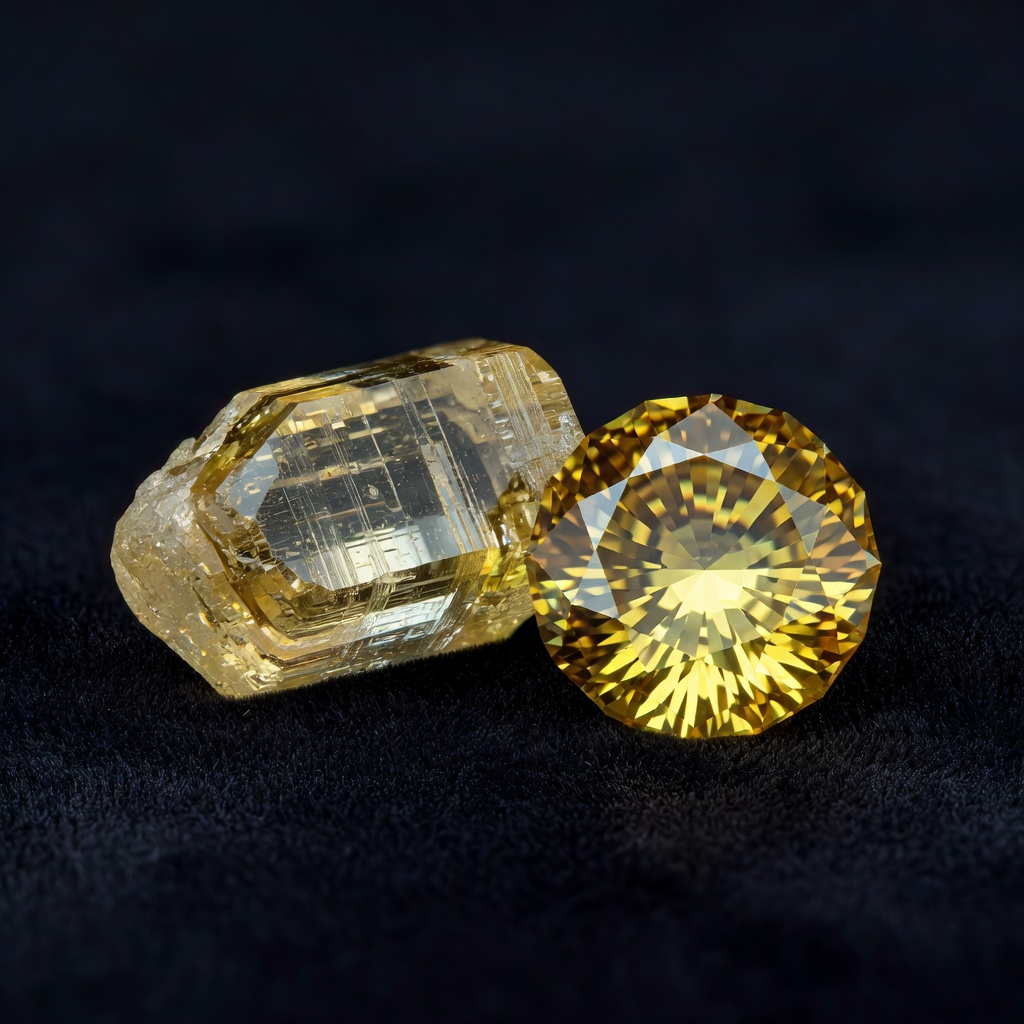
What Is Heliodor? Understanding Golden Beryl Basics
Heliodor represents one of nature's most captivating gemstone varieties, deriving its name from the Greek words "helios" meaning sun and "doron" meaning gift, literally translating to "gift from the sun." This brilliant golden beryl gemstone belongs to the same mineral family as emerald and aquamarine, yet distinguishes itself through its remarkable yellow to golden-yellow coloration that seems to capture and hold sunlight within its crystalline structure. Unlike its more famous green and blue cousins, heliodor offers a warm, radiant alternative that has captivated collectors and jewelry enthusiasts seeking something both distinctive and historically significant.
Classified specifically as the yellow to yellow-green variety of the beryl mineral species, heliodor occupies a unique position within the gemstone hierarchy due to its specific chemical composition and color-inducing elements. Throughout history, various civilizations have treasured this gemstone as a protective talisman, with ancient warriors reportedly carrying heliodor into battle believing it would render them invisible to enemies or protect them from harm. These historical uses as talismans for protection demonstrate the deep spiritual connection humans have formed with this solar crystal over millennia, a tradition that continues in modern metaphysical practices today.
The color spectrum of natural heliodor spans an impressive range from delicate pale lemon tones reminiscent of spring sunshine to deep, rich golden honey hues that rival the warmth of autumn harvests. This variation in color intensity significantly impacts both the aesthetic appeal and market value of individual specimens, with the most prized stones displaying a pure, saturated golden yellow without undesirable brownish or greenish undertones. When evaluating Heliodor Properties and Information, understanding these color gradations becomes essential for both collectors and casual buyers seeking authentic, high-quality specimens.
Chemical Composition and Physical Characteristics
At the molecular level, heliodor consists of beryllium aluminum silicate with the chemical formula Be3Al2Si6O18, placing it firmly within the hexagonal crystal system that characterizes all beryl varieties. The distinctive yellow coloration arises from trace amounts of iron impurities within the crystal lattice, specifically Fe3+ ions that absorb certain wavelengths of light while transmitting the golden hues we perceive. This iron-induced coloration mechanism distinguishes heliodor from other beryl varieties, as emeralds owe their green color to chromium or vanadium, while aquamarine's blue tones result from iron in a different oxidation state.
One of the most practical beryl mineral properties that makes heliodor suitable for jewelry applications is its impressive Mohs hardness scale rating of 7.5 to 8. This hardness level provides excellent resistance to scratching and abrasion, allowing heliodor to withstand daily wear better than softer gems like opal or pearl, though it still requires protection from harder materials like diamonds or corundum. The robust nature of this gemstone makes it an excellent choice for various jewelry settings, from engagement rings to statement pendants, provided proper care protocols are followed to prevent chipping or cleavage damage.
The heliodor crystal structure forms within the hexagonal crystal system, typically developing as long, prismatic crystals with flat terminations that showcase the mineral's internal symmetry and growth patterns. These crystals exhibit a specific gravity ranging from 2.6 to 2.9, which gemologists use as an identification metric when distinguishing heliodor from simulants or other yellow gemstones. Additionally, heliodor displays refractive index ranges between 1.56 and 1.60, along with distinct optical properties including pleochroism—the ability to show different colors when viewed from different angles—which serves as a crucial diagnostic feature for gemological identification.
Color Variations and Visual Identification Features
Understanding the nuances of yellow beryl identification requires careful examination of the iron-induced coloration mechanisms that create heliodor's signature palette. The presence of ferric iron within the crystal structure produces colors ranging from pale straw-yellow and greenish-yellow to intense golden and honey tones, with the most valuable specimens displaying a pure, saturated yellow often described as "canary" or "goldenrod." Gemologists and collectors pay particular attention to the absence of brownish overtones, which can significantly diminish both the aesthetic appeal and commercial value of the stone.
When conducting heliodor color grading, professionals distinguish between light yellow heliodor specimens and the deeper, more saturated golden varieties that command premium prices in the marketplace. Light yellow stones may appear almost colorless in certain lighting conditions, while the deepest golden varieties exhibit a richness and depth that seems to glow from within. Transparency levels vary significantly among heliodor specimens, with eye-clean stones—those without visible inclusions to the naked eye—being considerably more valuable than included material, though some collectors appreciate the unique character that natural inclusions can add to individual crystals.
One of the most fascinating visual identification features of heliodor is its demonstration of pleochroism, an optical phenomenon where the gemstone displays different colors or intensities when viewed from various crystallographic directions. In heliodor, this typically manifests as a change from yellow to greenish-yellow or blue-green when the stone is rotated, providing gemologists with a reliable field test for identification. This property also influences cutting decisions, as master lapidaries must orient the rough crystal to either minimize or maximize this effect depending on the desired final appearance of the faceted gemstone.
Geological Formation and Global Source Locations
Heliodor forms under specific geological conditions typically associated with granite pegmatites and hydrothermal veins, where high temperatures and pressure allow beryllium-rich fluids to crystallize slowly over millions of years. These formation environments provide the necessary chemical components—beryllium, aluminum, silicon, and oxygen—along with the trace iron impurities that impart the characteristic yellow coloration. The slow cooling process inherent to pegmatite formation allows heliodor crystals to grow to impressive sizes, occasionally producing museum-quality specimens weighing several kilograms, though gem-quality material suitable for faceting represents only a small fraction of total production.
The world's most significant heliodor deposits and golden beryl locations include the renowned mines of Brazil, particularly in the Minas Gerais region, which produces the majority of commercial heliodor available in today's market. Namibia has emerged as another premier source, yielding stones with exceptional clarity and intense golden colors that rival Brazilian material. Other notable localities include Madagascar, where alluvial deposits yield water-worn crystals with excellent transparency; Ukraine, specifically the Volyn region known for producing large crystals; and various localities throughout Russia's Ural Mountains, where some of the finest deep golden specimens have been discovered.
Within these mining locations, heliodor frequently occurs associated with other beryl varieties including emerald, aquamarine, and morganite, as well as minerals like quartz, feldspar, and muscovite mica. Common mineral inclusions found in heliodor deposits include liquid feathers—two-phase inclusions containing liquid and gas bubbles—along with hexagonal growth patterns and occasionally rutile needles. Modern extraction methods typically involve careful hand-mining techniques to preserve crystal integrity, followed by washing and sorting processes to separate gem-quality material from industrial-grade rough, ensuring that only the finest specimens reach the cutting and jewelry markets.
Distinguishing Heliodor from Similar Gemstones
The comparison of heliodor vs citrine represents one of the most common identification challenges facing gemologists and consumers, as both gemstones display attractive yellow hues that can appear quite similar to the untrained eye. However, several key differences allow for reliable separation: citrine, being a variety of quartz, possesses a lower refractive index (approximately 1.54-1.55) compared to heliodor's 1.56-1.60, resulting in less brilliance and fire. Additionally, citrine typically shows different pleochroic colors and lacks the distinctive greenish-yellow component often visible in heliodor, while natural citrine often displays orange or brownish tones rarely found in genuine golden beryl.
Distinction from other yellow gemstones such as topaz and sapphire requires more sophisticated testing methods, particularly refractive index measurement using a refractometer. Yellow topaz exhibits a higher refractive index (1.61-1.64) and specific gravity than heliodor, while yellow sapphire possesses a refractive index of 1.76-1.77 and superior hardness (9 on the Mohs scale). Within the beryl family itself, beryl identification relies on color assessment, as heliodor's yellow to golden-yellow appearance clearly differentiates it from green emeralds, blue aquamarines, pink morganites, and colorless goshenite, though rare beryl specimens may display color zoning that includes multiple varieties within a single crystal.
The identification of synthetic and lab-created heliodor versus natural specimens requires careful examination under magnification and advanced spectroscopic analysis. Synthetic heliodor, typically produced using hydrothermal growth methods, often displays telltale signs such as chevron-like growth patterns, seed plates, or unusually perfect clarity lacking the natural inclusions characteristic of earth-formed material. Natural heliodor almost always contains some form of inclusion—whether liquid feathers, hexagonal growth tubes, or mineral crystals—while synthetics may appear suspiciously clean. Professional gemological laboratories utilize advanced techniques including infrared spectroscopy and energy-dispersive X-ray fluorescence (EDXRF) to detect chemical signatures that definitively separate natural from laboratory-grown material.
Metaphysical Properties and Crystal Healing Applications
Within crystal healing traditions, heliodor metaphysical properties center primarily on its association with the solar plexus chakra, the energy center located in the upper abdomen believed to govern personal power, self-esteem, and emotional identity. Practitioners utilize heliodor to activate and balance this chakra, facilitating the release of fear and the embrace of personal authority. The stone's sunny yellow coloration resonates with solar energy, making it a popular choice for individuals seeking to overcome shyness, indecision, or feelings of powerlessness in both personal and professional contexts.
Traditional crystal healing systems attribute numerous benefits to heliodor crystal healing practices, particularly regarding the enhancement of confidence, willpower, and mental clarity. Healers often recommend heliodor for students, public speakers, or anyone requiring enhanced cognitive function and articulate communication skills, believing that the stone stimulates the mental body while promoting logical thinking and efficient information processing. Many practitioners create elixirs or place heliodor directly on the solar plexus during meditation sessions to strengthen resolve and determination, especially when facing challenging decisions or long-term goal achievement.
In contemporary energy work and meditation practices, heliodor serves as a powerful tool for manifestation and abundance work, with many users reporting enhanced ability to visualize and actualize their desires when working with this gemstone. The stone's historical protective properties continue in modern applications, where it is often carried as a pocket stone or worn as jewelry to shield against negative energies and environmental stressors. Crystal therapists may incorporate heliodor into grid layouts alongside citrine and pyrite to create powerful manifestation arrays, or pair it with amethyst and rose quartz for balanced emotional healing that combines spiritual insight with personal empowerment.
Jewelry Design Considerations and Durability Factors
When designing heliodor jewelry, gemologists and jewelry designers must consider both the aesthetic potential and physical limitations of this beautiful golden beryl. The gemstone's hardness of 7.5-8 makes it suitable for various jewelry types including golden beryl rings, pendants, earrings, and bracelets, though protective settings are recommended for pieces intended for daily wear. Rings particularly benefit from bezel settings or halo designs that protect the girdle edges from impact, while pendants and earrings allow for more open prong settings that maximize light return and color display without the same risk of mechanical damage.
Optimal cutting styles for heliodor include emerald cuts, which highlight the stone's natural color and clarity while minimizing the appearance of inclusions; oval and cushion cuts, which maximize carat weight retention from rough while providing excellent brilliance; and round brilliant cuts, which create exceptional scintillation in high-quality material. Master cutters must carefully consider the crystal's pleochroism when orienting the rough, deciding whether to emphasize or minimize the greenish-yellow secondary color depending on market preferences and the specific hue of the individual specimen.
Metal pairing recommendations for heliodor settings typically favor yellow gold, which harmonizes with the stone's warm golden tones and enhances its sunny appearance; white gold or platinum, which provide contemporary contrast and make the yellow color pop against the cool metal background; and occasionally rose gold, which creates a sophisticated, warm palette particularly flattering for stones with peachy or orange undertones. Durability considerations suggest reserving heliodor for occasional wear pieces or engagement rings with protective settings rather than daily wear bands, as the stone's perfect cleavage makes it susceptible to splitting if struck sharply, despite its respectable hardness rating.
Quality Assessment and Market Valuation Guidelines
Evaluating heliodor gemstone value requires careful consideration of several quality factors, with color intensity serving as the primary value determinant in the marketplace. Medium golden tones with pure yellow saturation command the highest premiums, while stones exhibiting brownish or greenish overtones typically sell for considerably less. When buying heliodor, collectors should seek specimens that display consistent color throughout the stone rather than zoning or uneven distribution, as homogeneous coloration significantly enhances both beauty and resale value.
Clarity standards for heliodor vary depending on intended use and price point, with eye-clean stones—those without visible inclusions when viewed from six inches away—representing the top tier of the market and commanding prices ranging from $200 to $500 per carat for fine specimens. Commercial-grade material with visible inclusions may sell for $50 to $150 per carat, while cabochon-grade material with interesting inclusion patterns suitable for carvings or beadwork occupies the lower end of the pricing spectrum. Carat weight significantly impacts pricing, as stones above 5 carats with fine color and clarity become increasingly rare and may command exponential price increases compared to smaller stones.
The gemstone market occasionally sees treated heliodor, including heat-treated material designed to intensify yellow colors or reduce greenish components, and irradiated stones that may display unnatural color saturation. Detection of these treatments requires advanced gemological equipment including spectrophotometers and microscopic examination for heat-altered inclusions or residual radiation indicators. Natural, untreated heliodor with documented origin reports from reputable laboratories such as GIA or AGL typically commands 20-30% premiums over treated material, making disclosure and certification essential components of the valuation process for serious collectors and investors.
Proper Care, Cleaning, and Maintenance Protocols
Maintaining the beauty of heliodor requires adherence to specific heliodor care protocols that protect both the surface luster and internal integrity of the gemstone. The safest cleaning method involves using warm water mixed with mild dish soap and a soft-bristled toothbrush to gently remove accumulated oils, dust, and debris from the stone's surface and setting. This gentle approach effectively cleans the gemstone without risking damage to the crystal structure or any existing inclusions that might expand or fracture under more aggressive cleaning methods.
Owners must strictly avoid ultrasonic cleaners and steam cleaning devices when maintaining gemstone maintenance routines for heliodor, as these methods can cause "cooking" or expansion of liquid inclusions common in natural beryl, potentially leading to internal fracturing or surface-reaching breaks. Similarly, exposure to harsh chemicals including chlorine bleach, ammonia, and hydrofluoric acid can damage the stone's surface or attack any filler materials used to improve clarity in fracture-filled specimens. Always remove heliodor jewelry before swimming in chlorinated pools, cleaning with household chemicals, or engaging in activities involving sudden temperature changes.
Storage recommendations emphasize keeping heliodor pieces separate from harder gemstones like diamonds, rubies, and sapphires to prevent scratching, ideally in individual soft cloth pouches or compartmentalized jewelry boxes with fabric lining. Prolonged exposure to direct sunlight or high heat sources should be avoided, as excessive thermal energy can potentially alter the iron-induced coloration or cause thermal shock fractures in stones with liquid inclusions. For heirloom pieces or valuable collections, periodic professional inspection by a qualified jeweler can identify loose settings or developing damage before significant loss occurs, ensuring that these golden treasures remain beautiful for generations.
Frequently Asked Questions About Heliodor
What exactly is Heliodor and how is it different from other beryl varieties?
Heliodor is the yellow to golden-yellow variety of beryl, distinguished from emerald (green) and aquamarine (blue) by its iron-induced coloration. While all beryl varieties share the same basic chemical composition, heliodor specifically contains iron impurities that create its characteristic sunny hues ranging from pale lemon to deep honey gold.
Is Heliodor considered a rare gemstone?
Heliodor is moderately rare compared to common gemstones like quartz, but more abundant than high-quality emeralds. Fine specimens with intense golden color and high clarity are considered collectible and relatively scarce, particularly in larger carat sizes above 5 carats. Most commercial heliodor comes from Brazil and Namibia.
What are the main metaphysical healing properties associated with Heliodor?
Heliodor is associated with the solar plexus chakra and is believed to enhance personal power, confidence, and willpower. Crystal healers use it to improve mental clarity, reduce stress, and support manifestation of goals. It's often called the 'Stone of the Sun' and is thought to bring warmth, optimism, and protection to the wearer.
How can I tell if my Heliodor gemstone is genuine or synthetic?
Genuine heliodor typically contains natural inclusions like liquid feathers or hexagonal growth patterns visible under magnification, while synthetics often appear too perfect. Natural heliodor shows pleochroism (different colors when rotated) and has a specific refractive index of 1.56-1.60. Professional gemological testing using refractometers and spectrometers provides definitive identification.
What color range does natural Heliodor typically display?
Natural heliodor ranges from pale lemon-yellow and greenish-yellow to deep golden and honey colors. The most valuable specimens display a pure, medium-intense golden yellow without brownish or greenish overtones. Unlike citrine, heliodor rarely shows orange tones and typically maintains a cooler, more greenish-yellow base even in darker varieties.
How should I clean and care for my Heliodor jewelry?
Clean heliodor using warm water with mild dish soap and a soft toothbrush, avoiding ultrasonic cleaners and steam which can damage stones with liquid inclusions. Store separately from harder gems like diamonds and rubies to prevent scratching. Remove heliodor jewelry before exposure to harsh chemicals, extreme heat, or physical impact.
Is Heliodor expensive compared to other yellow gemstones?
Heliodor is generally more affordable than yellow sapphire or imperial topaz but typically costs more than citrine or yellow quartz. Prices range from $50-$500 per carat depending on color intensity, clarity, and size. Fine golden specimens with excellent clarity command higher prices, making heliodor an attractive mid-range option for yellow gemstone collectors.
Can Heliodor be used in engagement rings or daily wear jewelry?
With a Mohs hardness of 7.5-8, heliodor is durable enough for engagement rings and daily wear, though it requires more care than diamonds or sapphires. It's best suited for protective settings like bezels or halos rather than exposed prong settings. Regular maintenance and removal during physical activities will help preserve its beauty for decades.