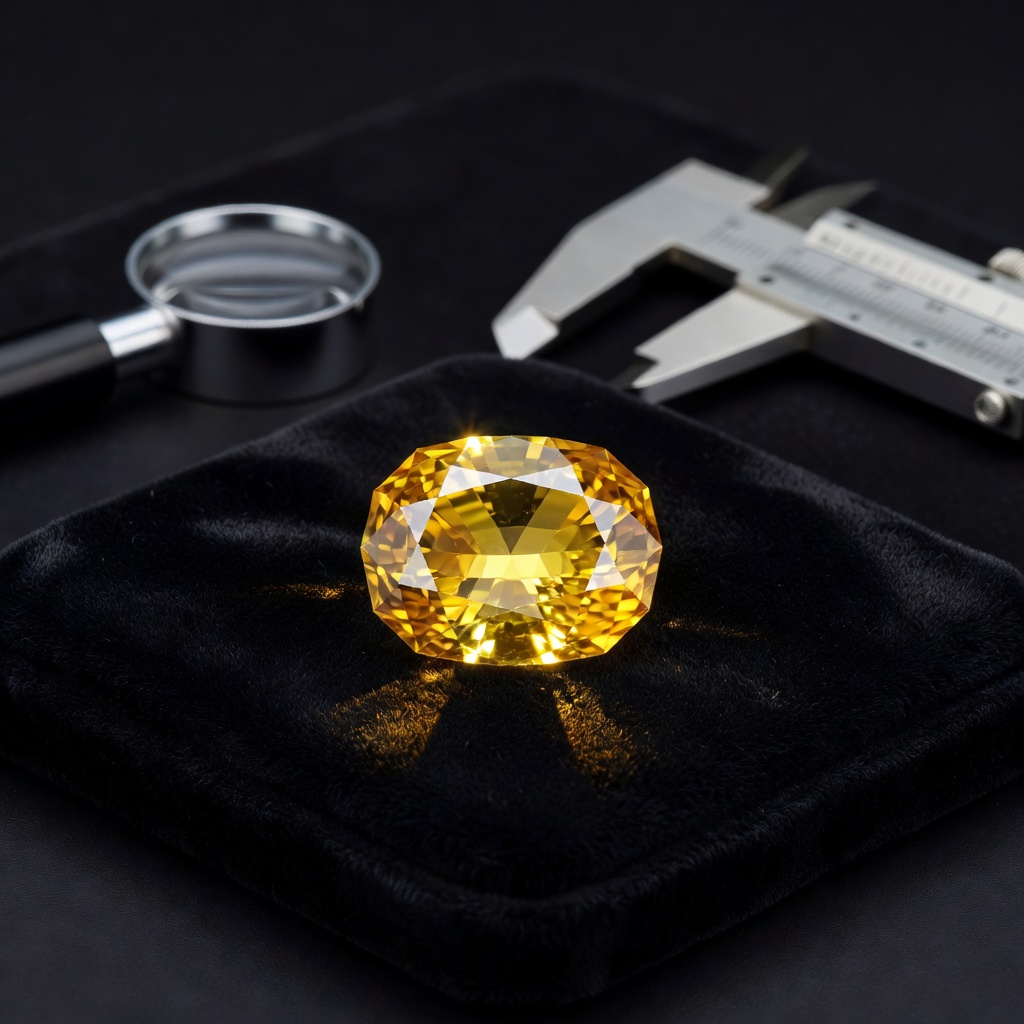
Introduction to Heliodor and Current Market Value
Heliodor, derived from the Greek words helios (sun) and doron (gift), represents the golden-yellow to orange-yellow variety of the beryl mineral family that captivates collectors with its warm, honey-like brilliance. As a close cousin to emerald and aquamarine, this stunning gemstone has experienced a remarkable resurgence in contemporary jewelry design, with high-end designers incorporating it into everything from Art Deco-inspired cocktail rings to modern minimalist pendants. While emeralds command the highest prices within the beryl family due to their legendary status and extreme rarity, heliodor actually surpasses aquamarine in scarcity, creating a unique market position where exceptional specimens can rival fine sapphires in per-carat value.
Understanding the Heliodor Price Guide requires recognizing that this gemstone occupies a niche between common colored stones and ultra-rare collector minerals, making it accessible to serious enthusiasts while still offering exclusivity. Recent auction results from major houses like Sotheby's and Christie's demonstrate growing collector appetite, with a 15-carat untreated Namibian heliodor fetching over $18,000 in 2023, signaling robust market confidence. Unlike the volatile pricing seen in treated emeralds or heated sapphires, the heliodor market maintains relative stability due to limited commercial treatment practices and steady supply constraints from primary mining regions.
Key Factors That Determine Heliodor Prices
Color Grading and Saturation Levels
The most critical value determinant for heliodor remains its color saturation, with stones displaying intense golden-yellow to slightly orangey-yellow hues commanding the highest heliodor price per carat multipliers. Professional gemologists evaluate heliodor using a combination of hue, tone, and saturation scales, where the ideal specimen resembles the rich color of fine champagne or a ripe daffodil without brownish or greenish secondary tones. Pale lemon-yellow stones, while attractive to some buyers seeking subtle elegance, typically trade at 40-60% discounts compared to their deeply saturated counterparts, illustrating how color intensity directly correlates with market desirability.
Clarity Standards and Transparency
As a Type I gemstone according to the GIA clarity classification system, heliodor typically forms with fewer inclusions than emerald, meaning buyers should expect eye-clean transparency in fine-quality material. However, certain inclusions such as "rain" patterns, two-phase inclusions, or parallel growth tubes can actually authenticate natural origin while minimally impacting value if they remain subtle. Stones with visible surface-reaching fractures, heavy clouding, or dark mineral inclusions that obstruct light transmission see dramatic price reductions, sometimes dropping to 25-30% of comparable clean material prices.
Cut Quality and Carat Weight Considerations
Precision cutting plays a pivotal role in maximizing heliodor's inherent brilliance, with well-executed brilliant cuts, cushions, and emerald cuts commanding significant premiums over native-cut or poorly proportioned stones. The gemstone's relatively high refractive index (1.56-1.60) allows master cutters to create exceptional scintillation, though they must navigate beryl's distinct cleavage planes carefully to prevent breakage during polishing. Price-per-carat jumps become exponential rather than linear once stones exceed three carats, with fine-quality specimens over five carats potentially commanding 200-300% premiums per carat compared to one-carat stones of similar quality.
Current Heliodor Price Ranges by Quality Grade
Navigating golden beryl prices requires understanding the distinct market tiers that separate commercial jewelry pieces from museum-quality collector specimens. The current market stratification reflects both aesthetic qualities and rarity factors, with significant price gaps between adjacent quality levels that reward educated buyers who can identify subtle differences in color and clarity.
Commercial Grade Market Segment
Commercial-grade heliodor typically trades between $50 and $150 per carat, representing material with light yellow coloration, moderate inclusions visible to the naked eye, and standard cutting suitable for mass-market jewelry. These stones often originate from Brazilian deposits and may display slight greenish or brownish tints that prevent them from achieving fine quality classification. While suitable for fashion jewelry and silver mountings, commercial-grade material rarely appreciates in value and serves primarily as an affordable entry point for consumers attracted to the golden beryl aesthetic without investment intentions.
Fine Quality Specifications
The fine quality tier, commanding $200 to $500 per carat, encompasses stones with vivid golden-yellow color, eye-clean clarity, and excellent cutting that maximizes brilliance and fire. These specimens typically weigh between one and three carats, making them ideal for high-end engagement ring centers or statement earrings where color impact matters more than absolute rarity. Recent market analysis shows this segment experiencing the strongest demand growth, particularly among millennial buyers seeking alternatives to traditional yellow diamonds or citrine.
Collector and Investment Grade Rarities
At the apex of the market, collector-grade heliodor ranges from $600 to $1,200+ per carat, reserved for exceptional stones exceeding three carats with saturated color, flawless clarity, and prestigious geographic origins such as Namibia or the historic Russian Ural Mountains. These specimens often appear in untreated condition with documentation from laboratories like GIA or AGL, commanding premiums of 40-60% over treated material. Investment-grade pieces frequently sell through private dealer networks rather than public retail channels, with prices negotiated based on individual stone characteristics rather than standardized per-carat matrices.
Geographic Origins and Their Impact on Value
The provenance of a heliodor specimen significantly influences its yellow beryl value, with certain localities commanding substantial premiums due to historical significance, superior color characteristics, or mining difficulties that limit supply. Understanding these geographic distinctions allows collectors to make informed decisions about origin premiums and long-term value retention.
Brazilian Deposits and Market Abundance
Brazil produces the majority of commercial heliodor entering the global market, with mines in Minas Gerais yielding abundant material that keeps baseline prices accessible for mainstream consumers. While Brazilian heliodor occasionally produces fine specimens with intense color, the bulk of material tends toward lighter yellow tones with occasional greenish modifiers, limiting upper-tier price potential. The consistent supply from Brazilian operations provides market stability but rarely generates the excitement or competition seen with material from more exotic localities.
Namibian and Madagascan Premium Specimens
Heliodor from Namibia's Erongo region and Madagascar's Ambatofinandrahana district consistently achieves the highest color saturation in the market, with stones displaying the coveted deep golden-orange hues that define the variety's finest examples. Namibian material particularly benefits from the region's unique geological conditions that produce crystals with exceptional clarity and intense color zoning patterns that cutters can optimize for maximum visual impact. These origins typically command 20-40% premiums over comparable Brazilian stones, with exceptional Namibian specimens appearing in prestigious collections and high jewelry pieces from houses like Cartier and Van Cleef & Arpels.
Russian Ural Mountains Heritage
Historical heliodor from Russia's Ural Mountains carries immense cachet among serious collectors, as these deposits produced the original "golden beryl" that captivated European nobility during the 19th century. While current production remains minimal compared to historical yields, vintage Russian specimens with documented provenance achieve extraordinary prices at auction, sometimes exceeding $2,000 per carat for untreated stones over five carats. The romantic association with Imperial Russian jewelry and the region's legendary gemological heritage ensures persistent demand for verified Ural material among connoisseurs.
Treatments and Enhancements: What Buyers Must Know
Understanding treatment history proves essential when evaluating heliodor gemstone cost, as enhancement practices significantly impact both initial pricing and long-term value retention. Unlike the emerald market where treatments are nearly ubiquitous, high-quality heliodor often enters the market in untreated condition, making disclosure particularly critical for investment-minded purchasers.
Heat Treatment Identification
Low-temperature heat treatment represents the most common enhancement for pale yellow heliodor, with practitioners applying controlled temperatures between 400-500°C to reduce greenish tints and intensify golden-yellow coloration. While heat-treated stones remain genuine heliodor, they typically trade at 30-50% discounts compared to untreated natural color specimens, particularly in the investment-grade market where collectors prioritize rarity and natural integrity. Advanced gemological testing, including spectroscopy and inclusion analysis, can often detect heat treatment through subtle changes in inclusion chemistry or the presence of discoid fractures.
Irradiation Processes and Stability
Some commercial material undergoes irradiation to artificially induce or intensify yellow coloration, though these treatments may create radioactive residues or color instability that fades upon exposure to heat or light. Irradiated heliodor generally commands the lowest prices in the legitimate market and requires specific disclosure under FTC guidelines and major laboratory certification protocols. Buyers should insist on recent laboratory reports from GIA, AGL, or SSEF for any expensive purchase, as these institutions explicitly state treatment status and irradiation exposure.
Certification Standards and Disclosure Requirements
Reputable dealers provide detailed certificates from recognized laboratories that document not only treatment status but also geographic origin when determinable through advanced trace element analysis. The Gemological Institute of America (GIA) and American Gemological Laboratories (AGL) maintain strict protocols for heliodor examination, testing for heat, irradiation, and clarity enhancements such as oiling or resin filling. When purchasing stones over $1,000 per carat, buyers should verify that certificates include specific comments on treatment, as generic "natural beryl" descriptions may obscure enhancement details that dramatically affect fair market value.
Smart Buying Strategies for Heliodor
Developing expertise in golden beryl buying guide principles helps collectors navigate the complex marketplace while avoiding common pitfalls that ensnare inexperienced purchasers. Strategic acquisition requires understanding channel differences, pricing structures, and the various misrepresentations that occur in the colored stone trade.
Channel Comparison: Online Versus Brick-and-Mortar
Online gemstone dealers typically offer 20-40% price advantages over traditional brick-and-mortar jewelry stores due to reduced overhead costs and direct access to cutting centers in Brazil and India. However, physical retailers provide crucial value through in-person color evaluation, as heliodor's appearance varies dramatically under different lighting conditions, and photographs rarely capture the subtle golden nuances that define quality. Serious collectors often adopt a hybrid approach, using online platforms to research market pricing and source raw material while relying on established dealers for final selection of significant investment pieces.
Wholesale Structures and Negotiation Tactics
The heliodor market maintains less rigid pricing than diamonds, creating opportunities for negotiation particularly when purchasing multiple stones or establishing dealer relationships. Wholesale pricing typically begins at 40-50% below retail for comparable quality, accessible to buyers purchasing parcels or individual stones over five carats directly from importers at trade shows like Tucson or Hong Kong. When negotiating, emphasize long-term business potential rather than demanding immediate steep discounts, as the relatively small heliodor dealer community values relationship building over transactional haggling.
Avoiding Misrepresentation and Synthetics
The most prevalent fraud in the heliodor market involves mislabeled citrine, as the yellow quartz variety resembles pale heliodor but costs 80-90% less and lacks beryl's superior hardness and brilliance. Red flags include prices below $30 per carat for supposedly fine material, absence of refractive index documentation, or sellers who resist independent verification. Additionally, buyers should scrutinize "created" or "lab-grown" heliodor, which, while chemically identical to natural material, carries minimal investment value and should trade at 70-80% discounts to comparable mined stones.
Investment Potential and Value Retention
Evaluating heliodor investment value requires realistic assessment of liquidity constraints compared to traditional precious gemstones, alongside recognition of steady appreciation trends for exceptional untreated material. While not suitable for short-term speculation, fine heliodor offers portfolio diversification benefits for collectors with appropriate time horizons and risk tolerance.
Market Appreciation Trends
High-quality, untreated heliodor has demonstrated consistent annual appreciation rates of 5-8% over the past decade, outperforming many traditional investments while remaining accessible at entry points below $10,000 for fine specimens. This appreciation stems from increasing scarcity as Namibian and Russian deposits deplete, combined with growing recognition among jewelry designers who feature the stone in high-profile collections that drive consumer awareness. Unlike the volatile treated-emerald market, untreated heliodor maintains value stability because supply constraints and natural rarity provide fundamental price support.
Liquidity Factors and Exit Strategies
Investors must acknowledge that heliodor lacks the immediate liquidity of diamonds or Burmese rubies, typically requiring 6-18 months to locate appropriate buyers for significant specimens through auction houses or specialized dealers. The collector market operates through tight networks of beryl enthusiasts, mineral museums, and high-jewelry houses that source stones for bespoke commissions rather than speculative trading. Successful liquidation typically requires documentation including laboratory certificates, provenance history, and ideally, original purchase receipts that establish chain of custody for valuable pieces.
Portfolio Diversification Benefits
Including heliodor within a diversified gemstone portfolio provides exposure to the beryl family without the extreme price volatility associated with emeralds or the market saturation affecting aquamarine. The stone's relative obscurity compared to sapphire or ruby creates arbitrage opportunities for knowledgeable buyers who acquire fine material before mainstream recognition drives prices higher. Financial advisors specializing in tangible assets recommend allocating 5-10% of colored gemstone portfolios to heliodor and other "rising" collector stones as a hedge against the overheated markets for traditional investment gems.
Caring for Your Heliodor to Preserve Value
Proper maintenance ensures that preserving heliodor value remains achievable over decades of ownership, protecting both aesthetic beauty and financial investment. Beryl's specific physical characteristics, including distinct cleavage planes and moderate hardness, necessitate specialized care protocols distinct from those appropriate for diamonds or sapphires.
Cleaning Protocols and Mechanical Risks
Despite heliodor's respectable 7.5-8 hardness rating on the Mohs scale, owners must absolutely avoid ultrasonic cleaners and steam cleaning systems due to beryl's perfect basal cleavage that can result in fracturing under vibration or thermal shock. Instead, clean your heliodor using warm water with mild dish soap, applying gentle scrubbing with a soft-bristled toothbrush to remove accumulated oils and debris from the pavilion facets where dirt typically concentrates. After washing, pat the stone dry with a lint-free microfiber cloth rather than rubbing, which could potentially scratch the surface or loosen settings.
Storage and Environmental Protection
Store heliodor jewelry separately from harder gemstones like diamonds, rubies, or sapphires that could scratch the surface and significantly diminish both beauty and value, ideally in individual soft cloth pouches or compartmentalized jewelry boxes. Avoid exposing heliodor to prolonged direct sunlight or extreme heat, as these conditions can potentially fade color in some treated specimens or cause thermal shock in included stones. When traveling, carry heliodor pieces in carry-on luggage rather than checked baggage, maintaining stable temperature conditions and preventing rough handling that could exploit cleavage weaknesses.
Insurance and Documentation Maintenance
Secure appropriate insurance coverage through specialized jewelry insurers or riders on homeowner's policies that specifically cover loose gemstones and high-value pieces, ensuring appraisals are updated every 3-5 years to reflect current market values. Maintain detailed records including original purchase receipts, laboratory certificates, and high-resolution photographs that document the stone's condition and unique characteristics for claims purposes. For investment-grade specimens exceeding $10,000, consider scheduled personal property coverage that eliminates deductibles and provides agreed-value settlement rather than replacement cost provisions.
Frequently Asked Questions
How much does heliodor cost per carat?
Heliodor typically ranges from $50 to $1,200 per carat depending on quality. Commercial grade stones with light yellow color cost $50-$150 per carat, while fine golden specimens with excellent clarity range from $200-$500 per carat. Exceptional museum-quality stones can exceed $1,000 per carat.
Is heliodor more expensive than citrine?
Yes, natural heliodor (golden beryl) is generally more expensive than citrine. While citrine is abundant quartz costing $10-$50 per carat, heliodor is rarer beryl family gemstone starting at $50+ per carat for commercial quality. The price difference reflects heliodor's superior hardness, brilliance, and scarcity.
What color heliodor is most valuable?
The most valuable heliodor displays a saturated golden-yellow to slightly orange-yellow hue reminiscent of fine champagne or daffodils. Stones with this intense color command premium prices, while pale lemon-yellow or greenish-tinted specimens are significantly less valuable. The ideal color should be evenly distributed without zoning.
Are treated heliodor stones worth less?
Yes, treated heliodor typically commands 30-50% lower prices than natural, untreated specimens. Heat treatment and irradiation are common enhancement methods. While treated stones are still genuine heliodor, collectors and investors prefer untreated material, which retains value better and appreciates more reliably over time.
Where does the best heliodor come from?
The finest heliodor historically comes from the Ural Mountains in Russia and Namibia's Erongo region. Brazilian deposits produce abundant material, though typically lighter in color. Madagascan heliodor is gaining recognition for exceptional clarity. Russian and Namibian origins often command 20-40% premiums due to superior color saturation.
Is heliodor a good investment stone?
High-quality, untreated heliodor can be a solid medium-to-long-term investment. While not as liquid as diamonds or rubies, fine specimens have shown steady 5-8% annual appreciation. The key is purchasing investment-grade material (vivid color, 3+ carats, untreated) with proper certification from recognized laboratories like GIA.
How can I tell if my heliodor is real or synthetic?
Genuine heliodor can be distinguished from synthetic material and imitations through refractive index testing (1.56-1.60), specific gravity measurements, and microscopic examination for natural inclusions like 'rain' or two-phase inclusions. Glass imitations feel warmer and lack birefringence. Always request a gemological certificate for expensive purchases.