Understanding Heliodor: Properties and Characteristics
Heliodor, derived from the Greek words for "sun" and "gift," represents the golden to yellow-green variety of the beryl mineral family, sharing its lineage with emerald and aquamarine. This stunning gemstone captivates collectors and jewelry enthusiasts with its warm, honey-like hues ranging from pale yellow to deep goldenrod, making proper Heliodor Care and Cleaning essential for maintaining its luminous appeal. Unlike its more famous green cousin, heliodor often exhibits remarkable clarity and fewer inclusions, though it may contain liquid-filled cavities or parallel growth tubes that require careful handling during maintenance routines.
From a gemological perspective, heliodor registers between 7.5 and 8 on the Mohs hardness scale, indicating good resistance to scratching from everyday dust and debris. However, this measurement can be misleading for owners unfamiliar with golden beryl maintenance, as the stone possesses perfect basal cleavage, meaning it can split cleanly along specific planes if struck with sufficient force. Understanding these heliodor gemstone properties helps owners recognize why protective settings and gentle handling matter more than the hardness number alone might suggest.
The color stability of heliodor generally remains excellent under normal wearing conditions, though some specimens may contain trace amounts of iron that create their characteristic yellow coloration. Natural inclusions such as two-phase or three-phase inclusions, while fascinating under magnification, can create internal stress points that make the stone vulnerable to thermal shock or vibration damage. When planning your heliodor gemstone cleaning strategy, awareness of these internal characteristics ensures you select methods that preserve both the stone's beauty and structural integrity for generations.
Daily Wear and Preventive Maintenance
Implementing a consistent pre-wear inspection routine forms the foundation of effective heliodor jewelry cleaning and preservation, potentially saving thousands in repair costs. Before adorning yourself with heliodor rings, earrings, or pendants, examine the prongs and settings using a jeweler's loupe or strong magnification to ensure no metal has shifted or worn thin. Look specifically for lifted prongs, bent claws, or gaps between the stone and its setting, as these vulnerabilities could result in catastrophic stone loss during normal activities.
Understanding when to remove your heliodor pieces constitutes equally important daily gemstone care wisdom that extends the life of your jewelry significantly. Always remove heliodor rings before engaging in sports, weightlifting, gardening, or household cleaning, as impact against hard surfaces can chip the stone or deform its mounting. Swimming presents particular risks, as cold water can cause fingers to shrink, increasing the likelihood of ring loss, while chlorine and salt water may damage both the gemstone and its metal setting over time.
Establishing a post-wear ritual ensures oils from skin contact, cosmetic residues, and environmental pollutants do not accumulate on your gemstone's surface. Keep a dedicated soft microfiber cloth in your jewelry box or bathroom drawer, using it to gently wipe your heliodor after each wearing session. This simple practice removes acidic skin oils that can etch the stone's surface over decades and prevents dust particles from scratching the gem during storage, making it an indispensable component of proper golden beryl maintenance.
Safe Home Cleaning Methods for Heliodor
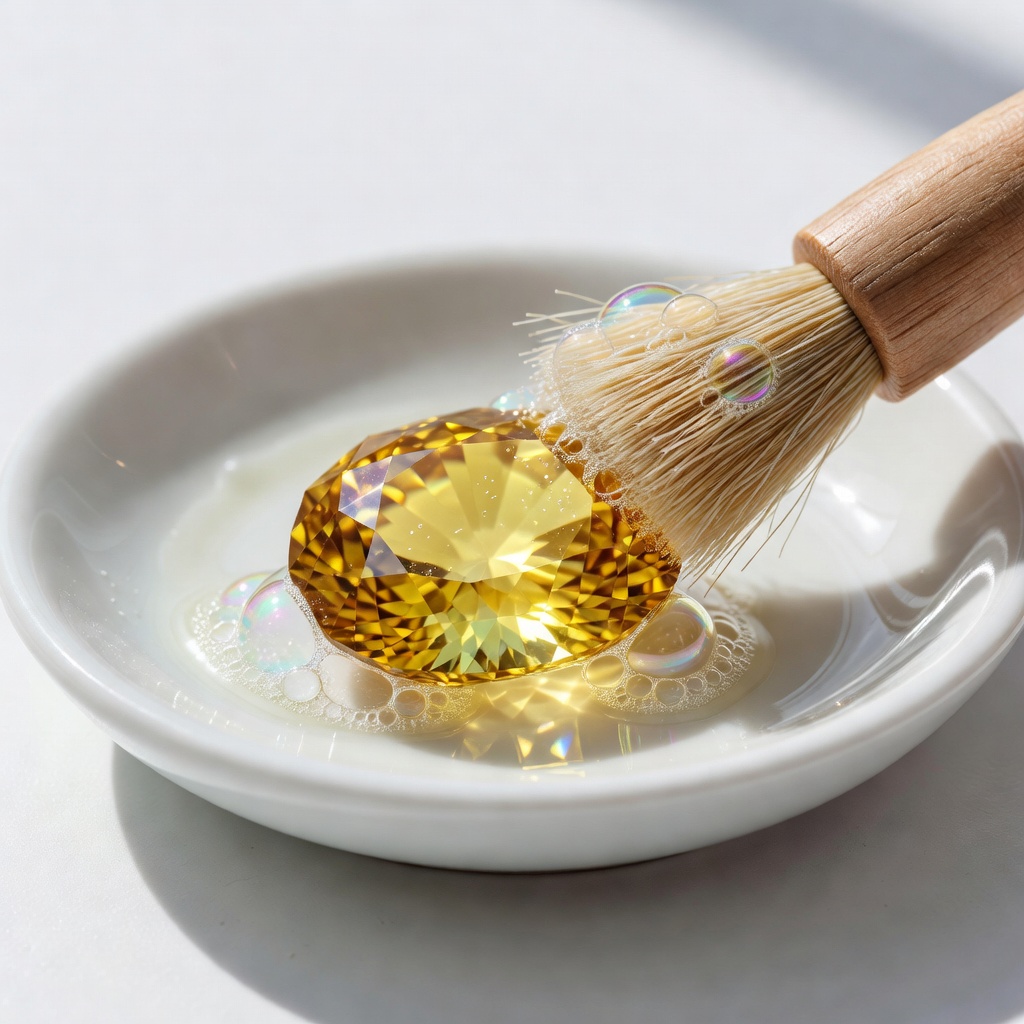
Mastering Heliodor Care and Cleaning at home requires minimal equipment but demands attention to detail and patience to avoid accidental damage. Begin by preparing a cleaning solution using lukewarm water—never hot—and a few drops of mild, phosphate-free dish soap in a clean bowl. The water temperature should feel comfortable to your touch, as excessive heat can cause thermal shock, while phosphate-free detergents prevent chemical reactions that might dull the stone's polish or harm its setting.
Submerge your heliodor jewelry for approximately two to three minutes to loosen accumulated grime, then employ a soft-bristled baby toothbrush or specialized jewelry brush to clean difficult-to-reach areas. Pay particular attention to the underside of the stone, known as the pavilion, where oils and soap scum typically accumulate and obstruct light return, causing the gem to appear lifeless. Use gentle circular motions around the crown and table facets, taking care not to apply excessive pressure that might loosen the stone from its mounting during your cleaning heliodor at home routine.
Proper rinsing technique proves as critical as the washing process itself, as residual soap can create filmy buildup that attracts future dirt. Hold the jewelry under a gentle stream of lukewarm running water, ensuring the drain is covered or secured to prevent accidental loss. Pat the piece dry using a lint-free microfiber cloth or allow it to air-dry on a soft towel away from direct heat sources or sunlight, completing your heliodor gemstone cleaning regimen with the stone restored to its natural brilliance.
Professional Cleaning Techniques and Considerations
While home maintenance suffices for regular upkeep, certain situations demand professional heliodor cleaning to address deep-set grime or restore complex mountings safely. Professional jewelers possess steam cleaners and ultrasonic baths that, while effective for diamonds and sapphires, pose significant risks for beryl varieties. Before consenting to any mechanical cleaning method, insist that the jeweler examines your heliodor under magnification to assess internal characteristics that might contraindicate aggressive cleaning techniques.
Ultrasonic cleaners generate high-frequency vibrations designed to dislodge dirt from jewelry settings, but these same vibrations can expand existing fractures or inclusions within heliodor stones. If your gemstone contains liquid-filled inclusions typical of natural beryl, the rapid vibration may cause these internal features to expand and potentially fracture the stone from within. Therefore, beryl stone care protocols generally recommend avoiding ultrasonic cleaning unless the gemologist confirms the stone is completely inclusion-free and untreated.
Steam cleaning presents similar hazards for heliodor, as the extreme temperature differential between the steam and the stone can induce thermal shock, particularly in stones with pre-existing internal stress. Instead, seek professionals who specialize in manual cleaning using soft brushes and appropriate solvents, or those who offer ionic cleaning systems that operate without vibration. Establish a relationship with a jeweler experienced in colored gemstone care who understands that heliodor jewelry cleaning requires gentler approaches than those used for harder, more durable stones.
Storage Solutions to Prevent Damage
Proper storage constitutes half the battle in yellow beryl preservation, as many heliodor stones suffer damage not during wear but while sitting in jewelry boxes alongside harder gemstones. Invest in individual soft fabric pouches made from velvet or microfiber, or utilize a high-quality jewelry box with lined, compartmentalized sections that prevent pieces from touching one another. This separation prevents harder minerals from scratching heliodor's surface, maintaining the polish that contributes to its distinctive golden luster and fire.
Strategic organization within your jewelry collection requires understanding the Mohs hardness scale and storing heliodor separately from diamonds (10 Mohs), rubies and sapphires (9 Mohs), and even softer stones that might scratch beryl. Place heliodor pieces in their own designated drawer or section, ensuring that necklaces and bracelets hang freely without tangling, which can cause metal components to abrade the gemstone's surface. These heliodor storage tips prove especially important for vintage pieces where the stone may already exhibit minor wear from decades of previous storage methods.
Environmental controls within your storage area protect heliodor from degradation caused by humidity fluctuations and ultraviolet light exposure. Store your jewelry in a location with stable humidity levels around 40-50 percent to prevent metal tarnishing and stone dehydration, avoiding bathrooms where shower steam creates constant moisture cycles. Additionally, keep heliodor away from direct sunlight streaming through windows, as prolonged UV exposure may potentially fade the iron-induced golden coloration that makes this gemstone so desirable.
Chemical and Environmental Hazards to Avoid
Protecting heliodor from chemical exposure requires vigilance regarding common household substances that many owners mistakenly consider safe for heliodor gemstone cleaning. Never allow your stone to contact bleach, ammonia, chlorine, acids, or alcohol-based solutions, as these chemicals can etch the surface of beryl minerals, creating microscopic pitting that dulls the polish and reduces brilliance. Even brief exposure to harsh cleaning agents while wearing rings can cause permanent damage, necessitating expensive professional repolishing to restore the original luster.
Thermal shock represents another significant threat to beryl integrity, occurring when heliodor experiences rapid temperature changes that cause differential expansion between the stone and its inclusions. Removing a heliodor ring from a hot car dashboard and immediately wearing it outside in winter air, or vice versa, creates stress fractures that may not become visible immediately but compromise the stone's durability over time. Understanding these beryl care errors helps owners avoid scenarios where extreme temperature differentials threaten their gemstone's structural stability.
Personal care products pose perhaps the most insidious daily risk to heliodor, as cosmetics, hairsprays, perfumes, and lotions often contain solvents and oils that leave stubborn residues on gemstone surfaces. Always apply these products before putting on heliodor jewelry, allowing adequate drying time to prevent chemical transfer. When swimming in chlorinated pools or salt water, remove your pieces entirely, as these environments not only risk chemical damage but also increase the likelihood of losing jewelry in deep or murky water.
Restoring Cloudy or Dull Heliodor Stones
When heliodor loses its characteristic brilliance and appears cloudy or lifeless, determining the root cause guides appropriate heliodor restoration strategies. Cloudiness typically stems from either removable surface buildup of soap, oils, and hard water deposits, or from permanent damage such as surface scratches and abrasions that scatter light rather than allowing it to pass through the stone. Hold the gemstone under bright light and examine it from various angles; if the cloudiness disappears when the stone is wet but returns upon drying, you likely face a cleaning issue rather than physical damage.
For stones suffering from stubborn accumulation of oils and grime that resist normal cleaning, create a solution of lukewarm water and mild dish soap, adding a small amount of ammonia-free commercial jewelry cleaner specifically formulated for delicate stones. Soak the heliodor for no more than five minutes, then use a wooden pick or soft brush to carefully dislodge buildup from beneath the setting. This approach to golden beryl maintenance can rejuvenate stones that appear permanently dulled by years of improper cleaning or neglect, restoring their sunny disposition without invasive treatments.
Physical damage such as scratches, chips, or facet junction rounding requires professional intervention from a skilled lapidary or gemstone cutter. Minor surface scratches often respond well to professional repolishing, a process where the stone's surface is carefully buffed to remove damaged layers without significantly reducing carat weight. More substantial damage may necessitate re-cutting the stone, particularly if chips affect the girdle or table; while this reduces the gem's size, it preserves the piece for future generations and maintains value better than leaving damaged areas that could propagate fractures.
Common Mistakes in Heliodor Maintenance
Even well-intentioned owners frequently compromise their gemstones through avoidable cleaning mistakes that contradict proper Heliodor Care and Cleaning protocols. One prevalent error involves using paper towels, tissues, or abrasive cloths to dry or polish heliodor, as these materials contain wood fibers that register at higher hardness levels than beryl and can leave microscopic scratches across the table and crown facets. Always use designated jewelry cloths made from microfiber or untreated cotton that lift moisture and oils without abrading the polished surface.
Extended soaking periods represent another dangerous practice that owners mistakenly believe enhances cleaning effectiveness. While brief soaking loosens dirt, leaving heliodor submerged in cleaning solutions for hours or overnight can weaken certain types of glue used in jewelry settings, cause metal oxidation that stains the stone, or allow water to enter fractures and expand upon temperature changes. Limit soaking to two or three minutes maximum, and never soak stones that show visible fractures or have been treated with oil or resin fillers.
Ignoring loose settings constitutes perhaps the most costly mistake in heliodor maintenance, as a wobbling stone indicates imminent loss or chipping. Many owners notice their stone moving slightly in its mounting but delay professional tightening, only to find the gemstone missing after a day of normal activities. If you detect any movement, hear rattling sounds, or see gaps between the prongs and the stone, cease wearing the piece immediately and consult a jeweler, as proactive repair prevents the heartbreak of losing a cherished yellow beryl preservation piece.
Long-term Preservation and Value Protection
Securing the legacy of your heliodor collection requires systematic heliodor preservation strategies that extend beyond daily cleaning to encompass professional oversight and documentation. Schedule comprehensive inspections with a qualified gemologist or jeweler every six to twelve months, during which they should check prong tightness, examine for new chips or scratches, and professionally clean areas inaccessible at home. These regular checkups identify potential problems while they remain minor repairs rather than major restorations, protecting both the sentimental and monetary value of your pieces.
Proper documentation serves as the backbone of gemstone value maintenance, particularly for high-quality heliodor specimens or antique pieces with provenance. Maintain organized records including original purchase receipts, gemological laboratory certificates verifying natural origin and any treatments, and photographs showing the stone's condition over time. For insurance purposes, obtain updated appraisals every two to three years, as the market value of fine golden beryl fluctuates based on mining yields and collector demand, ensuring your coverage reflects current replacement costs.
Legacy planning for heliodor jewelry ensures that future generations inherit not only the physical stones but also the knowledge necessary to care for them properly. Create written care instructions detailing specific cleaning routines, storage locations, and professional contacts familiar with the pieces, storing this documentation with your will or estate papers. Consider establishing a maintenance fund to cover future professional cleaning and potential repairs, ensuring that your grandchildren or designated heirs can enjoy these sun-kissed gems with the same brilliance you experienced, perpetuating proper golden beryl maintenance for decades to come.
Frequently Asked Questions
How do I safely clean heliodor jewelry at home?
Mix lukewarm water with a few drops of mild dish soap, soak for 2-3 minutes, gently brush with a soft toothbrush, rinse thoroughly, and pat dry with a lint-free cloth. Avoid harsh chemicals and extreme temperatures.
Can I use an ultrasonic cleaner for my heliodor gemstone?
Ultrasonic cleaners are not recommended for heliodor as vibrations can expand existing fractures and inclusions. If your stone is untreated and inclusion-free, consult a professional jeweler first.
Is it safe to wear heliodor in the shower or swimming pool?
Remove heliodor jewelry before showering or swimming. Chlorine, salt water, and soaps can damage the stone's surface and dull its brilliance over time.
How often should I clean my heliodor gemstone?
Clean your heliodor every 2-4 weeks with regular wear, or immediately after exposure to cosmetics, oils, or dirt. Professional cleaning is recommended twice yearly.
Does heliodor fade in sunlight or heat?
Prolonged exposure to intense sunlight or high heat can potentially fade heliodor's golden color. Store away from direct sunlight and avoid leaving it in hot cars or near heat sources.
What cleaning products should I avoid with heliodor?
Never use bleach, ammonia, acetone, alcohol-based cleaners, or abrasive toothpaste on heliodor. These chemicals can etch the surface and damage the gemstone's polish.
How should I store heliodor to prevent scratches?
Store heliodor separately in a soft fabric pouch or lined jewelry box compartment. Keep it away from harder gemstones like diamonds (10 Mohs) and rubies (9 Mohs) that can scratch its surface.
Can scratched or chipped heliodor be repaired?
Minor scratches can often be polished out by a professional lapidary. Chips may require re-cutting or recutting the stone. Always consult a gemstone specialist for damage assessment.