Introduction to Hawk's Eye Stone Care
Hawk's Eye, also known as Blue Tiger's Eye or Falcon's Eye, represents one of the most captivating chatoyant gemstones in the mineral kingdom, distinguished by its silky blue-gray luster and striking cat's eye effect. This metamorphic rock, formed through the gradual replacement of blue asbestos (crocidolite) fibers with silicon dioxide, requires specialized attention to maintain its mesmerizing optical properties. Proper Hawk's Eye Care and Cleaning protocols ensure that the stone's distinctive chatoyancy—the moving band of reflected light that seems to glide across the surface—remains vibrant and eye-catching throughout decades of ownership.
The importance of maintaining these gemstones extends beyond mere aesthetics, as Hawk's Eye possesses unique structural characteristics that make it susceptible to specific types of damage. Unlike harder gemstones such as diamonds or sapphires, Hawk's Eye demands a nuanced approach to daily wear and maintenance to prevent scratches, chemical etching, or degradation of its fibrous internal structure. Understanding the specific durability factors and maintenance requirements unique to this chatoyant gemstone enables collectors and jewelry enthusiasts to preserve both the monetary and sentimental value of their pieces.
Understanding Hawk's Eye Properties and Durability
Before implementing any Hawk's Eye stone cleaning routine, understanding the fundamental physical properties of this gemstone proves essential for preventing accidental damage. Hawk's Eye ranks between 5.5 and 6 on the Mohs hardness scale, placing it in a moderate durability category that makes it suitable for jewelry but vulnerable to scratching from harder materials like quartz (7), topaz (8), or everyday objects like steel files and unglazed ceramics. This hardness rating means that while Hawk's Eye can withstand normal wear, it requires protection from abrasive environments and impact forces that could chip or fracture the stone.
The chemical composition of Hawk's Eye consists primarily of silicon dioxide (SiO₂) with embedded crocidolite fibers that create its characteristic chatoyant effect. These parallel asbestos fibers, replaced by silica through geological processes, act as microscopic mirrors that reflect light in a concentrated band across the stone's surface. This fibrous structure, while creating the beautiful visual phenomenon collectors prize, also creates planes of potential weakness within the stone. Proper handling preserves not only the surface luster but also the internal alignment of these fibers, ensuring the cat's eye effect remains sharp and well-defined rather than diffused or muted.
Essential Daily Care Practices
Implementing consistent Hawk's Eye daily maintenance habits forms the foundation of long-term preservation, preventing cumulative damage that could otherwise necessitate costly professional restoration. Always remove Hawk's Eye jewelry before engaging in physical activities such as gym workouts, gardening, or sports, as impact against hard surfaces can create chips or cracks in the stone's surface. Similarly, swimming pools and hot tubs present dual threats: chlorine and other sanitizing chemicals can etch the stone's surface over time, while thermal shock from moving between hot tubs and cooler air can stress the internal structure of the gemstone.
Household chores represent another significant hazard for Hawk's Eye pieces, as cleaning agents, detergents, and even natural acids from foods can compromise the stone's integrity. Remove rings, bracelets, and pendants before washing dishes, cleaning bathrooms, or preparing meals involving acidic ingredients like tomatoes or citrus fruits. Additionally, apply perfumes, hairsprays, and lotions before putting on Hawk's Eye jewelry, allowing these products to dry completely first, as alcohol and chemical solvents can create a dull film on the stone's surface that diminishes its characteristic chatoyancy.
Conduct weekly visual inspections of your Hawk's Eye settings, examining prongs, bezels, and clasps for signs of loosening or wear. Gently wiggle the stone while holding the setting to detect any movement that might indicate a loose mounting, and check for scratches or cloudiness on the surface that could indicate the need for cleaning or professional attention. Early detection of setting issues prevents the catastrophic loss of stones that might otherwise fall out unnoticed during daily activities.
Safe Home Cleaning Methods
When learning how to clean Hawk's Eye stone properly at home, simplicity and gentleness yield the best results while minimizing risk to the gemstone's delicate structure. Begin by preparing a cleaning solution using lukewarm water—never hot, as thermal shock can cause cracking—and a few drops of mild, phosphate-free dish soap or specialized jewelry cleaner formulated for delicate stones. Submerge the Hawk's Eye piece for no more than two to three minutes to loosen accumulated oils, dirt, and cosmetic residues that have adhered to the surface.
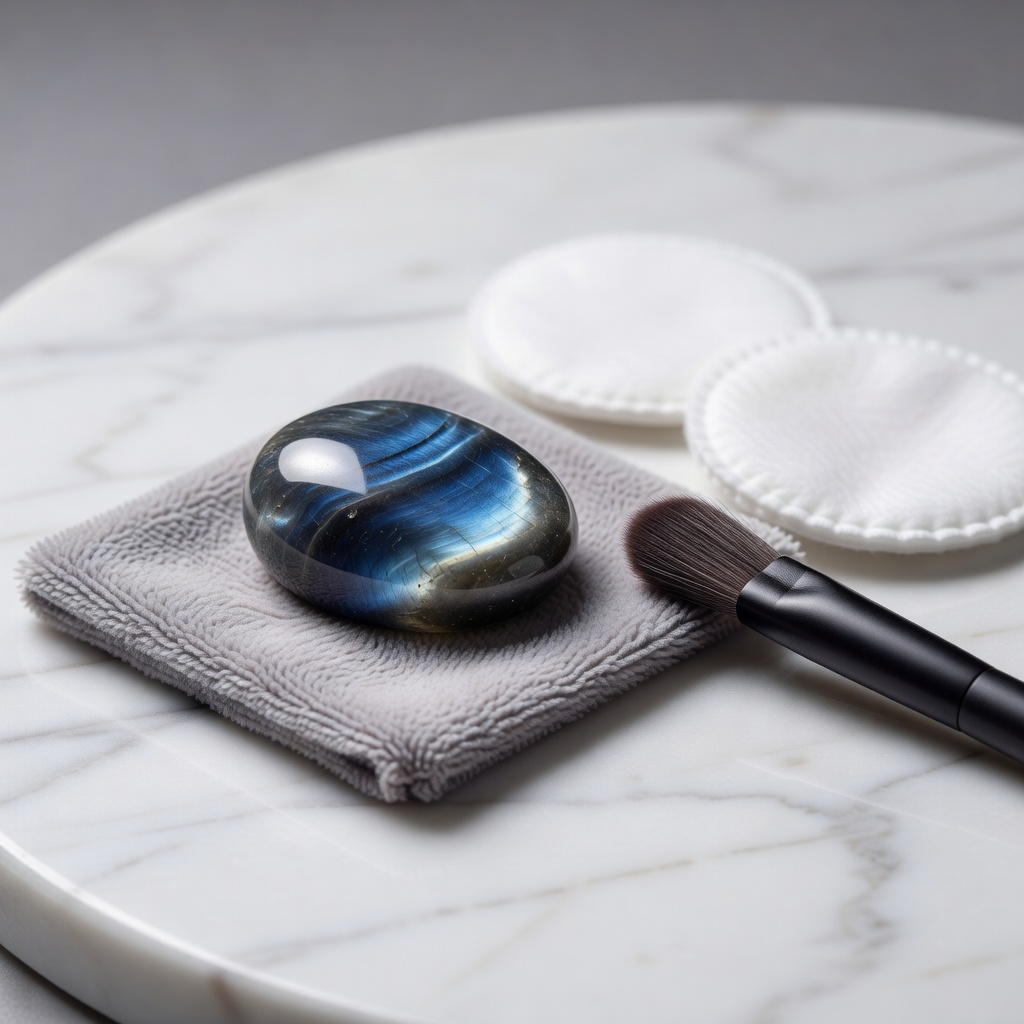
Using a soft-bristled brush, such as a baby toothbrush or specialized jewelry cleaning brush with natural bristles, gently scrub around the setting and across the stone's surface with light, circular motions. Pay particular attention to the underside of the stone and the areas where the gem meets the metal setting, as these regions accumulate the most buildup from skin oils and environmental debris. Avoid applying excessive pressure, as the 5.5-6 hardness rating means Hawk's Eye can scratch if grit particles become trapped between the brush bristles and the stone surface.
Rinse the jewelry thoroughly under lukewarm running water, ensuring all soap residue washes away, as dried detergent can leave a filmy deposit that attracts future dirt. Immediately pat the piece dry using a lint-free microfiber cloth or chamois, taking care to remove all moisture from crevices and behind the stone where water spots might form. For pieces with intricate settings, use a hairdryer on the cool setting held at least six inches away to evaporate any remaining moisture in hard-to-reach areas, preventing mineral deposits from hard water that could dull the chatoyant effect.
Cleaning Methods to Avoid
Understanding Hawk's Eye cleaning mistakes proves equally important as knowing proper techniques, as certain popular cleaning methods can cause irreversible damage to this fibrous gemstone. Never subject Hawk's Eye to ultrasonic cleaning devices, regardless of how convenient they might seem for other jewelry pieces. The high-frequency vibrations generated by these machines can cause the microscopic crocidolite fibers within the stone to separate or shift, permanently destroying the alignment necessary for chatoyancy. Additionally, the vibrations may loosen glue settings or weaken prongs, risking the loss of the stone entirely.
Steam cleaning represents another hazardous method for Blue tiger's eye maintenance, as the combination of intense heat and rapid pressure changes creates thermal shock that can fracture Hawk's Eye along its natural cleavage planes. The fibrous structure that creates the stone's beauty also creates internal stress points where heat expansion can cause cracking or "crazing"—a network of fine surface cracks that permanently mar the gemstone's appearance. Similarly, avoid boiling water techniques or steam wands marketed for jewelry cleaning, as these subject the stone to temperature gradients it cannot safely withstand.
Common household abrasive cleaners, including baking soda pastes, toothpaste, and powdered cleansers, pose significant scratching risks despite their popularity in DIY jewelry care forums. These substances typically rate higher than 6 on the Mohs scale and contain particulates that can create microscopic scratches on Hawk's Eye surfaces, gradually dulling the chatoyant effect through cumulative damage. Even "gentle" abrasive materials like baking soda can wear down the polished surface over time, requiring professional re-polishing to restore the stone's original luster.
Proper Storage Solutions
Implementing appropriate Hawk's Eye storage tips prevents damage during periods of non-wear and preserves the stone's optical qualities for generations. Store each Hawk's Eye piece individually in soft fabric pouches, lined jewelry boxes with separate compartments, or acid-free tissue paper to prevent contact with harder gemstones. Diamonds, rubies, sapphires, and even quartz pieces can scratch Hawk's Eye if stored together in a shared jewelry box where pieces might jostle against each other during drawer opening or transportation.
Prolonged exposure to direct sunlight or UV radiation can affect the color stability of Hawk's Eye over extended periods, potentially causing the blue-gray tones to fade or shift toward lighter, less desirable shades. Store your collection in a drawer, cabinet, or jewelry box away from windows, and never leave Hawk's Eye jewelry on car dashboards, windowsills, or outdoor patio tables where intermittent sun exposure accumulates over time. For valuable specimens or heirloom pieces, consider storage in a dark, climate-controlled environment similar to that recommended for fine art or photographs.
Maintaining stable humidity levels in your storage area prevents environmental damage that could compromise Falcon's Eye stone care efforts over the long term. Extremely dry conditions can cause certain matrix materials or accompanying minerals in Hawk's Eye specimens to become brittle, while excessive humidity might promote tarnishing of silver settings or encourage mold growth on leather cords used for pendants. Aim for relative humidity between 40-50%, using silica gel packets in storage containers if you live in particularly humid climates, or humidifiers in desert environments where air moisture drops below 30%.
Professional Maintenance and Restoration
While home care addresses routine maintenance, certain situations demand professional Hawk's Eye maintenance to address damage or deterioration beyond the scope of safe DIY methods. Schedule professional inspections with a qualified gemologist or jeweler every twelve to eighteen months for frequently worn pieces, or immediately if you notice loose settings, significant scratches, or a persistent cloudiness that doesn't resolve with proper home cleaning. Professional jewelers possess the magnification tools and lighting necessary to detect early-stage damage invisible to the naked eye.
Re-polishing services offer solutions for Hawk's Eye stones that have developed surface scratches or lost their vitreous luster through years of wear. Lapidaries specializing in chatoyant gemstones can carefully re-polish the surface using progressively finer grits of diamond powder or oxide compounds, restoring the reflective quality necessary for optimal chatoyancy without compromising the stone's structural integrity. This process requires specialized equipment and expertise, as improper polishing angles can misalign the stone's fibrous structure and diminish rather than enhance the cat's eye effect.
For heavily soiled antique pieces or estate jewelry where dirt has accumulated in intricate vintage settings, professionals employ steam alternatives using controlled, low-pressure systems and temperature-regulated solutions specifically calibrated for stones in the 5.5-6 hardness range. These services often include thorough inspection of mountings, tightening of loose prongs, and replacement of worn clasps or bails, ensuring the mechanical security of the piece matches its restored aesthetic beauty. Always verify that your jeweler has specific experience with chatoyant gemstones before entrusting them with your Hawk's Eye pieces.
Restoring Dull or Cloudy Hawk's Eye
Addressing Hawk's Eye restoration requires first identifying the underlying causes of diminished chatoyancy, which typically stem from surface film buildup, microscopic scratches, or dehydration of the stone's surface layers. Oils from skin contact, residue from cosmetics, and environmental pollutants can create a hazy film that obscures the reflective fibers beneath, causing the stone to appear lifeless or "sleepy" rather than displaying its characteristic moving eye effect. In some cases, hard water mineral deposits or dried soap residue create a cloudy patina that requires specific removal techniques.
For mildly dulled stones, begin restoration with a thorough cleaning using the approved lukewarm water and mild soap method, followed by gentle buffing using a specialized gemstone polishing cloth impregnated with micro-abrasive compounds. These cloths, available from gemological supply companies, contain polishing agents fine enough to remove surface oxidation and minor scratches without damaging the Hawk's Eye surface. Buff using light pressure and straight-line motions parallel to the direction of the chatoyant band, checking frequently under bright light to monitor improvement and avoid over-polishing.
Some specimens benefit from re-oiling, a traditional technique where colorless mineral oil or specialized gemstone oils are applied sparingly to enhance the stone's translucency and chatoyancy. This method proves particularly effective for rough specimens or cabochons with surface-reaching inclusions that scatter light. However, re-oiling requires expertise to avoid creating a greasy residue that attracts dust, and oiled stones may require periodic reapplication. For significantly scratched, chipped, or fractured Hawk's Eye pieces, consult a professional lapidary who can assess whether repolishing, recutting, or stabilization treatments offer the best path to restoration.
Long-term Preservation Strategies
Developing comprehensive Hawk's Eye preservation methods ensures these beautiful gemstones remain vibrant heirlooms passed down through generations. Establish a written maintenance schedule documenting cleaning dates, professional inspections, and any observations about changes in the stone's appearance. For pieces worn daily, such as engagement rings or signature pendants, perform home cleaning every two to four weeks and professional inspections annually. Rotation systems for multiple pieces prevent excessive wear on single items, allowing each gemstone adequate "rest" periods where oils and stresses from wear can normalize.
Maintain detailed documentation including photographs, certificates of authenticity, and appraisal reports for valuable Hawk's Eye specimens, particularly those exhibiting exceptional chatoyancy, large carat weights, or unusual color variations. Update appraisals every three to five years to reflect current market values, storing both physical copies in a safe deposit box and digital backups in secure cloud storage. This documentation proves essential for insurance purposes, estate planning, and verifying provenance should you decide to sell or donate pieces in the future.
Secure appropriate insurance coverage for high-value Hawk's Eye jewelry care collections, ensuring policies specifically cover loose gemstones and provide replacement value rather than mere cash payouts. Implement security measures including home safes with humidity control for storage when pieces aren't worn, and consider adding riders to homeowner's policies for items exceeding standard jewelry coverage limits. Educate family members and heirs about proper handling techniques, ensuring that the preservation efforts you implement today continue through future generations who will treasure these chatoyant gemstones.
Frequently Asked Questions About Hawk's Eye Care and Cleaning
Can I use water to clean my Hawk's Eye stone?
Yes, lukewarm water with mild soap is safe for cleaning Hawk's Eye. Avoid hot water and harsh chemicals. Gently scrub with a soft brush, rinse thoroughly, and dry immediately with a lint-free cloth to prevent water spots.
Is it safe to use ultrasonic cleaners on Hawk's Eye jewelry?
No, ultrasonic cleaners are not recommended for Hawk's Eye. The vibrations can damage the stone's fibrous structure and potentially loosen settings. Stick to gentle hand cleaning with mild soap and water.
How often should I clean my Hawk's Eye gemstone?
Clean Hawk's Eye jewelry every 2-4 weeks if worn regularly, or when visibly dirty. Daily wear pieces benefit from quick wipedowns after use, while stored specimens need cleaning only every few months.
Does Hawk's Eye fade in sunlight?
Prolonged exposure to direct sunlight can potentially affect Hawk's Eye color over time. Store your stone away from direct UV rays and avoid leaving it in hot cars or windowsills to preserve its blue-gray chatoyancy.
What's the difference between Hawk's Eye and Tiger's Eye care?
Both stones have similar care requirements as they share the same mineral composition and 5.5-6 Mohs hardness. However, Hawk's Eye (blue) is often more porous than Tiger's Eye (golden), requiring extra caution with chemical exposure.
Can I wear Hawk's Eye in the shower or swimming pool?
Remove Hawk's Eye before showering or swimming. Chlorine, salt water, and soaps can damage the stone's surface and dull its chatoyancy. Hard water minerals can also leave deposits that are difficult to remove.
How do I restore shine to a dull Hawk's Eye stone?
For mildly dull stones, clean thoroughly and buff gently with a microfiber jewelry cloth. For significantly dulled specimens, consult a professional gemologist who can re-polish the surface without damaging the chatoyant effect.
Is Hawk's Eye sensitive to temperature changes?
Yes, Hawk's Eye can be sensitive to thermal shock. Avoid rapid temperature changes, such as moving from hot sunlight into cold air conditioning, or using hot water during cleaning, as this can cause cracking or fracturing.