Introduction to Hambergite Gemstones
Hambergite stands as one of the mineral kingdom's most fascinating yet delicate treasures, belonging to the borate mineral family and prized by collectors and jewelry enthusiasts alike for its exceptional optical properties. This rare gemstone exhibits remarkable transparency and a vitreous luster that rivals more common precious stones, yet its scarcity makes proper Hambergite gemstone maintenance essential for preserving both its beauty and investment value. Unlike robust stones such as diamonds or sapphires, Hambergite requires specialized attention due to its unique chemical composition and physical characteristics, making rare gemstone care knowledge indispensable for owners. Whether displayed in a curated mineral collection or set within an elegant pendant, understanding the specific needs of this borate mineral ensures that its distinctive clarity and brilliance remain intact for generations.
The stone typically appears in colorless to white or pale yellow hues, with some specimens displaying subtle pink or brown tints depending on trace elements present during formation. Jewelry designers often choose Hambergite for statement pieces where its glass-like transparency can be showcased, though these applications demand vigilant protection from environmental factors. Collectors particularly value well-formed Hambergite crystals for their perfect pyramidal shapes and high birefringence, which creates interesting optical effects when properly illuminated. Recognizing that this gemstone represents a significant geological rarity helps underscore why implementing proper Hambergite care and cleaning protocols from the moment of acquisition protects not just aesthetic appeal but also the specimen's scientific and monetary worth.
Understanding Hambergite Physical Properties
Mohs Hardness and Structural Vulnerabilities
Hambergite registers between 5.5 and 6 on the Mohs hardness scale, positioning it in the vulnerable middle range where everyday objects can easily scratch its surface. This relatively soft nature means that common household dust, which often contains microscopic quartz particles rating 7 on the hardness scale, can inadvertently abrade the stone's polish during routine handling. Owners must understand that borate mineral cleaning requires gentler approaches than those suitable for harder gems, as aggressive scrubbing or contact with harder materials creates permanent surface damage that professional repolishing may only partially remedy. The stone's crystalline structure lacks the compact atomic bonding found in corundum or diamond, making preventative care more critical than restorative treatments.
Cleavage Planes and Thermal Sensitivity
Perhaps the most critical consideration for soft gemstone care involves Hambergite's perfect cleavage in one direction, a characteristic that makes the stone susceptible to splitting along specific crystallographic planes under impact or pressure. This perfect cleavage means that even a slight bump against a hard surface or sudden temperature change can cause the stone to fracture cleanly, potentially ruining a faceted gem or breaking a crystal specimen. Thermal sensitivity further complicates Hambergite maintenance, as rapid temperature fluctuations cause differential expansion within the crystal structure, leading to internal stress fractures. Understanding these physical limitations helps owners appreciate why certain cleaning methods, storage conditions, and wearing habits must be strictly observed to prevent catastrophic damage.
Daily Wear Best Practices
Activity-Appropriate Wear Guidelines
Implementing proper Hambergite jewelry care begins with recognizing when to remove pieces before engaging in activities that expose the stone to risk. Gardening, cooking, cleaning, and exercise present multiple hazards including physical impact, abrasive contact, and exposure to harsh chemicals that compromise the gem's integrity. A collector in California learned this lesson when her antique Hambergite ring sustained irreparable cleavage damage after she wore it while rock climbing, demonstrating that even recreational activities pose significant threats to this delicate mineral. Establishing a consistent routine of removing Hambergite jewelry before showering, swimming, or applying personal care products forms the foundation of effective daily gemstone maintenance.
Cosmetic and Chemical Avoidance Strategies
The chemical sensitivity of Hambergite necessitates careful timing when dressing and applying beauty products, as perfumes, hairsprays, lotions, and cosmetics can create damaging chemical reactions or leave residues that dull the stone's brilliance. Beauty products often contain alcohols, acids, and oils that etch borate minerals or create films that attract dirt and require more frequent cleaning. Practical application involves putting on Hambergite pieces last when dressing and removing them first when undressing, minimizing exposure to these potentially harmful substances. Additionally, regular inspection of prongs, bezels, and settings ensures that the stone remains secure, as loose stones experience more movement and potential impact against metal components or external objects.
Step-by-Step Hambergite Cleaning Process
Preparing the Cleaning Solution
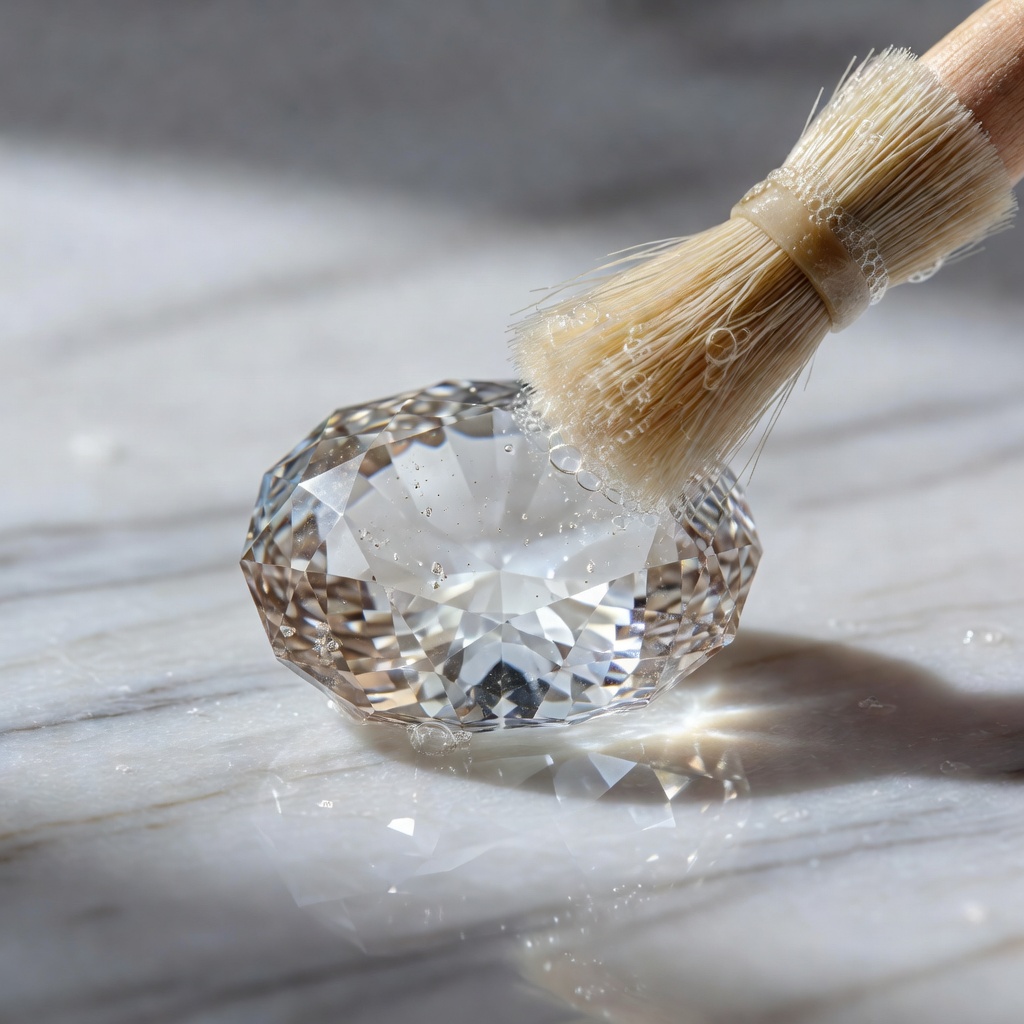
Effective Hambergite care and cleaning begins with assembling appropriate materials: lukewarm distilled water, mild pH-neutral soap such as castile soap or specialized gemstone cleaner, a soft-bristled brush (baby toothbrush or camel hair artist brush), lint-free microfiber cloths, and a bowl with a strainer or plug to prevent accidental loss down drains. Distilled water prevents mineral deposits that tap water might leave on the stone's surface, while the temperature should feel comfortable to the touch—never hot or ice cold—to avoid thermal shock. Mix approximately one drop of soap per cup of water, creating a gentle solution that effectively emulsifies oils without introducing harsh chemicals. This preparation phase proves crucial for gentle cleaning methods that preserve the stone's polish while removing accumulated grime.
The Cleaning Procedure
Begin by soaking the Hambergite jewelry for no more than two to three minutes to loosen surface oils and dirt, then gently brush the stone and setting with your soft-bristled tool, paying special attention to the pavilion and girdle areas where debris accumulates. Use minimal pressure, allowing the bristles to do the work rather than applying force that might exploit cleavage planes or loosen settings. Rinse thoroughly under lukewarm running water, ensuring all soap residue disappears as leftover film attracts dust and diminishes brilliance over time. Pat the piece dry immediately with a clean microfiber cloth, then allow it to air dry completely on a soft towel away from direct heat or sunlight before storage or wear.
Cleaning Products and Solutions to Avoid
Mechanical Cleaning Dangers
When cleaning rare gemstones like Hambergite, ultrasonic cleaners represent perhaps the most dangerous commonly available tool, as their high-frequency vibrations seek out and exploit microscopic inclusions and cleavage planes within the crystal structure. The rapid vibrations create stress fractures that may not be immediately visible but compromise the stone's integrity, potentially causing complete breakage during subsequent wear or cleaning. Similarly, steam cleaning poses severe risks due to the combination of intense heat and pressure, which can induce thermal shock in thermally sensitive borate minerals. Even home steamers or boiling water techniques used for some jewelry metals can destroy Hambergite instantly, making manual cleaning the only safe option.
Chemical Hazards and Restrictions
The borate composition of Hambergite makes it particularly vulnerable to acids, meaning common household cleaners containing vinegar, lemon juice, or other acidic compounds will etch the surface permanently, creating a frosted appearance that requires professional repolishing to remedy. Ammonia-based commercial jewelry cleaners, while suitable for diamonds and sapphires, damage Hambergite's surface chemistry and should be strictly avoided. Alcohol-based solutions and acetone can dehydrate the stone or react with inclusions, while abrasive pastes or powders create scratches that accumulate and permanently dull the gem's vitreous luster. Understanding these harmful cleaning agents helps owners maintain a safe cleaning environment free from these common but destructive substances.
Proper Storage and Display Techniques
Individual Storage Solutions
Proper Hambergite storage tips emphasize isolation from other jewelry pieces, as contact with harder gemstones like diamonds, rubies, or even quartz jewelry creates scratches and abrasions on the softer borate mineral. Store each piece in a soft fabric pouch made of velvet, silk, or flannel, or utilize a compartmentalized jewelry box with individual padded sections that prevent movement and contact. For display specimens, acrylic or glass cases lined with acid-free materials protect from dust while allowing visibility, though direct handling should be minimized. A mineral collector in Germany successfully preserved a pristine Hambergite crystal collection for three decades using acid-free tissue paper wrapping inside compartmentalized acid-free boxes, demonstrating the effectiveness of proper gemstone preservation techniques.
Environmental Control Considerations
Maintaining stable humidity levels between 40-60% prevents the dehydration that can affect some borate minerals over extended periods, while avoiding direct sunlight protects against potential color fading and thermal damage. Storage locations should remain cool and consistent, away from heating vents, windows, and exterior walls where temperature fluctuations occur. Silica gel packets can help regulate humidity in storage containers, though they should not contact the stone directly. For long-term storage exceeding several months, wrapping in acid-free tissue paper before pouching provides additional protection against environmental pollutants and oxidation of metal settings.
When to Seek Professional Care
Recognizing Professional Intervention Signs
Professional gemstone cleaning becomes necessary when Hambergite exhibits persistent cloudiness that home cleaning cannot resolve, indicating potential internal fractures or chemical etching requiring expert assessment. Loose stones in settings demand immediate attention from a jeweler experienced with soft stones, as attempting to tighten prongs without proper tools risks applying pressure along cleavage planes. Visible chips, scratches, or changes in clarity warrant professional evaluation to determine whether repolishing, recutting, or simply resetting offers the best preservation strategy. Annual inspections by a qualified gemologist ensure that settings remain secure and that early signs of damage receive prompt attention before irreversible deterioration occurs.
Specialized Services for Hambergite
Not all jewelers possess experience with rare borate minerals, making it essential to seek professionals who understand Hambergite maintenance services and the specific challenges these stones present. Professional repolishing requires specialized equipment and compounds designed for softer stones, as standard polishing wheels designed for diamonds can grind away Hambergite too aggressively. In cases of significant damage, recutting by a master gem cutter may salvage a damaged stone, though this process reduces carat weight and requires careful consideration of the stone's value. Reputable professionals will also provide documentation of services performed, which proves valuable for insurance purposes and future resale considerations.
Troubleshooting Common Hambergite Issues
Addressing Surface and Clarity Problems
Surface cloudiness in Hambergite often results from accumulated oils, soap residue, or microscopic scratches that scatter light rather than allowing transmission, requiring thorough but gentle cleaning to restore brilliance. If cloudiness persists after proper cleaning, the issue may involve internal fractures or chemical etching from previous exposure to acids, necessitating professional Hambergite restoration services. Loss of luster typically indicates surface abrasion from improper cleaning materials or contact with harder objects, and while minor issues might improve with professional repolishing, prevention remains the only cure for significant damage. Regular examination under magnification helps owners distinguish between surface films that home cleaning can address and structural damage requiring professional intervention.
Managing Mechanical and Chemical Damage
Minor scratches on Hambergite should never be addressed with home buffing kits or abrasive compounds, as these typically worsen the damage given the stone's perfect cleavage and moderate hardness. When discovering loose stones, avoid wearing the piece and transport it carefully to a professional, securing it in rigid packaging to prevent movement during transit. Chemical etching appears as permanent fogging or pitting that cannot be wiped away, requiring professional assessment to determine if repolishing can remove the damaged layer without significantly reducing the stone's dimensions. Documenting any changes in appearance with photographs provides valuable information for professionals attempting restoration and helps track the progression of any degradation.
Long-term Preservation and Value Maintenance
Documentation and Record Keeping
Comprehensive gemstone value preservation requires meticulous documentation including purchase receipts, laboratory certifications verifying authenticity, and detailed provenance records that establish the stone's history and legitimacy. High-resolution photography under consistent lighting conditions creates a baseline for tracking condition changes over time, with images updated annually to document any scratches, chips, or setting wear that might affect value. Insurance appraisals should be updated every two to three years to reflect market changes, with specific riders covering rare gemstones like Hambergite that standard policies might undervalue. These records prove invaluable for estate planning, sales, or simply ensuring that future caretakers understand the specific long-term jewelry care requirements of these delicate specimens.
Heirloom and Investment Considerations
For those considering Hambergite as a family heirloom, educating future generations about proper handling and care ensures the stone survives transmission across decades or centuries. Investment-grade specimens particularly benefit from climate-controlled storage when not displayed, with temperature and humidity monitoring to prevent environmental degradation. Understanding market trends for rare borate minerals helps owners make informed decisions about insurance coverage and security measures appropriate to the stone's value. By combining proper physical care with thorough documentation and educational planning, owners ensure that their Hambergite specimens retain both sentimental and monetary value for future generations of collectors and jewelry enthusiasts.
Frequently Asked Questions About Hambergite Care and Cleaning
Can I use an ultrasonic cleaner for Hambergite care and cleaning?
No, ultrasonic cleaners are not recommended for Hambergite. The vibrations can exploit the stone's perfect cleavage planes, causing internal fractures or complete breakage. Always use gentle manual cleaning methods with soft brushes and mild soap instead.
How often should I clean my Hambergite jewelry?
Clean your Hambergite jewelry every 2-3 months with regular wear, or immediately after exposure to sweat, cosmetics, or household chemicals. For display pieces, gentle dusting monthly and thorough cleaning every 6 months is sufficient to maintain brilliance.
Is Hambergite safe for everyday wear?
Hambergite is not ideal for everyday wear due to its 5.5-6 hardness and perfect cleavage. It's best reserved for occasional wear, protected settings, or display collections. Remove before activities involving impact, chemicals, or temperature extremes.
Can I clean Hambergite with vinegar or lemon juice?
Absolutely not. As a borate mineral, Hambergite is chemically sensitive to acids. Vinegar, lemon juice, or other acidic cleaners will etch the surface, causing permanent cloudiness and structural damage. Only use pH-neutral, mild soap solutions.
What should I do if my Hambergite gets scratched?
Do not attempt to buff scratches yourself as this may worsen the damage. Consult a professional gem cutter or jeweler experienced with soft stones. Minor scratches may be professionally repolished, while deep damage might require recutting.
Is Hambergite sensitive to heat and sunlight?
Yes, Hambergite is thermally sensitive and can crack from sudden temperature changes. Prolonged direct sunlight may cause fading or dehydration of the crystal. Store in cool, stable environments away from windows and heat sources.
Can I shower or swim while wearing Hambergite?
No, avoid showering or swimming with Hambergite. Chlorine, salt water, and harsh soaps can damage the stone. Additionally, temperature changes from hot showers can cause thermal shock, and slippery soap increases the risk of dropping and breaking the gem.
How should I store Hambergite when not wearing it?
Store Hambergite individually in a soft fabric pouch or lined jewelry box compartment to prevent scratching from harder gemstones. Keep in a cool, dry place with stable humidity, away from direct sunlight and separate from harder jewelry pieces like diamonds or sapphires.