What Is Hambergite? Understanding This Rare Beryllium Mineral
Hambergite stands as one of the mineral kingdom's most elusive treasures, a beryllium borate hydroxide with the chemical composition Be2(BO3)(OH) that captures the attention of serious mineral collectors and gemstone connoisseurs worldwide. First discovered in 1890 by the distinguished Swedish mineralogist Axel Hamberg at the Langesundsfjord district in Norway, this extraordinary mineral was named in honor of its discoverer and has since remained one of the rarest collectible gemstones available on the market. Unlike its more famous beryllium-containing cousins such as emerald and aquamarine, Hambergite occurs in extremely limited quantities, with transparent crystals suitable for faceting representing less than one percent of all specimens recovered from the earth.
The extreme rarity of this mineral stems from its highly specific geological formation requirements, occurring primarily in granite pegmatites and alkaline complexes where boron-rich fluids interact with beryllium-bearing minerals under precise temperature and pressure conditions. While beryllium minerals like beryl are relatively common in the gem trade, Hambergite's unique chemical structure requires the simultaneous presence of boron and hydroxide groups in the crystallization environment, significantly restricting its occurrence to a handful of localities globally. This scarcity has positioned Hambergite as a crown jewel among rare beryllium minerals, with fine specimens commanding premium prices at specialized mineral auctions and private sales.
Physical Properties and Identification Features
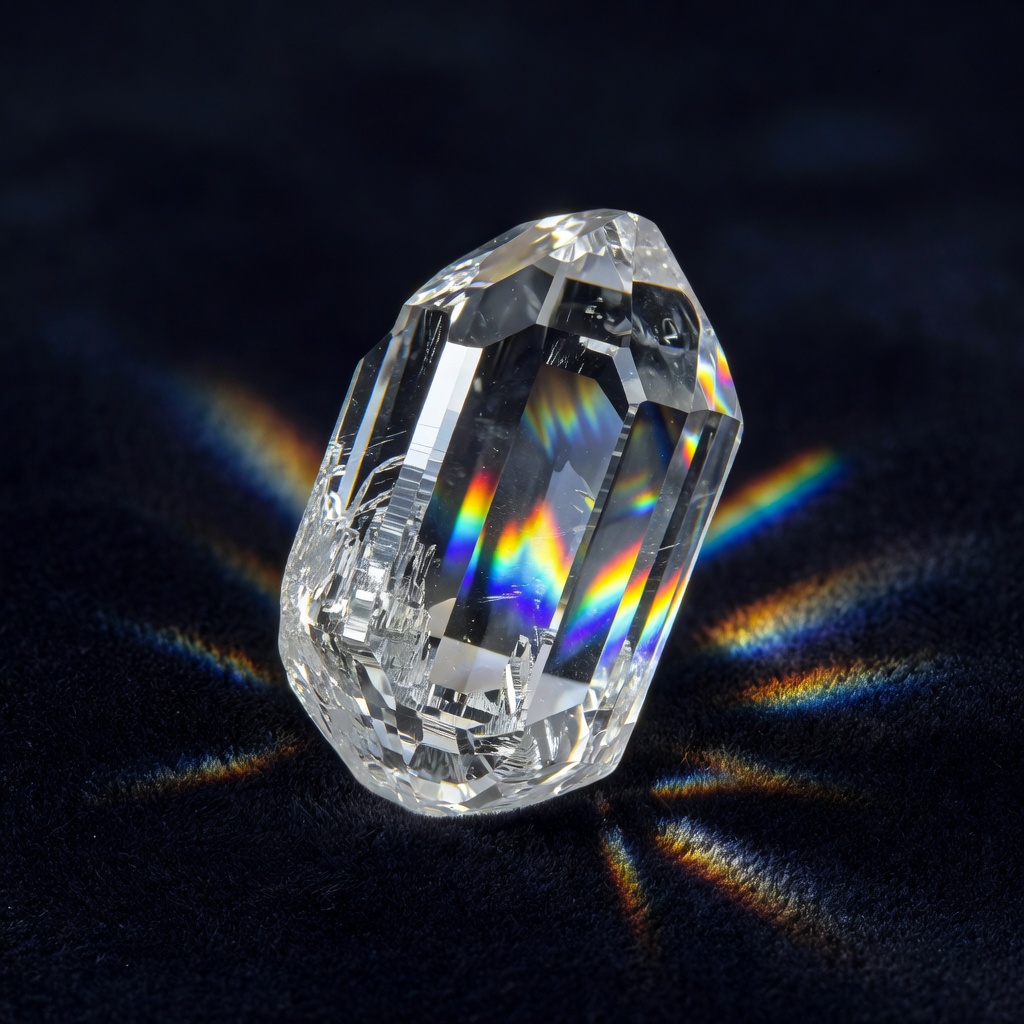
Understanding the physical characteristics of Hambergite is essential for proper identification and appreciation of this unique gemstone, particularly given its potential confusion with other colorless minerals. With a hardness of 7.5 on the Mohs scale, Hambergite offers reasonable resistance to scratching, making it suitable for jewelry applications, though its durability is compromised by distinct cleavage properties that require careful consideration during cutting and setting. The mineral crystallizes in the orthorhombic crystal system, typically forming distinctive prismatic crystals with vertical striations and pyramidal terminations that can reach several centimeters in length at premier localities such as Madagascar's Mt. Bity region.
Gemologists and collectors utilize several key diagnostic properties for Hambergite identification, including its notably low specific gravity of approximately 2.35, which makes specimens feel surprisingly lightweight when handled compared to visually similar minerals like phenakite or topaz. The mineral exhibits perfect cleavage in one direction, creating potential challenges during the cutting process and necessitating protective settings when mounted in jewelry to prevent splitting along cleavage planes. Under magnification, Hambergite displays distinctive double refraction with a birefringence of 0.031, creating doubling of facet junctions visible through the table of cut stones, a characteristic that helps distinguish authentic specimens from simulants or misidentified minerals.
Quality Assessment: Evaluating Clarity and Transparency
When assessing Hambergite for acquisition, clarity and transparency represent the paramount value factors that separate museum-quality specimens from ordinary mineral samples. The most desirable Hambergite crystals exhibit eye-clean transparency, meaning they appear free of visible inclusions when examined without magnification at a distance of six inches, allowing light to pass through the crystal with minimal obstruction or scattering. This exceptional transparency is particularly valued in faceted gemstones, where the mineral's high clarity can showcase its vitreous luster and subtle optical properties to maximum effect, creating brilliant scintillation when properly cut.
Natural inclusions such as liquid feathers, crystal growth zoning, and internal fractures significantly impact the Hambergite price per carat, with heavily included specimens selling for fractions of the cost of pristine crystals. Collectors should examine potential purchases under 10x magnification to identify internal characteristics that might affect structural integrity, particularly cleavage cracks that could propagate under stress or thermal shock. Double refraction properties become particularly evident under magnification, with experienced gemologists looking for the characteristic doubling of internal features that confirms the mineral's orthorhombic structure and distinguishes it from singly refractive simulants like glass or cubic zirconia.
Color Variations and Their Market Value
Hambergite color variations play a crucial role in determining market desirability and investment potential, with colorless and white specimens commanding the highest premiums among collectors and jewelry designers. The purest Hambergite crystals display water-clear transparency without any tint, allowing them to rival fine diamonds and colorless beryl in appearance while offering the exclusivity that serious collectors crave. Pale yellow and brownish tints, caused by trace iron impurities or natural irradiation, generally reduce the value of specimens by twenty to fifty percent compared to colorless material, though some collectors appreciate these warmer tones for their unique character.
High-quality Hambergite specimens often exhibit pleochroism, showing different colors when viewed from different crystallographic directions, typically ranging from colorless to pale yellow or grayish tones. This optical phenomenon can create subtle color variations within a single crystal that add to its visual interest when properly oriented during cutting. Geographic origin significantly influences color characteristics, with Madagascar Hambergite typically producing the most transparent, colorless material, while Norwegian specimens may show slightly more gray or brown tints due to different geological formation conditions and associated mineral inclusions.
Size Considerations and Carat Weight Pricing
The relationship between crystal size and value in the Hambergite gemstone market follows an exponential curve rather than a linear progression, making large specimens particularly coveted investment pieces. Typical Hambergite crystals range from microscopic formations to prismatic crystals measuring several centimeters in length, though gem-quality transparent material suitable for faceting rarely exceeds five carats in finished weight. Crystals over ten carats represent extreme rarities that appear on the market only occasionally, often selling for five to ten times the per-carat price of smaller stones due to their scarcity and display impact.
Current market data indicates that commercial quality Hambergite price per carat ranges from $50 to $200 for small, included specimens, while exceptional transparent crystals with good size command $500 to $2,000 per carat or more at specialized mineral shows. When evaluating large Hambergite crystals, collectors must balance size against clarity, as massive specimens often contain internal fracturing or cloudiness that reduces their value despite their impressive dimensions. Investment-grade pieces typically weigh between two and ten carats, offering the optimal combination of rarity, display quality, and liquidity in the secondary market.
Geographic Origins and Provenance Documentation
Provenance significantly influences the value and desirability of Hambergite specimens, with Madagascar standing as the premier source for gem-quality material that sets the standard for the species. The famous Mt. Bity and Antsongombato localities in Madagascar have produced the world's finest transparent crystals, including some of the largest and most pristine specimens ever recovered, making Malagasy origin a highly desirable attribute for serious collectors. Norwegian localities, including the original discovery site at Langesundsfjord, continue to produce characteristic specimens, though these typically show more internal clouding and smaller crystal sizes compared to Madagascan material.
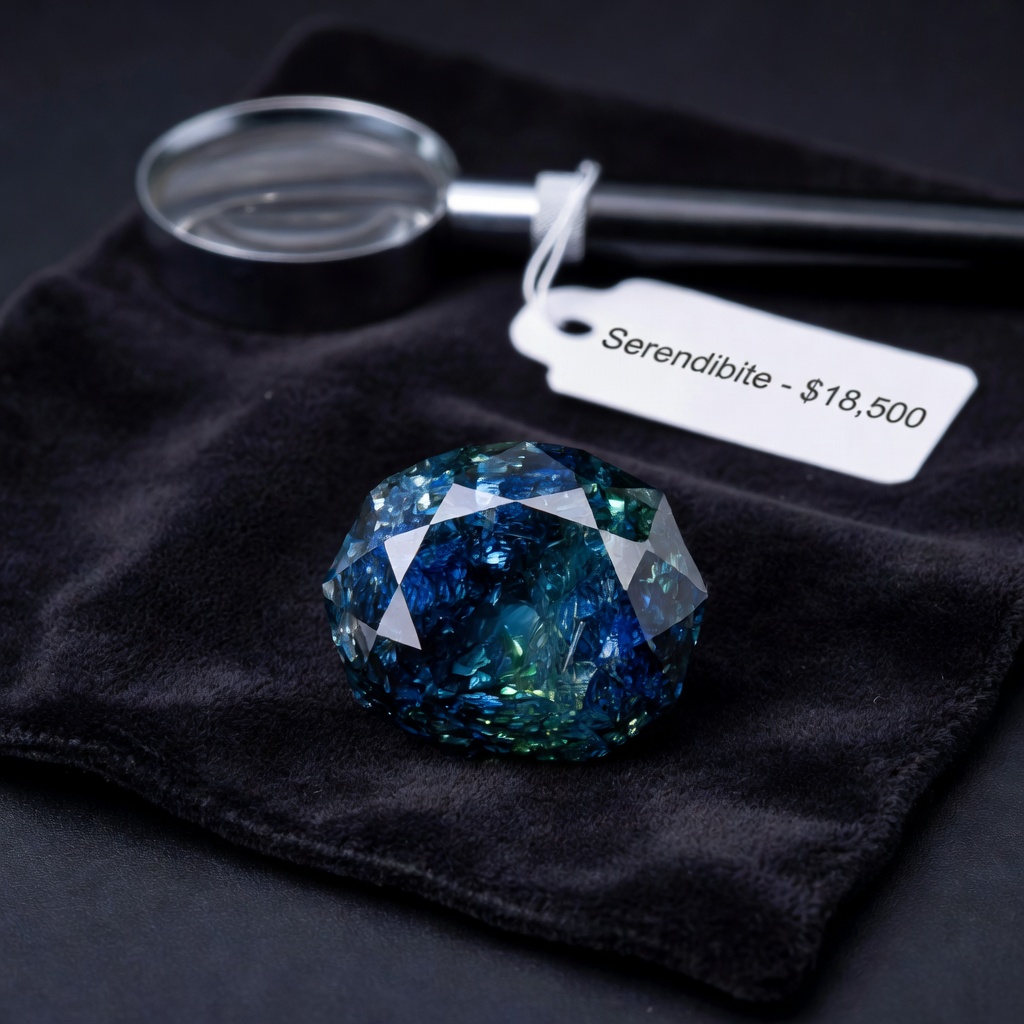
Additional significant Hambergite mining locations include the Pamir Mountains of Tajikistan, certain pegmatites in Afghanistan, and alkaline complexes in Russia's Kola Peninsula, each producing material with distinct characteristics that appeal to different collecting preferences. Hambergite sources from these regions often feature unique associations with other rare minerals such as serendibite, grandidierite, or rhodonite, creating attractive combination specimens highly prized by systematic collectors. Proper origin documentation, including detailed collection labels, previous ownership history, and mining dates, can enhance specimen value by twenty percent or more, particularly for historic pieces from depleted or inaccessible localities.
Authentication: Avoiding Synthetic and Treated Stones
Authenticating Hambergite requires careful examination and often laboratory testing, as this rare mineral can be confused with other colorless gemstones or potentially misrepresented through innocent misidentification or deliberate deception. The most common confusion occurs with phenakite, another rare beryllium mineral that shares similar appearance and locality associations, though phenakite possesses a higher specific gravity of approximately 3.0 compared to Hambergite's 2.35 and crystallizes in the trigonal system rather than orthorhombic. Laboratory testing methods provide definitive identification, with refractive index measurements between 1.559 and 1.590 serving as diagnostic confirmation of authentic Hambergite.
When conducting Hambergite testing, gemologists examine the mineral's reaction to ultraviolet light (typically inert to weak yellow), its characteristic cleavage directions, and microscopic examination of inclusion patterns that differ from common simulants such as quartz, topaz, or synthetic spinel. Red flags indicating potential problems include prices significantly below market value, sellers unable to provide specific locality information, or specimens showing bubbles (indicating glass) or curved growth lines (indicating synthetic material). Reputable laboratories such as the Gemological Institute of America (GIA) or the American Gemological Laboratories (AGL) can provide certification for investment-grade specimens, documenting weight, dimensions, optical properties, and geographic origin when possible.
Investment Potential and Market Trends
The investment outlook for Hambergite value remains strong among specialized mineral collectors, driven by increasing scarcity of fine specimens and growing recognition of the mineral's aesthetic and scientific importance. Unlike more volatile gemstone markets, rare mineral specimens such as Hambergite have shown steady appreciation over the past two decades, with top-quality crystals from depleted localities appreciating at rates of ten to fifteen percent annually. The niche market for collector gemstones and rare species has expanded significantly with the globalization of mineral collecting, creating sustained demand for exceptional specimens that outstrips the extremely limited supply of new material entering the market.
While Hambergite lacks the mainstream recognition of emerald or aquamarine, its investment potential often exceeds these more common beryllium gems on a percentage basis due to its extreme rarity and dedicated collector base. Factors driving appreciation include the depletion of historic mines, increasing difficulty of obtaining export permits from producing countries, and the finite nature of exceptional mineral specimens that cannot be replicated or synthesized economically. Investors seeking to diversify into tangible assets find that fine Hambergite specimens offer portable wealth storage with intrinsic scientific and aesthetic value, though liquidity requires access to specialized auction houses or dealer networks rather than mainstream jewelry retailers.
Proper Care, Storage, and Display Techniques
Proper Hambergite care requires understanding the mineral's physical limitations, particularly its perfect cleavage and sensitivity to thermal shock, which distinguish it from more durable jewelry stones like sapphire or diamond. Cleaning should be performed using only warm soapy water and a soft natural bristle brush, gently removing accumulated dust and oils without applying ultrasonic vibrations or steam that could potentially propagate existing fractures or cleavage planes. When storing Hambergite, individual placement in soft cloth bags or padded mineral boxes prevents scratching from harder minerals while protecting the crystal from accidental impacts that could cause cleavage damage.
Display considerations for storing Hambergite specimens should emphasize stable environmental conditions, avoiding direct sunlight that might cause thermal expansion and potential cracking, while maintaining consistent humidity levels to prevent dehydration of any included fluids that might affect internal clarity. For faceted gemstones mounted in jewelry, protective settings such as bezels or recessed mounts offer superior security compared to prong settings that might catch on clothing and exert leverage on the stone. Display lighting should utilize cool LED sources that showcase the mineral's transparency without generating heat, ideally positioned to highlight the crystal's prismatic form and any optical phenomena such as double refraction or pleochroism.
Where to Buy: Reputable Dealers and Marketplaces
Acquiring authentic Hambergite requires navigating specialized marketplaces where expertise and reputation provide essential safeguards against misidentification or misrepresentation. Serious collectors typically buy Hambergite through established Hambergite dealers who specialize in rare mineral species, such as The Arkenstone, iRocks, or high-end mineral galleries that maintain inventory of authenticated specimens with proper documentation. Major mineral shows, including the Tucson Gem and Mineral Show held annually in Arizona and the Munich Mineral Show in Germany, provide opportunities to examine specimens personally, compare quality across multiple vendors, and establish relationships with dealers who can source specific pieces for advanced collections.
For online purchases, buyers should prioritize dealers offering detailed photographs under various lighting conditions, comprehensive return policies, and third-party escrow services for high-value transactions exceeding several thousand dollars. Auction houses such as Heritage Auctions and Bonhams occasionally feature fine Hambergite specimens in their natural history sales, often accompanied by detailed provenance documentation and condition reports. When evaluating potential purchases, verify that dealers provide specific locality information down to the mine or quarry level, disclose any treatments or repairs, and offer certification from recognized gemological laboratories for faceted stones, ensuring that your investment represents genuine, high-quality material worthy of a distinguished collection.
Frequently Asked Questions
What is Hambergite and why is it considered so rare?
Hambergite is a beryllium borate hydroxide mineral (Be2(BO3)(OH)) discovered in 1890. It is exceptionally rare because gem-quality transparent crystals are scarce, and it forms under specific geological conditions limited to a few localities worldwide, making fine specimens highly prized by mineral collectors.
How much does Hambergite typically cost per carat?
Hambergite prices range from $50-$200 per carat for commercial quality specimens, while exceptional transparent crystals with good size can command $500-$2,000 per carat or more. Large, museum-quality pieces may sell for significantly higher prices at specialized auctions.
What colors does Hambergite come in?
Hambergite is most commonly colorless or white, which commands the highest prices. It can also occur in pale yellow, gray, or brownish tints. The colorless variety with high transparency is most desirable for collectors and jewelry applications.
How can I verify that my Hambergite is genuine and not a synthetic?
Authentic Hambergite can be verified through laboratory testing measuring refractive indices (1.559-1.590), specific gravity (approximately 2.35), and examining its orthorhombic crystal system. Always request certification from reputable labs like GIA or AGL when purchasing investment-grade specimens.
Is Hambergite durable enough for jewelry use?
With a hardness of 7.5 on the Mohs scale, Hambergite is moderately durable but requires protective settings due to its perfect cleavage. It is better suited for occasional wear pieces like pendants or earrings rather than rings, and should be protected from sharp impacts and extreme temperature changes.
Where are the best places to purchase authentic Hambergite?
Reputable sources include specialized mineral dealers at Tucson and Munich mineral shows, established auction houses like Heritage Auctions, and certified online dealers such as The Arkenstone or iRocks. Always verify dealer credentials and request origin documentation and lab reports.
How does Hambergite differ from Phenakite and other beryllium minerals?
While both contain beryllium, Hambergite contains boron and hydroxide (beryllium borate), whereas Phenakite is beryllium silicate. Hambergite has lower specific gravity (2.35 vs 3.0), different crystal habits (orthorhombic vs trigonal), and typically shows different optical properties under examination.
What is the best way to care for and store Hambergite specimens?
Clean Hambergite using warm soapy water and a soft brush only; never use ultrasonic or steam cleaners. Store individually in soft cloth or padded boxes to prevent scratching. Keep away from direct sunlight for extended periods and maintain stable temperature and humidity levels to preserve clarity.