Introduction to Hackmanite
Hackmanite represents one of the most fascinating anomalies in the mineral kingdom, captivating collectors and gemologists alike with its remarkable ability to change color when exposed to ultraviolet light. This rare sulfur-bearing variety of sodalite was first discovered in 1891 by Finnish geologist Axel Fredrik Hackman, who identified specimens in the rugged terrain of Greenland that displayed unusual optical characteristics unlike any previously documented sodalite varieties. The mineral's unique reversible photochromic effect, known scientifically as tenebrescence, distinguishes it dramatically from its parent mineral and places it among the most sought-after photochromic minerals in existence today. Understanding Hackmanite Properties and Information requires examining not only its chemical composition but also the historical context of its discovery, which initially puzzled mineralogists who struggled to classify this chameleon-like stone within traditional taxonomic frameworks.
The initial classification challenges stemmed from hackmanite's ability to exist in multiple color states, causing early collectors to believe they possessed different minerals entirely. When removed from the mine, hackmanite typically appears pale green or white, leading inexperienced observers to overlook its potential value. However, upon exposure to sunlight or UV radiation, these seemingly ordinary stones transform into vibrant violet or pink specimens, creating considerable confusion among 19th-century mineralogists attempting to catalog their collections. This remarkable color-changing capability has since become the definitive characteristic used to identify genuine hackmanite, establishing it as a distinct mineralogical treasure that continues to intrigue researchers investigating the mechanisms of photochromism in natural crystalline structures.
What is Tenebrescence? Understanding Hackmanite's Signature Effect
Tenebrescence, the defining optical phenomenon of hackmanite, represents a specific subtype of photochromism wherein minerals undergo reversible color changes when exposed to particular wavelengths of light, then gradually revert to their original state in darkness. Unlike the permanent color change caused by heat or radiation in other minerals, tenebrescence operates through a photochemical process involving electron transfer within the crystal lattice, specifically facilitated by trace sulfur compounds that act as color centers within the sodalite structure. When UV photons strike the hackmanite crystal, they excite electrons trapped in these sulfur-related defects, causing the mineral to absorb different wavelengths of visible light and thus appear violet or pink to the human eye rather than its original pale hue.
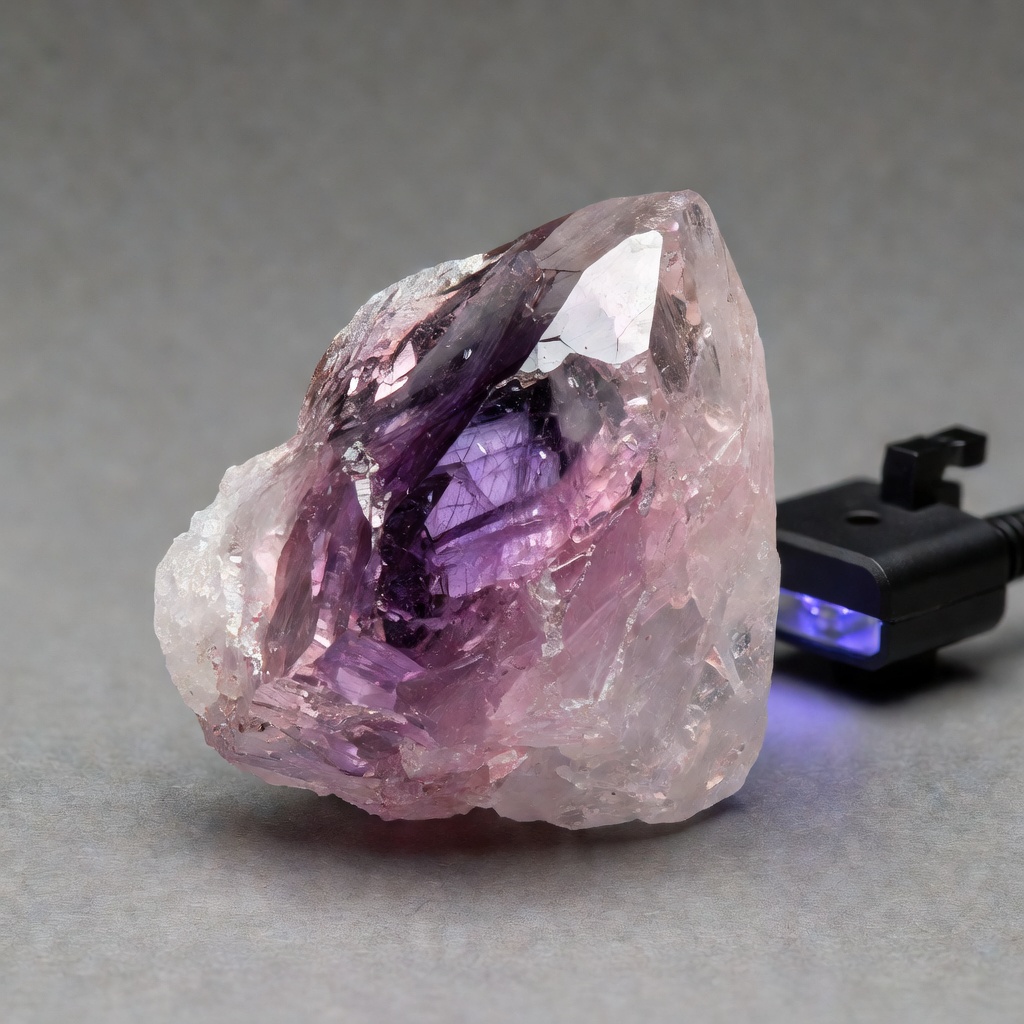
The transformation process in tenebrescent sodalite typically occurs within seconds to minutes depending on the intensity of ultraviolet radiation and the specific quality of the individual specimen. Under direct sunlight or strong 365nm UV flashlight exposure, high-quality hackmanite shifts from white or pale green to deep violet or salmon pink almost instantaneously, creating a magical spectacle that never fails to amaze observers. Once removed from the light source and placed in darkness, the color gradually fades back to the original state over periods ranging from several minutes to several hours, with some exceptionally stable specimens retaining their pinkish tint for days before fully bleaching. This cyclical transformation can theoretically repeat indefinitely, though collectors must exercise caution to prevent permanent damage from excessive UV exposure that could bleach the color centers irreversibly.
Physical and Chemical Properties of Hackmanite
From a chemical perspective, hackmanite maintains the standard sodalite formula Na₈Al₆Si₆O₂₄Cl₂ but incorporates trace amounts of sulfur, typically in the form of S₂⁻ or S₃⁻ radicals, that create the distinctive color centers responsible for its tenebrescent behavior. These sulfur inclusions occupy specific positions within the aluminosilicate framework, creating electron traps that remain stable until activated by UV radiation in the 250-450nm range. The mineral crystallizes in the isometric crystal system, commonly forming dodecahedral crystals with typical dimensions ranging from microscopic grains to occasionally massive specimens weighing several kilograms, though gem-quality crystals exceeding a few centimeters remain exceptionally rare in the collector market.
Physical characteristics of this hackmanite gemstone include a vitreous to greasy luster that becomes particularly noticeable when specimens are polished into cabochons or decorative objects. The Mohs hardness ranges from 5.5 to 6, making it somewhat softer than quartz but suitable for careful jewelry use in protected settings such as pendants or earrings rather than rings exposed to daily wear. Specific gravity measurements typically fall between 2.14 and 2.40, slightly lighter than common sodalite due to variations in included trace elements. Hackmanite exhibits perfect dodecahedral cleavage and a conchoidal fracture pattern, properties that lapidaries must consider when cutting specimens to maximize both durability and the display of optical phenomena. Notably, the mineral shows weak fluorescence under long-wave UV light, appearing orange or yellow, which provides an additional diagnostic tool for identification alongside its famous tenebrescence.
Hackmanite vs Sodalite: Key Differences
Distinguishing between hackmanite vs sodalite requires understanding both visual markers and subtle chemical variations that separate these closely related minerals. While standard sodalite presents a consistent royal blue color resulting from chlorine radicals within its structure, hackmanite appears in its ground state as pale green, white, or gray, only revealing its violet potential through UV exposure. This fundamental difference in base coloration serves as the primary field identification method, though laboratory analysis definitively confirms the presence of sulfur-bearing color centers in hackmanite that are absent in common blue sodalite. Collectors should note that some deep blue sodalite specimens may show weak tenebrescence, transitioning to purple rather than pink, but these lack the dramatic color change intensity that characterizes true hackmanite.
The chemical divergence between these varieties centers specifically on sulfur inclusion types and concentrations, with hackmanite containing polysulfide radicals that standard sodalite lacks entirely. Market valuations reflect this compositional distinction dramatically, as hackmanite commands prices fifty to one hundred times higher than common sodalite on a per-gram basis, particularly for specimens demonstrating strong, rapid tenebrescence. While blue sodalite occurs abundantly in deposits across Brazil, Canada, and Namibia, suitable for inexpensive ornamental carvings and architectural applications, gem-quality hackmanite remains restricted to specific localities with unique geochemical conditions that allowed sulfur incorporation during crystal formation. Serious collectors often employ portable UV lamps when evaluating potential acquisitions, as this simple test immediately distinguishes valuable tenebrescent sodalite from its more common blue relative.
Geographic Sources and Mining Locations
The geological distribution of rare hackmanite sources remains remarkably limited compared to other collectible minerals, with Greenland retaining historical significance as the type locality where Axel Fredrik Hackman first documented this extraordinary mineral in the Ilímaussaq alkaline complex. The original Greenlandic deposits produce specimens characterized by intense pink-to-violet color shifts and exceptional clarity, though mining operations remain sporadic due to harsh Arctic conditions and limited commercial viability of extraction. These type locality specimens command premium prices among serious collectors due to their historical provenance and typically superior tenebrescent intensity compared to material from more recently discovered localities.
Afghanistan has emerged as a significant contemporary source, particularly the Badakhshan Province where alluvial deposits yield hackmanite crystals embedded in white marble matrices, often displaying unique green-to-pink color changes distinct from Greenlandic material. Myanmar (Burma) produces hackmanite with particularly rapid color-change kinetics, while the Kola Peninsula in Russia offers specimens associated with rare alkaline pegmatites that occasionally yield large crystal formations exceeding five centimeters in diameter. Canadian deposits in Quebec and the Northwest Territories represent emerging sources of interest, producing material with slightly different sulfur speciation that results in unique color hues ranging from lilac to deep purple. Each locality imparts distinct characteristics to its hackmanite, creating specialized collecting niches where enthusiasts seek comparative specimens from all known mining locations to document the mineral's geological diversity.
Metaphysical and Healing Properties
Crystal healing practitioners attribute profound metaphysical significance to hackmanite healing properties, particularly emphasizing its association with the third eye and crown chakras where it supposedly facilitates enhanced intuition and spiritual awareness. The mineral's ability to change color under different light conditions symbolizes transformation and adaptability in metaphysical teachings, leading practitioners to utilize it during periods of personal transition or when seeking to develop psychic abilities. Meditation practices often incorporate hackmanite placed directly on the forehead or held during visualization exercises, with believers claiming the stone helps quiet mental chatter and access deeper states of consciousness through its gentle, high-vibrational energy signature.
Emotional healing applications focus on hackmanite's reported capacity for stress relief and anxiety reduction, with crystal therapists recommending it for individuals experiencing emotional instability or overwhelming life changes. The stone's cyclical color change serves as a tangible reminder of impermanence and renewal, encouraging users to embrace rather than resist life's fluctuations. Some practitioners create crystal grids combining hackmanite with clear quartz and amethyst to amplify its purported transformative energies, while others simply carry tumbled stones in pockets to maintain energetic protection throughout the day. While scientific validation of these metaphysical properties remains absent from peer-reviewed literature, the psychological benefits of mindfulness practices associated with crystal work provide subjective value for many collectors who appreciate hackmanite as both a mineralogical curiosity and a spiritual tool.
Identifying Genuine Hackmanite
Accurate identification of authentic hackmanite requires specific testing procedures that verify its distinctive tenebrescent capabilities while eliminating common imitations flooding the market. The most reliable field test involves using a 365nm UV flashlight (long-wave ultraviolet) in a darkened environment to observe whether the specimen transitions from its base color to violet or pink within seconds, then gradually returns to the original hue when removed from the light source. Genuine hackmanite shows this reversible reaction consistently, whereas dyed sodalite or irradiated specimens may display permanent coloration or fail to revert to a pale state entirely. Collectors should examine specimens in daylight first to establish the baseline color, then immediately test with UV light to document the color-change intensity and speed.
Common fraudulent practices include dyeing white sodalite to simulate the violet state of hackmanite or applying surface coatings that mimic color change under limited lighting conditions. These imitations typically fail the prolonged darkness test, maintaining their purple hue indefinitely rather than fading back to white or green. For high-value acquisitions, laboratory certification from reputable gemological institutes provides definitive authentication through advanced spectroscopic analysis that identifies the specific sulfur radical concentrations responsible for natural tenebrescence. Raman spectroscopy and electron microprobe analysis can distinguish genuine hackmanite from treated material by detecting the presence of S₂⁻ and S₃⁻ chromophores that create authentic photochromic behavior, ensuring collectors invest in legitimate specimens worthy of their mineral collections.
Caring for Your Hackmanite Gemstone
Proper preservation of hackmanite requires understanding the delicate balance between enjoying its color-changing properties and protecting it from permanent damage caused by excessive light exposure. While the tenebrescence reaction itself does not degrade the crystal structure, prolonged exposure to intense sunlight or high-powered UV sources can permanently bleach the sulfur color centers, rendering the stone incapable of future color changes. Collectors should limit display time under UV lighting to brief demonstration periods, storing specimens in opaque containers or dark display cases when not actively being viewed. Jewelry applications require particular caution, as hackmanite rings or bracelets worn daily would quickly lose their optical properties through cumulative sun exposure.
Cleaning hackmanite demands gentle methods that preserve both surface integrity and internal optical structures, avoiding ultrasonic cleaners and steam systems that could exploit cleavage planes or thermal shock vulnerabilities. The safest approach involves using lukewarm water with mild pH-neutral soap, applying soft brushes to remove accumulated dust without scratching the relatively soft surface. After cleaning, specimens should be dried immediately with soft cloths and returned to storage away from direct sunlight. For collectors maintaining extensive collections, maintaining detailed logs of UV exposure times helps predict when specific specimens might require rest periods in darkness to maintain optimal tenebrescent responsiveness. These careful handling protocols ensure that hackmanite retains its magical color-changing abilities for decades, preserving both scientific value and aesthetic enjoyment for future generations of mineral enthusiasts.
Hackmanite Value and Investment Potential
The hackmanite gemstone value spectrum varies dramatically based on several critical factors that collectors and investors must evaluate carefully before acquisition. Size constitutes a primary value determinant, with specimens exceeding ten carats or displaying crystal formations over two centimeters commanding exponential price premiums due to the mineral's rarity in larger dimensions. Color intensity and the speed of tenebrescence significantly impact valuation, as stones that rapidly shift from pale white to deep violet under minimal UV exposure outperform slower-reacting material in the marketplace. Clarity also plays a crucial role, with transparent to translucent crystals fetching substantially higher prices than opaque massive material, particularly when the clarity allows for elegant faceting or cabochon cutting that showcases the color change.
Market trends indicate growing appreciation for photochromic minerals among serious collectors, driving steady price appreciation for documented specimens from classic localities like Greenland and Afghanistan. Rough mineral specimens often command higher prices than cut gemstones among purist collectors who prefer to observe the natural crystal morphology, though exceptional cut stones with strong tenebrescence represent sound investment vehicles for jewelry-focused buyers. Auction records demonstrate that hackmanite with documented provenance from type localities or featuring unusual matrix associations can achieve prices exceeding $500 per carat for fine specimens, positioning it as a legitimate alternative investment within the rare mineral sector. As mining restrictions tighten in traditional source countries and awareness of this unique mineral spreads among collectors, early acquisition of high-quality specimens appears likely to yield significant returns for patient investors who prioritize proper documentation and optimal storage conditions.
Conclusion and Collecting Recommendations
Hackmanite occupies a unique position among collectible minerals, bridging the gap between scientific curiosity and aesthetic beauty through its remarkable reversible photochromic properties. For collectors beginning their journey into Hackmanite Properties and Information, starting with smaller specimens from documented localities allows for educational examination of tenebrescence without significant financial commitment, while building toward larger, museum-quality pieces as expertise develops. Establishing relationships with reputable dealers who provide UV testing videos and detailed provenance documentation ensures authentic acquisitions that retain value within the competitive mineral marketplace. The future of hackmanite collecting appears bright as researchers continue investigating potential applications of tenebrescent materials in optical technologies, potentially increasing both scientific interest and public awareness of this extraordinary mineral.
New collectors should prioritize acquiring comparative specimens from different localities to appreciate the geological diversity of hackmanite, noting variations in base color, tenebrescent speed, and final color saturation between Greenlandic, Afghan, and Russian material. Documenting each specimen's response to UV exposure through photography creates valuable reference materials while tracking the condition of delicate pieces over time. As climate change and geopolitical factors increasingly restrict access to traditional mining areas, existing collections of well-preserved hackmanite will likely appreciate significantly, rewarding those who invested early in this fascinating intersection of mineralogy and optical physics. Whether collected for scientific study, metaphysical practice, or pure aesthetic appreciation, hackmanite remains one of nature's most enchanting mineralogical surprises, continuing to captivate observers with its magical light-induced transformations.
Frequently Asked Questions
What makes hackmanite different from regular sodalite?
While both share similar chemical compositions, hackmanite contains trace sulfur that creates tenebrescence—a reversible color change when exposed to UV light. Standard sodalite remains blue permanently and does not exhibit this photochromic effect, making hackmanite significantly rarer and more valuable to collectors.
How long does hackmanite's color change last?
The duration varies based on UV intensity and specimen quality. Under strong UV light, hackmanite typically changes color within seconds to minutes. The violet or pink hue gradually fades back to white or pale green in darkness over several minutes to hours, with the cycle repeatable indefinitely if properly cared for.
Is hackmanite safe to handle and wear as jewelry?
Yes, hackmanite is non-toxic and safe for handling and jewelry use. However, prolonged exposure to strong sunlight can permanently damage its tenebrescent properties, so jewelry should be stored in dark places and worn occasionally rather than continuously.
Where can I buy genuine hackmanite specimens?
Authentic hackmanite can be purchased from reputable mineral dealers, specialized gem shows, and established online marketplaces like Etsy or eBay from verified sellers. Always request UV testing videos or certification when buying expensive specimens to verify the tenebrescence effect.
Does hackmanite really have healing properties?
While scientific evidence is limited, crystal healing practitioners associate hackmanite with stress relief, enhanced intuition, and emotional balance. It's believed to activate the third eye chakra and help with meditation, though these benefits are considered metaphysical rather than medical.
How can I test if my hackmanite is real at home?
Use a 365nm UV flashlight in a dark room. Genuine hackmanite will quickly change from pale white or green to violet or pink when exposed to UV light, then gradually fade when the light is removed. Fake specimens dyed to look purple will not show this reversible color change.
Why is hackmanite more expensive than regular sodalite?
Hackmanite commands higher prices due to its extreme rarity, the unique tenebrescence phenomenon, and limited mining sources. While sodalite is common and inexpensive, gem-quality hackmanite with strong color-changing properties is scarce, particularly in larger specimen sizes.
Can hackmanite lose its ability to change color over time?
Yes, prolonged exposure to intense sunlight or heat can permanently bleach hackmanite, destroying its tenebrescent properties. However, if protected from prolonged UV exposure and stored properly, the color-changing ability should remain stable for decades or longer.