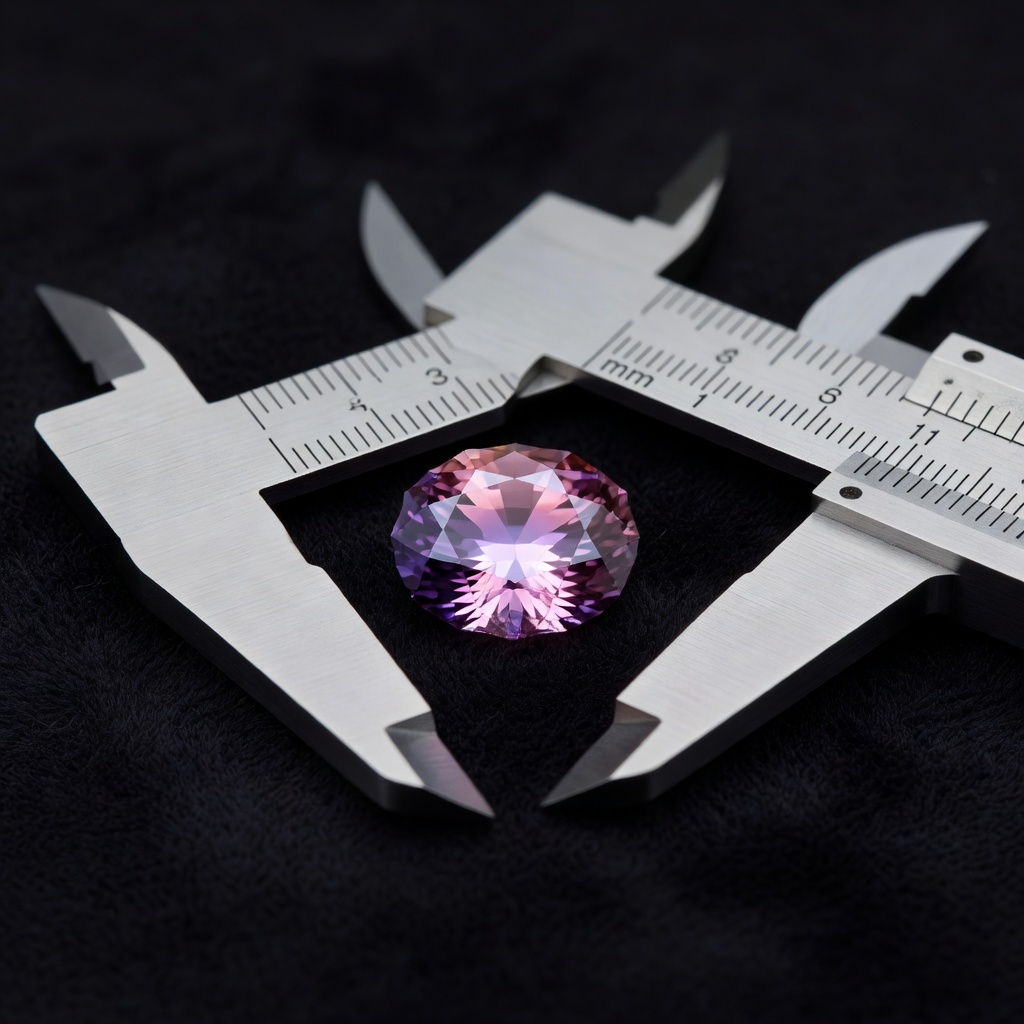
What Is Hackmanite? Understanding This Rare Tenebrescent Gemstone
Hackmanite represents one of the mineral kingdom's most fascinating optical phenomena as a rare variety of sodalite that exhibits reversible photochromism, commonly known as tenebrescence. Unlike standard sodalite that maintains its characteristic royal blue hue regardless of lighting conditions, hackmanite undergoes a remarkable transformation from colorless or pale white to deep pink, violet, or purple when exposed to ultraviolet radiation. This unique property distinguishes it within the broader category of color change gemstones, placing it alongside prestigious specimens like alexandrite and painite, though hackmanite operates through an entirely different mechanism involving sulfur radical ions within its crystal lattice.
The historical discovery of hackmanite dates back to 1891 when mineralogist L. H. Borgström first identified specimens in the Ilímaussaq intrusive complex of Greenland, naming the mineral after Finnish petrologist Victor Axel Hackman. While Greenlandic deposits established the mineral's initial recognition, significant commercial quantities emerged decades later from the rugged mountains of Afghanistan and the Mogok region of Myanmar. These newer localities revolutionized the collector market by providing material suitable for faceting and jewelry applications, transforming hackmanite from a geological curiosity into a sought-after component of rare mineral investment portfolios.
Collectors and gemologists prize hackmanite specifically for its tenebrescent sodalite characteristics, which allow the stone to cycle between color states repeatedly without degradation. When exposed to short-wave UV light (254nm), high-quality specimens shift from essentially colorless to intense violet within seconds, then gradually fade back to white when removed from UV exposure and placed in natural daylight. This reversible transformation can occur thousands of times throughout the stone's lifetime, creating an interactive collecting experience unmatched by static gemstones that remain visually identical regardless of their environment.
Key Factors That Determine Hackmanite Prices
Evaluating hackmanite value requires understanding specialized criteria that extend beyond traditional gemstone grading systems. While the standard "Four Cs" of diamond evaluation provide a useful framework, hackmanite demands additional consideration for its photochromic properties, specifically the speed and intensity of its UV reaction. Stones demonstrating immediate, dramatic color shifts under short-wave ultraviolet light command significantly higher hackmanite price per carat compared to specimens requiring prolonged exposure or displaying only faint pinkish tints.
The stability of color retention represents another crucial valuation factor that directly impacts long-term desirability. Premium specimens maintain their violet or pink hues for several minutes to hours after UV exposure ceases, gradually fading through attractive intermediate stages back to white. Conversely, stones that immediately revert to colorless states or demonstrate patchy, uneven color distribution typically sell for 40-60% less than equivalent sizes with superior retention characteristics. Advanced collectors specifically seek stones exhibiting phosphorescence—a persistent glow after UV removal—as this additional luminescent property correlates with exceptional sulfur chemistry and structural purity.
Clarity and transparency present unique challenges in hackmanite valuation because the mineral naturally forms with characteristic inclusions including calcite veining and pyrite crystallizations. However, unlike diamonds where inclusions detract significantly from value, hackmanite collectors often accept minor clarity characteristics if they do not interfere with the tenebrescent effect. Cut quality plays an equally important role, with well-executed faceting maximizing the surface area exposed to UV light while minimizing internal reflections that might obscure the color-change phenomenon.
Hackmanite Price Per Carat: Current Market Values (2024)
Understanding contemporary hackmanite market value 2024 requires segmenting available material into distinct quality tiers that reflect the dramatic variations in tenebrescent performance. Commercial grade specimens suitable for beginning collectors typically range from $30 to $150 per carat for small stones weighing under one carat that display moderate color change under specific UV wavelengths. These entry-level pieces often originate from Myanmar deposits and may show faint pinkish-lavender tones rather than the intense violet-to-purple saturation seen in premium material.
Fine quality faceted stones representing the middle market segment currently command $200 to $600 per carat, depending on size, clarity, and the strength of their UV reaction. These specimens typically display immediate color change under both short-wave and long-wave UV light, transitioning from near-colorless to deep amethyst purple within seconds. Dealers report that stones between two and five carats in this category experience the strongest demand from serious collectors, as larger specimens become exponentially rarer while maintaining the optical clarity necessary for attractive faceting.
Museum-grade rare specimens featuring exceptional size, flawless clarity, and intense tenebrescence can achieve $800 to $2,000 or more per carat at specialized mineral auctions and high-end dealer galleries. These investment-grade pieces often originate specifically from Afghanistan's Badakhshan Province and demonstrate rapid color cycling with extended retention periods. Rough mineral specimens, while less expensive per carat than cut gemstones, appeal to a distinct collector demographic willing to pay premiums for natural crystal formations showing hackmanite in its geological matrix.
Origin Premium: Afghanistan vs. Myanmar Hackmanite Pricing
Geographic provenance significantly influences hackmanite pricing structures, with Afghanistan hackmanite from the Badakhshan Province commanding 20-40% premiums over material from competing localities. Afghan specimens typically exhibit the most desirable deep violet hues that fade through rose pink to colorless, whereas Myanmar (Burma) hackmanite often displays lighter pinkish-lilac tones with faster fading characteristics. This origin price difference reflects both the superior optical properties consistently found in Afghan material and the challenging mining conditions in the Hindu Kush mountains that limit supply availability.
Myanmar hackmanite, while generally less expensive, offers advantages for budget-conscious collectors seeking larger specimen sizes at accessible price points. Burmese material frequently occurs in greater crystal sizes suitable for substantial cabochons or display pieces, though the color intensity rarely matches Afghan counterparts. Canadian and Greenland specimens function primarily as collector's curiosities with highly variable pricing, often appealing to specialists interested in type-locality material rather than jewelry applications due to their typically smaller crystal sizes and weaker tenebrescent responses.
Ethical sourcing considerations increasingly impact valuation as informed buyers demand documentation regarding mining practices and export legitimacy. Afghan material sourced through established fair-trade networks typically carries modest premiums over questionable provenance specimens, reflecting the additional costs of ethical extraction in conflict-affected regions. Reputable dealers now provide origin certificates and chain-of-custody documentation, particularly for investment-grade pieces where provenance authentication significantly affects resale potential and insurance valuations.
How Color Change Intensity Affects Hackmanite Value
The grading of tenebrescent sodalite relies heavily on standardized evaluation of color change intensity, which professionals categorize on a scale ranging from "faint" to "dramatic" based on observed performance under controlled UV conditions. Faint specimens might show only subtle greyish-pink tinges requiring dark-adapted eyes to perceive, while dramatic examples explode into saturated royal purple indistinguishable from fine amethyst under UV exposure. This intensity directly correlates with market pricing, with each ascending grade level potentially doubling per-carat values for equivalent sizes.
Optimal color progression follows a specific sequence that collectors and dealers recognize as indicative of superior chemistry: under short-wave UV (254nm), the finest stones immediately display deep violet-purple, transitioning through dusty rose when moved to daylight, and finally settling to colorless or faint pinkish-white after several minutes. Stones demonstrating this complete spectrum command higher prices than those skipping intermediate hues or displaying muddy brownish undertones during the fading process. The specific UV wavelength sensitivity also matters significantly, with specimens responding to both short-wave (254nm) and long-wave (365nm) UV light commanding premiums over those requiring specific short-wave exposure.
Retention time—the duration that color persists after UV removal—serves as a critical differentiator between commercial and investment-grade material. Premium hackmanite maintains visible coloration for 15 minutes to several hours depending on ambient lighting conditions, while inferior specimens fade within seconds. Collectors should test potential purchases using standardized UV sources and timing devices, as stones retaining color longer demonstrate superior structural stability and rarity, justifying substantially higher acquisition costs for serious rare mineral investment portfolios.
Cut Quality and Clarity: Price Implications for Collectors
The debate between faceted stones versus cabochons significantly impacts hackmanite value calculations, with faceted specimens typically commanding 30-50% higher per-carat prices due to increased light interaction and the technical difficulty of cutting this relatively soft mineral (Mohs hardness 5.5-6). Cabochons, while less expensive, often display tenebrescence more dramatically because their domed surfaces minimize internal reflections that can scatter UV light in faceted stones. However, the market generally favors brilliant-cut rounds and emerald cuts for Afghan material, as these shapes maximize the visual impact of the color-change phenomenon while demonstrating the cutter's skill in working with this challenging material.
Clarity characteristics require nuanced evaluation because hackmanite naturally incorporates calcite veins, pyrite spots, and occasional whitish "fingerprint" inclusions that document its geological formation. While eye-clean specimens command the highest prices, collectors often accept minor inclusions that do not obstruct the light path necessary for tenebrescence. However, dense cloudiness, fractures, or dark mineral inclusions that block UV penetration can reduce values by 60% or more. Experienced buyers use fiber-optic lighting to examine how inclusions affect light transmission before purchasing.
Optimal cutting styles specifically address the unique optical properties of hackmanite, with shallow pavilion angles proving most effective for maximizing UV penetration while maintaining brilliance. Some innovative cutters incorporate "windows" or flat bases on cabochons specifically to facilitate UV testing, a feature that adds practical value for collectors. Natural crystal formations with terminations intact appeal to a distinct market segment willing to pay premiums for geological aesthetics over jewelry applications, particularly when crystals show zoning patterns indicating multiple color-change episodes during their formation.
Where to Buy Hackmanite: Pricing at Different Retail Levels
Sourcing hackmanite requires navigating a complex marketplace with dramatically different risk-reward ratios depending on acquisition channels. Purchasing directly from artisanal miners in Afghanistan offers the lowest hackmanite price per carat, sometimes 50-70% below retail, but involves substantial risks including material misrepresentation, export documentation challenges, and payment security concerns. Established relationships with Afghan dealers who maintain international offices provide the best balance of pricing and security, though buyers should still insist on independent verification of tenebrescent properties.
Tucson and Denver gem shows represent the wholesale heart of the hackmanite trade, where collectors can examine hundreds of specimens simultaneously under standardized UV lighting conditions. Show pricing typically runs 20-30% below brick-and-mortar retail stores, with volume discounts available for purchases exceeding $5,000. However, these venues require buyers to possess sufficient knowledge to distinguish natural material from dyed sodalite, as high-pressure sales environments sometimes obscure origin details or treatment histories.
Online marketplaces including eBay and Etsy present significant hazards for unwary buyers, with dyed white sodalite representing the most common scam targeting novice collectors. These treated stones mimic hackmanite's initial appearance but lack genuine tenebrescence, instead showing permanent pink coloration from artificial dyes. High-end auction houses like Christie's and Sotheby's occasionally feature investment-grade hackmanite in their mineral and gemstone sales, offering authenticated material with established provenance but at substantial buyer's premiums (20-25%) that affect investment calculations.
Investment Outlook: Will Hackmanite Prices Rise?
Market analysis suggests favorable conditions for hackmanite appreciation driven by severe supply constraints and expanding collector interest in interactive mineral specimens. Unlike diamonds or rubies with established industrial mining operations, hackmanite derives primarily from small-scale artisanal extraction in Afghanistan's politically unstable Badakhshan Province and restricted areas of Myanmar. These limited viable deposits, combined with increasing mining difficulties and export restrictions, suggest tightening supply against growing demand from collectors seeking alternatives to traditional color change gemstones.
The emerging category of "interactive minerals" positions hackmanite uniquely within rare mineral investment strategies, as younger collectors demonstrate preference for specimens offering dynamic visual experiences over static displays. This demographic shift, combined with social media's amplification of tenebrescence demonstrations, drives awareness and demand faster than new material enters the market. Historical parallels to red beryl and musgravite—both of which appreciated 300-500% over two decades following similar supply-demand dynamics—suggest hackmanite could follow comparable trajectories, particularly for fine Afghan material.
However, potential investors must acknowledge liquidity concerns and market volatility factors inherent to obscure gemstones. Unlike gold or blue-chip stocks, hackmanite cannot be liquidated instantly, and values fluctuate based on fashion trends, economic downturns affecting discretionary luxury spending, and potential discovery of new deposits. Conservative investment approaches suggest allocating no more than 5-10% of a mineral collection's value to hackmanite, focusing specifically on certified Afghan specimens over two carats with documented strong tenebrescence for optimal retention of capital value.
Common Pricing Scams and How to Avoid Overpaying
The hackmanite market unfortunately attracts sophisticated deception schemes targeting buyers unfamiliar with tenebrescent sodalite authentication. Dyed sodalite represents the most prevalent fraud, where inexpensive white or pale blue sodalite undergoes chemical treatment to simulate hackmanite's pink/violet UV response. Detection requires examining the stone under natural light and UV simultaneously—natural hackmanite appears colorless or white in daylight, while dyed material shows permanent pink coloration regardless of lighting conditions. Additionally, dyed stones typically lack the gradual fading characteristic of genuine tenebrescence, instead maintaining uniform artificial color.
Heat-treated stones present another valuation hazard, as some dealers apply thermal enhancement to intensify weak natural color change or stabilize temporary coloration. These treatments often create unnatural orange or brown undertones visible under magnification, and the enhanced color typically degrades over months or years rather than remaining stable. Buyers should examine stones under 10x magnification looking for heat-induced fracturing or color concentrations along fractures, and request thermal treatment disclosure in writing before purchase.
Misrepresented carat weights and measurement discrepancies frequently occur when sellers exploit buyer unfamiliarity with hackmanite's relatively low specific gravity (2.14-2.40). Stones may be measured in millimeters appropriate for denser gems like sapphire, then priced using equivalent carat weights that exaggerate actual mass by 30-40%. For purchases exceeding $500, insist on GIA (Gemological Institute of America) or AGL (American Gemological Laboratories) certification verifying natural origin, absence of treatment, accurate carat weight, and confirmation of tenebrescent properties under standardized testing conditions.
Final Thoughts: Building a Valuable Hackmanite Collection
Entering the hackmanite collecting sphere requires thoughtful budget allocation, with $200-$500 representing the optimal starting range for acquiring quality entry-level specimens demonstrating genuine tenebrescence without excessive financial risk. This budget typically secures one-carat faceted stones or larger cabochons from Myanmar, or smaller Afghan pieces under 0.5 carats with superior color intensity. New collectors should prioritize acquiring a reliable short-wave UV lamp (254nm) before purchasing stones, as this essential tool enables immediate verification of photochromic properties and protects against dyed imposters.
Proper storage proves critical for preserving tenebrescent properties long-term, as prolonged exposure to direct sunlight can gradually fatigue the sulfur radical ions responsible for color change. Store hackmanite in opaque boxes or drawers away from windows, and limit UV exposure during display to occasional demonstration rather than continuous exhibition. Building relationships with reputable dealers specializing in Afghan material provides first access to new finds before public listing, often at preferential pricing for established clients.
Long-term care requires gentle handling due to hackmanite's moderate hardness, avoiding ultrasonic cleaners and steamers that might fracture included material. Clean stones using warm water, mild detergent, and soft brushes, drying immediately to prevent water spot formation on polished surfaces. By focusing on quality over quantity, verifying authenticity through professional certification, and maintaining proper storage conditions, collectors can assemble hackmanite portfolios that provide both aesthetic enjoyment and potential appreciation within the evolving rare mineral investment landscape.
Frequently Asked Questions
How Much Does Hackmanite Cost Per Carat?
Hackmanite typically ranges from $30 to $600 per carat depending on quality. Commercial grade stones with faint color change cost $30-$150 per carat, while fine specimens with intense tenebrescence command $200-$600 per carat. Exceptional museum-quality pieces can exceed $800 per carat.
What Makes Hackmanite More Expensive Than Regular Sodalite?
Hackmanite is significantly rarer than common sodalite and possesses the unique property of tenebrescence (color change under UV light). While standard sodalite costs pennies per carat, hackmanite's scarcity, combined with its reversible photochromic reaction and limited geographic sources, drives prices substantially higher.
Does Hackmanite From Afghanistan Cost More Than Other Origins?
Yes, Afghan hackmanite typically commands a 20-40% price premium due to its reputation for producing stones with the most intense violet-to-pink color changes and superior clarity. Badakhshan Province specimens are particularly prized by collectors compared to material from Myanmar or Canada.
How Can I Tell if Hackmanite Pricing Is Fair?
Fair hackmanite pricing requires evaluating the intensity and speed of UV color change, clarity grade, and carat weight. Request a UV light demonstration before purchasing, compare prices across multiple dealers, and verify authenticity through reputable gemological laboratories for stones over $500.
Will Hackmanite Increase in Value Over Time?
Market analysts suggest hackmanite prices will likely appreciate due to limited supply from difficult mining conditions and growing collector interest in rare photochromic minerals. However, like all speculative gemstones, values can fluctuate based on fashion trends and economic conditions.
Why Does Some Hackmanite Change Color Faster Than Others?
Color-change speed depends on sulfur radical ion concentrations within the crystal structure and the specific UV wavelength exposure. High-quality hackmanite changes within seconds under short-wave UV (254nm), while lower-grade material may require longer exposure or only respond to specific light frequencies.
Is Treated or Dyed Hackmanite Worth Less?
Dyed or heat-treated hackmanite is worth significantly less than natural specimens—often 60-80% below market rates. Treatments can fade over time and lack the stable tenebrescence that makes natural hackmanite valuable. Always request certification confirming natural, untreated status for investment purchases.
Where Is the Best Place to Buy Affordable Hackmanite?
The most affordable legitimate hackmanite is typically found at major gem shows like Tucson or Denver, where you can buy directly from cutters. Online mineral specialty shops offer middle-ground pricing, while buying rough uncut specimens directly from Afghan sources provides the lowest cost but highest risk.