
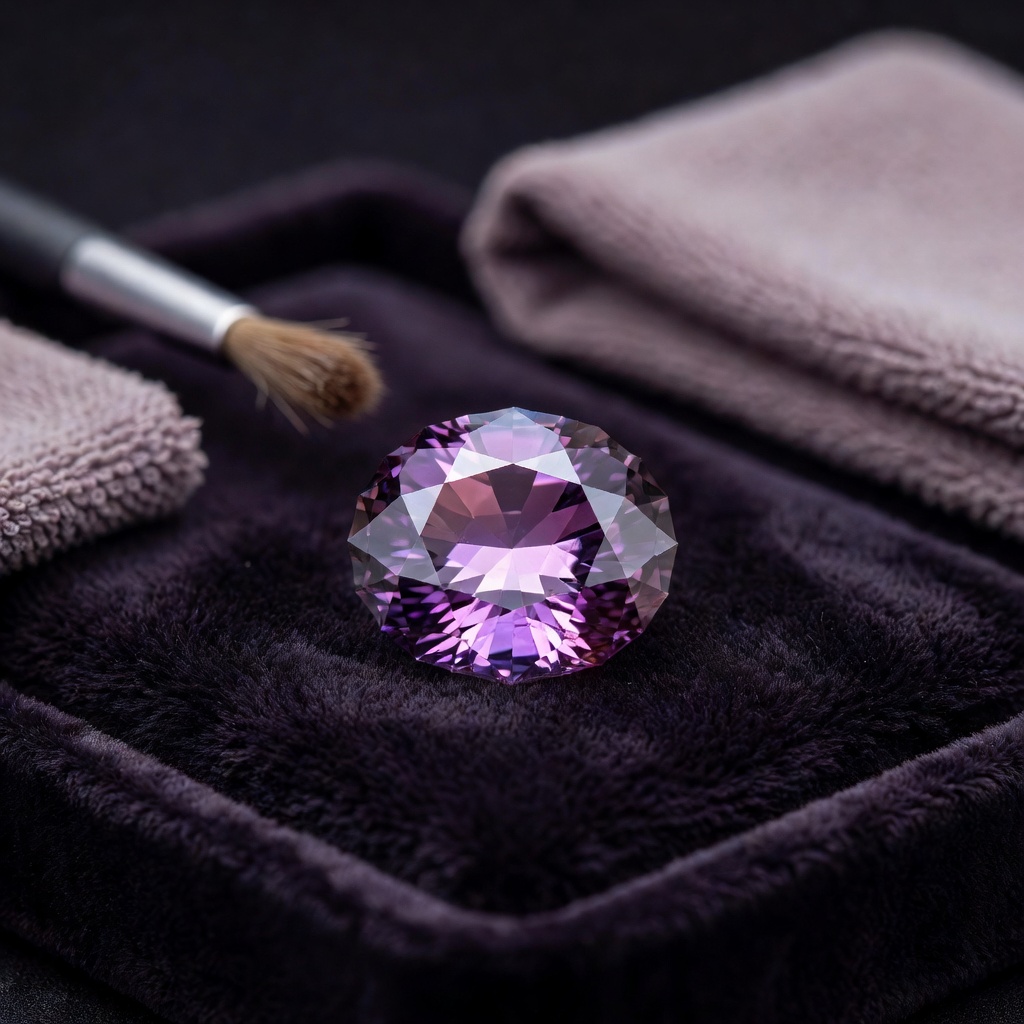
What is Hackmanite? Understanding the Tenebrescent Gemstone
Hackmanite represents one of the most fascinating phenomena in the mineral kingdom as a rare variety of sodalite that exhibits tenebrescence, a reversible photochromic property that allows the gemstone to change color when exposed to specific light wavelengths. Unlike permanent color-change gemstones such as alexandrite, tenebrescent hackmanite transitions from a pale white or pinkish appearance to a rich violet or purple hue upon exposure to ultraviolet light, then gradually returns to its original color when stored in darkness. This remarkable characteristic stems from the presence of sulfur radicals within the crystal lattice, which become excited under UV radiation and alter the stone's light absorption properties. Collectors and jewelry enthusiasts prize this Afghan-born treasure not only for its aesthetic appeal but also for the interactive experience it provides through its chameleon-like color transitions.
The gemological properties of hackmanite present specific challenges that necessitate specialized care protocols and cleaning procedures. With a Mohs hardness rating between 5.5 and 6, hackmanite falls into the category of moderately soft gemstones, making it susceptible to scratching from harder materials commonly found in jewelry boxes and everyday environments. This relatively low hardness, combined with distinct cleavage planes that run through the crystal structure, means that improper handling can result in chips, fractures, or surface damage that permanently compromise both beauty and value. Significant deposits of this extraordinary mineral have been discovered in the rugged mountains of Afghanistan, the mineral-rich regions of Myanmar, and the pegmatite formations of Mont Saint-Hilaire in Canada, with each locality producing specimens that vary slightly in their tenebrescent intensity and base coloration.
Why Proper Hackmanite Care Matters
Maintaining the integrity of hackmanite requires understanding that improper care can result in the permanent loss of its signature color-changing abilities, transforming a valuable tenebrescent specimen into an ordinary-looking pale stone. The sulfur radicals responsible for the purple coloration are sensitive to environmental factors including heat, chemicals, and excessive UV exposure, meaning that a single mistake during cleaning or storage could irrevocably damage the crystal structure. Hackmanite gemstone maintenance protocols are therefore designed not merely to preserve surface aesthetics but to protect the internal molecular arrangement that creates the mesmerizing optical phenomenon collectors pay premium prices to obtain. When these care guidelines are followed meticulously, hackmanite specimens can retain their color-changing properties indefinitely, continuing to shift between white and purple states for generations of owners.
The relatively soft composition of hackmanite, ranking below quartz and most other common jewelry stones on the Mohs scale, necessitates vigilant protection against scratches and abrasions that can dull the surface luster and reduce clarity. Unlike harder gemstones that can withstand occasional contact with household surfaces, hackmanite develops surface etching and micro-scratches when exposed to dust particles, metal jewelry components, or abrasive cleaning materials, ultimately requiring professional repolishing to restore its original brilliance. Beyond physical damage, maintaining gemstone clarity prevents the accumulation of oils and dirt that can block UV light penetration, ensuring that the tenebrescent effect remains vivid and responsive. For investment-grade specimens, particularly those from depleted mines in Afghanistan, proper preservation directly correlates with maintaining and potentially appreciating market value, as untreated, undamaged examples become increasingly scarce in the fine mineral market.
Essential Tools for Safe Hackmanite Cleaning
Successfully cleaning sodalite var. hackmanite requires assembling a specific toolkit designed to address the stone's unique sensitivity to both chemical and mechanical stress. The cornerstone of safe cleaning lies in selecting soft-bristled brushes such as unused baby toothbrushes or fine camel hair brushes, which effectively remove accumulated debris without scratching the relatively soft surface matrix. Unlike standard jewelry cleaning brushes that may contain stiff nylon bristles, these ultra-soft alternatives conform to the microscopic surface irregularities of hackmanite, dislodging particles from crevices and settings while preserving the polish and surface integrity essential for optimal light reflection and tenebrescent display.
The choice of cleaning solution plays an equally critical role in preservation, with pH-neutral mild dish soap proving infinitely superior to harsh chemical cleaners, ammonia-based products, or commercial jewelry dips that can etch the stone's surface. When preparing your cleaning station, opt for original Dawn or similar gentle formulations free from moisturizing additives, degreasers, or antibacterial agents that might leave residue films interfering with UV light penetration and color change activation. Complement your cleaning solution with lint-free microfiber cloths specifically designated for drying and final polishing, as these materials absorb moisture without leaving fibers trapped in settings while providing a gentle buffing action that enhances surface luster. It is absolutely imperative to avoid ultrasonic and steam cleaners under all circumstances, as the vibrational energy from ultrasonic baths can exploit natural inclusions and cleavage planes to create internal fractures, while steam cleaning subjects the stone to thermal shock and potential color degradation.
Step-by-Step Hackmanite Care and Cleaning Process
Before initiating any Hackmanite Care and Cleaning procedure, conduct a thorough pre-cleaning inspection using a jeweler's loupe or magnifying glass to identify loose settings, surface-reaching inclusions, or existing damage that might worsen during the cleaning process. This critical first step prevents the accidental loss of stones from worn prongs and allows you to assess whether professional repair should precede home cleaning, particularly for vintage pieces where metal fatigue may have compromised setting security. Examine the girdle edges and table facet for chips or abrasions, documenting any existing conditions with photographs to monitor changes over time and establish baseline condition reports for insurance purposes.
Prepare your cleaning station by filling a clean bowl with lukewarm water—never hot or boiling, as thermal shock can cause cracking in stones with cleavage planes—and adding two to three drops of pH-neutral dish soap to create a gentle solution. Submerge the hackmanite jewelry for no more than two to three minutes maximum, as prolonged soaking can loosen certain types of adhesives used in doublet settings or allow water to penetrate porous surface-reaching fractures. Using your soft-bristled brush, gently agitate the surface following the natural direction of the crystal structure rather than scrubbing in circular motions, which helps dislodge debris from facet junctions without creating cross-directional scratches that would scatter light and diminish brilliance.
After brushing, rinse the gemstone thoroughly under lukewarm running water, ensuring all soap residue is removed from beneath the stone and within setting crevices where buildup can cause discoloration or skin irritation. Pat the hackmanite completely dry using a fresh microfiber cloth, absorbing moisture rather than rubbing vigorously, then allow the piece to air dry for an additional ten minutes in a shaded area away from direct sunlight or heat sources. For pieces with complex settings or multiple stones, use a soft cosmetic brush to reach trapped moisture in basket settings, ensuring the stone returns to a completely dry state before storage to prevent tarnishing of metal components or moisture-related damage to the gemstone itself.
UV Light Management and Tenebrescence Preservation
Understanding hackmanite UV light exposure is essential for collectors who wish to safely activate the stone's purple coloration without causing UV fatigue or permanent photochemical degradation. The tenebrescent effect relies on controlled exposure to UVA light, which excites the sulfur radicals within the crystal lattice to produce the characteristic violet hue, but excessive or uncontrolled exposure can exhaust these chromophores and diminish the intensity of future color changes. For safe activation, use a standard 365nm long-wave UV flashlight or natural sunlight filtered through window glass for periods not exceeding five to ten minutes, allowing the stone to fully return to its bleached state in darkness between exposure sessions to prevent saturation.
Distinguishing between UVA, UVB, and UVC wavelengths is crucial for proper hackmanite color preservation, as each affects the gemstone differently regarding both color activation and potential damage. UVA light (315-400nm) safely activates tenebrescence and is found in sunlight and standard blacklights, while UVB (280-315nm) and UVC (100-280nm) carry higher energy levels that can potentially alter the crystal structure or accelerate color fatigue with repeated exposure. Never use germicidal UVC lamps or high-powered UV tanning equipment on hackmanite, as these sources emit wavelengths capable of breaking molecular bonds within the mineral structure beyond the reversible tenebrescent effect.
Recognizing the signs of overexposure helps prevent irreversible damage to your specimen, with symptoms including a permanent pinkish cast that fails to fully bleach in darkness, reduced intensity of purple coloration even after fresh UV exposure, or a milky, hazy appearance indicating internal structural stress. If you notice these warning signs, immediately cease all UV exposure and store the stone in complete darkness for several weeks to allow potential recovery, though some cases of UV fatigue may be permanent and require professional assessment. Maintaining a log of exposure times and dates helps track cumulative UV dosage, ensuring that your tenebrescent hackmanite remains responsive and vibrant throughout your ownership.
Proper Storage Techniques for Hackmanite
Optimal hackmanite gemstone storage begins with understanding the mineral's fundamental need for darkness to maintain a stable, fully bleached color state between viewing sessions. Unlike other gemstones that benefit from display lighting or ambient conditions, hackmanite requires storage in opaque containers, fabric-lined drawers, or specialized jewelry boxes with lids that exclude all light sources, preventing unintentional color activation that could lead to uneven fading or UV fatigue. This darkness requirement stems from the reversible nature of tenebrescence; only by allowing the stone to return completely to its white or pale pink base state can you ensure that subsequent UV exposure produces the full, vivid purple coloration that makes hackmanite desirable.
Physical protection during storage demands separation from harder gemstones such as diamonds, rubies, sapphires, and quartz, which will inevitably scratch hackmanite's relatively soft surface if stored together in loose compartments or shared jewelry trays. Invest in individual soft cloth pouches, acid-free paper envelopes, or compartmentalized jewelry boxes with padded dividers that prevent contact between pieces, ensuring that metal settings cannot abrade adjacent stones during drawer movement or transport. For investment-grade specimens, consider storing hackmanite in the original mineral specimen boxes with foam supports, or wrap loosely in unbleached cotton before placing in archival plastic containers that protect from dust while allowing minimal air circulation.
Environmental stability plays a crucial role in long-term preservation, with ideal storage conditions maintaining temperatures between 65-75°F (18-24°C) and relative humidity levels around 40-50% to prevent metal setting corrosion or moisture damage to the stone. Avoid storing hackmanite in bathrooms, attics, or basements where temperature fluctuations and high humidity create condensation that can seep into surface-reaching fractures or cause prong deterioration. While anti-tarnish bags offer excellent protection for silver settings, ensure these are made from non-reactive materials free from sulfur-based compounds that might interact with the hackmanite chemistry, or alternatively use standard jewelry boxes lined with tarnish-resistant cloth that provides buffering against atmospheric pollutants without chemical interaction.
Common Cleaning Mistakes to Avoid
Protecting hackmanite color preservation requires vigilance against common household hazards that many gemstone owners mistakenly consider safe for jewelry maintenance. Exposure to chlorine bleach, ammonia-based window cleaners, or acidic substances like vinegar and lemon juice can etch the surface of hackmanite, creating microscopic pitting that scatters light and permanently diminishes both clarity and the intensity of tenebrescent color change. These chemicals react with the sodium-rich composition of the sodalite family, potentially altering the internal chemistry responsible for photochromic properties and causing irreversible cloudiness or color shift away from the desired purple hue.
Prolonged direct sunlight exposure represents another critical error that contradicts the very nature of tenebrescent stones, as uncontrolled solar radiation provides continuous UV bombardment that leads to color saturation and potential UV fatigue. While brief sunlight exposure intentionally activates the purple coloration, leaving hackmanite on windowsills, in cars, or under display lighting for extended periods can exhaust the sulfur radicals and leave the stone permanently pale or unable to return to its white base state. Similarly, using abrasive polishing compounds, toothpaste, or baking soda scrubs creates micro-scratches across the relatively soft surface, destroying the polish and creating paths for dirt accumulation that dulls the gemstone's appearance and blocks UV penetration necessary for color activation.
Thermal shock presents a particularly insidious risk during cleaning, as exposure to hot water, steam cleaning, or rapid temperature changes exploits the natural cleavage planes within hackmanite to create internal fractures or complete breaks. Always use lukewarm water that feels comfortable to the touch rather than hot tap water, and never transfer hackmanite from cold environments directly into cleaning solutions or from hot water into cold rinses. By avoiding these common pitfalls and adhering to gentle, chemical-free cleaning protocols, you ensure that your hackmanite maintains its optical properties and structural integrity for decades of enjoyment.
Protective Settings and Daily Wear Guidelines
Implementing effective hackmanite jewelry protection begins with selecting appropriate settings that acknowledge the stone's moderate hardness and distinct cleavage vulnerabilities. Bezel settings, which surround the gemstone with a continuous rim of metal, provide superior protection compared to prong settings by shielding the girdle edges and crown facets from direct impact while preventing snagging on clothing that could loosen the stone. While prong settings allow more light penetration for tenebrescence observation, they leave the stone vulnerable to chipping if struck against hard surfaces, making them suitable only for protected locations such as earrings or pendants rather than rings subjected to daily wear and tear.
Activity awareness forms a crucial component of protective wear guidelines, as certain situations present disproportionate risks to hackmanite's integrity despite its adequate hardness for occasional jewelry use. Remove hackmanite rings before engaging in household cleaning, gardening, sports activities, or any task involving tools or heavy lifting, as impact against countertops, metal fixtures, or hard soil can cleave the stone along its perfect cleavage planes. Even seemingly benign activities like rock climbing, weightlifting, or carrying groceries can subject rings to torque and impact forces that harder gemstones like sapphires or diamonds would resist but hackmanite cannot, resulting in costly repairs or total loss of the specimen.
Regular maintenance inspections should occur monthly for frequently worn pieces, examining prong integrity, bezel walls for metal thinning, and the stone itself for new chips or surface scratches that indicate the setting requires adjustment or the piece should be retired from daily rotation. Professional jewelers should check settings every six months for rings or annually for pendants, ensuring that wear patterns haven't compromised the security of the stone. By limiting hackmanite to occasional wear in protective settings and reserving it for occasions where impact risks are minimal, you preserve both the structural integrity and the mesmerizing color-changing properties that make this gemstone unique.
Professional Maintenance and Restoration Options
When tenebrescent hackmanite maintenance extends beyond routine cleaning into the realm of repair or restoration, selecting the right professional becomes paramount to preserving the stone's value and optical properties. Consult a certified gemologist or mineral specialist rather than a general retail jeweler, as hackmanite requires understanding of its unique photochromic chemistry and cleavage characteristics that bench jewelers accustomed to diamonds and corundum may not possess. These specialists can assess whether surface scratches represent simple abrasions remediable through gentle repolishing or deeper structural issues requiring more complex intervention, always prioritizing preservation of material over aggressive cutting that would reduce carat weight and specimen integrity.
Repolishing procedures for scratched hackmanite surfaces must be performed using extremely fine polishing compounds and minimal pressure, as aggressive grinding wheels or standard lapidary techniques designed for harder stones can generate heat and remove excessive material. Professional cutters experienced with soft gemstones like opal or pearls understand the necessity of water-cooled equipment and patient, progressive grit sequences that restore luster without thermal shock or vibration damage. For specimens showing color degradation from UV fatigue or chemical exposure, some laboratories offer color restoration techniques involving controlled heat treatment in specific atmospheres, though success varies and such treatments must be disclosed during appraisal as they may affect collector value.
Maintaining comprehensive documentation through professional appraisal updates every two to three years ensures insurance coverage reflects current market values for rare hackmanite specimens, particularly as deposits become depleted and prices appreciate. Photographic documentation of tenebrescent behavior, including images of both the bleached and activated color states, provides baseline evidence for claims processing and helps future owners understand the stone's proper characteristics. When shipping hackmanite for professional evaluation, use double-boxing methods with ample cushioning, climate-controlled transport when possible, and opaque wrapping to prevent unintended UV exposure during transit, ensuring your investment arrives safely for expert care.
Long-Term Preservation Strategies for Collectors
Serious collectors of investment-grade hackmanite must implement rigorous hackmanite gemstone maintenance protocols that extend far beyond basic cleaning to encompass comprehensive documentation and environmental control. Photographic documentation should capture the specimen in both its bleached state and fully activated purple state using consistent lighting conditions, with images archived alongside purchase receipts, locality information, and any previous treatment disclosures to establish provenance and authenticity. These records prove invaluable for estate planning, resale authentication, and insurance claims while providing succeeding generations with the knowledge necessary to maintain the stone's tenebrescent properties according to current best practices.
Schedule periodic professional inspections every twelve to eighteen months with gemologists who specialize in rare mineral specimens, allowing for early detection of setting wear, surface degradation, or environmental damage that might escape notice during routine home examinations. These inspections should include UV response testing to confirm that tenebrescence remains robust and hasn't suffered from storage errors or cumulative light exposure, with results logged in the specimen's permanent record. For high-value pieces, consider maintaining climate-controlled storage units that regulate both temperature and humidity within narrow parameters, protecting not only the gemstone but also any associated mineral matrix or custom display cases from deterioration.
Handling protocols represent the final frontier of preservation, requiring collectors to minimize skin contact that transfers oils, acids, and microscopic debris to the stone's surface. Always handle hackmanite using clean cotton gloves or by touching only the metal settings, washing hands thoroughly before examination if gloves aren't available, and never applying hand lotion or sanitizer immediately before handling specimens. By combining meticulous documentation, professional oversight, environmental stability, and contamination-free handling, collectors ensure that these remarkable tenebrescent treasures survive for centuries, continuing to display their magical color-changing properties as intended by nature.
Frequently Asked Questions About Hackmanite Maintenance
Can I Use an Ultrasonic Cleaner for Hackmanite Care and Cleaning?
No, ultrasonic cleaners are unsafe for hackmanite. The vibrations can cause internal fractures in this relatively soft gemstone (Mohs 5.5-6) and potentially damage the crystal structure that creates tenebrescence. Always use gentle hand-cleaning with lukewarm water and mild soap.
How Does Prolonged Sunlight Exposure Affect Hackmanite Jewelry?
Extended direct sunlight can cause temporary or permanent fading of hackmanite's tenebrescent properties. While short UV exposure activates the desirable purple color, prolonged sunlight exposure may lead to UV fatigue, causing the stone to remain permanently pale or lose its ability to change color. Store hackmanite in darkness when not in use.
What Is the Safest Home Cleaning Method for Hackmanite Gemstones?
Mix lukewarm water with a few drops of mild, pH-neutral dish soap. Soak the stone for no more than 2-3 minutes, gently brush with a soft-bristled baby toothbrush following the crystal's natural lines, rinse thoroughly under running water, and pat completely dry with a lint-free microfiber cloth. Never use hot water or harsh chemicals.
Does Hackmanite Lose Its Color-Changing Ability Over Time?
With proper care, hackmanite maintains tenebrescence indefinitely. However, excessive heat above 150°C (300°F), exposure to acids or bases, or prolonged uncontrolled UV exposure can degrade the sulfur radicals responsible for the color change. Proper hackmanite care and cleaning preserves this unique phenomenon for generations.
Is Hackmanite Suitable for Everyday Wear in Rings or Bracelets?
Due to its Mohs hardness of 5.5-6 and distinct cleavage planes, hackmanite is best suited for occasional wear or protected settings like pendants and earrings. If worn daily in rings, choose bezel settings that protect the girdle and avoid wearing during physical activities, household cleaning, or situations involving impact risks.
How Should I Store Hackmanite to Maintain Its Purple Color?
Store hackmanite in complete darkness using individual soft cloth pouches or compartmentalized jewelry boxes with fabric lining. Keep it separate from harder gemstones (diamonds, rubies, sapphires) that could scratch its surface. Maintain stable temperatures between 65-75°F (18-24°C) and avoid humid environments that could affect settings.
Can Scratched or Damaged Hackmanite Be Repaired?
Minor surface scratches can often be polished out by a professional gem cutter familiar with soft gemstones, but deep fractures or chemical etching is usually permanent. Unlike diamonds, hackmanite cannot withstand aggressive re-cutting. Prevention through proper storage and careful wear is essential, as restoration options are limited.
Why Does My Hackmanite Look White Instead of Purple?
Hackmanite appears white or pale pink in its stable state after being kept in darkness. The purple color only appears after exposure to UV light (sunlight or UV lamp) through the tenebrescent effect. If your stone remains white after UV exposure, it may need cleaning to remove surface oils, or it may have suffered UV fatigue from overexposure. Gradual color loss suggests improper care or chemical damage.


