Hackmanite Buying Guide: Essential Knowledge for Collecting Tenebrescent Sodalite
Navigating the world of rare gemstones requires specialized knowledge, particularly when acquiring stones with unique optical properties. This comprehensive Hackmanite Buying Guide provides collectors and jewelry enthusiasts with the critical information needed to evaluate, purchase, and care for one of mineralogy's most fascinating phenomena. Hackmanite represents the pinnacle of sodalite varieties, distinguished by its remarkable ability to transform color before your eyes, making it both a scientific curiosity and a valuable addition to any fine mineral collection.
What Is Hackmanite? Understanding This Rare Tenebrescent Gemstone
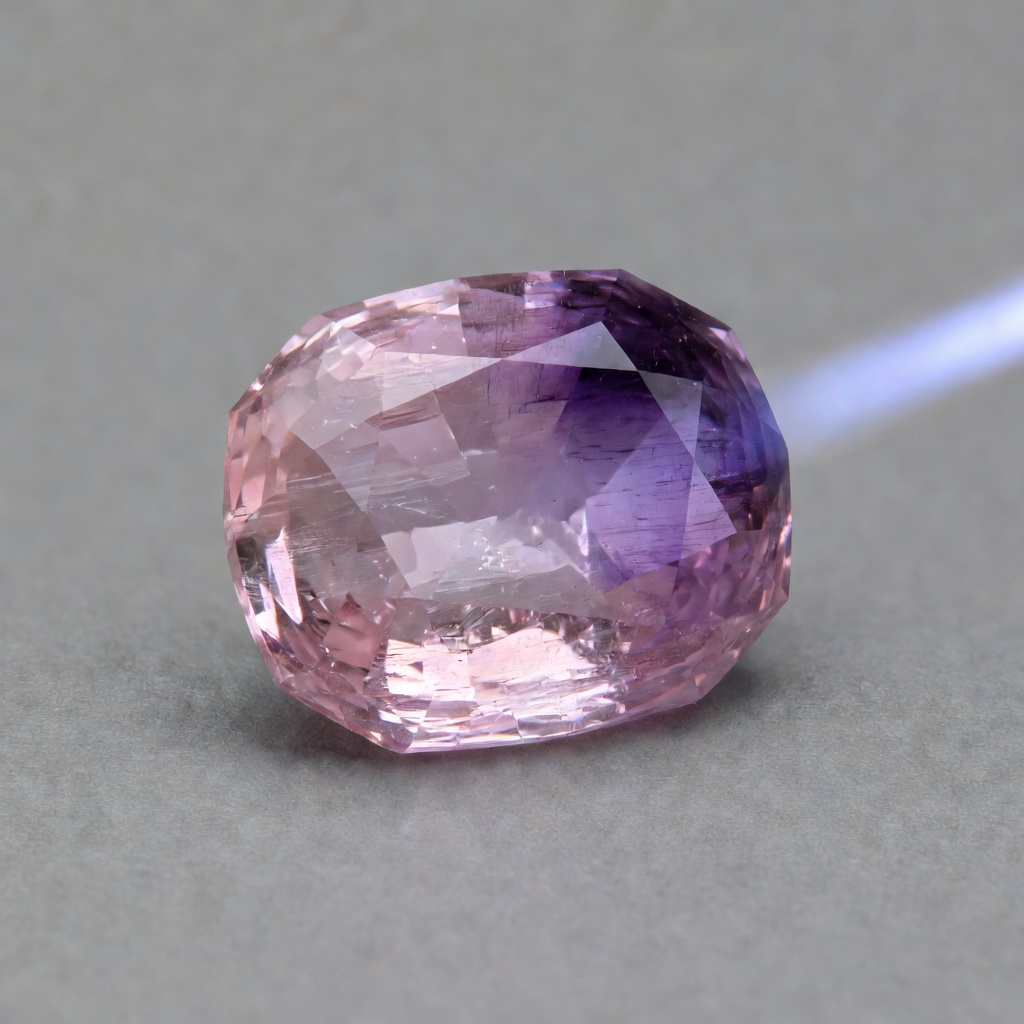
Hackmanite is an extraordinary sulfur-rich variety of sodalite that exhibits tenebrescence, a reversible photochromic effect that causes the stone to change color when exposed to ultraviolet light. Unlike its common cousin, the deep blue sodalite often used in lapidary arts and architectural applications, hackmanite typically appears pale pink, gray, or nearly colorless in its stable state, then transforms to intense violet or purple hues under UV exposure. This dramatic color shift distinguishes hackmanite identification from standard sodalite examination, requiring specific testing protocols to verify authenticity.
The geological origins of hackmanite span several significant localities, with historically important deposits found in the Kangerlussaq and Taseq areas of Greenland, the Badakhshan province of Afghanistan, and more recently in Myanmar. Greenland material, first documented in the late 19th century and named after Finnish geologist Axel Fredrik Hackman, remains the most prized by collectors due to its intense color saturation and slow fading properties. Afghan specimens, while more readily available in today's market, often exhibit faster fade-back rates but still display the characteristic tenebrescence that defines this rare sodalite variety.
Historical context plays a crucial role in understanding hackmanite value, as early mineralogists initially confused these specimens with common sodalite until the reversible color change was documented. The distinction between hackmanite and blue sodalite extends beyond mere color; the sulfur content in hackmanite's crystal lattice creates the unique defect centers necessary for tenebrescence, whereas standard sodalite lacks sufficient sulfur radical anions to produce this effect. When examining potential acquisitions, collectors should request provenance documentation, as the specific locality significantly impacts both the intensity of the color change and the long-term stability of the tenebrescent effect.
The Science Behind Tenebrescence: How Hackmanite Changes Color
The mesmerizing color transformation in tenebrescent sodalite results from complex interactions between UV radiation and the stone's crystal lattice structure. When hackmanite absorbs ultraviolet light, the energy excites electrons associated with sulfur radical anions (S₃⁻ and S₂⁻) trapped within the sodalite cage structures, causing these electrons to move to higher energy states. As the electrons return to their ground state, they absorb specific wavelengths of visible light, causing the stone to appear deep purple or violet, while the absence of UV light allows gradual return to the pale pink or colorless base state.
Understanding the distinction between tenebrescence and other luminescent phenomena proves essential for proper hackmanite identification. Fluorescence describes the emission of visible light only during active UV exposure, ceasing immediately when the UV source is removed, whereas phosphorescence involves continued light emission for a period after excitation ends. Tenebrescence, unique to certain sodalite varieties and some other minerals like spodumene, represents a reversible color change in the material itself rather than light emission, meaning the stone actually changes its absorption spectrum and visible color, not merely glowing.
Practical testing demonstrates these differences clearly: when you expose a genuine hackmanite specimen to short-wave or long-wave UV light, the stone physically transforms from pale pink to deep purple, and this color remains stable for hours or days even after removing the UV source. The duration of this color retention varies by specimen quality, with premium Greenland material maintaining violet hues for weeks when stored in darkness, while lower-grade stones may fade within minutes. This fade-back rate serves as a diagnostic quality indicator, with slower fading generally correlating to higher sulfur radical stability and superior crystal structure.
Key Quality Factors: Evaluating Hackmanite Before Purchase
Assessing hackmanite value requires understanding several interconnected quality factors that determine both aesthetic appeal and investment potential. The intensity and depth of the purple coloration under UV exposure represents the primary value determinant, with specimens displaying rich, saturated violet-purple hues commanding significantly higher prices than those showing pale lavender or pinkish-purple tints. When evaluating stones, examine them under controlled UV lighting conditions, noting whether the color appears uniform throughout the crystal or concentrates in specific zones, as evenly distributed coloration indicates superior material.
The base color saturation when the stone rests in its faded state provides additional quality clues that experienced collectors scrutinize carefully. Premium hackmanite specimens maintain a distinct pale pink or light violet-gray coloration even when fully faded, whereas inferior material may appear almost colorless or muddy gray. This persistent base color indicates higher concentrations of the sulfur radicals responsible for tenebrescence and suggests the stone will respond robustly to future UV exposure. When examining loose stones or rough specimens, hold them in incandescent light for several minutes to ensure they have fully faded from any previous UV exposure before assessing base color.
Clarity grades and transparency levels vary significantly in hackmanite, with transparent to translucent specimens being exceptionally rare and valuable. Most hackmanite occurs as translucent to opaque crystals, with eye-clean stones without visible inclusions or fractures commanding premium pricing. However, some collectors specifically seek specimens with natural crystal faces or matrix attachments that demonstrate the geological context of formation. For jewelry applications, select stones without surface-reaching fractures, as these can trap cleaning solutions or debris that might affect the stone's ability to change color uniformly.
Understanding Hackmanite Color Grades and UV Reactivity
Professional dealers and serious collectors utilize a grading scale for color change minerals that categorizes hackmanite based on both the hue intensity and the kinetic properties of the color transformation. The scale ranges from Grade A (pale lavender that fades within minutes) through Grade AA (medium violet with hours-long retention) to Grade AAA (intense royal purple maintaining color for days or weeks). When purchasing high-value specimens, request documentation of the grade classification and ideally observe the color change yourself using a calibrated UV source to verify the seller's claims.
The speed of color fade-back serves as a critical indicator of specimen quality and directly correlates with hackmanite value in the collector market. To test this property practically, expose the stone to short-wave UV light for sixty seconds, then transfer it immediately to a light-tight container or dark drawer. Check the stone at intervals of one hour, six hours, and twenty-four hours, noting the percentage of color retention. Premium Greenland specimens might show 80% color retention after 24 hours, while Afghan material typically shows 50-70% retention in the same timeframe, and lower-grade stones may return completely to base color within two hours.
Testing protocols require understanding the differences between long-wave (365nm) and short-wave (254nm) UV light sources when evaluating these color change minerals. Short-wave UV generally produces faster, more intense color changes in hackmanite, often resulting in deeper purple saturation than long-wave exposure. However, some exceptional specimens show stronger responses to long-wave UV, making dual-wave testing equipment essential for comprehensive evaluation. When building a testing kit, invest in a quality portable UV lamp with both wavelengths, and always wear protective eyewear, as UV radiation damages eyesight over time. Avoid prolonged testing sessions, as excessive UV exposure can potentially fatigue the tenebrescent centers in sensitive specimens.
Cut, Carat Weight, and Jewelry Applications
The physical cutting and setting of hackmanite jewelry requires careful consideration of the stone's unique photosensitive properties. Cabochon cuts dominate the market for hackmanite, as the domed, polished surface maximizes the display of color change while minimizing the risk of chipping in this relatively soft gemstone (5.5-6 on the Mohs hardness scale). While faceted hackmanite stones exist, they remain exceptionally rare due to the challenges of cutting such valuable and scarce material, with well-executed faceted specimens commanding premiums of 200-300% over cabochon prices of equivalent weight.
Carat weight availability varies dramatically between collector specimens and jewelry-appropriate stones. Most fine hackmanite suitable for setting ranges from 1 to 5 carats, with stones over 10 carats being genuinely rare and typically reserved for mineral collections rather than wearables. Collector specimens may range from thumbnail sizes (under 1 gram) to museum-quality pieces weighing hundreds of grams, though these larger specimens rarely exhibit the gemmy transparency preferred for jewelry. When selecting stones for rings or bracelets, consider that daily wear pieces typically utilize 2-3 carat stones to balance visual impact with durability concerns.
Setting considerations for hackmanite jewelry must prioritize protecting the stone's UV reactivity while ensuring secure mounting. Closed-back settings help shield the stone from ambient light exposure when worn, potentially prolonging any activated purple coloration, though this remains largely aesthetic rather than functional. Bezel settings offer superior protection compared to prong settings, reducing the risk of impact damage during wear. Avoid exposing hackmanite jewelry to prolonged direct sunlight, as cumulative UV exposure through windows or outdoor wear can gradually degrade the tenebrescent effect over years. For this reason, hackmanite works best in pendants, brooches, or earrings rather than rings or bracelets that receive constant abrasion and light exposure.
Pricing Guide: What to Expect When Buying Hackmanite
Understanding hackmanite value requires familiarity with current market pricing structures that reflect rarity, quality, and provenance. Entry-level specimens with pale color change and rapid fading typically command $50 to $100 per carat, suitable for beginners exploring tenebrescent minerals. Mid-range material exhibiting decent purple saturation and moderate fade retention (6-12 hours) ranges from $100 to $300 per carat, representing the best value for serious collectors seeking display-worthy pieces. Top-tier specimens with intense violet coloration, slow fade-back lasting days or weeks, and excellent clarity can exceed $500 per carat, with exceptional museum-quality pieces priced individually based on unique characteristics.
Provenance significantly impacts pricing, with Greenland hackmanite commanding premiums of 30-50% over Afghan material of equivalent visual quality. This price differential reflects both the historical significance of Greenland as the type locality and the generally superior tenebrescent properties of Greenlandic specimens. Afghan material, while more affordable, offers excellent entry points for collectors, particularly pieces from recent discoveries in Badakhshan that show surprisingly robust color change. When evaluating price-too-good-to-be-true offers, remember that genuine hackmanite requires specific geological conditions that limit supply, making suspiciously low prices a red flag for dyed imitations or misidentified common sodalite.
Investment potential in rare sodalite varieties remains strong due to limited new discoveries and increasing collector interest in phenomenal gemstones. Unlike treated stones or synthetics, natural hackmanite with documented provenance tends to appreciate steadily, particularly as Greenland deposits become increasingly difficult to access. When purchasing for investment purposes, prioritize specimens with laboratory certification from recognized institutions like GIA or AGL, clear photographic documentation of the color change, and secure storage conditions that preserve the tenebrescent effect. Consider diversifying acquisitions across different localities to hedge against market fluctuations specific to any single mining district.
Authenticity and Treatments: Spotting Fake Hackmanite
The rarity and value of hackmanite have unfortunately spawned numerous imitations and treatments that unwary collectors must learn to identify. Dyed sodalite represents the most common fraud, where common white or gray sodalite is infused with purple dyes to mimic hackmanite's activated state. However, dyed material lacks the reversible color change that defines genuine tenebrescent sodalite; instead, these fakes maintain permanent color that neither fades in darkness nor responds to UV exposure with intensification. To detect dye, examine the stone under magnification looking for color concentrations along fractures or uneven color distribution, and perform a acetone swab test on an inconspicuous area, as many dyes will transfer to the cotton.
Heat treatments present another concern, as some dealers attempt to enhance the base color of pale hackmanite by applying controlled heating, which can permanently alter the sulfur radical centers responsible for natural tenebrescence. Treated stones may show enhanced pink or purple base colors but often exhibit weakened or destroyed color-changing abilities. When examining potential acquisitions, request UV testing videos showing the complete cycle from faded to activated state and back again. Genuine hackmanite will demonstrate the full reversible transformation, whereas treated stones may show partial or absent color change, or colors that appear muddy and unnatural compared to the vivid purples of untreated material.
Laboratory certification provides essential protection when acquiring high-value rare sodalite varieties, with reports from GIA (Gemological Institute of America) or AGL (American Gemological Laboratories) offering the highest industry credibility. These certificates should specifically note the tenebrescent properties and confirm natural, untreated status. For specimens without certification, work only with dealers who offer examination periods allowing you to test the stone with your own UV equipment. Be particularly wary of rough specimens sold as hackmanite that show permanent deep purple coloration without UV exposure, as these may be nothing more than common fluorite or amethyst misrepresented as tenebrescent sodalite.
Where to Buy Hackmanite: Trusted Sources and Red Flags
Navigating the marketplace for this Hackmanite Buying Guide requires identifying reputable sources while recognizing warning signs of fraudulent operations. Specialized mineral dealers at major gem shows, particularly the Tucson Gem and Mineral Show and the Denver Gem and Mineral Showcase, offer the best opportunities to examine specimens in person and verify tenebrescence with your own UV lamp. Established dealers with decades of specialization in rare minerals, such as those operating from the 22nd Street Show in Tucson or the National Western Complex in Denver, typically maintain inventories of authenticated Greenland and Afghan material with proper documentation.
Online purchasing requires additional diligence but offers access to global inventory. Evaluate sellers by requesting UV testing videos showing the specific stone you're considering, not just stock footage of similar material. Reputable online dealers will provide detailed photographs in both faded and activated states, clearly state the locality of origin, and offer reasonable return policies (typically 7-14 days) allowing for personal examination. Check dealer reviews specifically mentioning hackmanite or sodalite purchases, and verify membership in professional organizations like the Mineralogical Society of America or the American Gem Trade Association, which require ethical business practices.
Red flags in hackmanite listings include prices significantly below market rates (suggesting dyed material), sellers unwilling to provide UV testing videos, vague locality descriptions like "Asia" rather than specific mines, and claims of "permanent purple color" which contradict the fundamental nature of tenebrescence. Be cautious of marketplace platforms where individual sellers lack mineralogical expertise, and never purchase expensive specimens from sellers offering only studio-lit photographs without UV documentation. When encountering a dealer using the identifier "tnoiqh" in their certification codes or inventory systems, verify their credentials through independent mineralogical forums before committing to substantial purchases.
Care and Maintenance: Preserving Your Tenebrescent Gemstone
Proper storage represents the most critical aspect of hackmanite identification and preservation, as ambient light exposure gradually fatigues the tenebrescent centers responsible for color change. Store specimens in opaque boxes or drawers, preferably lined with acid-free tissue paper to prevent scratching. Avoid display cases with constant LED or fluorescent lighting, as even low levels of visible light contain sufficient UV components to slowly activate and then fade the stone repeatedly, potentially weakening the color-changing ability over years. For long-term storage, consider placing specimens in light-tight containers with silica gel packets to control humidity and prevent any potential surface degradation.
Cleaning hackmanite requires gentle methods that protect both the crystal structure and surface polish. Use only lukewarm water with mild, phosphate-free soap and a soft natural bristle brush for removing dust or fingerprints. Never use ultrasonic cleaners, steam cleaners, or harsh chemical solvents, as these can damage the sodalite structure or affect the sulfur radicals essential for tenebrescence. After cleaning, pat the stone dry with a soft lint-free cloth rather than air-drying, which can leave mineral deposits from water evaporation. For jewelry pieces, remove hackmanite items before applying lotions, perfumes, or household cleaners, as chemical residues can accumulate in surface pits or fractures and interfere with UV light penetration.
Displaying hackmanite specimens while preserving their UV sensitivity requires balancing aesthetic presentation with protective measures. If displaying in a collection, use cabinets with UV-filtering glass or acrylic, and limit daily light exposure to indirect natural light for no more than eight hours. Rotate displayed specimens every few months with stored pieces to prevent cumulative light damage. For educational demonstrations or personal enjoyment of the color change, minimize the frequency of UV activation; while occasional testing causes no harm, daily or weekly exposures may gradually reduce the intensity of the effect over many years. By following these guidelines, your hackmanite will maintain its remarkable properties indefinitely, providing decades of enjoyment as one of mineralogy's most captivating phenomena.
Frequently Asked Questions
What exactly is hackmanite and how is it different from regular sodalite?
Hackmanite is a rare, sulfur-rich variety of sodalite that exhibits tenebrescence—a reversible color change from pale pink or gray to deep purple or violet when exposed to UV light. Unlike common blue sodalite, which remains color-stable, hackmanite's unique ability to temporarily change color and then fade back makes it highly prized by collectors and significantly more valuable.
How much does hackmanite cost per carat?
Hackmanite typically ranges from $50 to $500+ per carat depending on quality factors. Specimens with intense, deep purple coloration that fades slowly command premium prices, while lighter, faster-fading material is more affordable. Greenland hackmanite generally costs more than Afghan material due to superior color intensity and historical significance.
How long does the purple color last in hackmanite after UV exposure?
The duration of hackmanite's purple coloration varies by specimen quality and ranges from a few minutes to several weeks. High-quality Greenland material may retain deep purple hues for days or weeks, while lower-grade stones might fade within minutes to hours. Environmental light exposure accelerates fading, with darkness slowing the return to base color.
Is hackmanite suitable for everyday jewelry wear?
While hackmanite can be set in jewelry, it requires careful consideration due to its photosensitivity. Prolonged exposure to sunlight can cause permanent fading of the tenebrescent effect over time. It's best suited for occasional wear pieces or protective settings that shield the stone from direct UV exposure, rather than daily rings or bracelets.
How can I tell if my hackmanite is real or dyed?
Authentic hackmanite exhibits reversible tenebrescence—changing color under UV light and gradually returning to its base color in darkness. Dyed sodalite will show permanent color that doesn't change under UV or fade predictably. Real hackmanite also typically shows weak orange fluorescence under long-wave UV, whereas dyed stones may show uneven color distribution or bleeding at fractures.
Where does the best hackmanite come from?
The finest hackmanite specimens historically come from Greenland (Kangerlussaq and Taseq areas), known for intense violet-purple coloration and slow fading properties. Afghanistan (Badakhshan province) and Myanmar also produce quality material, though often with faster fading rates. Greenland material commands the highest prices due to its superior gemological characteristics.
Does hackmanite permanently lose its color-changing ability over time?
With proper care, hackmanite's tenebrescence can last indefinitely, though improper storage in constant bright light or heat may degrade the effect over years. The color change is theoretically reversible indefinitely under normal conditions, but excessive UV exposure or high temperatures can damage the sulfur radical centers responsible for the phenomenon, causing permanent fading.
What type of UV light should I use to test hackmanite?
Both long-wave (365nm) and short-wave (254nm) UV light trigger hackmanite's color change, though responses may vary by specimen. Short-wave UV typically produces faster, more intense color changes. A dual-wave UV lamp is ideal for testing, available through mineralogy suppliers. Avoid prolonged exposure during testing, as excessive UV can potentially fatigue the tenebrescent centers.