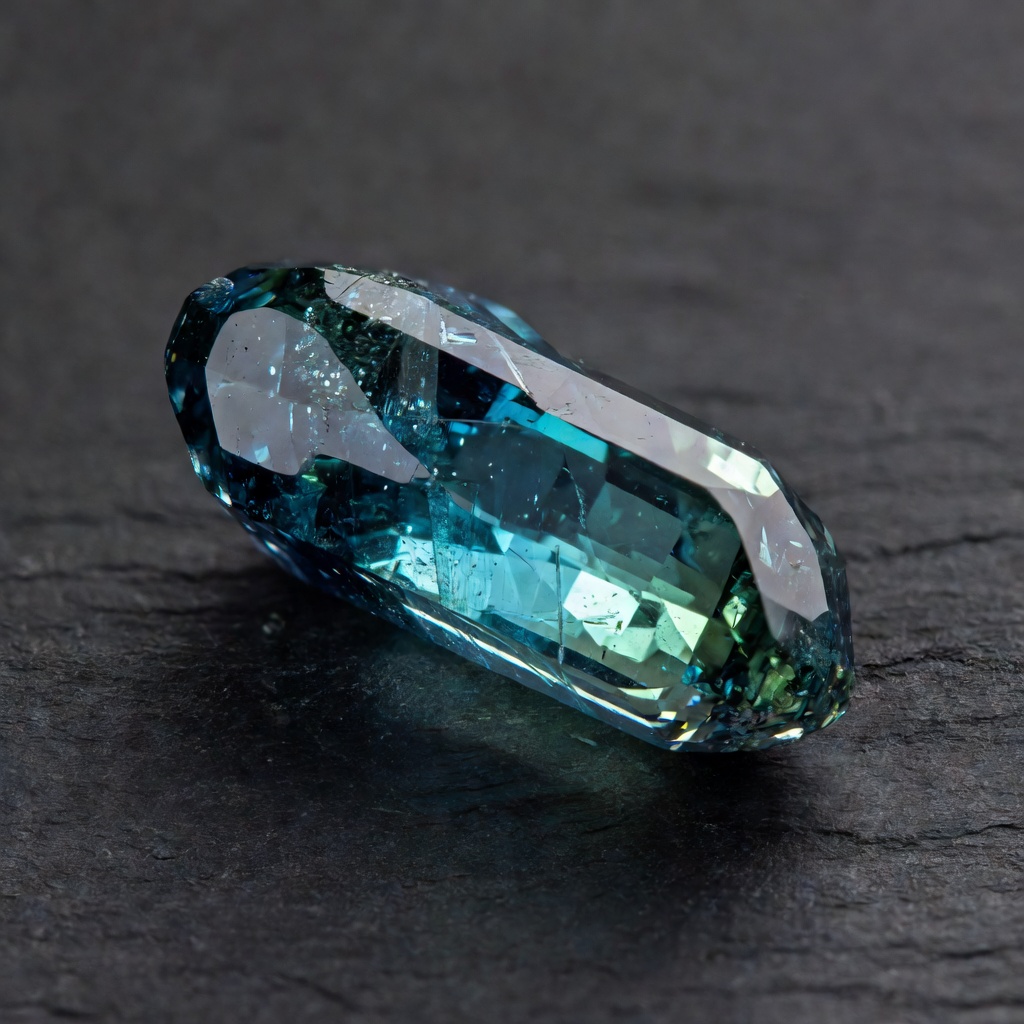
Introduction to Grandidierite: The World's Rarest Gemstone
Discovered in 1902 by French mineralogist Alfred Grandidier in the windswept dunes of southern Madagascar, Grandidierite stands as one of the most elusive treasures in the gemological world. Named in honor of the renowned naturalist and explorer who first documented the mineral, this extraordinary blue-green crystal quickly earned its place among the top ten rarest gemstones on Earth, a distinction it maintains more than a century later. Unlike diamonds or sapphires that benefit from extensive commercial mining operations, gem-quality Grandidierite remains so scarce that most seasoned jewelers will never handle a single specimen throughout their entire careers, creating an exclusivity that drives intense collector demand in the luxury market.
The journey from rough stone to polished gem presents extraordinary challenges that further limit availability. Most discovered material is opaque or heavily included, suitable only for mineral collections rather than jewelry applications. Translucent specimens exhibiting the stone's characteristic neon blue-green glow represent less than one percent of all finds, making each faceted stone a minor miracle of geological circumstances. For investors and connoisseurs seeking definitive Grandidierite Properties and Information, understanding this extreme scarcity provides essential context for evaluating both current market availability and future acquisition opportunities.
Physical and Chemical Properties
Chemical Composition and Crystal Formation
Grandidierite belongs to the complex magnesium aluminum borosilicate family, with a chemical formula of (Mg,Fe2+)Al3(BO3)(SiO4)O2 that creates its distinctive orthorhombic crystal system. These crystals typically form as prismatic or bladed formations within high-grade metamorphic rocks subjected to intense pressure and temperature conditions over millions of years. The presence of iron and magnesium within the crystal lattice directly influences the final coloration, with higher iron content generally producing the more desirable deep blue-green tones that collectors covet for high-end jewelry applications.
When examining rough specimens, gemologists observe distinct cleavage planes and a vitreous to pearly luster that distinguishes authentic material from common imitations. The stone's specific gravity ranges from 2.85 to 3.00, providing another diagnostic tool for identification. Advanced spectroscopic analysis reveals characteristic absorption patterns in the blue-violet range, while refractive indices of 1.590 to 1.623 further confirm authenticity. For laboratories certifying these stones, these precise physical constants serve as fingerprint evidence separating genuine Grandidierite from look-alike minerals such as serendibite or kornerupine.
Grandidierite Hardness and Durability Factors
Ranking between 7 and 7.5 on the Mohs hardness scale, Grandidierite possesses sufficient durability for jewelry use while requiring thoughtful consideration regarding setting selection and wear patterns. This Grandidierite hardness places it slightly below corundum varieties like sapphire and ruby (9) but significantly above softer stones such as opal or turquoise, making it suitable for earrings, pendants, and occasional-wear rings. However, the stone's distinct cleavage direction creates a potential vulnerability to sharp impacts, particularly along the length of prismatic crystals, necessitating protective bezel or halo settings for daily wear pieces.
Jewelry designers working with this material must account for both hardness and toughness when creating mountings. While resistant to scratching from dust and everyday contact, Grandidierite can chip if struck against hard surfaces at specific angles. Practical recommendations include avoiding ultrasonic cleaners, which may exploit microscopic fractures, and selecting designs that shield the girdle edges from direct impact. For collectors investing in museum-quality specimens, storing pieces separately in soft pouches prevents contact with harder gemstones like diamonds that could mar the surface despite the stone's respectable hardness rating.
Color Variations and Pleochroism Characteristics
Understanding Trichroic Color Shifts
Perhaps the most captivating aspect of this Grandidierite gemstone lies in its pronounced trichroism, an optical phenomenon where the crystal displays three distinct colors depending on the viewing angle. When rotated beneath proper lighting conditions, high-quality specimens shift between deep ocean blue, verdant forest green, and near-colorless white or pale yellow tones. This pleochroic effect results from differential absorption of light waves vibrating along different crystallographic axes, creating a living, shifting beauty that static photography can rarely capture adequately.
Gem cutters face significant challenges when working with trichroic material, as the orientation of the table facet determines which color dominates the face-up appearance. Master lapidaries often orient stones to maximize the blue-green axis while minimizing the less desirable white or yellow directions, though this requires sacrificing significant rough weight. When purchasing loose stones, collectors should request to view the gem through a dichroscope or polarizing filter to verify authentic trichroism, as this characteristic provides crucial authentication evidence distinguishing natural Grandidierite from synthetic spinel or glass imitations that display uniform coloration.
Factors Influencing Color Quality and Value
The most valuable Grandidierite specimens exhibit a translucent, neon-like blue-green color reminiscent of high-quality Paraiba tourmaline, with saturation levels that glow from within the stone rather than appearing flat or muddy. Iron content plays the primary role in color development, with optimal concentrations creating the electric blue-green prized by connoisseurs, while excessive iron produces opaque, dark green material suitable only for carvings or mineral specimens. Transparency represents the critical dividing line between collector-grade gems and decorative stones, with translucent crystals commanding prices fifty to one hundred times higher than their opaque counterparts.
Lighting conditions dramatically affect perceived color quality, making laboratory grading under standardized daylight-equivalent illumination essential for accurate valuation. Stones that appear vibrant blue-green under natural sunlight may shift toward gray-green under incandescent bulbs, a phenomenon buyers should test before purchasing. When evaluating potential acquisitions, examine the stone against a white background using diffused daylight or 5000K LED lighting to assess true body color without the interference of colored surroundings or point-source reflections that might mask internal clarity characteristics.
Geographic Origins and Mining Locations
Madagascar: The Primary Source
Southern Madagascar's Andrahomana region remains the epicenter of global Grandidierite production, specifically within the Tranomaro area where the original 1902 discovery occurred. The deposit sits within high-grade metamorphic gneisses and marbles formed during the Pan-African orogeny approximately 550 million years ago, where boron-rich fluids altered magnesium-rich country rocks under extreme temperature and pressure conditions. Artisanal miners work these deposits using primitive hand tools, extracting material from narrow veins and pockets within the metamorphic matrix, often working in treacherous conditions during Madagascar's dry season from May through October.
The geological uniqueness of these Madagascar deposits means that despite extensive exploration, no other location has produced comparable quantities of gem-quality material. Mining operations face significant challenges including remote locations accessible only by four-wheel-drive vehicles or foot paths, lack of infrastructure, and seasonal flooding that limits extraction windows. Recent political instability and environmental regulations have further restricted output, with annual production of facet-grade material estimated at less than five kilograms worldwide, reinforcing the stone's status as a true collector's item rather than a commercial commodity.
Secondary Deposits and Global Distribution
Beyond Madagascar, Grandidierite mining locations include alluvial deposits in Sri Lanka's Ratnapura district, where rare water-worn pebbles occasionally appear among sapphire and spinel gravels. Malawi's Mulanje Massif has produced limited quantities of blue-green crystals, though typically smaller and more included than Madagascar material. Namibia's Karibib region yielded several notable specimens during the 1990s, while recent discoveries in Antarctica and Canada's Yukon Territory suggest the mineral may exist in other high-grade metamorphic terrains globally, though these polar and wilderness locations present insurmountable economic barriers to commercial exploitation.
Environmental and ethical considerations increasingly influence sourcing decisions for high-end collectors. Madagascar's mining regions face deforestation pressures and habitat fragmentation affecting the island's unique biodiversity, prompting some dealers to establish direct partnerships with artisanal miners ensuring fair wages and minimal environmental impact. When purchasing significant specimens, request documentation tracing the stone's provenance from mine to market, as ethically sourced material from known localities often commands premium prices compared to undocumented stones that may fund destructive mining practices or regional conflicts.
Grandidierite Value and Pricing Factors
Market Valuation and Price Ranges
Understanding Grandidierite value requires familiarity with a pricing structure that spans three orders of magnitude based on quality parameters. Opaque or heavily included cabochon material suitable for beadwork or carvings typically ranges from $1,000 to $5,000 per carat, representing the entry point for collectors. Translucent faceted stones under one carat command $10,000 to $20,000 per carat, while exceptional specimens exceeding two carats with high clarity and strong blue-green color can exceed $50,000 per carat, placing them in the same investment tier as fine alexandrite or red beryl.
The "four Cs" framework applies to Grandidierite valuation with specific modifications reflecting the stone's unique characteristics. Color intensity and transparency outweigh carat weight in importance, meaning a one-carat neon blue-green stone may cost significantly more than a two-carat gray-green specimen. Cut quality proves particularly crucial given the material's trichroism; well-executed brilliant or modified cushion cuts that maximize color while maintaining good proportions command substantial premiums over poorly oriented native-cut stones that waste material and display uneven color distribution.
Investment Considerations and Comparative Analysis
When compared to other high-value colored gemstones, Grandidierite occupies a unique niche combining extreme rarity with growing recognition among ultra-high-net-worth collectors. Unlike diamonds, which benefit from liquid secondary markets and standardized pricing, Grandidierite transactions remain largely private affairs between dealers and connoisseurs, requiring expert guidance for accurate valuation. The stone's price appreciation has consistently outpaced inflation and many traditional investments over the past two decades, driven by increasing scarcity and rising demand from Asian and Middle Eastern collectors seeking alternatives to traditional blue sapphires.
Practical valuation tips include insisting on certification from major laboratories such as GIA, AGL, or SSEF, which can distinguish natural material from synthetic hydrothermal growth or diffusion-treated stones. Examine stones under magnification for natural inclusion patterns characteristic of Madagascar material, such as tiny tension fractures or minute crystal inclusions, while remaining wary of stones appearing too clean, which may indicate synthetic origin. For investment purposes, prioritize untreated stones between one and three carats with strong pleochroism and minimal visible inclusions, as this size range offers the best balance of rarity and marketability.
Grandidierite vs Other Rare Blue Gemstones
Visual Distinctions and Identification
Distinguishing rare blue gemstones requires careful observation of optical properties and color behavior under various lighting conditions. Paraiba tourmaline, perhaps Grandidierite's closest visual competitor, displays a characteristic neon blue or green-blue color caused by copper and manganese content, but lacks the trichroism that defines Grandidierite. Under a dichroscope, Paraiba shows only two colors (dichroism) rather than three, while exhibiting higher brilliance and fire due to tourmaline's different refractive indices. Aquamarine, another blue beryl variety, presents a more pastel, sky-blue tone without the green component or pleochroic complexity of Grandidierite.
Blue sapphires from Kashmir, Ceylon, or Montana deposits differ significantly in crystal structure and optical behavior, displaying single-color dominance with asterism (star effects) possible in cabochon cuts, a phenomenon never observed in Grandidierite. Apatite and fluorite offer deceptive similarities in color but fail the hardness test, scratching easily with a steel knife blade, while Grandidierite resists such marking. For definitive identification, advanced testing including Raman spectroscopy or X-ray diffraction provides conclusive evidence, though experienced gemologists can often separate these stones using standard refractometers and polariscopes available in well-equipped laboratories.
Authentication Methods and Red Flags
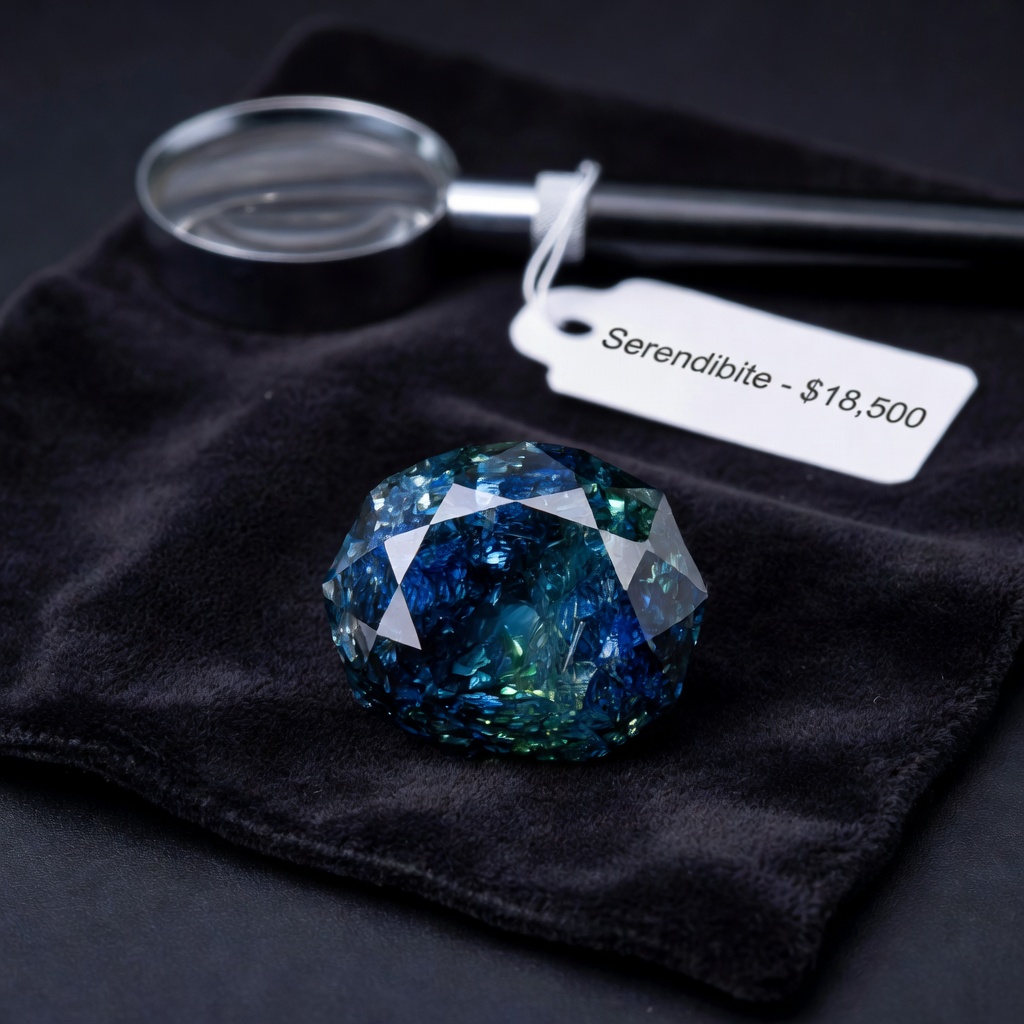
Protecting yourself from fraudulent purchases requires understanding common imitations and treatments affecting the blue gemstone market. Synthetic spinels and glasses dyed to resemble Grandidierite lack the natural inclusions and trichroism of genuine material, appearing uniformly colored from all angles. Some dealers offer diffusion-treated serendibite or kornerupine as Grandidierite, requiring careful examination of inclusion patterns and refractive index measurements for detection. Be particularly wary of stones offered at prices significantly below market rates, as genuine Grandidierite's extreme rarity precludes "bargain" opportunities.
Practical authentication steps include requesting a full gemological report from a reputable laboratory rather than accepting dealer-provided certificates of unknown origin. Test the stone's thermal conductivity using a diamond tester; Grandidierite will read as "other stone" rather than diamond, while some simulants may give false readings. Examine the stone under long-wave ultraviolet light, as natural Grandidierite typically shows inert to weak red fluorescence, whereas many synthetics display chalky blue or green reactions. When possible, compare the suspect stone against a known genuine specimen to evaluate differences in luster, heft, and color behavior under identical lighting conditions.
Metaphysical Properties and Spiritual Meaning
Chakra Alignment and Energy Work
Crystal healers and metaphysical practitioners attribute profound spiritual significance to Grandidierite meaning, particularly regarding its simultaneous resonance with the heart chakra (Anahata) and throat chakra (Vishuddha). This dual alignment creates a unique energetic bridge between emotional truth and verbal expression, believed to facilitate authentic communication from the heart rather than the ego. Meditators working with Grandidierite often place the stone at the center of the chest during lying-down sessions, or wear it as a pendant resting at the sternum, to encourage the integration of feeling and expression without the filters of social conditioning or fear-based restraint.
The stone's blue-green color spectrum corresponds to both elemental Water (emotions, intuition) and Earth (grounding, stability), creating a balanced energy suitable for those seeking to communicate difficult truths or navigate complex emotional landscapes. Unlike stones that stimulate the upper chakras to the point of disconnection from physical reality, Grandidierite maintains strong grounding through its heart center connection, keeping spiritual insights applicable to everyday relationships and practical decision-making. Healers recommend pairing this gemstone with rose quartz for emotional healing work, or with lapis lazuli for enhanced throat chakra activation during public speaking or creative writing endeavors.
Emotional Healing and Meditation Practices
Practitioners utilize Grandidierite in therapeutic settings to address communication blockages stemming from childhood trauma, social anxiety, or creative inhibition. The stone is believed to dissolve the "lump in the throat" sensation associated with suppressed emotions, allowing tears and words to flow with equal ease during processing sessions. For those recovering from toxic relationships where authentic expression was punished or ridiculed, carrying a small tumbled stone in a pocket or bra provides a tactile reminder of one's right to speak truth, with the physical coolness of the gem serving as an anchor during stressful conversations.
Advanced meditation techniques involving Grandidierite include "heart-listening" practices where the practitioner holds the stone to the chest while asking specific questions about life direction or relationship dynamics, then observes the somatic sensations and intuitive impressions that arise over fifteen to twenty minutes of silence. Some crystal therapists create gem elixirs by placing Grandidierite in purified water under moonlight (using the indirect method to avoid toxicity concerns), then using this water to anoint the throat before important communications or creative performances. While scientific evidence for these effects remains anecdotal, the placebo power of working with such rare and beautiful material often provides genuine psychological benefits through increased confidence and mindfulness.
Care, Cleaning, and Maintenance Guidelines
Proper Cleaning Techniques
Maintaining the beauty of your Grandidierite jewelry requires gentle cleaning methods that respect the stone's chemical composition and cleavage properties. Prepare a solution of lukewarm water and mild dish soap (avoiding harsh detergents or ammonia-based cleaners) in a small bowl, then soak the piece for five to ten minutes to loosen accumulated oils and debris. Using a soft-bristled baby toothbrush or dedicated jewelry brush, gently scrub the stone's surface and setting crevices, paying particular attention to the underside of the gem where soap and skin cells tend to accumulate, then rinse thoroughly under running water and pat dry with a lint-free microfiber cloth.
Ultrasonic and steam cleaners pose significant risks to Grandidierite despite its respectable hardness, as the vibrations and thermal shock can exploit existing fractures or cleavage planes causing catastrophic breakage. Similarly, avoid exposure to harsh chemicals including chlorine bleach, sulfuric acid, or acetone, which might attack the stone's surface or any fillers used to improve clarity in included specimens. For heirloom pieces or stones with visible inclusions reaching the surface, consider professional cleaning only by jewelers experienced with rare gemstones, who can assess fracture risks before proceeding with any mechanical cleaning methods.
Storage and Wear Recommendations
Proper storage prevents damage from harder gemstones and environmental factors that might degrade your investment. Store Grandidierite pieces individually in soft cloth pouches or compartmentalized jewelry boxes lined with anti-tarnish fabric, ensuring the stone cannot contact diamonds, sapphires, or other harder materials that might scratch its surface. Avoid storing in direct sunlight or near heat sources, as prolonged exposure to high temperatures might affect any oil or resin treatments sometimes used to improve clarity in included stones, though untreated material remains stable under normal wearing conditions.
When selecting settings for daily wear, prioritize protective designs such as bezels or flush mounts that shield the girdle edges from impact, reserving delicate prong settings for occasional wear earrings or pendants. Remove Grandidierite rings before engaging in activities involving sharp impacts, including sports, gardening, or heavy lifting, and apply cosmetics, perfumes, and hairsprays before putting on jewelry to prevent chemical buildup on the stone's surface. For valuable specimens, consider scheduling annual inspections with a qualified jeweler to check for loose prongs or developing chips, catching minor issues before they result in stone loss or significant damage.
Investment Potential and Market Trends
Rarity as a Value Driver
The investment thesis for Grandidierite value rests primarily on geological scarcity rather than marketing campaigns or industrial demand, creating a fundamentally different risk profile than diamonds or precious metals. With total global production of facet-grade material estimated at less than three hundred carats annually, the supply side remains severely constrained regardless of price increases, suggesting strong long-term appreciation potential as existing specimens enter private collections and exit the market for decades at a time. Unlike emeralds or rubies, where new deposits occasionally flood the market and depress prices, Grandidierite's specific geological requirements make significant new discoveries statistically improbable, protecting the value of existing holdings.
Market trends indicate growing recognition among institutional investors and family offices seeking tangible assets with low correlation to traditional financial markets. Auction houses such as Christie's and Sotheby's have begun featuring exceptional Grandidierite specimens in their jewelry sales, with prices realized consistently exceeding high estimates, a trend that lends legitimacy and liquidity to this previously obscure material. The rise of gemological investment funds and high-net-worth individuals from Asia, particularly China and Thailand, has created new demand centers that compete with traditional European and American collectors, driving prices upward while simultaneously educating the broader market about this exceptional gemstone.
Certification and Authentication Standards
Serious collectors should insist upon comprehensive certification from internationally recognized laboratories including the Gemological Institute of America (GIA), American Gemological Laboratories (AGL), or the Swiss Gemmological Institute (SSEF). These reports should specifically confirm natural origin, absence of treatment, and geographic provenance when determinable, as untreated Madagascar material commands significant premiums over stones from secondary localities or those showing evidence of heat treatment or oiling. The certification should include photomicrographs of characteristic inclusions, providing a "fingerprint" useful for verifying identity if the stone is ever reset or enters the secondary market.
When building an investment-grade collection, focus on acquiring stones between two and five carats with exceptional color and clarity, as this range represents the optimal balance of rarity and marketability. Smaller stones, while beautiful, lack the impact necessary for significant appreciation, while stones over five carats become so rare that finding buyers requires specialized networks and extended timelines. Maintain detailed records of purchase prices, certification documents, and provenance information, as complete documentation significantly enhances resale value and facilitates insurance coverage, which should be secured through specialized fine art and jewelry policies rather than standard homeowner's coverage to ensure full replacement value.
Frequently Asked Questions About Grandidierite Properties and Information
What makes Grandidierite so rare and valuable?
Grandidierite is exceptionally rare due to limited geographic distribution, with gem-quality material found almost exclusively in Madagascar. Its unique trichroic properties and the scarcity of transparent specimens drive prices to $1,000-$50,000+ per carat.
How can I tell if my Grandidierite is genuine?
Authentic Grandidierite exhibits strong pleochroism, showing different colors (blue, green, white) when viewed from different angles. Professional certification from GIA or AGL labs is essential, as many imitations exist including treated stones and synthetics.
What is the hardness of Grandidierite on the Mohs scale?
Grandidierite ranks 7 to 7.5 on the Mohs hardness scale, making it suitable for jewelry but requiring protection from harder gemstones like diamonds and sapphires. Its toughness is generally good, though care should be taken to avoid sharp impacts.
Where is Grandidierite found in the world?
While first discovered in Madagascar (still the primary source), Grandidierite has also been found in Sri Lanka, Malawi, Namibia, and recently in small quantities in Canada and Antarctica. However, gem-quality material remains extremely limited.
What colors does Grandidierite display?
Grandidierite typically shows bluish-green to greenish-blue colors, with the most valuable specimens displaying a translucent, neon-like blue-green hue. Its trichroism means it can appear blue, green, or colorless depending on the viewing angle.
Is Grandidierite suitable for everyday jewelry wear?
With a hardness of 7-7.5, Grandidierite can be worn in jewelry but is best suited for pendants, earrings, and occasional wear rings rather than daily wear pieces. Protective settings are recommended to preserve the stone's surface quality.
How much does Grandidierite cost per carat?
Prices vary dramatically based on quality. Opaque material may cost $1,000-$5,000 per carat, while high-quality translucent specimens can command $10,000-$50,000+ per carat. Exceptional large stones over 2 carats are extremely rare and command premium prices.
What are the metaphysical properties of Grandidierite?
Crystal healers associate Grandidierite with enhanced communication, emotional healing, and truth-seeking. It's believed to open the throat and heart chakras, promoting self-expression and compassion while helping release emotional blockages.