Understanding Grandidierite's Unique Properties
Grandidierite stands as one of the rarest gemstones on earth, discovered in Madagascar in 1902 and named after French explorer Alfred Grandidier. This exquisite blue-green to bluish gemstone ranks 7.5 on the Mohs hardness scale, which places it in the moderately durable category suitable for jewelry, though it remains susceptible to scratches from harder materials like diamonds, sapphires, and topaz. Understanding these fundamental Grandidierite properties is essential for anyone fortunate enough to own this collector's gem, as proper knowledge forms the foundation of effective Grandidierite Care and Cleaning practices.
One of the most captivating characteristics of this gemstone is its trichroic pleochroism, meaning it displays different colors ranging from blue-green to colorless to dark green depending on the viewing angle. This optical phenomenon requires careful handling to preserve, as rough treatment or improper cleaning can affect the stone's ability to show its full color spectrum. When light enters the crystal structure, it splits into different wavelengths, creating that mesmerizing visual effect that makes Grandidierite so desirable among connoisseurs and collectors worldwide.
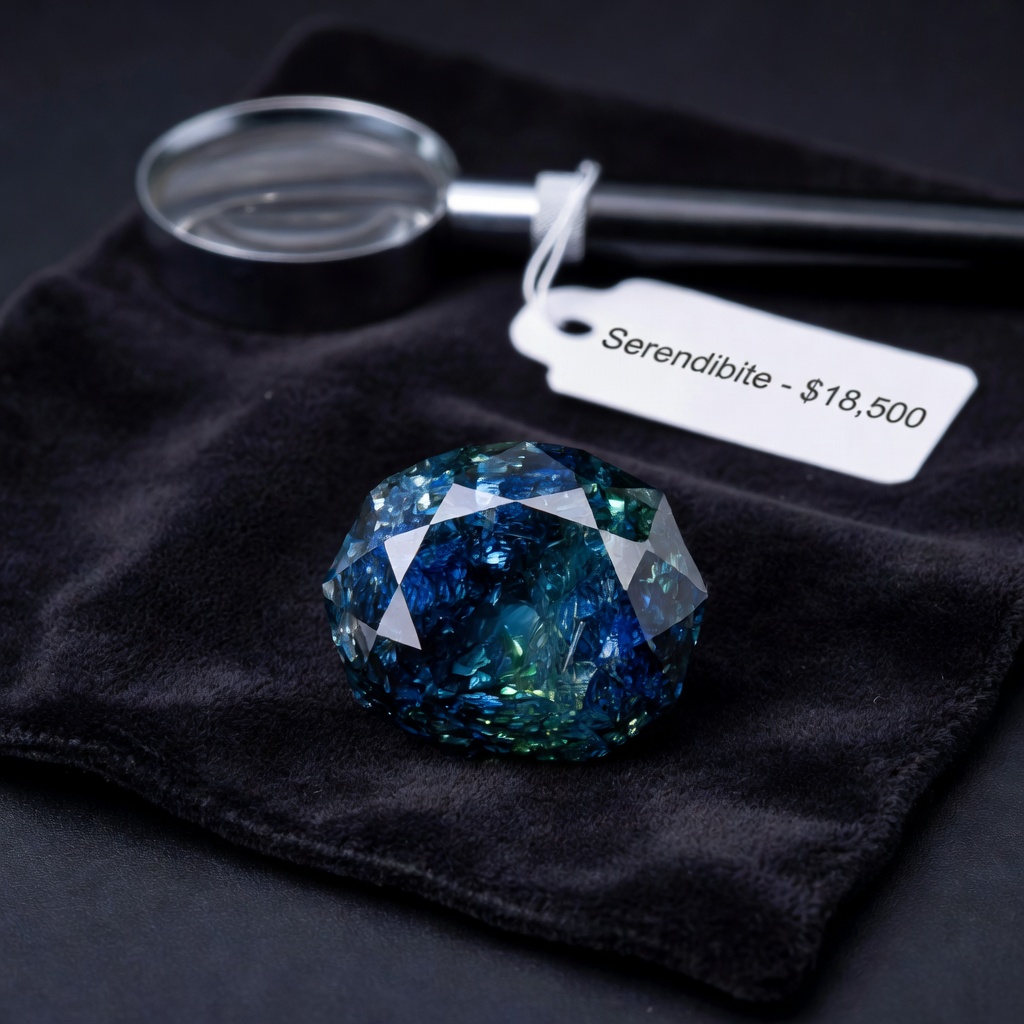
The extreme rarity and substantial value of high-quality Grandidierite specimens make rare gemstone care not just a matter of aesthetics but of financial prudence. Investment-grade pieces can command prices exceeding $50,000 per carat for fine examples with strong pleochroism and transparency. Unlike more common gemstones where replacement is straightforward, finding a matching Grandidierite to replace a damaged stone can prove nearly impossible, making prevention and meticulous maintenance paramount for preserving both beauty and value.
Essential Daily Handling Precautions
Implementing consistent daily habits forms the first line of defense in Grandidierite jewelry maintenance. Always adopt the "last on, first off" rule when wearing your precious pieces, meaning you should put Grandidierite jewelry on last after applying makeup, hairspray, perfume, and lotions, and remove it first when undressing. This simple practice minimizes exposure to chemicals that can create buildup on the stone's surface or potentially react with the metal settings, ensuring your gemstone maintains its characteristic vitreous luster for decades.
Physical activities present significant risks to this rare gem, requiring conscious gemstone protection strategies during everyday life. Remove Grandidierite rings, bracelets, and pendants before engaging in household cleaning, gardening, or any manual labor where the stone might encounter hard surfaces, abrasive materials, or impact trauma. Even activities like opening car doors, carrying grocery bags, or typing extensively can subject rings to micro-impacts that gradually wear down prongs or cause chips along the girdle edges.
Water environments demand particular caution, especially chlorinated pools, hot tubs, and natural hot springs. Chlorine and other pool chemicals can gradually erode the surface of Grandidierite and weaken metal settings, while the thermal shock from moving between hot tubs and cooler air can stress internal inclusions. Additionally, cold water causes fingers to contract, increasing the risk of rings slipping off and disappearing down drains or into ocean depths where recovery becomes impossible.
Safe At-Home Cleaning Techniques
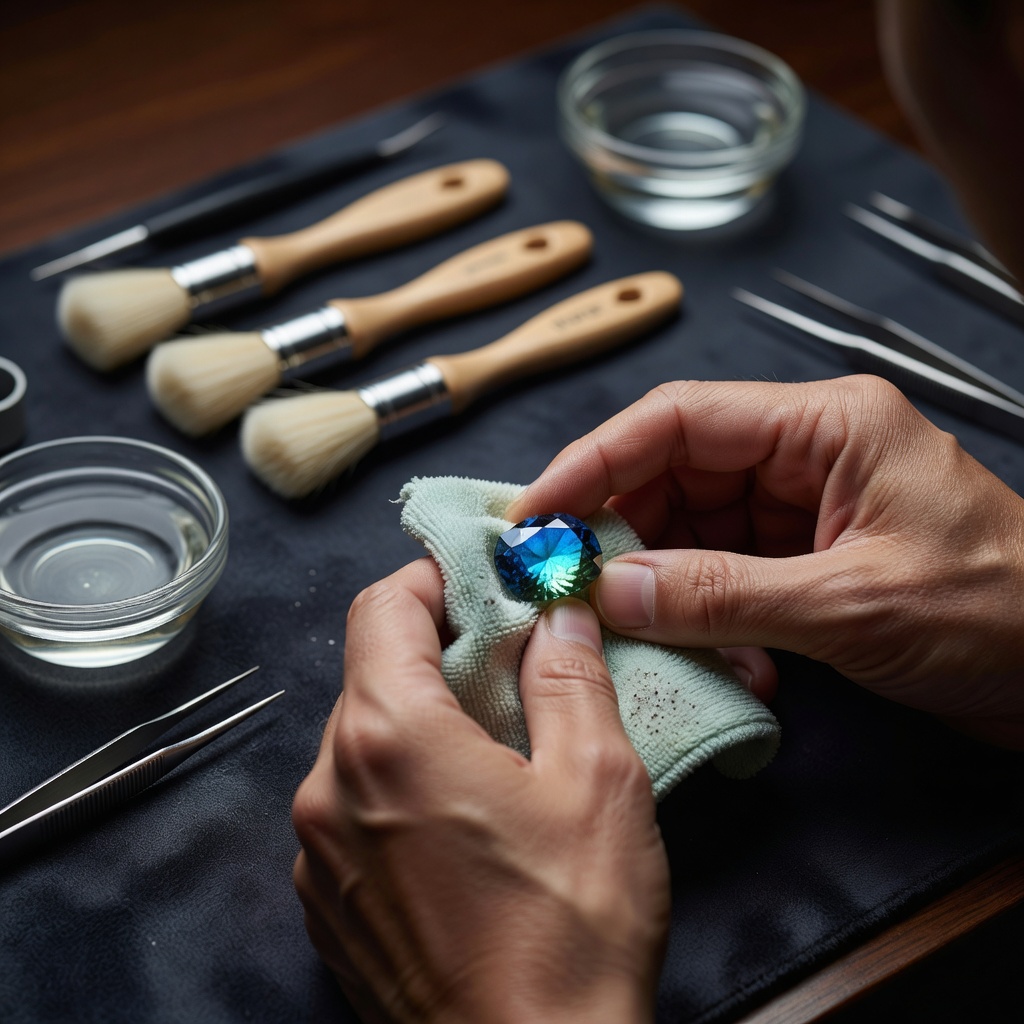
Maintaining the brilliance of your blue-green treasure requires gentle but effective Grandidierite cleaning methods that remove dirt without causing damage. Prepare a cleaning solution using lukewarm water—not hot—mixed with a few drops of mild, phosphate-free dish soap or specialized jewelry cleaner formulated for delicate gemstones. The water temperature should feel comfortable to your touch, approximately 90-100 degrees Fahrenheit, as extreme temperatures can cause thermal shock to the stone's crystalline structure.
Using a soft-bristled baby toothbrush or clean makeup brush with natural fibers, gently scrub the gemstone and its setting to dislodge accumulated oils, dust, and debris. Pay particular attention to the area behind the stone where lotions and skin oils tend to accumulate, creating a film that dulls the gem's sparkle. Work in gentle circular motions rather than aggressive back-and-forth scraping, and ensure the brush is dedicated solely to jewelry cleaning to avoid transferring harsh chemicals from household cleaning tasks.
After scrubbing, rinse the piece thoroughly under lukewarm running water, ensuring all soap residue washes away completely. Any remaining film can attract dust and create a cloudy appearance over time. Immediately pat the jewelry dry using a lint-free microfiber cloth, which prevents water spots and ensures no moisture remains trapped in the setting where it could cause metal corrosion or loosen adhesives used in certain mounting styles. For intricate settings, use a hairdryer on the cool setting to evaporate residual moisture from hard-to-reach crevices.
Cleaning Solutions and Methods to Avoid
Understanding what not to do is equally critical in Grandidierite cleaning precautions to prevent irreversible damage. Never subject Grandidierite to ultrasonic or steam cleaners, regardless of how convenient these methods might seem for other jewelry pieces. The intense vibrations from ultrasonic machines can exacerbate existing inclusions or internal fractures within the stone, potentially causing visible cracks or complete breakage. Similarly, steam cleaning subjects the gem to rapid temperature changes and high pressure that can compromise its structural integrity.
Harsh household chemicals pose severe threats to this delicate gemstone's surface and should be kept far away from your cleaning routine. Avoid bleach, ammonia, acetone, and alcohol-based solutions that can etch or pit the stone's surface, permanently dulling its luster. Even common toothpaste, often recommended in outdated jewelry care guides, contains abrasive whitening agents that can scratch Grandidierite's surface and remove its polish. These gemstone cleaning mistakes can transform a valuable investment into a damaged specimen requiring costly professional restoration.
Commercial dip solutions designed for silver or gold cleaning present another hidden danger, as these often contain harsh acids that attack both the metal setting and the gemstone itself. Two-part jewelry cleaning systems that involve dipping and rinsing should be avoided unless specifically labeled safe for delicate colored gemstones. When in doubt about any cleaning product, consult a certified gemologist before use, as the cost of professional cleaning significantly outweighs the risk of destroying a rare gem worth thousands of dollars.
Proper Storage Solutions
Proper storage techniques form a cornerstone of comprehensive Grandidierite storage tips that protect your investment when not being worn. Always store Grandidierite pieces separately in individual soft cloth pouches, lined jewelry boxes with divided compartments, or wrapped in acid-free tissue paper. This isolation prevents contact with harder gemstones like diamonds, rubies, or sapphires that could scratch Grandidierite's surface during drawer movement or transportation. Even dust particles can act as abrasives over time, so enclosed storage is preferable to open trays.
Environmental control plays a crucial role in gemstone organization and preservation. Maintain consistent humidity levels in your storage area, avoiding extremely dry conditions that can cause certain setting materials to contract or overly humid environments that promote metal tarnishing. Avoid locations subject to extreme temperature fluctuations, such as near heating vents, air conditioning units, or exterior walls, as thermal shock can stress the stone and potentially affect its optical properties. A bedroom closet or interior drawer typically provides the stable environment these rare gems require.
Prolonged exposure to direct sunlight can potentially affect the color stability of some colored gemstones, including Grandidierite. Store your jewelry in opaque containers or dark locations rather than display cases near windows. While Grandidierite is relatively stable regarding light exposure compared to some gems like amethyst or kunzite, conservative storage practices ensure that the stone's distinctive blue-green hue remains vibrant for future generations. Consider using silica gel packets in your jewelry box to control moisture, but ensure they never come into direct contact with the metal or stone.
Professional Maintenance and Inspection
While at-home care maintains daily brilliance, professional gemstone care ensures the long-term security and beauty of your Grandidierite pieces. Schedule professional cleaning and comprehensive inspections every 6-12 months with a jeweler experienced in handling rare and valuable gemstones. These inspections should include checking for loose prongs, worn settings, and microscopic damage that might not be visible to the untrained eye but could result in stone loss if left unaddressed.
Re-polishing should be approached conservatively in Grandidierite maintenance protocols. While professional polishing can remove minor surface scratches and restore luster, each polishing session removes microscopic layers of material from the gemstone. Given Grandidierite's rarity and value, excessive polishing can significantly reduce carat weight and potentially alter the stone's proportions. Request re-polishing only when surface damage noticeably affects the gem's appearance or structural integrity, not merely for routine maintenance.
Before entrusting your precious gem to any jewelry professional, verify their familiarity with Grandidierite's specific care requirements. Not all jewelers encounter this rare stone regularly, and inexperienced hands might subject it to inappropriate cleaning methods or repair techniques. Seek out certified gemologists (GG from the Gemological Institute of America) or members of the American Gem Society who demonstrate understanding of pleochroic gemstones and their unique vulnerabilities. Always obtain detailed documentation of any work performed for your insurance records and future reference.
Recognizing Damage and Warning Signs
Vigilant observation enables early detection of Grandidierite damage before it becomes catastrophic or irreversible. Regularly examine your gemstone under bright light for surface scratches, chips, or abrasions that dull the stone's characteristic vitreous luster. Pay particular attention to the table facet (the flat top surface) and the girdle (the thin edge around the widest part), as these areas receive the most contact with hard surfaces during wear. Even minor chips can propagate into larger fractures if subjected to further impact.
Cloudiness or film buildup serves as a warning sign indicating accumulated soap residue, skin oils, or environmental contaminants affecting your gem. If thorough blue gemstone cleaning using the recommended mild soap method fails to restore clarity, this may indicate microscopic surface damage or internal fractures that require professional assessment. Changes in pleochroism intensity or color shifting could also signal internal stress or chemical alteration requiring immediate attention from a gemologist.
Mechanical integrity of the setting demands equal scrutiny in recognizing gemstone wear signs. Check for loose stones by gently tapping the piece near your ear and listening for rattling sounds, or by using a loupe to examine the prongs for gaps between the metal and stone. Bent prongs, worn mounting channels, or thinning metal at stress points indicate immediate need for professional repair to prevent stone loss. If you notice any movement of the stone within its setting, discontinue wearing the piece immediately until repairs are completed.
Travel and Activity-Specific Protection
Transporting rare gems requires specialized precautions for traveling with gemstones safely across distances. Invest in padded travel cases featuring individual compartments or pouches that prevent pieces from contacting each other during transit. Hard-sided jewelry cases with velvet or foam interiors provide superior protection compared to soft rolls or generic cosmetic bags. When flying, always carry Grandidierite jewelry in your personal carry-on luggage rather than checked baggage, maintaining physical control over your valuables throughout the journey.
Activity-specific Grandidierite protection protocols extend beyond basic daily precautions into specialized situations. Remove rings before weightlifting, rock climbing, cycling, or any manual labor that subjects hands to pressure, impact, or abrasive surfaces. The concentrated force of gripping barbells or climbing holds can torque ring settings, while the abrasive nature of rock surfaces can scratch the gem. Similarly, remove jewelry before participating in water sports where cold water contraction combined with physical activity increases loss risks.
Extreme weather conditions present unique challenges for rare gemstone care. In extremely cold weather, thermal contraction can cause metal settings to tighten or loosen unexpectedly, potentially stressing the stone or creating gaps where it might fall out. Conversely, extreme heat can expand metal and potentially loosen prongs. When traveling between dramatically different climates, allow your jewelry to acclimate gradually rather than subjecting it to sudden temperature changes. Consider removing rings when entering saunas or steam rooms where heat and humidity combine to create challenging conditions for both stone and setting.
Long-Term Value Preservation
Preserving the investment value of this rare gem requires meticulous documentation and strategic planning as part of comprehensive Grandidierite value preservation. Maintain a dedicated file containing certificates of authenticity from recognized gemological laboratories (GIA, AGL, or SSEF), original purchase receipts, and detailed appraisal reports from certified jewelry appraisers. High-resolution photographs showing the stone's condition and unique characteristics provide essential documentation for insurance claims and future sales, capturing details like inclusion patterns that serve as the gem's fingerprint.
Market values for fine Grandidierite continue appreciating due to extreme scarcity and increasing collector demand, necessitating regular appraisal updates. Schedule professional reappraisals every 2-3 years to ensure your insurance coverage reflects current replacement costs, which may have increased significantly since your original purchase. These updated appraisals should document any changes in the stone's condition and verify that carat weights remain consistent with original certifications, providing crucial evidence for gemstone investment care and protection.
Standard homeowners or renters insurance policies often provide inadequate coverage for rare gemstones, making specialized jewelry insurance essential for complete protection. Seek policies specifically designed for high-value jewelry that cover mysterious disappearance, accidental damage, and loss during travel, not merely theft. Ensure the policy allows you to work with your preferred jeweler for replacements rather than forcing acceptance of generic substitutes, as matching the specific color and quality of a lost Grandidierite requires specialized sourcing capabilities that standard insurance companies may lack.
Frequently Asked Questions
Can I use an ultrasonic cleaner on Grandidierite?
No, ultrasonic cleaners are not recommended for Grandidierite. The vibrations can exacerbate existing inclusions or internal fractures within the stone, potentially causing cracks or breakage. Stick to gentle hand-cleaning with mild soap and lukewarm water.
How often should I clean my Grandidierite jewelry?
Clean your Grandidierite jewelry every 2-4 weeks if worn regularly, or immediately after exposure to lotions, sunscreens, or perspiration. For pieces worn occasionally, cleaning every 2-3 months is sufficient to maintain brilliance.
Is Grandidierite durable enough for daily wear?
While Grandidierite ranks 7.5 on the Mohs scale, it's best suited for occasional wear or protected settings like earrings and pendants. Rings face higher impact risk and should be worn carefully, avoiding activities that could cause hard knocks or abrasions.
What type of soap is safe for cleaning Grandidierite?
Use only mild, phosphate-free dish soap or specialized jewelry cleaning solutions without ammonia, bleach, or acids. Avoid antibacterial soaps with harsh chemicals and never use toothpaste, which contains abrasives that can scratch the stone's surface.
Can Grandidierite get wet?
Yes, Grandidierite can safely get wet with clean, lukewarm water. However, avoid chlorinated water, saltwater, and hot water. Always dry thoroughly immediately after washing to prevent water spots and ensure no moisture remains trapped in settings.
How should I store Grandidierite to prevent scratches?
Store Grandidierite separately in soft cloth pouches, individual compartments, or wrapped in acid-free tissue paper. Never store it loose with harder gemstones like diamonds, sapphires, or rubies that could scratch its surface.
Why does my Grandidierite look cloudy?
Cloudiness usually results from accumulated soap residue, skin oils, lotion buildup, or hard water deposits. A thorough cleaning with mild soap and a soft brush should restore clarity. Persistent cloudiness may indicate surface damage requiring professional re-polishing.
Should I insure my Grandidierite jewelry?
Yes, due to Grandidierite's extreme rarity and high value, specialized jewelry insurance is highly recommended. Ensure your policy covers loss, theft, damage, and mysterious disappearance, and update appraisals regularly as market values for this rare gemstone continue rising.