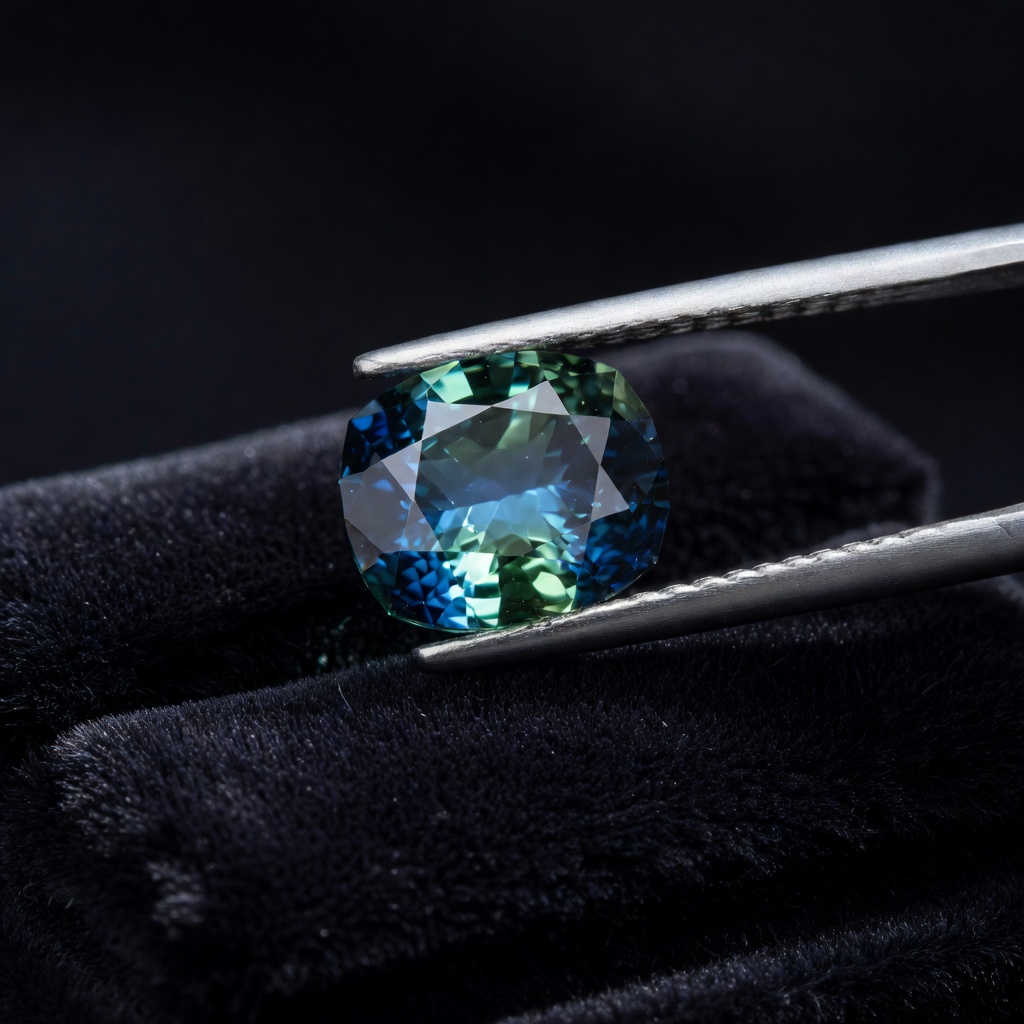
What Is Grandidierite? Understanding the World's Rarest Gemstone
Discovered in 1902 by French mineralogist Alfred Lacroix in the remote highlands of southern Madagascar, grandidierite stands as one of the most elusive treasures in the gemological world. Named in honor of the French explorer and naturalist Alfred Grandidier, who dedicated his life to documenting the unique geology and biology of Madagascar, this rare blue-green gemstone has captivated collectors and connoisseurs for over a century. The original discovery occurred in the Andrahomana region near Tôlanaro, where Lacroix identified the mineral embedded within high-pressure, low-temperature metamorphic rocks that formed under specific geological conditions rarely replicated elsewhere on Earth.
The extreme scarcity of gem-quality grandidierite cannot be overstated. While the mineral itself has been found in locations including Sri Lanka, Namibia, and Antarctica, stones suitable for faceting have emerged almost exclusively from Madagascar. Faceted specimens exceeding two carats are considered museum-grade collectibles, with fewer than two dozen such pieces appearing at major auction houses in the past decade. This Madagascar minerals phenomenon stems from the stone's unique chemical composition of magnesium aluminum borosilicate, which crystallizes under precisely controlled metamorphic conditions involving aluminum-rich boron deposits subjected to intense pressure without excessive heat.
Understanding the geological formation of grandidierite helps explain its prohibitive rarity. Unlike diamonds or sapphires that form in specific but relatively common geological environments, grandidierite requires the convergence of boron-rich pegmatites with aluminum-magnesium silicates under specific temperature and pressure gradients. These conditions occurred only in limited pockets of Madagascar's Precambrian basement rocks, and mining operations today remain limited to small-scale, hand-dug excavations in remote, treacherous terrain. For collectors seeking a truly exclusive addition to their portfolio, grandidierite represents the pinnacle of rarity, with total annual production of facet-grade material often measuring less than a few hundred carats worldwide.
Evaluating Color: The Trichroic Beauty of Grandidierite
The singular most important factor in grandidierite color grading involves understanding its remarkable optical property known as trichroism. As a trichroic gemstone, grandidierite displays three distinct colors depending on the crystallographic axis viewed: intense blue-green along the X-axis, colorless to pale yellow along the Y-axis, and dark green or brownish-green along the Z-axis. This pleochroic effect creates both the stone's greatest challenge and its most distinctive beauty, requiring master cutters to orient the table precisely perpendicular to the c-axis to maximize the coveted blue-green face-up color while minimizing the undesirable dark or colorless directions.
The most valuable grandidierite exhibits a saturated, neon blue-green hue reminiscent of fine Paraiba tourmaline or the finest apatite, with a vividness that seems to glow from within. stones displaying this electric turquoise-to-teal saturation command premiums exceeding ten times the value of specimens showing predominantly dark green or grayish-blue tones. When evaluating potential purchases, examine the stone under various lighting conditions; premium material maintains its color intensity under incandescent lighting rather than appearing washed out or blackish. The presence of gray or brown modifiers significantly diminishes value, whereas stones showing pure blue-green saturation without secondary hues represent the holy grail for collectors.
Practical evaluation requires specific observational techniques. Rotate the stone slowly under daylight-equivalent lighting, watching for color shift that indicates strong pleochroism. If the gem appears predominantly dark green or nearly colorless from certain angles, understand that the cutter may not have optimized the orientation, or the rough material lacked sufficient color saturation. When purchasing unset stones, request to view the gem through the table, crown, and pavilion to assess how dramatically the color changes with angle. Expert tip: The finest specimens will show at least 70% blue-green saturation face-up, with only subtle darkening when tilted, indicating proper orientation of the trichroic axes.
Clarity Standards and Typical Inclusions
As a Type II gemstone according to the GIA classification system, grandidierite typically contains inclusions visible under magnification, making eye-clean specimens extraordinarily valuable and rare. Common gemstone inclusions found in grandidierite include fingerprint patterns composed of trapped fluid, needle-like crystals of other minerals, and growth zoning that appears as subtle color banding or structural variations within the crystal. These inclusions, while potentially affecting transparency, rarely impact durability and often serve as identifying characteristics confirming natural origin rather than synthetic production.
Grandidierite clarity standards differ significantly between faceted stones and cabochons. While transparent to translucent material is preferred for faceted gems, allowing light to pass through and showcase the trichroic color play, translucent to opaque specimens are frequently cut into cabochons to maximize size and weight retention. When evaluating faceted stones, seek gems that appear clean to the naked eye when viewed face-up, though minor inclusions visible from the side or pavilion may be acceptable if they do not affect the stone's brilliance or color presentation. Be prepared to pay substantial premiums for loupe-clean material; stones without visible inclusions even under 10x magnification can command prices three to five times higher than those with minor clarity characteristics.
Case study analysis of major auction records reveals that a 2.34-carat eye-clean grandidierite with only minor fingerprint inclusions sold for $45,000 per carat, while a similarly sized stone with visible needles and slight cloudiness achieved only $12,000 per carat. When examining potential acquisitions, use a jeweler's loupe to identify whether inclusions reach the surface, as surface-reaching fractures can compromise durability. For investment-grade purchases, insist on stones with clarity grades of VS (Very Slightly Included) or better, as these represent the most liquid and appreciable segment of the market.
Cut Quality and Shape Considerations
Mastering grandidierite cut quality requires understanding the mineral's cleavage planes and pleochroic nature, making it one of the most challenging materials for gemstone cutting professionals. The cutter must orient the table precisely perpendicular to the c-axis to ensure the face-up view displays the desirable blue-green color rather than the dark green or colorless alternatives. This orientation requirement often necessitates significant weight loss during cutting, explaining why well-cut gems command such substantial premiums over poorly oriented stones. Experienced lapidaries working with grandidierite frequently spend hours studying rough material before making the first cut, as a miscalculation of just a few degrees can transform a potentially valuable gem into a commercially mediocre stone.
Emerald cuts and cushion shapes dominate the high-end market for grandidierite, as these designs help minimize weight loss while providing large table facets that showcase the stone's color. Step cuts particularly suit grandidierite because they emphasize clarity and color over brilliance, allowing collectors to appreciate the gem's unique hue without the distraction of excessive faceting. However, these cuts require exceptional material; poorly executed step cuts in grandidierite frequently exhibit windowing (areas where light passes directly through without reflection) or extinction (dark, lifeless areas), particularly if the cutter sacrificed proper orientation to preserve carat weight.
When evaluating cut quality, examine the stone for symmetry and proper proportions. The girdle should be even and of medium thickness, providing sufficient durability for setting without wasting material. Check for windowing by placing the stone table-down on white paper with text printed on it; if you can read the text clearly through the crown, the stone has excessive windowing. Custom cutting represents the gold standard for grandidierite, with bespoke designs often maximizing color retention in unique rough material. For collectors commissioning pieces, work with cutters who specialize in rare gems and understand the specific challenges of orienting pleochroic material. Examples of exceptional cutting include the 4.54-carat cushion modified brilliant that appeared at Christie's in 2019, where the cutter skillfully balanced weight retention with color optimization to achieve a saturated blue-green face-up appearance from rough that initially appeared predominantly dark green.
Carat Weight and Size Availability
The relationship between grandidierite carat weight and availability follows an exponential scarcity curve unmatched by nearly any other gem material. While large grandidierite stones exist in mineral collections as rough crystals, faceted gems over one carat qualify as investment-grade rarities, and stones exceeding two carats appear at major auctions perhaps once every two to three years. The typical market availability centers on calibrated sizes ranging from 0.25 to 0.75 carats, suitable for accent stones in high jewelry or modest solitaire pieces. These smaller sizes, while still expensive compared to common gemstones like sapphire or spinel, offer entry points for collectors seeking authenticated material without the stratospheric prices of larger specimens.
Price escalation in grandidierite defies linear progression. A one-carat fine quality stone might retail for $8,000 per carat, while a two-carat stone of equivalent quality commands $25,000 per carat or higher, reflecting not merely doubled material cost but squared rarity. This pricing structure stems from the near-impossibility of finding rough material large enough to yield substantial faceted gems. Most grandidierite price per carat calculations for investment purposes focus on the sub-one-carat market, where liquidity remains highest and authentication costs represent reasonable percentages of total value.
Cabochon cuts occasionally provide access to larger sizes, with domed specimens reaching 5 to 10 carats appearing somewhat more frequently than faceted equivalents. These cabochons, while lacking the brilliance of faceted stones, display attractive translucency and star effects in rare cases, offering alternatives for designers creating bold statement pieces. When evaluating carat weight for purchase decisions, consider that a well-cut 0.80-carat stone with exceptional color may represent better value and wearability than a poorly cut 1.20-carat specimen with grayish tones or prominent windows. For serious collectors building legacy collections, focus on acquiring the finest quality available within any given weight range rather than compromising color or clarity to achieve arbitrary size milestones.
Grandidierite Price Per Carat: Investment Expectations
Understanding grandidierite price per carat requires navigating a market structure defined by extreme quality differentials and limited supply chain transparency. Commercial quality material, characterized by small size (under 0.50 carats), visible inclusions, and pale or grayish color, typically trades between $800 and $2,000 per carat. These stones suit collectors seeking authenticated examples of the species without premium investment budgets, though they lack the appreciation potential of finer material. Fine quality specimens, defined as eye-clean stones between 0.75 and 1.50 carats with strong blue-green saturation and expert cutting, command $5,000 to $15,000 per carat, representing the sweet spot for serious collector gemstones acquisitions.
Exceptional quality grandidierite—characterized as stones over two carats with vivid neon color, loupe-clean clarity, and master cutting—regularly achieves $20,000 to $50,000 per carat at competitive auction, with record prices exceeding $60,000 per carat for truly museum-grade pieces. This pricing positions grandidierite alongside Paraiba tourmaline and fine alexandrite in the ultra-premium colored stone category, though with significantly less market liquidity. Investment advisors specializing in tangible assets note that grandidierite has demonstrated consistent double-digit annual appreciation over the past decade, driven by increasing awareness among Asian collectors and the depletion of Madagascar's primary deposits.
Market comparisons reveal interesting valuation disparities. While a fine Paraiba tourmaline might command $30,000 per carat with relative market liquidity, an equivalent grandidierite might achieve only $15,000 per carat despite being orders of magnitude rarer. This discrepancy suggests potential upside for early adopters, though buyers must accept longer holding periods and more specialized resale channels. When budgeting for acquisition, allocate an additional 5-10% of the purchase price for independent laboratory certification from GIA, AGL, or SSEF, as documentation significantly affects resale value and insurability. For portfolio diversification, consider acquiring several smaller fine-quality stones rather than a single large commercial specimen, as the former typically retains value more consistently during market fluctuations.
Authentication: Avoiding Synthetics and Treated Stones
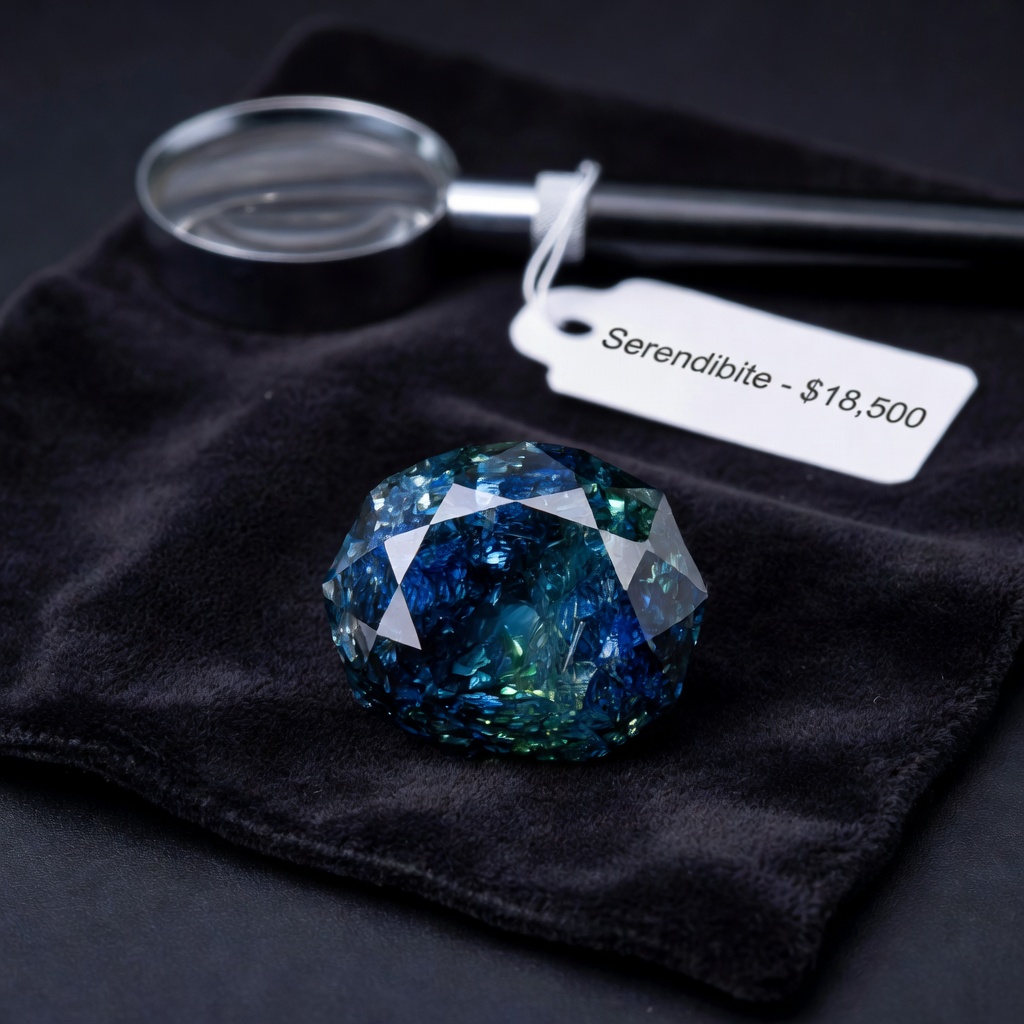
Gemstone authentication for grandidierite currently focuses primarily on distinguishing natural material from simulants rather than synthetic stones, as synthetic grandidierite remains unavailable on a commercial scale. However, the rapid advancement of crystal growth technology necessitates vigilance, and reputable dealers should provide current laboratory reports verifying natural origin. The most common deceptive practices involve passing off serendibite (a similarly rare dark green gem), kornerupine (which shares pleochroic characteristics), or dyed quartz and glass as grandidierite. These simulants lack grandidierite's specific refractive index range of 1.590-1.623 and specific gravity of 2.85-3.00, measurements easily verified by qualified gemologists.
Heat treatment, common in many colored stones to enhance color, remains extremely rare in grandidierite because heating typically destroys the delicate pleochroic balance that gives the gem its value, often resulting in dull, unmarketable material. Similarly, oiling, fracture-filling, and irradiation treatments are virtually unknown in the grandidierite market. This prevalence of completely natural material represents a significant advantage for collectors seeking untreated gems, though it also means that any stone showing unusually vivid color at unusually low prices warrants immediate suspicion and laboratory verification.
Essential documentation includes reports from the Gemological Institute of America (GIA), American Gemological Laboratories (AGL), or the Swiss Gemmological Institute (SSEF) that specifically comment on origin and treatment status. These reports should include pleochroism observations, refractive index measurements, and spectroscopic data. When purchasing high-value specimens, request a "letter report" or "monograph" from the laboratory providing detailed gemological and historical context, as these documents add significant provenance value. For additional security, consider having the stone tested by an independent gemologist even if accompanied by a report, checking specifically for the trichroic color shift that simulants cannot replicate. A practical test involves using a dichroscope; authentic grandidierite will show strong trichroism with distinct color differences, while glass or singly refractive simulants show only one color.
Trusted Sources: Where to Buy Authentic Grandidierite
Finding reputable venues where to buy grandidierite requires accessing specialized networks within the high-end colored stone trade, as this material rarely appears in conventional jewelry retail environments. Established gemstone dealers specializing in rare and investment-grade colored stones represent the primary source for authenticated material. Dealers such as Pala International, The Gem Trader, and select members of the International Colored Gemstone Association (ICA) maintain direct relationships with Madagascar miners and can provide provenance documentation unavailable through secondary markets. When approaching these specialists, request to see their complete current inventory rather than advertised pieces, as their best material often remains available only to established clients or serious inquiries.
Prestigious auction houses including Christie's, Sotheby's, and Bonhams offer another reliable channel, particularly for investment-grade specimens exceeding one carat. These venues provide pre-sale gemological reports and provenance documentation that significantly reduces authentication risk, though buyer's premiums (typically 20-25%) must be factored into investment calculations. The major jewelry auctions in Geneva, Hong Kong, and New York occasionally feature grandidierite in their "Magnificent Jewels" sales, often accompanied by designer settings from houses like Cartier or Van Cleef & Arpels that add collectible value beyond the raw gem material.
For direct source purchasing, the Tucson Gem and Mineral Show (held annually in February) and the Baselworld fair provide opportunities to meet Madagascar miners and rough dealers personally. These venues allow examination of rough material and negotiation for custom cutting, though they require significant gemological expertise to navigate effectively. Online purchasing, while risky for high-value gems, becomes viable when utilizing established platforms offering escrow services, third-party verification, and comprehensive return policies. Always verify that online sellers provide laboratory reports from recognized institutions and offer inspection periods of at least 72 hours for high-value acquisitions. Regardless of source, avoid "bargain" pricing that seems too good to be true; given grandidierite's extreme rarity, significantly below-market prices typically indicate simulants or treated stones rather than exceptional deals.
Proper Care and Maintenance Guidelines
Grandidierite care requires understanding both the stone's respectable hardness and its vulnerabilities to mechanical stress. With a Mohs hardness of 7.5, grandidierite resists scratching from everyday dust and contact, making it suitable for jewelry wear, though it falls short of the durability offered by diamonds, rubies, or sapphires. However, the gem possesses perfect cleavage in one direction, meaning a sharp blow along the cleavage plane can cause the stone to split cleanly, a characteristic shared with diamonds and topaz but requiring specific protective considerations in jewelry design.
For gemstone maintenance, adopt gentle cleaning protocols using only mild soap and warm water with a soft brush. Ultrasonic cleaners and steam cleaning equipment pose unacceptable risks due to grandidierite's cleavage and potential internal stress fractures. After cleaning, pat the stone dry with a soft microfiber cloth rather than rubbing, which could potentially catch on prongs or settings. Store grandidierite jewelry separately from harder gems like diamonds or moissanite, using individual cloth pouches or compartmentalized jewelry boxes to prevent accidental scratching or impact damage.
Setting selection significantly impacts longevity. Bezels and halo settings provide superior protection compared to prong settings, particularly for rings. If choosing a ring setting, consider wearing the piece primarily for special occasions rather than daily wear, removing it during physical activities, household cleaning, or gardening. Pendants and earrings make excellent choices for grandidierite, as they experience less mechanical stress than rings while displaying the stone's color to maximum advantage. For insurance purposes, obtain an updated appraisal every two to three years, as the grandidierite price per carat continues appreciating, ensuring adequate coverage against loss or damage. Regular professional inspections every six months can identify loose settings before they result in stone loss, particularly important given the replacement difficulty for fine specimens.
Frequently Asked Questions
What makes grandidierite the rarest gemstone on Earth?
Grandidierite is considered one of the rarest gemstones due to its extremely limited geological formation and single-source origin. Gem-quality material has only been found in Madagascar and recently in small quantities in Sri Lanka. Faceted stones over 1 carat are rarer than red diamonds, with fewer than 50 high-quality specimens known to exist in private collections worldwide.
How much does grandidierite cost per carat?
Grandidierite pricing varies dramatically by quality. Small, included stones typically range from $800-$2,000 per carat. Fine quality, eye-clean specimens with good color command $5,000-$15,000 per carat. Exceptional large stones with vivid blue-green saturation can exceed $50,000 per carat, making them comparable to fine Paraiba tourmaline or alexandrite in value.
Is grandidierite treated or enhanced in any way?
Virtually all grandidierite on the market is completely natural and untreated. Unlike many gemstones, heat treatment rarely improves grandidierite's color and can actually destroy its pleochroic beauty. No oiling, irradiation, or fracture-filling treatments are standard practice. Always request a laboratory report from GIA, AGL, or SSEF to confirm the absence of treatments.
How can I tell if my grandidierite is genuine?
Authentic grandidierite exhibits strong trichroism (showing blue-green, colorless, and dark green when viewed from different angles) and has a refractive index of 1.590-1.623. The stone should feel heavy for its size (specific gravity 2.85-3.00). Purchase only from reputable dealers with third-party certification, as simulants like glass or dyed quartz lack these optical properties.
What is the most valuable color for grandidierite?
The most valuable grandidierite displays a saturated, neon blue-green color similar to fine Paraiba tourmaline, with the table oriented to show the strongest blue-green pleochroic color. Stones appearing predominantly dark green or colorless from the face-up position are less desirable. The ideal specimen shows vivid turquoise to teal saturation without gray or brown modifiers.
Can grandidierite be worn in jewelry everyday?
While grandidierite has a hardness of 7.5, making it relatively durable, it possesses perfect cleavage in one direction, making it susceptible to splitting if struck sharply. It is best suited for occasional wear in protective settings such as pendants or earrings rather than rings. If set in a ring, choose a bezel or halo setting and remove the piece during physical activities.
Where is grandidierite mined today?
The primary source remains southern Madagascar, specifically the Andrahomana area near Tôlanaro (Fort Dauphin). Recent discoveries in Sri Lanka have produced small quantities, though typically lighter in color. The original Madagascar deposits are nearly exhausted, with mining occurring sporadically by hand in remote, difficult terrain, contributing to the stone's extreme scarcity.
Is grandidierite a good investment for collectors?
Grandidierite has demonstrated strong investment potential due to absolute rarity and increasing collector demand. Unlike diamonds or sapphires, no new large deposits are likely to flood the market. High-quality specimens have appreciated significantly over the past decade. However, liquidity can be challenging compared to more mainstream gems, making it suitable primarily for long-term collectors rather than short-term investors.