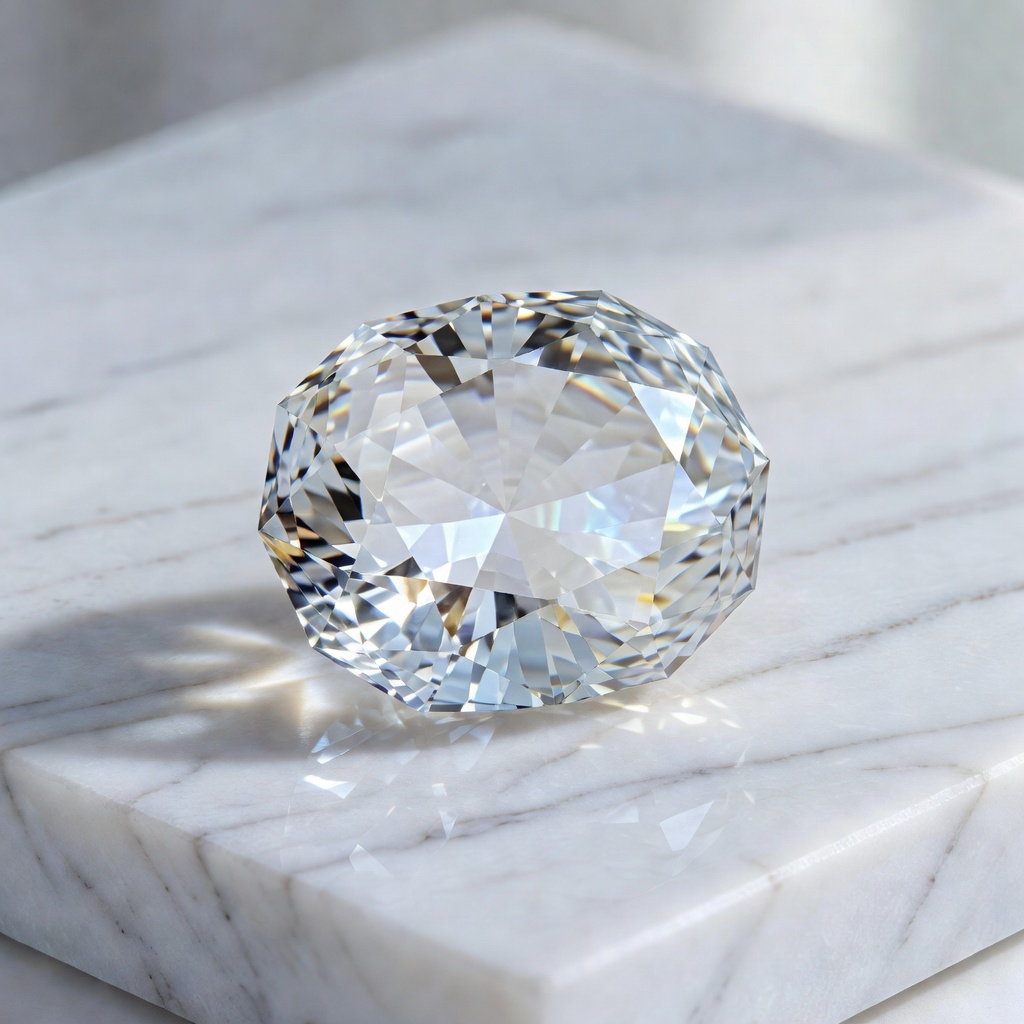
Introduction to Goshenite: The Colorless Beryl
Goshenite represents the purest form of the beryl mineral family, distinguished by its complete absence of color-causing trace elements that tint its cousins emerald, aquamarine, and morganite. This pristine, colorless beryl derives its name from Goshen, Massachusetts, where gemologists first identified significant deposits during the early nineteenth century, forever linking this transparent gemstone to the historic mining town. Unlike its more famous siblings that owe their hues to chromium, iron, or manganese impurities, goshenite maintains a crystal-clear appearance that has earned it the nickname "mother of gemstones" in ancient lapidary texts, suggesting it serves as the foundational essence from which all colored beryl varieties emerge. For collectors and jewelry enthusiasts seeking a white beryl gemstone that embodies purity and sophistication, goshenite offers a compelling alternative to traditional colorless stones while maintaining the prestigious beryl lineage.
Historical records indicate that goshenite meaning has evolved significantly since its discovery, transitioning from a scrying tool for medieval diviners to a modern symbol of clarity and truth. Renaissance scholars believed that goshenite crystals could reveal hidden knowledge and provide windows into the future, often fashioning them into crystal balls for mystical practices. Today, gemologists appreciate goshenite not only for its aesthetic appeal but also for its geological significance, as studying these colorless specimens helps scientists understand the ideal formation conditions of the beryl mineral group without chromatic interference. When examining high-quality goshenite specimens, one observes a brilliance and transparency that rivals more expensive gemstones, making it an excellent choice for those who appreciate the subtle elegance of pure, unadulterated mineral beauty.
Physical and Chemical Properties of Goshenite
Understanding goshenite properties requires examining both its chemical composition and physical durability, which distinguish it as a remarkably resilient gemstone suitable for various jewelry applications. Goshenite crystallizes in the hexagonal system with the chemical formula Be3Al2Si6O18, containing beryllium aluminum cyclosilicate arranged in a structure that allows exceptional transparency when free from inclusions. With a Mohs hardness rating ranging between 7.5 and 8, this white beryl gemstone resists scratching better than quartz but requires slightly more protection than corundum or diamond, making it appropriate for daily wear with proper setting considerations. The specific gravity typically falls between 2.66 and 2.70, contributing to a substantial feel when held, while the refractive index of 1.566 to 1.602 creates noticeable brilliance though with slightly less fire than diamond.
The optical characteristics of goshenite contribute significantly to its performance in jewelry settings, displaying a vitreous luster that enhances its colorless appearance under various lighting conditions. Gem cutters often exploit the stone's dichroic properties, though subtle, to maximize light return and minimize windowing effects that can plague poorly proportioned gems. Natural goshenite specimens occasionally display interesting internal features such as liquid inclusions or growth tubes, which, while potentially reducing clarity grades, provide gemologists with valuable information about the geological conditions present during formation. When selecting goshenite for fine jewelry, consider that stones with excellent clarity and precision cutting will exhibit performance comparable to more expensive colorless gems, offering substantial value for budget-conscious consumers seeking large, eye-clean stones.
Goshenite Meaning, Symbolism and Historical Significance
The goshenite meaning extends far beyond its physical characteristics, encompassing rich symbolic traditions that span multiple cultures and historical periods. Ancient civilizations associated this colorless beryl with purity of intention, absolute truth, and crystalline clarity of thought, often presenting goshenite crystals to diplomatic envoys as tokens of honest negotiation and transparent dealings. Medieval European mystics utilized goshenite for scrying practices, believing that the stone's pristine transparency created a portal for receiving visions and accessing higher wisdom, a tradition that persisted through the Victorian era when gentlemen carried goshenite-topped walking sticks as symbols of integrity. In contemporary metaphysical practices, goshenite represents sincerity in communication and serves as a reminder to speak truth while maintaining mental clarity during challenging conversations.
Spiritual practitioners often connect goshenite to the crown chakra, the energy center associated with higher consciousness, spiritual connection, and enlightenment. Meditation guides recommend holding goshenite during visualization exercises to enhance mental focus and eliminate distracting thoughts, suggesting that the stone's crystalline structure resonates with the mind's desire for order and clarity. Historical texts from the Ayurvedic tradition mention colorless beryl as a stone capable of purifying the aura and removing energetic blockages that prevent authentic self-expression. Whether worn as jewelry or used in crystal healing layouts, goshenite continues to symbolize the pursuit of truth and the removal of illusions, making it particularly meaningful for individuals undergoing significant life transitions or seeking to align their actions with their highest values.
Healing Properties and Metaphysical Benefits
Advocates of crystal healing attribute numerous goshenite healing properties to this pristine gemstone, particularly regarding cognitive function and emotional equilibrium. Practitioners suggest placing goshenite on the forehead during study sessions or important decision-making processes to enhance mental clarity, improve analytical thinking, and sharpen concentration abilities, making it popular among students and professionals facing complex challenges. The stone's association with clear communication extends to emotional healing, where therapists may recommend goshenite for clients struggling with anxiety, stress, or the inability to express authentic feelings, believing that the gem promotes calmness and rational perspective during emotional turbulence. Regular meditation with goshenite reportedly facilitates spiritual awakening by quieting mental chatter and opening channels to higher guidance, particularly when placed at the crown of the head or held in the dominant hand during contemplative practices.
Physical healing traditions link goshenite to the nervous system and brain function, suggesting that wearing this gemstone may support neural health and cognitive processing. Some alternative medicine practitioners position goshenite near the temples to alleviate headaches or tension related to mental strain, while others incorporate the stone into layouts designed to balance the left and right hemispheres of the brain. Case studies from crystal therapy practitioners indicate that individuals working with goshenite often report improved sleep quality when placing the stone under their pillows, attributing this effect to the gem's purported ability to quiet obsessive thoughts and promote mental rest. While these metaphysical properties lack scientific verification, the psychological benefits of using goshenite as a focal point for mindfulness and intention-setting provide tangible value for many users seeking natural stress management tools.
Goshenite vs Other Beryl Varieties
Comparing colorless beryl to its colored cousins reveals fascinating distinctions that impact both aesthetic appeal and practical applications in jewelry design. Unlike emerald, which typically contains abundant inclusions and internal fractures that gemologists call "jardin," high-quality goshenite generally exhibits exceptional clarity and transparency due to the absence of chromium and vanadium that both color and stress the emerald crystal structure. Aquamarine, the blue to blue-green variety of beryl, shares goshenite's tendency toward relative clarity but differs significantly in value factors, with intense blue hues commanding premium prices while goshenite offers affordability regardless of size. Morganite and heliodor, the pink and yellow beryl varieties respectively, appeal to consumers seeking colored gemstones, whereas goshenite attracts those preferring the timeless elegance of colorless stones that coordinate with any wardrobe or occasion.
From a gemological perspective, goshenite provides unique advantages for jewelry applications where consistency and neutrality take precedence over dramatic color. While emerald requires protective settings due to its brittle nature and frequent inclusions, goshenite's typically cleaner structure allows for more delicate prong settings and intricate designs without compromising durability. Collectors appreciate that goshenite specimens often grow larger than emeralds of comparable quality, offering the opportunity to own substantial, museum-quality crystals at accessible price points. When selecting between beryl varieties, consider that goshenite offers the purest expression of the mineral's inherent optical properties, unmodified by chromophores, allowing observers to appreciate the fundamental beauty of the beryl crystal structure itself.
Goshenite Value, Quality Factors and Pricing
Determining accurate goshenite value requires understanding the specific quality factors that influence market pricing, which differ somewhat from those applied to colored gemstones. Clarity stands paramount in valuing this colorless beryl, with eye-clean specimens devoid of visible inclusions commanding significantly higher prices than those containing internal characteristics, unlike emerald where inclusions are accepted as natural fingerprints. Cut quality dramatically affects a goshenite's brilliance and light performance, with precision-cut stones displaying optimal proportions, symmetry, and polish selling at premiums of 50% or more above commercial-grade cuts that may exhibit windowing or extinction. Carat weight influences pricing exponentially rather than linearly, as large goshenite crystals over five carats with excellent clarity remain relatively rare compared to smaller specimens, creating substantial price jumps at significant weight thresholds.
Current market prices for goshenite range widely based on quality grades, with commercial-grade stones suitable for fashion jewelry typically selling between $20 to $100 per carat, while fine-quality specimens with exceptional clarity and cutting may command $200 to $500 per carat or more. Untreated goshenite receives higher valuations than heated or clarity-enhanced stones, though treatments are less common for colorless beryl than for emerald or aquamarine. When assessing goshenite vs diamond pricing, consumers discover that goshenite offers remarkable value, providing larger, cleaner stones at a fraction of diamond costs while maintaining impressive brilliance and durability for daily wear. Investment-minded collectors should seek documentation of origin when possible, as specimens from classic localities such as Goshen, Massachusetts, or specific Brazilian mines may carry premiums due to collectible provenance beyond their intrinsic gemological value.
Goshenite in Jewelry: Styles and Settings
The resurgence of alternative engagement rings has positioned the white beryl gemstone as an increasingly popular diamond substitute for couples seeking unique symbols of their commitment. Goshenite engagement rings offer brilliant sparkle and colorless elegance at accessible price points, allowing buyers to select larger center stones or more elaborate settings than budget constraints might permit with diamond options. When designing goshenite jewelry, platinum and white gold settings enhance the stone's icy, colorless appearance, while yellow or rose gold create vintage-inspired contrasts that highlight the gem's transparency and light performance. Protective settings such as bezels or partial bezels prove particularly appropriate for goshenite rings worn daily, safeguarding the stone's edges and pavilion from accidental impacts that could cause chipping.
Round brilliant and oval cuts maximize goshenite's natural brilliance, though emerald cuts showcase the stone's clarity and transparency particularly effectively, creating hall-of-mirrors effects that emphasize the gem's purity. For formal occasions, goshenite pairs elegantly with diamonds in halo settings or accent configurations, while solitaire pendants and stud earrings provide versatile options suitable for both professional environments and casual wear. Brides seeking coordinated wedding sets find that goshenite complements various metal colors and can be reset or updated as anniversary gifts without the substantial financial investment required for diamond upgrades. When selecting goshenite for significant jewelry pieces, prioritize stones with excellent symmetry and polish grades, as these cutting elements most significantly impact the visual performance that makes this colorless beryl so appealing.
How to Identify Genuine Goshenite
Accurate identification of natural goshenite requires familiarity with both visual characteristics and professional testing methods that distinguish genuine stones from synthetics and simulants. Natural goshenite typically exhibits subtle growth patterns, possible liquid feathers, or tiny crystal inclusions visible under 10x magnification, whereas synthetic hydrothermal beryl may appear suspiciously clean or display curved growth lines not found in natural specimens. Common simulants including white sapphire, zircon, and even glass can mimic goshenite's appearance, though trained observers notice differences in brilliance patterns, with goshenite displaying softer luster than diamond but greater dispersion than quartz. When examining a potential goshenite purchase, inspect the stone under various lighting conditions, noting that natural beryl typically shows subtle doubling of back facets when viewed through the table, a characteristic not present in singly refractive simulants like spinel or glass.
Professional gemological laboratories utilize refractometers to measure the precise refractive index range of 1.566-1.602 that confirms beryl identity, while spectroscopic analysis can detect chemical signatures unique to natural formation processes. Specific gravity testing provides additional confirmation, as goshenite sinks in heavy liquids of 2.65 specific gravity while many quartz simulants float. When considering significant goshenite purchases, always request certification from reputable laboratories such as GIA (Gemological Institute of America) or AGS (American Gem Society), which document the stone's natural origin, dimensions, and any treatments applied. For consumers comparing goshenite vs diamond options, remember that while both may appear colorless, diamond's superior hardness and distinct optical properties including higher dispersion create noticeably different visual effects that experienced gemologists can identify instantly.
Care and Maintenance Best Practices
Maintaining the pristine appearance of goshenite jewelry requires consistent care routines that acknowledge the stone's 7.5 to 8 Mohs hardness rating while protecting it from harder materials and harsh chemicals. Clean your goshenite pieces using a solution of mild dish soap and lukewarm water, gently scrubbing with a soft-bristled toothbrush to remove accumulated oils and debris from setting prongs and the stone's pavilion facets. Avoid ultrasonic and steam cleaners, particularly if your goshenite contains visible inclusions or fractures, as the vibrations and thermal shock could potentially damage weakened areas of the crystal structure. After cleaning, rinse thoroughly with fresh water and pat dry using a lint-free microfiber cloth to prevent water spots from marring the stone's surface.
Proper storage prevents accidental scratching and damage to your goshenite collection; always store pieces separately from harder gemstones like diamonds, rubies, or sapphires that could scratch the beryl surface if jostled together in a jewelry box. Consider storing goshenite rings and pendants in individual soft pouches or compartmentalized trays lined with fabric to maintain polish and prevent chipping. Remove goshenite jewelry before engaging in household cleaning, gardening, or sports activities, as exposure to chlorine, acids, or impact trauma can damage both the stone and its setting. Schedule professional inspections every six to twelve months, allowing a jeweler to check for loose prongs, worn mountings, or chips that may require repolishing or resetting to ensure your goshenite remains secure and beautiful for generations.
Buying Guide: Where to Purchase Quality Goshenite
Navigating the gemstone market to buy goshenite requires research and vigilance to ensure authentic, fairly priced specimens from reputable sources. Specialized colored stone dealers and established online retailers with specific beryl expertise typically offer the best selections of high-quality goshenite, providing detailed photographs, certification options, and return policies that protect consumer interests. When evaluating potential sellers, examine their reputation through independent review sites, professional affiliations with organizations like the American Gem Trade Association, and transparency regarding sourcing practices and treatment disclosures. Red flags indicating potential scams include prices significantly below market value, vague descriptions regarding origin or treatment, and sellers who resist providing detailed photographs or third-party laboratory certification.
Before finalizing any goshenite purchase, prepare specific questions regarding the stone's geographic origin, whether it has undergone heat treatment or clarity enhancement, and the specific dimensions and weight rather than relying solely on carat estimates. Ethical sourcing considerations increasingly influence purchasing decisions, so inquire about conflict-free guarantees and fair mining practices, particularly for stones originating from regions with challenging labor practices. For investment-grade purchases, prioritize stones accompanied by reports from GIA, AGS, or Gübelin laboratories that verify natural origin and document any treatments. Building relationships with trusted gem dealers who specialize in beryl varieties often yields access to superior specimens not listed publicly, including rare large crystals or historically significant pieces from depleted mines like the original Goshen locality.
Frequently Asked Questions About Goshenite
What exactly is Goshenite and how does it differ from diamond?
Goshenite is the colorless, transparent variety of beryl, chemically identical to emerald but without trace elements causing color. While it resembles diamond visually, goshenite has a lower hardness (7.5-8 vs 10) and different optical properties, offering a more affordable alternative with excellent clarity.
Is Goshenite considered a rare and valuable gemstone?
Goshenite is relatively rare compared to other beryl varieties, though less expensive than emerald. High-quality specimens with exceptional clarity over one carat command premium prices, but generally, goshenite offers excellent value for those seeking large, eye-clean colorless stones.
What are the primary healing properties associated with Goshenite?
Goshenite is believed to enhance mental clarity, improve focus, and promote honest communication. It's associated with the crown chakra and is used to reduce stress, support meditation, and encourage truthfulness in relationships and self-reflection.
How should I clean and care for my Goshenite jewelry?
Clean goshenite using warm water, mild dish soap, and a soft brush. Avoid ultrasonic cleaners if the stone has inclusions. Store separately from harder gemstones like diamonds to prevent scratching, and remove during heavy physical activities or exposure to harsh chemicals.
Can Goshenite be used as a diamond alternative for engagement rings?
Yes, goshenite makes an excellent diamond alternative due to its high clarity, brilliant luster, and colorless appearance. With a hardness of 7.5-8, it's durable enough for daily wear, though it requires slightly more care than diamond to prevent scratches over time.
Where does Goshenite get its name from?
Goshenite is named after Goshen, Massachusetts, where the first significant deposits of this colorless beryl were discovered in the early 19th century. It has since been found in various locations worldwide including Brazil, Pakistan, and Madagascar.
How can I tell if my Goshenite is genuine or synthetic?
Natural goshenite typically contains minor inclusions or growth patterns visible under magnification, while synthetics may appear too perfect. Professional gemological testing using refractive index measurements and spectroscopy provides definitive identification. Always request certification from reputable labs like GIA.
What is the Mohs hardness of Goshenite and is it suitable for daily wear?
Goshenite rates 7.5 to 8 on the Mohs hardness scale, making it suitable for daily wear in jewelry including rings and bracelets. However, it's softer than sapphire or diamond, so protective settings and proper care are recommended to maintain its polish and prevent surface scratches.