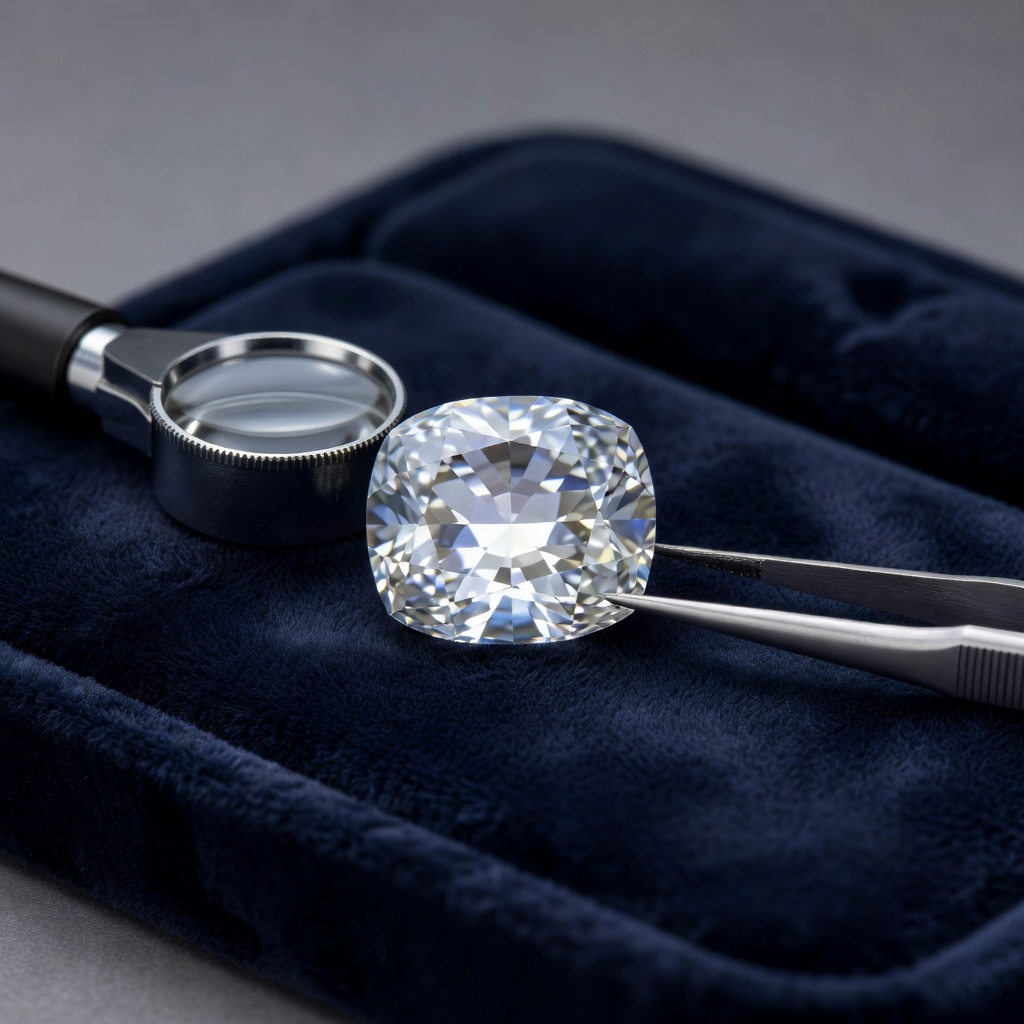
What Is Goshenite? Understanding Colorless Beryl
Goshenite represents the purest form of beryl, distinguished by its complete absence of color-causing trace elements that create the familiar green of emeralds or blue of aquamarines. This colorless beryl variety shares the same fundamental chemical composition—beryllium aluminum silicate—with its more famous cousins, yet remains relatively unknown to mainstream consumers despite its exceptional clarity and brilliance. The gemstone forms in hexagonal crystals within pegmatite deposits, developing transparency when iron, chromium, or manganese impurities are absent during the crystallization process.
The name "goshenite" originates from Goshen, Massachusetts, where this variety was first identified in the mid-19th century, though fine specimens have since been discovered across multiple continents. Unlike emeralds, which are valued specifically for their inclusions (known as jardins), or aquamarines prized for their seawater hues, natural goshenite achieves its worth through optical purity and the absence of visual characteristics. This makes it one of the most challenging beryl varieties to source in fine quality, as most beryl crystals contain at least trace amounts of coloring agents, rendering truly colorless material significantly rarer than many collectors realize.
When examining rough goshenite crystals, gemologists look for exceptional transparency that allows light to pass through without the milky or hazy appearance common in lower-quality beryl. The crystal structure itself contributes to the stone's performance, with well-formed specimens displaying the dichroism and pleochroism typical of the beryl family, though these optical phenomena manifest subtly in the colorless variety. For buyers seeking a white beryl gemstone with historical significance and mineralogical purity, goshenite offers a compelling alternative to more common transparent stones, provided they understand the specific quality markers that distinguish fine specimens from commercial-grade material.
Essential Quality Factors in Any Goshenite Buying Guide
Evaluating goshenite requires understanding how the absence of color actually amplifies the importance of other quality factors, particularly clarity and cut precision. Unlike colored gemstones where hue saturation can mask minor inclusions, this colorless beryl variety offers no hiding places for imperfections, making clarity the primary determinant of value. Fine goshenite should appear "eye-clean," meaning no visible inclusions when examined at a distance of six inches under normal lighting conditions, while investment-grade specimens demand "loupe-clean" status—flawless appearance even under ten-power magnification.
Color evaluation in goshenite focuses specifically on neutrality rather than saturation. The finest specimens display pure transparency without the yellowish tints that suggest iron contamination or grayish tones indicating structural defects. When viewing potential purchases, examine the stone against a pure white background under natural daylight-equivalent lighting; any deviation from water-clear appearance should significantly reduce the price per carat. Master cutters often orient goshenite crystals to minimize any faint color zoning, though truly fine material shows no directional color variation whatsoever.
Cut quality becomes paramount in maximizing the brilliance of this white beryl gemstone, as improper angles can create "windowing" (areas where light passes straight through without reflecting) or "extinction" (dark lifeless patches). Seek stones with precise facet alignment and symmetry that create consistent brightness across the entire crown surface. Carat weight affects availability disproportionately in goshenite; while one to two-carat stones appear regularly in the market, specimens exceeding five carats with true colorlessness and eye-clean clarity command significant premiums due to the rarity of large, pure beryl crystals.
Practical Tips for Quality Assessment
When examining loose goshenite, perform the "newspaper test" by placing the stone text-down over printed material; high-quality gems will magnify the text sharply without distortion or color fringing. For mounted stones, tilt the jewelry under a single light source—fine goshenite will display uniform brilliance without dead spots or visible inclusions catching the light. Always request examination of the stone unmounted if possible, as prongs can hide fractures or chips near the girdle edge.
Geographic Origins and Rarity Factors
The geographical provenance of natural goshenite significantly influences both its availability and desirability among collectors, with certain localities producing material recognized for superior clarity and size. Pakistan's northern territories, particularly the Skardu region, currently yield the finest contemporary specimens, producing crystals with exceptional transparency and sizes suitable for significant faceted gems. Brazilian deposits, specifically those in Minas Gerais, have historically provided substantial quantities of beryl, though truly colorless material represents a small fraction of overall production, often requiring careful selection from parcels dominated by pale aquamarine or golden beryl.
Colombian mines, famous for producing the world's finest emeralds, occasionally yield rare goshenite as colorless byproducts of emerald mining, typically displaying the same exceptional clarity characteristics that make Colombian emeralds desirable. Afghan deposits, particularly those in the Nuristan region, have emerged as sources of fine crystalline material, though political instability often disrupts supply chains. These mining challenges contribute significantly to goshenite's market scarcity; unlike diamonds or sapphires with established industrial mining operations, goshenite recovery remains largely incidental to other gemstone mining, with no dedicated commercial mines targeting this specific variety.
The distinction between commercial and museum-quality specimens often depends on origin-specific characteristics. Pakistani goshenite frequently exhibits exceptional water-clear transparency with minimal inclusions, making it ideal for precision cutting, while Brazilian material sometimes displays a subtle "sleepiness" caused by microscopic inclusions that actually enhance the stone's glow in certain lighting conditions. Savvy collectors often seek documented provenance, as stones from depleted or inaccessible localities carry premiums beyond their intrinsic beauty, representing specific chapters in mineralogical history that cannot be replicated.
Goshenite vs Diamond: Making an Informed Choice
The comparison between goshenite and diamond represents one of the most relevant considerations for modern buyers seeking transparent center stones, particularly those prioritizing ethical sourcing and budget consciousness. While both gems offer brilliant transparency, their optical properties diverge significantly; diamonds possess a refractive index of 2.42 compared to goshenite's 1.57-1.60, meaning diamonds display more "fire" or spectral color dispersion. However, well-cut goshenite exhibits a pleasing, soft brilliance distinct from diamond's intense scintillation, creating an aesthetic some buyers prefer for its subtlety and vintage appeal.
Hardness differences present the most practical distinction between these stones, with diamond ranking 10 on the Mohs hardness scale while goshenite measures 7.5-8. This disparity affects long-term wearability; while goshenite resists scratching from everyday materials like household dust (quartz, hardness 7), it remains vulnerable to damage from harder gemstones and sharp impacts. For engagement rings intended for daily wear, this white beryl gemstone requires protective settings and more mindful wearing habits than diamond, though it remains harder than many popular alternatives including opal, pearl, and tanzanite.
The value proposition strongly favors goshenite for budget-conscious buyers, with equivalent sizes often costing one-tenth to one-twentieth the price of comparable diamonds. This price differential allows purchasers to acquire significantly larger stones or invest in elaborate custom settings while maintaining reasonable budgets. Ethical considerations also favor goshenite, as the stone's limited commercial mining typically involves small-scale operations with lower environmental impact than industrial diamond extraction, and the absence of synthesized goshenite flooding the market means buyers face less risk of misrepresentation regarding natural origin.
Case Study: The Eco-Conscious Bride
A recent trend among environmentally aware consumers involves selecting goshenite for engagement rings specifically to avoid the carbon footprint associated with diamond mining and the energy-intensive production of lab-grown alternatives. One notable example involved a three-carat Pakistani goshenite set in recycled platinum, creating a visually striking piece with documented ethical provenance from mine to market, demonstrating how this rare beryl variety satisfies both aesthetic and philosophical requirements.
How to Evaluate Cut and Optical Performance
Maximizing the beauty of goshenite demands cutting precision that accounts for the material's moderate refractive index and specific gravity. Unlike diamonds that can tolerate slight cutting deviations due to their extreme brilliance, this colorless beryl requires exacting proportions to achieve optimal light return. Round brilliant cuts generally perform best for goshenite, with ideal table percentages between 53-58% and depth percentages of 60-64% creating the most balanced appearance between brilliance and face-up size. These specifications ensure light enters the stone, reflects off the pavilion facets, and returns to the eye rather than leaking through the bottom.
Step cuts, particularly emerald and asscher styles, offer elegant alternatives that emphasize goshenite's clarity and create sophisticated "hall of mirrors" effects. However, these cutting styles mercilessly reveal any inclusions or clarity defects, demanding only the finest material. When evaluating step-cut goshenite, examine the stone face-up to ensure the facets create uniform reflections without windowing; the center of the stone should display the same brightness as the edges, indicating proper pavilion depth.
Windowing and extinction present the primary cutting flaws to avoid when selecting goshenite. Windowing appears as see-through areas where light passes directly through the stone without reflection, creating dead zones that reveal the background beneath the gem. Extinction manifests as dark, lifeless patches caused by overly steep pavilion angles that trap light internally. Both defects indicate cutting optimized for weight retention rather than beauty, and buyers should reject stones displaying these characteristics regardless of attractive pricing.
Symmetry and Polish Standards
Symmetry in goshenite cutting directly impacts the stone's ability to return light evenly; misaligned facets create uneven brightness and reduced scintillation. Examine the stone under magnification to ensure meeting points align precisely and facet edges remain straight. Polish quality deserves particular attention, as goshenite's transparency reveals polishing lines or surface scratches that would remain hidden in opaque or heavily included gems. Fine specimens should display mirror-like surface reflection without drag lines or pitting.
Understanding Goshenite Price Per Carat
Current market pricing for goshenite reflects the stone's position as a niche collector's item rather than a mass-market commodity, creating significant value variations based on quality parameters. Commercial-grade material, typically featuring slight inclusions visible to the naked eye or faint color tints, trades between $50 and $150 per carat. Fine quality stones with eye-clean clarity, pure colorlessness, and good cutting command $200 to $400 per carat, while exceptional specimens exceeding five carats with loupe-clean clarity and precision cutting can reach $500 to $800 per carat or higher at specialist auctions.
Size premiums affect goshenite pricing non-linearly due to the geological rarity of large, inclusion-free beryl crystals. While a one-carat fine goshenite might retail for $200 per carat, an equivalent-quality ten-carat stone could command $600 per carat or more, reflecting the exponential difficulty in sourcing large clean material. This pricing structure differs significantly from diamonds, where size premiums follow more predictable curves based on established industrial mining, whereas goshenite availability depends entirely on chance discoveries within pegmatite deposits.
Investment potential for goshenite remains speculative but promising for specific categories of material. Collector-grade specimens from renowned localities with documented provenance show steady appreciation, particularly as Pakistani and Afghan sources face increasing extraction difficulties. However, commercial-grade material lacks strong investment characteristics, serving better as affordable jewelry components than wealth preservation vehicles. Buyers should prioritize exceptional clarity and cutting over sheer carat weight when considering value retention, as these factors determine desirability within the specialized collector community that drives this market.
Where to Buy Goshenite: Trusted Sources and Red Flags
Acquiring fine goshenite requires navigating a marketplace significantly less structured than the diamond or colored stone mainstream, necessitating careful vendor selection and verification protocols. Established online dealers specializing in rare beryl varieties offer the broadest selection, with vendors like GemSelect, The Gem Trader, and AfricaGems maintaining inventories of certified natural goshenite with detailed photography and spectroscopic analysis. These specialists typically provide essential services including origin disclosure, treatment information, and return privileges that general jewelry retailers cannot match.
Physical acquisition options include the Tucson Gem and Mineral Show, Denver Gem Show, and specialized colored stone dealers in major metropolitan areas like New York's 47th Street or Bangkok's Silom district. These venues allow direct examination of optical performance, crucial for assessing cutting quality and clarity characteristics that photography cannot fully capture. When purchasing in person, bring a 10x loupe and portable light source to examine stones for inclusions and cutting precision before negotiation.
Red flags in the goshenite market include pricing significantly below market rates (suggesting synthetic material or glass), vendors unable to provide specific origin information, and stones described as "white beryl" without clarity specifications. Be particularly wary of material from unknown sources selling for under $30 per carat, as this likely indicates lead glass fillers or synthetic hydrothermal beryl misrepresented as natural. Always verify that sellers provide independent laboratory certification from recognized institutions rather than in-house "guarantees" lacking scientific backing.
Questions for Potential Sellers
Before purchasing, ask specific questions: "Has this stone received any heat treatment or clarity enhancement?" "Can you provide a GIA, AGL, or Gübelin report verifying natural origin?" "What is your return policy if independent verification contradicts your description?" Reputable dealers welcome these inquiries and provide documentation; evasive responses indicate potential misrepresentation.
Certification, Treatments, and Authentication
Independent laboratory certification provides essential protection when investing in natural goshenite, as visual identification of treatments or synthetics requires sophisticated equipment unavailable to most consumers. The Gemological Institute of America (GIA), American Gemological Laboratories (AGL), and GemResearch Swisslab (GRS) offer reliable reports confirming beryl variety, natural versus synthetic origin, and detection of common treatments. These certificates should specifically state "Natural Beryl, Variety Goshenite" and note any detected enhancement procedures.
Heat treatment represents the most common enhancement for goshenite, occasionally applied to remove subtle greenish or bluish tints and improve color neutrality. While heat treatment does not significantly affect durability, untreated material commands premiums of 20-30% among collectors and should be explicitly labeled as such. Detection requires infrared spectroscopy to identify structural changes in water molecule arrangements within the crystal lattice, making laboratory analysis essential for high-value purchases.
Distinguishing natural goshenite from synthetic hydrothermal beryl demands examination of growth features and inclusion patterns. Natural stones typically display "feather" inclusions composed of liquid and gas, growth tubes parallel to the c-axis, or two-phase inclusions, while synthetic material often shows characteristic "chevron" growth zoning or nail-head spicules. Advanced testing including Raman spectroscopy and ultraviolet fluorescence analysis provides definitive identification, though experienced gemologists can often make preliminary distinctions using immersion microscopy to reveal growth structures invisible to standard loupe examination.
Jewelry Settings and Design Considerations
Designing jewelry with goshenite requires acknowledging its specific durability characteristics while maximizing its optical advantages as a colorless beryl. Protective settings become essential for rings intended for regular wear, with bezels and halo designs offering superior protection compared to exposed prong settings. Full bezel settings encircle the girdle with metal, preventing edge chipping during impacts, while partial bezels or robust six-prong configurations provide compromise solutions that maintain light exposure while offering structural security.
Metal selection significantly affects the visual presentation of this white beryl gemstone, with 18-karat white gold or platinum creating seamless color continuity that emphasizes the stone's purity. Yellow or rose gold settings create striking contrast effects reminiscent of vintage jewelry, though they require careful consideration of the goshenite's color neutrality; any faint yellow tint in the stone becomes exaggerated against yellow metal, while pure white material achieves stunning contrast. For engagement rings, consider pairing goshenite with diamond accent stones in pavé settings, creating complementary brilliance patterns that highlight the center stone's size advantage while providing durable protection at the ring's edges.
Occasion-appropriate design choices extend beyond engagement applications. Goshenite excels in earrings and pendants where impact risk remains minimal, allowing delicate prong settings that maximize light exposure from multiple angles. Cocktail rings featuring goshenite center stones should incorporate elevated galleries that protect the pavilion point while allowing cleaning access. Custom designs offer opportunities to incorporate specific symbolic elements or birthstone combinations, with goshenite serving as the April birthstone alternative for those seeking diamond's colorless aesthetic with distinct mineralogical identity.
Care and Maintenance for Long-Term Beauty
Maintaining goshenite jewelry requires understanding its position on the hardness scale and specific vulnerabilities to household chemicals and thermal shock. While the stone resists scratching from common materials, it remains susceptible to damage from hydrofluoric acid found in some rust removers and from abrupt temperature changes that can cause thermal shock fracturing. Standard cleaning involves warm water with mild dish soap and a soft brush, avoiding ultrasonic cleaners that can loosen stones in settings or exacerbate existing fractures through vibration.
Storage practices should isolate goshenite pieces from harder gemstones like diamonds, rubies, and sapphires that could scratch the surface during contact. Store rings, earrings, and pendants in individual soft cloth pouches or compartmentalized jewelry boxes, ensuring that the girdle edges—particularly vulnerable to chipping—do not contact metal findings or other stones. For pieces worn regularly, professional inspection every six months allows jewelers to check prong tightness and setting integrity, preventing stone loss through metal fatigue.
Daily wear considerations include removing goshenite rings during household cleaning, gardening, gym activities, and swimming (chlorine exposure). While the stone withstands normal handwashing, repeated exposure to harsh soaps can create buildup in settings that dull the stone's brilliance. Apply lotions, perfumes, and hairsprays before donning goshenite jewelry, as these products can create film layers that reduce transparency and require professional cleaning to remove completely.
Frequently Asked Questions
What is goshenite and why is it considered rare?
Goshenite is the colorless, transparent variety of the mineral beryl, sharing the same chemical composition as emerald and aquamarine but without trace elements that cause color. It's considered rare because most beryl crystals contain impurities that create color; pure, inclusion-free crystals large enough for cutting are uncommon finds in nature.
How does goshenite compare to diamond for engagement rings?
While goshenite offers similar brilliant transparency to diamond at a fraction of the cost, it's softer (7.5-8 Mohs hardness vs. diamond's 10) and less durable for daily wear. Goshenite requires more protective settings and care, making it better suited for occasional wear or pendant designs rather than high-impact rings, though it remains an ethical and affordable alternative.
What should I look for when buying goshenite gemstones?
Prioritize eye-clean clarity without visible inclusions, pure colorless appearance without yellow or gray tints, and precision cutting that maximizes brilliance. Look for stones with excellent polish and symmetry, and always request certification from reputable labs like GIA to confirm natural origin and absence of treatments.
How much does goshenite cost per carat?
Goshenite typically ranges from $50 to $200 per carat for commercial quality, while fine specimens with exceptional clarity and cutting can command $300 to $500+ per carat. Large stones over 5 carats with top clarity are significantly rarer and may carry substantial premiums due to collector demand.
Is goshenite durable enough for everyday jewelry?
With a hardness of 7.5-8 on the Mohs scale, goshenite is durable enough for careful daily wear but requires protection from hard knocks and abrasive surfaces. It's suitable for earrings and pendants, while rings should feature protective settings like bezels and be removed during activities that risk impact.
How can I tell if my goshenite is natural or synthetic?
Natural goshenite typically contains characteristic inclusions like liquid feathers or growth tubes visible under magnification, while synthetic hydrothermal beryl often shows chevron patterns or nail-head spicules. Professional gemological testing and certification from labs like GIA or AGL provide definitive authentication.
What are the best cuts for maximizing goshenite's beauty?
Brilliant cuts (round, oval, cushion) maximize the stone's dispersion and light return, while step cuts (emerald cut) emphasize clarity and create elegant, mirror-like flashes. Avoid overly deep or shallow cuts that cause windowing (see-through areas) or reduce brilliance.
Where are the best places to buy certified goshenite?
Purchase from established gemstone dealers specializing in colored stones, reputable online vendors with detailed photography and return policies, or certified gem shows where you can examine stones in person. Always verify seller credentials, demand independent lab certification, and avoid deals that seem too good to be true.