Why Proper Garnet Care and Cleaning Matters
Maintaining the fiery brilliance of your garnet jewelry requires more than occasional attention; it demands a consistent approach to Garnet Care and Cleaning that preserves the gemstone's natural beauty for generations. When properly maintained, these January birthstones retain their deep, captivating hues and vitreous luster that first caught your eye, whether set in antique Victorian rings or contemporary statement pieces. Neglect, however, leads to accumulated grime that dulls the stone's fire, potentially obscuring the very characteristics that make each garnet unique. Consider the case of a family heirloom almandine garnet brooch passed down through three generations—its continued radiance stems entirely from meticulous maintenance routines that prevented the buildup of oils and environmental contaminants that typically dim lesser-cared-for pieces.
Beyond aesthetics, proper garnet gemstone care serves as a financial safeguard against costly repairs or complete stone replacement. Regular inspection and gentle cleaning prevent the gradual loosening of settings that often results in devastating losses, particularly for prong-set rings subjected to daily wear. A loose stone caught early during a weekly inspection costs nothing to secure, whereas replacing a lost tsavorite or demantoid garnet represents a significant investment. Furthermore, appropriate cleaning techniques protect not just the gemstone but also the metal setting—whether gold, silver, or platinum—from corrosive substances and premature wear that compromise structural integrity.
Understanding Your Garnet: Durability and Vulnerabilities
Before implementing any maintenance routine, understanding the physical properties of your specific garnet variety ensures you provide appropriate protection without inadvertently causing damage. Most garnets rank between 6.5 and 7.5 on the Mohs hardness scale, making them sufficiently durable for regular jewelry wear yet vulnerable to scratching from harder materials like diamonds, sapphires, and even household dust containing silica particles. This moderate hardness means that while your garnet ring can withstand daily activities, contact with harder gemstones in a shared jewelry box creates significant scratch risks that permanently mar the surface.
The garnet family encompasses several distinct varieties, each presenting unique care considerations based on chemical composition and typical inclusion patterns. Almandine and pyrope garnets, commonly found in red hues, generally offer better durability due to fewer internal fractures, while tsavorite (green) and demantoid (brilliant green with horsetail inclusions) varieties require gentler handling due to their brittleness. For instance, a demantoid garnet's characteristic radiating inclusions, while beautiful, create natural stress points that make the stone susceptible to chipping upon hard impact. Additionally, all garnet varieties share vulnerabilities to sudden temperature changes—such as moving from a hot car to air conditioning—which can cause thermal shock and internal fracturing, particularly in stones with existing inclusions.
Daily Garnet Care: Simple Habits for Lasting Brilliance
Establishing consistent daily habits forms the foundation of effective garnet maintenance, preventing cumulative damage that intensive cleaning cannot reverse. Always remove garnet jewelry before engaging in physical exercise, household cleaning, swimming in chlorinated pools, or applying personal care products including lotions, perfumes, and hairsprays. These substances contain chemicals and oils that adhere to the stone's surface, creating a film that diminishes brilliance while potentially etching metal settings over time. A practical example involves a client who wore her garnet engagement ring during yoga sessions; the combination of sweat, mineral salts from perspiration, and pressure against the mat gradually dulled the stone's fire within months, requiring professional polishing to restore its original sparkle.
After each wearing, gently wipe your garnet pieces with a soft, lint-free cloth—preferably microfiber or specialized jewelry cleaning cloths—to remove accumulated oils, sweat, and environmental residues before storage. This thirty-second ritual prevents the buildup that necessitates aggressive cleaning later. Additionally, implement a weekly inspection routine examining prongs, bezels, and settings under bright light to identify loose stones before they fall out. Look for bent prongs, gaps between the stone and setting, or unusual movement when lightly tapping the piece near your ear. Catching these issues early transforms potential disasters into simple, inexpensive repairs at your local jeweler.
Safe Home Cleaning Methods for Garnet Jewelry
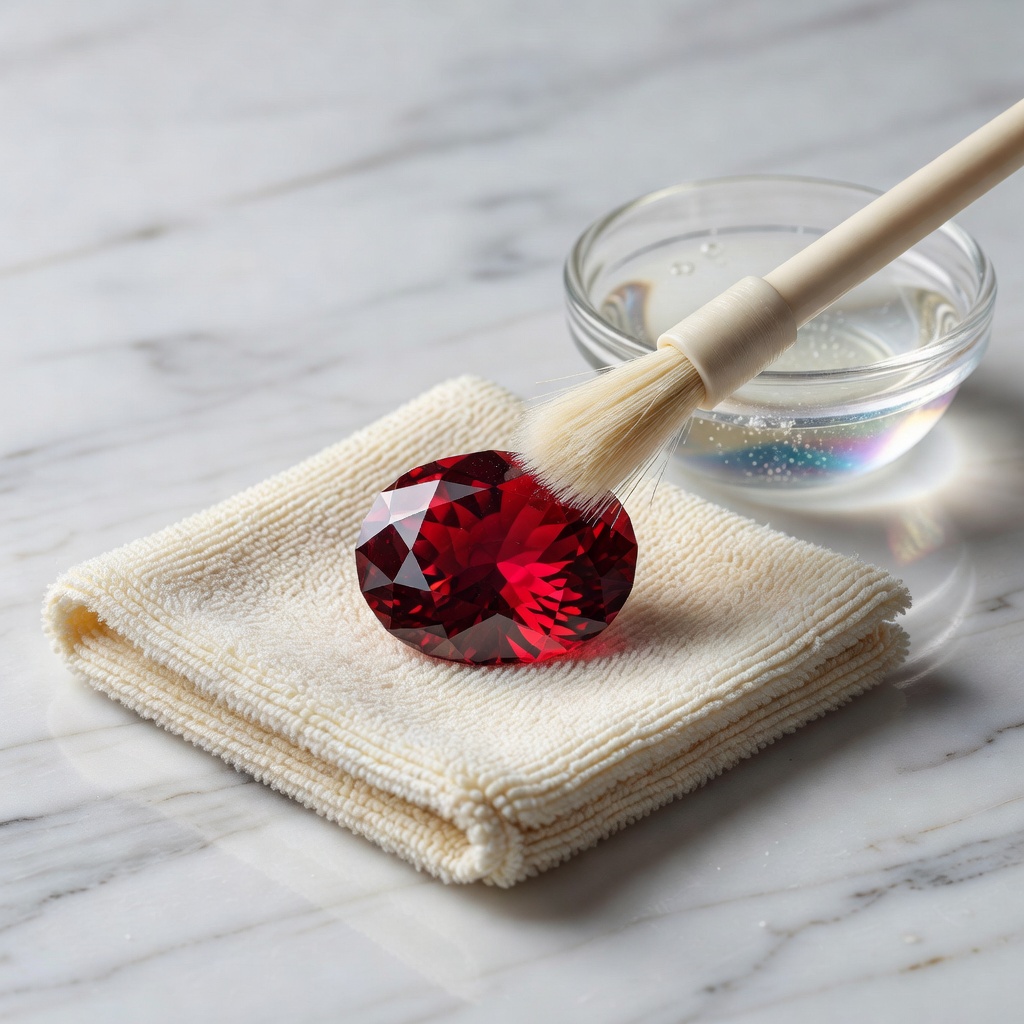
Understanding how to clean garnet jewelry safely at home empowers you to maintain brilliance between professional services without risking damage to these precious stones. Begin by creating a gentle cleaning solution using lukewarm water and mild dish soap, specifically avoiding antibacterial soaps, harsh detergents, or anything containing moisturizing agents that leave residue. Fill a small bowl with the solution—never clean directly over an open drain—and allow the jewelry to soak for approximately fifteen minutes to loosen accumulated grime and oils from skin contact and environmental exposure.
Using a soft-bristled toothbrush reserved exclusively for jewelry cleaning, gently scrub around the settings and underneath the stone where dirt typically accumulates in hard-to-reach areas. Apply minimal pressure, working in circular motions to dislodge debris without stressing the setting. For intricate vintage pieces or pavé settings, consider using a soft cosmetic brush instead to avoid snagging prongs. When rinsing, place a mesh strainer over the drain or rinse into a separate bowl to prevent catastrophic loss if a loose stone dislodges during the process. Pat the jewelry completely dry using a microfiber cloth or allow it to air dry on a soft towel, ensuring no moisture remains trapped behind the stone where it could promote metal tarnish or loosen adhesives used in certain setting styles.
Deep Cleaning Garnet Stones: When and How
While regular maintenance handles surface dirt, certain conditions necessitate deeper garnet cleaning methods to restore optimal brilliance without compromising stone integrity. Recognize the signs requiring intensive attention: visible dirt buildup in setting crevices that persists after standard cleaning, a persistent cloudy or dull appearance suggesting embedded grime, or a sticky film indicating accumulated cosmetic residues or hand creams. When these symptoms appear despite monthly maintenance, a more thorough approach becomes necessary, though caution remains paramount given garnet's specific vulnerabilities.
Despite their convenience, avoid ultrasonic cleaners for garnet jewelry as the high-frequency vibrations can expand microscopic inclusions and internal fractures, causing catastrophic cleaving or shattering of the stone. This risk proves particularly acute for demantoid and tsavorite varieties, which commonly contain natural crystal inclusions. Similarly, steam cleaning poses significant thermal shock risks unless performed by experienced professionals who can assess whether your specific garnet contains internal fractures vulnerable to rapid temperature changes. For safe deep cleaning at home, extend the soaking time to twenty minutes using the mild soap solution, followed by careful mechanical cleaning with wooden toothpicks to remove stubborn debris from setting edges, always working gently to avoid scratching metal or stone surfaces.
Garnet Care: Common Mistakes and Harmful Practices
Awareness of potentially damaging practices proves equally important as knowing proper techniques when cleaning garnet stones and maintaining their settings. Never expose garnets to bleach, ammonia, acetone, chlorine, or abrasive cleaners—these chemicals can etch the stone's surface, strip protective finishes from metal settings, and cause discoloration of both the gem and its mounting. A cautionary example involves a homeowner who soaked her garnet ring in chlorine bleach to "sanitize" it, resulting in permanent pitting of the gold setting and noticeable clouding of the gemstone's surface that required costly re-polishing and setting replacement.
Avoid wearing garnets during household chores, gardening, or manual labor where impact against hard surfaces and exposure to cleaning chemicals present constant threats. Even seemingly soft materials like garden soil contain quartz particles harder than garnet, creating scratch risks during planting activities. Furthermore, resist the temptation to use abrasive polishing compounds, hard-bristled wire brushes, or rough cloths like paper towels that can scratch the garnet's relatively soft surface. When traveling, never toss jewelry loosely into luggage or cosmetic bags where items knock against each other; instead, use dedicated jewelry rolls or individual compartments to prevent the chipping and abrasion that occurs when pieces contact keys, phones, or other hard objects.
Proper Storage: Protecting Your Garnet Jewelry
Proper garnet storage tips extend the life of your jewelry significantly by preventing damage during periods of non-use. Store each garnet piece separately in soft fabric pouches, individual jewelry box compartments lined with velvet, or acid-free tissue paper to prevent harder gemstones from scratching the garnet surface. This separation proves crucial when storing mixed gemstone pieces—a diamond earring tossed casually into a jewelry box with a garnet pendant will inevitably scar the softer stone's surface, creating permanent damage visible to the naked eye.
Include silica gel packets in your storage areas to control moisture levels, preventing tarnish on silver settings and reducing humidity that can loosen certain types of adhesives used in jewelry construction. Position garnet jewelry away from direct sunlight and heat sources such as radiators or window sills, as prolonged UV exposure may affect color stability in some treated or rare color-change varieties, while heat can dry out natural oils in certain organic inclusions. For long-term storage of heirloom pieces, consider anti-tarnish strips in sealed bags, checking quarterly to ensure settings remain secure and storage materials remain dry and clean.
When to Seek Professional Garnet Care
While home maintenance handles routine cleaning, professional intervention remains essential for comprehensive garnet gemstone care and preservation. Schedule professional cleaning and inspection annually for frequently worn pieces, particularly rings subjected to daily mechanical stress, to ensure settings remain tight and stones undamaged. Professional jewelers possess steam cleaners and ultrasonic equipment calibrated for safe use on specific garnet varieties, along with magnification tools that reveal hairline fractures or loose prongs invisible to the naked eye. During these visits, request that the jeweler check for worn prongs, thinning bands, and damaged gallery work that could lead to stone loss.
Seek immediate professional assistance upon noticing loose stones, rattling sounds when shaking the piece gently, visible damage to settings, or deep scratches requiring re-polishing. Attempting to tighten loose stones at home with pliers or glue often results in scratched stones, damaged prongs, or toxic adhesive residue that complicates professional repairs. Additionally, if your garnet suffers impact trauma—such as hitting a hard surface during a fall—have a gemologist examine it immediately for internal fractures using specialized lighting, as some damage remains hidden while compromising structural integrity, potentially leading to catastrophic failure during future wear.
Special Care for Different Garnet Varieties
Understanding the specific needs of your garnet variety allows for tailored Garnet Care and Cleaning protocols that address unique vulnerabilities. Demantoid and tsavorite garnets, prized for their brilliant green fire, demand extra gentle handling due to natural inclusions and relative brittleness compared to other varieties. These stones should never undergo ultrasonic cleaning and require protective settings—bezel or halo styles rather than exposed prong settings—to prevent chipping during daily wear. When storing demantoid pieces, wrap them individually in acid-free cotton to cushion these more delicate specimens.
Rhodolite garnets, displaying rich purple-red hues, generally offer superior durability and stability, making them ideal candidates for regular wear jewelry including engagement rings and daily bracelets. However, star garnets and color-change varieties require specialized protection from prolonged light exposure, which can fade the asterism (star effect) or alter the color-change phenomenon over time. For these rare varieties, limit cleaning to gentle wiping with damp cloths rather than soaking, and store in light-blocking jewelry boxes or pouches. Almandine and pyrope varieties, being the most common red garnets, tolerate standard cleaning methods well but still require protection from thermal shock and chemical exposure shared by all garnet family members.
Garnet Care and Cleaning: Quick Reference Checklist
Maintaining optimal garnet maintenance becomes straightforward when following established protocols based on wear frequency and stone variety. For routine care, do clean monthly using mild soap and lukewarm water, store properly in individual soft pouches away from other jewelry, inspect settings weekly for looseness or damage, and always apply lotions, perfumes, and hairsprays before wearing your jewelry rather than after. These practices preserve both the gemstone's brilliance and the structural integrity of its setting through years of enjoyment.
Conversely, do not use ultrasonic or steam cleaners on any garnet variety without professional consultation, expose stones to harsh chemicals including bleach and ammonia, wear garnets during strenuous activities or household chores, or use abrasive materials like paper towels or baking soda for cleaning. Regarding frequency: perform basic cleaning monthly for regularly worn pieces, bi-weekly for daily-wear rings subjected to constant hand contact and environmental exposure, and schedule professional inspection and cleaning services annually without fail. Adhering to this checklist ensures your garnet jewelry remains as vibrant and secure as the day you acquired it, preserving both sentimental and monetary value for future generations.
Frequently Asked Questions
Can I Wear Garnet Jewelry Every Day?
Yes, garnets are relatively durable with a Mohs hardness rating of 6.5-7.5, making them suitable for daily wear in rings, earrings, and pendants. However, you should remove them during strenuous activities, household chores involving chemicals, or when working with abrasive materials to prevent scratches, chips, or setting damage. While garnets withstand regular use better than opals or pearls, they still require protection from harder gemstones and impact situations that could fracture included stones or bend metal settings.
How Often Should I Clean My Garnet Gemstones?
Clean garnet jewelry monthly using mild soap and lukewarm water for pieces worn regularly to maintain optimal brilliance and prevent buildup of skin oils and environmental debris. For daily-wear rings that encounter constant hand contact, lotions, and soap residues, consider cleaning every two weeks to prevent the accumulation that dulls the stone's fire. Professional deep cleaning should occur annually, or immediately if you notice persistent cloudiness or dirt that home cleaning cannot remove, ensuring both the stone and setting receive expert attention.
Are Ultrasonic Cleaners Safe for Garnets?
Generally avoid ultrasonic cleaners as most garnets contain natural inclusions, fractures, or crystal growth patterns that can expand under ultrasonic vibration, causing internal fractures or complete stone breakage. While some flawless, inclusion-free garnets might tolerate ultrasonic cleaning, determining inclusion content requires gemological examination not visible to the naked eye. Hand cleaning with mild dish soap and a soft brush remains the safest and most reliable garnet cleaning method for all varieties, eliminating the risk of vibration-induced damage while effectively removing surface grime.
What Should I Do If My Garnet Gets Scratched?
Minor surface scratches can often be professionally polished by a qualified jeweler or gemologist using fine abrasives and polishing compounds specifically formulated for garnet's hardness level. For deep scratches, chips, or fractures, consult a professional gemologist immediately to assess whether repolishing, recutting, or resetting the stone provides the best solution. Prevent future damage by storing garnets separately from harder gemstones like diamonds, sapphires, and rubies, and avoid wearing garnet rings during activities where contact with rough surfaces or abrasive materials is likely.
Can I Use Regular Dish Soap to Clean Garnets?
Yes, mild dish soap diluted in lukewarm water provides the ideal cleaning solution for garnets, effectively breaking down oils and grime without damaging the stone or setting. Avoid soaps containing moisturizers, antibacterial agents, whitening additives, or harsh degreasers that can leave filmy residues on the stone's surface or potentially damage certain treatments applied to the gem. Choose clear, basic formulas without added scents or lotions, using approximately one drop of soap per cup of water to create a gentle yet effective cleaning bath for your jewelry.
How Should I Store Garnet Jewelry When Traveling?
Use individual soft pouches made of velvet, silk, or microfiber, or invest in a quality jewelry roll with separate padded compartments to prevent pieces from contacting each other during transit. Keep garnets separated from harder gemstones and metal objects like keys or phones that could scratch or chip the stones through impact or abrasion. Never toss jewelry loosely into luggage, cosmetic bags, or hotel safes without proper protection, and consider carrying valuable garnet pieces in your carry-on luggage rather than checked baggage to prevent loss and temperature extremes encountered in cargo holds.
Do Different Garnet Colors Require Different Care?
While basic garnet gemstone care principles apply universally, certain varieties require specific accommodations due to unique physical properties. Demantoid and tsavorite garnets demand extra gentle handling due to natural inclusions and brittleness, while rhodolite and almandine varieties tolerate slightly more robust cleaning and wear. Rare varieties such as color-change garnets and star garnets need protection from prolonged light exposure and should receive only gentle wiping rather than soaking. Always research your specific garnet variety or consult a gemologist to determine if your particular stone requires specialized storage or cleaning protocols beyond standard maintenance.
Can Water Damage Garnet Stones?
Plain water does not chemically damage garnet stones, making them safe to wear in rain or during hand washing, though you should dry them thoroughly afterward to prevent water spots and moisture accumulation behind the stone. However, prolonged soaking can potentially weaken certain metal settings over time, particularly antique pieces with aged prongs or adhesive-based settings, so limit soaking to fifteen to twenty minutes during cleaning sessions. Always avoid hot water, which can cause thermal shock—sudden temperature changes that create internal stress fractures—especially in garnets with existing inclusions or internal fractures, and never expose garnets to saltwater or chlorinated pool water that can corrode settings and dull the stone's polish.