Understanding Fire Opal Value in Today's Market
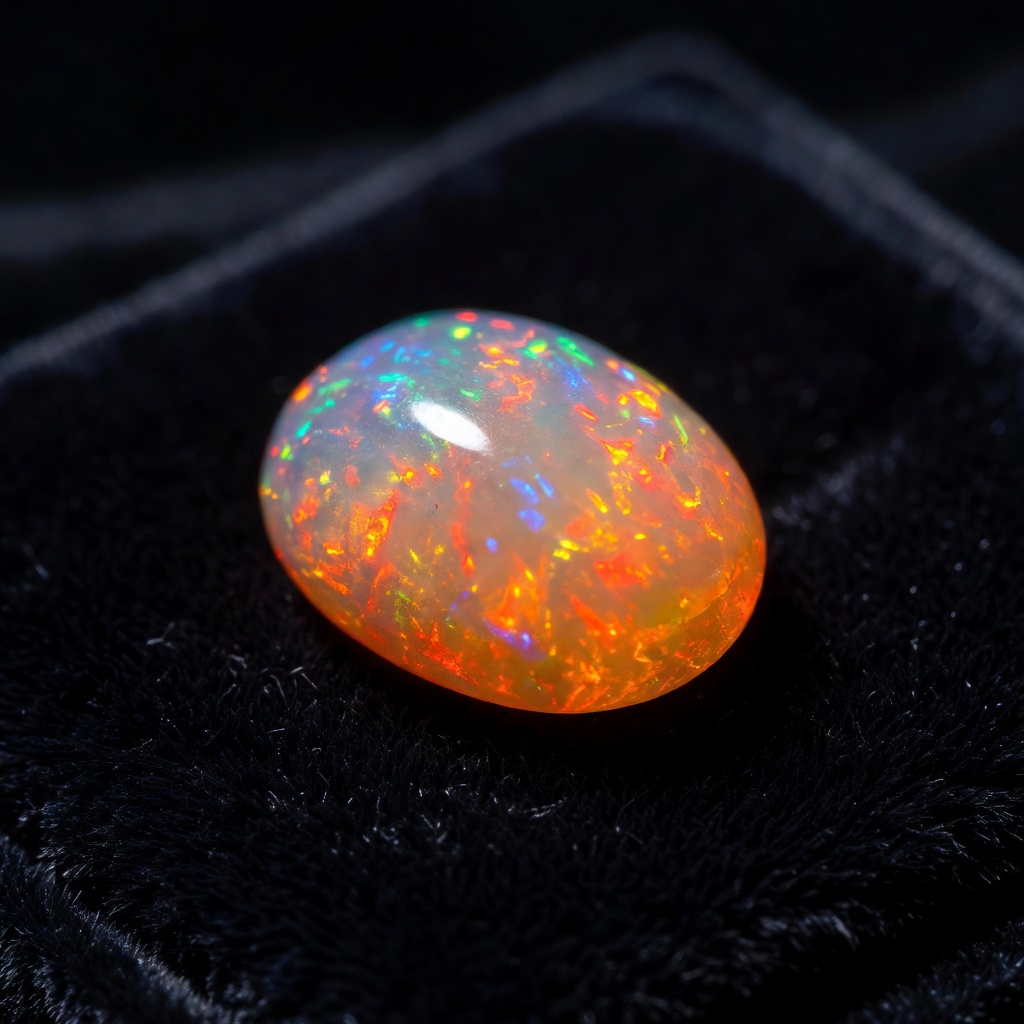
Fire opals represent one of the most captivating gemstone varieties, distinguished from precious opals by their warm body colors ranging from yellow to deep orange-red rather than the spectral play-of-color seen in white or black opals. These mesmerizing gems primarily originate from the volcanic regions of Mexico, particularly Querétaro and Jalisco, though significant deposits have emerged in Ethiopia's Wollo Province in recent decades. Unlike their precious counterparts that display flashes of rainbow hues, fire opals derive their value from intense body color combined with varying degrees of transparency, creating a glowing ember-like appearance that has captivated collectors since Aztec times. Understanding fire opal value per carat requires appreciation for these unique characteristics alongside current market dynamics, where 2024 has seen increased demand driven by collectors seeking alternatives to traditional precious gems and renewed interest in Mexican mineral specimens.
The distinction between fire opals and precious opals significantly impacts pricing structures, as the market evaluates these gems based on different aesthetic criteria. While precious opals command premiums based on pattern intensity and color play coverage, fire opal valuation centers on color saturation, clarity, and geographic origin. Mexican specimens historically set the standard for quality, offering the stability and transparency that collectors prize, while newer Ethiopian material presents both opportunities and challenges for buyers navigating price differentials. Current market trends indicate that fine quality specimens with intense red-orange coloration have appreciated steadily, making an authoritative Fire Opal Price Guide essential for both novice collectors and serious investors evaluating these vibrant gems.
Current Fire Opal Price Per Carat Breakdown
The Fire Opal Price Guide reveals a stratified market where quality variations create significant price disparities across different grade levels. Entry-level commercial grade material typically ranges from $20 to $100 per carat, representing smaller stones under two carats with lighter yellow or orange body colors and moderate inclusions. These specimens often display translucent rather than transparent clarity and may show slight cloudiness or internal fracturing that prevents them from achieving higher classifications. While suitable for fashion jewelry and beginner collectors, commercial grade fire opals rarely appreciate significantly in value and should be purchased primarily for aesthetic enjoyment rather than investment purposes.
Mid-range quality specimens command between $100 and $500 per carat, representing the sweet spot for serious collectors seeking both beauty and potential value retention. These stones typically exhibit good transparency with minimal visible inclusions, displaying rich orange to reddish-orange body colors that glow intensely when held to light. Cut quality becomes increasingly important at this price point, with well-executed faceted stones or symmetrical cabochons commanding premiums over poorly cut material. Mexican fire opal prices within this tier reflect the country's established mining infrastructure and consistent quality output, whereas Ethiopian material might offer slight discounts due to market perceptions regarding stability.
Premium collector-grade fire opals represent the apex of the market, ranging from $500 to over $2,000 per carat for exceptional specimens. These investment-quality stones display intense cherry-red to deep orange-red colors with exceptional transparency, often exceeding five carats in weight with eye-clean clarity. The finest Mexican fire opals in this category may rival fine sapphire or spinel in visual impact while maintaining unique organic characteristics that synthetic production cannot replicate. Auction records from 2023-2024 demonstrate that untreated Mexican specimens over ten carats with vivid red saturation have achieved prices exceeding $3,000 per carat, establishing fire opals as legitimate alternative investments for high-net-worth collectors.
Color Intensity and Its Impact on Pricing
Color serves as the primary value determinant in fire opal quality factors, with specific hue ranges commanding substantial premiums over more common varieties. Cherry red and deep orange-red fire opals consistently achieve the highest market prices, often selling for two to three times the value of golden or yellow specimens of comparable clarity and size. This pricing differential stems from rarity, as intense red saturation results from specific trace elements and formation conditions that occur less frequently in nature. Collectors should examine stones under various lighting conditions, as the finest specimens maintain their vivid color intensity under incandescent, fluorescent, and natural daylight without shifting toward brown or gray undertones that significantly diminish value.
Golden and yellow fire opals offer accessible entry points for collectors building serious collections without immediate premium investments. These varieties, particularly when displaying honey or butterscotch tones with excellent transparency, provide the characteristic fire opal glow at fractionally lower costs. However, buyers should distinguish between rich golden hues and pale, washed-out yellows that indicate lower iron content and reduced visual impact. When evaluating fire opal value per carat, remember that consistent body color throughout the stone proves more valuable than surface flash or thin color layers, as shallow color concentrations may require protective deep cabochon cuts that limit design flexibility.
The interplay between body color and transparency creates additional pricing nuances that sophisticated collectors monitor closely. Stones displaying transparent "crystal" quality with intense red body color represent the pinnacle of desirability, allowing light to pass through and create an internal glow effect. Conversely, opaque fire opals with strong surface color but dead interiors command significantly lower prices despite potentially attractive face-up appearance. When assessing color impact on price, consider that Mexican material typically displays more stable, consistent coloration compared to Ethiopian hydrophane opals, which may show color variations depending on humidity and hydration levels.
Clarity, Cut, and Carat Weight Considerations
Transparency grades profoundly influence fire opal value per carat, with transparent to translucent specimens commanding substantial premiums over opaque material. Eye-clean stones that allow clear viewing of background text or patterns when held to light represent the most valuable clarity grade, particularly when combined with intense body color. However, collectors should understand that completely inclusion-free fire opals remain exceptionally rare, and minor inclusions acceptable in rubies or sapphires may be tolerated in fine fire opals if they do not significantly impact transparency or durability. Cloudiness, internal fractures, and visible crystal inclusions progressively diminish value, with heavily included material suitable only for cabochon cutting or bead production.
Cut quality and style create significant price differentials within the same clarity and color grades, with faceted fire opals typically costing 30-50% more than cabochon cuts of equivalent rough quality. This pricing reflects both the skill required to facet these relatively soft gems (Mohs hardness 5.5-6.5) and the substantial weight loss during cutting, as faceted stones require cleaner rough with specific crystalline orientations. When buying fire opals online, request videos showing the stone under magnification to evaluate cutting precision, symmetry, and polish quality, as poor faceting can "kill" the color in otherwise fine material. Cabochon cuts remain appropriate for translucent to opaque material, with high-domed examples showing better color concentration than flat cuts.
Carat weight impacts pricing exponentially rather than linearly, particularly for clean, intensely colored specimens. Stones under one carat trade relatively affordably, while those exceeding five carats with good clarity command disproportionately higher fire opal value per carat due to extreme rarity. The jump from three to five carats may double the per-carat price for fine material, while stones over ten carats with exceptional color enter auction territory where pricing follows collector demand rather than standard wholesale matrices. When evaluating larger stones, scrutinize clarity carefully, as inclusions become more apparent in bigger gems and may indicate structural weaknesses that could lead to cracking during setting or wear.
Mexican vs Ethiopian Fire Opal: Price Differences
The dichotomy between Mexican and Ethiopian sources creates the most significant geographic pricing divide in the fire opal market, with Mexican fire opal prices consistently commanding 30-60% premiums over comparable Ethiopian material. Mexican fire opals from the Querétaro mines carry centuries of mining history and established reputations for stability, displaying the transparent to translucent qualities that define the finest specimens. These stones typically form in rhyolite host rock, creating stable gems that resist crazing (surface cracking) and maintain their appearance indefinitely under normal conditions. The established infrastructure and regulated mining operations in Mexico also ensure consistent supply chains and ethical sourcing documentation that international collectors increasingly demand.
Ethiopian fire opals, primarily from the Wollo Province, emerged as significant market competitors around 2008, offering competitive pricing that disrupted traditional valuation models. While these gems often display spectacular color intensity rivaling Mexican material, they frequently exhibit hydrophane properties—porous structures that absorb water and temporarily become transparent or change color when hydrated. This characteristic creates long-term stability concerns that keep fire opal value per carat lower for Ethiopian material despite comparable initial beauty. Additionally, some Ethiopian opals may craze or crack as they dry after mining, requiring stabilization treatments that further impact pricing compared to naturally stable Mexican specimens.
Mining regulations and supply constraints continue shaping price differentials between these origins. Mexican mining operations face increasing environmental scrutiny and depth limitations as accessible deposits deplete, potentially constraining future supply of high-quality material. Conversely, Ethiopian mining remains largely artisanal with variable government oversight, creating supply volatility and quality inconsistency that cautious collectors factor into pricing models. When projecting long-term fire opal investment value, many gemologists suggest that untreated Mexican material offers safer appreciation potential due to proven stability and established collector demand, while Ethiopian stones suit buyers prioritizing immediate visual impact over long-term value retention.
Natural vs Treated: How Enhancements Affect Cost
The distinction between untreated natural specimens and enhanced material creates the most significant value differential in natural fire opal vs synthetic evaluations, with untreated stones commanding 40-60% premiums over treated equivalents. Common treatments include heat treatment to intensify or modify color, fracture filling with oils or resins to improve apparent clarity, and smoking processes to darken body tone. While these treatments can create visually attractive gems suitable for jewelry, they fundamentally alter the stone's natural state and long-term stability, factors that sophisticated collectors and investors carefully evaluate. Laboratory certification becomes essential when purchasing high-value specimens, as disclosed treatments significantly impact resale value and insurance appraisals.
Synthetic fire opals present additional market complications, with Gilson-created synthetics and more recent hydrothermal products requiring careful gemological identification. These laboratory-grown specimens display overly perfect color distribution and uniformity that natural material rarely achieves, along with distinctive inclusion patterns visible under magnification. When assessing fire opal quality factors, remember that synthetic stones lack the investment potential and collector interest driving natural material appreciation, despite offering affordable alternatives for costume jewelry. Assembled stones such as doublets (thin fire opal slices backed by obsidian or matrix) and triplets (opal slices sandwiched between clear caps and dark backings) further complicate the market, representing affordable options that should never be priced as solid natural gems.
Identification methods for treatments and synthetics require both observational skills and professional verification. Natural fire opals typically display irregular color zoning, natural inclusions, and specific refractive index ranges (1.40-1.46) that distinguish them from glass imitations or synthetics. Heat-treated stones may show stress cracks around inclusions or altered absorption spectra detectable through spectroscopic analysis. For purchases exceeding $500, always request certificates from reputable laboratories such as GIA or AGL that specifically confirm natural, untreated status. This documentation protects your investment and provides necessary authentication for future resale, as the fire opal price guide clearly separates treated commercial material from investment-grade natural specimens.
Certification and Authentication Essentials
Professional laboratory documentation serves as the cornerstone of fire opal investment value, providing impartial verification of origin, treatment status, and quality characteristics that subjective dealer opinions cannot match. The Gemological Institute of America (GIA) and American Gemological Laboratories (AGL) represent the gold standards for fire opal certification, offering reports that detail color grade, clarity characteristics, geographic origin when determinable, and any detected treatments. These certificates include photographic documentation and unique identification numbers laser-inscribed on the girdle of valuable stones, creating permanent records that travel with the gem throughout its ownership history. For Mexican fire opals specifically, origin reports confirming Querétaro or Jalisco provenance can add 10-20% premiums over unspecified material due to collector preferences for documented sources.
Identifying synthetic fire opals and assembled stones requires understanding specific gemological properties that distinguish natural formation from laboratory creation. Synthetic opals typically display columnar or "snake skin" structural patterns under magnification, along with fluorescent reactions to ultraviolet light that differ from natural specimens. Assembled doublets and triplets reveal their constructed nature through side examinations showing layers or glue lines, while genuine solid fire opals maintain uniform composition throughout. When evaluating fire opal quality factors, magnification reveals natural inclusions such as flow structures, seed crystals, or healed fractures that indicate natural formation processes impossible to replicate exactly in synthetic production.
Documentation requirements extend beyond initial purchase verification to include insurance appraisals and resale authentication protocols. High-value fire opals require updated appraisals every two to three years reflecting current market conditions, with detailed descriptions matching laboratory certificates to facilitate claims processing or estate valuation. Scheduled insurance coverage specifically listing certified fire opals protects against loss, theft, or damage with agreed-value policies that standard homeowner's insurance cannot provide. For investors building significant collections, maintaining organized records linking each stone to its certificate, appraisal, and provenance documentation ensures maximum liquidity when selling, as serious buyers invariably request this paperwork before committing to high-value Mexican fire opal prices or premium Ethiopian specimens.
Smart Buying Strategies for Collectors
Navigating the purchasing landscape requires understanding distinct advantages offered by different vendor types when buying fire opals online or through traditional channels. Specialized gem dealers focusing on colored stones typically offer superior value compared to retail jewelry stores, which carry higher overhead costs and markups while employing staff with limited fire opal expertise. Established dealers provide detailed photographs, videos showing stones under various lighting conditions, and liberal return policies that allow inspection by independent gemologists before final commitment. Building relationships with reputable dealers also provides access to pre-selection opportunities for exceptional new acquisitions before public listing, crucial for securing fine material in a competitive market.
Online marketplaces present both opportunities and risks requiring specific safety protocols to ensure satisfactory transactions. When purchasing through platforms like eBay, Etsy, or specialized gem sites, verify seller ratings exceeding several hundred transactions with minimal negative feedback regarding gemstone accuracy. Request high-resolution videos rather than static photographs, as fire opal appearance changes dramatically under different lighting—what appears vividly orange under incandescent lighting may look pale under natural daylight. Secure payment methods offering buyer protection, detailed written descriptions specifying treatments or natural status, and explicit return policies (minimum 7-10 days) protect against misrepresentation when buying fire opals online from distant vendors.
Wholesale purchasing at major gem shows such as the Tucson Gem and Mineral Show or Bangkok Gem and Jewelry Fair offers experienced collectors significant price advantages over retail channels. These events allow direct comparison of hundreds of specimens, negotiation without retail markups, and opportunities to purchase rough material for custom cutting. However, show purchasing requires advance gemological knowledge or consultation with independent experts, as "show specials" may include treated or lower-grade material misrepresented to casual buyers. Auction houses specializing in colored stones provide alternative acquisition channels for estate pieces and investment-grade specimens, though buyer's premiums (typically 15-25%) must be factored into fire opal value per carat calculations.
Investment Potential and Market Trends
Historical price data over the past decade demonstrates that fine quality fire opals have appreciated steadily, establishing legitimate fire opal investment value for collectors selecting premium material. Untreated Mexican specimens with intense red coloration and high clarity have shown annual appreciation rates of 5-10%, outpacing inflation and many traditional investments while remaining more accessible than fine ruby or alexandrite. This appreciation reflects increasing scarcity as Mexican mines reach deeper, more expensive levels, coupled with growing collector demand in Asian markets where fire opals symbolize prosperity and passion. However, investment success requires strict selectivity—commercial grade material shows minimal appreciation, while only exceptional specimens achieve auction-level returns.
The expansion of collector demand across Asian markets, particularly China, Japan, and Thailand, has fundamentally altered global fire opal value per carat dynamics since 2015. These markets prize intense red-orange colors associating with good fortune and energy, driving premiums for cherry-red specimens that Western collectors might consider overly saturated. This international demand creates liquidity advantages for investment-grade stones, as quality specimens can sell through multiple regional markets rather than depending solely on Western collectors. However, cultural preferences vary regarding cutting styles, with Asian markets preferring high-domed cabochons and carved specimens while Western collectors increasingly seek precision faceted stones, considerations that impact resale strategies.
Liquidity considerations remain paramount when evaluating fire opals as alternative investments, as these gems lack the immediate marketability of diamonds or gold. Selling investment-grade fire opals typically requires time to locate appropriate buyers through specialized dealers, auction houses, or collector networks rather than immediate cash conversion. Investment portfolios should limit fire opal allocations to 5-10% of total alternative investments, with individual stones representing "hold" positions of 5-10 years minimum to realize appreciation potential. When liquidating, documented provenance, current laboratory certificates, and professional appraisal reports facilitate transactions and justify asking prices aligned with current Mexican fire opal prices and market trends.
Protecting Your Investment: Care and Maintenance
Proper storage protocols significantly impact long-term fire opal quality factors and value retention, as these gems require specific environmental conditions to prevent structural damage. Fire opals contain significant water content (3-21% by weight) within their silica structure, making them susceptible to "crazing"—surface cracking caused by dehydration or rapid temperature changes. Store fire opals away from direct sunlight, heat sources, and dry environments, ideally in sealed containers with slightly humidified air or alongside silica gel packets that maintain stable moisture levels. Never store fire opals in bank safety deposit boxes for extended periods without humidity control, as the arid conditions can cause irreversible damage to fine specimens worth thousands per carat.
Cleaning methods must preserve polish while avoiding thermal shock or chemical damage that could fracture these relatively soft gems. Clean fire opals using warm water with mild dish soap and a soft brush, avoiding ultrasonic cleaners and steam cleaning that can cause fracturing in included material. Chemical exposure presents particular risks, as acids, bleach, and even prolonged contact with cosmetics or hairspray can etch surfaces or alter body color in treated stones. When wearing fire opal jewelry, apply perfumes and lotions before putting on pieces, and remove rings or bracelets before household cleaning or swimming in chlorinated pools to protect your investment's fire opal value per carat.
Insurance and professional maintenance ensure financial protection and optimal appearance for valuable collections. Obtain updated appraisals every two to three years from certified gemologists familiar with current Mexican fire opal prices and market trends, ensuring coverage limits reflect replacement costs rather than original purchase prices. Scheduled insurance riders specifically listing individual stones by certificate number provide superior protection against loss compared to generic jewelry coverage. Annual professional inspections by jewelers can identify loose settings or developing damage before stones are lost or further damaged, while re-polishing services restore luster to worn cabochons or faceted stones that have developed surface scratches through years of enjoyment.
Frequently Asked Questions
How much is fire opal worth per carat?
Fire opal prices range from $20 to over $2,000 per carat depending on quality. Commercial grade stones with lighter colors cost $20-$100 per carat, while premium Mexican fire opals with intense red-orange color and high transparency can command $500-$2,000+ per carat.
Why are Mexican fire opals more expensive than Ethiopian varieties?
Mexican fire opals typically command higher prices due to their established reputation for stability and color consistency, centuries of mining history, and superior transparency. Ethiopian fire opals, while beautiful, often face market skepticism regarding hydrophane properties and potential stability issues, keeping prices 30-50% lower for comparable sizes.
What color fire opal commands the highest price?
Cherry red and deep orange-red fire opals command the highest prices, often selling for 2-3 times more than golden or yellow varieties. The most valuable specimens display a combination of transparent to translucent body color with intense red saturation and minimal brown or gray secondary tones.
Are treated fire opals worth less than natural ones?
Yes, treated fire opals are generally worth 40-60% less than untreated natural specimens. Common treatments include heat treatment to enhance color and fracture filling to improve clarity. Always request laboratory certification for expensive purchases to verify natural, untreated status.
Is fire opal a good investment stone?
High-quality Mexican fire opals have shown steady appreciation over the past decade, making them reasonable alternative investments for collectors. However, they lack the liquidity of diamonds or rubies. Investment-grade stones should be over 5 carats, untreated, certified, and possess exceptional color to maximize potential returns.
How can I tell if a fire opal is real or synthetic?
Synthetic fire opals often display overly perfect color distribution and lack natural inclusions visible under magnification. Real fire opals show irregular color zoning and natural internal characteristics. Professional gemological testing using refractive index and specific gravity measurements provides definitive identification, with certification recommended for purchases over $500.
Do fire opals increase in value over time?
Fine quality fire opals have historically appreciated 5-10% annually, outperforming lower-grade commercial material. Rarity factors including intense red color, large clean sizes, and Mexican origin drive appreciation. However, common commercial grades may not appreciate significantly and should be purchased primarily for enjoyment rather than investment.
Where should I buy fire opals for the best price?
For the best prices, purchase from specialized gem dealers at trade shows like Tucson or Bangkok rather than retail jewelry stores. Online marketplaces offer competitive pricing but require video verification and secure return policies. Avoid tourist locations in Mexico where prices are often inflated for travelers.