Why Fire Opal Care and Cleaning Matters
Fire opals rank among the most captivating gemstones in the world, displaying mesmerizing orange, red, and yellow hues that seem to glow from within. However, these stunning gems contain a unique vulnerability that demands dedicated attention to Fire Opal Care and Cleaning protocols. With a water content ranging between 3-10%, these hydrated silica gemstones remain in a perpetual state of delicate balance that improper handling can easily disrupt.
Neglecting proper opal gemstone care can result in catastrophic damage known as "crazing," where microscopic cracks spiderweb across the surface, permanently diminishing both beauty and value. Unlike diamonds or sapphires that withstand rigorous cleaning methods, fire opals require a gentle, informed approach to maintenance. Regular, appropriate care not only preserves the stone's brilliant play-of-color but also protects your financial investment, as untreated Mexican fire opals with intense fire command premium prices in today's market.
Different varieties of fire opals, particularly those from Mexico versus Ethiopia, exhibit subtle compositional differences that necessitate slightly adjusted care routines. Mexican fire opals typically feature a more stable crystalline structure compared to their Ethiopian counterparts, yet both demand consistent humidity management and temperature stability to prevent the dehydration that leads to structural failure.
Understanding Fire Opal's Unique Composition
To effectively practice Mexican fire opal maintenance, one must first comprehend the gemstone's distinctive molecular architecture. Fire opals consist primarily of hydrated silica spheres arranged in an amorphous, non-crystalline formation that traps water molecules within its microscopic structure. This unique composition distinguishes them from crystalline gemstones like rubies or emeralds, rendering them significantly more sensitive to environmental fluctuations.
While all opals contain water, fire opals often maintain higher moisture levels than precious black opals, making them particularly susceptible to drying out in arid climates or heated indoor environments. The gem's sensitivity to sudden temperature changes creates risks of thermal shock, where rapid expansion or contraction causes internal fracturing. Understanding these physical limitations forms the foundation of precious opal handling expertise.
Collectors should also distinguish between crystal fire opals, which are transparent to translucent with face-up color, and jelly opals, which display a milky, translucent body tone. Crystal fire opals typically require more vigilant protection against dehydration due to their clarity making internal flaws more visible, while jelly opals may mask early signs of crazing until damage becomes severe. Both varieties demand consistent environmental monitoring to maintain their structural integrity and optical performance.
Daily Wear and Handling Best Practices
Implementing proper fire opal jewelry cleaning begins with establishing disciplined daily habits that minimize exposure to damaging elements. Professional jewelers universally recommend the "last on, first off" rule, meaning fire opal pieces should be the final items added when dressing and the first removed upon returning home. This simple practice prevents accidental contact with clothing, hair, and other materials that might snag settings or scratch the relatively soft stone surface.
Physical activities present significant hazards for opal wearers, necessitating removal before engaging in sports, gardening, or household chores. A direct impact against kitchen countertops, gardening tools, or sports equipment can fracture a fire opal instantly, while repetitive minor trauma gradually loosens prong settings. Weekly inspections using a jeweler's loupe to check prong tightness and setting security can prevent catastrophic stone loss, particularly for rings that endure daily mechanical stress.
Personal care products pose invisible threats to opal integrity, requiring removal before applying lotions, perfumes, hairsprays, or cosmetics. These substances often contain alcohol, acids, or oils that can etch the opal surface or accumulate in setting crevices, attracting dirt and compromising the stone's natural luster. Establishing a designated safe location for temporary storage during grooming routines protects both the gemstone's physical structure and its long-term brilliance.
Safe Fire Opal Cleaning Methods
When learning how to clean fire opal specimens safely, simplicity proves superior to sophistication. The only recommended cleaning solution consists of lukewarm distilled water mixed with a few drops of mild, pH-neutral dish soap, creating a gentle bath that removes oils and debris without chemical aggression. Distilled water eliminates mineral deposits that tap water might leave behind, while pH-neutral formulations ensure no acidic or alkaline damage occurs to the hydrated silica structure.
Using a soft-bristled baby brush, gently scrub the stone and its setting to dislodge accumulated grime from underneath prongs and along the gallery. Work in a controlled manner over a padded surface to prevent damage if the piece slips from your fingers, and limit the entire cleaning process to under two minutes to minimize water exposure time. This method represents the gold standard for safe opal cleaning methods, effectively removing contaminants while preserving the gem's delicate moisture balance.
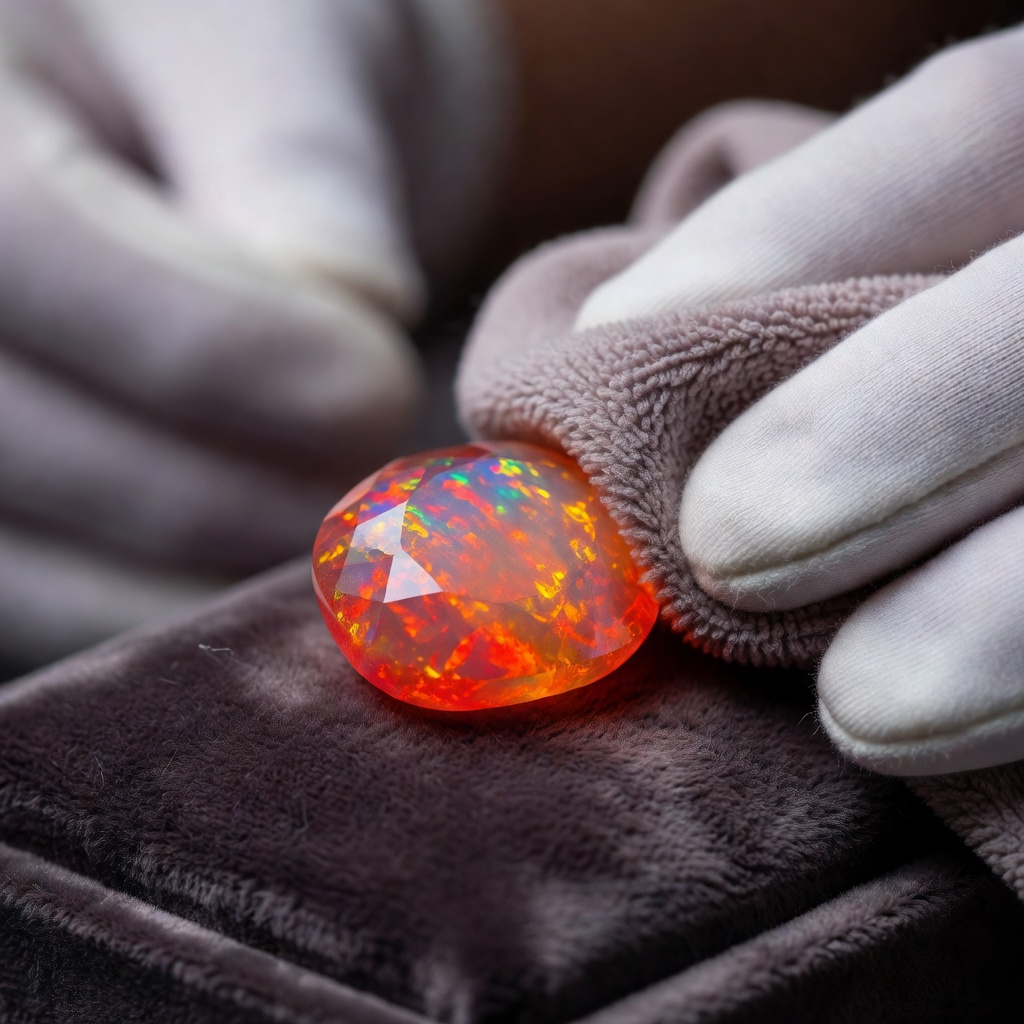
Immediate drying constitutes a critical step that many owners overlook, requiring patting with a lint-free microfiber cloth rather than rubbing, which could generate static electricity or friction damage. Allow the piece to air dry completely on a soft towel for several hours before returning it to storage, ensuring no trapped moisture remains in the setting that could cause metal tarnishing or mold growth. Under no circumstances should ultrasonic cleaners, steam cleaners, or boiling methods be employed, as these create vibrations and temperature extremes that guarantee internal cracking.
Chemicals and Environmental Hazards to Avoid
Comprehensive fire opal damage prevention requires vigilant avoidance of common household and environmental chemicals that prove devastating to hydrated gemstones. Harsh cleaning agents including bleach, ammonia, acetone, and alcohol-based solutions can etch the opal surface, strip protective oils, and accelerate dehydration. Even brief exposure to chlorine in swimming pools or hot tubs can cause irreversible chemical reactions that dull the stone's fire and compromise its structural integrity.
Prolonged direct sunlight exposure presents another insidious threat, as UV radiation gradually dehydrates fire opals and can fade their vibrant orange and red hues over time. Never leave opal jewelry on windowsills, dashboard trays, or outdoor tables where concentrated sunlight creates greenhouse-effect temperatures. Similarly, chemical safety for opals demands avoidance of extreme heat sources including ovens, saunas, hair dryers, and parked cars during summer months, where temperatures can exceed the threshold for thermal shock within minutes.
Salt water poses unique risks for fire opal owners, as ocean swimming exposes stones to both abrasive salt crystals and temperature fluctuations that stress the gem's internal structure. The combination of salt residue and sun exposure creates a particularly damaging environment that accelerates crazing and surface deterioration. When visiting beaches or engaging in water sports, secure storage in a cool, dark place remains the only safe option for preserving your gemstone's pristine condition.
Proper Storage Solutions and Humidity Control
Mastering fire opal storage tips proves essential for maintaining these gems between wearings, particularly in climates with low humidity or seasonal heating. The most effective home storage method involves placing the opal in a sealed plastic bag or container with a slightly dampened cotton ball or cloth, creating a microenvironment that maintains ambient moisture around the stone. This technique prevents the dehydration that leads to crazing while avoiding direct water contact that might cause other damage.
Individual soft cloth pouches provide necessary protection against scratches from harder gemstones like diamonds or sapphires that might share a jewelry box. However, owners must balance humidity needs against mold prevention, avoiding completely airtight containers that trap excessive moisture and encourage fungal growth on settings or silk linings. The ideal storage maintains approximately 50-60% relative humidity, mimicking the stable underground conditions where these gems formed over millions of years.
For collectors with multiple pieces, investing in a humidity-controlled jewelry cabinet or adding silica gel packets (monitored carefully to ensure they don't over-dry the environment) can provide consistent conditions. Opal humidity control becomes particularly critical during winter months when indoor heating systems reduce ambient moisture to desert-like levels, potentially damaging stones within weeks of exposure to dry air.
Professional Maintenance and Inspection Schedules
While home care forms the foundation of preservation, professional opal care provides essential safeguards that amateur maintenance cannot achieve. Certified gemologists recommend annual inspections to assess setting integrity, checking for loose prongs, worn mountings, or structural weaknesses that might lead to stone loss. These professionals possess specialized equipment to detect early signs of internal stress or developing crazing invisible to the naked eye.
Surface scratches and minor abrasions that inevitably accumulate through normal wear require attention every three to five years from a professional lapidary who can re-polish the opal without compromising its weight or shape. This fire opal maintenance services interval maintains optimal brilliance while removing the microscopic surface damage that can accumulate dirt and oils. Immediate professional assessment becomes crucial if you notice any dullness, cloudiness, or visible cracks appearing, as early intervention might prevent further deterioration.
Documentation serves as a critical component of professional maintenance, requiring updated insurance appraisals every two to three years to reflect current market values. High-resolution photography of your fire opal from multiple angles provides essential records for insurance claims and authentication purposes, particularly important for investment-grade Mexican fire opals that may appreciate significantly over time.
Troubleshooting Common Fire Opal Issues
Recognizing early warning signs separates successful fire opal restoration attempts from irreversible damage. Crazing typically manifests first as tiny spiderweb patterns visible under magnification, progressing to surface-reaching cracks that catch on fingernails or fabric. Once crazing appears, immediate rehydration attempts using mineral oil baths may temporarily improve appearance by filling surface cracks, though this treatment remains controversial among purists and can affect valuation for collector pieces.
Cloudiness or loss of fire often indicates either surface contamination from accumulated oils or early-stage dehydration affecting the silica structure's ability to diffract light. Gentle cleaning followed by proper humid storage sometimes reverses minor cloudiness, though persistent dullness requires professional evaluation. Understanding opal crazing prevention proves more valuable than attempting cures, as cracked opals cannot return to their original unblemished state.
When damage occurs, owners must realistically assess whether repair or replacement represents the wiser investment. Surface scratches and minor chips can often be polished away by skilled lapidaries, but internal fractures compromise the stone's structural integrity permanently. For valuable heirloom pieces, consulting with a gemologist about stabilization treatments versus replacement options ensures informed decision-making that preserves both sentimental and monetary value.
Long-term Preservation Strategies
For collectors viewing fire opals as investment assets, fire opal longevity requires climate-controlled storage solutions that maintain stable temperature and humidity year-round. Basements often provide ideal conditions, avoiding the temperature fluctuations and dry air characteristic of upper floors and attics. Investment pieces should remain in bank safety deposit boxes with humidity controls rather than home safes, which often become dangerously dry environments.
Implementing a rotation schedule for frequently worn jewelry prevents any single piece from accumulating excessive wear while ensuring all items receive regular inspection and gentle cleaning. This practice extends the lifespan of settings and allows owners to monitor each piece for subtle changes in appearance or security. Investment opal care also mandates maintaining detailed provenance records, including purchase documentation, previous appraisals, and any treatment histories that affect resale value.
Perhaps most importantly, serious collectors must develop the discipline to distinguish between occasions appropriate for wearing fire opals and situations requiring safe storage. While these gems deserve to be enjoyed, limiting exposure to controlled environments during special events rather than daily wear significantly extends their pristine condition across decades. Understanding that fire opals represent geological miracles formed over millennia encourages the reverent handling that ensures their survival for future generations.
Frequently Asked Questions About Fire Opal Care
Can I use commercial jewelry cleaner on my fire opal?
No, never use commercial jewelry cleaners, ultrasonic cleaners, or steam cleaners on fire opals. These contain harsh chemicals and vibrations that can crack the stone or strip its natural moisture. Stick to lukewarm water and mild soap only.
How often should I clean my fire opal jewelry?
Clean your fire opal every 2-3 weeks if worn regularly, or immediately after exposure to sweat, cosmetics, or pollutants. However, limit water exposure time to under 2 minutes and dry thoroughly to prevent water spots.
Why is my fire opal developing cracks or losing its color?
Cracks (crazing) typically occur from dehydration or sudden temperature changes. Color loss usually indicates drying out or prolonged sun exposure. Store with a damp cloth and avoid heat sources. Once crazing appears, it cannot be reversed.
Can fire opals get wet, and can I shower while wearing them?
While brief contact with water won't immediately damage fire opals, avoid showering, swimming, or bathing while wearing them. Soap scum buildup, thermal shock from hot water, and chemical exposure from shampoos can damage the stone over time.
Is fire opal more fragile than other opals?
Fire opals generally rate 5.5-6.5 on the Mohs hardness scale, making them softer than many gemstones and susceptible to scratching. However, they're less prone to crazing than white opals if properly hydrated, though they still require gentle handling.
How do I store fire opals long-term if I won't wear them for months?
For long-term storage, place the opal in a sealed plastic bag with a slightly damp (not wet) cotton ball or cloth. Store in a cool, dark place away from heat sources. Check every few months to ensure the cotton remains slightly moist and mold-free.
Can a damaged or cracked fire opal be repaired?
Surface scratches can sometimes be polished out by a professional lapidary, but internal cracks (crazing) are permanent and cannot be repaired. Impregnation treatments with oil or resin may temporarily improve appearance but are not recommended for valuable stones.
Can I wear fire opal every day, or should it be for special occasions only?
While fire opals can be worn daily with proper care, they're better suited for occasional wear due to their relative softness (5.5-6.5 Mohs). If wearing daily, choose protective settings like bezels over prongs, and remove during physical activities, sleeping, and bathing.