What Is Eudialyte? An Introduction to This Rare Mineral
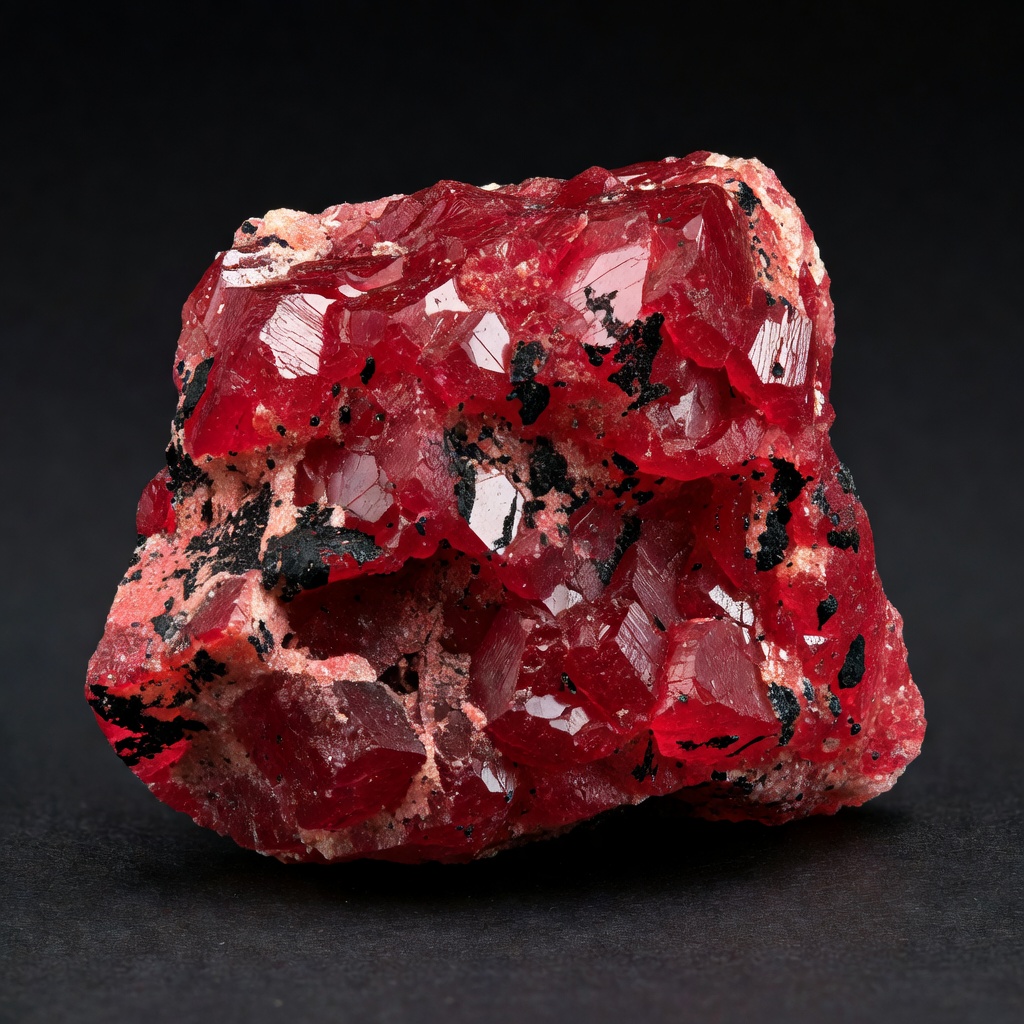
Eudialyte stands as one of the most visually striking and chemically complex minerals found within the Earth's crust, representing a fascinating intersection of geological wonder and metaphysical significance. First discovered in 1819 within the nepheline syenite deposits of southwest Greenland, this intricate eudialyte mineral immediately captivated scientists with its distinctive cherry-red to raspberry-pink coloration that distinguishes it from virtually every other stone in the mineral kingdom. The name itself derives from the Greek phrase eu dialytos, meaning "well decomposable" or "easily dissolved," a direct reference to the mineral's unfortunate tendency to dissolve readily in acids—a characteristic that initially frustrated early chemists but now serves as an important identification marker for modern mineralogists studying Eudialyte Properties and Information.
This rare cyclosilicate occupies a unique dual niche in both the scientific and spiritual communities, appealing equally to meticulous mineral collectors who prize its complex crystal formations and to crystal healing practitioners who harness its purported vibrational energies for emotional transformation. Unlike many minerals that remain confined to academic collections, eudialyte has transcended its geological origins to become a sought-after tool for heart-centered healing work, meditation practices, and energy therapy sessions. Its relatively limited geographic distribution and the specific conditions required for its formation make high-quality specimens particularly valuable, ensuring that any comprehensive discussion of this stone must address both its physical characteristics and its deeper symbolic significance within holistic wellness traditions.
Physical Characteristics and Chemical Composition
The eudialyte chemical composition reveals one of the most elaborate formulas in mineralogy, typically represented as Na15Ca6(Fe,Mn)3Zr3SiO(O,OH,H2O)2(Si9O27)2(Si9O25)(OH,Cl)2, though variations exist depending on the specific locality and trace element substitutions. This complexity reflects the mineral's formation within alkaline environments where sodium, calcium, cerium, iron, and zirconium converge under precise temperature and pressure conditions to create this unique silicate structure. The presence of zirconium particularly distinguishes eudialyte from other red-colored minerals, while variable amounts of manganese and iron create the characteristic color gradients that collectors associate with premium red eudialyte gemstone specimens.
On the Mohs hardness scale, eudialyte registers between 5 and 5.5, placing it in the same relative softness category as apatite and opal, which significantly impacts its practical applications and care requirements. This moderate hardness means that while the mineral can be fashioned into cabochons, beads, or display specimens, it remains unsuitable for rings or bracelets that might encounter daily abrasion and impact. The mineral typically exhibits a specific gravity ranging from 2.74 to 3.10, feeling substantially heavy in the hand compared to its size, while its transparency varies from translucent to opaque depending on the density of internal inclusions and the thickness of the individual crystal.
Crystal habit provides another distinguishing feature, with eudialyte commonly forming in rhombohedral or hexagonal prisms that can reach impressive sizes in pegmatitic environments. These crystals often display imperfect cleavage and a vitreous to greasy luster that enhances their visual appeal when properly illuminated. Gem cutters working with eudialyte must exercise considerable patience and skill, as the mineral's perfect cleavage in one direction and its tendency toward brittleness require specialized techniques to prevent fracturing during the polishing process, making finished gemstones rare and valuable additions to any serious collection.
Geological Formation and Occurrence
Eudialyte mineral formation occurs exclusively within alkaline igneous rock complexes, particularly those rich in nepheline syenite, where the unusual chemical environment provides the necessary ingredients for this rare silicate to crystallize. These formations typically develop during the final stages of magmatic differentiation, when residual fluids rich in incompatible elements—including zirconium, rare earth elements, and high concentrations of sodium—accumulate and cool slowly enough to allow for the growth of large, well-formed crystals. The Proterozoic to Paleozoic eras, spanning roughly 2.5 billion to 250 million years ago, represent the primary time periods during which most major eudialyte deposits formed, though younger occurrences exist in specific volcanic complexes.
Pegmatitic environments provide the ideal setting for exceptional eudialyte specimens, where oversized crystals can develop within coarse-grained rock matrices that cool over millions of years. These geological cavities often host remarkable mineral assemblages, with eudialyte frequently occurring alongside black aegirine pyroxene, blue arfvedsonite amphibole, and various feldspar species, creating visually stunning contrast specimens highly prized by museums and private collectors. The association with aegirine proves particularly significant for field identification, as the jet-black, needle-like crystals of this sodium iron silicate often penetrate eudialyte masses, creating distinctive "spray" patterns visible to the naked eye.
Understanding these formation conditions helps explain why eudialyte deposits remain relatively scarce globally, as the specific combination of alkaline chemistry, low silica activity, and extended cooling periods occurs only in specialized tectonic settings. The Kola Peninsula in Russia, the Ilímaussaq complex in Greenland, and Mont Saint-Hilaire in Canada represent the most famous localities, each offering slightly different chemical variations that produce subtle differences in color intensity and crystal habit. Geologists studying these formations gain valuable insights into the Earth's ancient magmatic processes, while prospectors use the presence of associated minerals like catapleiite and lovozerite as indicators when searching for new eudialyte occurrences in unexplored alkaline terrains.
Color Variations and Visual Identification
The characteristic coloration of eudialyte ranges from intense cherry-red and raspberry-pink to deeper burgundy tones, primarily resulting from the presence of manganese and iron within the crystal lattice, with manganese typically producing the more desirable vivid red hues. While the classic red eudialyte gemstone variety commands the highest prices in the collector market, specimens from specific localities occasionally display rare yellow, brown, or even violet colorations caused by variations in oxidation states and trace element substitutions. These unusual colors often indicate the presence of additional rare earth elements or unique thermal histories during the mineral's formation, making them particularly valuable for research collections and specialist mineralogists studying geochemical variations.
Visual identification relies heavily on observing the distinctive black or white mineral inclusions that commonly permeate eudialyte specimens, creating a mottled or spotted appearance that distinguishes it from superficially similar stones like rhodonite or rhodochrosite. Under short-wave ultraviolet light, many eudialyte samples exhibit striking fluorescence properties, glowing with orange to yellow reactions that can help distinguish genuine specimens from imitations or look-alike minerals. This fluorescence results from specific activator elements within the crystal structure and varies in intensity based on the chemical composition of the particular deposit, with some Russian specimens showing particularly brilliant reactions under UV examination.
When evaluating eudialyte for collection or metaphysical use, examine the stone under both natural and artificial lighting to assess its true color saturation, as some specimens may appear more brownish or dull under certain light conditions. The eudialyte crystal meaning within gemological contexts often emphasizes the intensity of the red coloration as an indicator of quality, with deeper, more translucent specimens considered more energetically potent for healing work. Collectors should also note the presence of any chatoyancy or asterism, though rare, which can significantly increase a specimen's value and create unique optical effects when the stone is rotated under direct light sources.
Metaphysical Properties and Spiritual Significance
Within crystal healing traditions, eudialyte crystal meaning centers predominantly on its powerful resonance with the heart chakra, known in Sanskrit as Anahata, where it serves as a catalyst for profound emotional healing and the dissolution of energetic blockages. Practitioners believe that this stone carries a unique vibration that bridges the gap between physical vitality and emotional authenticity, helping individuals release suppressed feelings, childhood traumas, and relationship wounds that have become stored within the cellular memory of the heart center. Unlike gentler heart stones such as rose quartz, eudialyte is often described as possessing a "tough love" energy that confronts denial and encourages radical self-honesty, making it particularly effective for those ready to undertake deep shadow work and emotional transformation.
As a potent eudialyte chakra stone, this mineral is believed to activate and align the entire chakra column while maintaining a primary focus on the heart, creating a grounded pathway for kundalini energy to rise without causing the destabilization sometimes associated with high-vibration spiritual work. Its connection to life force energy, or chi, makes it valuable for individuals seeking to overcome lethargy, disconnection, or existential fatigue, as it supposedly stimulates the root and heart centers simultaneously to restore passion for life and physical vitality. Many meditation practitioners place eudialyte over the heart during lying-down sessions to facilitate what they describe as "heart downloads"—intuitive insights and emotional clearings that arise when the stone's frequency interacts with the body's bioelectric field.
Spiritual development practitioners value eudialyte for its purported ability to enhance psychic awareness while maintaining grounding, a rare combination that allows for safe exploration of higher consciousness realms without losing connection to physical reality. The mineral is said to strengthen the energetic boundary between the aura and external influences, particularly useful for empaths or highly sensitive individuals who struggle with energy absorption from their environments. When used in grid work or altar arrangements, eudialyte is often positioned at the center of heart-focused layouts, surrounded by grounding stones like black tourmaline or smoky quartz to create a protected space for emotional release and spiritual awakening.
Healing Benefits and Therapeutic Applications
Advocates of eudialyte healing properties attribute numerous physical benefits to this mineral, particularly regarding cardiovascular health and circulatory system support, believing that its red coloration creates a sympathetic resonance with blood and heart tissue. Crystal therapists often recommend placing eudialyte directly over the heart area during rest periods to allegedly stimulate blood flow, support healthy blood pressure regulation, and strengthen the physical heart muscle through subtle energetic influence. While these claims lack scientific verification and should never replace conventional medical treatment, many holistic practitioners incorporate eudialyte into complementary wellness protocols for clients recovering from heart surgery or managing chronic circulatory conditions, using it as a supportive energetic tool alongside traditional cardiac care.
Mental health applications represent another significant domain where eudialyte healing properties are frequently invoked, particularly for individuals battling depression, seasonal affective disorder, or the emotional aftermath of traumatic experiences. The stone is thought to work by dissolving the energetic armor that builds up around the heart as a protective response to pain, allowing suppressed grief, anger, or fear to surface and release in a safe, controlled manner. Therapists specializing in crystal healing may place eudialyte in the client's non-dominant hand during guided meditation sessions or position it at the feet to draw out stagnant emotional energy, reporting that clients often experience cathartic releases or sudden insights regarding long-standing emotional patterns.
For those suffering from chronic fatigue syndrome, adrenal burnout, or general depletion of life force energy, eudialyte serves as an energetic tonic believed to restore vitality and motivation at the cellular level. As a eudialyte chakra stone that bridges the lower and upper energy centers, it is said to help balance the endocrine system, particularly the adrenal glands and thymus, supporting immune function and cellular regeneration processes. Some practitioners create gem elixirs using the indirect method (placing the stone near rather than in water) to capture these purported revitalizing energies, though care must be taken given eudialyte's chemical reactivity with water and acids.
Global Mining Locations and Sources
The Kola Peninsula in northwestern Russia stands as the world's premier source of exceptional eudialyte mineral specimens, specifically within the Khibiny and Lovozero alkaline massifs where mining operations have extracted world-class crystals for over a century. These Russian deposits produce the intense cherry-red material most commonly associated with high-quality eudialyte, often displaying excellent crystal definition and the characteristic black aegirine associations that make these specimens instantly recognizable to collectors. The harsh arctic climate and remote location of these mines add to the difficulty and expense of extraction, contributing to the premium prices commanded by Russian eudialyte in the international market, particularly specimens showing distinct hexagonal crystal forms and minimal matrix attachment.
Across the Atlantic, Mont Saint-Hilaire in Quebec, Canada, represents another significant locality, though the eudialyte found here typically occurs in smaller crystals within complex mineral assemblages that include rare species like serandite and catapleiite. Canadian specimens often display unique color variations, including occasional yellow or orange hues, and provide important research material for mineralogists studying alkaline complex formation processes. The Ilímaussaq alkaline complex in southwestern Greenland holds historical significance as the type locality where eudialyte was first described, and continues to produce specimens, though current mining focuses more on strategic minerals like uranium and rare earth elements, with eudialyte occurring as a fascinating secondary mineral for specialty collectors.
Additional eudialyte deposits occur throughout the Larvik plutonic complex in Norway and Sweden, where the mineral forms within the famous larvikite dimension stone quarries, often providing unexpected bonuses for quarry workers and local mineral enthusiasts. These Scandinavian specimens tend toward browner or more violet-red colorations and often show interesting textural patterns within the coarse-grained syenite host rock. Smaller occurrences have been documented in Brazil, Namibia, and Madagascar, though these rarely produce the large, gem-quality crystals associated with the Russian and Greenland localities, making them more relevant for scientific study than for commercial eudialyte deposits or metaphysical markets.
How to Identify Genuine Eudialyte
Distinguishing genuine eudialyte from look-alike minerals requires careful observation of several key diagnostic features, beginning with color nuances and inclusion patterns that separate it from commonly confused stones like rhodonite and rhodochrosite. While rhodonite typically displays pink to red colors with characteristic black manganese oxide veins running through the material, genuine eudialyte identification relies on spotting black needle-like inclusions of aegirine or white patches of feldspar, creating a distinctly different visual texture. Rhodochrosite, another pink carbonate mineral, often shows banded patterns and reacts vigorously with dilute hydrochloric acid, whereas eudialyte, despite its name suggesting easy dissolution, requires stronger acids and shows different reaction characteristics that help confirm its identity in field tests.
The association test provides one of the most reliable field identification methods, as authentic eudialyte almost invariably occurs alongside specific alkaline mineral assemblages including black aegirine, blue arfvedsonite, or white nepheline. When examining a potential specimen, look for these associated minerals embedded within or surrounding the red material, as their presence strongly suggests genuine eudialyte rather than dyed or misidentified stones. Hardness testing offers another clue, as eudialyte's 5-5.5 rating means it can be scratched by a steel knife blade but will scratch a copper coin, placing it between these two standards on the Mohs scale, while rhodonite typically registers slightly higher at 5.5-6.5.
For definitive Eudialyte Properties and Information verification, particularly when purchasing expensive specimens or conducting scientific research, professional laboratory analysis becomes essential. Advanced techniques including X-ray diffraction (XRD), electron microprobe analysis (EMPA), and Raman spectroscopy can confirm the complex cyclosilicate structure and specific chemical composition that defines eudialyte. Collectors investing in high-value specimens should request certificates of authenticity from reputable dealers or consider independent testing through gemological laboratories, as the stone's rarity and value have unfortunately led to occasional market substitutions involving dyed agate or synthetic materials that mimic the appearance but lack the true eudialyte properties and information signatures.
Caring for and Preserving Eudialyte Specimens
Proper care of this relatively soft red eudialyte gemstone material begins with intelligent storage solutions that protect it from harder minerals capable of scratching its surface, including common quartz varieties, topaz, and corundum. Mineral collectors should store eudialyte specimens in individual padded boxes or wrapped in soft cloth, maintaining separation from other pieces in the collection to prevent contact damage during handling or transportation. Display cases should feature stable shelving and earthquake-resistant mounting for valuable specimens, while avoiding direct sunlight exposure that might fade the vibrant red coloration over extended periods, particularly for specimens containing manganese-based pigments sensitive to photodegradation.
Cleaning eudialyte care protocols emphasize gentle methods using only mild soap and lukewarm water applied with a soft brush, avoiding ultrasonic cleaners, steam cleaning, and especially acidic solutions that could etch or dissolve the stone's surface given its chemical reactivity. After washing, specimens should be air-dried thoroughly or patted gently with a soft lint-free cloth, never rubbed vigorously which might cause surface abrasion on the relatively soft mineral. For display pieces, maintaining stable humidity levels between 40-60% prevents dehydration of any included hydrated mineral phases while avoiding condensation that might promote chemical reactions on the surface.
Handling precautions prove particularly important given eudialyte's perfect cleavage and potential brittleness, especially for crystallized specimens where sharp terminations might chip under pressure. When examining specimens, always support the base fully and avoid gripping crystal terminations, as the weight of the specimen itself can cause cleavage fragments to separate if held improperly. Jewelry applications require protective settings such as bezels that shield the edges, and pieces should be removed before activities involving impact, abrasion, or exposure to household chemicals, ensuring that this beautiful but delicate red eudialyte gemstone remains pristine for future generations to appreciate.
Frequently Asked Questions
What is eudialyte primarily used for?
Eudialyte is primarily used for mineral collection and metaphysical healing practices. While its relative softness limits jewelry use, it's highly valued by collectors for its distinctive red color and crystal form, and by healers for heart chakra work and emotional healing.
Is eudialyte considered a rare mineral?
Yes, eudialyte is considered relatively rare. While it occurs in specific geological environments worldwide, high-quality specimens with intense red coloration and well-formed crystals are uncommon and highly sought after by collectors.
Which chakra is eudialyte associated with?
Eudialyte is primarily associated with the heart chakra (Anahata). It's believed to open and activate this energy center, promoting emotional healing, self-love, compassion, and the release of past traumas.
How much is eudialyte worth per gram or carat?
Eudialyte values vary significantly based on quality, color intensity, and crystal formation. Rough specimens typically range from $5-$50 per gram, while high-quality crystalline specimens or rare color variations can command higher prices in the collector market.
Can eudialyte be safely placed in water?
Eudialyte should not be placed in water for extended periods or in salt water, as its complex chemical composition can react with water and acids. Brief rinsing under running water is generally safe, but prolonged immersion may damage the stone's surface.
Does eudialyte contain radioactive elements?
Some eudialyte specimens may contain trace amounts of radioactive elements like cerium and yttrium, but typically in negligible amounts that pose no health risk. However, collectors should store large quantities of any rare earth-bearing minerals with basic precautions.
What crystals pair well with eudialyte for healing work?
Eudialyte pairs excellently with black tourmaline for grounding, rose quartz for enhanced heart healing, clear quartz for amplification, and aegirine (which often occurs naturally with it) for protection and energy clearing.
How can you tell the difference between eudialyte and rhodonite?
While both are pink to red, eudialyte often shows distinctive black inclusions of aegirine or arfvedsonite, whereas rhodonite typically displays black manganese oxide veins. Eudialyte also tends toward a more cherry-red or raspberry color compared to rhodonite's often paler pink.