Introduction to Eudialyte and Its Care Requirements
Eudialyte stands as one of the most captivating gemstones in the mineral kingdom, prized for its striking raspberry-red to crimson hues that immediately draw the eye. This rare silicate mineral derives its name from the Greek words for "readily decomposable," a direct reference to its chemical sensitivity that makes Eudialyte Care and Cleaning a specialized discipline distinct from harder gemstones like diamonds or sapphires. Found primarily in the remote Kola Peninsula of Russia, with additional deposits in Greenland and Canada, eudialyte captivates collectors and jewelry enthusiasts who appreciate its unique coloration and complex crystal structure.
Unlike durable gemstones that can withstand rough handling and harsh cleaning agents, eudialyte demands a gentler approach due to its relatively soft composition and chemical reactivity. The stone's vivid red coloration comes from iron and manganese inclusions within its complex zirconium silicate structure, making it particularly vulnerable to environmental factors that could dull its appearance or compromise its integrity. Understanding these vulnerabilities is essential for anyone who owns eudialyte jewelry, as improper maintenance can permanently damage the stone's surface luster or cause structural weaknesses that lead to chipping and cracking.
Proper maintenance routines not only preserve the aesthetic beauty of your eudialyte pieces but also protect your investment in this rare gemstone. Regular, gentle cleaning prevents the buildup of oils and debris that can obscure the stone's natural brilliance, while appropriate storage safeguards against scratches from harder materials. By implementing a consistent care regimen tailored specifically to eudialyte's unique properties, collectors can ensure their specimens retain the vibrant red-pink coloration and glassy luster that make this gemstone so desirable in the first place.
Understanding Eudialyte's Physical Properties
Before implementing any maintenance routine, gemstone enthusiasts must understand the fundamental physical characteristics that govern how eudialyte interacts with its environment. Eudialyte Mohs hardness registers between 5 and 5.5 on the mineral hardness scale, placing it significantly softer than popular jewelry stones like quartz (7), topaz (8), or corundum varieties such as rubies and sapphires (9). This moderate hardness means that eudialyte can be scratched by everyday materials including household dust (which often contains quartz particles), steel files, and even harder gemstones stored together in jewelry boxes.
The mineral composition of eudialyte includes sodium, calcium, cerium, iron, manganese, and zirconium silicates, creating a complex chemical structure that reacts adversely to acidic and alkaline substances. When exposed to acids such as vinegar, lemon juice, or hydrochloric acid, eudialyte undergoes chemical decomposition that etches the surface and destroys the polish. This Eudialyte acid sensitivity extends to alkaline solutions as well, meaning that common household cleaners, ammonia-based products, and even some commercial jewelry cleaning solutions can cause irreversible surface damage if they contact the stone.
Beyond chemical vulnerabilities, eudialyte exhibits significant photosensitivity and thermal sensitivity that owners must consider during daily wear and storage. Prolonged exposure to direct sunlight or intense artificial lighting can cause the vibrant red coloration to fade gradually, while excessive heat may alter the stone's internal structure or cause existing fractures to expand. These properties necessitate careful consideration of wearing conditions, storage environments, and cleaning temperatures to maintain the gemstone's original appearance and structural stability over decades of ownership.
Daily Wear Guidelines for Eudialyte Jewelry
Implementing smart wearing habits forms the foundation of effective Eudialyte jewelry maintenance, protecting your pieces from the most common sources of damage encountered during everyday activities. Due to its 5-5.5 Mohs hardness rating, eudialyte is particularly susceptible to impact damage and abrasion, making it unsuitable for wear during sports, exercise, gardening, or any activity involving physical contact with hard surfaces. When preparing for the day, apply cosmetics, hairsprays, perfumes, and lotions before putting on eudialyte jewelry, as these products often contain alcohols and chemicals that can leave residues or cause chemical reactions with the stone surface.
Household cleaning presents particular hazards for eudialyte owners, as common chores expose jewelry to both physical impacts and chemical agents that threaten the stone's integrity. Never wear eudialyte rings or bracelets while washing dishes, scrubbing surfaces, or using cleaning products, as the combination of harsh chemicals, hot water, and potential knocking against sinks or countertops creates a perfect storm for damage. Similarly, swimming pools contain chlorine and other sanitizing chemicals that attack eudialyte's surface structure, while ocean saltwater can leave corrosive residues in setting crevices that gradually degrade both the stone and its metal mounting.
Regular visual inspection of your eudialyte jewelry settings should become a monthly habit, checking for loose prongs, worn bezels, or signs of metal fatigue that could result in stone loss. Gently shake the piece near your ear to listen for rattling sounds that indicate a loose stone, and examine the girdle (the outer edge) of the eudialyte for chips or cracks that may have developed during wear. For rings, consider removing them before typing extensively or engaging in manual tasks, as the constant pressure against keyboards and tools can loosen settings over time while simultaneously risking scratches to the stone's crown.
Safe Cleaning Methods for Eudialyte Stones
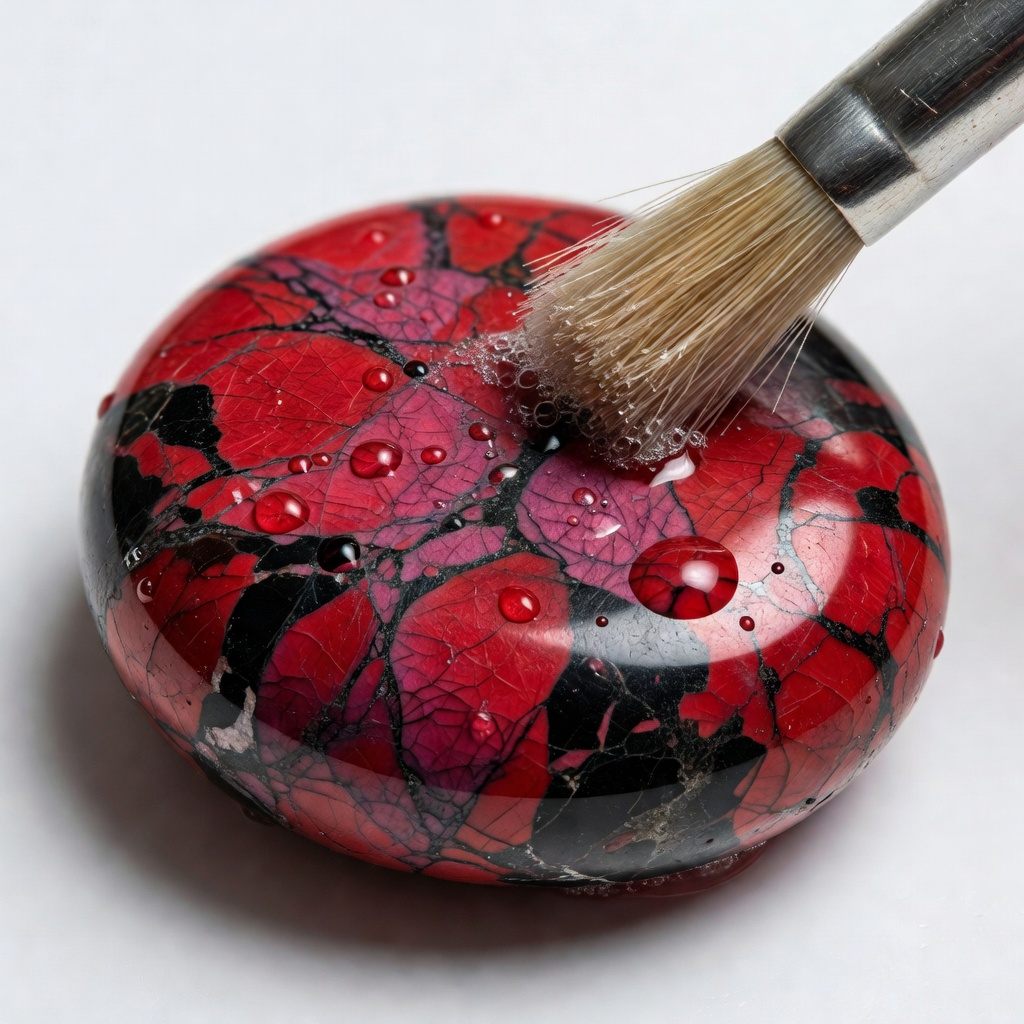
When Cleaning Eudialyte stones, patience and gentleness yield far better results than aggressive scrubbing or harsh chemical treatments. Begin by preparing a solution of lukewarm water—not hot, as thermal shock can damage the stone—mixed with a few drops of mild, phosphate-free liquid soap such as pure castile soap or unscented dish detergent. Place your eudialyte jewelry in this solution and allow it to soak for approximately 10 to 15 minutes, which helps loosen accumulated oils, cosmetic residues, and environmental grime without subjecting the stone to mechanical stress or chemical attack.
After soaking, use an extremely soft-bristled brush—such as a baby toothbrush or a specialized jewelry cleaning brush with natural hair bristles—to gently dislodge remaining debris from the stone's surface and setting crevices. Work in gentle circular motions across the crown and pavilion of the stone, paying special attention to the area where the gemstone meets the metal setting, as this junction often traps skin oils and soap scum. Avoid using toothpicks, metal picks, or abrasive scrubbing pads, as these can scratch the eudialyte's surface or damage delicate prongs that hold the stone securely in place.
Rinse the jewelry thoroughly under lukewarm running water, ensuring all soap residue washes away completely since dried soap film can dull the stone's luster and attract future dirt accumulation. Pat the piece dry immediately using a lint-free microfiber cloth or a soft, clean cotton cloth that hasn't been treated with fabric softeners, which can leave silicone residues. Allow the jewelry to air dry completely on a soft towel for an additional hour before storing, ensuring no moisture remains trapped in the setting that could tarnish metal components or encourage bacterial growth against the stone surface.
Chemical Hazards and Cleaning Methods to Avoid
Modern jewelry maintenance offers numerous technological conveniences, but many standard cleaning methods pose severe threats to eudialyte's chemical stability and physical structure. Ultrasonic cleaners, which use high-frequency sound waves to create cavitation bubbles that dislodge dirt, are absolutely contraindicated for eudialyte jewelry. The intense vibrations can expand microscopic fractures within the stone, cause existing inclusions to worsen, or even shatter the gemstone entirely, particularly if the eudialyte contains natural cleavage planes or internal stress points common in this mineral species.
Steam cleaning represents another popular jewelry maintenance technique that must be avoided when caring for eudialyte, as the combination of extreme heat and pressure can cause thermal shock leading to internal cracking or surface crazing. The Eudialyte acid sensitivity extends to common household items that owners might mistakenly consider safe for natural stone cleaning, including white vinegar, lemon juice, wine, cola, and tomato-based products. These acidic substances react with the sodium and calcium components in eudialyte's chemical formula, creating microscopic etching on the surface that scatters light and permanently dulls the polish.
Commercial jewelry dips and tarnish removers present additional hazards, as these products often contain harsh solvents, acids, or ammonia designed to attack oxidation on metal surfaces without considering their effects on gemstones. Even "all-purpose" jewelry cleaners available at drugstores typically formulate for hard, durable stones like diamonds and may contain chemicals incompatible with eudialyte's sensitive composition. When in doubt about a cleaning product's safety, always test it on an inconspicuous area first or consult with a professional gemologist, though the safest rule remains using only mild soap and water for routine maintenance of this delicate gemstone.
Proper Storage Solutions for Long-term Protection
Effective Eudialyte storage tips focus on protecting the stone from its three primary enemies: physical abrasion, light exposure, and environmental humidity. Always store eudialyte jewelry in individual soft cloth pouches, preferably made of unbleached cotton or velvet, or place pieces in a jewelry box with fabric-lined compartments that prevent contact with other items. This separation is crucial because harder gemstones like diamonds (10), rubies (9), or even quartz (7) can scratch eudialyte's surface if stored together in a drawer or box where pieces jostle against one another during drawer opening or transport.
Light protection plays a vital role in preserving eudialyte's distinctive red coloration, as the mineral's photosensitive nature means prolonged exposure to sunlight or bright artificial lighting can cause fading over months or years. Store your eudialyte collection in a dark location such as a closed jewelry box drawer, a safe, or a cabinet away from windows and direct light sources. If displaying eudialyte specimens, use UV-filtering glass cases and limit exposure to indirect lighting only, rotating displayed pieces periodically to ensure no single item receives excessive light exposure that might bleach its vibrant raspberry tones.
Humidity control and temperature stability further protect eudialyte during long-term storage, as extreme fluctuations can stress the stone's structure and promote metal tarnishing in settings. Include silica gel packets in your storage containers to absorb excess moisture, particularly if you live in humid climates, but ensure these packets don't directly contact the jewelry to prevent accidental chemical transfer. Avoid storing eudialyte in plastic bags or airtight containers without moisture absorbers, as trapped humidity can encourage fungal growth or accelerate the deterioration of organic inclusions sometimes present in these gemstones.
Professional Maintenance and When to Seek Expert Help
While routine home care handles day-to-day cleanliness, certain situations demand professional intervention to preserve the beauty and integrity of Red eudialyte gemstone care. Seek immediate assistance from a qualified jeweler if you notice deep-set grime that persists after gentle home cleaning, as professionals possess specialized tools like steam jets (used cautiously and indirectly) and soft abrasive compounds that can safely address stubborn residues without damaging the stone. Similarly, visible scratches that dull the surface luster require professional repolishing using fine diamond compounds and buffing wheels operated by technicians experienced with soft gemstones.
Loose settings represent urgent situations requiring professional attention, as eudialyte's moderate hardness makes it vulnerable to loss if prongs become worn or bezels develop gaps. A skilled bench jeweler can tighten prongs, rebuild worn settings, or recommend protective bezel settings that offer more security than traditional prongs for active wearers. When selecting a jeweler for eudialyte maintenance, specifically inquire about their experience with soft, rare gemstones, as technicians accustomed only to diamonds and sapphires may apply inappropriate techniques or excessive pressure that fractures the stone during repair work.
Professional repolishing can restore eudialyte's surface luster if the stone has accumulated minor scratches or developed a cloudy appearance from microscopic etching, though deep structural damage may be permanent. Jewelers specializing in colored gemstones can also evaluate whether treatments like oiling (common for emeralds but rarely used for eudialyte) might improve appearance, though such treatments require disclosure and specialized care instructions. Establish a relationship with a gemologist who understands eudialyte's unique properties, scheduling professional inspections annually for frequently worn pieces to catch developing issues before they result in stone loss or irreparable damage.
Recognizing and Addressing Common Eudialyte Issues
Even with diligent care, eudialyte owners may encounter specific problems that require prompt identification and appropriate response to prevent permanent damage. Color fading typically manifests gradually, with the vibrant red-pink hues becoming noticeably paler or developing brownish undertones after extended exposure to sunlight or strong indoor lighting. If you notice such fading, immediately remove the piece from light exposure and consult a professional gemologist, as some color loss may be reversible through proper storage in darkness, though severe bleaching often proves permanent and may require repolishing to remove the faded surface layer.
Surface etching appears as a cloudy, dull patch on previously glossy areas of the stone, usually resulting from accidental contact with acidic substances like spilled wine, salad dressing, or cleaning products. While minor etching can sometimes be improved through professional polishing, deep chemical damage permanently alters the stone's surface structure and cannot be undone. To prevent further etching, always remove eudialyte jewelry before cooking, cleaning, or swimming, and rinse the stone immediately with plain water if accidental chemical contact occurs, followed by gentle drying with a soft cloth.
Internal fractures and cleavage issues may develop or worsen over time, particularly in eudialyte specimens with visible inclusions or pre-existing internal stress lines. These appear as hairline cracks within the stone that may catch light differently than surface scratches, sometimes creating a "foggy" appearance in specific areas of the gem. While surface-reaching fractures compromise structural integrity and increase breakage risk, completely internal fractures that don't reach the surface may remain stable indefinitely if the stone is protected from impact. When fractures threaten the stone's stability, a jeweler might recommend protective bezel settings, metal caps, or in severe cases, replacement of the damaged stone with a more stable specimen.
Frequently Asked Questions
Can I Clean Eudialyte With Vinegar or Lemon Juice?
No, you should never clean eudialyte with vinegar, lemon juice, or any acidic substances. Eudialyte is highly sensitive to acids which can etch the surface, dull the polish, and potentially damage the stone's structure. Always use only mild soap and lukewarm water.
How Often Should I Clean My Eudialyte Jewelry?
Clean your eudialyte jewelry every 2-3 months with mild soap and water if worn regularly. However, wipe it with a soft cloth after each wear to remove oils, sweat, and cosmetics that can accumulate and dull the stone's luster over time.
Is Eudialyte Safe to Wear Every Day?
Due to its 5-5.5 Mohs hardness, eudialyte is not ideal for daily wear in rings or bracelets that receive impact. It's better suited for occasional wear or protected settings like pendants and earrings. If worn daily, remove during physical activities, cleaning, and showering.
Can Eudialyte Go in an Ultrasonic Cleaner?
Absolutely not. Ultrasonic cleaners can cause irreparable damage to eudialyte due to the stone's natural fractures and inclusions. The vibrations can expand existing cracks or cause the stone to shatter. Only use gentle hand-cleaning methods.
Why Is My Eudialyte Losing Its Red Color?
Color fading in eudialyte typically results from prolonged exposure to sunlight or strong artificial light, as the mineral is photosensitive. Heat exposure can also cause fading. Store your eudialyte in a dark place and limit sun exposure to preserve its vibrant red-pink hue.
Can I Shower With Eudialyte Jewelry?
It's best to remove eudialyte jewelry before showering. Soap scum can build up in settings, and hot water combined with harsh shower products can damage the stone. Additionally, slippery soap increases the risk of dropping and breaking the relatively soft gemstone.
What Is the Best Way to Store Eudialyte Long-term?
Store eudialyte in a cool, dark place inside a soft cloth pouch or lined jewelry box. Keep it separate from harder gemstones (diamonds, rubies, sapphires) that could scratch it. Include silica gel packets to control humidity, and avoid plastic bags which can trap moisture.
How Do I Know if My Eudialyte Needs Professional Cleaning?
Seek professional help if your eudialyte has deep-set dirt that won't budge with gentle cleaning, visible scratches that dull the surface, loose settings, or a cloudy appearance that doesn't improve with soap and water. Choose a jeweler experienced with soft, delicate gemstones.