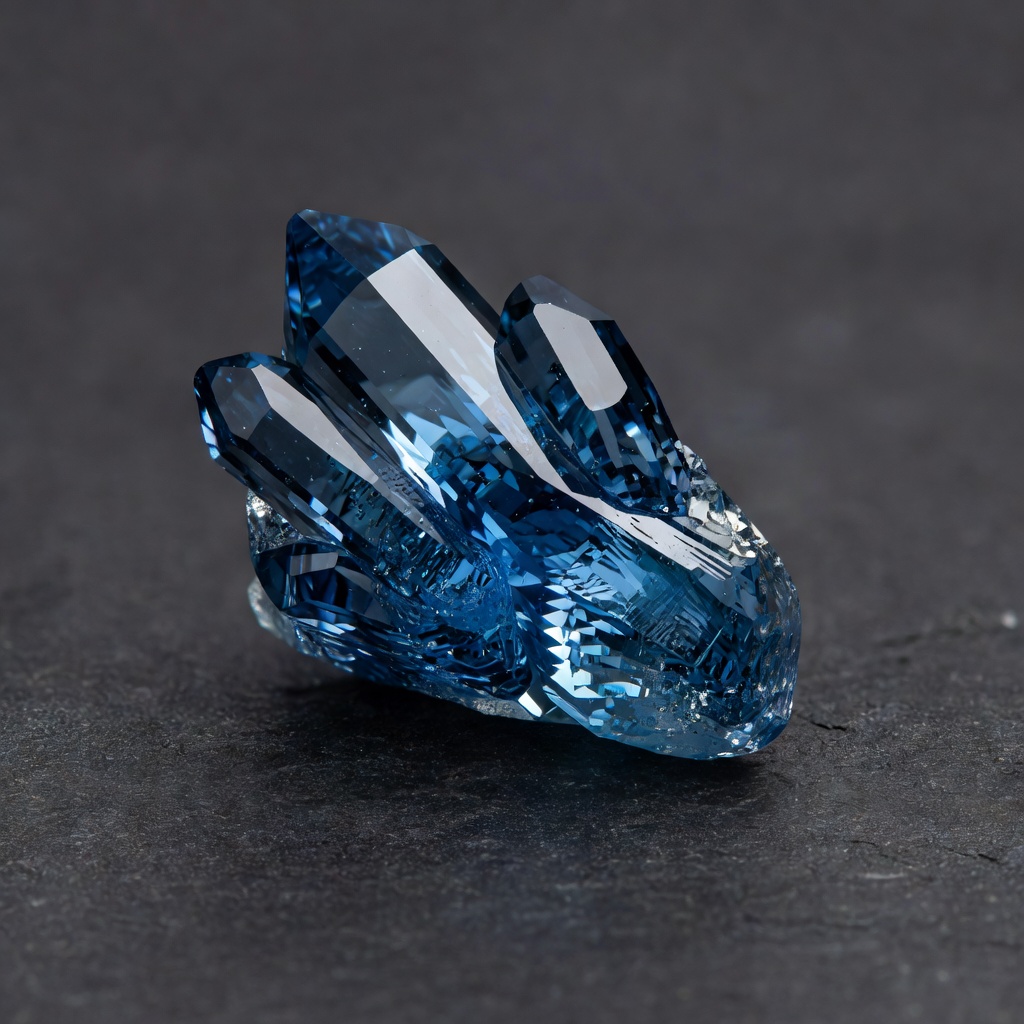
What Is Euclase? Understanding This Rare Gemstone
Euclase represents one of the mineral kingdom's most captivating yet elusive treasures, defined chemically as a beryllium aluminum silicate hydroxide with the formula BeAlSiO4(OH). This distinctive composition places it within the silicate mineral group, though it remains far less common than its beryllium-bearing cousins such as emerald and aquamarine. The name itself derives from the Greek word euclasis, meaning "easily fractured" or "easily broken," which provides an immediate warning about the gem's most significant physical limitation—its perfect cleavage that makes cutting and wear challenging even for experienced lapidaries.
Historically, euclase remained relatively obscure to the general public despite being known to mineralogists since the early 19th century. First described in 1792 from samples discovered in the Ural Mountains of Russia, this gemstone remained primarily a collector's curiosity until significant deposits were unearthed in Brazil during the 20th century. Unlike more abundant gemstones that flood the market with consistent supply, high-quality Euclase Properties and Information reveal a mineral so scarce that faceted stones over two carats command immediate attention from connoisseurs and investors alike.
When evaluating rarity metrics, euclase surpasses even diamond and emerald in terms of availability of fine, transparent crystals suitable for faceting. While diamonds occur in kimberlite pipes across multiple continents and emeralds emerge from various Colombian and Zambian mines, gem-quality euclase appears sporadically in limited geographic pockets. This extreme scarcity, combined with the mineral's exceptional beauty when properly cut, positions euclase as a true connoisseur's stone that rarely appears in commercial jewelry stores but instead trades hands through specialized gem dealers and auction houses.
Physical and Chemical Characteristics
Understanding the Euclase gemstone properties requires examining its position on the Mohs hardness scale, where it registers a respectable 7.5. This hardness level suggests reasonable durability for jewelry applications, placing it between quartz (7) and topaz (8). However, hardness alone fails to tell the complete story, as euclase possesses perfect cleavage in one direction, meaning the crystal can split cleanly along specific planes with minimal force. This characteristic necessitates extreme caution during cutting, setting, and daily wear, as sharp impacts can cause the stone to fracture along these natural cleavage planes.
The mineral crystallizes in the monoclinic crystal system, typically forming distinctive prismatic crystals with well-developed faces and striated surfaces. These crystals often appear as elongated prisms or flattened blades, sometimes reaching impressive sizes in rough form, though maintaining integrity during extraction proves challenging due to the aforementioned cleavage. Specific gravity measurements for euclase range between 3.05 and 3.10, providing gemologists with a useful diagnostic tool when distinguishing euclase from visually similar materials like aquamarine or blue topaz.
Visual examination reveals a vitreous to resinous luster that gives fine specimens a soft, almost glowing appearance distinct from the more brilliant flash of diamond or the glass-like shine of quartz. When fracture occurs, euclase displays conchoidal fracture patterns—curved, shell-like breaks similar to those seen in obsidian or glass. For lapidaries, working with euclase demands specialized knowledge and techniques; cutters must orient the stone carefully to minimize cleavage risks while maximizing color and brilliance, often choosing designs that protect vulnerable points rather than pursuing aggressive facet arrangements that might compromise structural integrity.
Color Variations and Optical Properties
The Blue euclase crystal meaning and value stem largely from the mineral's remarkable pleochroism, an optical phenomenon where the gemstone displays different colors when viewed from different crystallographic directions. In high-quality blue euclase, this effect manifests as shifts between deep cornflower blue and near-colorless or pale blue tones, creating a dynamic visual experience that changes as the stone moves. This pleochroism not only enhances the gem's beauty but also serves as an important identification characteristic that helps distinguish natural euclase from simulants or less valuable look-alikes.
While blue represents the most coveted and valuable hue, euclase actually occurs in a spectrum of colors ranging from completely colorless to various shades of blue, greenish-blue, yellow, and extremely rarely, pink or violet tints. The blue coloration results from trace iron content within the crystal structure, with the most desirable specimens exhibiting saturated deep cornflower blue without distracting green or gray secondary tones. Greenish-blue varieties, while attractive, typically command lower prices in the marketplace, as do pale or washed-out blue specimens that lack the intensity collectors and high-end jewelers seek.
Transparency levels vary significantly based on quality, with the finest material achieving eye-clean transparency that allows light to pass freely through the crystal. Lower-grade material may appear translucent rather than transparent, limiting its use to cabochons or mineral specimens rather than faceted gems. When evaluating Euclase Properties and Information regarding color, gemologists emphasize that the combination of saturated blue hue, high transparency, and strong pleochroism creates the most valuable combination, particularly when the stone maintains these qualities across significant carat weights—a rarity that explains why exceptional specimens achieve premium prices at specialized gem auctions.
Geological Formation and Primary Sources
Euclase forms under specific geological conditions typically associated with granite pegmatites and high-temperature hydrothermal veins, environments rich in beryllium and aluminum that allow the necessary chemical components to crystallize. These formation environments often occur in the late stages of pegmatite development when residual hydrothermal fluids permeate fractures and cavities within the host rock. The Rare beryllium silicate mineral frequently associates with other beryllium-bearing species including phenakite, beryl varieties, and bertrandite, creating mineral assemblages prized by serious collectors for their scientific and aesthetic value.
The most significant commercial deposits currently operate in Minas Gerais, Brazil, particularly around the historic mining district of Ouro Prêto, where some of the finest deep blue crystals have emerged from weathered pegmatite deposits. Colombian deposits, particularly those in the emerald-mining regions, occasionally yield euclase as a secondary mineral, though typically in smaller crystals than Brazilian material. Madagascar represents another important source, producing material that often exhibits slightly different color characteristics compared to South American specimens. More recently, significant finds in Zimbabwe and renewed interest in Russian localities have diversified the market, though none match the reputation of classic Brazilian material for sheer quality and size.
Extracting euclase presents unique challenges that contribute to its rarity and cost. The mineral's perfect cleavage means that rough crystals often fracture during the mining process, particularly when traditional extraction methods involving blasting or heavy machinery create vibration and shock. Miners must employ delicate hand tools and careful excavation techniques to recover intact crystals, significantly slowing production and increasing costs. Additionally, because euclase often occurs in complex geological matrices alongside harder minerals, separating specimens without damage requires exceptional skill and patience, further limiting the supply of facet-grade material reaching the market.
Metaphysical Properties and Healing Applications
Crystal healing traditions associate Euclase healing properties primarily with the third eye and throat chakras, creating a unique energetic bridge between intuition and communication. Practitioners believe that blue euclase specifically resonates with the throat chakra, facilitating clear, truthful expression and helping individuals articulate complex thoughts or difficult emotions with precision and compassion. Simultaneously, its connection to the third eye chakra suggests enhanced psychic awareness, mental clarity, and the ability to perceive underlying truths in confusing situations—a combination that makes it particularly valuable for those engaged in counseling, teaching, or creative writing professions.
Beyond chakra alignment, euclase carries a reputation as a stone of decision-making and mental discipline. Crystal therapists often recommend it for individuals facing significant life choices or career transitions, suggesting that the gem's energy promotes logical analysis while maintaining connection to intuitive wisdom. Meditation practices incorporating euclase typically involve placing the stone on the forehead or holding it during visualization exercises aimed at cutting through mental fog or emotional confusion. Some practitioners create elixirs using the indirect method (placing the stone near but not in water) to capture its supposed energetic essence for use in aura cleansing or space clearing rituals.
Emotionally, euclase is sought for its purported ability to reduce anxiety and stress-related tension. The calming blue coloration aligns with traditional color therapy associations of peace and serenity, while the mineral's rarity and beauty are said to inspire appreciation and present-moment awareness. Collectors working with Euclase Properties and Information from a metaphysical perspective often emphasize that despite its fragility in the physical realm, the stone offers "strong medicine" for mental and emotional clarity, helping users break through patterns of overthinking or indecision. However, it remains important to note that these healing applications represent spiritual and cultural beliefs rather than scientifically proven medical treatments, and should not replace professional healthcare advice.
Euclase vs Aquamarine: Key Differences
The comparison of Euclase vs aquamarine frequently arises because both gemstones share beryllium content and can exhibit similar blue coloration, leading to confusion among novice collectors. However, significant chemical and structural differences distinguish these minerals. Aquamarine, a variety of beryl, carries the chemical formula Be3Al2Si6O18, while euclase maintains the distinct composition BeAlSiO4(OH). This fundamental difference places them in separate mineral classes—beryl for aquamarine and nesosilicate for euclase—affecting everything from crystal formation to optical properties and durability factors.
While both minerals register approximately 7.5 on the Mohs hardness scale, their toughness and wearability differ substantially due to cleavage characteristics. Aquamarine possesses poor to indistinct cleavage, making it relatively durable for daily wear jewelry including rings and bracelets that might receive occasional impacts. In contrast, euclase's perfect cleavage creates a vulnerability that jewelers must respect, typically recommending protective settings and occasional wear rather than daily use. Visual identification in rough form relies on crystal habit differences; aquamarine typically forms hexagonal prisms, while euclase crystallizes in the monoclinic system with distinctively different angles and striations.
Optical testing provides definitive differentiation, as euclase displays strong pleochroism showing distinct color variations from different angles, whereas aquamarine typically exhibits weak pleochroism or appears essentially the same color from all directions. From a market perspective, the Euclase stone value and price typically exceeds that of comparable quality aquamarine due to extreme scarcity. While fine aquamarine commands respect in the gemstone market, exceptional euclase remains significantly rarer, with high-quality faceted stones over five carats appearing on the market only sporadically, whereas aquamarine of similar quality and size remains relatively accessible through established gem dealers.
Quality Assessment and Market Value
Evaluating Euclase stone value and price requires understanding specific quality parameters that differ somewhat from other colored gemstones. Color grading emphasizes saturation above all other factors, with the most valuable specimens displaying intense, pure blue hues reminiscent of fine sapphire or tanzanite, completely free from greenish or grayish modifiers that dilute the color's impact. Stones exhibiting the prized cornflower blue while maintaining transparency command premium prices, while those showing pale tones or greenish secondary colors fall into commercial quality categories with correspondingly lower valuations.
Clarity standards for faceted euclase demand eye-clean transparency, meaning no inclusions visible to the naked eye without magnification. Because the mineral's cleavage can create internal planes that affect durability and appearance, cutters and buyers carefully examine stones for feather inclusions or cleavage cracks that might compromise structural integrity. Carat weight significantly impacts value due to extreme rarity; while rough crystals occasionally reach impressive sizes, maintaining clean, facetable material over five carats proves exceptionally difficult. Consequently, price per carat escalates dramatically as size increases, with stones over ten carats considered museum-quality specimens suitable only for the most serious collectors.
Current market pricing reflects this scarcity, with commercial quality material typically starting around $100 to $300 per carat for smaller stones with lighter colors or minor inclusions. Fine quality blue euclase with good saturation and clarity ranges from $1,000 to $5,000 per carat, while exceptional specimens with deep color and significant size can command prices exceeding $10,000 per carat at specialized auctions. When researching Euclase Properties and Information for investment purposes, collectors should note that untreated, natural material from classic localities such as Ouro Prêto, Brazil, consistently outperforms material from newer sources or stones showing signs of heat treatment or other enhancements.
Jewelry Applications and Setting Considerations
Translating Euclase gemstone properties into wearable art requires careful consideration of the mineral's physical limitations and aesthetic strengths. Given the perfect cleavage that makes the stone vulnerable to sharp impacts, jewelry designers strongly recommend protective settings that shield vulnerable points while showcasing the gem's color and pleochroism. Bezel settings provide optimal protection by surrounding the gem's perimeter with metal, while halo designs offer additional security through surrounding accent stones that create a buffer zone. Prong settings, while possible, require thicker, more substantial prongs than those used for harder stones like sapphire or diamond, and should position the gem's table (top) parallel to the cleavage plane to minimize risk.
Jewelry category selection significantly impacts the stone's longevity and safety. Pendants and earrings represent ideal applications for euclase, as these pieces typically avoid the impact risks associated with rings or bracelets that bump against hard surfaces during daily activities. When set in rings, euclase should be reserved for occasional wear pieces—cocktail rings or dinner rings—rather than engagement rings or daily wear bands. The stone works beautifully in brooches and hair ornaments where visual impact matters but physical stress remains minimal, allowing designers to create statement pieces without compromising the gem's integrity.
Metal pairing recommendations emphasize white metals such as white gold, platinum, or silver for blue varieties, as these settings enhance the cool tones of the gemstone without introducing color competition. Yellow gold can work with greenish-blue or yellow euclase varieties, creating warm, vintage-inspired aesthetics. Design considerations must include protective galleries (the metal structure beneath the stone) that provide support without creating pressure points, and shanks (ring bands) designed to absorb shock rather than transfer it to the gem. For collectors seeking to maximize both beauty and security, custom-designed pieces that account specifically for euclase's unique Euclase Properties and Information profile offer the best long-term satisfaction and preservation of value.
Proper Care and Maintenance Guidelines
Maintaining the beauty and integrity of euclase requires specific protocols that acknowledge the mineral's sensitivity while ensuring lasting brilliance. Cleaning should involve only mild soap and lukewarm water applied with a soft-bristled brush, gently removing accumulated oils and debris without subjecting the stone to mechanical stress. Owners must absolutely avoid ultrasonic cleaners and steam cleaning devices, as the vibration and thermal shock can exploit the perfect cleavage planes, potentially causing internal fractures or complete breakage. This restriction applies equally to set jewelry and loose stones, making euclase maintenance more hands-on than care for harder, more durable gems.
Storage requirements demand separation from harder gemstones such as diamonds, rubies, and sapphires that could scratch euclase's surface during contact. Ideally, euclase jewelry should rest in individual soft cloth pouches or compartmentalized jewelry boxes with padded dividers. When traveling, protective cases with foam inserts prevent movement and impact. Temperature sensitivity represents another crucial consideration; euclase should never be exposed to sudden temperature changes, such as moving from a hot car interior to an air-conditioned room, as thermal shock can induce cracking along cleavage planes. Similarly, exposure to extreme heat—such as leaving the stone near heating vents or in direct sunlight through glass windows for extended periods—should be avoided.
Professional maintenance should include annual inspections by jewelers experienced with delicate gemstones, checking for loose settings, worn prongs, or developing fractures. When having euclase jewelry serviced, owners should specifically inform the jeweler about the stone's identity and cleavage characteristics, ensuring that standard procedures like steam cleaning or polishing wheels are not inadvertently applied. By following these Euclase Properties and Information care guidelines, collectors can preserve their specimens for generations, maintaining both the gem's physical condition and its market value.
Investment Potential and Collecting Tips
The Rare beryllium silicate mineral status of euclase creates compelling investment potential for collectors who understand the gem market's nuances. Scarcity factors drive long-term value appreciation, as established deposits deplete and new discoveries remain sporadic and unpredictable. Unlike diamonds, where synthetic production and managed stockpiles influence pricing, or emeralds, where treatment-heavy material floods lower market tiers, fine untreated euclase remains genuinely rare at all quality levels. This authentic scarcity protects value and suggests continued appreciation as awareness of the gem grows among high-end collectors and institutional museums seeking representative mineral specimens.
Authentication methods become crucial when acquiring high-value euclase, as the market occasionally sees misidentified material or synthetic simulants. Reputable gemological laboratories should certify significant purchases, testing for natural origin and detecting any treatments such as oiling or heat enhancement that might affect value. Advanced testing including Raman spectroscopy can definitively distinguish euclase from look-alike materials such as blue topaz, aquamarine, or glass imitations. Collectors should verify origin documentation when possible, as Brazilian material from classic localities typically commands higher prices than material from newer sources, provided quality remains equivalent.
Investment strategies diverge between specimen collecting and faceted gemstone acquisition. Mineral specimens—crystals preserved in their natural form with matrix—appeal to institutional collectors and museums, with value based on crystal size, form, and association with other minerals. Faceted stones attract jewelry-oriented investors, with liquidity depending on size, color, and cutting quality. Diversification across both categories while focusing on untreated, well-documented material from established sources offers the most stable appreciation potential. As with all collectible investments, purchasing the finest quality one can afford, rather than larger quantities of inferior material, typically yields better long-term results in the Euclase Properties and Information marketplace.
Frequently Asked Questions
What makes euclase different from aquamarine?
While both contain beryllium, euclase (BeAlSiO4(OH)) and aquamarine (Be3Al2Si6O18) have different chemical compositions and crystal structures. Euclase exhibits strong pleochroism (showing different colors from different angles) and perfect cleavage, whereas aquamarine typically shows weak pleochroism and has no cleavage, making it more durable for jewelry.
Is euclase a rare gemstone?
Yes, euclase is considered extremely rare, even more so than diamond or emerald in facetable quality. Fine blue crystals over 5 carats are exceptionally uncommon, and the mineral's perfect cleavage makes it difficult to extract intact specimens from host rock, further limiting supply.
What are the healing properties of euclase?
Crystal healers associate euclase with the third eye and throat chakras, believing it enhances clear communication, mental clarity, and spiritual insight. It's thought to aid in decision-making, reduce anxiety, and promote truthfulness. However, these properties are not scientifically proven.
How should I clean and care for euclase jewelry?
Clean euclase using only mild soap and lukewarm water with a soft brush. Never use ultrasonic cleaners or steamers due to its perfect cleavage. Store separately from harder gemstones, and avoid wearing euclase rings during activities that might cause impact. Protect from sudden temperature changes.
Where does the best quality euclase come from?
The finest deep blue euclase specimens historically come from the Ouro Prêto region of Minas Gerais, Brazil. Colombia and Madagascar also produce quality material, while recent significant finds include Zimbabwe and the Ural Mountains. Brazilian material typically commands the highest prices.
What colors does euclase come in?
Euclase occurs in colors ranging from colorless to various shades of blue (the most valued), greenish-blue, yellow, and rarely pink or violet. The blue color results from trace iron content. Deep cornflower blue without green secondary hues is the most prized and valuable color.
Is euclase suitable for daily wear?
Due to its perfect cleavage and relative brittleness, euclase is not recommended for daily wear in rings or bracelets. It's better suited for occasional wear pieces like pendants, earrings, or brooches that receive less physical impact. Protective settings are essential if used in rings.
How much does euclase cost per carat?
Euclase pricing varies dramatically based on color, clarity, and size. Commercial quality material may start around $100-300 per carat, while fine deep blue, eye-clean stones typically range from $1,000 to $5,000+ per carat. Exceptional specimens over 10 carats can command significantly higher prices due to extreme rarity.