Understanding Ethiopian Opals and Their Hydrophane Nature
Ethiopian opals possess a fascinating characteristic known as hydrophane, derived from Greek words meaning "water-loving," which distinguishes them from virtually every other gemstone in your jewelry collection. When these remarkable stones encounter water or moisture, they can absorb liquid rapidly, causing the gem to become temporarily transparent or semi-transparent and often displaying a yellowish or brownish tint until fully dried. This unique property occurs because Ethiopian opals, particularly those from the Wollo Province, contain a porous internal structure with microscopic cavities that can trap water molecules within the silica spheres that create opal's famous play-of-color.
Unlike Australian precious opals, which typically contain around 5-6% water content in a more stable gel-like structure, Ethiopian hydrophane opals can absorb up to 20% of their weight in water, dramatically altering their appearance within minutes of exposure. A practical example illustrates this phenomenon clearly: if you accidentally splash water on an Ethiopian opal ring while washing your hands, you may watch in alarm as the vibrant flashes of red, green, and blue suddenly dim or disappear entirely, replaced by a glassy, translucent appearance. This temporary transformation frightens many new owners, but understanding that this reversible process is natural helps distinguish between normal hydrophane behavior and actual damage.
The care requirements for Ethiopian opals differ fundamentally from Australian opals or other gemstones like diamonds and sapphires, necessitating specialized knowledge to prevent inadvertent damage. Traditional gemstone cleaning methods, such as steam cleaning or prolonged soaking in jewelry solutions, can cause catastrophic failure in Ethiopian opals due to their water absorption capabilities and internal stress patterns. When water penetrates the stone rapidly and then evaporates unevenly, it can create internal pressure changes that lead to cracking, crazing, or complete structural failure, making proper Ethiopian opal care and cleaning protocols essential for preservation.
Daily Ethiopian Opal Care and Handling Best Practices
Establishing a consistent daily care routine forms the foundation of effective Ethiopian opal maintenance and ensures your gemstone retains its brilliant fire and color play for decades. Always wash your hands thoroughly with mild soap and dry them completely before handling opal jewelry, as natural skin oils, lotions, and residual cleaning chemicals can transfer to the porous stone surface and create buildup that dulls the gem's luster over time. Consider the case of a collector who noticed her Ethiopian opal pendant gradually losing its vibrancy; upon consultation with a gemologist, she discovered that her habit of applying hand cream before putting on her jewelry had created an invisible film that required professional polishing to remove.
Chemical exposure represents one of the most significant threats to Ethiopian opal integrity, necessitating strict protocols regarding cosmetics, perfumes, and household cleaners. Apply all beauty products, including hairspray, perfume, and makeup, before putting on your opal jewelry, allowing at least fifteen minutes for these substances to dry completely and form a stable barrier on your skin. A practical tip involves creating a "jewelry sequence" for your morning routine: after completing your skincare and makeup regimen, wait until everything has set, then put on your Ethiopian opal pieces last, and remove them first when returning home.
Physical protection requires conscious awareness of your activities throughout the day, as Ethiopian opals rank between 5.5 and 6.5 on the Mohs hardness scale, making them susceptible to scratches, chips, and abrasions from everyday encounters. Remove opal rings before engaging in household chores, gardening, or exercise, as contact with hard surfaces, abrasive materials, or sudden impacts can cause immediate damage or microscopic fractures that worsen over time. Temperature sensitivity adds another layer of complexity; never wear Ethiopian opals in saunas, hot tubs, or while cooking over open flames, as extreme heat can cause dehydration and cracking, while sudden temperature changes from moving between heated interiors and cold winter exteriors can induce thermal shock.
Safe Cleaning Methods for Ethiopian Opals at Home
Cleaning Ethiopian opals at home requires a gentle, minimalist approach that prioritizes the stone's delicate hydrophane nature over aggressive cleaning efficacy. Prepare a cleaning station using only lukewarm distilled water mixed with a few drops of mild, pH-neutral liquid soap—avoid tap water which may contain minerals that leave deposits in the stone's microscopic pores, and never use detergents containing bleach, ammonia, or optical brighteners. The distilled water ensures that no calcium, chlorine, or fluoride residues remain on the stone surface after cleaning, preserving the opal's natural brilliance without introducing foreign substances that could affect its stability.
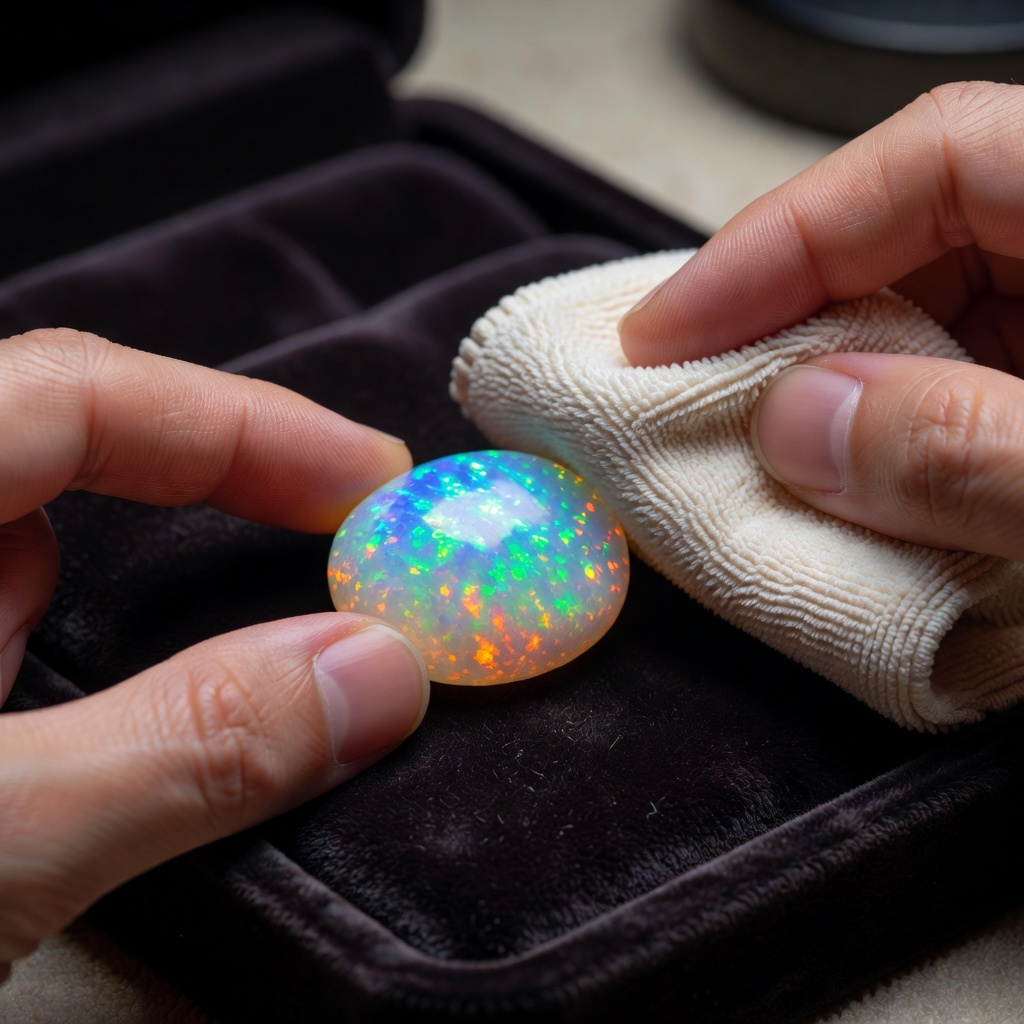
The proper technique involves dampening a soft, lint-free microfiber cloth with the prepared solution rather than submerging the stone, gently wiping the surface in circular motions to remove accumulated oils and debris. For intricate settings or hard-to-reach areas around prongs, use a soft-bristled artist's paintbrush or a fresh cotton swab slightly moistened with the cleaning solution, taking care never to allow water to pool around the stone or seep into any cracks or inclusions. A detailed case study from a jewelry restoration specialist demonstrated that a client who diligently used this cloth method every three months maintained her Ethiopian opal engagement ring in pristine condition for over eight years, while her sister's similar ring, cleaned with commercial dips, developed permanent cloudiness within eighteen months.
Proper air-drying constitutes a critical phase of the cleaning process that many owners rush, potentially trapping moisture against the stone or setting. After wiping with the damp cloth, immediately follow with a dry section of the microfiber cloth to remove excess moisture, then place the jewelry on a clean paper towel in a room-temperature environment away from direct sunlight, heat vents, or air conditioning units. Allow at least twenty-four hours of drying time before returning the piece to storage or wearing it again, as residual moisture trapped under prongs or in setting crevices can promote metal tarnishing or stone discoloration. Regarding frequency, resist the urge to clean your Ethiopian opal jewelry weekly; instead, adhere to a maintenance schedule of every two to three months, or only when visible dirt accumulation actually appears, as excessive cleaning increases the statistical risk of water damage.
Critical Mistakes to Avoid in Ethiopian Opal Care
Understanding what not to do proves equally important as knowing proper techniques when caring for these sensitive gemstones. Ultrasonic cleaners, despite their popularity for diamonds and sapphires, pose an absolute prohibition for Ethiopian opals due to the intense vibrations that can cause internal fracturing or complete shattering of the hydrophane structure. The high-frequency sound waves create microscopic cavitation bubbles that implode violently against the stone surface; while hard gems tolerate this process, the porous, water-filled structure of Ethiopian opals experiences internal stress that manifests as immediate cracks or delayed crazing that appears weeks later.
Chemical exposure extends beyond obvious dangers like bleach to include seemingly benign household substances that can etch or discolor opal surfaces. Never expose Ethiopian opals to ammonia-based window cleaners, alcohol-based hand sanitizers, chlorine from swimming pools, or acidic substances like vinegar or lemon juice, as these can dissolve the silica structure or strip away natural protective layers. One devastating example involved a wearer who accidentally sprayed perfume directly onto her Ethiopian opal brooch; the alcohol content created immediate surface etching that required expensive repolishing to restore, permanently removing a small portion of the stone's weight and potentially affecting its value.
Prolonged water immersion represents a particularly insidious risk because the damage often occurs gradually without immediate visible signs, leading owners to believe their practices are safe until sudden failure occurs. Never soak Ethiopian opal jewelry overnight in cleaning solutions, wear them while bathing or doing dishes, or store them in humid environments like bathrooms, as cumulative water absorption weakens the internal structure over time. Additionally, avoid sudden temperature transitions that create thermal shock; removing an opal ring immediately after washing hands in warm water and stepping into freezing outdoor air can cause the stone to crack due to rapid contraction of the surface layer while the interior remains expanded.
Proper Storage Solutions for Ethiopian Opal Jewelry
Effective Ethiopian opal storage requires creating a stable microenvironment that protects against physical damage, humidity fluctuations, and light exposure while preventing contact with harder gemstones. Store each piece of opal jewelry individually in soft cotton pouches, velvet-lined boxes, or acid-free tissue paper, ensuring that the stone surface never contacts metal findings from other pieces or harder gems like diamonds, rubies, or sapphires that could scratch the relatively soft opal surface. A professional organizer might utilize compartmentalized jewelry boxes with padded dividers, assigning specific sections for opals separate from other collections, while casual collectors can achieve similar protection using small silk bags or even clean cotton socks stored within a larger jewelry box.
Plastic bags and containers pose hidden dangers for opal preservation despite their convenience for travel or organization, as these materials can trap moisture against the stone surface and create condensation during temperature changes. Avoid ziplock bags, plastic wrap, or acrylic storage containers that don't breathe; instead, choose natural materials like untreated cotton, silk, or velvet that allow air circulation while protecting from dust. For collectors in extremely dry climates or during winter heating seasons, maintaining stable humidity levels becomes crucial—consider placing a small dish of water in the storage area or using a humidity-controlled cabinet set between 40-50% relative humidity to prevent dehydration and potential crazing.
Environmental positioning within your storage space significantly impacts long-term preservation, requiring strategic placement away from heat sources, windows, and vibration-prone areas. Never store Ethiopian opal jewelry on windowsills where direct sunlight can create greenhouse effects within display cases, potentially reaching temperatures that damage the stones, or near heating vents and radiators that cause cyclical expansion and contraction. For heirloom pieces or significant investments, create detailed care instructions stored with the jewelry, documenting the stone's origin, any treatments received, and specific maintenance protocols, ensuring that future generations understand the unique requirements of hydrophane opal care.
Managing Water Absorption and Restoration Techniques
Recognizing the signs of water absorption in Ethiopian opals enables prompt intervention to minimize potential damage and restore the stone to its optimal appearance. When hydrophane opals absorb moisture, they typically exhibit a glassy, translucent quality where the background becomes see-through rather than opaque, often accompanied by a yellowish, brownish, or milky cast that masks the play-of-color; the stone may also feel cooler or heavier than usual due to the water content. If you accidentally expose your opal to rain, perspiration, or immersion, remove it immediately and blot gently with a soft, absorbent cloth without rubbing, which could drive water deeper into surface-reaching fractures.
The restoration process for cloudy or water-logged Ethiopian opals requires patience and environmental control rather than aggressive drying methods that could cause additional harm. Place the affected stone in a warm—not hot—dry room with good air circulation, resting it on a bed of clean cotton or acid-free paper towel that will wick moisture away from the base; never use hair dryers, ovens, or desiccants like silica gel, which can cause rapid dehydration leading to cracking. A documented case involved an Ethiopian opal bracelet accidentally worn in a hot tub; the owner placed the pieces in a cardboard box lined with paper towels in a closet away from bathroom humidity, allowing three weeks for complete restoration to original clarity and fire.
Understanding that temporary color changes constitute normal hydrophane behavior rather than permanent damage helps owners avoid panic-driven mistakes during the drying process. Ethiopian opals may cycle between slightly translucent and fully opaque states depending on ambient humidity, season, and recent exposure to moisture, with some stones taking days or even weeks to return to their fully dry appearance after significant water absorption. However, if cloudiness persists beyond one month, if the stone develops new visible cracks, or if the play-of-color fails to return after thorough drying, consult a professional gemologist immediately, as these symptoms may indicate internal damage requiring expert Ethiopian opal restoration services rather than simple moisture evacuation.
Jewelry-Specific Care: Rings, Necklaces, and Earrings
Different jewelry settings present unique challenges for Ethiopian opal care, requiring tailored approaches based on exposure levels and wear patterns. Opal rings face the highest risk due to constant hand contact and exposure to impacts, chemicals, and abrasion during daily activities; consider reserving Ethiopian opal rings for special occasions rather than daily wear, and always remove them before washing hands, as the combination of water exposure and impact risk from hard sink surfaces creates a perfect storm for damage. For those who do wear opal rings regularly, bezel settings offer superior protection compared to prong settings, surrounding the stone's girdle with a metal rim that shields against edge chips while reducing the surface area exposed to environmental contaminants.
Necklace and pendant maintenance focuses on chain integrity and clasp security, as the weight of an opal pendant combined with movement creates wear points that can lead to loss. Inspect chains monthly for kinks, weak links, or thinning at connection points, and clean them separately from the opal using appropriate metal-cleaning methods that never contact the stone itself; a silk cord or leather thong may provide a safer alternative to metal chains for large, valuable Ethiopian opal pendants, eliminating the risk of metal abrasion against the stone's back or edges. Store necklaces hanging vertically or laid flat with the opal facing upward to prevent chain tangling that could cause pressure points on the gemstone.
Earrings require particular attention to setting security and back replacement, as the small size of earring components makes them susceptible to loss during the removal process. Check butterfly backs or screw mechanisms weekly for looseness, as Ethiopian opal studs can be heavy relative to their size and may gradually work loose from settings; consider upgrading to secure locking backs for valuable pieces. Activity restrictions vary by jewelry type—remove all Ethiopian opal jewelry before swimming, exercising, cooking, cleaning, or sleeping, but pay special attention to rings during manual tasks and earrings during hair styling, where brushes and products pose significant tangling and chemical exposure risks.
Professional Ethiopian Opal Maintenance and Restoration
While home care suffices for routine maintenance, certain situations demand professional intervention from gemologists experienced specifically with hydrophane Ethiopian opals. Seek professional cleaning when your opal develops stubborn buildup in settings that you cannot safely reach, if the stone appears permanently cloudy despite proper drying attempts, or if you notice any cracks, chips, or loosening in the setting that could indicate structural compromise. A qualified professional will use specialized techniques such as low-pressure steam directed away from the stone, mechanical cleaning of settings only, or laser cleaning technologies that remove debris without liquid contact.
Repolishing services address surface scratches, etching from chemical exposure, or minor chips that dull the opal's luster, involving careful grinding and polishing of the stone's surface to remove damaged layers while preserving as much material as possible. This process requires extreme precision with Ethiopian opals due to their water content; the lapidary must work with constant water cooling to prevent heat buildup, yet control the stone's absorption to prevent swelling during the process. Professional re-oiling treatments, sometimes appropriate for cracked Australian opals to mask imperfections, generally prove unnecessary and potentially harmful for Ethiopian opals, which typically display better stability; however, some collectors specifically request light oiling to enhance transparency in certain Ethiopian crystal opals, a procedure that should only be performed by specialists who understand the specific porosity of hydrophane material.
Finding qualified professionals requires asking specific questions about their experience with Ethiopian hydrophane opals rather than general gemology credentials. Inquire whether they understand the differences between Ethiopian and Australian opal care, whether they have ultrasonic or steam cleaning protocols that could accidentally damage your stone, and whether they offer guarantees against treatment-induced damage. Reputable opal specialists often belong to organizations like the International Opal Association or possess specific training in Ethiopian gemology; request portfolio examples of previous Ethiopian opal restoration work and ensure they carry appropriate insurance coverage for high-value pieces before entrusting your jewelry to their care.
Long-Term Preservation and Investment Protection
Serious collectors and investors implement climate control strategies that extend beyond basic storage to create optimal preservation environments for valuable Ethiopian opal collections. Maintain ambient humidity between 40-60% using humidifiers or dehumidifiers as climate dictates, avoiding both desert-dry conditions that promote crazing and tropical humidity that encourages water absorption and potential fungal growth on organic materials in doublets or triplets. Temperature stability proves equally critical; store collections in interior rooms away from exterior walls where temperature fluctuations are minimal, ideally maintaining a constant 65-75°F (18-24°C) year-round with gradual seasonal transitions rather than abrupt thermostat changes.
Documentation creates a crucial paper trail for insurance purposes and future valuation, requiring detailed photographs, certificates of authenticity, purchase receipts, and records of any treatments or repairs performed. Photograph each Ethiopian opal under consistent lighting conditions annually to track any changes in appearance, crazing development, or setting wear, creating a visual timeline that proves invaluable for insurance claims or resale considerations. Ensure your insurance policy specifically covers Ethiopian opals with "mysterious disappearance" coverage and agreed value riders, as standard homeowner's policies often exclude or limit coverage for gemstones and may not account for the specific care requirements that influence valuation.
Creating heirloom care instructions ensures that the knowledge required to maintain these gemstones survives generational transfers, preventing well-intentioned but disastrous cleaning attempts by future owners who may not understand hydrophane properties. Prepare written instructions detailing specific do's and don'ts, include photographs showing the stone's appearance when dry versus water-logged to prevent unnecessary panic, and consider including a small care kit with appropriate cleaning cloths and storage pouches with the jewelry gift. Regular monitoring for crazing—fine surface cracks resembling spider webs—allows for early intervention; while some crazing in very old opals may be unavoidable, early detection enables climate adjustments or professional stabilization treatments that prevent further deterioration, preserving both the sentimental and monetary value of these extraordinary gems.
Frequently Asked Questions About Ethiopian Opal Care and Cleaning
Can I wear my Ethiopian opal in the shower or while swimming?
No, you should avoid wearing Ethiopian opals in water. These hydrophane stones can absorb water, becoming temporarily transparent or changing color. Chlorine, salt water, and soaps can also damage the stone's surface or setting.
Why did my Ethiopian opal turn yellow or cloudy?
Cloudiness usually indicates water absorption, a natural characteristic of hydrophane Ethiopian opals. When exposed to moisture, these stones can become translucent or develop a yellowish tint. Allow the stone to dry naturally in a warm (not hot), dry environment for several days to weeks.
How often should I clean my Ethiopian opal jewelry?
Clean Ethiopian opals only when visibly dirty, typically every 2-3 months with regular wear. Over-cleaning increases risk of water damage. Use only a slightly damp soft cloth with mild soap—never soak the stone or use commercial jewelry cleaners.
Can I use an ultrasonic cleaner on Ethiopian opals?
Absolutely not. Ultrasonic cleaners create vibrations that can cause Ethiopian opals to crack, craze, or shatter due to their water content and internal structure. Always clean these gems using only gentle manual methods with soft cloths.
Is it safe to oil Ethiopian opals like Australian opals?
Generally, Ethiopian opals do not require oiling and should not be treated with oils or resins without professional consultation. Unlike some Australian opals, Ethiopian stones are typically stable enough without treatment, and improper oiling can attract dirt or alter appearance.
How should I store Ethiopian opal jewelry when not wearing it?
Store each piece separately in soft cotton or velvet pouches away from direct sunlight and heat sources. Avoid plastic bags which trap moisture. Include a small piece of cotton or acid-free tissue to absorb ambient humidity, and keep away from harder gemstones.
Can Ethiopian opals crack or craze over time?
Yes, like all opals, Ethiopian varieties can develop cracks (crazing) if subjected to rapid temperature changes, extreme dryness, or physical impact. Proper care, stable humidity, and avoiding sudden environmental changes significantly reduce this risk.
What should I do if my Ethiopian opal loses its fire or color play?
First, check if the stone has absorbed water and become translucent—allow it to dry completely. If dryness doesn't restore the fire, consult a professional gemologist. Avoid DIY restoration attempts, as improper treatments can permanently damage the stone.