
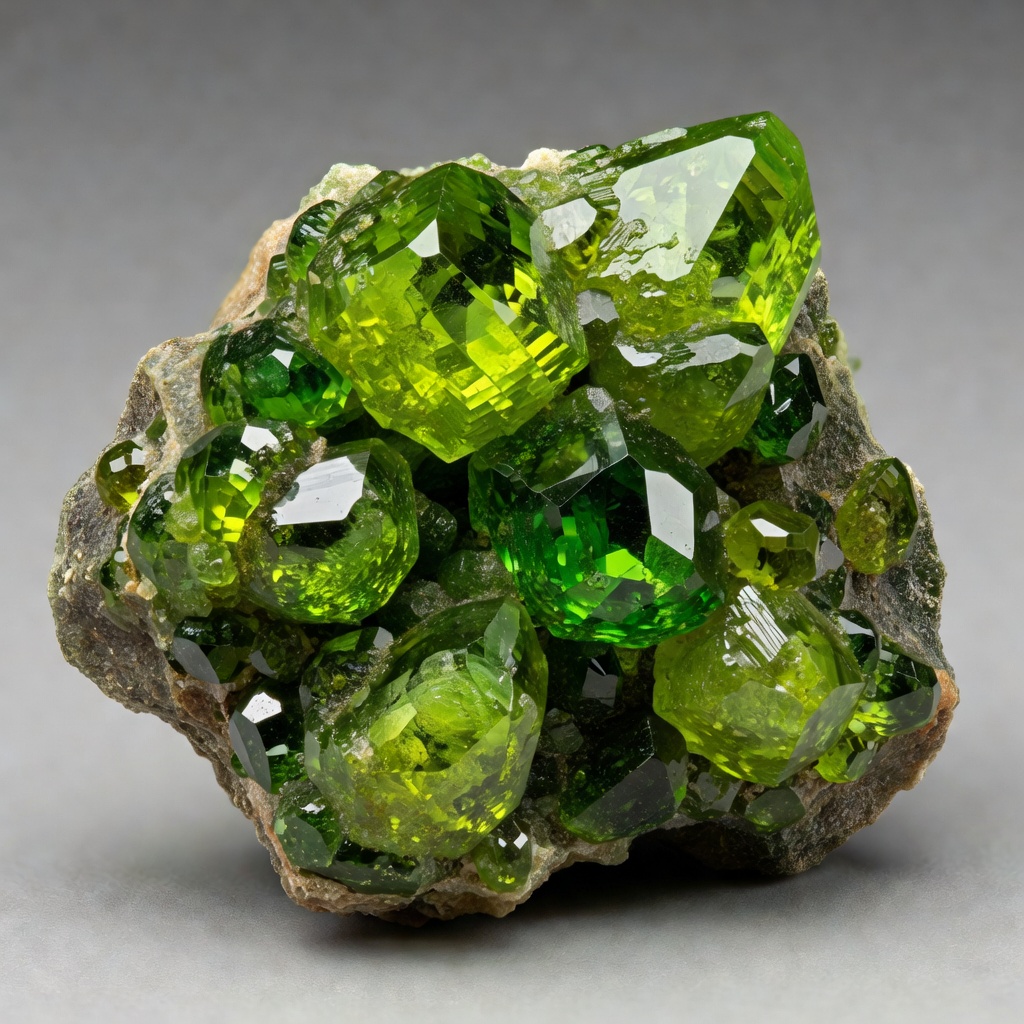
Introduction to Epidote Pricing
Epidote has emerged as one of the most sought-after minerals in the collector's market, bridging the gap between affordable entry-level specimens and high-end investment pieces. This calcium aluminum iron silicate mineral, known for its distinctive green hues ranging from olive to vivid pistachio, commands a remarkably broad Epidote Price Guide spectrum that reflects its diverse applications in both mineral collecting and gemstone markets. Understanding the current epidote market value requires examining not just the material's inherent properties, but also the geological scarcity, mining conditions, and aesthetic preferences driving demand in 2024.
The pricing landscape for epidote specimens spans from modest $5 pocket pieces suitable for beginning collectors to extraordinary $5,000+ museum-quality formations that represent the pinnacle of mineralogical artistry. This dramatic price variation stems from several critical factors including crystal size, color saturation, geographical origin, and the presence of matrix associations that enhance visual presentation. Recent market trends indicate growing interest in high-quality green epidote from Pakistani localities, while classic Austrian specimens continue to appreciate steadily as mining operations become increasingly restricted due to environmental regulations.
Current demand patterns show particular strength in Asian markets, where epidote is prized both for its metaphysical properties and its status as a sophisticated collector's item. The mineral's unique pleochroic properties—displaying different colors when viewed from different angles—add to its allure for serious collectors who understand that exceptional transparency and termination quality can multiply value exponentially. Whether you are acquiring your first specimen or expanding an established collection, understanding these pricing fundamentals ensures informed purchasing decisions in a market where knowledge directly translates to value retention.
Factors That Determine Epidote Value
When evaluating epidote crystal value, collectors and dealers apply sophisticated grading criteria that extend far beyond simple weight measurements. The mineral's worth hinges on a complex interplay of aesthetic, geological, and market-driven factors that distinguish ordinary material from investment-grade specimens. Understanding these epidote quality factors enables buyers to identify undervalued pieces and avoid overpaying for common material misrepresented as rare.
Color saturation stands as the primary value determinant, with intense pistachio green specimens commanding significant premiums over brownish, yellowish, or black varieties. The most desirable epidote displays a pure, vibrant green without muddy undertones, often described as "apple green" or "forest green" in dealer terminology. Crystal formation quality represents the second crucial factor, with well-terminated crystals showing sharp, undamaged pyramidal ends worth substantially more than broken or etched specimens. Size also matters considerably—while thumbnail specimens (under 3 centimeters) might sell for $20-$100, cabinet-sized pieces (over 10 centimeters) with multiple intact crystals can reach thousands of dollars when they demonstrate exceptional aesthetics.
Transparency levels create distinct market categories, with opaque material suitable primarily for mineral specimens while transparent to translucent pieces command gemstone-grade pricing. Matrix association significantly impacts value, as epidote crystals aesthetically perched on contrasting matrix material—particularly white quartz, pink feldspar, or dark chlorite schist—create visually striking compositions that collectors prize. The presentation quality, including how specimens display on custom bases and their overall three-dimensional aesthetic appeal, can increase value by 30-50% compared to similar material without careful preparation.
Visual Clarity and Formation Integrity
Professional mineral dealers examine epidote under bright, diffused lighting to assess clarity characteristics that influence pricing tiers. Internal flaws, fractures, and inclusions reduce value proportionally to their visibility, though some collectors specifically seek "phantom" epidote showing growth zoning patterns. Crystal twinning, when two crystals intergrow in specific symmetrical patterns, can either enhance or diminish value depending on the rarity and aesthetics of the twinning habit.
Epidote Price Per Carat and Gram
Understanding epidote per carat cost requires distinguishing between rough mineral specimens, faceted gemstones, and lapidary material, as each category follows distinct pricing structures. The epidote mineral pricing model shifts dramatically based on intended use, with industrial material selling by the kilogram while collector specimens command premiums based on aesthetic rather than chemical composition. For rough material suitable for cabochon cutting or specimen collecting, prices typically range from $0.50 to $10 per gram depending on color intensity and crystal integrity.
Faceted epidote gemstones occupy a separate pricing tier, with commercial-quality stones ranging from $20 to $50 per carat, while fine quality material with excellent clarity and vivid green color can reach $100 to $200 per carat. These prices reflect the significant challenges cutters face when working with epidote, which possesses perfect cleavage in one direction making it prone to splitting during the faceting process. Consequently, finished gemstones over 5 carats command exponential premiums due to the difficulty in preserving large, clean rough material through the cutting process.
Museum-grade specimens defy standard carat or gram pricing, instead selling based on overall aesthetic impact, rarity of the formation, and provenance documentation. Wholesale pricing structures differ substantially from retail markets, with bulk rough material available at 40-60% discounts for purchases exceeding 500 grams, while single exceptional crystals might carry 100-300% markups in specialized retail environments. Understanding these pricing tiers helps collectors allocate budgets effectively, recognizing that a $500 investment in a single exceptional specimen often yields better long-term value than equivalent spending on multiple average pieces.
Wholesale vs. Retail Market Dynamics
The wholesale epidote market operates through specialized mineral distributors who supply rock shops, jewelry manufacturers, and online retailers. These suppliers typically grade material into commercial (brownish colors, damaged crystals), select (green colors, minor damage), and premium (vivid green, pristine condition) categories, with price differentials of 10:1 between commercial and premium tiers. Retail pricing incorporates additional factors including dealer expertise, authentication guarantees, and presentation quality, with established mineral galleries charging premiums of 50-200% over direct import costs.
Pistachio Epidote vs. Other Color Varieties
The pistachio epidote price premium reflects the mineralogical rarity of achieving that specific intense green hue without yellowish or brownish modifiers. Pakistani material from the Tormiq Valley and Skardu District has established the benchmark for pistachio green epidote, with specimens displaying this coloration commanding 2-3x prices compared to similar-quality material from other localities. This specific shade—reminiscent of fresh pistachio nuts—has become synonymous with high-end epidote collecting, driving prices upward as mining yields decrease and environmental restrictions limit new production.
Clinozoisite, often referred to as pink epidote in the trade, represents a distinct mineral species with different chemical composition but similar crystal structure. While chemically related, clinozoisite typically commands lower prices than green epidote, ranging from $10-$80 per carat for faceted stones, though exceptional salmon-pink specimens from specific localities can achieve epidote-comparable values. Unakite, a metamorphic rock containing pink feldspar, green epidote, and quartz, serves the lapidary market with pricing based on pattern contrast rather than individual crystal quality, typically selling for $2-$15 per rough pound.
Black and brown epidote varieties, often high in iron content, generally serve industrial applications or budget-conscious collectors, with prices rarely exceeding $5 per gram except for exceptional crystal formations. These darker varieties, while less desirable for gemstone purposes, occasionally produce striking contrast specimens when associated with white calcite or quartz, creating "salt and pepper" aesthetic presentations that appeal to specific collector niches. Understanding these color-based value distinctions prevents costly purchasing errors, as inexperienced buyers sometimes overpay for dark material misrepresented as "rare black epidote" when such specimens are actually geological common.
Color Grading Standards for Green Varieties
Professional dealers grade green epidote using a color scale ranging from "forest" (deep, slightly dark green) through "pistachio" (bright, medium green) to "apple" (light, yellowish green). Forest green specimens from Knappenwand, Austria, often command the highest prices due to their historical significance and exceptional luster, while Pakistani pistachio material follows closely in value. Yellowish "olive" epidote, though attractive, typically sells at 40-50% discounts compared to pure green material, making it an affordable entry point for collectors prioritizing crystal quality over color intensity.
Rare and High-Value Epidote Specimens
The pinnacle of rare epidote specimens includes legendary formations from Knappenwand, Austria, where 19th-century mining produced some of the finest epidote crystals ever discovered. These collector epidote pieces, characterized by their deep forest green color, glassy luster, and association with adularia (a variety of orthoclase feldspar), routinely command prices exceeding $10,000 for exceptional cabinet specimens. The historical provenance of Knappenwand material adds intangible value, as modern collecting at the original site is severely restricted, making existing specimens finite resources for serious collectors.
Giant crystal formations represent another ultra-high-value category, with single epidote crystals exceeding 15 centimeters in length qualifying as world-class specimens regardless of minor imperfections. Record auction sales for epidote have reached $25,000-$50,000 for exceptional matrix specimens featuring multiple large, undamaged crystals with museum-quality aesthetics. Location premiums significantly influence these prices, with material from specific pockets in Mali (producing large prismatic crystals), Alaska (known for radial "flower" formations), and certain Pakistani alpine-type deposits carrying substantial premiums over more common localities.
Investment-grade epidote specimens must demonstrate exceptional transparency, with some high-end pieces approaching gem clarity while maintaining specimen-appropriate size. These pieces, often described as "jewelry-quality specimens," appeal to crossover collectors who appreciate both mineralogical significance and potential lapidary value. The combination of large crystal size, pristine condition, vivid color, and aesthetic matrix placement creates the perfect storm of value characteristics that drive prices into five-figure territory at major mineral auctions.
Notable Specimen Characteristics for Investment
When evaluating epidote for investment purposes, collectors should seek specimens with documented collection history, known as provenance, which can increase value by 20-40% over equivalent material without ownership documentation. Association minerals also impact rarity—epidote combined with gemmy diopside, pink tourmaline, or rare amphibole species creates combination pieces that multiply value beyond the sum of individual components. Specimens from defunct localities or specific "pocket" discoveries with limited production runs carry scarcity premiums that appreciate reliably over time.
Epidote in Jewelry vs. Mineral Specimens
The dual nature of epidote gemstone value creates distinct market segments that rarely overlap, with mineral specimens prioritizing crystal integrity while epidote jewelry price considerations focus on durability and wearability. Gemstone cutters face significant challenges when working with epidote due to its perfect cleavage in one direction and relatively soft hardness of 6-7 on the Mohs scale, factors that limit its suitability for rings and bracelets while making it acceptable for pendants and earrings in protective settings. These technical constraints directly influence pricing, as only the most stable rough material qualifies for jewelry production.
Cabochon pricing typically ranges from $15-$80 per carat depending on color intensity and the presence of chatoyancy (cat's eye effect), which occurs in some epidote varieties due to parallel inclusions. Faceted stones command higher prices but face market resistance due to durability concerns, with most commercial jewelry applications utilizing epidote in bezel settings that protect the girdle edges from impact. Designer jewelry premiums can elevate simple epidote cabochons into luxury price points, with custom-designed pieces featuring epidote center stones selling for $500-$2,000 depending on metal quality and craftsmanship.
Mineral specimens destined for display cases follow entirely different valuation models, with damage to crystal terminations representing catastrophic value loss while minor internal inclusions may be acceptable. The dichotomy between these markets creates arbitrage opportunities for knowledgeable collectors who can identify specimen-grade material suitable for cutting or recognize when a faceted stone's rough origin would have yielded greater value as a display piece. Understanding these divergent value systems helps collectors make informed decisions about whether to preserve specimens in their natural state or convert them to jewelry.
Durability Considerations for Jewelry Applications
Jewelers must account for epidote's brittleness when designing settings, typically avoiding prong settings that concentrate stress on specific points in favor of bezel or halo designs that distribute pressure evenly. Heat sensitivity presents another challenge, as epidote can fracture if subjected to rapid temperature changes or high temperatures during jewelry repair operations. These practical limitations restrict the market for epidote jewelry primarily to custom pieces and artisan collections rather than mass-market commercial production, maintaining price premiums for well-designed, properly set epidote jewelry.
Where to Buy Epidote: Price Comparisons
Navigating the epidote market value requires understanding the distinct pricing ecosystems of various purchasing venues, each offering different advantages regarding authentication, selection, and negotiation potential. Online marketplaces like Etsy and eBay provide access to affordable material ranging from $5 thumbnail specimens to $500 intermediate pieces, though buyers must exercise caution regarding photographic accuracy and disclosure of damage or treatments. Specialized mineral dealers operating dedicated websites typically offer higher-grade material with professional photography and authenticity guarantees, commanding 20-40% premiums over peer-to-peer marketplaces for equivalent specimens.
Mineral shows, including major events like the Tucson Gem and Mineral Show and regional rock and mineral exhibitions, offer unique opportunities to buy epidote while examining specimens in person before purchase. Show pricing often allows for 10-30% negotiation room, particularly on the final day of multi-day events when dealers prefer reducing inventory over transporting stock home. Auction houses such as Heritage Auctions and specialized mineral auction platforms cater to the high-end market, where buyer's premiums of 15-25% are standard but authentication and provenance documentation justify costs for investment-grade pieces exceeding $1,000.
Direct purchasing from mine sources or local miners in producing regions like Pakistan, Mali, or Alaska can yield significant savings for bulk purchases or exceptional individual specimens, though this approach requires geological knowledge, import/export expertise, and often physical travel to mining districts. Wholesale pricing tiers typically activate at purchase volumes of $1,000-$5,000, offering 30-50% discounts compared to single-piece retail acquisitions. For most collectors, establishing relationships with reputable dealers who specialize in epidote provides the optimal balance of fair pricing, authenticity assurance, and access to newly available material before it reaches general market listings.
Online Marketplace Strategies
When purchasing epidote online, buyers should request multiple photographs under different lighting conditions, including backlighting to assess transparency and transmitted color. Video documentation showing specimen rotation helps identify concealed damage or repairs that static photography might obscure. Payment methods offering buyer protection, such as credit cards or platform-specific escrow services, provide essential safeguards when acquiring high-value specimens from unfamiliar sellers.
How to Authenticate and Grade Epidote
Epidote authentication requires familiarity with the mineral's distinctive physical properties and awareness of common treatments that can artificially enhance appearance. Natural epidote exhibits characteristic pleochroism, displaying yellowish-green to brownish-green tones when rotated under polarized light, a property difficult to replicate in glass or plastic imitations. Specific gravity testing provides definitive identification, as epidote's density of 3.4-3.5 distinguishes it from visually similar minerals like tourmaline (3.0-3.2) or diopside (3.2-3.4), making simple heft testing a valuable preliminary authentication tool.
Common treatments include dyeing of pale or fractured material to simulate high-value pistachio green coloration, with dye concentrations often visible as darkened fractures under magnification. Synthetic epidote remains rare due to complex crystal chemistry, but glass imitations and assembled stones featuring epidote crowns with glass pavilions occasionally appear in the market. When learning to grade epidote, collectors should examine specimens under 10x magnification to identify natural inclusion patterns—typically needle-like amphiboles, hematite flakes, or fluid inclusions—that confirm natural origin while distinguishing quality grades.
Professional certification becomes essential for purchases exceeding $500, with laboratories such as GIA (Gemological Institute of America), AGL (American Gemological Laboratories), or specialized mineralogical institutions providing documentation of species identification, treatments, and geographical origin when possible. Provenance documentation, including previous ownership history and collection labels from recognized mineralogists, adds significant value and authenticity assurance for museum-grade specimens. Visual inspection techniques include checking for natural surface etching patterns, examining crystal terminations for growth features inconsistent with artificial formation, and assessing matrix attachment points for signs of repair or assembly.
Identifying Treated and Enhanced Material
Heat-treated epidote occasionally appears in the market, though treatment is less common than with many other gemstones. Heat treatment typically produces unniform color distribution lacking the natural zoning visible in untreated material. Oil or resin treatments to improve clarity are more prevalent, detectable by examining specimens under strong light for surface-reaching fractures filled with substances having different refractive indices than the host mineral. Reputable dealers disclose any treatments, and buyers should request written guarantees of natural, untreated status for significant investments.
Investment Potential and Market Trends
The epidote investment landscape offers compelling opportunities for collectors who understand the nuances of quality differentiation and market timing. High-quality specimens, particularly rare pistachio green material from depleted mines, have demonstrated consistent annual appreciation rates of 5-10%, outpacing inflation and many traditional investment vehicles. However, mineral market trends indicate bifurcation between investment-grade material and common specimens, with the latter showing stagnant or declining values due to continued production from active mining operations and improved extraction technologies.
Growing demand in Asian markets, particularly China and Japan, has significantly impacted global pricing for fine epidote specimens over the past decade. This demographic shift has increased competition for top-tier material at international mineral shows and auctions, with Asian collectors often prioritizing aesthetic perfection and size over provenance considerations that traditionally dominated Western collecting. Environmental regulations affecting mining operations in Austria, Pakistan, and Alaska suggest future scarcity for high-quality material, as many classic localities face permanent closure or seasonal restrictions that limit new material entering the market.
Portfolio diversification strategies for mineral investors suggest allocating 60-70% of epidote acquisitions to established "blue chip" localities like Knappenwand or premier Pakistani deposits, while reserving 30-40% for speculative purchases of new finds or unusual color variations that might appreciate rapidly if mining ceases. Liquidity considerations favor specimens in the $500-$5,000 range, which maintain broader buyer pools than ultra-high-value pieces requiring specialized auction venues for resale. As with all collectible investments, epidote requires long holding periods of 5-10 years to realize significant appreciation, making it suitable for patient capital rather than short-term speculation.
Environmental and Regulatory Factors
Climate change and environmental protection policies increasingly restrict access to alpine-type epidote deposits, which often occur in ecologically sensitive mountain regions. These restrictions, while limiting new supply, enhance the investment thesis for existing high-quality specimens by creating artificial scarcity. Additionally, rising energy costs and labor standards in producing countries continue to increase mining costs, exerting upward pressure on wholesale prices that inevitably transfers to retail markets.
How Much Does Epidote Cost Per Carat?
Common rough epidote ranges from $0.50-$10 per gram, while faceted gemstones typically sell for $20-$200 per carat depending on color intensity, clarity, and size. Exceptional pistachio green specimens can command higher premiums.
Is Pistachio Epidote More Expensive Than Other Colors?
Yes, intense pistachio green epidote from Pakistan and Austria commands the highest prices due to rarity and collector demand. Brown, black, or yellowish varieties are significantly less expensive, often selling for 50-70% less than premium green material.
What Makes an Epidote Specimen Valuable to Collectors?
Collector value depends on crystal size, termination quality, color saturation, transparency, and matrix association. Large, damage-free crystals with vibrant green color and aesthetic presentation on matrix command premium prices, sometimes exceeding $5,000 for museum-quality pieces.
Can Epidote Be Used in Jewelry and Does It Affect the Price?
Epidote can be used in jewelry but requires protective settings due to its 6-7 hardness and perfect cleavage. Jewelry-grade material is priced higher than rough specimens, with cabochons ranging $15-$80 per carat and faceted stones $20-$200 per carat depending on clarity.
Where Is the Best Place to Buy Affordable Epidote Specimens?
Affordable specimens ($5-$50) are best found at local mineral shows, rock shop clearance sections, and reputable Etsy sellers. For investment-grade pieces, established mineral dealers, auction houses, and specialized shows like Tucson offer better authentication and value.
How Can I Tell if an Epidote Is Natural or Treated?
Natural epidote shows characteristic pleochroism (color change when rotated), specific gravity of 3.4-3.5, and natural inclusions. Be wary of unnaturally uniform color, bubbles (indicating glass), or dye concentrations in fractures. When spending over $500, request lab certification.
Does the Mining Location Affect Epidote Pricing?
Absolutely. Specimens from Knappenwand (Austria) and certain Pakistani localities command 3-5x premiums due to historical significance and exceptional crystal quality. Material from common localities like Alaska or Colorado is more abundant and affordable.
Is Epidote a Good Investment for Mineral Collectors?
High-quality epidote, particularly rare pistachio green specimens from depleted mines, has shown steady appreciation of 5-10% annually. However, common material has limited investment potential. Focus on exceptional aesthetics, documented provenance, and rarity for investment purposes.


