What Is Epidote? Understanding This Green Mineral
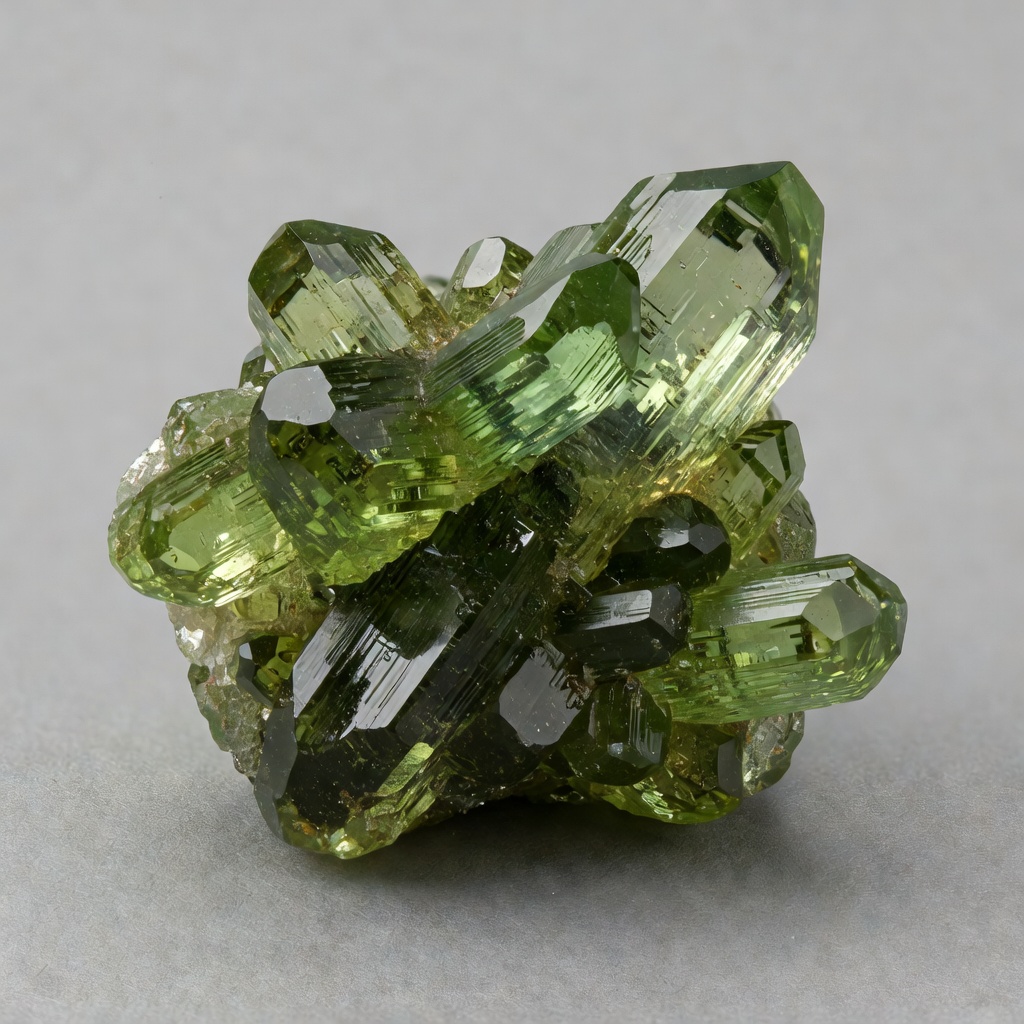
Epidote represents one of the most visually striking yet accessible minerals in the gemstone and specimen collecting world, belonging to the sorosilicate mineral group with a complex chemical composition of calcium aluminum iron sorosilicate. This distinctive green crystal forms primarily in metamorphic and igneous environments, where hydrothermal activity creates the perfect conditions for its characteristic elongated prismatic crystals. The name itself derives from the Greek word "epidosis," meaning "increase," which references the mineral's unique optical property where the base of the prism appears broader than the summit when viewed lengthwise. Understanding these fundamental characteristics forms the foundation of any comprehensive Epidote Buying Guide, helping collectors appreciate both the scientific significance and aesthetic appeal of this fascinating mineral.
Historically, epidote has captivated mineralogists and jewelers alike since its formal classification in the early 19th century, though specimens have been collected for centuries from European alpine deposits. The mineral frequently occurs alongside quartz, prehnite, and various garnet species, creating dramatic matrix associations that command premium prices in today's market. Collectors should note that epidote exists in a solid solution series with clinozoisite, its iron-poor counterpart, which typically appears paler pink to gray rather than the intense green associated with iron-rich epidote specimens. This relationship creates natural variations in color intensity that directly impact the overall value and desirability of specific pieces.
When examining physical properties, epidote gemstone specimens typically register between 6 and 7 on the Mohs hardness scale, making them suitable for jewelry applications with appropriate care and setting protection. However, the mineral exhibits perfect cleavage in one direction, a characteristic that demands careful handling during cutting, setting, and daily wear to prevent accidental splitting along these natural planes. Specific gravity measurements range from 3.2 to 3.5, providing a substantial, satisfying heft when held in the hand that distinguishes genuine epidote from lighter imitations. These physical constraints influence how lapidaries approach cutting decisions and why collectors must prioritize protective storage solutions for their acquisitions.
The variety known as pistacite represents essentially the same mineral as epidote, historically distinguished by its intense pistachio-green coloration that reminded early Italian mineralogists of the nut's distinctive hue. While modern mineralogy classifies both terms under the single species epidote, experienced dealers sometimes reserve "pistacite" for the most vividly colored, gem-quality translucent material. Other notable varieties include manganese-rich thulite, which appears pink to red, and the rare chrome epidote that displays an exceptional emerald-green color rivaling fine tourmaline. Recognizing these variations helps buyers navigate the market effectively and identify specimens that align with their specific collecting goals.
Essential Quality Factors in Any Epidote Buying Guide
Evaluating epidote crystal quality requires understanding the four primary value determinants that separate museum-grade specimens from common material flooding the market. Color intensity and saturation serve as the foremost considerations, with the most desirable specimens displaying vivid, evenly distributed green hues without brownish or yellowish modifiers that dilute the visual impact. Transparency levels vary significantly within the species, ranging from translucent to opaque, with transparent crystal sections commanding substantially higher prices per carat than their cloudy counterparts. When assessing potential acquisitions, collectors should examine specimens under various lighting conditions to ensure the color remains vibrant and consistent rather than appearing dull or "muddy" under natural daylight.
Crystal formation quality represents another critical factor, particularly for specimen collectors seeking display pieces rather than cutting rough. Perfectly terminated crystals with sharp, defined faces and complete terminations significantly outvalue damaged or partially formed specimens, even when the color quality remains equivalent. The completeness of the crystal structure, including the presence of contact points where the specimen attached to host rock, directly influences both aesthetic appeal and market value. Experienced collectors often prioritize a perfectly formed thumbnail or miniature specimen over larger, damaged crystals that require repair or concealment in display settings.
Luster evaluation provides additional insight into epidote crystal quality, distinguishing between specimens with vitreous (glassy) brilliance and those exhibiting dull, earthy surfaces due to weathering or poor preservation. High-quality epidote should display a bright, reflective surface on crystal faces when properly cleaned and illuminated, indicating well-preserved surface integrity and optimal crystal formation conditions. Specimens recovered from specific localities like Knappenwand, Austria, often exhibit exceptional luster due to the unique geological conditions that prevented post-formation weathering or etching. When examining potential purchases, rotate specimens under a single light source to observe how light interacts with the crystal faces, noting any dull patches that might indicate damage or inferior preservation.
For those interested in faceted epidote gemstones, additional quality considerations include clarity, cutting precision, and how effectively the lapidary oriented the rough to maximize color display. Unlike specimen collecting, where inclusions might add character and locality verification, faceted stones require eye-clean clarity to achieve maximum brilliance and value. The interplay between these quality factors creates a complex valuation matrix where a smaller, perfectly formed crystal with intense color might command higher prices than a larger, included specimen with mediocre coloration. Understanding these hierarchies enables collectors to make informed decisions aligned with their budgetary constraints and collecting objectives.
Decoding Epidote Color: From Pistachio to Forest Green
The color spectrum of green epidote spans from delicate yellow-green through bright pistachio to deep forest green, with saturation levels determining market desirability and price points. Premium specimens exhibit intense, pure green hues reminiscent of fresh spring foliage, avoiding the brownish or grayish undertones that characterize lower-quality material from certain localities. The most prized coloration, often specifically labeled as pistacite by discerning dealers, displays a vivid yellowish-green to pure green that appears to glow from within when backlit or properly illuminated. This color intensity directly correlates with iron content concentration within the crystal structure, where higher iron levels produce deeper, more saturated green appearances.
Chemical composition plays a definitive role in color variation, as the substitution of iron for aluminum within the crystal lattice creates the characteristic green pigmentation that defines the species. Specimens containing higher concentrations of ferric iron (Fe3+) typically present darker, more forest-green coloration, while those with moderate iron content display the desirable bright pistachio tones most sought by collectors. Rare chrome epidote specimens, colored by chromium rather than iron, exhibit an exceptional emerald-green hue that rivals fine Colombian emeralds in intensity and can command prices exceeding $100 per carat for faceted examples. These chrome-rich varieties, primarily found in specific Outokumpu deposits in Finland and certain Tanzanian localities, represent the pinnacle of epidote color achievement.
Color zoning patterns present both opportunities and challenges for collectors, as some specimens display dramatic variations in hue intensity across individual crystals or within matrix associations. While consistent coloration generally commands higher prices, aesthetically pleasing zoning that creates visual interest—such as gradients from pale green bases to dark terminations—can enhance specimen value among aesthetic collectors. However, blotchy or irregular color distribution typically detracts from value unless the specimen represents a particularly rare locality or association. When evaluating zoned specimens, consider how the color variation contributes to the overall visual composition and whether the pattern appears natural and harmonious rather than chaotic or indicative of chemical instability during formation.
Black manganese-rich varieties, while less common in the collector market, offer distinctive aesthetic alternatives to traditional green epidote, particularly when contrasted against white calcite or quartz matrices. These darker specimens, sometimes approaching black with greenish undertones, originate from specific geological environments where manganese replaces iron in the crystal structure. While traditionally less valuable than bright green material, exceptional black epidote crystals with perfect form and high luster have gained appreciation among specialized collectors seeking unique display pieces. Understanding these color variations and their geological origins enables buyers to recognize exceptional specimens across the entire color spectrum while avoiding common pitfalls such as purchasing heat-treated or dyed material masquerading as natural coloration.
Clarity and Inclusions: What Collectors Should Examine
Understanding epidote inclusions requires distinguishing between characteristics that enhance specimen value versus those that detract from desirability and durability. Common mineral inclusions frequently encountered in epidote specimens include quartz, prehnite, calcite, and various garnet species, often creating dramatic contrast patterns that verify natural origin and specific locality characteristics. These association minerals can significantly increase specimen value when they create aesthetically pleasing compositions, such as epidote crystals perched on contrasting snow-white quartz matrices or intergrown with lustrous red garnet crystals. Collectors should examine these inclusions under magnification to ensure they represent genuine mineral associations rather than post-collection repairs or artificial enhancements.
Clarity standards diverge significantly between specimen collecting and jewelry applications, creating distinct market segments with different evaluation criteria. For mineral specimens, some degree of internal veiling or minor inclusions remains acceptable and even desirable when they provide evidence of natural formation processes or unique geological conditions. However, for faceted epidote gemstones intended for jewelry, eye-clean clarity becomes essential, with inclusions visible to the naked eye substantially reducing value and potentially affecting durability. When purchasing faceted stones, examine them under standard lighting conditions and with a 10x loupe to identify surface-reaching fractures or internal cleavage planes that might compromise the stone's integrity during setting or wear.
Characteristic inclusions serve as valuable tools for epidote identification and locality verification, as certain deposits produce distinctive inclusion signatures visible under magnification. For instance, specimens from Untersulzbachtal, Austria, often contain unique fluid inclusions that provide evidence of their specific hydrothermal formation environment, while Pakistani material might display characteristic chlorite inclusions within the crystal structure. These microscopic features not only confirm natural origin but also help distinguish genuine epidote from simulants such as green glass or dyed quartz. Advanced collectors often seek laboratory reports that document these inclusion patterns, particularly for high-value specimens where provenance significantly impacts market value.
Surface-reaching inclusions and fractures demand careful scrutiny due to epidote's perfect cleavage and relative brittleness compared to harder gemstones like corundum or diamond. Fractures that extend to the surface create potential weak points where the crystal might cleave or chip during handling, cleaning, or setting procedures. When evaluating potential acquisitions, gently examine the surface with a fine point or needle (taking care not to scratch) to determine whether apparent inclusions break the surface or remain entirely internal. Specimens with significant surface-reaching flaws should command lower prices unless the aesthetic merit of the piece outweighs these structural concerns, and such pieces require protective settings if fashioned into jewelry.
Cut Styles and Carat Weight Considerations
Selecting appropriate epidote cut styles requires balancing aesthetic objectives with the mineral's physical limitations and optical properties. Popular faceted cuts for epidote include step cuts, emerald cuts, and oval brilliants, which maximize the stone's vitreous luster while minimizing the risk of cleavage damage during the cutting process. Cabochon cuts prove particularly effective for epidote with chatoyancy or asterism, though these phenomena remain rare in this species, and for opaque to translucent material where color display takes precedence over brilliance. The orientation of the cut relative to the crystal's optical axis significantly affects color presentation, with improper orientation potentially resulting in "muddy" or washed-out appearance despite high-quality rough material.
Typical carat weight ranges for faceted epidote gemstones generally remain modest due to the rarity of large, clean crystal sections suitable for cutting. Most commercial faceted epidote falls between one to five carats, with stones exceeding ten carats commanding significant premiums due to the difficulty in sourcing suitable rough material. Specimen collectors often encounter much larger single crystals or crystal clusters, with fine examples from Knappenwand occasionally exceeding ten centimeters in length, though such pieces require careful handling due to their size and cleavage vulnerability. When purchasing larger faceted stones, verify that the size does not compromise structural integrity, as epidote's cleavage becomes increasingly problematic in gems exceeding eight millimeters in any dimension.
Cutting orientation presents unique challenges for lapidaries working with epidote, as the mineral exhibits strong pleochroism—displaying different colors when viewed from different crystallographic directions. Skilled cutters orient the table facet perpendicular to the crystal's length to maximize the desirable green coloration while minimizing the brownish or yellowish tones that appear along other axes. This orientation decision directly impacts the final appearance and value of the cut stone, with improperly oriented cuts appearing dull or dichroic rather than uniformly green. Buyers should examine faceted epidote from multiple angles to ensure consistent color distribution and evidence of expert cutting rather than weight-retention-focused orientation that sacrifices beauty for carat preservation.
Size limitations imposed by natural crystal formation constraints mean that perfectly clean, large epidote crystals suitable for cutting remain exceedingly rare and expensive. Most epidote crystals contain inclusions, fractures, or color zoning that limit usable material to smaller sections, explaining why fine epidote gemstones over five carats command prices disproportionate to their weight. Matrix specimens, where crystals remain attached to their host rock, often provide larger display pieces but obviously cannot be fashioned into gemstones without destruction of the specimen. Collectors must decide between the immediate visual impact of a large crystal specimen versus the portable brilliance of a smaller faceted stone, with many serious collectors ultimately acquiring both forms to appreciate the mineral's diverse presentations.
Global Sources: Where Quality Epidote Originates
Understanding epidote sources provides crucial context for evaluating specimens and predicting value trajectories based on geological rarity and mining history. Premier localities for exceptional epidote include Knappenwand in the Austrian Alps, the Prince of Wales Island in Alaska, and the Ala Valley in Italy's Piedmont region, each producing distinctive crystal morphologies and color characteristics. Knappenwand material, particularly from historical 19th-century collections, remains the benchmark for epidote crystal quality, producing large, perfectly terminated, intensely green prismatic crystals up to 25 centimeters in length. These Austrian specimens often feature the sharp, glassy luster and deep forest-green coloration that define the species' aesthetic peak, though modern collecting at this locality remains restricted and specimens command premium prices.
Canadian deposits in Quebec and Yukon Territory have produced significant quantities of epidote, often associated with dramatic matrix minerals such as quartz, prehnite, and red garnet (grossular), creating attractive contrast pieces popular among North American collectors. Brazilian localities, particularly in Minas Gerais, yield epidote in association with tourmaline and other pegmatite minerals, though the color intensity typically remains lighter than Alpine material. Recent discoveries in Pakistan's northern territories have introduced exceptional epidote specimens to the market, featuring bright pistachio-green crystals on white quartz matrices that rival Austrian quality at more accessible price points. These Pakistani specimens often display exceptional transparency and crystal form, making them highly desirable for both specimen and cutting purposes.
Norwegian deposits, particularly around the town of Arendal and the Telemark region, have historically produced distinctive epidote associated with copper and iron minerals, while Finnish localities have yielded the rare chrome epidote varieties prized for their emerald-green coloration. Each geographical source imparts subtle chemical signatures that influence color, crystal habit, and associated minerals, allowing experienced collectors to identify probable origins even without documentation. For instance, material from Prince of Wales Island typically displays a characteristic prismatic form with striated faces and associations with quartz and calcite, while Italian material often appears more blocky with intense internal coloration.
Ethical mining considerations increasingly influence purchasing decisions within the epidote origin marketplace, as collectors become more aware of environmental and labor practices at extraction sites. Specimens from politically stable regions with regulated mining operations, such as Austria, Canada, and parts of Brazil, often command price premiums over material from areas with less transparent supply chains. When acquiring high-value specimens, request provenance documentation that includes specific mine or locality information, as this detail significantly impacts resale value and insurance considerations. Additionally, understanding the geological context of different sources helps collectors predict which localities may produce future exceptional finds versus those that have been essentially exhausted of fine material.
Epidote Pricing: Understanding Market Values
Navigating green epidote value requires understanding the tiered pricing structure that separates commercial material from investment-grade specimens. Entry-level epidote specimens suitable for beginning collectors or educational purposes typically range from $5 to $20 per carat for small, included crystals or modest matrix pieces without exceptional color or form. Mid-tier material featuring good color, reasonable crystal form, and attractive matrix associations generally commands $20 to $75 per carat, representing the sweet spot for serious hobbyists seeking display-worthy pieces without museum-level expenditures. Museum-quality specimens, particularly large, perfectly terminated crystals from classic localities like Knappenwand or exceptional matrix associations, can exceed $100 per carat or command flat prices in the thousands of dollars for significant display pieces.
Value multipliers apply to specific rare associations that combine epidote with other desirable minerals, creating aesthetic compositions that transcend the value of individual components. Specimens featuring epidote with red garnet (particularly grossular or andradite) create striking color contrasts that command premium prices, sometimes reaching two to three times the value of equivalent epidote specimens without such associations. Similarly, epidote perched on clear quartz crystals, particularly when the epidote appears as perfect, isolated crystals rather than massive growths, attracts significant collector interest and corresponding price premiums. These associations must appear natural and aesthetically balanced; forced or repaired combinations actually reduce value and should be avoided.
Market trends indicate steady appreciation for high-quality epidote crystals as classic localities become depleted and collecting interest in fine mineral specimens increases globally. While epidote remains more affordable than precious gems like emerald or tsavorite, top-tier specimens have shown consistent annual appreciation rates of 5-10%, particularly for pieces with documented provenance from historically significant localities. Investment potential remains strongest for specimens exhibiting exceptional crystal form, intense color, and documented origin from exhausted or restricted localities. However, common material without distinguishing characteristics shows limited appreciation potential, suggesting collectors should prioritize quality over quantity when building investment-oriented collections.
Factors that depreciate value include artificial treatments, repairs, and enhancements that compromise natural integrity. Dyed quartz or glass imitations sold as epidote represent obvious value destroyers, but more subtle issues include oiling or resin filling of fractures to improve apparent clarity, heat treatment to intensify color, or reconstruction of broken crystals using adhesives. Always request disclosure of any treatments when purchasing, and for significant investments, obtain certification from reputable laboratories such as GIA or similar institutions that can detect these modifications. Additionally, poorly executed repairs using visible adhesives or mismatched matrix material significantly reduce both aesthetic appeal and resale value, making careful examination under magnification essential before finalizing purchases.
How to Identify Genuine Epidote and Avoid Fakes
Mastering epidote identification techniques protects collectors from the increasingly sophisticated imitations appearing in the marketplace. Physical testing methods provide definitive verification, with genuine epidote exhibiting specific gravity between 3.2 and 3.5, substantially heavier than common imitations like glass (2.5) or plastic (1.0-1.5). The refractive index of epidote ranges from 1.715 to 1.751, values that require laboratory equipment to measure precisely but which distinguish the mineral from lookalikes such as green tourmaline or diopside. Hardness testing, while potentially destructive if performed carelessly, can distinguish epidote (6-7 Mohs) from softer imitations like serpentine or harder alternatives like beryl, though this test should only be performed on inconspicuous areas or rough material.
Distinguishing epidote from natural lookalikes requires careful observation of optical and physical properties. Green tourmaline (verdelite) typically appears more transparent and exhibits different crystal forms, often showing triangular cross-sections rather than epidote's rectangular or prismatic habits. Diopside, while similar in color, possesses a higher refractive index (1.67-1.70) and different cleavage patterns, while idocrase (vesuvianite) usually appears more yellowish-green and lacks epidote's characteristic pleochroism. Chrome diopside presents the closest visual similarity to high-quality epidote, but possesses distinct spectral properties and typically originates from Russian or Siberian deposits rather than epidote's more widespread localities.
Laboratory certification from recognized institutions such as the Gemological Institute of America (GIA), American Gemological Laboratories (AGL), or similar European entities provides definitive epidote identification for high-value acquisitions. These reports document refractive index, specific gravity, optical characteristics including pleochroism, and any treatments detected during examination. For specimen collectors, mineralogical associations and crystal morphology often provide sufficient identification, but for faceted stones or high-value matrix pieces, certification protects against misrepresentation and ensures accurate valuation for insurance or resale purposes. Certification costs typically range from $50 to $200 depending on the complexity of testing required, a worthwhile investment for pieces valued over $500.
Warning signs of imitations include unnaturally perfect clarity in large stones, prices significantly below market value for claimed quality, and specimens that feel warm to the touch (indicating glass or plastic rather than the cool, dense feel of genuine epidote). Dyed quartz imitations often show color concentrations in fractures or along grain boundaries, appearing uneven under magnification, while glass imitations may contain bubbles, flow lines, or conchoidal fracture patterns unlike epidote's perfect cleavage. When purchasing online, request high-resolution photographs showing the specimen from multiple angles, including close-ups of natural imperfections that verify authenticity, and be wary of sellers who cannot provide specific locality information or who offer "too good to be true" prices on supposedly rare material.
Smart Buying Strategies for Epidote Collectors
Developing effective strategies to buy epidote requires balancing accessibility, authenticity, and value across various purchasing channels. Reputable dealers specializing in fine minerals provide the safest acquisition route, offering expertise, return policies, and authenticity guarantees that protect novice and experienced collectors alike. Establishing relationships with established dealers who attend major shows like the Tucson Gem and Mineral Show or Munich Mineral Fair provides access to premier material before it reaches the general market, along with educational guidance regarding quality assessment. While auction sites and general online marketplaces offer competitive pricing, they require significantly more due diligence regarding seller reputation, photography accuracy, and authenticity verification.
Gem and mineral shows present excellent opportunities to examine epidote specimens in person, allowing tactile and visual assessment impossible through photographs alone. When attending shows, bring a 10x loupe for examining crystal surfaces and inclusions, a small LED flashlight for checking transparency and internal characteristics, and reference materials for comparing prices across vendors. Take time to visit multiple dealers before purchasing, as identical material often varies significantly in pricing depending on the dealer's overhead costs and expertise level. For high-value acquisitions at shows, request written documentation including locality information, any known treatments, and the dealer's return policy timeframe.
Essential questions regarding treatment disclosure and provenance documentation should precede any significant epidote purchase. Directly ask sellers whether the specimen has been repaired, cleaned with acids, artificially heated, or treated with oils or resins to enhance appearance, as these factors dramatically affect long-term value. Request specific locality information beyond general country names—knowing that a specimen comes from "Knappenwand, Austria" rather than merely "Austria" can affect valuation by 50% or more for serious collectors. For matrix specimens, inquire whether the association is natural or if crystals have been reattached to matrix, a common practice that significantly reduces value despite potentially improving appearance.
Photography analysis techniques prove crucial when purchasing epidote online, where lighting manipulation can dramatically alter apparent color and clarity. Request photographs taken in natural daylight or standardized LED lighting rather than incandescent bulbs, which can intensify yellow tones and mask brownish modifiers. Ask for photographs against neutral gray or white backgrounds rather than colored surfaces that might create color cast, and request scale references (rulers or coins) to verify actual size. Examine photographs for reflections that might indicate glass coverings or photography through display cases, which can mask surface damage or inclusions. Reputable sellers welcome requests for additional photographs showing specific angles or details, while reluctant sellers may indicate potential issues with the specimen.
Return policies and verification periods provide essential protection for high-value acquisitions, particularly when buying remotely. Insist on written return policies allowing at least seven days for examination upon receipt, during which you can verify the specimen matches descriptions and photographs and have it examined by an independent expert if desired. For investments exceeding $1,000, consider requiring escrow services or payment plans that allow verification before final payment completion. Document the condition of specimens immediately upon receipt through detailed photographs, as this documentation proves essential if disputes arise regarding damage during shipping versus pre-existing conditions.
Caring for Your Epidote Collection Long-Term
Proper epidote care ensures these beautiful green crystals maintain their luster and structural integrity across decades of ownership and display. Safe cleaning methods prioritize gentle techniques using warm water, mild dish soap, and soft natural bristle brushes to remove accumulated dust and oils without risking damage to the crystal surfaces or matrix attachments. Avoid soaking specimens for extended periods, particularly those attached to soluble matrix materials like calcite, and never use toothbrushes with hard nylon bristles that can scratch the relatively soft crystal faces. After washing, rinse specimens thoroughly with distilled water to prevent mineral deposits from tap water, and pat dry with lint-free microfiber cloths rather than rubbing, which might catch on surface imperfections.
Storage recommendations emphasize protecting epidote from harder gemstones and environmental factors that could cause degradation. Store individual specimens in soft cloth bags, foam-lined boxes, or acid-free tissue to prevent contact with harder minerals like quartz or corundum that could scratch epidote's surface. Maintain stable humidity levels in storage areas, as extreme fluctuations can cause matrix materials to expand and contract, potentially breaking the attachment points between epidote crystals and their host rock. For display pieces, avoid direct sunlight exposure which can fade some associated minerals and cause thermal expansion that might stress cleavage planes, particularly in specimens from localities with existing internal fractures.
Avoidance of ultrasonic cleaners and harsh chemicals remains paramount for epidote maintenance due to the mineral's perfect cleavage and relative chemical sensitivity. Ultrasonic vibrations can cause existing fractures to propagate or create new cleavages along the mineral's characteristic planes, potentially destroying valuable specimens within seconds. Similarly, harsh chemicals including bleach, acids, ammonia, and alcohol can etch crystal surfaces, dissolve matrix materials, or remove natural coatings that enhance luster. Even commercial jewelry cleaning solutions designed for hard stones like diamonds can damage epidote; restrict cleaning to the mild soap and water method described above, regardless of how dirty specimens become.
Professional maintenance protocols for set jewelry pieces require jewelers experienced with softer gemstones and cleavage-prone materials. Inform jewelers setting epidote about the stone's perfect cleavage before any work begins, as standard setting techniques or pressure applications can split the stone. For existing jewelry pieces, have prongs checked regularly to ensure the stone remains secure without excessive pressure, and remove epidote rings before activities involving impact or pressure. When traveling with epidote specimens or jewelry, pack items individually in padded containers with "fragile" markings, and consider insurance coverage for high-value pieces against accidental damage or loss. These precautions, while seemingly extensive, preserve both the aesthetic beauty and financial value of epidote collections for future generations.
Frequently Asked Questions
Is Epidote Expensive Compared to Other Gemstones?
Epidote remains relatively affordable compared to precious gems, with prices typically ranging from $5 to $50 per carat for quality specimens. Exceptional crystals with rare associations or exceptional clarity can command higher prices, but it remains accessible for most collectors. When compared to emeralds or tsavorite garnets, which can command thousands of dollars per carat for fine material, epidote offers an attractive alternative for those seeking intense green coloration without premium pricing. The affordability of common epidote also makes it an excellent educational mineral for beginning collectors, while rare varieties like chrome epidote or large crystals from classic localities provide upgrade paths for serious collectors seeking investment-grade material.
How Can I Tell if My Epidote Is Real or Fake?
Genuine epidote has a specific gravity of 3.2-3.5, hardness of 6-7, and exhibits pleochroism showing different colors when viewed from different angles. Glass imitations feel warmer and lighter, while dyed stones may show color concentrations in fractures. When in doubt, seek laboratory certification. Additional verification methods include examining crystal form—genuine epidote typically forms elongated prismatic crystals with characteristic striations, while glass imitations often appear too perfect or show conchoidal fractures when broken. Natural epidote also contains characteristic inclusions and growth patterns visible under magnification that are difficult to replicate convincingly in synthetic materials.
What Is the Best Color of Epidote to Buy?
The most desirable epidote displays an intense pistachio-green to deep forest green with strong saturation. Chrome epidote showing vivid emerald-green hues commands premium prices, while yellowish or brownish-green specimens are generally less valuable for collecting purposes. When evaluating color, examine specimens under both incandescent and natural lighting, as some epidote appears brownish under warm light but shows pure green in daylight. The most valuable color remains consistent throughout the crystal without zoning or color banding, though some collectors specifically seek the rare black manganese-rich varieties for their unique aesthetic appeal.
Can Epidote Be Worn in Jewelry Daily?
Due to its perfect cleavage and moderate hardness (6-7), epidote is best suited for occasional wear jewelry like pendants or earrings rather than rings. Protective settings are recommended, and owners should avoid impact or pressure that could cause the stone to cleave along its characteristic planes. If setting epidote in rings, choose bezel settings that protect the girdle and pavilion rather than prong settings that leave edges exposed. Remove epidote jewelry before physical activities, cleaning chores, or situations where the stone might contact hard surfaces, as even minor impacts can cause chipping or splitting along the perfect cleavage direction.
Where Does the Finest Epidote Come From?
The most prized epidote specimens historically come from Knappenwand, Austria, and the Ala Valley in Italy, known for large, perfectly terminated crystals. Other notable sources include Untersulzbachtal (Austria), Prince of Wales Island (Alaska), and recent fine finds in Pakistan. Material from these localities typically exhibits the sharp crystal form, intense color, and glassy luster that define world-class epidote. While Brazilian and Canadian localities produce abundant material, the Alpine localities generally yield the aesthetic peak specimens due to unique geological conditions involving high-pressure, low-temperature metamorphism that creates optimal crystal growth environments.
What Is Pistacite and Is It Different From Epidote?
Pistacite is simply an alternative historical name for epidote, derived from the Italian 'pistacchio' referring to the mineral's characteristic green color. There is no mineralogical difference; however, some dealers reserve 'pistacite' for the most intensely green, translucent varieties. The term originated in the 18th century when Italian mineralogists first described the bright green crystals found in the Alps. Today, while 'epidote' serves as the standard mineralogical term, encountering the label 'pistacite' often indicates that a dealer considers the material exceptional in color quality, potentially justifying higher pricing than standard green epidote.
How Should I Clean My Epidote Gemstones?
Clean epidote using warm water, mild dish soap, and a soft toothbrush or cloth. Avoid ultrasonic cleaners, steam cleaning, and harsh chemicals including acids and bleach. Rinse thoroughly and dry with a soft, lint-free cloth to prevent water spots on the surface. For specimen pieces attached to matrix, avoid prolonged soaking that might dissolve calcite or other soluble matrix minerals. If specimens develop a dull film from handling or display, a brief wash in warm soapy water followed by immediate drying usually restores the original vitreous luster without risking damage to the crystal structure.
Is Epidote a Good Investment for Collectors?
While epidote offers affordable entry into mineral collecting, investment potential varies significantly. Museum-quality specimens with exceptional crystal formation or rare matrix associations appreciate steadily, but common material has limited resale value. Buy for enjoyment first, with investment as a secondary consideration. Focus on acquiring pieces with documented provenance from classic localities, perfect crystal form, and intense coloration if investment potential matters, as these characteristics show the strongest historical appreciation. However, the relatively affordable nature of epidote compared to precious gems makes it an excellent choice for building a diverse collection without significant financial risk, allowing collectors to refine their tastes before committing to high-value acquisitions.