Understanding Enstatite: Properties and Vulnerabilities
Enstatite belongs to the pyroxene mineral group and presents unique characteristics that demand specific care protocols for long-term preservation. With a Mohs hardness rating of 5 to 5.5, this gemstone sits significantly below quartz (7 on the scale) and far beneath corundum (9) or diamond (10), making it susceptible to scratching from common household dust particles that often contain silica. The mineral exhibits distinct cleavage in two directions at nearly 90-degree angles, which creates natural planes of weakness where the stone can fracture if struck or subjected to uneven pressure. Whether your specimen displays the common brownish hues, greenish-brown tones, yellowish variations, or the rare colorless and transparent forms including chrome enstatite, all color variations share identical structural vulnerabilities requiring the same meticulous attention to maintenance routines.
Understanding Enstatite hardness and durability limitations helps collectors and jewelry enthusiasts make informed decisions about when and how to wear these pieces. Unlike harder gemstones that can withstand occasional impacts against hard surfaces, enstatite requires protective consideration during daily activities. The combination of moderate hardness and pronounced cleavage means that while the stone resists minor abrasion reasonably well under controlled conditions, it remains vulnerable to chipping along its cleavage planes or developing surface scratches from contact with harder materials. Recognizing these Enstatite gemstone properties forms the foundation for developing effective preservation strategies that will maintain the stone's vitreous luster and structural integrity for generations.
Daily Enstatite Care and Cleaning Best Practices
Establishing consistent daily habits forms the cornerstone of effective Enstatite Care and Cleaning protocols that prevent cumulative damage. Always remove enstatite jewelry before engaging in physical activities such as exercising at the gym, gardening, or performing household chores where accidental impacts against countertops or tools could occur. Cosmetics, perfumes, hairsprays, and lotions contain chemicals that can etch the stone's surface or create buildup in settings, so apply these products before putting on your jewelry and wait several minutes for them to dry completely.
After each wearing, gently wipe your enstatite piece with a soft, lint-free microfiber cloth to remove skin oils, perspiration, and environmental dust that can dull the surface over time. This simple practice prevents the accumulation of residue that would otherwise require more aggressive cleaning methods later. Additionally, implement a weekly inspection routine using a jeweler's loupe or bright LED light to examine prongs and settings for signs of loosening; catching a loose stone early prevents the heartbreak of losing your gem during wear. These proactive Enstatite jewelry maintenance steps require only minutes but significantly extend the lifespan of your treasured pieces.
Safe Home Cleaning Methods for Enstatite
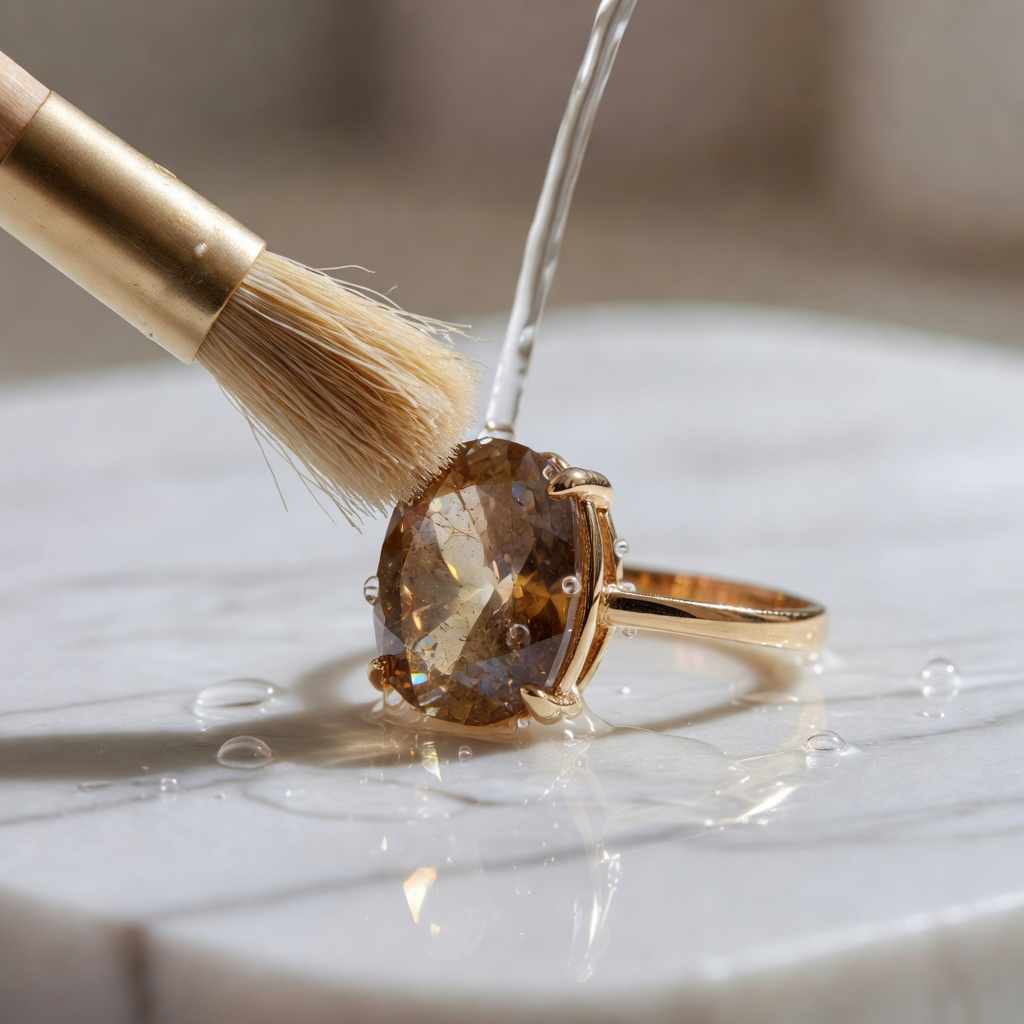
When deeper cleaning becomes necessary beyond daily wiping, employ gentle hand-washing techniques that respect the stone's physical limitations. Prepare a cleaning solution using lukewarm water—never hot or ice-cold, as thermal shock can stress the crystal structure—and add a few drops of mild dish soap such as Dawn or Joy, avoiding harsh detergents, antibacterial formulas, or concentrated solutions. Place a rubber drain stopper in your sink before beginning, as losing a loose stone down the drain represents a preventable tragedy that has befallen many jewelry owners.
Submerge the jewelry briefly and use a soft-bristled baby toothbrush dedicated solely to jewelry cleaning to gently scrub around the stone and underneath the setting where grime accumulates. Work with light, circular motions rather than aggressive scrubbing, paying special attention to the pavilion (bottom) of the stone where oils collect. Rinse thoroughly under gently running lukewarm water until all soap residue disappears, then pat dry using a clean microfiber cloth followed by complete air drying before returning the piece to storage. This method of How to clean enstatite stone safely removes buildup without risking the mechanical or thermal damage associated with more aggressive cleaning systems, preserving both the gem and its setting.
Chemicals and Cleaning Methods to Avoid
Avoiding damaging cleaning approaches proves equally important as knowing proper techniques, and several common jewelry maintenance methods pose severe risks to enstatite. Never subject enstatite to ultrasonic cleaners, as the high-frequency vibrations can exploit the stone's natural cleavage planes, causing internal fractures that may lead to complete breakage even if the piece appears intact initially. Similarly, steam cleaning equipment generates both intense heat and pressure that can induce thermal shock or cause existing inclusions to expand, creating new cracks within the crystal structure.
Keep your enstatite away from acids, bleach, ammonia-based cleaners, and alcohol-based solutions including commercial jewelry dips designed for harder gemstones like diamonds or sapphires, as these chemicals can etch the surface and permanently dull the polish. Avoid abrasive materials entirely—this includes toothpaste, baking soda, commercial silver polishes, or scouring powders that scratch softer stones. These Enstatite cleaning mistakes often result from applying general jewelry advice to a specific gemstone with unique vulnerabilities. Understanding proper Enstatite damage prevention means recognizing that convenience-based cleaning solutions like ultrasonic baths or chemical dips designed for robust gems can destroy softer stones within minutes.
Proper Storage Techniques for Enstatite Jewelry
Proper storage environments protect enstatite from physical damage and environmental degradation when not being worn. Always store enstatite pieces separately from other jewelry in soft fabric pouches, individual compartmentalized boxes with fabric lining, or wrapped in acid-free tissue paper to prevent harder gemstones like diamonds, rubies, or even quartz from scratching the surface. Never toss enstatite into a communal jewelry dish where pieces can knock against each other during drawer opening or closing.
Position storage containers away from direct sunlight and heat sources such as windowsills, radiators, or heating vents, as prolonged exposure can cause thermal shock or gradual fading in some color varieties. Include silica gel packets in your storage containers to control humidity levels, which prevents tarnish on metal settings and reduces the risk of moisture-related damage to any adhesive that might be present in certain setting types. These Enstatite storage tips ensure that your jewelry remains pristine between wearings, maintaining the stone's brilliance and the integrity of its setting for years to come.
Professional Maintenance and When to Seek Help
Despite diligent home care, professional intervention becomes necessary periodically to address issues beyond routine maintenance capabilities. Schedule annual inspections with a qualified jeweler who can check for loose prongs, worn settings, and perform professional deep cleaning using methods safe for enstatite's specific properties. During these visits, the jeweler can also examine the stone under magnification for developing chips or internal fractures that might not be visible to the naked eye.
If surface scratches develop from accidental wear, request re-polishing only from gem cutters or lapidaries specifically experienced with soft stones, as the techniques and compounds used for harder gems can cause additional damage to enstatite. Seek immediate professional repair if you notice any chips, cracks, significant cloudiness that doesn't respond to cleaning, or if the stone feels loose in its setting. Professional Enstatite restoration services can often salvage damaged pieces, but early intervention prevents minor issues from becoming catastrophic failures that require complete stone replacement.
Caring for Enstatite in Different Jewelry Settings
The type of jewelry setting significantly impacts the risk level and care requirements for enstatite gemstones. Rings face the highest risk category due to constant hand contact with hard surfaces, door frames, and countertops; if you choose enstatite for a ring, consider protective bezel settings that wrap the girdle (edge) of the stone with metal rather than exposed prong settings. Reserve enstatite rings for occasional wear rather than daily use, and always remove them before manual work, weightlifting, or any activity involving hand tools.
Pendants and earrings offer safer housing for enstatite as they avoid direct impact with surfaces during normal movement, though earrings still require caution during hair brushing or phone use against the face. Bracelets present unique challenges because they regularly knock against desks, keyboards, and tables during typing or writing activities, making them generally unsuitable for enstatite unless worn only on special occasions. Understanding these setting-specific risks helps you make informed decisions about Enstatite ring care versus Enstatite pendant maintenance, ensuring you match the jewelry type to your lifestyle and willingness to remove pieces during risky activities.
Troubleshooting Common Enstatite Issues
Even with proper care, enstatite jewelry may occasionally develop issues that require specific remediation approaches. Cloudiness often results from accumulated lotion residue, soap film, or skin oils that create a hazy layer over the stone's surface; address this by performing a deep clean using the ammonia-free soap solution method described earlier, sometimes requiring several gentle cleaning cycles to fully restore brilliance. Surface scratches, while preventable through careful wear, can sometimes be minimized by professional polishing, though deep scratches may remain as permanent character marks that remind you to handle future pieces with greater caution.
Color changes in enstatite typically indicate heat damage from exposure to excessive temperatures, such as leaving jewelry in a hot car during summer months or wearing it while cooking over high heat sources; unfortunately, heat-induced color shifts are usually permanent, making prevention essential. If your stone develops milky cloudiness that doesn't improve with cleaning, or if you notice new internal fractures, discontinue wear immediately and consult a gemologist, as these signs may indicate structural compromise. Understanding these Enstatite cleaning solutions and Enstatite damage repair options helps you respond appropriately to maintenance challenges without exacerbating existing problems through inappropriate home remedies.
Frequently Asked Questions
Can I Clean Enstatite With an Ultrasonic Cleaner?
No, ultrasonic cleaners are unsafe for enstatite. The vibrations can exploit the stone's cleavage planes, causing internal fractures or complete breakage. Always use gentle hand-washing methods with mild soap and lukewarm water instead.
How Often Should I Clean My Enstatite Jewelry?
Clean enstatite jewelry every 2-4 weeks if worn regularly, or immediately after exposure to sweat, cosmetics, or household chemicals. Daily wiping with a soft cloth after wearing helps maintain brilliance between deeper cleanings.
Is Enstatite Durable Enough for Everyday Wear in Rings?
Enstatite (5-5.5 Mohs hardness) is not ideal for daily ring wear due to its softness and cleavage vulnerability. It's better suited for occasional wear rings, pendants, or earrings. If worn daily, choose protective settings and remove during manual work.
Can Enstatite Be Damaged by Water or Sunlight?
Lukewarm water is safe for cleaning enstatite, but prolonged soaking is unnecessary. Direct sunlight won't fade most enstatite, but intense heat from sun exposure (like in a hot car) can cause thermal shock. Store in cool, dark places.
What Should I Do if My Enstatite Gets Scratched?
Minor scratches require professional re-polishing by a lapidary familiar with soft stones. Do not attempt DIY polishing with commercial compounds. Prevent future scratches by storing separately and removing jewelry during activities that might cause abrasion.
Are There Any Special Considerations for Enstatite Doublets or Triplets?
Yes, enstatite doublets and triplets require extra care. Never soak them, as water can penetrate the layers and cause delamination. Clean only by wiping with a damp cloth, and avoid any immersion cleaning methods to preserve the adhesive between layers.
Can I Wear Enstatite While Swimming or Showering?
Remove enstatite before swimming or showering. Chlorine and salt water can damage both the stone and metal settings. Additionally, sudden temperature changes in showers can stress the stone's cleavage planes, and soap residue can create a dull film.
How Can I Tell if My Enstatite Needs Professional Cleaning Versus Home Cleaning?
Use home cleaning for regular dirt and oil buildup. Seek professional cleaning if you notice stubborn debris under prongs you cannot reach, a loose stone, milky cloudiness that doesn't improve with home cleaning, or if the metal setting needs polishing that risks contacting the stone.