What Are Emeralds? An Introduction to Precious Green Gems
Emeralds represent one of the most coveted gemstones in human history, belonging to the beryl mineral family and distinguished by their mesmerizing green hue caused by trace amounts of chromium and vanadium. As a variety of beryl with the chemical composition that includes these specific coloring agents, emeralds have captured the imagination of civilizations from ancient Egypt to modern collectors, symbolizing rebirth, love, and prosperity across diverse cultures. Understanding comprehensive Emerald Properties and Information helps collectors and jewelry enthusiasts appreciate why these gems command such reverence and premium prices in the marketplace, particularly when compared to other colored stones.
Historically, emeralds held immense cultural significance that transcended mere decorative purposes, with Cleopatra famously adorning herself with these green gems and the Inca Empire worshipping emeralds as sacred stones representing the goddess Umina. The unique position of emeralds among colored gemstones stems not only from their distinctive color but also from their relative rarity and the specific geological conditions required for their formation, which occur primarily in hydrothermal veins or pegmatites where beryllium-rich fluids interact with chromium-bearing rocks. Unlike diamonds or sapphires that form under varying conditions, true emeralds require a precise convergence of elements that makes fine specimens exponentially rarer than other precious stones.
Physical and Chemical Emerald Properties
The fundamental emerald gemstone properties begin with their chemical formula Be3Al2Si6O18, representing beryllium aluminum silicate that crystallizes in the hexagonal system when specific trace elements permeate the formation environment. This molecular structure creates the foundation for the gem's physical characteristics, including the Mohs hardness rating of 7.5 to 8, which provides reasonable resistance to scratching but belies the stone's inherent brittleness due to natural internal characteristics. While emerald hardness suggests suitability for daily wear, the presence of natural inclusions and fractures—often called the stone's "jardin" or garden—means that emeralds require more protective settings and careful handling than harder gems like diamonds or sapphires.
Understanding the typical formation conditions reveals why emeralds develop their unique physical attributes, as these gems form in hydrothermal veins or contact metamorphic rocks where hot, mineral-rich fluids circulate through existing rock formations over millions of years. The hexagonal crystal structure manifests as six-sided prisms terminated by flat faces, though perfectly formed crystals are rare in nature and usually undergo significant cutting to maximize beauty while minimizing the visibility of internal fractures. Modern gemology recognizes several common treatments designed to enhance durability and appearance, including traditional oiling with cedar oil or modern fracture-filling techniques using resins, which improve clarity by reducing the visibility of surface-reaching fractures without fundamentally altering the stone's chemical composition.
Crystal Structure and Durability Considerations
The hexagonal crystal system of emeralds influences not only their external appearance but also their cleavage properties and directional durability, meaning that these stones may show different resistance to impact depending on the angle of force application. Gem cutters must navigate these crystallographic directions carefully when fashioning rough material into finished gems, as ignoring the natural cleavage planes can result in stones prone to chipping or breaking during setting or wear. When evaluating emerald hardness for jewelry purposes, consumers should understand that while the surface resists scratching adequately, the internal fracture networks common to natural emeralds make protective bezel or halo settings preferable to exposed prong settings for everyday rings.
Optical Characteristics That Define Emerald Beauty
The mesmerizing visual appeal of emeralds stems from complex optical emerald gemstone properties that interact with light in ways distinct from other beryl varieties or green gemstones like peridot or tsavorite garnet. Emeralds exhibit a refractive index ranging from 1.565 to 1.602, creating the potential for excellent brilliance when properly cut, while also displaying double refraction (birefringence) of 0.005 to 0.009 that can create subtle doubling of facet junctions when viewed through magnification. These optical properties combine with a specific gravity measurement between 2.67 and 2.78 to help gemologists distinguish genuine emeralds from simulants or other green stones that might superficially resemble this precious gem.
Natural emeralds frequently display color zoning, where variations in chromium and vanadium concentration during formation create uneven distribution of the green hue, requiring skilled cutters to orient the table facet perpendicular to the crystal's length to minimize visible banding. Pleochroism in emeralds manifests as different colors when viewed from different crystallographic directions, typically showing bluish-green and yellowish-green tones that cutters must balance to achieve the most desirable face-up color. The transparency levels in emeralds vary dramatically based on inclusion content, with eye-clean specimens representing less than one percent of production and commanding extraordinary premiums, while included stones with attractive "jardin" patterns remain desirable for their proof of natural origin and character.
Light Performance and Visual Assessment
When evaluating emeralds for purchase, understanding how light interacts with these gems helps collectors appreciate why certain stones command higher prices despite appearing similar in photographs or display cases. The combination of refractive index and specific gravity creates a distinctive "heft" or feel when handling loose emeralds, while the double refraction property can be observed by placing a dot or line behind the stone and noting whether it appears doubled when viewed through the table facet. High-quality emeralds should display vivid saturation with minimal gray or brown modifying tones, though the presence of some inclusions actually enhances the stone's appearance by scattering light and creating the "glow" or "life" that distinguishes fine emeralds from lifeless green glass or heavily treated stones.
Emerald Quality Factors: The Four Cs and Beyond
Evaluating emerald value factors requires understanding how traditional diamond grading standards adapt to the unique characteristics of these colored stones, where color overwhelmingly dominates the other quality considerations. The finest emeralds display a pure verdant green hue with vivid saturation and medium tone, avoiding the overly dark "blackish-green" appearance of lower-quality material or the pale "yellowish-green" that lacks the depth collectors seek. Colombian emeralds typically exhibit a warm, slightly yellowish-green or pure green color prized for its intensity, while Zambian emeralds often show cooler tones with blue undertones that appeal to collectors seeking alternatives to the classic Colombian color profile.
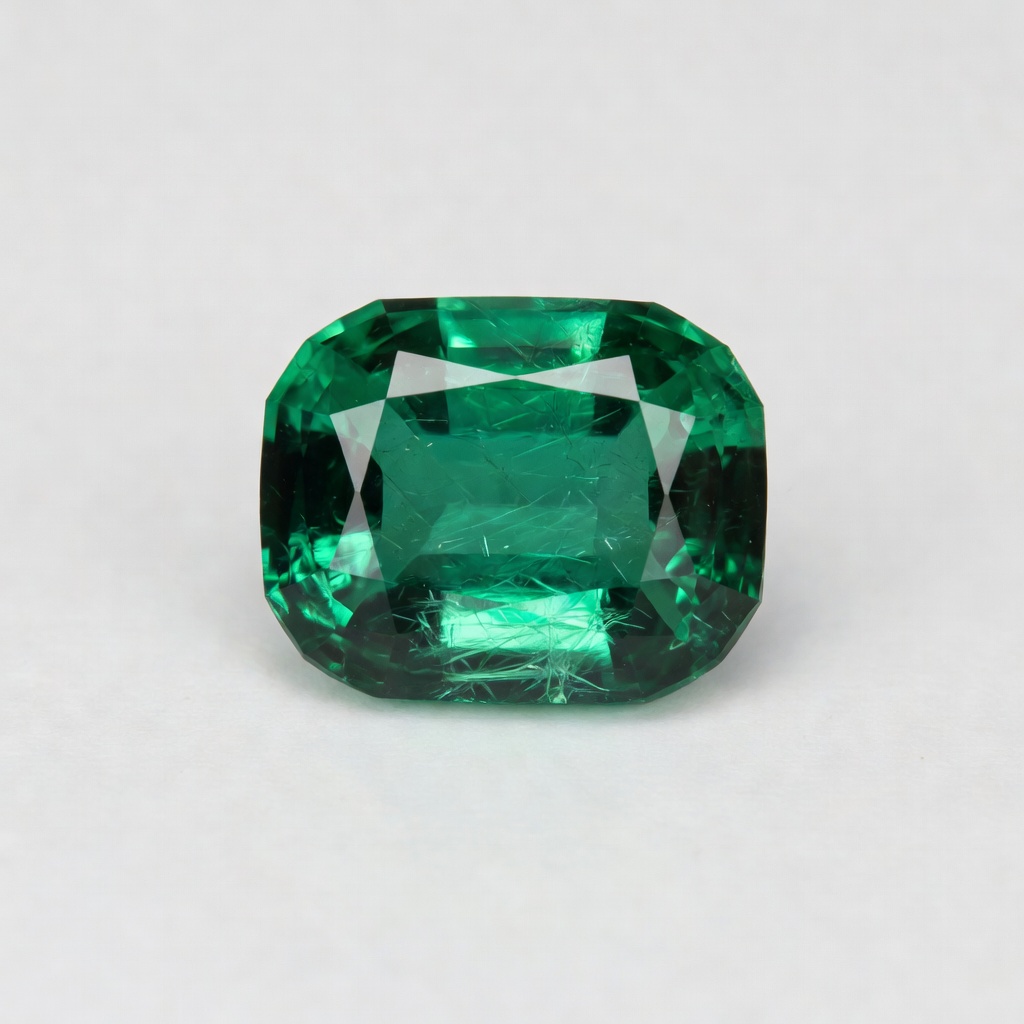
Clarity assessment in emeralds diverges significantly from diamond grading because natural emeralds almost invariably contain inclusions known as "jardin," French for garden, which resemble mossy or feathery patterns within the stone. Unlike diamonds where inclusions diminish value dramatically, emeralds with moderate, non-disruptive inclusions that don't significantly impact transparency or durability are accepted as natural and desirable, though surface-reaching fractures require disclosure regarding filling treatments. The cut quality significantly impacts value because emeralds crystallize as hexagonal prisms that lose substantial weight during cutting, meaning that well-proportioned stones with excellent symmetry command premiums over poorly cut stones that retain excessive weight at the expense of beauty.
Carat Weight and Market Dynamics
The relationship between carat weight and price follows an exponential rather than linear curve in the emerald market, with fine quality stones over three carats becoming exponentially rarer and more valuable per carat than smaller specimens. This pricing structure reflects the geological reality that emerald crystals rarely grow large without developing significant inclusions or fractures, making clean stones above five carats museum-quality rarities that frequently appear at auction houses rather than retail jewelry stores. When considering emerald value factors, buyers should recognize that a two-carat stone with exceptional color and moderate inclusions may command higher prices than a five-carat stone with washed-out color or prominent surface fractures, illustrating how color quality trumps size in this particular gemstone market.
Natural vs. Lab-Created Emerald Properties
Understanding the distinction between natural emerald vs lab created specimens has become increasingly important as synthetic manufacturing techniques advance and produce stones that challenge traditional identification methods. Natural emeralds form over millions of years through hydrothermal processes in the earth's crust, incorporating unique inclusion patterns, trace elements, and growth characteristics that tell the story of their specific geological formation environment. Laboratory-created emeralds, whether produced through flux-growth or hydrothermal synthesis methods, crystallize over weeks or months under controlled conditions that result in more uniform chemical composition and inclusion patterns that differ significantly from their natural counterparts.
Identification requires gemological expertise utilizing magnification to examine inclusion morphology, as natural emeralds typically display irregular, three-phase inclusions (liquid, gas, and crystal) or jardin patterns, while synthetic stones may show nail-head spicules, platinum plate inclusions from flux growth, or unusually clean interiors with curved growth lines. UV fluorescence testing provides additional diagnostic information, as natural emeralds typically show inert to weak red fluorescence, while many synthetic varieties exhibit stronger reactions due to different trace element chemistry. The natural emerald vs lab created debate extends beyond identification to market positioning, with natural stones commanding 10 to 20 times the prices of equivalent-quality synthetics, though lab-created stones offer environmentally conscious consumers accessible alternatives without mining concerns.
Environmental and Ethical Considerations
The choice between natural and laboratory-grown emeralds involves complex ethical considerations that extend beyond simple environmental calculations, as emerald mining provides livelihoods for artisanal miners in countries like Colombia and Zambia while also raising concerns about land disturbance and working conditions. Laboratory-created emeralds eliminate mining impacts and potential conflict sourcing issues, though they require significant energy inputs for crystal growth and lack the geological rarity that drives natural emerald investment potential. Consumers prioritizing sustainability should research specific laboratory producers regarding their energy sources and labor practices, while those choosing natural stones should seek suppliers committed to fair trade principles and traceable supply chains from specific mines with verified ethical extraction practices.
Geographic Sources and Their Unique Emerald Characteristics
The geological origins of emeralds profoundly influence their appearance, value, and desirability, with Colombian emerald properties setting the standard against which all other sources are measured in the international marketplace. Colombian emeralds, particularly those from the legendary Muzo and Chivor mines in the Boyacá region, typically exhibit the highly prized "Old Mine" color characterized by warm, intense green with slight yellowish undertones that appear vivid under various lighting conditions. These deposits formed in sedimentary black shales subjected to hydrothermal alteration, creating emeralds with distinctive three-phase inclusions and a "glow" or internal fire that distinguishes them from other origins, though they often require more oiling treatment due to numerous internal fractures.
Zambian emeralds from the Kafubu area near Kitwe have emerged as significant competitors, offering generally superior clarity with fewer inclusions and a distinct bluish-green or "cool" green color that appeals to modern aesthetic preferences and performs exceptionally well in contemporary jewelry designs. Brazilian emeralds from mines like Itabira and Nova Era typically show lighter tones with yellowish-green hues, while newer Ethiopian deposits produce stones with exceptional transparency and colors rivaling Colombian material but requiring careful assessment for stability and treatment levels. Understanding these geographic variations helps collectors build diverse collections and recognize that while Colombian emerald properties traditionally command premium prices, exceptional stones from Zambia or Ethiopia can represent better value propositions while offering unique visual characteristics.
Emerging Sources and Market Impact
Recent discoveries in Ethiopia's Seba Boru district and ongoing production from Russian Ural Mountain deposits continue diversifying the emerald market, offering consumers alternatives to traditional sources while creating new categories for investment consideration. Ethiopian emeralds particularly intrigue the market because they can display the saturated color of fine Colombian stones combined with the clarity typically associated with Zambian material, though the gemological community continues studying their long-term stability and optimal cutting orientations. When evaluating origin as part of comprehensive Emerald Properties and Information, buyers should request origin reports from laboratories like GIA or AGL, understanding that documented provenance from prestigious mines like Muzo can add significant premiums beyond the intrinsic beauty of the stone itself.
Essential Emerald Care and Maintenance Tips
Proper emerald care tips focus on preserving both the stone's beauty and the integrity of common treatments like oiling that enhance appearance but require periodic maintenance throughout the gem's lifetime. The safest cleaning method involves using lukewarm water mixed with mild, phosphate-free soap, gently scrubbing with a soft-bristled toothbrush to remove accumulated oils and debris from behind the stone and along the setting edges where dirt typically collects. This gentle approach protects both the emerald and any filler materials within fractures, whereas aggressive cleaning methods can remove oils, leaving fractures more visible and potentially destabilizing the stone's appearance.
Ultrasonic cleaners and steam cleaning devices pose serious risks to emerald jewelry regardless of whether the stones have been treated, as the vibrations and thermal shock can expand existing fractures, loosen stones from their settings, or remove fracture-filling materials that contribute to the gem's apparent clarity. Storage recommendations emphasize keeping emerald pieces separated from harder gemstones like diamonds, rubies, or sapphires that could scratch the emerald's surface if stored together in jewelry boxes, ideally wrapping pieces individually in soft cloth or storing them in compartmentalized boxes. Professional maintenance should include annual inspection by a qualified jeweler who can assess whether the stone requires re-oiling, a process where cedar oil or modern fillers are reapplied to surface-reaching fractures to restore the stone's original transparency and beauty.
Long-Term Preservation Strategies
Beyond routine cleaning, protecting emeralds from chemical exposure requires removing jewelry before applying cosmetics, perfumes, or hairsprays, as these products can accumulate in settings and potentially interact with fracture-filling materials or dull the stone's surface luster over time. Temperature extremes present additional hazards, as sudden changes from hot to cold environments can stress the internal fracture networks common in natural emeralds, making it advisable to remove rings before washing hands with very hot water or entering saunas. When traveling with emerald jewelry, carry pieces in padded containers rather than checked luggage, and consider removing rings during activities that might subject the stones to sharp impacts against hard surfaces, as the combination of moderate hardness and internal fractures makes emeralds more susceptible to damage than tougher gemstones.
Emerald Value and Investment Potential
The investment landscape for emeralds has evolved significantly over the past decades, with fine quality natural stones showing appreciation rates that rival or exceed those of colored diamonds and rubies when sourced from prestigious mines with documented provenance. Current emerald value factors for investment consideration prioritize untreated or minimally oiled stones with exceptional color saturation, preferably weighing over two carats with certificates from respected laboratories like GIA (Gemological Institute of America), AGL (American Gemological Laboratories), or Gübelin confirming natural origin and disclosure of any treatments. These certificates provide essential documentation for resale and insurance purposes, verifying that the stone's characteristics match the seller's representations regarding color, clarity, and geographic origin.
Historical price data reveals that top-tier Colombian emeralds have appreciated steadily, with exceptional specimens from famous mines like Muzo experiencing value increases of 10 to 15 percent annually during strong market periods, outpacing many traditional investment vehicles. However, the emerald market lacks the liquidity of diamond or gold markets, requiring investors to maintain longer holding periods and work with specialized dealers when divesting significant pieces. Investment-grade emeralds typically exhibit "Old Mine" color with medium-dark tone and strong saturation, eye-clean to moderately included clarity with no surface-reaching fractures, and precision cutting that maximizes color while maintaining weight above three carats, though even smaller stones with exceptional quality characteristics can represent solid value stores for collectors.
Market Trends and Certification Standards
Recent auction results demonstrate strong institutional demand for historic emeralds with royal provenance or exceptional size, with stones like the Rockefeller Emerald achieving record per-carat prices that validate high-quality natural emeralds as legitimate alternative investments. The importance of treatment disclosure has intensified, with untreated emeralds commanding premiums of 50 to 100 percent over equivalent-looking treated stones, making pre-purchase laboratory certification essential for investment-grade acquisitions. Collectors should focus on stones with "none" to "minor" oiling treatments per AGL standards, understanding that modern polymer treatments, while improving durability, significantly impact long-term investment potential compared to traditionally oiled or untreated specimens.
Historical Significance and Modern Symbolism
The cultural legacy of emeralds spans over four thousand years, with ancient Egyptian mines near Sikait, known as Cleopatra's Mines, producing stones that adorned pharaohs and were buried with mummies to symbolize eternal youth and protection in the afterlife. The Inca Empire treasured emeralds as sacred objects representing the earth's fertility, with Spanish conquistadors later marveling at the size and quality of South American emeralds they discovered in the sixteenth century, triggering centuries of exploitation and trade that established the global emerald market. The Mughal emperors of India harbored particular obsession for these green gems, inscribing sacred texts onto large crystals and creating legendary pieces like the Mogul Mughal emerald, which combined Islamic calligraphy with the stone's natural beauty to represent divine power and wisdom.
As the May birthstone emerald, these gems carry astrological associations with the zodiac sign Taurus and represent the 20th and 35th wedding anniversaries, symbolizing renewal, growth, and enduring love that strengthens with time. Modern crystal healing practitioners attribute metaphysical properties to emeralds, believing they open the heart chakra, enhance mental clarity, and promote emotional healing, though these beliefs lack scientific validation they contribute to contemporary demand beyond purely aesthetic appreciation. Famous historical emeralds like the Duke of Devonshire's uncut crystal, the Patricia Emerald weighing 632 carats, and Elizabeth Taylor's Bulgari emerald suite continue capturing public imagination, reinforcing the gem's status as a symbol of ultimate luxury and timeless elegance across civilizations.
Cultural Continuity and Contemporary Relevance
The enduring appeal of emeralds in modern jewelry design reflects their versatility across style periods, from Art Deco geometric settings that emphasized the stone's crystalline structure to contemporary minimalist designs that highlight pure color against white gold or platinum. Royal families maintain traditions of emerald ownership, with pieces like the Grand Duchess Vladimir Tiara and the Cambridge Emeralds passing through generations and appearing at state occasions, cementing the gem's association with legitimate aristocratic heritage. For modern consumers born in May or celebrating significant anniversaries, choosing emerald jewelry connects them to this rich historical tapestry while providing wearable art that carries personal significance beyond mere decoration.
Expert Buying Guide: What to Look For
Navigating the emerald market successfully requires asking specific questions regarding treatments and provenance, beginning with direct inquiries about oiling or filling materials used to enhance clarity and whether these treatments require special maintenance or affect the stone's long-term stability. Reputable sellers should provide detailed certification reports from independent laboratories that specify not only the stone's natural versus synthetic origin but also the degree of clarity enhancement, color grade, and geographic source when determinable through advanced spectroscopic analysis. Understanding how to read these reports involves examining the comments section for treatment disclosures, checking that measurements match the stone being offered, and verifying that the certificate number corresponds to the laboratory's database to prevent fraudulent documentation.
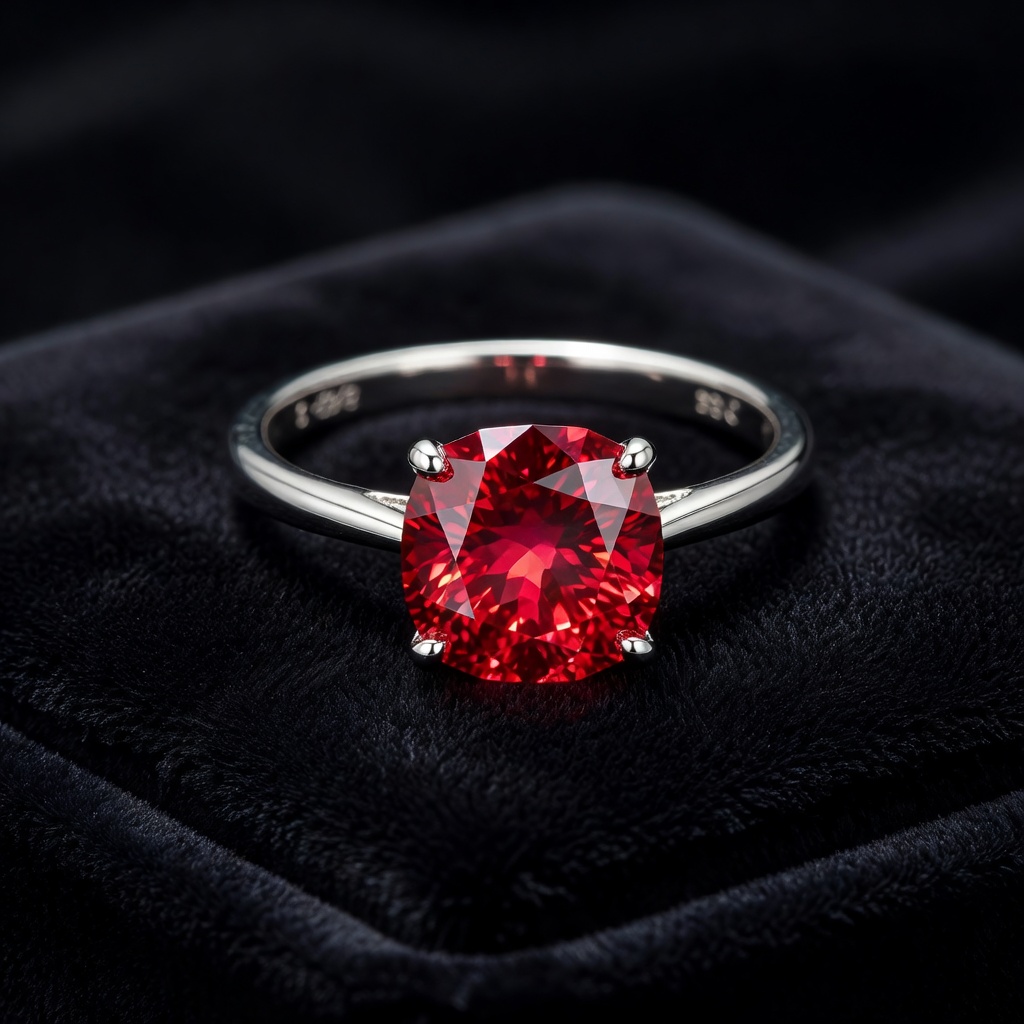
Red flags when shopping include prices that seem too good to be true for claimed quality levels, sellers who cannot provide specific treatment information, or stones offered without return privileges that allow independent verification by your own gemologist. Trustworthy sources include established auction houses with gemological departments, members of professional organizations like the American Gem Trade Association (AGTA), and dealers who specialize specifically in colored gemstones rather than general jewelry retailers who may lack specific emerald expertise. Setting styles that protect these gems include bezel settings that surround the girdle with metal, halo designs that provide peripheral protection, and low-profile mountings that reduce exposure to impact, while avoiding high prong settings for rings intended for daily wear.
Due Diligence and Authentication
Before completing significant purchases, consider arranging for a second opinion from an independent gemologist who can verify that the stone matches its certification and assess whether the price aligns with current market values for similar quality material. Examine stones under various lighting conditions, including natural daylight and incandescent lighting, as emerald colors can shift dramatically between lighting environments, with the finest stones maintaining vivid color under all conditions while inferior stones may appear grayish or dull in certain lights. When comparing multiple stones, prioritize color and apparent "life" or vibrancy over perfection in clarity, remembering that completely clean emeralds likely indicate synthetic origin or heavy treatment, while natural stones should display some internal characteristics that confirm their geological authenticity and unique identity.
Frequently Asked Questions About Emeralds
What is the Mohs hardness of emeralds?
Emeralds rate 7.5-8 on the Mohs scale, making them relatively hard but more brittle than other gems due to natural inclusions. They require careful handling to prevent chips and scratches, especially in jewelry worn daily. The moderate hardness provides reasonable resistance to surface scratching, but the internal fracture networks common in natural emeralds necessitate protective settings and avoidance of impact or pressure that could cause cleaving along natural weak points.
Are inclusions in emeralds a bad sign?
No, inclusions (called 'jardin') are expected in natural emeralds and often prove authenticity. Eye-clean emeralds are extremely rare and command premium prices. The type, location, and visibility of inclusions affect value more than their mere presence. Surface-reaching fractures may require filling treatments to improve clarity and durability, but internal inclusions that don't break the surface simply add character and verify that the stone formed naturally over millions of years rather than being laboratory-created.
How can I tell if an emerald is natural or lab-created?
Natural emeralds show irregular inclusions and growth patterns under magnification, while lab-created stones have more uniform characteristics. Professional gemological testing using spectroscopy and magnification is the most reliable method for identification. Synthetic emeralds may display curved growth lines, nail-head spicules, or unnaturally clean interiors with specific flux inclusions that differ from the three-phase inclusions typical of natural stones, requiring expert analysis to distinguish conclusively.
What is emerald oiling and is it acceptable?
Oiling is a traditional treatment where cedar oil fills surface-reaching fractures to improve clarity. It's widely accepted in the industry, though untreated emeralds command much higher prices. Disclosure of treatments is legally required. Modern alternatives include polymer resins that offer more permanent results than traditional oils that may dry out over time, but all clarity enhancements should be disclosed at the time of sale and noted on laboratory certificates to ensure transparent transactions.
Where do the most valuable emeralds come from?
Colombian emeralds, particularly from Muzo and Chivor mines, are generally considered the most valuable due to their exceptional color. However, fine quality stones from Zambia and other sources can also command high prices based on individual merit. The warm, intense green associated with Colombian material traditionally sets the standard for the trade, though Zambian stones offering superior clarity and bluish-green colors have gained significant market share and respect among knowledgeable collectors.
How should I clean my emerald jewelry at home?
Use lukewarm water, mild soap, and a soft brush. Avoid ultrasonic cleaners, steam, and harsh chemicals. Gently scrub, rinse thoroughly, and pat dry with a soft cloth. Have professional cleaning and inspection annually. This gentle approach preserves both the stone and any filler materials within fractures, while regular professional inspection ensures that settings remain secure and treatments remain effective, with re-oiling performed when necessary to maintain optimal appearance.
What makes emeralds green?
The vibrant green color comes from trace amounts of chromium and/or vanadium replacing aluminum in the beryl crystal structure. The specific combination and concentration of these elements determines the exact hue and intensity. Chromium produces the pure green prized in fine stones, while vanadium may contribute blue or yellow modifying tones; the most valuable emeralds typically contain both elements in proportions that create saturated, vivid green without excessive darkness or undesirable secondary colors.
Is emerald a good investment gemstone?
Fine quality natural emeralds with excellent color and minimal treatment have shown strong appreciation. However, the market is specialized. Focus on certified stones from reputable sources, understanding that liquidity may be lower than for diamonds. Investment success requires purchasing top-tier material with documented provenance, maintaining certificates and purchase documentation, and maintaining realistic expectations regarding resale timeframes and the necessity of working with specialized dealers rather than general retail channels.