Why Emeralds Are Unique: An Introduction to Smart Purchasing
Emeralds stand as one of nature's most captivating treasures, occurring approximately twenty times less frequently than diamonds within the earth's crust. This remarkable rarity, combined with their distinctive vivid green hue that has mesmerized civilizations from ancient Egypt to modern royalty, establishes them as genuinely exceptional gemstones. When you begin the process of buying emeralds, you enter a market where traditional diamond grading standards do not apply, requiring specialized knowledge to navigate successfully. Unlike diamonds, which prioritize clarity and brilliance above all else, emeralds are evaluated primarily for their color intensity and transparency, with natural inclusions considered acceptable characteristics rather than defects.
The historical significance of emeralds extends far beyond mere ornamentation, as Cleopatra famously claimed ownership of all Egyptian emerald mines to secure her supply of these verdant stones. Today, this rich heritage continues to influence market values and collector preferences, making informed purchasing decisions essential for both first-time buyers and seasoned investors. This comprehensive emerald buying guide provides the critical framework necessary to evaluate gemstone quality accurately, identify potentially fraudulent practices, and maximize the value of your investment regardless of budget constraints. By understanding the unique characteristics that define premium emeralds, you can confidently select a stone that balances beauty, authenticity, and long-term appreciation potential.
The Four Pillars of Emerald Quality Evaluation
Understanding the fundamental emerald quality factors requires shifting your perspective away from diamond-centric evaluation methods toward a system that celebrates these gems for their distinctive characteristics. While diamonds demand flawless clarity, emeralds operate under different rules where color reigns supreme and inclusions tell stories of geological formation. Mastering these four essential criteria will enable you to distinguish between mediocre stones and exceptional investments that retain their beauty for generations.
Color: The Paramount Consideration
When evaluating emeralds, color constitutes approximately sixty to seventy percent of the stone's total value, making it the single most important factor in your selection process. The most desirable emeralds display a pure green to slightly bluish-green hue with vivid saturation and medium to medium-dark tone, often described in the trade as "grass green" or "Muzo green" when referring to top Colombian specimens. Stones that appear too light resemble green beryl rather than true emeralds, while excessively dark stones lose the lively brilliance that makes these gems so desirable. When examining potential purchases, always view stones under natural daylight or equivalent full-spectrum lighting, as incandescent bulbs can mask yellow undertones or artificially enhance poor color quality.
Clarity: Embracing Natural Character
Unlike diamonds where inclusions significantly diminish value, emeralds naturally contain internal characteristics known as "jardin" (French for garden) that gemologists accept as proof of authenticity. These mossy, fern-like inclusions represent the unique crystallization process and should be viewed as birthmarks rather than flaws, provided they do not severely impact the stone's transparency or structural integrity. When assessing clarity, focus on whether the stone appears transparent and eye-clean rather than seeking loupe-clean perfection, which would indicate either a synthetic stone or an astronomically priced rarity. A practical approach involves holding the stone at arm's length; if inclusions remain invisible at this distance while the color remains vibrant, the clarity grade likely suits fine jewelry purposes.
Cut: Balancing Beauty and Weight
The cutting of emeralds presents unique challenges because these stones possess different optical properties than diamonds or sapphires, requiring specialized expertise to maximize their visual appeal. Deep cuts typically enhance color saturation by allowing light to travel further through the green crystal, though this approach reduces the final carat weight and may affect the stone's brilliance. Conversely, shallow cuts maximize face-up appearance and sparkle but risk diluting the crucial green hue that defines the gem's value. The classic emerald cut—with its stepped facets and truncated corners—remains popular not merely for aesthetic reasons but because this shape minimizes pressure on potential fracture points during both the cutting process and subsequent wear.
Essential Emerald Treatments Every Buyer Must Know
Transparency regarding emerald treatments separates reputable dealers from those hoping to exploit uninformed consumers, making this knowledge absolutely essential before completing any purchase. Approximately ninety-five percent of natural emeralds undergo some form of clarity enhancement, a statistic that surprises many first-time buyers who assume treatments indicate inferior quality. Understanding the distinction between acceptable industry-standard practices and problematic undisclosed modifications will protect your investment and ensure appropriate care protocols for your jewelry.
The most common treatment involves filling surface-reaching fissures with oils or resins to improve apparent clarity and stability, a practice dating back thousands of years to ancient Roman times. Cedarwood oil represents the traditional, completely reversible treatment method that requires periodic renewal as the oil gradually dries out or evaporates over years of wear. Modern polymer resins offer more permanent solutions but significantly impact value, with resin-treated stones commanding substantially lower prices than those treated with natural oils. When reviewing documentation, ensure the certificate explicitly states the treatment type, as this distinction affects both the emerald price guide valuations and the maintenance requirements for your specific stone.
Origin Impact: Colombian, Zambian, and Other Sources
The geographic birthplace of your emerald significantly influences both its visual characteristics and market valuation, with certain locations commanding substantial premiums due to historical prestige and distinctive color profiles. Colombian emeralds from the legendary Muzo and Chivor mines have dominated the high-end market for centuries, prized for their warm, saturated pure green tones that exhibit exceptional vibrancy under various lighting conditions. These stones often contain distinctive three-phase inclusions (liquid, gas, and solid crystals trapped within the gem) that serve as identifying characteristics for gemologists while rarely affecting the stone's transparency significantly.
Zambian emeralds from the Kagem mines offer compelling alternatives with their distinctive cooler, bluish-green hues and typically superior clarity due to geologically younger formations with fewer internal fissures. While historically considered secondary to Colombian material, modern Zambian production has gained recognition among connoisseurs seeking excellent value, often providing larger, cleaner stones at forty to sixty percent of Colombian prices. Brazilian emeralds generally present lighter saturation levels and more abundant inclusions, making them suitable for budget-conscious buyers, while newer Ethiopian sources offer interesting characteristics but typically lack the stability and color consistency of established mining regions.
Certification and Authentication Essentials
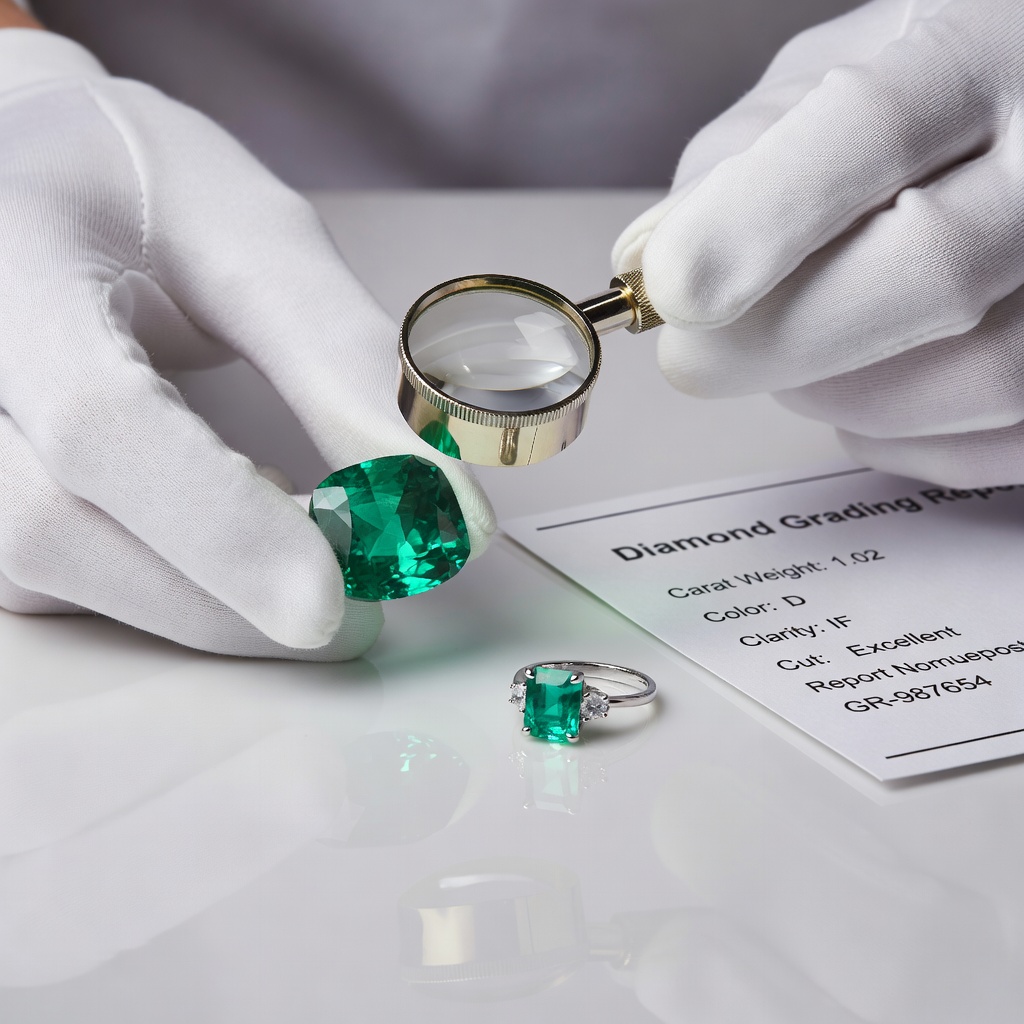
Proper emerald certification serves as your insurance policy against misrepresentation, synthetic substitution, and undisclosed treatments that could cost you thousands of dollars. Reputable laboratories such as GIA (Gemological Institute of America), AGL (American Gemological Laboratories), and GRS (GemResearch Swisslab) provide standardized documentation that independent jewelers and appraisers recognize worldwide. These certificates must explicitly state "natural emerald" rather than vague terminology, detail any clarity enhancements using standardized nomenclature (none, minor, moderate, or significant), and ideally confirm the geographic origin when determinable through advanced spectroscopic analysis.
Origin determination on laboratory reports typically adds fifteen to twenty-five percent to a stone's market value, particularly for prestigious Colombian material, making this verification worthwhile for significant investments. Beware of sellers offering "in-house" certifications or documentation from unknown laboratories, as these documents often lack the rigorous testing protocols and independence that characterize legitimate gemological institutions. Before finalizing any purchase, verify the certificate number directly through the laboratory's online database to confirm the document's authenticity and ensure the description matches the stone being offered. This verification step takes mere minutes but provides crucial protection against the certificate fraud that unfortunately pervades the colored gemstone market.
Price Factors and Budget Planning Strategies
Developing a realistic emerald price guide requires understanding the exponential relationship between carat weight and per-carat pricing, along with the specific quality premiums associated with different origins and treatment levels. Quality one-carat natural emeralds with good color and minor oil treatment typically range from two thousand to nine thousand dollars, while untreated stones of similar appearance command premium multiples of three to five times these amounts. Top-tier Colombian emeralds exhibiting exceptional Muzo green color with minor inclusions regularly exceed twenty thousand dollars per carat, particularly for stones above two carats where rarity increases dramatically.
Savvy buyers employ strategic carat weight selection to maximize value, recognizing that prices jump exponentially at one-carat, two-carat, and three-carat thresholds due to commercial demand preferences. Selecting a 0.90-carat stone rather than a full 1.00-carat weight, or choosing 1.90 carats instead of 2.00 carats, can reduce costs by twenty to thirty percent while providing virtually identical visual impact when set in jewelry. Always prioritize color intensity and cut quality over raw carat weight; a smaller, vividly saturated stone with excellent proportions will outperform a larger, dull, poorly cut emerald in both immediate beauty and long-term resale value. When budgeting, allocate funds first toward the highest color grade possible within your range, then consider clarity and carat weight as secondary factors.
Choosing the Perfect Jewelry Setting for Protection
Selecting appropriate emerald jewelry settings requires acknowledging the physical limitations of these beautiful yet relatively fragile gems, which rate 7.5 to 8 on the Mohs hardness scale but possess poor toughness due to internal fissures. Unlike diamonds or sapphires that withstand daily abuse, emeralds demand protective mountings that shield the girdle edges and corners from impact during wear. Bezel settings, which encircle the stone with a continuous rim of metal, provide maximum protection for ring designs, while halo settings surrounding the center stone with smaller diamonds offer both impact buffering and enhanced visual presence.
Metal selection significantly affects the perceived color of your emerald, with yellow gold enhancing the warm, saturated tones characteristic of fine Colombian material while white metals such as platinum or white gold complement the cooler bluish-green hues typical of Zambian stones. Avoid tension settings that suspend the stone between metal bands, as these concentrate stress on the emerald's vulnerable points and provide no protection against accidental strikes. For daily wear, consider necklaces or earrings rather than rings, as these pieces experience less physical impact and better preserve the stone's integrity and any oil treatments over time. If you choose an emerald engagement ring or daily-wear piece, select a low-profile mounting that sits close to the finger, reducing the likelihood of catching on clothing or knocking against hard surfaces.
Natural vs. Lab-Created Emeralds: Making an Informed Choice
The decision between natural and lab created emeralds represents one of the most significant choices facing modern buyers, with each option offering distinct advantages depending on your priorities and budget constraints. Synthetic emeralds share identical chemical composition, crystal structure, and optical properties with their natural counterparts because they are genuine emeralds grown in controlled laboratory environments rather than mined from the earth. These laboratory stones typically cost eighty to ninety percent less than natural equivalents, making them accessible options for buyers desiring large, visually perfect stones without the accompanying investment.
However, lab-created emeralds display tell-tale characteristics that knowledgeable observers can identify, including often-perfect clarity and unnaturally uniform color distribution that rarely occurs in natural specimens. While beautiful, these stones lack the rarity and historical significance that drive the investment value of fine natural emeralds, making them poor choices for heirloom pieces or assets intended to appreciate over decades. Consider synthetic options for fashion jewelry, travel pieces, or gifts where beauty takes precedence over long-term value retention, while reserving natural stones for significant investments, family heirlooms, or collectors seeking the unique geological history embedded within each mined crystal.
Caring for Your Emerald Investment
Proper maintenance ensures your emerald retains its beauty for decades, though these gems require gentler care routines than harder stones like diamonds or rubies. Never subject emerald jewelry to ultrasonic cleaners or steam cleaning systems, as the vibrations and heat can remove oil treatments, expand existing fractures, or cause catastrophic breakage along internal fissures. Instead, clean your emeralds using warm water mixed with mild dish soap and a soft-bristled toothbrush, gently scrubbing behind the stone where dirt and lotions accumulate, then rinsing thoroughly and patting dry with a lint-free cloth.
Professional re-oiling services should be scheduled every five to ten years, depending on wear frequency and exposure to heat or chemicals that accelerate oil evaporation. During this process, skilled jewelers carefully remove dried oil residues and replenish the fissures with fresh cedarwood oil, restoring the stone's original clarity and stability. Always remove emerald jewelry before engaging in household chores, exercising, swimming in chlorinated pools, or exposing the stones to extreme temperature changes, as thermal shock can fracture these sensitive gems. Store emerald pieces separately from other jewelry in soft pouches to prevent scratching from harder stones, and inspect settings annually to ensure prongs remain secure and protective.
Trusted Sources and Red Flags to Avoid
Successfully buying emeralds requires identifying reputable vendors while recognizing warning signs that indicate potential fraud or misrepresentation. Established jewelers employing GIA-trained gemologists and offering clear return policies (preferably thirty days or longer) provide the security necessary for significant investments, whether purchasing in-person or through online platforms. Quality online vendors should provide high-resolution 360-degree videos showing the stone from all angles under various lighting conditions, along with detailed photographs of the accompanying certification documents.
Major red flags include prices significantly below market value, which often indicate glass imitations, heavily treated stones sold as untreated, or synthetic material misrepresented as natural. Vague origin claims such as "Columbian-style" rather than specific verified localities, pressure tactics urging immediate purchase, and reluctance to provide independent laboratory certification should immediately terminate negotiations. Always arrange for an independent appraisal from a certified gemologist within the seller's return window, verifying both the certification number online and the stone's physical characteristics against the laboratory report before the return period expires. This dual verification process protects you from the common scams involving substituted certificates or "enhanced" stones with undisclosed polymer treatments.
Frequently Asked Questions
What is the most important factor when buying an emerald?
Color is the most critical factor—prioritize vivid, pure green to bluish-green hues with medium tone over perfect clarity. A slightly included stone with exceptional color outperforms a flawless stone with weak color in both beauty and value.
Are treated emeralds less valuable?
Treated emeralds are standard and acceptable, costing 30-50% less than untreated stones of similar appearance. Minor cedarwood oil treatment is industry norm, while polymer resins significantly reduce value. Always ensure treatments are disclosed and reflected in price.
How much should I expect to pay for a quality emerald?
For a natural 1-carat emerald with good color and minor inclusions, budget $2,000-$5,000. High-quality Colombian emeralds start around $6,000 per carat and can exceed $20,000 for top grades. Lab-created alternatives offer identical beauty for $200-$500 per carat.
Can you tell an emerald's origin just by looking at it?
Trained gemologists can often identify origin by color tone and inclusion patterns—Colombian stones show warm pure green with three-phase inclusions, while Zambian stones display cooler bluish-green with fluid patterns. However, lab certification is the only reliable verification.
Is a lab-created emerald a good alternative to natural?
Lab-created emeralds are excellent for budget-conscious buyers seeking perfect color and clarity. They share identical chemical composition but lack rarity and investment value. Consider them for fashion jewelry; choose natural for heirloom pieces and long-term appreciation.
What certifications should I look for when buying emeralds?
Prioritize certificates from GIA (Gemological Institute of America), AGL (American Gemological Laboratories), or GRS (GemResearch Swisslab). These must state 'natural emerald,' detail any treatments, and ideally confirm origin. Avoid in-house or unknown lab documents.
How do I clean my emerald jewelry safely at home?
Use warm water with mild dish soap and a soft toothbrush. Gently scrub behind the stone where dirt accumulates. Rinse thoroughly and pat dry with a lint-free cloth. Never use ultrasonic cleaners, steam cleaners, or harsh chemicals that can remove oil treatments.
What are the biggest mistakes to avoid when buying emeralds?
The top mistakes are: 1) Prioritizing size over color quality, 2) Buying without independent certification, 3) Ignoring treatment disclosure, 4) Choosing non-protective settings for rings, and 5) Expecting diamond-level clarity. Always buy from reputable sellers with clear return policies.