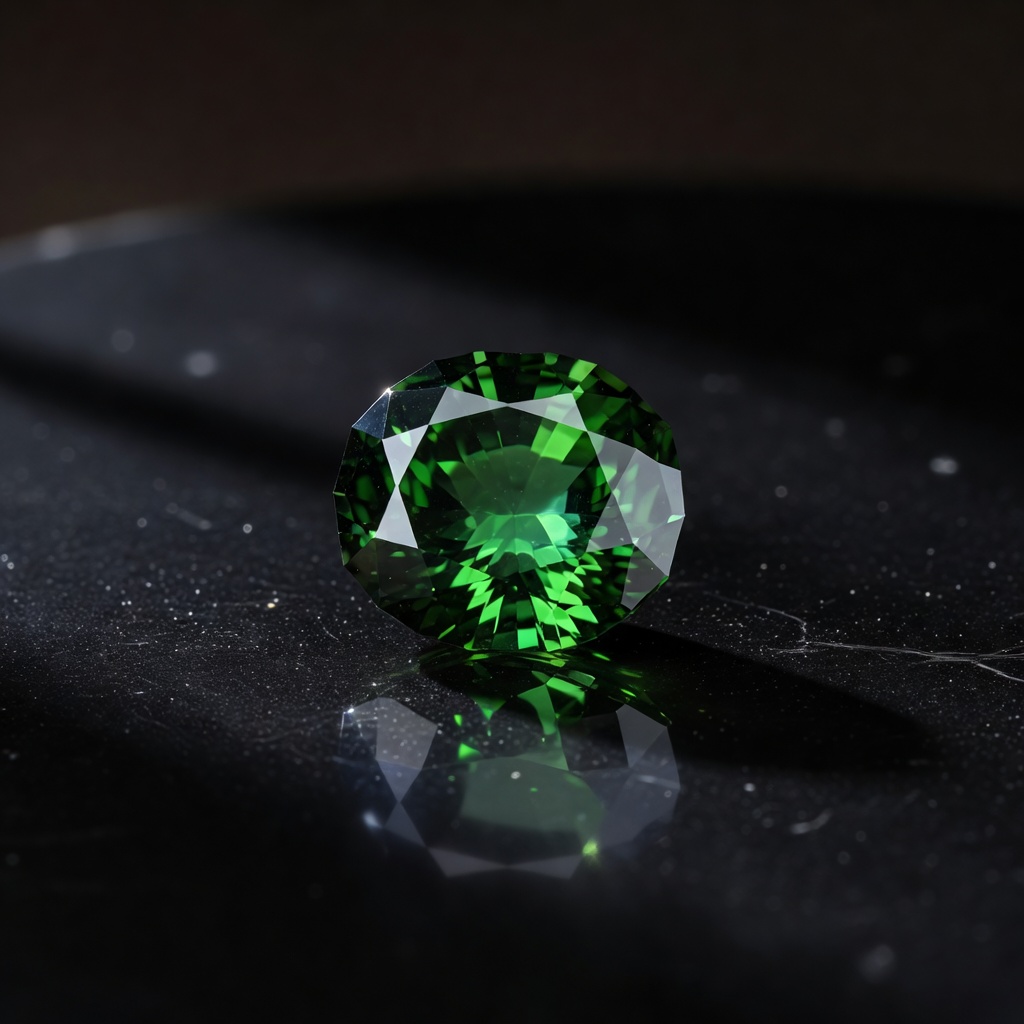
Introduction to Chrome Diopside
Chrome Diopside represents one of the most vibrant green gemstones to emerge in the modern jewelry market, captivating collectors and designers with its intense forest-green hue that rivals far more expensive alternatives. This remarkable gemstone was first discovered in the remote mines of Eastern Siberia during the late 1980s, specifically around 1988, when Russian geologists identified specimens displaying an unusually saturated green coloration caused by chromium content within the crystal structure. Unlike traditional diopside minerals that typically appear in muted shades of white, gray, or pale green, the chromium-rich variety immediately distinguished itself as a unique gemstone worthy of commercial consideration.
The distinctive emerald-green coloration of Chrome Diopside stems directly from trace amounts of chromium substituting for magnesium within the mineral's chemical composition, creating the same coloring agent responsible for the green in emeralds and tsavorite garnets. This remarkable similarity to precious emerald at a fraction of the cost has positioned Chrome Diopside as an increasingly popular choice for jewelry enthusiasts seeking luxurious green aesthetics without the premium price tag. Contemporary jewelry markets have embraced this gemstone particularly for statement pieces, cocktail rings, and pendant designs where its vivid color can command attention while remaining accessible to budget-conscious consumers.
Chemical Composition and Physical Properties
Chrome Diopside belongs to the pyroxene mineral group and crystallizes according to the chemical formula CaMgSi2O6, representing a calcium magnesium silicate structure that forms within the monoclinic crystal system. This specific crystal structure creates elongated prismatic formations often found in metamorphic rocks, particularly those subjected to high pressure and moderate temperature conditions during their geological formation. The presence of chromium within this base structure transforms ordinary diopside into the gemstone variety prized for its decorative applications, with chromium content typically ranging between 0.5% to 2% in gem-quality specimens.
The physical durability of Chrome Diopside requires careful consideration by jewelers and collectors alike, as the gemstone registers between 5.5 and 6.5 on the Mohs hardness scale. While sufficiently hard to resist scratching from everyday dust and debris, this rating places it significantly below corundum (sapphire and ruby at 9) and diamond (10), necessitating protective settings and mindful wearing habits. The specific gravity ranges from 3.22 to 3.38, giving the stone a satisfying heft when held, while its perfect cleavage in two directions creates potential vulnerability to impact damage along specific crystal planes. When fractured, Chrome Diopside displays conchoidal fracture patterns similar to glass, which can create sharp edges if the stone sustains significant trauma.
Optical Characteristics and Color Variations
The optical properties of Chrome Diopside contribute significantly to its desirability among colored gemstone connoisseurs, particularly its pronounced pleochroism that reveals different shades of green when viewed from various crystallographic angles. This phenomenon occurs because the chromium ions absorb light differently depending on the polarization direction, typically showing darker forest green along one axis and lighter yellowish-green or bluish-green along perpendicular directions. Gem cutters must carefully orient the rough material to ensure the table facet displays the most desirable color face-up, maximizing the stone's visual appeal while minimizing the appearance of windowing or extinction.
With a refractive index ranging between 1.675 and 1.701, Chrome Diopside exhibits excellent brilliance and fire when properly faceted, approaching the optical performance of more expensive green gemstones. The refractive properties combine with the gem's transparency to create a lively, vitreous luster that enhances its depth of color. Color variations within Chrome Diopside depend heavily on the relative concentrations of chromium versus iron within the crystal lattice; higher chromium content produces the coveted vivid green reminiscent of emeralds, while elevated iron levels can introduce undesirable brownish or grayish tints that diminish the stone's value. The most prized specimens display a saturated, slightly bluish-green hue without any brown modifiers, maintaining consistent color saturation from edge to edge.
Geological Sources and Mining Locations
The primary source of fine Chrome Diopside remains the remote reaches of Eastern Siberia, Russia, specifically within the Sakha Republic where extreme climatic conditions create unique challenges for mining operations. The discovery of commercially viable deposits in 1988 revealed that these Siberian mines contain the world's highest quality material, characterized by intense color saturation and remarkable clarity. However, the harsh Arctic environment restricts mining activities to brief summer months when temperatures rise sufficiently to allow extraction, typically limiting operations to July through September when permafrost temporarily thaws. This severe seasonal limitation significantly constrains supply, making large, high-quality specimens increasingly scarce in the global market.
Secondary deposits of Chrome Diopside have been identified in several other localities, including the mountainous regions of Pakistan, the gem-rich deposits of Madagascar, the metamorphic terrains of Finland, and the Mogok Stone Tract in Myanmar. While these alternative sources provide supplementary material to the market, they generally produce stones with lighter color saturation or smaller crystal sizes compared to the premier Siberian material. Environmental challenges affecting mining operations include not only the extreme cold of Russian operations but also political instability in some regions and increasing environmental regulations that restrict mining access. These factors collectively contribute to the gemstone's rarity, particularly for specimens exceeding two carats, and suggest potential future supply constraints that may affect market availability and pricing structures.
Metaphysical Properties and Crystal Healing
Practitioners of crystal healing associate Chrome Diopside with powerful heart chakra activation, believing that its intense green color resonates with the fourth chakra to promote emotional healing, compassion, and the release of stubborn emotional patterns. According to metaphysical traditions, carrying or wearing this stone is thought to encourage the wearer to recognize the dual nature of personal relationships—acknowledging both light and shadow aspects within themselves and others—to achieve deeper understanding and forgiveness. Many healers recommend placing Chrome Diopside directly over the heart center during meditation sessions to facilitate the release of suppressed grief, resentment, or trauma that may be blocking the flow of universal love energy.
Beyond emotional healing applications, Chrome Diopside is believed to enhance creative visualization and intellectual pursuits, making it a favored stone among artists, writers, and students seeking inspiration. The crystal is thought to ground spiritual energy into the physical realm while simultaneously opening channels of communication with nature spirits and elemental forces. Practitioners often use Chrome Diopside in meditation grids designed for reconnecting with the natural world, particularly for those living in urban environments who seek to maintain their bond with forest and earth energies. Some crystal therapists also utilize this stone for supporting recovery from physical heart-related ailments or circulatory issues, though these applications should complement rather than replace conventional medical treatment.
Jewelry Design Applications and Settings
Jewelry designers working with Chrome Diopside must account for its moderate hardness and perfect cleavage by selecting protective settings that shield the gemstone from potential impact damage. For ring designs, bezel settings or partial bezels offer superior protection compared to prong settings, securing the stone's vulnerable edges and girdle while maintaining aesthetic appeal. When prong settings are preferred for their classic appearance, designers typically recommend six-prong configurations rather than four-prong styles to distribute pressure more evenly around the stone's circumference. Pendant and earring designs provide ideal applications for Chrome Diopside, as these jewelry types experience less mechanical stress than rings, allowing the stone's vivid color to remain the focal point without the same risk of chipping or abrasion.
Popular cutting styles for Chrome Diopside include the emerald cut, which showcases the stone's color while minimizing waste during the cutting process, as well as oval and cushion cuts that maximize brilliance and face-up appearance. These shapes complement the elongated crystal habit of rough Chrome Diopside, allowing cutters to preserve carat weight while creating visually appealing symmetry. Complementary metal choices range from bright sterling silver that creates striking contrast against the deep green stone, to white gold and platinum settings that offer contemporary elegance, and yellow gold mountings that enhance the warmth of stones with slight yellowish undertones. Many contemporary designers pair Chrome Diopside with accent diamonds or colorless zircon to create pieces that mimic the appearance of high-end emerald and diamond combinations at accessible price points.
Quality Assessment and Value Factors
Evaluating Chrome Diopside quality begins with color assessment, where the most valuable specimens display intense saturation with medium to medium-dark tones of pure forest green without brownish or grayish modifications. Stones that appear too light may be mistaken for peridot or green tourmaline, while overly dark specimens lose transparency and appear almost black in indoor lighting. Professional gemologists examine color under various lighting conditions, noting that fine Chrome Diopside maintains its rich green hue under incandescent lighting unlike some other green gemstones that shift toward yellow or brown. The ideal color resembles that of a deep forest canopy—vivid, saturated, and evenly distributed throughout the stone without zoning or color banding.
Clarity standards for Chrome Diopside are somewhat more forgiving than those for emeralds, with eye-clean stones commanding premium prices while those with slight inclusions remain acceptable for commercial jewelry applications. Common inclusions include needle-like crystals, small fluid inclusions, and growth tubes that may create cat's eye effects in cabochon-cut stones when aligned parallel to the base. Carat weight significantly impacts value due to the rarity of large crystals; while one-carat stones are readily available, specimens exceeding two carats become exponentially rare and can command prices comparable to fine tourmaline or spinel. Cut quality also substantially affects value, with well-proportioned stones displaying minimal windowing and maximum brilliance commanding 20-30% premiums over poorly cut material of similar color and clarity.
Chrome Diopside vs Other Green Gemstones
When comparing Chrome Diopside to emerald, the most obvious distinction lies in durability and price, with Chrome Diopside offering similar visual impact at approximately one-tenth to one-twentieth the cost per carat of fine Colombian emerald. While both gemstones owe their green color to chromium content, emeralds typically contain visible inclusions (jardin) that are accepted as characteristic, whereas fine Chrome Diopside can achieve eye-clean clarity more readily. Tsavorite garnet presents another comparison point, offering superior hardness (7-7.5 on the Mohs scale) and generally better durability for ring wear, though typically at higher price points than Chrome Diopside and with a slightly different green hue that leans more toward yellow-green or pure green without the bluish undertones sometimes seen in diopside.
Peridot offers a lighter, more yellowish-green alternative that is generally less expensive but lacks the depth and saturation of fine Chrome Diopside. Tourmaline varieties, particularly chrome tourmaline, provide the closest visual match with superior durability, though they typically command higher prices and may display different pleochroic characteristics. For jewelry applications, Chrome Diopside's moderate hardness makes it better suited for pendants, earrings, and occasional-wear rings compared to emerald, which despite being only slightly harder (7.5-8), possesses better toughness due to different crystal structure. Budget-conscious consumers seeking the emerald aesthetic for engagement rings might consider Chrome Diopside for the center stone in protective settings, though they should understand that daily wear will eventually show surface abrasion and potential chipping not typically seen with harder alternatives like sapphire or diamond.
Care, Cleaning, and Maintenance Guidelines
Maintaining the beauty of Chrome Diopside jewelry requires adherence to specific care protocols that acknowledge the stone's cleavage planes and moderate hardness. The safest cleaning method involves using warm water mixed with mild dish soap, applied with a soft-bristled brush (such as a child's toothbrush) to gently remove accumulated oils and debris from the surface and setting. After brushing, rinse the piece thoroughly under lukewarm running water, ensuring the drain is closed or covered to prevent accidental loss, then pat dry with a soft, lint-free cloth. This simple routine, performed every few weeks for regularly worn pieces, maintains the stone's vitreous luster without risking damage to the crystal structure.
Owners must strictly avoid ultrasonic cleaners and steam cleaning devices, as the vibrations and thermal shock can cause stones to fracture along their perfect cleavage planes, potentially splitting the gem into pieces. Similarly, harsh chemicals including bleach, ammonia, and chlorine can attack the stone's surface and any mounting materials, while prolonged exposure to heat—such as leaving jewelry in a hot car or wearing it while cooking—may cause color fading or internal stress fractures. Storage recommendations include keeping Chrome Diopside pieces separate from harder gemstones like diamonds, rubies, or sapphires in individual soft pouches or compartmentalized jewelry boxes to prevent scratching. Remove Chrome Diopside jewelry before engaging in physical activities, household cleaning, or gardening, as impacts against hard surfaces pose the greatest risk to this beautiful but relatively delicate gemstone.
Buying Guide and Investment Considerations
Purchasing Chrome Diopside requires careful attention to certification, as recognized gemological laboratories such as GIA (Gemological Institute of America), AGS (American Gem Society), or IGI (International Gemological Institute) can confirm natural origin, treatments, and quality parameters. While Chrome Diopside is rarely treated (unlike emeralds which are commonly oiled), certification provides assurance of authenticity and documents important characteristics like color grade and clarity. Current market pricing reflects the stone's rarity, particularly for larger sizes, with commercial-quality stones (1-2 carats, good color, slightly included) typically ranging from $50 to $200 per carat, while fine specimens exceeding 2 carats with exceptional color and clarity can command $300 to $600 per carat or higher depending on market conditions.
Investment considerations for Chrome Diopside must acknowledge the supply constraints imposed by the limited Russian mining season and harsh extraction conditions. Unlike diamonds or sapphires which benefit from multiple global sources and consistent supply chains, Chrome Diopside relies heavily on Siberian production that could face disruption from geopolitical tensions, environmental regulations, or climate change affecting permafrost conditions. These supply limitations suggest potential long-term value appreciation for high-quality specimens, particularly those over 3 carats with exceptional color saturation. Collectors seeking investment-grade material should prioritize untreated stones with vivid green color, eye-clean clarity, and precision cutting, acquiring certificates of authenticity and maintaining detailed records of provenance to maximize future resale potential in the evolving colored gemstone market.
Frequently Asked Questions
What is Chrome Diopside and how does it differ from regular Diopside?
Chrome Diopside is a chromium-rich variety of diopside mineral that displays an intense green color, whereas regular diopside typically appears white, gray, or light green. The chromium content not only creates the vivid forest-green hue but also increases the gem's value and desirability in jewelry.
Is Chrome Diopside durable enough for daily wear in rings?
With a Mohs hardness of 5.5-6.5, Chrome Diopside is softer than many popular gemstones and requires protective settings for ring wear. While suitable for occasional wear, it is better suited for pendants, earrings, and brooches where it faces less impact risk than rings.
How does Chrome Diopside compare to Emerald in appearance and value?
Chrome Diopside often displays a similar rich green color to high-quality emeralds but at a significantly lower price point. Unlike emeralds, which typically contain visible inclusions, fine Chrome Diopside can be relatively eye-clean, though it lacks the hardness and prestige associated with emeralds.
Where does Chrome Diopside come from and is it rare?
The finest Chrome Diopside originates from remote mines in Eastern Siberia, Russia, where extreme winter conditions limit mining to brief summer months. This restricted mining season and harsh logistics make high-quality specimens over 2 carats quite rare and valuable in the gemstone market.
What are the metaphysical properties associated with Chrome Diopside?
Crystal healers associate Chrome Diopside with the heart chakra, believing it promotes emotional healing, compassion, and forgiveness. It is also thought to enhance creative thinking, strengthen connection with nature, and support those recovering from emotional trauma or heartbreak.
How should I clean and care for my Chrome Diopside jewelry?
Clean Chrome Diopside using only warm soapy water and a soft brush, avoiding ultrasonic cleaners and steam which can damage the stone along its cleavage planes. Store pieces separately from harder gemstones like diamonds or sapphires to prevent scratching, and remove jewelry before physical activities.
What factors determine the value of a Chrome Diopside gemstone?
The most valuable Chrome Diopside specimens display intense, saturated forest-green color without brownish tints, remain eye-clean under magnification, and weigh over 2 carats (which is rare). Cut quality also significantly impacts value, with well-proportioned cuts commanding premium prices.
Can Chrome Diopside be used as an alternative to Emerald for engagement rings?
While Chrome Diopside offers an affordable emerald-like appearance, it is generally not recommended for engagement rings due to its moderate hardness and perfect cleavage, making it susceptible to chipping during daily wear. Consider it instead for anniversary bands, pendants, or earrings where durability is less critical.