What is Diaspore? Understanding Zultanite
Diaspore represents one of the most fascinating aluminum oxide hydroxide minerals found in nature, captivating gemologists and collectors with its unique optical characteristics. Scientifically classified as an aluminum oxide hydroxide with the chemical signature AlO(OH), this mineral species occurs naturally in various geological environments, yet only specific deposits yield gem-quality material suitable for jewelry applications. Understanding Diaspore (Zultanite) Properties and Information begins with recognizing that while diaspore exists globally in mineral collections, the gemstone-quality variety commands significant attention in the luxury jewelry market due to its remarkable visual properties.
Zultanite emerges as the branded trade name specifically designated for gem-quality Turkish diaspore that exhibits the coveted color-change phenomenon. This distinction proves crucial for consumers navigating the gemstone marketplace, as the term "Zultanite" guarantees specific quality standards, origin verification, and the signature optical effects that command premium pricing. When examining Turkish diaspore gemstone options, buyers should recognize that this trade name functions similarly to how "Tanzanite" refers to blue zoisite from Tanzania, creating a commercial identity that transcends the basic mineral classification while ensuring authenticity and provenance.
The differentiation between mineral species nomenclature and marketing trade names creates important implications for valuation and certification. While mineralogists identify specimens as diaspore regardless of geographic origin or gem quality, the Zultanite designation specifically applies to material sourced from Turkey's Milas region that meets stringent clarity, color, and cutting standards. This branded approach protects consumers from inferior diaspore specimens that might lack the dramatic color shift or transparency expected of fine gemstones, ensuring that investments in these rare stones maintain their value and aesthetic distinction within serious collections.
Chemical Composition and Physical Properties
The fundamental building blocks of diaspore reveal a sophisticated crystal chemistry that contributes to both its beauty and durability challenges. As an aluminum oxide hydroxide mineral crystallizing in the orthorhombic system, diaspore forms through the weathering of aluminum-rich rocks under specific temperature and pressure conditions. This Diaspore crystal structure creates a unique arrangement of aluminum, oxygen, and hydroxyl ions that results in perfect cleavage along one crystallographic direction, a characteristic that significantly influences how lapidaries approach cutting and how jewelers design protective settings.
Measuring between 6.5 and 7 on the Mohs hardness scale, Diaspore mineral hardness positions this gemstone in the moderate durability range suitable for jewelry with appropriate care and setting considerations. This hardness rating indicates that while diaspore resists scratching from everyday dust and minor impacts better than softer gems like opal or pearl, it remains vulnerable to abrasion from harder materials such as sapphire, ruby, or diamond. The specific gravity ranges from 3.3 to 3.5, giving cut stones a substantial feel relative to their size, while the mineral's refractive index of approximately 1.702-1.750 contributes to its brilliant luster when properly faceted.
Physical examination of diaspore reveals distinctive fracture patterns that gemologists use for identification, typically displaying conchoidal to uneven fracture surfaces when cleavage planes are not evident. The perfect cleavage characteristic requires careful orientation during the cutting process to ensure that table facets do not align parallel to cleavage planes, which could result in vulnerable edges prone to chipping. Experienced cutters often study rough crystals extensively before cutting, sometimes sacrificing maximum yield to orient the stone for optimal durability and color display, particularly given the gemstone's tendency to show different colors depending on viewing angles due to its strong pleochroism.
The Remarkable Color Change Phenomenon
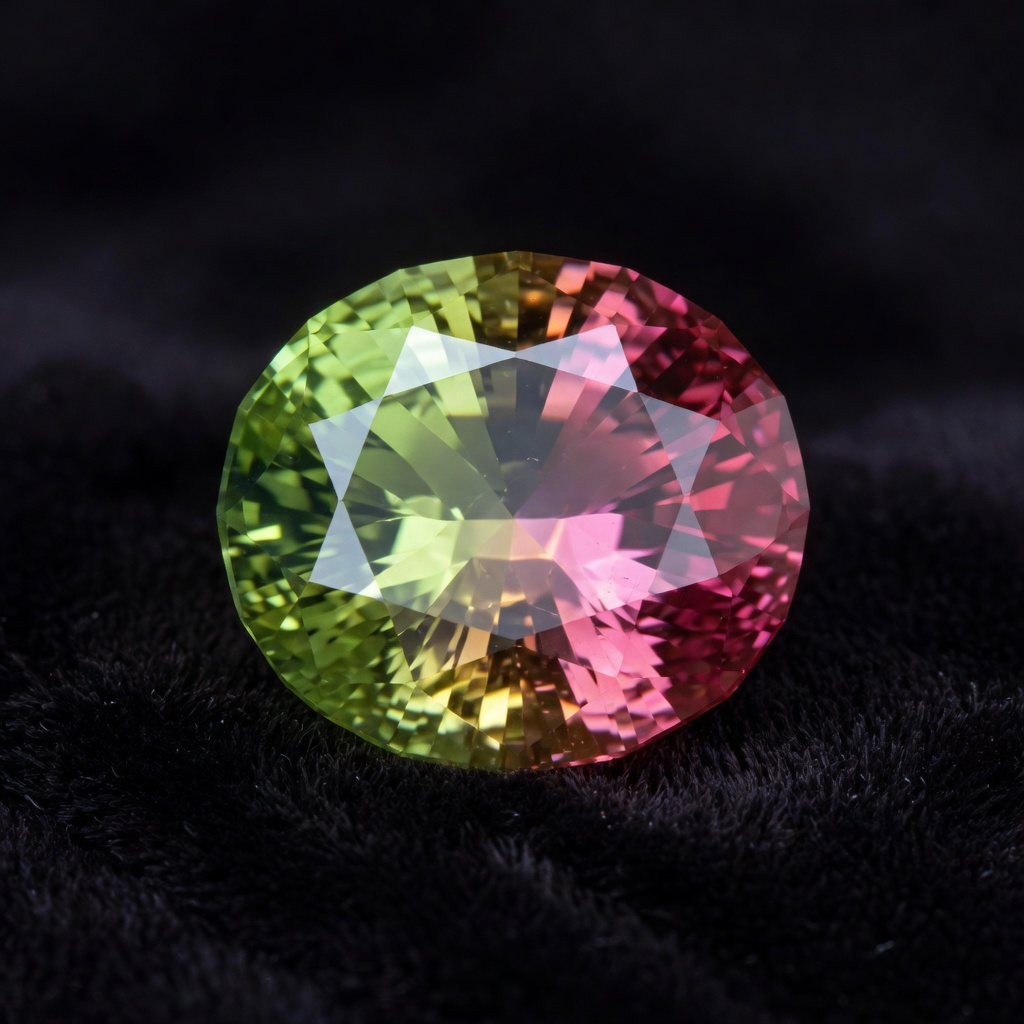
Perhaps no other characteristic defines the allure of Turkish diaspore more dramatically than its extraordinary ability to shift colors under different lighting conditions, a phenomenon gemologists term the "alexandrite effect." In natural daylight or fluorescent lighting, high-quality Zultanite displays vivid kiwi green, lime, or chartreuse hues that evoke fresh spring foliage, while under incandescent bulbs or candlelight, the same stone transforms into warm raspberry pink, peach, or champagne tones. This Zultanite color change creates a magical chameleon-like quality that captivates viewers and distinguishes the gemstone from static-colored alternatives in the luxury market.
The scientific explanation for these Color change gemstone properties lies in the mineral's pleochroic nature combined with specific trace element chemistry within the crystal lattice. Pleochroism refers to the phenomenon where a crystal absorbs different wavelengths of light depending on the polarization direction and viewing angle, causing the stone to display different colors when rotated. Diaspore exhibits strong trichroism, meaning it shows three distinct colors—typically green, yellow, and pinkish-red—when viewed along different crystallographic axes, though the dominant hue visible depends entirely on the light source's spectral composition and the stone's orientation in the setting.
Optical properties further enhance the visual complexity of this gemstone, with a refractive index range that creates excellent brilliance and fire when cut properly. The color change mechanism specifically results from the presence of manganese and chromium trace elements within the aluminum hydroxide structure, which create transmission windows that favor green wavelengths in daylight-rich blue spectra and red wavelengths in incandescent-rich yellow-red spectra. For collectors seeking to maximize this optical display, stones cut with larger tables and specific angles tend to show more dramatic color shifts, while deeper pavilions can trap light and enhance the saturation of both color phases, creating a dynamic gemstone that essentially provides two distinct jewelry pieces in one.
Geographic Sources and Mining Locations
The exclusivity of gem-quality diaspore significantly contributes to its mystique and market value, as Zultanite mining location remains restricted to a single geographic region on Earth. All commercially available Zultanite originates from the Milas region in southwestern Turkey, specifically extracted from the İlbir Mountain bauxite deposits located in Muğla Province. This singular sourcing creates inherent scarcity that drives collector interest and investment potential, as geological surveys have yet to discover comparable gem-quality deposits in commercial quantities elsewhere in the world, despite diaspore occurring as a mineral species in various localities globally.
The geological formation of these Turkish diaspore gemstone deposits occurred within bauxite layers, aluminum-rich sedimentary rocks that formed through intense weathering processes in the region's unique geologic history. Mining operations in this area face significant challenges due to the mountainous terrain, seasonal weather constraints, and the sporadic distribution of gem-quality pockets within the larger bauxite matrix. Miners must carefully extract material to prevent damage to delicate crystals, often working in small-scale operations that prioritize quality over quantity, further limiting the annual supply of fine specimens available for international markets.
The single-source limitation creates both opportunities and vulnerabilities for the Zultanite market, as any disruption to Turkish mining operations—whether political, environmental, or economic—could severely impact global availability. Current extraction techniques involve careful hand-sorting of material from bauxite host rock, with only a small percentage of recovered crystals meeting the clarity and color standards required for faceting. This extreme rarity means that cut stones over five carats represent significant finds, while specimens exceeding ten carats command extraordinary premiums due to their scarcity, making geographic provenance not merely a matter of certification but a fundamental factor in the gemstone's intrinsic value and collector appeal.
History, Naming and Brand Distinctions
The journey from obscure mineral specimen to coveted gemstone involves fascinating historical developments and commercial strategies that potential buyers must understand to navigate the market effectively. The mineral diaspore received its name in 1801 from René Just Haüy, derived from the Greek word "diaspora" meaning "to scatter," referencing the mineral's tendency to disintegrate when heated in a blowpipe flame. However, the transformation of this scientific curiosity into a luxury gemstone required modern marketing approaches and the Csarite vs Zultanite distinction that continues to influence the trade today.
The commercial introduction of gem-quality Turkish diaspore occurred in 2006 when Murat Akgun, a Turkish entrepreneur, introduced the name "Zultanite" to evoke the legacy of Ottoman Sultans and the stone's exclusive Turkish heritage. This branding strategy paralleled successful gemstone marketing precedents like "Tanzanite" or "Tsavorite," creating consumer recognition that transcended the technical mineral name. Subsequently, another mining operation introduced "Csarite" (spelled with a 'C' to evoke 'Caesar') for material from the same region, creating a marketplace where consumers encounter different trade names for essentially the same mineral species, though specific companies may maintain distinct quality control standards or cutting preferences.
Legal and trademark considerations surrounding these names reflect the competitive nature of the colored gemstone industry and the value of brand recognition. While "Diaspore" remains the universally accepted mineralogical term used in scientific literature and gemological certifications, the trade names Zultanite and Csarite represent trademarked brands that imply specific origin, quality, and often come with provenance guarantees. Savvy collectors recognize that purchasing certified Zultanite ensures they receive Turkish material with documented color-change properties rather than non-gem-quality diaspore or similar-looking stones, though they should remain aware that both brand names refer to the same underlying mineral species from the same geological formation, with value ultimately determined by the individual stone's beauty rather than the specific marketing label attached.
Gemstone Quality Factors and Grading
Evaluating fine Zultanite quality factors requires understanding unique criteria that differ somewhat from traditional colored stone grading systems used for sapphires or rubies. The primary value determinant remains the intensity and consistency of the color-change effect, with premium stones displaying dramatic shifts between saturated kiwi green in daylight and vivid raspberry pink under incandescent lighting. Stones exhibiting muddy intermediate tones or weak color transitions command significantly lower prices, while those showing pure, vivid hues in both lighting conditions represent the pinnacle of quality and achieve collector status regardless of minor clarity imperfections.
Clarity standards for Diaspore gemstone grading acknowledge that completely inclusion-free specimens remain exceptionally rare, with most fine stones containing minor needle-like inclusions or healing fractures visible only under magnification. Unlike diamonds, where inclusions dramatically reduce value, diaspore collectors often accept minor clarity characteristics if they do not impede light transmission or affect the color-change phenomenon. However, surface-reaching inclusions or cracks pose serious durability concerns given the mineral's perfect cleavage, making internal clarity assessment crucial for long-term wearability. Gemologists typically examine these stones under various lighting conditions to ensure that inclusions do not create "dead" spots where the color shift fails to occur.
Cut optimization presents particular challenges for lapidaries working with diaspore rough, as they must balance maximum weight retention with optical performance and structural integrity. The strong pleochroism requires careful orientation to ensure that the table facet displays the optimal color mix rather than showing a single pleochroic color that might appear muddy or brownish. Brilliant cuts with multiple facets typically maximize the color-change display by providing various paths for light to travel through the crystal, while step cuts might emphasize clarity but potentially reduce the dramatic optical effect. Carat weight availability remains severely limited, with finished stones over three carats considered significant and those exceeding five carats commanding exponential price increases due to the extreme rarity of large, clean rough crystals from the Turkish mines.
Jewelry Applications and Design Considerations
Creating stunning Zultanite jewelry pieces requires thoughtful design approaches that showcase the gemstone's unique optical properties while protecting its moderate durability. Pendants and earrings represent ideal applications for this chameleon-like gem, as these settings minimize exposure to hard impacts while maximizing opportunities for observers to view the stone under different lighting conditions throughout the day. Designers often create convertible pendant designs that allow the stone to catch both natural daylight and indoor lighting, enabling wearers to experience the full color-change magic whether attending outdoor luncheons or evening galas.
For Diaspore gemstone jewelry intended for rings, protective mounting becomes paramount due to the stone's 6.5-7 hardness and perfect cleavage characteristics. Bezel settings offer superior protection compared to prong settings, wrapping the vulnerable girdle and crown edges in metal to prevent chipping from accidental impacts. When prong settings are preferred for aesthetic reasons, designers should use at least six prongs and position them to protect the stone's corners and edges, particularly the culet area where cleavage planes might intersect. The setting height should remain moderate to prevent the stone from snagging on clothing or receiving direct blows during daily activities.
Metal pairing significantly influences the overall aesthetic impact of Zultanite pieces, with rose gold and yellow gold complementing the warm pink and peach tones visible under incandescent light, while white gold and platinum settings enhance the cool kiwi green hues seen in daylight. Many high-end designers create mixed-metal settings that harmonize with both color phases, ensuring the piece remains cohesive regardless of the lighting environment. Open-backed settings prove essential for optimal light transmission, allowing illumination to enter from multiple angles and trigger the full color-change effect, while closed-back mountings might restrict light play and diminish the stone's magical transformation properties. Design styles incorporating halo arrangements or side stones should use protective materials like diamond or sapphire sparingly near the diaspore girdle to prevent abrasion during wear.
Care, Cleaning and Maintenance Guidelines
Proper maintenance ensures that Zultanite care protocols preserve both the beauty and structural integrity of these rare gemstones for generations. The recommended cleaning method involves using warm water with mild dish soap and a soft-bristled brush or lint-free cloth to gently remove accumulated oils and debris from the stone's surface and setting. This gentle approach effectively restores brilliance without risking thermal shock or mechanical damage, allowing owners to maintain their jewelry's appearance through regular home maintenance performed every few weeks depending on wear frequency.
Owners must strictly avoid ultrasonic cleaners and steam cleaning devices when maintaining Diaspore gemstone maintenance routines, as these methods pose serious risks to stones with cleavage planes. The ultrasonic vibrations can cause existing internal fractures to propagate or create new cleavage breaks along the mineral's perfect cleavage direction, potentially splitting the stone catastrophically. Similarly, steam cleaning subjects the gem to rapid temperature changes and high pressure that might exploit structural weaknesses or cause thermal shock, particularly dangerous for stones with liquid inclusions or healing fractures common in natural diaspore.
Storage recommendations emphasize isolation from harder gemstones to prevent scratching, with Zultanite pieces ideally kept in individual soft cloth pouches or compartmentalized jewelry boxes away from diamonds, sapphires, or other gems ranking higher on the Mohs scale. When traveling, protective cases with padded interiors prevent movement that might cause stones to rub against metal settings or each other. Additionally, owners should remove Zultanite jewelry before engaging in household cleaning, sports activities, or exposure to harsh chemicals including chlorine, bleach, and acids, as these substances can attack the metal settings and potentially affect the stone's surface. Extreme temperature changes should also be avoided, meaning wearers should not wear their Zultanite rings while moving between freezing outdoor environments and heated indoor spaces, as thermal expansion differentials between the stone and metal setting might cause loosening or damage.
Value, Pricing and Investment Potential
Understanding Zultanite value requires recognizing the complex interplay between rarity, quality, and market dynamics that characterizes this unique gemstone. Current market pricing typically ranges from $500 to $5,000 per carat for fine quality stones, with exceptional specimens displaying intense color change and high clarity commanding prices exceeding $10,000 per carat, particularly for sizes over five carats. These Diaspore gemstone price points position Zultanite as a mid-to-high-range luxury stone, significantly more accessible than premium alexandrite yet commanding respect as a serious collector's item due to its single-source scarcity and finite supply.
Comparative analysis with alexandrite reveals interesting investment considerations for collectors evaluating color-change gemstones. While alexandrite shifts from green to red and commands prices often exceeding $50,000 per carat for fine specimens, Zultanite offers a more affordable entry point into the color-change market with its distinctive green-to-pink transition. The investment potential stems not from rivaling alexandrite's historical prestige, but from Zultanite's extreme rarity—recall that alexandrite occurs in multiple localities including Brazil, Russia, and East Africa, while gem-quality diaspore remains exclusive to one Turkish mountain. This geological singularity suggests that as mining depletes the limited deposit, prices may appreciate significantly, particularly for documented fine-quality stones with strong provenance.
Factors affecting resale value and collector demand include the intensity and distinctness of the color change, with stones showing clear differentiation between daylight and incandescent hues outperforming weak or muddy changers in secondary markets. Certification from respected laboratories like GIA or Gübelin enhances liquidity and value retention, providing buyers with confidence regarding authenticity and undisclosed treatments. Market trends indicate growing awareness among jewelry designers and collectors, with increasing appearance in high-fashion editorial spreads driving consumer recognition. However, potential investors should note that like all colored gemstones, Zultanite lacks the standardized pricing of diamonds, requiring specialized knowledge to identify quality and fair value, and should purchase primarily for aesthetic enjoyment with investment potential as a secondary consideration.
Conclusion: The Unique Appeal of Zultanite
The extraordinary optical properties of Zultanite distinguish it fundamentally from other gemstones available in today's market, offering collectors a rare combination of visual drama and geological exclusivity. As a rare color changing gemstone sourced from a single location on Earth, it provides the enchantment of watching a stone transform before one's eyes, shifting from cool forest greens to warm sunset pinks depending on the ambient lighting. This chameleon-like quality, combined with the mineral's challenging crystal structure and limited supply, creates a compelling narrative of natural rarity that resonates deeply with discerning jewelry connoisseurs seeking alternatives to mainstream precious stones.
For potential buyers and jewelry collectors considering adding this Turkish treasure to their collections, due diligence remains essential to ensure authentic, high-quality acquisitions. Prospective owners should prioritize stones with documented color-change intensity, secure protective settings appropriate for the gem's 6.5-7 hardness, and purchase only from reputable dealers providing certification of origin and quality. Whether selected as a center stone for an engagement ring alternative, a pendant showcasing the full color spectrum, or an investment-grade collector's specimen, Zultanite offers a distinctive combination of beauty, rarity, and conversation-worthy characteristics that secure its position as one of the 21st century's most intriguing gemstone discoveries. As mining continues at the limited Turkish deposit, the window for acquiring significant specimens at current price points may narrow, making now an opportune time for enthusiasts to explore this remarkable diaspore variety.
Frequently Asked Questions
What is the difference between diaspore and Zultanite?
Diaspore is the mineral species name for aluminum oxide hydroxide, while Zultanite is a trademarked brand name specifically for gem-quality color-changing diaspore mined in Turkey. All Zultanite is diaspore, but not all diaspore qualifies as Zultanite, which requires specific quality standards and color-change properties.
Why does Zultanite change colors in different lighting?
Zultanite displays the alexandrite effect due to trace elements in its crystal structure that absorb different wavelengths of light. It appears kiwi green or chartreuse in daylight and fluorescent lighting, shifting to raspberry pink or peach in incandescent or candlelight due to its unique pleochroic properties.
How durable is Zultanite for everyday jewelry wear?
With a Mohs hardness of 6.5-7, Zultanite is moderately durable but requires protective settings for rings. It has perfect cleavage in one direction, making it susceptible to chipping if struck. It's best suited for pendants, earrings, and occasional wear rings rather than daily wear pieces.
Where does Zultanite come from?
Zultanite is mined exclusively in the Milas region of southwestern Turkey, specifically from the İlbir Mountain bauxite deposits. This single-source origin contributes significantly to its rarity and value, as gem-quality material has not been found in commercial quantities elsewhere.
How does Zultanite compare to alexandrite?
While both display color-change phenomena, alexandrite shifts from green to red and is harder (8.5 on Mohs scale), whereas Zultanite changes from green to pink/peach and ranks 6.5-7. Alexandrite is generally more expensive and historically significant, while Zultanite offers a more affordable alternative with equally dramatic color change.
How should I clean and care for my Zultanite jewelry?
Clean Zultanite using warm soapy water and a soft brush or cloth. Avoid ultrasonic cleaners, steam cleaners, and harsh chemicals due to its cleavage properties. Store separately from harder gemstones to prevent scratching, and remove before physical activities or household chores.
What causes the color change in Zultanite?
The color change results from the mineral's pleochroism combined with trace chromium and iron content. The crystal structure absorbs different light wavelengths depending on the light source spectrum, causing the perceived color shift between daylight (rich in blue/green wavelengths) and incandescent light (rich in red wavelengths).
Is Zultanite a good investment gemstone?
Zultanite can be a sound investment due to its single-source rarity, limited supply, and increasing collector interest. However, like all gemstone investments, value depends on quality factors including color change intensity, clarity, and cut. Its relative affordability compared to alexandrite makes it accessible to serious collectors.