Introduction to Diaspore (Zultanite): Turkey's Rare Treasure
Diaspore represents one of the geological wonders of the mineral world, specifically an aluminum oxide hydroxide that forms within bauxite deposits under intense pressure and heat over millions of years. While the mineral was first discovered in the Ural Mountains during the early 19th century, gem-quality specimens suitable for jewelry remained virtually unknown until the late 1970s when deposits were identified in Turkey's Anatolian Mountains. The Turkish Diaspore gemstone deposits located in the İlbir Mountains of the Menderes Massif have since become the sole source of gem-grade material available on the international market, creating an unprecedented level of scarcity that fundamentally drives the stone's valuation.
The distinction between mineral terminology and commercial branding creates significant confusion among collectors and investors entering the market. Diaspore serves as the proper mineralogical designation for this aluminum hydroxide species, whereas Zultanite and Csarite represent trademarked brand names specifically reserved for gem-quality, color-change diaspore originating exclusively from Turkish mines. This nomenclature distinction carries substantial implications for pricing and authenticity verification, as only material meeting strict quality standards and provenance requirements may legally bear these proprietary names. Understanding this relationship proves essential for anyone consulting a comprehensive Diaspore (Zultanite) Price Guide, as untreated mineral specimens command vastly different valuations than certified branded goods.
The single-source rarity of this gemstone cannot be overstated in importance when evaluating its market position. Unlike diamonds, sapphires, or rubies that enjoy multiple geographic sources across several continents, gem-quality color-change diaspore emerges from one specific mining operation in southwestern Turkey. This extreme limitation in supply, combined with challenging mining conditions including steep terrain and seasonal weather restrictions, ensures that annual production remains measured in kilograms rather than tons. Such scarcity establishes the foundation for the stone's luxury status and supports the robust Zultanite price per carat structures observed in international markets.
Current Zultanite Price Per Carat Breakdown (2024)
The current market for Turkish color-change gemstones reflects a tiered pricing structure that correlates directly with quality attributes and size categories. Commercial quality Zultanite, typically featuring moderate inclusions visible under magnification and acceptable but not exceptional color-change intensity, currently trades between $100 and $300 per carat in wholesale markets. Retail consumers should expect to pay between $300 and $900 per carat for these commercial-grade stones when purchased through established jewelers, with pricing variations reflecting specific setting costs and brand positioning strategies.
Fine quality specimens demonstrating strong color-change properties, excellent clarity approaching eye-clean standards, and masterful cutting techniques command significantly higher premiums in the current market environment. These superior stones typically range from $500 to $1,000 per carat at wholesale levels, with retail pricing often reaching $1,500 to $3,000 per carat depending on the jeweler's markup structure and geographic location. Exceptional stones exceeding three carats while maintaining vivid color-shift capabilities and high clarity grades can surpass $1,500 per carat at wholesale, with museum-quality specimens over five carats occasionally achieving $2,500 to $4,000 per carat at specialized auctions or through exclusive dealer networks.
Carat weight premiums follow an exponential rather than linear progression due to the extreme rarity of larger crystals suitable for faceting. While one-carat stones remain relatively available through authorized channels, rough material yielding finished gems above three carats constitutes less than two percent of total annual production. This scarcity creates substantial price escalations at specific weight thresholds, particularly at 3.00, 5.00, and 10.00 carat marks. Wholesale buyers should anticipate paying 40 to 60 percent premiums for stones crossing these psychological and rarity boundaries, while retail markups typically range from 100 to 300 percent above wholesale acquisition costs depending on the vendor's business model and certification inclusions.
The Color-Change Effect: Primary Driver of Value
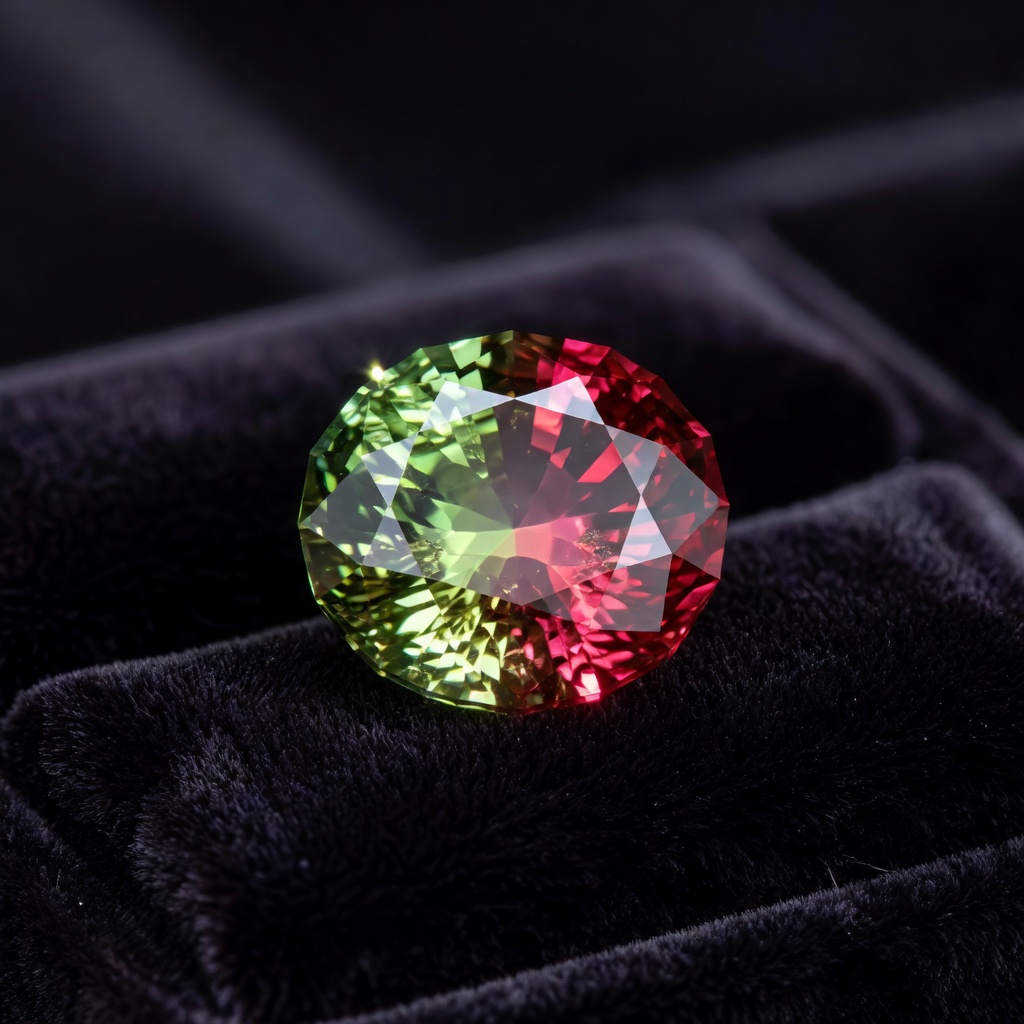
The mesmerizing color-change phenomenon distinguishes gem-quality Turkish diaspore from all other aluminum hydroxide specimens and establishes the primary value proposition for collectors and connoisseurs. Under natural daylight or fluorescent lighting, high-quality stones display vivid kiwi green, lime, or golden cognac hues that shift dramatically to raspberry red, pinkish champagne, or ginger tones when exposed to incandescent light or candlelight. This optical effect, caused by the stone's unique ability to absorb different wavelengths of light depending on the source, creates an "alexandrite-like" experience that commands significant premiums in the colored stone market.
Quality grading of the color-change effect follows specific industry standards that directly correlate with market pricing and Color change diaspore value assessments. Stones exhibiting strong, complete color shifts that are easily observable to the naked eye under normal viewing conditions receive the highest grades and command top-tier pricing. Conversely, specimens showing weak or partial color changes, where the shift appears as a subtle modification rather than dramatic transformation, trade at 40 to 60 percent discounts compared to their strongly-colored counterparts. Professional gemologists evaluate this characteristic using standardized lighting environments including daylight-equivalent lamps and incandescent sources to ensure consistent grading across different laboratories and market venues.
The practical demonstration of color change requires specific lighting conditions that collectors should understand when evaluating potential purchases. Natural daylight, particularly north-facing indirect light during midday hours, typically produces the most vivid green or yellow-green appearances, while traditional incandescent bulbs or candle flames best reveal the reddish secondary colors. Modern LED lighting sometimes fails to trigger the complete color spectrum shift, potentially disappointing new owners who view their stones exclusively under artificial LED environments. When assessing Natural diaspore buying guide recommendations, experts consistently advise examining stones under multiple light sources before purchase, with particular attention paid to the completeness and speed of the color transition as indicators of ultimate value and rarity.
Quality Grading Standards: Clarity, Cut, and Carat
Professional evaluation of gem-quality diaspore follows established paradigms similar to other precious colored stones, with specific adaptations for this material's unique optical properties and inclusion patterns. Typical inclusions include needle-like crystals, fingerprint patterns, and two-phase inclusions that reflect the geological formation conditions within Turkey's bauxite deposits. Eye-clean standards, meaning inclusions invisible to the unaided eye from a normal viewing distance of approximately six inches, represent the minimum threshold for fine quality designation and significantly impact valuation. Stones containing visible inclusions that detract from transparency or brilliance typically trade at 30 to 50 percent discounts compared to eye-clean specimens of equivalent size and color-change intensity.
Precision cutting techniques play a crucial role in maximizing the color-shift display and overall market value of finished gems. Master cutters must orient the rough crystal along specific optical axes to ensure that the color-change phenomenon manifests most dramatically when the stone moves between different lighting environments. Brilliant cuts with specific facet arrangements often enhance the stone's ability to reflect both color phases effectively, while poorly oriented cuts may suppress the color change entirely or create uneven color distribution across the table. The cutting process also requires careful management of yield versus beauty, as Turkish diaspore rough commands such high premiums that cutters face constant pressure to maximize carat weight retention while maintaining optical performance standards.
Rarity factors escalate dramatically for large stones above five carats, creating distinct market categories that collectors recognize as investment-grade material. While one to two carat stones constitute the majority of commercial production, specimens exceeding five carats in finished weight represent extraordinary finds that mining operations might produce only a handful of times annually. These larger stones, when combined with strong color change and high clarity, achieve "exceptional" status and frequently bypass traditional retail channels in favor of private sales or specialized auction venues. The importance of untreated, natural status cannot be overstated, as the market rejects heated, irradiated, or chemically treated diaspore; certification confirming natural origin and absence of enhancement typically adds 15 to 25 percent to base valuation while providing essential documentation for insurance and future resale.
Csarite vs Zultanite: Understanding Brand Pricing Differences
The commercial landscape for Turkish color-change gemstones features two primary trademarked brand names that create distinct market segments despite representing identical mineralogical material. Zultanite, trademarked by Zultanite Gems LLC and introduced to the market in 2006, emerged as the first internationally recognized brand specifically marketing gem-quality Turkish diaspore to luxury consumers and high-end jewelers. Csarite, trademarked by Milenyum Mining and introduced shortly thereafter, represents the same geological material but follows different marketing strategies and distribution channels that influence consumer perception and pricing structures in various international markets.
Market positioning strategies between these competing brands create nuanced pricing variations that discerning buyers must navigate carefully. Zultanite typically maintains stronger brand recognition in North American and European markets, commanding slight premiums in these regions due to established marketing campaigns and exclusive retail partnerships with high-profile jewelry designers. Csarite, conversely, has developed stronger market penetration in Middle Eastern and Asian luxury markets, particularly through partnerships with traditional jewelry houses that emphasize the stone's Turkish heritage and Ottoman historical connections. From a gemological perspective, no intrinsic differences exist between material sold under either trademark; both represent natural, untreated, color-change diaspore from the same Anatolian mining district, with pricing differences reflecting marketing positioning rather than quality distinctions.
International market variations in terminology create potential confusion for collectors researching Csarite vs Zultanite pricing across different geographic regions. Some European dealers may use the mineral name "diaspore" exclusively, while Asian markets might reference "Ottoman stone" or "Turkish color-change gem" in marketing materials. Auction houses typically employ the mineralogical designation "diaspore" in catalog descriptions while noting specific brand associations in provenance details. Savvy buyers recognize that purchasing "loose" diaspore without brand packaging or certification may offer cost savings of 20 to 40 percent compared to trademarked goods, though such purchases require independent laboratory verification to confirm Turkish origin and natural status before valuation can be accurately assessed.
Authentication and Certification Costs
Professional verification of Turkish color-change gemstones requires documentation from internationally recognized gemological laboratories that maintain specific expertise in colored stone identification and geographic origin determination. The Gemological Institute of America (GIA), Gübelin Gem Lab, and SSEF (Swiss Gemmological Institute) represent the gold standard for certification, providing reports that confirm natural origin, absence of treatment, and specific geographic attribution to Turkish deposits. These laboratories employ advanced spectroscopic analysis, chemical testing, and microscopic examination to distinguish natural Turkish diaspore from synthetic alternatives or similar appearing gemstones such as andalusite or certain color-change sapphires.
The costs associated with professional gemological testing range from $50 for basic identification reports to $200 for comprehensive origin reports that include detailed photographs and specific color-change assessments. These certification expenses represent essential investments rather than optional add-ons, as undocumented stones face significant liquidity challenges in the secondary market and may encounter skepticism from insurance underwriters regarding valuation claims. Beyond basic authentication, specialized testing to confirm Turkish origin specifically—distinguishing Anatolian material from extremely rare diaspore occurrences in other locations—adds additional value and security for high-end collectors building curated gemstone portfolios.
Verifying Turkish origin and detecting synthetic alternatives requires specific technical knowledge that retail consumers should understand when evaluating vendor claims. Synthetic diaspore, while rarely encountered due to limited commercial demand, has been produced in laboratory settings and occasionally enters the market misrepresented as natural material. Additionally, natural diaspore from non-Turkish sources typically lacks the color-change phenomenon that defines gem quality, making origin verification critical for value assessment. Certification impacts insurance values significantly, as underwriters require independent laboratory documentation before binding coverage for high-value colored stones, and these reports facilitate easier resale through auction houses or dealer networks that refuse undocumented material.
Investment Potential and Market Appreciation Trends
Historical price appreciation data for high-quality Turkish color-change gemstones demonstrates compelling performance over the past decade, with wholesale prices for fine material approximately doubling between 2014 and 2024. This appreciation trajectory reflects fundamental supply constraints rather than speculative bubbles, as mining operations have consistently failed to increase production despite rising global demand. Unlike diamond markets where new discoveries periodically flood supply channels, the single-source nature of gem-quality diaspore ensures that geological limitations permanently constrain availability, supporting long-term price stability and gradual appreciation for fine specimens.
Supply constraints resulting from limited mining operations and single-source dependence create structural market conditions favorable to long-term value retention. The Anatolian mine operates seasonally due to weather conditions and faces increasing challenges as accessible surface deposits deplete, requiring more expensive deep mining techniques to reach remaining rough material. Environmental regulations and operational costs in Turkey further restrict production expansion, ensuring that annual yields remain insufficient to satisfy growing collector demand. These factors combine to create a classic supply-demand imbalance that historically supports appreciation for scarce luxury assets with established aesthetic appeal.
Growing collector demand in Asian luxury markets, particularly China, Hong Kong, and Singapore, has emerged as a significant driver of Zultanite investment potential over the past five years. Wealthy collectors in these regions increasingly seek unique colored gemstones that offer distinction from conventional diamond or ruby investments, viewing Turkish color-change stones as "connoisseur's gems" that demonstrate sophisticated taste and geological knowledge. However, liquidity considerations remain paramount for investors, as the market for specialized colored stones offers significantly less immediate liquidity than traditional investment vehicles such as blue-chip diamonds, gold, or publicly traded securities. Successful collectors typically approach these gemstones as five to twenty-year holds rather than short-term trading opportunities, appreciating the material for its beauty while benefiting from gradual scarcity-driven appreciation.
Where to Buy: Navigating Retail and Wholesale Channels
Acquiring authentic Turkish color-change gemstones requires careful navigation of distribution channels to ensure legitimate origin, fair pricing, and adequate consumer protection. Authorized dealer networks representing the trademarked brands maintain exclusive boutique locations in major jewelry districts including Istanbul's Grand Bazaar, New York's Diamond District, and Geneva's Rue du Rhône. These authorized channels offer the security of brand guarantees, original packaging, and direct chain-of-custody documentation from mine to market, though they typically command the highest retail premiums in exchange for these assurances and the prestige of brand association.
Reputable online colored stone vendors provide alternative access points for collectors comfortable with remote purchasing, provided they implement rigorous verification protocols before completing transactions. Established dealers such as those participating in the Tucson Gem and Mineral Show or maintaining long-standing e-commerce presences with independent review histories often offer more competitive pricing than brick-and-mortar boutiques due to lower overhead costs. When evaluating online vendors, buyers should verify membership in professional organizations such as the American Gem Trade Association (AGTA) or International Colored Gemstone Association (ICA), insist on escrow payment services for high-value transactions, and confirm return privileges allowing inspection by independent gemologists before final commitment.
Auction houses including Christie's, Sotheby's, and Bonhams occasionally feature rare, large specimens exceeding five carats that rarely appear through standard retail channels. These venues attract serious collectors seeking museum-quality pieces with documented provenance and previous ownership history that adds collector premium to base material value. Regardless of purchasing channel, buyers must remain vigilant regarding red flags for fraudulent sellers, including prices significantly below established market rates (suggesting synthetic material or misrepresented origin), vague or missing documentation regarding Turkish source mines, and sellers unwilling to provide return periods for independent verification. Genuine material never trades at "bargain" prices significantly below the established ranges outlined in professional pricing guides.
Care and Maintenance to Preserve Long-term Value
Proper maintenance of Turkish color-change gemstones requires understanding the material's physical properties and vulnerability to damage compared to harder gemstones like diamonds or sapphires. With a hardness rating of 6.5 to 7 on the Mohs scale, diaspore falls into the moderately durable category, susceptible to scratching from harder materials and potentially vulnerable to chipping along cleavage planes if subjected to sharp impacts. Protective setting recommendations emphasize bezel settings or halo designs that surround the stone's edges with metal guards, particularly for rings intended for regular wear, while pendants and earrings present inherently safer options due to reduced exposure to physical contact.
Cleaning methods for these gemstones must avoid ultrasonic and steam cleaners that could potentially damage the stone through thermal shock or vibration stress. Instead, owners should utilize mild soap solutions with warm water and soft-bristled brushes to remove accumulated oils and debris, followed by thorough rinsing and gentle drying with lint-free cloths. Chemical exposure presents particular risks, as household cleaners, chlorine in swimming pools, and even some cosmetics can dull the surface luster or affect the stone's optical properties over time. Professional jewelers should inspect settings biannually to ensure prongs remain secure and protective elements maintain their structural integrity.
Storage guidelines emphasize separation from harder gemstones to prevent surface scratching, with individual soft pouches or compartmentalized jewelry boxes providing optimal protection. When traveling, these stones should occupy carry-on luggage rather than checked baggage to prevent extreme temperature fluctuations and potential rough handling. Insurance appraisal updates prove essential for maintaining adequate coverage as market values appreciate, with collectors recommended to obtain updated appraisals every three to five years from certified gemologist appraisers familiar with current Turkish diaspore markets. Professional maintenance schedules should include annual cleaning and inspection by qualified jewelers who understand the specific requirements of colored gemstones, ensuring that accumulated wear does not compromise the setting security or surface polish that contributes to the stone's visual impact and long-term value retention.
Frequently Asked Questions
How much does genuine Zultanite cost per carat?
Commercial quality Zultanite typically ranges from $100-$300 per carat, while fine quality stones with strong color change command $500-$1,000 per carat. Exceptional specimens over 3 carats with vivid color shift can exceed $1,500 per carat, with prices varying based on clarity and cut quality.
What is the difference between Diaspore and Zultanite?
Diaspore is the mineralogical name for the aluminum oxide hydroxide mineral, while Zultanite is a trademarked brand name specifically for gem-quality, color-change diaspore sourced from Turkey's Anatolian Mountains. Csarite is another trademark for the same material. All Zultanite is diaspore, but not all diaspore qualifies as gem-grade Zultanite.
Why is Zultanite so expensive compared to other gemstones?
Zultanite commands premium prices due to its extreme rarity (sourced from only one mine globally), limited annual production quantities, unique natural color-change phenomenon requiring precision cutting, and the mining challenges specific to the Turkish location. No other geographic source produces gem-quality color-change diaspore.
Is Zultanite a good investment for collectors?
Zultanite has demonstrated steady price appreciation over the past decade due to supply constraints and increasing collector demand, particularly in Asian markets. However, like most colored gemstones, it offers less liquidity than diamonds or precious metals. It suits long-term collectors who appreciate rarity rather than short-term investors seeking quick returns.
How can I verify that my Zultanite is authentic and not synthetic?
Authentic Zultanite should be accompanied by certification from recognized laboratories such as GIA, Gübelin, or SSEF, confirming natural origin from Turkey and absence of treatments. Be cautious of prices significantly below market rates, and purchase only from authorized dealers or established colored stone specialists offering return privileges and origin guarantees.
Does Zultanite change color in all lighting conditions?
Zultanite displays its signature color change most dramatically when moving between natural daylight (appearing kiwi green, lime, or cognac) and incandescent or candlelight (showing raspberry pink, champagne, or ginger tones). LED lighting may not trigger the full color shift as effectively as traditional light sources, and the strength of the effect varies by individual stone quality.
Can Zultanite be worn daily in rings or jewelry?
With a hardness of 6.5-7 on the Mohs scale, Zultanite is moderately durable but requires protective settings for daily ring wear, preferably bezel or halo designs that guard the edges. Pendants and earrings present safer options for regular use. Avoid exposure to harsh chemicals, ultrasonic cleaners, and hard impacts that could scratch or fracture the stone.
Where can I buy authentic Zultanite at fair market prices?
Purchase from the brand's authorized boutique network, established high-end jewelers with certified gemologists on staff, or reputable colored stone dealers at major gem shows like Tucson or Hong Kong. When buying online, verify seller credentials, insist on independent laboratory certification, and ensure secure return policies before completing high-value transactions.