Understanding Diaspore and the Zultanite Variety
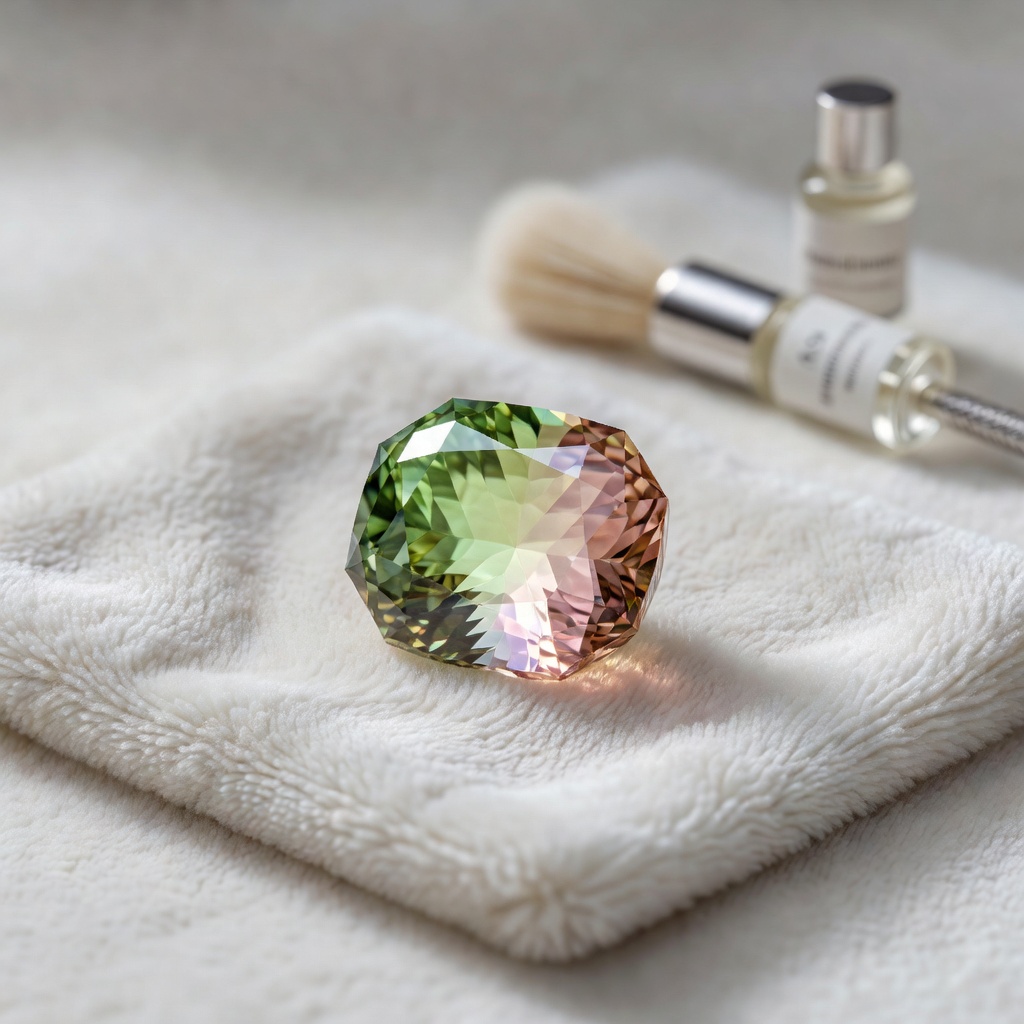
Diaspore represents one of the most fascinating aluminum oxide hydroxide minerals found in nature, distinguished by its remarkable optical properties and geological rarity that captivates gemstone collectors worldwide. Within this mineral family, Zultanite emerges as the premier branded variety, exclusively sourced from the remote Ilbir Mountains of southwestern Turkey's Anatolian region, where unique geological conditions create crystals with exceptional clarity and color-change intensity. This exceptional gemstone captivates collectors and jewelry enthusiasts through its dramatic color-change phenomenon, shifting from kiwi greens in daylight to raspberry reds under incandescent lighting, with occasional flashes of cognac and champagne in mixed lighting conditions. Unlike more common gemstones that dominate the market, Turkish diaspore requires specialized attention and meticulous care protocols due to its extreme rarity, limited geographic availability, and significant market value that often reaches thousands of dollars per carat for fine specimens.
The sensitivity of Diaspore Zultanite gemstone compared to harder stones like diamonds, sapphires, or rubies necessitates a fundamentally different approach to ownership and maintenance. While diamonds rank at the pinnacle of the Mohs hardness scale with a rating of 10, Zultanite occupies a more vulnerable position that demands conscious protection from daily hazards and environmental stressors. Collectors who invest in these rare gems must understand that proper Turkish diaspore care involves not merely aesthetic preservation but the protection of a finite natural resource that represents a unique intersection of mineralogy and optical physics. Recognizing the distinctive characteristics of this gemstone provides the foundation for implementing appropriate care strategies that will maintain both its physical integrity and its mesmerizing visual properties for generations.
Physical Properties: Why Zultanite Requires Gentle Handling
Understanding the intrinsic physical characteristics of Zultanite proves essential for developing effective care protocols that prevent accidental damage during routine handling. With a Zultanite hardness rating of 6.5 to 7 on the Mohs scale, this gemstone sits in a intermediate position that offers moderate scratch resistance against everyday dust and debris, yet remains significantly softer than popular jewelry stones like aquamarine, emerald, or topaz. This hardness level implies that while the stone resists minor abrasions from normal wear, it remains susceptible to scratching from harder materials commonly found in household environments, including steel files, ceramic surfaces, and even accumulated dust particles that contain silica. The implications for daily wear require owners to remain vigilant about contact scenarios that might compromise the stone's pristine surface finish.
Perhaps more critical than hardness concerns is the presence of perfect cleavage in one direction, a structural characteristic that creates inherent vulnerability to impacts and pressure from specific angles. Diaspore durability issues primarily stem from this cleavage plane, meaning that a sharp blow or sudden pressure application—even from seemingly minor incidents like bumping against a granite countertop or dropping onto a tile floor—can result in internal fractures or complete cleavage separation. Additionally, Zultanite exhibits sensitivity to thermal shock and sudden temperature changes, which can cause internal stress fractures when the stone transitions rapidly from hot to cold environments or vice versa. The color-change mechanism, which functions similarly to alexandrite through the stone's unique crystal structure and trace element composition, requires preservation of the gem's internal clarity and structural integrity to maintain its optical performance over time.
Daily Wear Guidelines: Protecting Your Investment
Implementing prudent Zultanite jewelry care practices during daily activities significantly extends the lifespan and preserves the appearance of your valuable gemstone pieces. Always remove Zultanite rings, pendants, and earrings before engaging in physical activities, sports, or household chores that expose the jewelry to impact risks or abrasive surfaces. Activities such as gardening, weightlifting, rock climbing, or even vigorous cleaning present substantial hazards, as the stone might contact hard surfaces or experience torque pressure that exploits its cleavage vulnerability. Even seemingly benign tasks like carrying groceries or handling kitchenware can result in accidental impacts against countertops or sink edges that compromise the stone's integrity.
When wearing Zultanite daily, establish a consistent routine that prioritizes the gemstone's protection through strategic timing and environmental awareness. Avoid wearing these pieces during sleep, as nocturnal movements can cause prong damage, setting deformation, or impact against bed frames and headboards that loosen the stone over time. Apply all cosmetics, perfumes, hairsprays, and skincare products before putting on your Zultanite jewelry, as these substances often contain alcohol, acids, or oils that can etch the surface or accumulate in setting crevices, creating a film that dulls the stone's brilliance. Develop the habit of performing regular visual inspections of prongs and settings, checking for loose stones, bent metal, or worn claws that might allow the gem to fall out during wear, particularly after any incident where the jewelry might have received an impact.
Safe Cleaning Methods: Step-by-Step Home Care
Proper Diaspore gemstone cleaning requires gentle techniques that remove accumulated oils and debris without subjecting the stone to mechanical stress or chemical aggression. Begin by preparing a solution of lukewarm distilled water mixed with a few drops of mild, phosphate-free dish soap, avoiding tap water which may contain minerals that leave deposits on the stone surface. Submerge the jewelry for approximately five minutes to loosen surface contaminants, then use a soft-bristled baby toothbrush or specialized jewelry brush to gently scrub the stone and setting, paying particular attention to the area beneath the gem where oils and lotions accumulate. The bristles should be soft enough that they bend easily when pressed against your skin, ensuring they will not scratch the relatively soft surface of the diaspore.
Thorough rinsing constitutes a critical step in the cleaning Zultanite process, as residual soap film creates cloudiness that diminishes the stone's transparency and color-change visibility. Rinse the piece under a gentle stream of lukewarm distilled water, using a tea strainer or sink plug to prevent accidental loss down the drain if the setting should fail during cleaning. Ensure all soap residue disappears from beneath the stone and within the setting prongs, as hidden deposits harden over time and become increasingly difficult to remove. Pat the jewelry completely dry using a lint-free microfiber cloth specifically designated for fine jewelry, avoiding paper towels or tissues that contain wood fibers capable of scratching the surface; never allow Zultanite to air dry, as water spots form mineral deposits that require additional cleaning to remove.
Cleaning Practices to Avoid: Protecting From Damage
Understanding Zultanite cleaning mistakes proves equally important as knowing proper techniques, as modern cleaning technologies designed for harder gemstones often cause catastrophic damage to diaspore. Never subject Zultanite to ultrasonic cleaners, despite their popularity for diamond and sapphire jewelry, because the intense vibrations exploit the stone's perfect cleavage plane, potentially causing internal fractures, feathering, or complete breakage along the structural weakness. The heat generated by ultrasonic machines compounds this risk by creating thermal shock that stresses the crystal lattice, while the cavitation process—microscopic bubble implosions that scrub surfaces—can loosen stones from their settings or damage fracture-filled treatments sometimes used on lower-quality specimens.
Steam cleaning presents similar dangers for color-change diaspore maintenance, as the extreme temperature differentials between the pressurized steam and ambient air generate thermal shock capable of inducing internal fractures or surface crazing. Avoid exposing your gemstone to harsh chemicals including bleach, ammonia, acetone, or alcohol-based solutions found in many commercial cleaning products, as these substances can etch the surface, dissolve oils used in traditional cutting processes, or damage the metal settings that secure the stone. Prohibit the use of abrasive cleaners, baking soda pastes, or toothpaste—common internet "hacks" that actually scratch softer gemstones through their mild abrasive action, permanently dulling the polish and diminishing the stone's ability to reflect light effectively.
Proper Storage Techniques for Long-Term Preservation
Implementing appropriate Zultanite storage tips ensures your gemstone maintains its optical properties and physical condition during periods of non-wear. Store each piece individually in soft fabric pouches, lined jewelry boxes with separate compartments, or acid-free tissue paper that prevents contact with harder gemstones like diamonds, rubies, or sapphires that could scratch the diaspore surface even during brief contact. The storage environment should remain dark and cool, away from direct sunlight and UV exposure that might gradually affect the intensity of the color-change phenomenon or cause fading in some treated specimens over extended periods.
Environmental stability plays a crucial role in storing diaspore jewelry safely for decades. Maintain stable humidity levels within your storage area to prevent metal setting corrosion, particularly for pieces mounted in silver or lower-karat gold alloys that tarnish or oxidize in damp conditions. Consider placing silica gel packets in jewelry boxes or safes to control moisture absorption, replacing them regularly according to manufacturer specifications to ensure continued effectiveness. For valuable collections, utilize jewelry boxes with individual padded slots that prevent pieces from shifting during drawer opening or transportation, thereby eliminating the risk of stones contacting metal clasps or sharp edges that might chip the girdle or table facet.
Professional Maintenance and When to Seek Expert Help
While home care maintains daily appearance, professional Zultanite care provides essential maintenance that preserves structural integrity and value over time. Schedule annual inspections with a qualified jeweler who understands rare gemstones, specifically requesting checks for prong tightness, setting integrity, and signs of metal fatigue that might compromise stone security. During these appointments, professionals can clean areas inaccessible to home methods using specialized steam or sonic equipment designed for controlled application, though you should explicitly remind them that ultrasonic cleaning is prohibited for your specific stone to prevent accidental damage.
Professional polishing should occur only when necessary to remove significant scratches or restore luster, as each polishing session removes microscopic layers of material from the stone's surface. For deeply scratched stones, consult with master gem cutters experienced in rare gemstone cleaning and re-cutting, who can assess whether re-polishing the existing facets or completely re-cutting the stone offers the best solution for restoring brilliance while minimizing carat weight loss. Maintain detailed documentation of all professional care, including cleaning dates, repairs, and appraisals, as this history supports insurance claims and future resale value while establishing a provenance chain that authenticates the stone's continued existence and condition.
Preserving the Unique Color-Changing Properties
The mesmerizing color-shift that defines Zultanite requires specific environmental protections to ensure the phenomenon remains vivid and consistent throughout the stone's lifetime. Limit exposure to extreme heat sources such as cooking surfaces, saunas, or hot automotive interiors, as rapid temperature fluctuations can alter the crystal structure or create internal stresses that diminish optical performance. Avoid prolonged direct sunlight exposure during storage or display, as cumulative UV radiation may potentially affect pleochroism—the property that allows the stone to show different colors when viewed from different angles—though occasional wearing outdoors poses minimal risk.
Color-change diaspore maintenance includes practical steps to optimize viewing experiences and verify continued optical health. Clean viewfinder windows or loupe lenses regularly when examining your stone to ensure that observed color changes result from the gem's properties rather than dirty optics. Understand how different lighting conditions affect the display: incandescent bulbs emphasize red flashes while natural daylight brings forth green and yellow tones, so rotating between these environments during inspection confirms the color-change mechanism functions properly. When displaying Zultanite in jewelry cases or museums, utilize LED lighting that generates minimal heat while providing full spectrum illumination that showcases both color phases effectively without thermal degradation risks.
Troubleshooting Common Care Issues
Even with meticulous care, Zultanite owners occasionally encounter issues that require specific intervention strategies to restore the stone's appearance. When addressing cloudiness caused by hard water deposits or soap residue, prepare a solution of distilled water and a single drop of mild dish soap, then soak the stone for ten minutes before gently brushing with a soft toothbrush under magnification to identify trapped particles under the setting. If surface scratches appear despite precautions, resist the temptation to polish them yourself; instead, consult a professional gemologist who can assess whether Zultanite restoration through re-polishing offers a viable solution based on the scratch depth and stone value.
Dealing with loose stones requires immediate action to prevent loss, necessitating removal from wear until professional repair secures the setting properly. When fixing dull diaspore that appears lifeless or lacking brilliance, first verify that the dullness stems from surface contamination rather than internal damage by examining the stone under bright light for obvious fractures or chips. If cleaning fails to restore luster, the stone may require professional re-polishing to remove microscopic surface scratches that scatter light, or it might indicate deterioration of any temporary surface treatments applied by less scrupulous vendors, requiring disclosure to future buyers if the stone enters the resale market.
Long-Term Care Strategy and Value Preservation
Developing a comprehensive approach to long-term Zultanite care ensures that your investment appreciates while remaining beautiful for future generations. Establish a regular cleaning and inspection schedule that combines bi-weekly home maintenance with annual professional assessments, creating calendar reminders that prevent neglect during busy periods or extended storage. For insurance purposes, obtain updated appraisals every two to three years from certified gemologists who specialize in rare color-change gemstones, as market values for fine Turkish material fluctuate based on mining yields and collector demand.
When planning heirloom preservation techniques, document the stone's authenticity and Turkish origin through certificates from recognized gemological laboratories, storing these documents separately from the physical jewelry in fireproof safes or safety deposit boxes. Consider environmental monitoring devices for home safes that track humidity and temperature fluctuations, ensuring that storage conditions remain optimal during seasonal changes or extended vacations. By treating your Zultanite not merely as decorative adornment but as a finite geological treasure requiring stewardship, you participate in preserving both a piece of Turkish mineral heritage and a family legacy that may span centuries.
Frequently Asked Questions
Can I use an ultrasonic cleaner for my Zultanite jewelry?
No, ultrasonic cleaners are unsafe for Zultanite. The vibrations can exploit the stone's perfect cleavage plane, causing internal fractures or complete breakage. Additionally, the heat generated by ultrasonic machines can create thermal shock. Always use gentle hand-cleaning with lukewarm soapy water and a soft brush.
How often should I clean my Diaspore gemstone?
Clean Zultanite jewelry every 2-3 weeks if worn regularly, or whenever visible oils and fingerprints accumulate. Perform a deep professional cleaning and inspection annually to check prong security and remove buildup from hard-to-reach areas under the setting.
Is Zultanite durable enough for daily wear in an engagement ring?
With a hardness of 6.5-7 on the Mohs scale, Zultanite is softer than ideal for daily engagement ring wear. While possible with extreme care, it risks scratching and chipping during normal activities. It's better suited for occasional wear or protective settings like pendants and earrings rather than rings subject to constant impact.
Can I shower, swim, or exercise while wearing my Zultanite?
No, always remove Zultanite before showering, swimming, or exercising. Chlorine and saltwater can damage both the stone and metal setting. Soaps leave residue that clouds the gemstone's brilliance, and physical impact during sports can chip the stone or loosen the setting due to its cleavage vulnerability.
Why does my Zultanite look cloudy after cleaning?
Cloudiness usually indicates soap residue or hard water deposits left on the surface or under the setting. Rinse thoroughly with distilled water (not tap water) and dry immediately with a lint-free microfiber cloth. If cloudiness persists, soak in distilled water for 10 minutes, then brush gently under magnification to remove trapped particles.
Does sunlight damage the color-changing properties of Diaspore?
Prolonged direct sunlight exposure over years may potentially affect the intensity of Zultanite's color-change phenomenon. While short-term exposure is fine, store your jewelry in a dark, cool place when not worn. Avoid displaying under constant hot display lights for extended periods.
What is the best way to store Zultanite jewelry when traveling?
Store in individual padded jewelry pouches or hard cases with separate compartments to prevent contact with harder gemstones like diamonds or sapphires. Use anti-tarnish strips for silver settings, and keep the travel case in your carry-on luggage to avoid temperature extremes in checked baggage.
Can I use commercial jewelry cleaning solutions on my Zultanite?
Avoid commercial dip solutions as they often contain harsh chemicals, ammonia, or alcohol that can damage Diaspore. Stick to mild dish soap and water only. If unsure about a product, consult a gemologist before use, as many 'all-purpose' jewelry cleaners are formulated for harder stones like diamonds and rubies.