
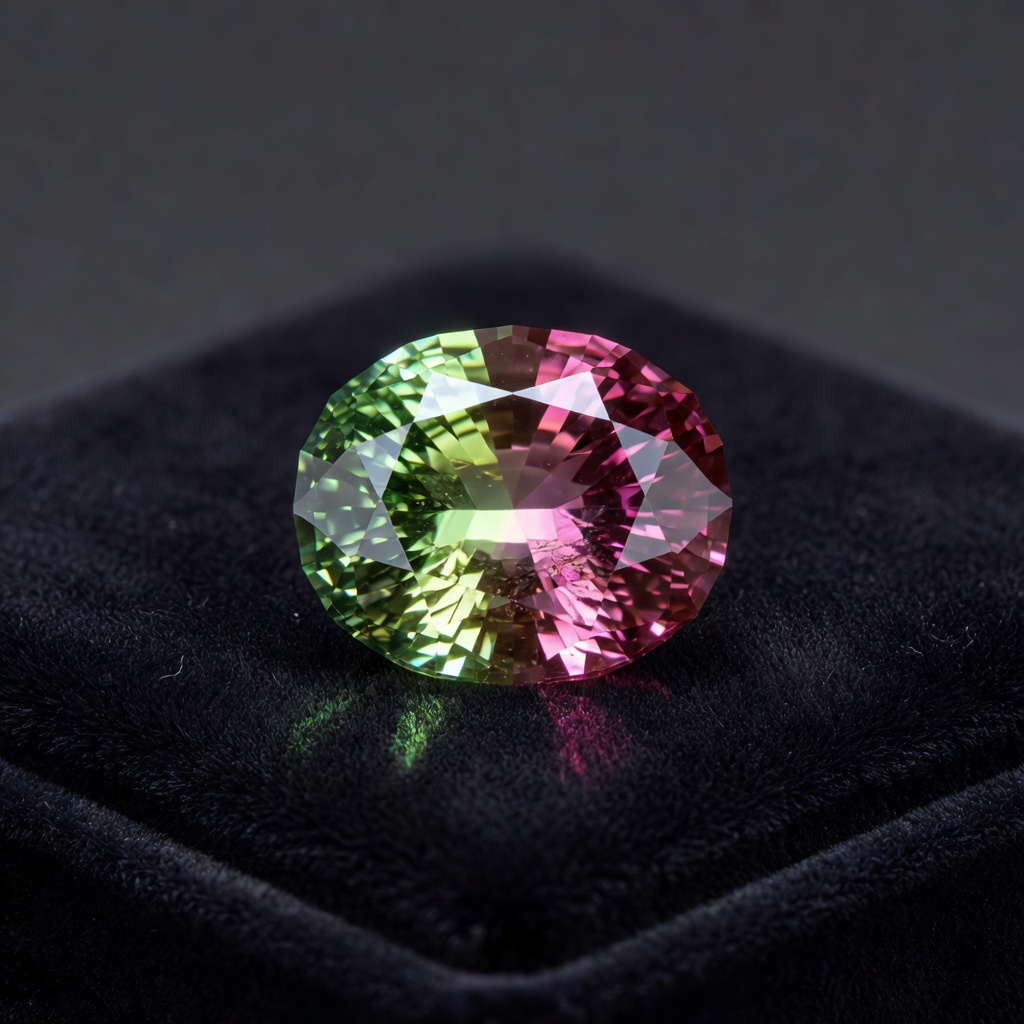
Understanding Diaspore and the Zultanite Trademark
Diaspore represents one of the most fascinating yet underappreciated gemstones in the modern jewelry market, consisting primarily of aluminum oxide hydroxide with a distinctive crystal structure that distinguishes it from other color-change gems. This remarkable mineral was first discovered in the Ural Mountains during the early 1800s, but it remained largely unknown to collectors until the discovery of gem-quality deposits in Turkey's Anatolian mountains during the late 20th century. The Turkish diaspore gemstone revolutionized the colored stone industry by introducing a material that combines exceptional color-shifting properties with rarity comparable to fine alexandrite.
When navigating the market for these stones, buyers must understand the critical distinction between generic diaspore, Zultanite, and Csarite gemstone designations. Zultanite specifically refers to gem-quality diaspore mined from a single mountain range in Turkey's Anatolia region, marketed under strict trademark protection that guarantees specific quality standards and ethical sourcing practices. Csarite represents a secondary trademark launched by the same mining operation, utilizing identical geological material but targeting different market segments through alternative branding strategies. Generic diaspore, conversely, may originate from various global localities including Russia, China, or Argentina, often lacking the intense color-change phenomenon and transparency that characterize premium Turkish material.
The geological origins of Anatolian diaspore contribute significantly to its scarcity and subsequent market value, as the gem-quality material forms under specific metamorphic conditions requiring precise pressure, temperature, and mineralogical combinations found only in this isolated region. Mining operations face considerable challenges due to the remote mountainous terrain, seasonal weather restrictions, and the sporadic distribution of gem-quality pockets within the host rock, resulting in limited annual yields that rarely exceed a few thousand carats of facetable material. This extreme scarcity, combined with increasing international demand for unique colored gemstones, positions what is Zultanite as a legitimate alternative investment vehicle for sophisticated collectors seeking portfolio diversification beyond traditional precious stones.
The Science Behind Color-Change Phenomenon
The mesmerizing visual properties of Turkish diaspore stem from a complex interplay between pleochroism and true color change, creating an optical phenomenon that captivates viewers under varying lighting environments. Unlike simple pleochroic stones that display different colors when viewed from different crystallographic angles, premium Zultanite color change manifests as a genuine shift in body color depending entirely on the light source's spectral composition. This distinction proves crucial for valuation, as stones exhibiting only directional color variation without source-dependent shifting command significantly lower prices than those displaying the full kiwi-green to raspberry-pink transformation.
Under natural daylight or fluorescent lighting containing balanced blue wavelengths, high-quality specimens present colors ranging from luminous kiwi green through sophisticated champagne and sage tones, reflecting the stone's ability to absorb and transmit specific portions of the visible spectrum. When illuminated by incandescent bulbs, candlelight, or warm LED sources rich in red wavelengths, the same crystal transforms dramatically, revealing romantic hues of raspberry pink, peach blossom, or dusty rose that seem to glow from within the gemstone's depths. This diaspore color shift occurs because the manganese content within the crystal lattice creates distinct absorption bands that react differently to various light temperatures, producing an effect reminiscent of fine alexandrite but with a unique pastel quality entirely its own.
Advanced collectors should note that viewing angles significantly influence the perceived intensity of the color-change reaction, with master cutters orienting tables perpendicular to the crystallographic c-axis to maximize the phenomenon across the crown facets. Under magnification, observers can detect subtle variations in hue saturation depending on whether the stone is viewed face-up versus through the pavilion, though the primary value determination relies on the strength of transition between daylight and incandescent environments. Gemological laboratories assess this characteristic using standardized light sources including daylight-equivalent 6500K lamps and incandescent 2856K bulbs, grading the degree of change from "weak" to "strong" based on the observable color distance between the two states.
Evaluating Quality: Color, Clarity, and Cut Standards
When assessing Turkish diaspore for acquisition, the intensity and consistency of the color-change reaction serve as the primary determinants of value, outweighing considerations that typically dominate other gemstone categories such as absolute clarity or perfect symmetry. Exceptional specimens demonstrate a complete and immediate transformation between green and pinkish phases without intermediate muddy or brownish zones, maintaining vivid saturation in both lighting conditions rather than appearing washed out or overly dark in one state. Buyers should examine stones under multiple light sources including natural north daylight, standard incandescent bulbs, and mixed lighting environments to verify that the diaspore color change remains impressive across real-world wearing conditions rather than only under laboratory-perfect illumination.
Regarding diaspore clarity expectations, the market maintains more forgiving standards than those applied to diamonds or sapphires, recognizing that the geological formation conditions of Anatolian deposits typically produce characteristic inclusions including negative crystals, feather-like fractures, and silk-like rutile needles. Eye-clean stones—those without visible inclusions at six inches under normal lighting—command significant premiums, particularly in sizes exceeding three carats where inclusion-free material becomes exponentially rarer. However, minor inclusions that do not significantly impact transparency or durability are generally acceptable in larger collector pieces, provided they do not interfere with the light path responsible for the stone's signature color phenomenon.
Zultanite cut quality requires specialized expertise to maximize the gem's unique optical properties while minimizing common cutting defects such as windowing, extinction, or improper proportions that can deaden the color-change effect. The optimal cutting style typically involves modified brilliant or mixed cuts with slightly deeper pavilions than standard designs, allowing light to travel through sufficient crystal depth to activate the full chromatic potential before reflecting back to the observer's eye. Master cutters working with this material must carefully orient the rough crystal to align the table with the optical axis that produces the strongest pleochroic display, often sacrificing maximum carat weight retention to achieve the most commercially desirable color shift that defines premium Turkish diaspore gemstone specimens.
Carat Weight, Rarity, and Size Considerations
The supply dynamics of Anatolian diaspore create a fascinating market dichotomy where diaspore carat weight dramatically influences pricing according to exponential rather than linear scales, reflecting the extreme scarcity of larger crystals within the mountain deposits. While the mining operation regularly produces commercial quantities of stones ranging from one to three carats, specimens exceeding five carats represent truly exceptional discoveries that may occur only a handful of times annually, triggering competitive bidding among high-end dealers and private collectors. This supply constraint means that a ten-carat stone with comparable color-change intensity might command twenty to thirty times the per-carat price of a two-carat gem, rather than the five-fold increase typical of more abundant gemstones.
Practical market availability typically concentrates between one and ten carats for fine specimens, with the majority of jewelry-quality material falling within the one-to-five carat range suitable for rings, pendants, and statement earrings. Rare Zultanite sizes exceeding ten carats approach unicorn status in the collector community, often appearing only at specialized auctions or through exclusive dealer networks with established relationships to the Turkish mining operation. These museum-grade pieces frequently display distinctive inclusions or growth patterns that document their geological formation, with some collectors specifically seeking such characteristics as proof of natural origin and unique identity.
Investors and enthusiasts must distinguish between collector-grade sizes and practical jewelry sizes when building collections or designing pieces, recognizing that larger stones while impressive require significantly more protective setting styles and insurance considerations. The market maintains distinct segments wherein connoisseurs acquire rare large crystals primarily for specimen value and portfolio diversification, while jewelry designers focus on the one-to-three carat range that balances visual impact with wearability and reasonable replacement costs. When evaluating exceptional sizes, always request detailed provenance documentation confirming the stone's mining date and original rough weight, as these factors contribute significantly to the premium pricing commanded by documented rare Zultanite sizes with traceable histories.
Natural vs. Treated: Authentication Essentials
The authentication of Turkish diaspore requires particular vigilance regarding natural vs synthetic Zultanite distinctions, as laboratory-grown material has entered the market with chemical and physical properties nearly identical to natural specimens. Synthetic diaspore, produced through hydrothermal or flux-growth methods, typically exhibits overly perfect clarity, unnaturally uniform color distribution, and distinctive growth features visible under magnification including chevron patterns or seed plates that differ from natural crystal formation. Advanced gemological testing using infrared spectroscopy, ultraviolet fluorescence analysis, and chemical trace-element detection remains essential for definitive identification, as visual examination alone cannot reliably separate high-quality synthetic material from genuine Anatolian crystals.
Heat treatment represents another concern for buyers seeking untreated material, as some lower-quality diaspore rough undergoes controlled heating to reduce brownish or yellowish secondary tones and enhance the apparent clarity of included crystals. Treated diaspore identification requires examination under magnification for heat-altered inclusions, stress fractures surrounding included crystals, or changes in the absorption spectrum detectable through spectroscopic analysis. While heat treatment does not fundamentally alter the stone's identity as natural diaspore, it significantly impacts valuation, with untreated specimens commanding premiums of thirty to fifty percent over heated material of equivalent visual appearance.
For trademarked stones specifically, verification methods include microscopic laser inscriptions on the girdle or table edge displaying the Zultanite or Csarite logo, accompanied by certificates of authenticity from authorized dealers that include the stone's unique identification number registered with the mining company. Buyers should cross-reference these certificates against the mining operation's official database when possible, and request disclosure of any treatments or enhancements in writing as part of the sales contract. Reputable dealers specializing in natural vs synthetic Zultanite will gladly provide detailed provenance information including the specific mine location within the Anatolian range and the rough crystal's original weight before cutting.
Pricing Guide and Investment Value
Current market analysis reveals that diaspore price per carat spans an exceptionally wide range from approximately $500 for commercial-quality smaller stones to well over $5,000 per carat for exceptional specimens displaying intense color change, large size, and flawless clarity. Entry-level pricing typically applies to stones under two carats with moderate color shift, slight inclusions visible under magnification, and standard commercial cutting, making these accessible to jewelry enthusiasts seeking the unique aesthetic without premium investment requirements. Mid-tier stones ranging from two to five carats with strong color change and eye-clean clarity generally command between $2,000 and $4,000 per carat, representing the sweet spot for serious collectors balancing visual impact with liquidity.
Several specific factors drive premium pricing beyond standard quality parameters, including the presence of "strong" rather than "moderate" color-change ratings from major laboratories, sizes exceeding five carats with good clarity, and stones possessing particularly desirable hue combinations such as intense kiwi green shifting to vivid raspberry pink. Exceptional specimens featuring rare cat's-eye phenomena or asterism command additional premiums, as do stones with documented mining histories from specific pockets within the Anatolian deposits known for superior material. When evaluating Zultanite investment value, collectors should compare these price points to alexandrite, historically the premier color-change gemstone, noting that fine Turkish diaspore offers similar optical performance at approximately one-tenth to one-twentieth the cost of comparable quality Russian or Brazilian alexandrite.
Investment potential remains strong due to the single-source nature of gem-quality material and increasing restrictions on mining operations for environmental and safety reasons, suggesting that supply constraints will intensify over coming decades while global recognition of the stone continues growing among jewelry designers and collectors. Unlike diamonds or sapphires with multiple global sources, the finite nature of Anatolian deposits provides fundamental scarcity supporting long-term value appreciation, particularly for documented natural, untreated stones accompanied by premium laboratory reports. Astute investors focus on acquiring stones with optimal combinations of size, clarity, and color-change intensity during periods of market softness, recognizing that truly exceptional specimens of this Turkish diaspore gemstone represent tangible stores of value with significant appreciation potential.
Certification and Documentation Requirements
Comprehensive Zultanite certification from internationally recognized laboratories such as the Gemological Institute of America (GIA), Gübelin Gem Lab, or SSEF Swiss Gemmological Institute provides essential verification of origin, natural status, and quality parameters that protect buyer investments and ensure fair market valuation. These reports specifically identify the material as "Diaspore" with notation of "Color Change" phenomenon, confirm Turkish origin when determinable through chemical analysis, and disclose any treatments or enhancements that might affect value. Premium reports from Gübelin or SSEF additionally provide detailed spectroscopic data and inclusion photography that serve as unique fingerprints for individual stones, crucial for verifying identity during future transactions or insurance claims.
Beyond standard gemological reports, diaspore authenticity documentation should include specific statements regarding natural, untreated status, particularly important given the presence of synthetic and heated material in the marketplace. For branded stones, certificates should display the official Zultanite or Csarite holographic security features and reference the microscopic laser inscription present on the girdle, allowing buyers to verify that their purchase represents authorized material from the trademarked mining operation. Reputable dealers provide complete chain-of-custody documentation tracing the stone from rough extraction through cutting and distribution, establishing provenance that significantly enhances resale value and collector interest.
Understanding trademark inscriptions requires magnification equipment, as authorized dealers laser-etch minute logos or serial numbers onto the girdle edges of genuine branded stones, invisible to the naked eye but clearly apparent under ten-power magnification. These inscriptions serve dual purposes of brand protection and authentication, though buyers should note that unbranded natural Turkish diaspore may lack such markings while remaining completely legitimate gem material, particularly older stones cut before trademark implementation or material sold by independent cutters purchasing rough at auction. Always ensure that certification documents match the physical stone through weight verification, measurement comparison, and inclusion plotting, creating an unbreakable link between the gemological report and the specific Turkish diaspore gemstone in your possession.
Jewelry Settings and Design Recommendations
Designing jewelry with Anatolian diaspore requires careful consideration of the material's hardness rating of 6.5 to 7 on the Mohs scale, significantly softer than sapphire or spinel and vulnerable to abrasion, chipping, or cleavage damage under impact. Zultanite jewelry settings should prioritize protective elements including full bezel mountings that encircle the girdle with metal, halo designs where surrounding diamonds provide impact absorption, or substantial basket settings with elevated prongs that prevent the table from contacting hard surfaces during daily wear. V-prongs protecting the vulnerable corner points of fancy shapes prove particularly important, as the cleavage planes within the diaspore crystal structure create potential fracture points that sharp impacts can exploit.
Metal color choices significantly influence the perceived color of the stone, with yellow gold and rose gold settings tending to emphasize the warm pink and peach tones visible under incandescent lighting while potentially muting the green daylight appearance. Conversely, white metals including platinum, palladium, and white gold enhance the crisp, cool green tones observed in daylight but may render the pink incandescent colors slightly less vivid, creating different aesthetic experiences depending on the wearer's primary lighting environments. Designers often recommend two-tone settings that combine yellow gold galleries with white gold prongs, balancing the color enhancement to preserve the full range of the diaspore color shift phenomenon regardless of ambient lighting conditions.
Regarding diaspore ring design versus alternative jewelry applications, industry experts generally recommend reserving rings for occasional wear or protective cocktail designs rather than daily-wear engagement settings, instead favoring pendants and earrings where the stones face less mechanical abuse and environmental exposure. Pendant designs allow observers to view the stone against varied backgrounds and lighting conditions, maximizing appreciation of the color-change effect, while earrings position the gems at face level where the phenomenon creates immediate visual impact during conversation. For those insisting on rings, consider low-profile settings with substantial metalwork, protective surrounds, and designs that position the stone slightly recessed within the mounting rather than elevated in high-prong settings that expose the gem to accidental impacts.
Care, Maintenance, and Long-Term Preservation
Proper Zultanite care begins with understanding the stone's sensitivity to thermal shock, ultrasonic vibrations, and harsh chemical exposures that more durable gemstones might withstand without damage. Owners should never subject their Turkish diaspore to steam cleaning systems or ultrasonic cleaners, as the thermal gradients and vibrational energies can cause existing inclusions to expand or create internal stresses leading to fracturing along cleavage planes. Instead, gentle cleaning using lukewarm water, mild dish soap, and a soft-bristled toothbrush effectively removes accumulated oils and debris without risking structural damage, followed by immediate drying with a lint-free cloth to prevent water spots from forming on the surface.
Diaspore maintenance requires thoughtful storage solutions that isolate the gemstone from harder jewelry items including diamonds, rubies, and sapphires that could scratch the relatively soft surface during contact. Individual soft cloth pouches, compartmentalized jewelry boxes with padded dividers, or dedicated gem jars prevent accidental abrasion that gradually dulls the polish and reduces light return through the crown facets. When traveling, carry Turkish diaspore jewelry in rigid cases with foam inserts rather than loose in luggage or cosmetic bags where items might jostle against metal clasps or harder gemstones, potentially chipping vulnerable girdle edges or table facets.
Professional inspection schedules should occur every six to twelve months for frequently worn pieces, allowing qualified jewelers to examine prongs, bezels, and mountings for wear that might allow the stone to loosen or fall out, while also assessing the gem's surface for accumulated scratches that professional repolishing could address. During these inspections, request that the jeweler check specifically for loose stones by gently tapping the mounting near the gem and listening for rattling sounds, while examining the girdle edges for chips or abrasions that might indicate the need for resetting into more protective designs. Maintaining detailed records of cleaning dates, professional inspections, and any repair work performed helps preserve the long-term value and beauty of this exceptional Turkish diaspore gemstone, ensuring that future generations can enjoy its remarkable color-shifting beauty.
Frequently Asked Questions
Is Zultanite the same as diaspore?
Zultanite is a trademarked brand name for gem-quality diaspore sourced specifically from Turkey's Anatolian mountains. While all Zultanite is diaspore, not all diaspore qualifies as Zultanite, which requires strict quality standards and authorized mining.
What causes Zultanite's famous color change?
The color change results from diaspore's unique pleochroic properties and chemical composition containing manganese. Under natural daylight, the stone appears kiwi green to champagne, while incandescent lighting reveals raspberry pink to peach tones.
How much does genuine Zultanite cost per carat?
Prices typically range from $500 to $5,000+ per carat depending on quality factors. Stones under 2 carats with moderate color change start around $500-$1,500, while rare specimens over 5 carats with intense color shift can exceed $10,000 per carat.
How can I tell if my Zultanite is authentic and natural?
Request certification from reputable laboratories like GIA verifying Turkish origin and natural, untreated status. Genuine Zultanite displays a distinct color change under different light sources, and branded stones feature microscopic laser inscriptions.
What is the difference between Zultanite and Csarite?
Both are trademarked names for Turkish diaspore from the same mining location. Zultanite was the original trademark established earlier, while Csarite represents a newer branding initiative for the same gem material with identical properties.
Is Zultanite durable enough for daily wear in an engagement ring?
With a hardness of 6.5-7 on the Mohs scale, Zultanite is softer than sapphire or diamond and requires protective settings. While suitable for occasional wear, it is better suited for pendants, earrings, or dress rings rather than daily-wear engagement rings.
Does Zultanite undergo any treatments or enhancements?
Most high-quality Zultanite is completely natural and untreated. However, some lower-quality diaspore may undergo heat treatment to improve color. Always request disclosure and laboratory certification confirming untreated status when purchasing.
Where is the best place to buy certified Zultanite?
Purchase from authorized Zultanite dealers with trademark licenses, established colored gemstone specialists providing laboratory certification, or reputable auction houses. Avoid unverified online marketplaces lacking origin documentation and certification.


