Introduction: Why Use A Diamond Buying Guide
A Diamond Buying Guide helps you make a confident decision in a market where small details can cause big price differences. When you’re learning how to buy a diamond, it’s easy to get overwhelmed by sparkle in the showroom, unfamiliar grading terms, and pricing that seems to change from one store to the next. A step-by-step approach keeps you focused on what actually matters: the 4 Cs of diamonds, trustworthy diamond certification, budget planning, and choosing a reputable seller. With the right framework, you can avoid common mistakes like overpaying for carat weight, buying a poorly cut stone, or accepting an unreliable grading report.
In this guide, you’ll learn how each of the 4 Cs affects beauty and value, how to read and verify grading reports, and how to match a diamond to an engagement ring design. You’ll also get diamond budgeting tips to prioritize what the eye sees most, plus practical checklists for online and in-store buying. Finally, we’ll cover the decision between lab-grown vs natural diamonds, including what’s the same, what’s different, and how that impacts price, perception, and resale realities. Think of this as an engagement ring guide and a diamond-shopping playbook you can revisit while comparing options.
Understanding The 4 Cs: Cut, Color, Clarity, Carat
The 4 Cs of diamonds—Cut, Color, Clarity, and Carat—are the global language of diamond quality. Each “C” influences how a diamond looks and what it costs, but they don’t contribute equally to beauty. Many buyers assume a bigger carat automatically looks better, yet a smaller, well-cut diamond can appear brighter and even “larger” due to stronger light return. Understanding trade-offs is the key to buying a diamond that looks impressive without paying for characteristics you can’t easily see.
A simple rule for practical shopping is to choose the best cut you can afford, then balance color and clarity based on your setting and personal sensitivity. For example, if you’re setting a diamond in yellow or rose gold, you can often go slightly lower in color without noticing warmth. Similarly, clarity can be optimized by choosing “eye-clean” stones—diamonds with inclusions that aren’t visible without magnification. This approach makes diamond clarity vs color decisions less confusing because you’re focusing on real-world appearance, not just the grade on paper.
Cut: The Biggest Driver Of Sparkle
Cut quality controls how light enters, reflects, and returns to your eyes, which is why it strongly influences brilliance and fire. A diamond with an excellent cut can look lively even if its color or clarity is modest, while a poorly cut diamond may look dull despite high grades elsewhere. Practical tip: prioritize “Excellent” (GIA) or “Ideal” (where applicable) for cut when choosing a round brilliant, and look for strong light performance imagery (like videos) when shopping online. A common real-world trade-off is choosing a 0.90 ct excellent-cut diamond instead of a 1.00 ct with a weaker cut; many people prefer the brighter stone even if it’s slightly smaller.
Color: Managing Warmth Without Overpaying
Diamond color is graded on a scale (commonly D to Z), with D being colorless and increasing letters showing more warmth. Many shoppers can’t easily distinguish between near-colorless grades once the diamond is set, especially in warmer metals. A practical engagement ring guide tip is to match color grade to metal: platinum and white gold often pair best with higher color grades, while yellow/rose gold can hide warmth, allowing savings. If you’re debating diamond clarity vs color, consider that slight warmth can be less noticeable than inclusions in certain shapes and lighting.
Clarity: Choosing Eye-Clean Over Perfect
Clarity describes internal inclusions and external blemishes, graded from Flawless down to Included. In many cases, paying for extremely high clarity offers little visible benefit, because most inclusions are hard to see without magnification. A practical strategy is to shop for “eye-clean” diamonds in the VS2–SI1 range (sometimes SI2, depending on the stone), then confirm with high-resolution images or an in-person loupe inspection. Example: two diamonds may share the same clarity grade, but the location of inclusions matters—an inclusion near the edge may be hidden by a prong, while one under the table can be more noticeable.
Carat: Size, Dimensions, And Visual Impact
Carat measures weight, not face-up size, which is why two diamonds with the same carat can look different depending on cut proportions and shape. If you want a diamond that “faces up” large, pay attention to millimeter measurements on the grading report, not only carat weight. A money-saving tip is to consider “just under” milestones (for example, 0.90–0.99 ct instead of 1.00 ct) where pricing can jump significantly. Case example: an oval diamond can look larger than a round of the same carat due to its elongated shape, making it a common choice for maximizing perceived size on a budget.
Diamond Certification And Grading Reports
Diamond certification is one of the most important trust tools in the buying process because it provides an independent assessment of quality. A reputable grading report helps you compare diamonds across sellers, understand what you’re paying for, and reduce the risk of misrepresentation. Certification can also support future needs such as insurance, upgrades, and resale discussions, even though resale values vary widely. If you’re learning how to buy a diamond, treating the grading report as non-negotiable is a smart baseline.
Not all grading labs are equally strict, which is why the lab name matters as much as the grades themselves. Major labs commonly referenced include GIA, AGS (historically known for cut grading), and IGI (often used for lab-grown vs natural diamonds, especially lab-grown). A practical buying habit is to compare like-for-like: if two stones have different lab reports, the grades may not be directly comparable. When in doubt, choose diamonds graded by labs with strong market credibility and verify the report online before you commit.
Major Labs: GIA, AGS, And IGI
GIA is widely recognized for consistent grading standards and is commonly preferred for natural diamonds. AGS reports have been respected for cut quality analysis (especially in the past) and may still appear in the market, particularly for well-cut stones. IGI is widely used for lab-grown diamonds and also grades natural diamonds, though market perceptions about strictness can vary by category and time period. Practical tip: if you’re comparing a GIA-graded stone to an IGI-graded stone, consider focusing on objective details like measurements and cut-related performance indicators rather than assuming grades are identical across labs.
What To Look For On A Grading Report
A grading report contains more than the headline 4 Cs, and those extra details often explain why two “similar” diamonds look different. Review the measurements (mm), table and depth percentages, symmetry and polish, fluorescence, and clarity plot. For example, strong fluorescence can be a value opportunity for some buyers, but it may also affect appearance in rare cases—so confirm with videos or in-person viewing. A practical checklist item: confirm that the report matches the diamond type (natural vs lab-grown) and that the report date and report number are clearly listed.
How To Verify A Report And Avoid Fake Certificates
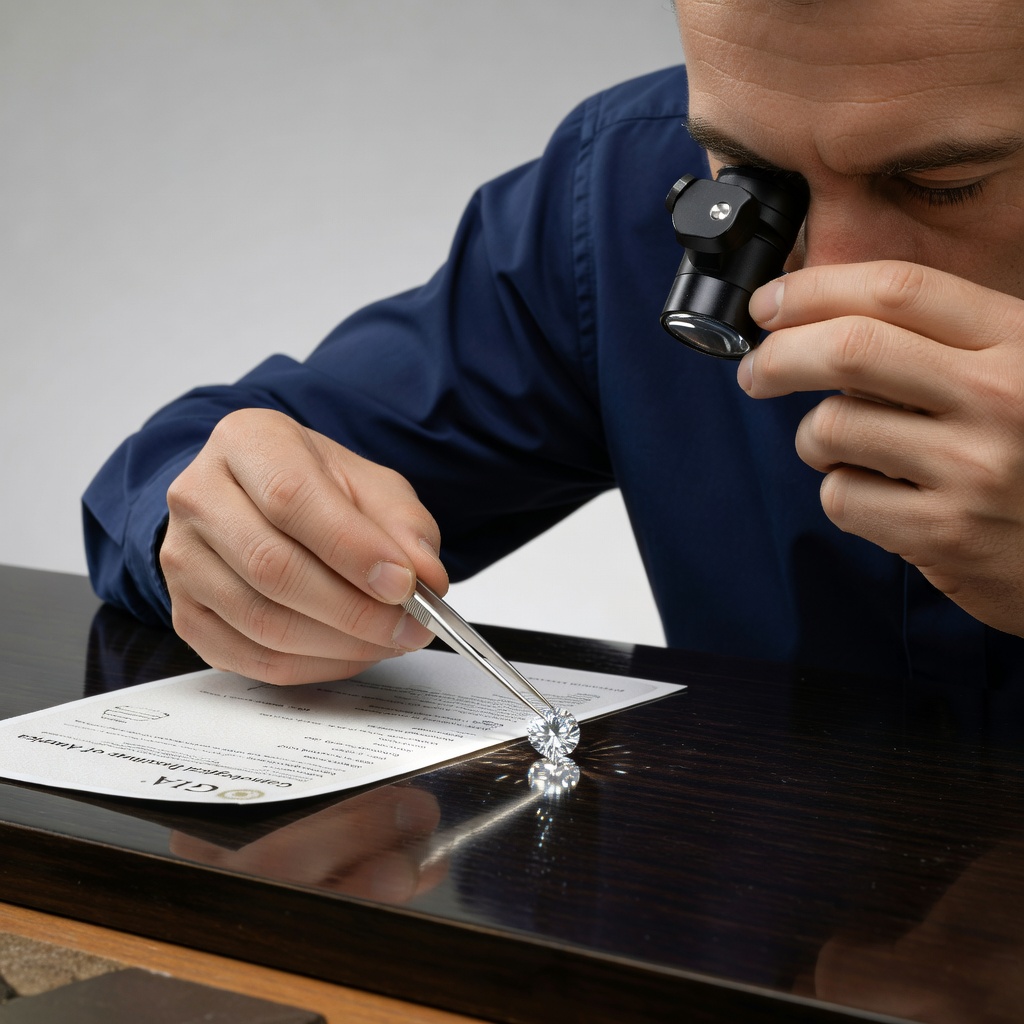
To verify diamond certification, use the grading lab’s official online report lookup and enter the certificate number exactly as printed. Then compare “anchor details” that are difficult to fake: measurements, shape, carat weight, and any plotted inclusion map if provided. If shopping online, request additional photos and videos that clearly show the diamond and confirm any laser inscription if the diamond has one. A practical red flag is a seller who won’t provide the report number before purchase or discourages independent verification.
Diamond Shapes, Settings, And Visual Appearance
Diamond shapes strongly affect how a stone sparkles, how large it looks on the hand, and how it fits your design style. A round brilliant is known for consistent light performance, while fancy shapes like oval or emerald can emphasize different visual traits such as elongation or “hall-of-mirrors” reflections. Settings also change the way the diamond presents, influencing perceived size and protection. For an engagement ring guide that leads to satisfaction long after the proposal, you want the shape-setting pairing to match both aesthetics and everyday lifestyle.
A practical way to decide is to start with your non-negotiables: maximum sparkle, a particular silhouette, or a specific vintage/modern look. Then choose a setting that enhances your priority—like a halo for added presence or a bezel for durability. For example, someone with an active job may prefer a lower-profile setting that reduces snagging, even if it slightly changes the profile. The best results come from combining diamond shapes and settings intentionally rather than choosing them separately.
Popular Shapes And How They Perform
Round diamonds typically deliver strong brilliance because the facet pattern is engineered for light return, making them a dependable “sparkle-first” choice. Princess cuts can look bright and modern but may show different light behavior and can have vulnerable corners that benefit from protective prongs. Oval diamonds often look larger per carat and flatter the finger with an elongated shape, but they can show a “bow-tie” shadow—so videos and multiple lighting checks are essential. Emerald cuts emphasize clarity and clean lines more than sparkle, so buyers often prioritize higher clarity and careful inspection for transparency and symmetry.
Settings That Change Size And Sparkle Perception
A solitaire setting spotlights the center diamond and is a classic option for those who want timeless simplicity. Halo settings add a ring of small diamonds around the center, increasing perceived size and adding extra shimmer; they can be a strong choice when you want a larger look without paying for a bigger center carat. Bezel settings wrap metal around the diamond’s edge, offering excellent protection and a sleek style, but they can slightly reduce visible spread if the bezel is thick. Practical tip: if you want maximum visible diamond surface, use thinner prongs or a delicate halo design—while ensuring the craftsmanship is strong enough for daily wear.
Matching Shape And Setting To Lifestyle
Lifestyle matters because an engagement ring is worn daily, not stored like a special-occasion piece. For hands-on work, consider lower-profile settings, bezel or semi-bezel designs, and shapes with fewer sharp corners (like round or oval) to reduce snagging and chipping risks. If you love the look of a princess or marquise, prioritize protective prongs and plan routine inspections. Case example: a nurse or fitness professional may choose an oval diamond in a low-set bezel for comfort and durability, while someone who prioritizes glamour may choose a round diamond with a halo and cathedral setting for extra presence.
Natural Vs Lab-Grown Diamonds: Pros And Cons
The lab-grown vs natural diamonds decision is one of the biggest choices modern buyers face. Both are real diamonds with the same basic optical and physical properties, but they differ in origin and typically in price. Natural diamonds formed over geological time, while lab-grown diamonds are created using advanced processes that replicate diamond growth. Understanding these differences helps you align your purchase with your priorities—whether that’s budget, tradition, traceability, or long-term market perception.
Many people use a Diamond Buying Guide specifically to navigate this choice without pressure from marketing claims. Lab-grown diamonds often provide more size for the money, which can be ideal if you want a higher carat look within a firm budget. Natural diamonds may be preferred for rarity, tradition, and certain resale or trade-in considerations, though resale outcomes are never guaranteed. The “right” choice is the one that fits your goals and expectations clearly from the start.
Price, Perception, And Value Differences
Lab-grown diamonds are typically priced lower than comparable natural diamonds, which can open options for larger stones or higher grades in color and clarity. Consumer perception varies: some buyers strongly prefer natural origin, while others prioritize cost efficiency and modern manufacturing. A practical example is a couple choosing a lab-grown 1.50 ct diamond instead of a natural 1.00 ct to achieve a larger look while keeping funds available for the wedding or a home. The key is to treat the price difference as a design and budgeting opportunity rather than assuming one option is automatically “better.”
Certification Considerations For Lab-Grown And Natural
Diamond certification matters for both categories, but make sure the report clearly states whether the diamond is natural or lab-grown. Many lab-grown diamonds are graded by IGI, and many natural diamonds are graded by GIA, though crossovers exist. Practical tip: confirm that the report number is verifiable online and that the report includes the full 4 Cs plus measurements and any noted treatments. If a seller provides only an in-house “certificate” without an independent lab, consider it a major warning sign and keep shopping.
Resale Realities And When Each Option Makes Sense
Resale value of diamonds is often lower than retail, and this can be more pronounced for lab-grown diamonds due to changing market prices and supply dynamics. Natural diamonds may retain comparatively more value in some scenarios, but resale still typically involves a discount from what you paid. A practical decision framework is to choose lab-grown if you want maximum size and visual impact per dollar and you’re comfortable with different resale profiles. Choose natural if rarity, tradition, and long-established market demand are top priorities, and if you’re okay paying more upfront for those factors.
Budgeting, Pricing, And Value Tips
Diamond pricing is influenced by the 4 Cs, shape, certification lab, and market supply, which is why two “similar” diamonds can have noticeably different prices. Smart diamond budgeting tips focus on paying for what you can see and saving on what you can’t. In practice, this often means prioritizing cut (especially for rounds), choosing near-colorless instead of colorless, and selecting eye-clean clarity grades. A good budget plan also includes the setting, taxes, insurance, resizing, and potential maintenance so you don’t spend everything on the center stone and compromise on craftsmanship.
A helpful approach is to set a target “all-in” ring budget and then allocate it intentionally—often 70–85% to the center diamond and the remainder to the setting and protections. Case example: if your maximum ring budget is $6,000, you might reserve $1,200–$1,800 for a durable setting and use the remaining amount for the best-cut diamond you can find with balanced color and clarity. This prevents the common scenario where the diamond looks great on paper but the setting is thin, uncomfortable, or prone to bending. Keeping your budget strategy clear also makes it easier to compare offers without getting distracted by showroom lighting or sales pressure.
Where Savings Often Hide: Smart Trade-Offs
One of the most reliable savings tactics is to drop slightly in color or clarity while holding cut quality strong. For many buyers, near-colorless grades can look white once set, and eye-clean clarity can look flawless without the premium. Another savings area is choosing shapes that cost less per carat than round, such as oval, pear, or cushion, while still delivering impressive presence. Practical tip: consider fluorescence, proportions, and face-up measurements to find “value stones” that look beautiful but are priced lower due to less market demand for specific combinations.
Price Milestones And “Almost” Carat Weights
Diamond prices can jump at popular milestone weights like 0.50, 1.00, 1.50, and 2.00 carats. Shopping just below these marks can deliver nearly the same look for less money, especially when the difference in millimeter size is small. For example, a 0.95 ct diamond may appear very close in size to a 1.00 ct diamond but can be meaningfully less expensive. A practical shopping tip is to compare face-up diameter in millimeters, not just carat weight, so you’re budgeting for what the eye actually perceives.
A Practical Budget Example For A Balanced Diamond
If your budget is mid-range and you want maximum sparkle, you might choose a round diamond with an Excellent cut, a near-colorless grade, and a clarity grade that’s confirmed eye-clean via video or in-person viewing. That combination often delivers a bright, crisp look without paying for ultra-high clarity that no one will notice. If you’re open to fancy shapes, you could redirect savings into a larger carat while maintaining strong overall appearance. The actionable step is to define your top two priorities (for example, sparkle and size), then adjust the other 4C variables until you hit your budget without sacrificing visual impact.
Ethical Sourcing And Conflict-Free Considerations
Ethical sourcing is a priority for many buyers, and “conflict-free diamonds” are often part of that conversation—but the term can be broader than it sounds. The Kimberley Process was designed to reduce the trade in conflict diamonds, yet ethical sourcing today may also include labor conditions, environmental impact, and full supply-chain transparency. The most effective way to shop responsibly is to ask detailed questions and seek documentation rather than relying on vague labels. This is especially important because different retailers define “ethical” differently, and marketing language isn’t the same as verification.
A practical approach is to choose retailers who can explain where their diamonds come from, what standards they follow, and what documentation they can provide. Case example: a buyer who values transparency might choose a vendor offering chain-of-custody documentation or a clearly defined sourcing policy, even if it costs slightly more than a no-details alternative. Another option is choosing lab-grown diamonds, which can simplify some sourcing concerns, though you may still want to ask about energy sources and manufacturing practices. Ethical buying is less about perfection and more about informed trade-offs that align with your values.
Key Standards: Kimberley Process And Chain-Of-Custody
The Kimberley Process is a baseline framework used globally to limit conflict diamonds entering the mainstream market. However, it may not address every ethical concern a buyer might have, which is why chain-of-custody programs and brand-level sourcing policies can be valuable. Chain-of-custody documentation aims to track the diamond through the supply chain, offering a stronger transparency story than a general claim. Practical tip: ask whether the retailer can provide any origin details, third-party audits, or documented sourcing pathways rather than simply stating “conflict-free.”
Questions To Ask Retailers (And What Good Answers Sound Like)
Ask direct questions such as: “Which suppliers do you source from?” “Do you have chain-of-custody options?” “What documentation comes with the purchase?” and “How do you define conflict-free in your policy?” A strong retailer answer is specific and supported by documentation, not just reassurance. If a seller becomes defensive or changes the subject, treat it as a sign to slow down and compare alternatives. A practical tip is to follow up in writing (email or chat transcript) so you have a record of the claims made during the buying process.
Ethical Alternatives: Lab-Grown And Responsible Retailers
Lab-grown vs natural diamonds is often part of ethical decision-making, especially for buyers who want to avoid uncertainties in mining supply chains. If you choose lab-grown, ask about factory standards and energy sources, since environmental impact can vary by production method and region. If you choose natural, look for retailers who invest in transparency, responsible sourcing initiatives, and clear documentation. A practical example is selecting a vendor that offers both options and explains them clearly, enabling you to make a value-driven choice rather than a sales-driven one.
Buying Online Vs In-Store: Pros, Cons & Checklist
Buying diamonds online can offer broader selection, competitive pricing, and convenient comparison tools, while in-store shopping offers hands-on inspection and face-to-face guidance. The best channel depends on how you like to evaluate quality and what services you value most, such as custom design, resizing support, or immediate pickup. Online shopping works especially well when listings include high-quality photos, 360° videos, and trusted diamond certification, because you can evaluate many stones efficiently. In-store shopping shines when you want to see light performance in person, compare multiple diamonds side-by-side, and build a relationship with a local jeweler for long-term care.
A hybrid strategy is often the most practical: research online to learn pricing and narrow your criteria, then view finalists in person when possible. Case example: you might shortlist three diamonds online based on certificate details and videos, then visit a jeweler to compare similar stones under different lighting. If you’re buying fully online, your return policy becomes your safety net, so treat it as part of the “product,” not an afterthought. Regardless of channel, use a consistent checklist so you’re comparing diamonds fairly and not getting swayed by presentation.
Online Buying Checklist: What To Confirm Before You Pay
When buying diamonds online, confirm that the listing includes a verifiable grading report from a recognized lab, plus clear photos and videos showing the diamond’s appearance. Check for a reasonable return window, clear refund terms, and whether return shipping is covered or insured. Review the seller’s policies on resizing, warranty, and whether the diamond is inspected before shipment to confirm it matches the report. Practical tip: if the retailer provides light performance images or multiple lighting videos, use them to screen for issues like bow-tie in ovals or reduced sparkle in poorly cut stones.
In-Store Inspection Tips: How To Evaluate In Person
In-store diamond shopping allows you to view the stone under different lighting types, which is crucial because showroom lighting can exaggerate sparkle. Ask to see the diamond under neutral lighting and, if possible, near daylight to get a more realistic impression. Use a loupe to look for visible inclusions and confirm whether the diamond appears eye-clean at normal viewing distance. Practical tip: compare at least two diamonds with similar specs to train your eye—often you’ll see that cut quality and overall “liveliness” are more noticeable than tiny differences in color grade.
Return Policies And Service Plans: What To Prioritize
A strong return policy reduces risk, especially if you’re learning how to buy a diamond and want time to evaluate it at home. Look for clear terms on inspection period length, condition requirements, and whether refunds are processed quickly. In-store, ask what aftercare is included: prong checks, cleaning, tightening, resizing, and whether these services are free or fee-based. Case example: paying slightly more at a jeweler with a robust service plan can be a better long-term value than a rock-bottom price with limited support, particularly for delicate settings or active lifestyles.
Negotiation, Warranties, And Closing The Purchase
Diamond negotiation can feel intimidating, but it’s often a normal part of purchasing fine jewelry—especially in-store. Reasonable discounts may depend on the retailer, the diamond’s pricing model, and whether you’re purchasing a complete ring (center stone plus setting). A practical approach is to negotiate based on facts: comparable listings, total purchase value, and included services like free resizing or future prong checks. Even when the price is fixed, you may be able to negotiate upgrades such as better setting metal weight, complimentary engraving, or included appraisal services.
Warranties and after-sale support matter because rings are worn daily and need maintenance. A “diamond warranty” may refer to coverage for the setting, manufacturing defects, or service packages rather than the stone itself, so ask what is actually covered. Closing the purchase also includes making sure paperwork is complete, shipping is insured, and you understand timelines for custom work. Treat closing steps as a checklist so you don’t miss details that affect long-term satisfaction and security.
How To Negotiate Without Guessing
Start by researching comparable diamonds with similar certification and measurements, then ask if the retailer can match or improve the offer. If a direct discount isn’t possible, ask for value-adds such as upgraded prongs, a better return policy, free resizing, or a maintenance plan. Be polite and specific: “If I purchase today, can you include the appraisal and the first year of inspections at no cost?” is often more effective than vague bargaining. Practical tip: negotiation tends to work best when you’re prepared to buy and when you’re bundling the center stone and setting together.
Warranties, Appraisals, And After-Sale Services
Ask for warranty details in writing and clarify what voids coverage, such as missing scheduled inspections or using an outside jeweler for repairs. Many settings benefit from periodic prong checks, especially with thin bands or high-set designs. An appraisal can be important for diamond insurance, but make sure you understand whether it’s an independent appraisal or a store-provided document. Case example: a buyer who chooses a delicate pavé band may place higher value on a robust service plan because small stones and prongs can require maintenance over time.
Finalizing The Purchase: Payment, Paperwork, Shipping, And Insurance
Before paying, confirm you’ll receive the diamond grading report (or a copy) and a detailed receipt describing the diamond and setting specifics. If the diamond is shipped, ensure shipping is fully insured, requires signature, and includes clear delivery tracking. Ask about payment methods and whether wire transfers, credit cards, or financing affect price or protections. Practical tip: if you’re buying online, consider scheduling delivery for a day you can be present, and review the return process immediately so you know exactly what to do if the diamond doesn’t match expectations.
Aftercare, Insurance, And Resale Considerations
Diamond aftercare protects both beauty and structural security, especially for engagement rings that see daily wear. Regular cleaning keeps the diamond bright by removing oils and residue that reduce sparkle, while routine inspections help catch loose prongs before a stone is at risk. A simple habit—removing your ring for heavy lifting, harsh chemicals, and certain sports—can prevent damage that becomes expensive to repair. Treat maintenance as part of ownership, not an optional extra, because small issues can become major problems if ignored.
Diamond insurance adds financial protection against loss, theft, or damage, and it typically requires documentation such as a grading report and appraisal. Resale value of diamonds is often lower than people expect, so it helps to view resale as a possibility rather than a plan. Still, you can preserve value by keeping documentation, maintaining the setting, and choosing widely trusted certification. If you think you may upgrade later, ask about trade-in policies at the time of purchase and get those terms in writing.
Cleaning And Maintenance Best Practices
For routine care, clean your ring with gentle soap, warm water, and a soft brush, then rinse and dry with a lint-free cloth. Avoid harsh chemicals and abrasive cleaners, especially if your ring includes additional gemstones or delicate pavé work. Schedule inspections to check prongs and settings, particularly if you notice snagging, rattling, or changes in how the diamond sits. Practical tip: if your lifestyle is active, consider a more protective setting and plan inspections more frequently than someone who wears their ring mostly in low-impact environments.
Insurance And Appraisals: Protecting What You Bought
Diamond insurance typically requires a clear description of the ring, the grading report, and a valuation document, so keep copies stored securely. If your ring is custom-made or includes unique design elements, make sure the appraisal accurately reflects those features and includes photos. Update appraisals periodically if required by your insurer, especially if market conditions change or you make significant modifications to the ring. Practical tip: choose an insurance policy that clearly states whether it offers repair, replacement with like-kind quality, or cash-out options, and confirm how claims are handled.
Resale And Upgrade Tips To Preserve Value
Resale realities vary by diamond type, market demand, and where you sell, and many diamonds resell for less than retail. Keeping the original grading report, receipts, and any service records can help support credibility and value in a resale or upgrade conversation. If you anticipate upgrading, ask jewelers about lifetime upgrade policies, required conditions (such as minimum spend increases), and whether the diamond must be in original condition. Case example: a buyer who prioritizes flexibility may choose a classic shape and a widely recognized lab report to improve future liquidity, even if the initial purchase price is slightly higher.
Frequently Asked Questions
What Are The 4 Cs And Which Is Most Important?
The 4 Cs are Cut, Color, Clarity, and Carat. Cut often has the biggest impact on a diamond's sparkle and perceived beauty, so many experts recommend prioritizing cut over carat size for the best visual value.
How Do I Verify A Diamond Certificate?
Check the grading lab (GIA, AGS, IGI) and use the lab's online report lookup with the certificate number. Compare anchor details (measurements, plot) and request additional images or videos if anything seems unclear.
Are Lab-Grown Diamonds A Good Alternative?
Lab-grown diamonds offer the same optical and physical properties at a lower price. They can be a great option for budget-conscious buyers or those prioritizing environmental concerns, but they often have different resale profiles than natural diamonds.
Should I Buy A Diamond Online Or In-Store?
Both have advantages: online stores often offer better prices and selection, while in-store shopping lets you inspect the diamond in person. If buying online, ensure clear photos/videos, a trusted certification, and a solid return policy.
How Can I Tell If A Diamond Is Conflict-Free?
Ask the retailer for chain-of-custody information, certification details, and their sourcing policies. Look for sellers who provide transparent documentation and memberships in responsible trade organizations.
What Should I Include In A Diamond Purchase Checklist?
Include verification of the certificate and lab, confirmation of the 4 Cs and measurements, inspection images or in-person viewing, return and warranty terms, appraisal for insurance, and shipping/insurance arrangements.
Do Diamonds Hold Their Value For Resale?
Diamonds generally do not appreciate like certain investments; resale prices are often lower than retail. Certified stones with desirable 4C combinations and strong market demand fare better, but buyers should view diamonds primarily as emotional purchases.