Understanding Demantoid Garnet Properties and Durability
Demantoid garnets represent one of the most coveted and rare varieties of the garnet family, prized for their exceptional brilliance that often rivals diamonds. Before implementing any Demantoid Garnet Care and Cleaning routine, understanding the physical properties that make these stones unique is essential for preserving their value and beauty. Unlike other green garnets such as tsavorite, demantoids possess distinct characteristics that require specialized handling and maintenance protocols to prevent accidental damage during daily wear or cleaning procedures.
On the Mohs hardness scale, demantoid garnets typically rank between 6.5 and 7.5, which provides reasonable resistance to surface scratching compared to softer gemstones like opals or pearls. However, this hardness rating can be misleading for collectors, as demantoids exhibit a notably brittle nature that makes them more susceptible to chipping and breaking than their numerical score suggests. The stone's legendary fire and dispersion—exceeding that of diamonds—create numerous facet junctions that can act as weak points if the gem receives sharp impacts or improper pressure during cleaning.
The most distinctive feature of Russian and Namibian demantoids lies within their internal structure, specifically the presence of horsetail inclusions composed of byssolite fibers. These radiating, thread-like inclusions of the amphibole mineral group create the stone's signature appearance while simultaneously introducing structural vulnerabilities that demand specific horsetail inclusion care protocols. When planning demantoid garnet durability strategies, owners must recognize that these beautiful internal features can create stress risers that propagate fractures under thermal shock or mechanical vibration, making proper handling techniques non-negotiable for long-term preservation.
Daily Wear Guidelines for Demantoid Jewelry
Implementing consistent demantoid garnet maintenance begins with intelligent daily wear habits that minimize exposure to high-risk situations. While these vibrant green gems certainly deserve to be displayed and enjoyed, wearing demantoid jewelry requires more caution than sturdier alternatives like sapphires or rubies. Physical activities present the most immediate threat to demantoid integrity, as the combination of impact risks and gripping pressures can exploit the stone's natural brittleness, particularly along cleavage planes that may intersect with visible inclusions.
Always remove demantoid rings before engaging in gardening, gym workouts, rock climbing, or any household chores involving tools or heavy lifting. The twisting motions involved in opening jars, gripping weights, or handling gardening equipment can place asymmetric pressure on ring settings, potentially loosening prongs while simultaneously stressing the stone itself. Additionally, extreme temperature fluctuations pose significant risks to demantoid longevity; entering saunas, washing hands with very hot water, or moving abruptly from heated interiors to freezing outdoor conditions can cause thermal shock that expands and contracts the stone at different rates than its metal setting, potentially widening existing fractures or creating new ones around horsetail inclusion zones.
Establish a weekly inspection routine using a jeweler's loupe or strong magnification to examine prong integrity and stone stability. Look for signs of lifted prongs, gaps between the stone and setting, or any new surface-reaching inclusions that may have developed since your last examination. Because demantoids are more brittle than other garnet varieties, they are particularly prone to working loose from their mountings over time, especially in rings that receive daily wear. If you notice the stone shifting slightly when gently prodded with a toothpick, or if prongs snag on fabric, discontinue wearing the piece immediately and consult a professional jeweler to prevent catastrophic stone loss.
Safe At-Home Cleaning Methods
Maintaining the brilliant luster of your green treasure requires gentle but effective cleaning demantoid jewelry techniques that remove accumulated oils and debris without compromising structural integrity. The safest and most recommended approach involves preparing a solution of warm—not hot—water mixed with a few drops of mild, phosphate-free dish soap in a clean bowl. Submerge the jewelry for approximately fifteen minutes to loosen body oils, cosmetics, and environmental pollutants that dull the stone's surface, taking care to ensure the water temperature remains moderate to prevent thermal stress on internal inclusions.
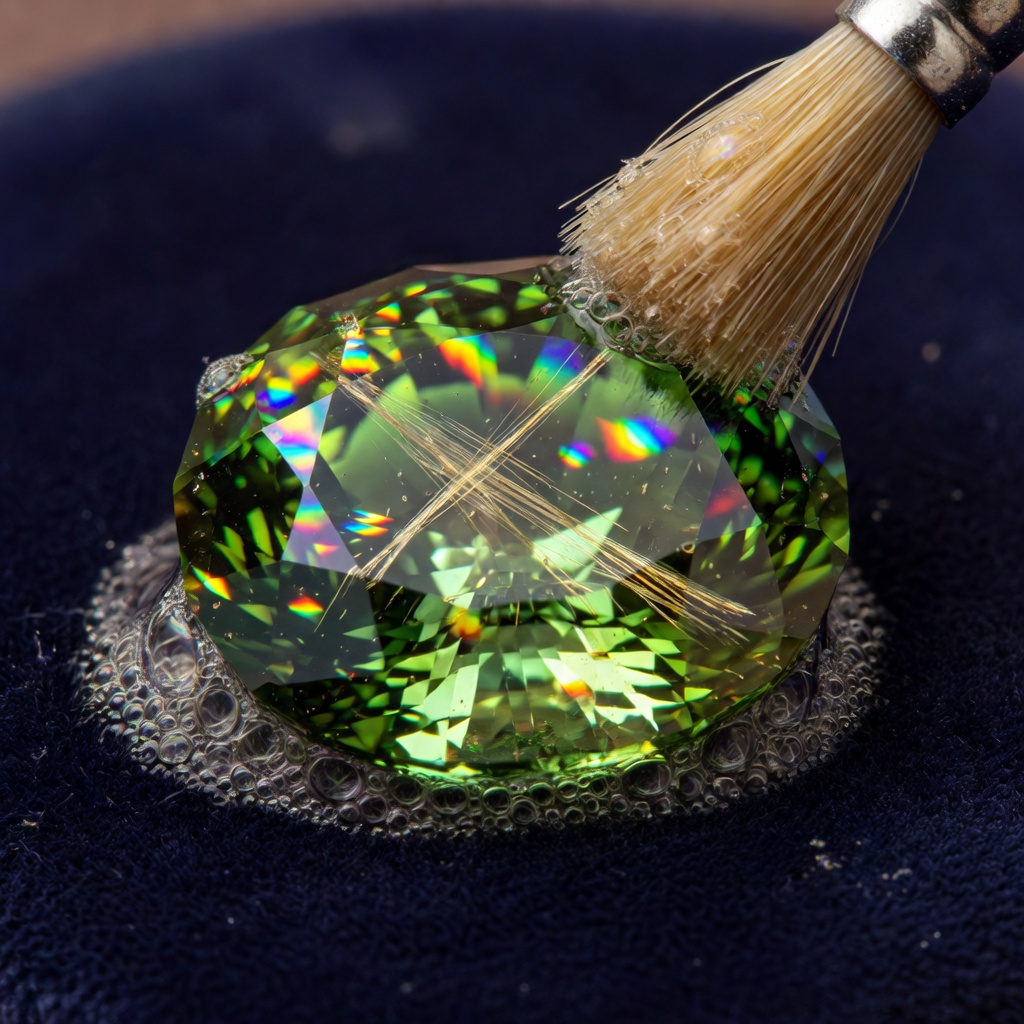
After soaking, use a soft-bristled baby toothbrush to gently cleanse the demantoid's surface and the setting's underside where dirt commonly accumulates. Apply minimal pressure, working in gentle circular motions rather than aggressive scrubbing, particularly when brushing near areas where horsetail inclusions reach the surface. The ultra-soft bristles effectively remove buildup without scratching the garnet or catching on prongs, while the small brush head allows precise cleaning around complex settings. Never use toothpicks, metal picks, or abrasive cleaning tools that could gouge the stone or pry at prongs.
Drying requires equal care to prevent water spots and residue buildup that can attract future dirt. Pat the jewelry dry using a lint-free microfiber cloth rather than rubbing, which could potentially rotate a loose stone or apply torsional stress to the setting. Allow the piece to air dry completely on the cloth for several hours before storing or wearing to ensure no moisture remains trapped beneath the stone, where it could eventually cause setting corrosion or mildew. For safe cleaning methods between deep cleans, simply wiping the stone with a slightly damp microfiber cloth after wear removes skin oils and prevents buildup. If considering commercial jewelry cleaners, verify they are specifically ammonia-free and formulated for delicate gemstones, though warm soapy water remains the gold standard for green garnet cleaning at home.
Professional Cleaning vs. DIY Care
While regular home maintenance forms the foundation of gem preservation, understanding when to seek professional demantoid cleaning versus handling care yourself protects your investment from well-intentioned but potentially damaging treatments. Many jewelry stores offer complimentary cleaning services using steam or ultrasonic equipment, but avoiding ultrasonic cleaners becomes absolutely critical for demantoid owners. The intense high-frequency vibrations generated by ultrasonic machines create sympathetic resonances within the stone that can shatter delicate horsetail inclusions or propagate existing microfractures into visible cracks, potentially destroying the gem's value and appearance in seconds.
Steam cleaning presents similarly significant risks despite its prevalence in professional jewelry maintenance. The rapid temperature change from pressurized steam hitting the relatively cool stone creates thermal gradients that stress the byssolite fibers and surrounding garnet matrix differently, potentially causing internal cleaving or surface reaching fractures. When visiting a jeweler, explicitly state that your piece contains a demantoid garnet and request room-temperature cleaning methods only, such as gentle brushing with professional-grade soap solutions or hand polishing with specialized compounds. Reputable jewelers experienced with colored gemstones will appreciate your knowledge and accommodate these restrictions.
Schedule professional inspections every six to twelve months depending on wear frequency, with more frequent checks for rings worn daily. During these visits, request that the jeweler examine the setting integrity, check for loose stones, and professionally polish the metal without subjecting the gem to heat or vibration. Professional cleaning should focus on the mounting and prongs while protecting the stone itself, whereas your at-home routine handles surface cleanliness. If your demantoid requires repolishing due to surface scratches or abrasion, insist on referral to a master gem cutter specifically experienced with demantoids, as standard polishing wheels and compounds designed for harder stones can remove excessive material or generate dangerous heat at the contact points.
Proper Storage Solutions
Proper demantoid storage tips prevent the accidental damage that often occurs when jewelry pieces contact each other in drawers or boxes. Unlike diamonds, which can scratch virtually any other material, or sapphires that withstand casual contact, demantoids require isolation from harder gemstones to prevent edge chipping and facet abrasion. Invest in a jewelry box featuring individual, fabric-lined compartments or soft cloth pouches specifically designated for your demantoid pieces, ensuring that rings, earrings, and pendants never touch other items during storage. This separation prevents the harder stones in your collection from grinding against the demantoid's surface or applying pressure to inclusion zones that could cause internal fracturing.
Environmental stability plays a crucial role in long-term gemstone storage preservation. Extreme humidity fluctuations can cause metal settings to expand and contract, potentially loosening prongs over time, while excessively dry conditions may dehydrate certain treatments applied to enhance the stone's color. Store demantoid jewelry in areas with stable room temperature and moderate humidity levels, avoiding bathroom storage where shower steam creates cyclical moisture exposure, or attic spaces subject to temperature extremes. Silica gel packets placed in storage containers can help regulate moisture, but ensure they do not directly contact the jewelry to prevent chemical interactions.
Direct sunlight exposure, particularly prolonged exposure to UV radiation through windows, may affect certain clarity enhancements or oil treatments sometimes applied to demantoids to improve apparent clarity. While untreated demantoids are generally stable under normal lighting conditions, stones that have undergone fracture filling or oiling treatments can experience degradation or color shifting when left in bright sunlight for extended periods. Store your demantoid pieces in opaque boxes or drawers rather than glass display cases that receive direct sun, and never leave them on car dashboards or windowsills where greenhouse effects create dangerous temperature spikes alongside light exposure. When traveling, utilize padded jewelry rolls with individual snap closures that keep each piece secure yet separated, preventing the tangles and impacts that occur when multiple items share a single pouch.
Protecting Characteristic Horsetail Inclusions
The mesmerizing horsetail inclusions that distinguish fine demantoids from other green garnets require specific protective measures beyond standard gem care. These inclusion patterns, composed of radiating byssolite fibers or chrysotile asbestos crystals, represent both the stone's identifying characteristic and its primary structural vulnerability. Horsetail inclusion care begins with understanding that these fibrous mineral inclusions create natural planes of weakness within the crystalline structure, essentially creating internal fault lines that can propagate cracks under stress. When examining your demantoid's demantoid garnet properties, note the location and density of these inclusions, as heavily included areas demand extra caution during wear and cleaning.
Avoid applying direct pressure to zones where horsetail inclusions reach the surface of the stone, as these areas represent entry points for fractures. When handling loose demantoids or examining unset stones, grip the girdle—the narrow rim between the crown and pavilion—rather than pressing on the table or facets where inclusions terminate. For mounted stones, be aware that prongs placed directly over heavy inclusion zones can concentrate stress at those points, so request that jewelers position prongs between radiating fibers when possible during setting or repair work. Never use sharp tools to clean around inclusions, as probing these areas can lever open microscopic gaps into visible cracks.
Learn to distinguish between stable, internal horsetails that enhance value versus surface-reaching inclusions that compromise durability. Internal inclusions that do not break the surface generally pose minimal risk during normal wear, while those that reach the table or girdle edges create pathways for moisture, dirt, and chemical penetration that can destabilize the stone. If you observe new surface-reaching inclusions or changes in existing ones, such as darkening or apparent widening, consult a gemologist immediately, as these may indicate structural compromise. Conversely, appreciate that these inclusions serve as positive identification markers for natural versus synthetic stones, and their presence in classic radiating patterns significantly increases collector value, provided they remain stable and do not threaten the stone's physical integrity through careless handling.
Chemical Hazards and Environmental Factors
Effective green garnet cleaning protocols must account for the chemical vulnerabilities that affect both the stone and its metal mounting. Chlorine and bleach represent particularly insidious threats to demantoid jewelry; these chemicals attack the alloys used in gold settings, causing porosity and weakening prongs that secure the stone. When swimming in chlorinated pools or using bleach-based cleaning products, always remove demantoid rings, as prolonged exposure can cause setting failure that leads to stone loss, while the chemicals themselves may etch the garnet's surface or interact with internal inclusions to cause discoloration or structural changes.
Personal care products create cumulative damage that requires diligent removal protocols. Cosmetics, hairsprays, lotions, and perfumes often contain alcohols, silicones, and propellants that leave sticky residues on gemstones, attracting dust and reducing brilliance while potentially reacting chemically with surface treatments. Adopt the "last on, first off" rule: put demantoid jewelry on after applying makeup, perfume, and hair products, allowing these substances to dry completely first, and remove jewelry immediately upon returning home to prevent extended chemical exposure. When cleaning residues from these products, use the mild soapy water method rather than alcohol-based jewelry wipes, which can dry out certain fracture fillings or oil treatments.
Household cleaners, including ammonia-based window sprays, abrasive scrubbing powders, and drain cleaners, pose immediate threats that require emergency protocols. If accidental exposure occurs, immediately rinse the jewelry under lukewarm running water for several minutes to dilute and remove the chemical, followed by gentle cleaning with mild soap to eliminate any remaining residue. Never allow cleaning chemicals to dry on the stone, as crystallization can occur within surface-reaching inclusions, potentially expanding and causing internal pressure cracks. For chemical safety, consider wearing nitrile gloves when handling cleaning chemicals even if removing your ring, as trace chemicals transferred from gloves to skin can later contact the stone when you put the ring back on.
Travel Care and Transportation
Transporting these valuable gems requires specialized demantoid garnet care strategies that protect against the unique hazards of travel. Invest in high-quality padded jewelry cases featuring rigid outer shells and plush, individual compartments that prevent movement during transit. Unlike soft pouches suitable for home storage, travel cases should provide impact resistance against luggage handling while maintaining separation between pieces. For extended trips, consider cases with built-in humidity control or include small packets of conditioned leather that help maintain stable moisture levels around the jewelry, preventing the prong-loosening expansion and contraction caused by airplane cabin pressure changes and varying climates.
Always carry high-value demantoid pieces in your carry-on luggage rather than checked bags, maintaining physical control over your jewelry throughout your journey. Airport security screening poses minimal risk to demantoids, as X-ray equipment does not damage gemstones, though you may request hand inspection if concerned about the conveyor belt mechanisms. However, never place jewelry loose in plastic bins where it could slide against metal or fall through gaps; instead, keep pieces in their travel case until reaching the other side of screening. During flights, store the jewelry case in your personal item rather than overhead compartments, where shifting luggage could crush delicate items, and maintain climate control by keeping the case away from air conditioning vents that create rapid temperature drops.
Temperature management during travel extends beyond the airplane to your destination. Never leave demantoid jewelry in parked vehicles, where greenhouse effects can create temperatures exceeding 150°F in direct sunlight, nor in freezing cargo areas of rental boats or winter sports equipment. Hotel room safes provide secure storage, but ensure jewelry is placed in its protective case within the safe to prevent scratching against the metal interior. When traveling with jewelry, photograph each piece before departure and consider obtaining specialized jewelry insurance that covers international travel, as standard homeowner's policies often limit coverage for high-value gems outside the home country. If wearing demantoid rings while traveling, resize them temporarily with plastic ring guards rather than having them permanently resized at destination jewelers who may not understand demantoid-specific setting requirements.
When to Seek Professional Help
Recognizing the warning signs that require professional intervention separates careful collectors from those who suffer preventable stone loss. Demantoid garnet maintenance includes understanding that certain symptoms indicate immediate need for professional gem care beyond routine cleaning. If you observe your stone shifting slightly in its setting, hear rattling sounds when gently shaking the piece near your ear, or notice prongs that no longer snugly contact the stone's girdle, discontinue wearing the item immediately. These signs indicate imminent stone loss, and continuing to wear the piece risks losing the demantoid entirely, potentially costing thousands of dollars to replace a high-quality specimen with characteristic horsetail inclusions.
Visual changes in the stone itself require expert evaluation to distinguish between surface contamination and internal damage. Cloudiness or haziness that does not resolve with thorough cleaning may indicate internal fracturing, inclusion expansion, or degradation of clarity enhancements rather than simple surface dirt. Similarly, the appearance of new surface-reaching feathers, changes in the appearance of existing horsetail inclusions, or the development of a "sleepy" luster suggests structural compromise requiring immediate attention. Document these changes with high-resolution photographs under consistent lighting to help gemologists track progression and determine whether the stone requires stabilization, repolishing, or simply cleaning in areas you cannot safely access.
Surface scratches and abrasions on demantoids require specialized repolishing by master lapidaries familiar with the species' unique properties, as standard jewelry polishing equipment generates heat and vibration that can destroy these stones. Never attempt DIY polishing with jeweler's rouge or consumer-grade polishing cloths, which can round facet edges and reduce the stone's value significantly. When seeking repolishing services, verify that the cutter has specific experience with andalusite or demantoid garnets, as these require different angles and polishing compounds than harder corundum or beryl specimens. Additionally, if your demantoid is an antique piece or features a historic cut, consult a conservation specialist before allowing any repolishing, as original cutting styles contribute significantly to collector value and should be preserved rather than modernized.
Frequently Asked Questions
Can I use an ultrasonic cleaner on my demantoid garnet?
No, ultrasonic cleaners are strictly prohibited for demantoid garnets. The vibrations can cause severe damage to the delicate horsetail inclusions (byssolite fibers) that give demantoids their distinctive appearance, potentially leading to fractures or complete stone breakage.
How often should I clean my demantoid garnet ring?
Clean your demantoid garnet every 2-4 weeks with mild soapy water and a soft brush if worn regularly. However, inspect the setting weekly for loose prongs, as demantoids are more brittle than other garnets and require more frequent maintenance checks.
Is demantoid garnet durable enough for everyday wear?
While demantoid garnets rank 6.5-7.5 on the Mohs scale, their unique horsetail inclusions make them more brittle than other garnets. They can be worn daily but require extra caution—remove them during physical activities, heavy lifting, or exposure to harsh chemicals.
What makes demantoid garnet care different from other green garnets?
Unlike tsavorite or other green garnets, demantoids contain distinctive horsetail inclusions that create structural weak points. These require gentler handling, prohibition of ultrasonic cleaning, and careful storage away from harder gems that might pressure these inclusion zones.
Can demantoid garnets withstand heat during professional cleaning?
Steam cleaning poses significant risks to demantoid garnets. The rapid temperature change can stress the internal inclusions and cause thermal shock. Always inform jewelers that you have a demantoid, as they should use only gentle, room-temperature cleaning methods.
How do I safely clean around the horsetail inclusions?
Use a very soft baby toothbrush with warm, mild soapy water, applying minimal pressure. Brush gently across the surface rather than digging into crevices where inclusions reach the surface. Pat dry with a lint-free cloth rather than rubbing to avoid stressing inclusion areas.
Should I remove my demantoid ring before showering or swimming?
Yes, always remove demantoid jewelry before showering or swimming. Chlorine, salt water, and soaps can build up in settings and damage both the stone and metal. Additionally, cold water can cause fingers to shrink, increasing the risk of losing your ring.
What storage method prevents damage to demantoid garnets?
Store demantoids individually in soft cloth pouches or padded jewelry boxes with separate compartments. Never toss them into a jewelry box with harder stones like diamonds or sapphires, as contact can chip the demantoid's edges or stress the horsetail inclusions.