
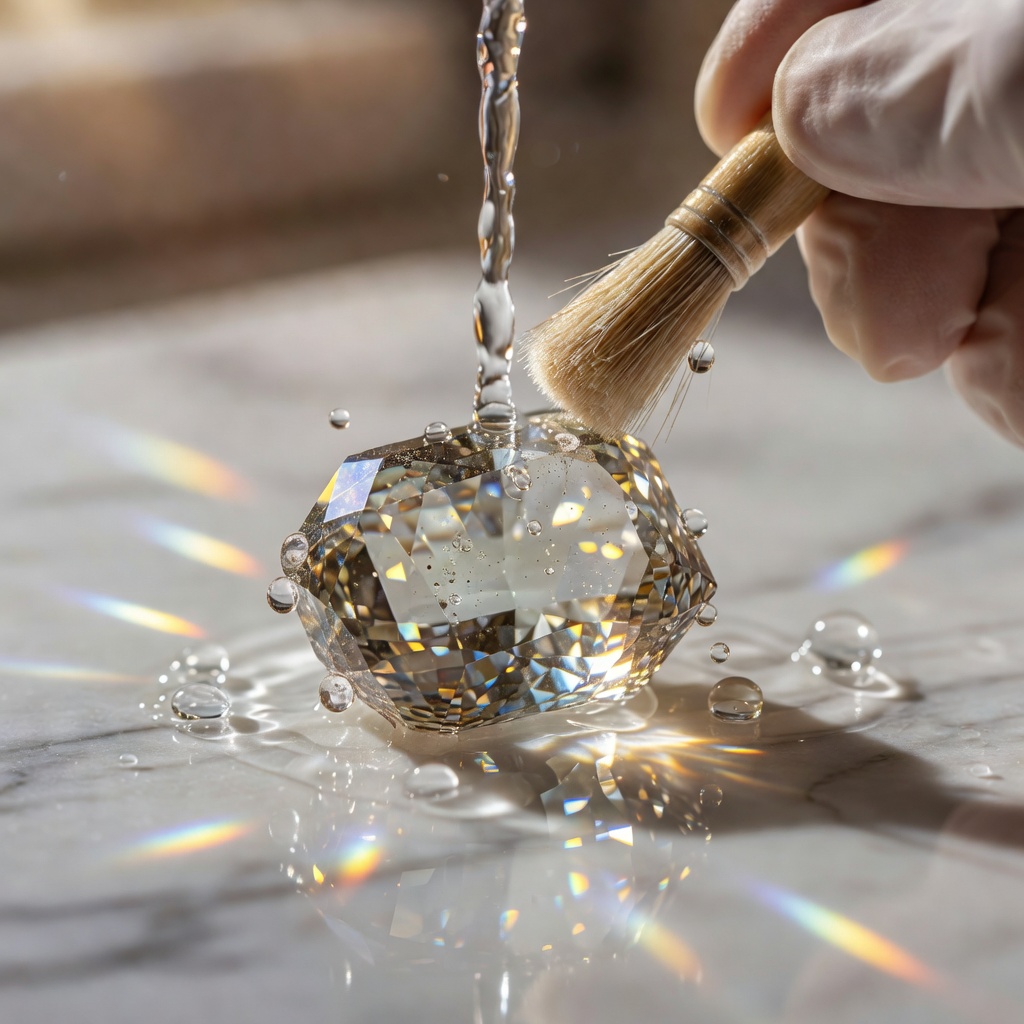
Complete Guide to Danburite Care and Cleaning: Preserving Your Crystal's Natural Beauty
Danburite has emerged as a beloved choice among crystal enthusiasts and jewelry collectors who appreciate its exceptional clarity, diamond-like brilliance, and soothing energy properties. Whether you own a faceted danburite ring, a raw crystal specimen, or a delicate pendant, understanding proper maintenance protocols ensures your gemstone retains its optical properties and structural integrity for generations. This comprehensive guide to Danburite Care and Cleaning provides actionable strategies for daily maintenance, deep cleaning procedures, and long-term preservation techniques that protect your investment while maintaining the stone's ethereal glow.
Understanding Danburite's Physical Properties
Before implementing any maintenance routine, gemologists emphasize the importance of understanding danburite's unique physical characteristics that distinguish it from other popular gemstones. Unlike quartz or topaz, danburite possesses specific structural vulnerabilities that require tailored handling approaches to prevent accidental damage during routine wear or cleaning sessions.
Mohs Hardness and Daily Wear Considerations
Danburite registers between 7 and 7.5 on the Mohs hardness scale, positioning it alongside gems like tourmaline and emerald in terms of scratch resistance. This Danburite hardness and durability rating indicates the stone resists minor scratching from everyday dust and debris, making it suitable for occasional jewelry wear. However, this moderate hardness means harder materials like diamonds, rubies, and sapphires can easily scratch danburite surfaces if stored together or subjected to contact during activities.
Jewelry designers recommend reserving danburite rings for special occasions rather than daily wear, as the exposed table facet on ring settings accumulates micro-abrasions from routine contact with hard surfaces. For daily adornment, consider danburite earrings or pendants that experience less physical impact, preserving the stone's pristine polish for longer periods. When wearing danburite jewelry, remove pieces before engaging in household chores, exercise, or manual labor that might expose the gem to sharp impacts or abrasive materials.
Perfect Cleavage and Structural Vulnerabilities
One critical yet often overlooked characteristic of danburite is its perfect cleavage in one direction, meaning the crystal can split cleanly along specific atomic planes when subjected to sharp blows or pressure. This structural feature makes danburite susceptible to chipping or cleaving if dropped onto hard surfaces or struck against furniture edges. Collectors of raw danburite crystals should handle specimens with particular care, supporting the stone along its entire length rather than grasping single points that might focus stress on cleavage planes.
Thermal Shock Sensitivity
Danburite exhibits notable sensitivity to thermal shock, experiencing internal stress when exposed to rapid temperature fluctuations. Moving a danburite ring from a hot car interior directly into air-conditioned comfort, or rinsing a cold stone with hot water, creates microscopic fractures that compromise clarity and structural stability. This thermal vulnerability necessitates gradual temperature acclimation before cleaning or wearing danburite in varying environmental conditions.
Essential Tools and Supplies for Safe Cleaning
Successful Danburite crystal maintenance begins with assembling the proper toolkit designed specifically for delicate gemstones with cleavage tendencies. Using inappropriate materials can transform a simple cleaning session into an irreversible damaging event, etching surfaces or lodging abrasive particles in setting crevices.
Recommended Cleaning Implements
Invest in a dedicated soft-bristled brush specifically designed for jewelry cleaning, preferably one with natural bristles or ultra-soft synthetic fibers that flex without scratching. A makeup brush with goat hair or a specialized gemstone cleaning brush works excellently for dislodging particles from facet junctions. Supplement this with high-quality lint-free microfiber cloths reserved exclusively for gemstone use, avoiding paper towels or tissues that contain wood fibers capable of scratching danburite's surface.
Prepare a cleaning solution using mild pH-neutral liquid soap, such as unscented castile soap or specialized jewelry cleaning solution formulated for delicate gems. Distilled lukewarm water serves as the safest rinsing medium, as tap water may contain minerals that leave spots or deposits on the stone's surface. Keep a small bowl of distilled water specifically for your danburite cleaning routines to ensure consistent results.
Materials to Avoid Completely
Steer clear of abrasive scrubbing pads, steel wool, or toothbrush bristles labeled as "medium" or "firm," as these will create microscopic scratches that dull danburite's vitreous luster. Never use household chemical cleaners, ammonia-based solutions, bleach, or abrasive pastes marketed for general cleaning purposes. These substances can etch the surface, degrade any fillers or treatments applied to the stone, and compromise the metal settings holding your danburite in place.
Step-by-Step Daily Cleaning Routine
Implementing a consistent daily care protocol prevents the accumulation of body oils, perspiration, and environmental pollutants that diminish danburite's brilliance. This Daily danburite care and cleaning routine requires less than five minutes but significantly extends the time between necessary deep cleaning sessions.
Gentle Surface Wiping Techniques
After each wearing session, gently wipe your danburite jewelry with a clean microfiber cloth to remove fingerprints, skin oils, and cosmetic residues. Use straight, linear strokes rather than circular motions to avoid redistributing oils across the surface. Pay particular attention to the area behind the stone where body oils accumulate most heavily, as this buildup can create a cloudy appearance that masks the gem's transparency.
Proper Rinsing and Drying Protocols
When daily grime requires more than dry wiping, hold your danburite piece under lukewarm running distilled water for thirty seconds, allowing the stream to wash away loose particles. Avoid using hot water, as the temperature differential between the stone and water can induce thermal shock. For drying, first shake the piece gently to remove excess water, then pat—don't rub—with a fresh microfiber cloth. Allow the jewelry to air-dry completely on a soft towel for twenty minutes before storing, ensuring no moisture remains trapped in setting crevices that could tarnish metal or encourage bacterial growth.
Deep Cleaning Methods for Stubborn Residue
When daily maintenance proves insufficient for removing accumulated lotions, hairspray residue, or embedded debris, a more thorough approach becomes necessary. Understanding How to clean danburite properly during these deep cleaning sessions prevents the common mistakes that lead to permanent damage.
Safe Soaking Procedures
Prepare a soaking solution by mixing three drops of pH-neutral soap into one cup of lukewarm distilled water. Submerge your danburite jewelry completely, ensuring the solution reaches behind the stone and into setting crevices. Allow the piece to soak for ten to fifteen minutes—never exceed twenty minutes, as prolonged exposure to moisture can loosen certain types of jewelry adhesives or affect specific metal treatments.
Following the soak, use your soft-bristled brush to gently agitate the solution around the stone's edges and beneath the gallery. Work in gentle back-and-forth motions rather than circular scrubbing to avoid creating scratch patterns. For intricate vintage settings with detailed filigree, use a wooden toothpick wrapped in microfiber cloth to reach narrow spaces where dirt accumulates.
Why Ultrasonic and Steam Cleaning Are Prohibited
Despite their popularity for other gemstones, ultrasonic cleaners pose significant risks for danburite due to the stone's perfect cleavage. The high-frequency vibrations can cause the crystal to fracture along its cleavage planes, potentially splitting the stone entirely or creating internal fractures visible as feathers under magnification. Similarly, steam cleaning subjects danburite to extreme thermal shock as superheated steam contacts the relatively cool stone, creating stress fractures that compromise both beauty and value.
Proper Storage Solutions to Prevent Damage
Proper storage constitutes fifty percent of effective gemstone preservation, protecting danburite during the eighty percent of time it spends unworn. Implementing strategic Danburite storage tips prevents the majority of accidental damage that occurs through careless placement or improper environmental conditions.
Individual Compartment Strategies
Store each danburite piece separately in soft cloth pouches made from unbleached cotton or anti-tarnish fabric. Alternatively, utilize a jewelry box with individual padded compartments that prevent contact between pieces. Never toss danburite into a communal jewelry dish where it can bang against harder gemstones or metal settings. For raw crystal specimens, wrap each piece in acid-free tissue paper before placing in compartmentalized mineral boxes.
Separation from Harder Gemstones
Implement a strict segregation policy separating danburite from diamonds (10 Mohs), rubies and sapphires (9 Mohs), and even quartz (7 Mohs, but often with sharp edges). Store danburite in a designated "soft stone" section of your jewelry collection, alongside pearls, opals, and turquoise. If limited storage space necessitates shared compartments, place a soft cloth barrier between danburite and other pieces, ensuring no hard edges contact the danburite's surface.
Environmental Control Considerations
Position your danburite storage away from direct sunlight, which can fade certain treated varieties and cause excessive heat buildup in enclosed jewelry boxes. Avoid storing danburite near heating vents, windowsills, or in bathroom environments where humidity fluctuations occur. Ideal storage maintains stable room temperature between 65-75 degrees Fahrenheit with moderate humidity levels around 45-55 percent.
Chemicals and Environmental Hazards to Avoid
Danburite chemical safety requires vigilance regarding both obvious hazards like cleaning agents and subtler threats from personal care products encountered throughout daily routines. Understanding these risks enables proactive protection strategies that preserve optical clarity.
Household Chemical Threats
Common household cleaners containing bleach, ammonia, or hydrochloric acid can etch danburite surfaces upon contact, creating microscopic pitting that scatters light and reduces brilliance. When cleaning your home, remove danburite jewelry completely rather than attempting to protect it with gloves, as chemical vapors alone can cause surface degradation over time. Even "natural" cleaners containing vinegar or lemon juice pose acidity risks that compromise the stone's polish.
Personal Care Product Precautions
Apply perfumes, hairsprays, lotions, and cosmetics before donning danburite jewelry, allowing these products to dry completely before contact. These substances contain alcohols, solvents, and oils that create films on danburite surfaces, requiring aggressive cleaning that risks mechanical damage. For danburite rings worn during handwashing, choose mild, unscented soaps without moisturizers that leave silicone residues on stone surfaces.
Water-Related Risks
Chlorinated pool water and saltwater oceans present dual threats: chemical interaction with the stone and potential for thermal shock when moving between air and water temperatures. Always remove danburite jewelry before swimming, showering, or bathing. Hot tubs present particular dangers due to combined heat, chemicals, and the risk of impact against hard surfaces.
Cleaning Danburite Jewelry with Settings
Mounted danburite requires specialized approaches that address both the gemstone and its supporting metal architecture. Cleaning danburite jewelry with settings demands awareness of how different mounting styles trap debris and create unique vulnerability points.
Setting-Specific Considerations
Prong settings allow access for cleaning beneath the stone but require checking for bent or loose prongs that might snag during brushing. Bezel settings, while offering superior protection, create pockets where soap and debris accumulate; clean these by directing water flow horizontally across the bezel rather than forcing liquid underneath the stone. Channel settings with multiple small danburites require extra care to avoid dislodging stones when cleaning between bars.
Pre and Post-Cleaning Inspections
Before cleaning, examine the piece under bright light or magnification to identify loose stones, cracked prongs, or compromised settings. Cleaning a loose stone can wash it completely out of its mounting. After cleaning, perform a gentle "shake test" near a soft surface, listening for rattling that indicates loosened settings. If you detect movement, immediately cease wearing the piece and consult a jeweler.
Metal-Specific Care Integration
When cleaning danburite mounted in sterling silver, work quickly to minimize tarnish transfer from the metal to the stone. For gold settings, ensure thorough drying to prevent water spots that affect both metal luster and stone clarity. Platinum settings allow slightly more vigorous cleaning due to the metal's durability, but maintain the same gentleness regarding the danburite itself.
When to Seek Professional Cleaning Services
While home maintenance handles routine care, certain situations demand the expertise of professional gemologists or jewelry conservators. Recognizing when Professional danburite cleaning becomes necessary protects against well-intentioned but damaging DIY attempts.
Indicators Requiring Expert Intervention
Seek professional assessment if you notice visible chips, cleavage lines extending across the table facet, or significant cloudiness that persists after proper home cleaning. A jeweler can determine whether cloudiness results from surface damage requiring repolishing or internal fractures affecting value. If the stone appears to have shifted in its setting or if prongs show wear, professional tightening prevents catastrophic loss.
Professional Restoration Techniques
Gem cutters possess specialized equipment to repolish scratched danburite surfaces without compromising carat weight excessively. They utilize gentle tumbling media or precision lapidary equipment unavailable to consumers. Professional jewelers also have access to steam-free ultrasonic alternatives and laser cleaning technologies that remove stubborn residues without mechanical stress.
Maintenance Scheduling Recommendations
Schedule professional inspections annually for danburite jewelry worn regularly, or bi-annually for occasional pieces. During these assessments, jewelers check mount integrity, professionally clean areas inaccessible at home, and can apply protective coatings if appropriate. For investment-grade danburite specimens or antique pieces, consider professional cleaning every six months to preserve provenance and value documentation.
Troubleshooting Common Care Issues
Even with meticulous care, danburite occasionally develops issues requiring targeted solutions. This Danburite restoration section addresses the most common problems collectors encounter.
Addressing Cloudiness and Transparency Loss
Cloudiness typically results from accumulated residue rather than permanent damage. Create a solution of distilled water and a single drop of mild dish soap, then use a soft brush to clean the pavilion (bottom) of the stone where oils accumulate most heavily. If cloudiness persists, it may indicate microscopic surface etching from chemical exposure, requiring professional repolishing to restore full transparency.
Removing Adhesive Residues
Price tags or display tape often leave sticky residues on raw danburite crystals. Apply a small amount of pure acetone to a microfiber cloth (never directly to the stone) and gently dab the affected area. Follow immediately with soap and water washing to remove acetone residue. For particularly stubborn adhesive, professional jewelers use specialized solvents that don't compromise the stone's surface integrity.
Managing Minor Surface Scratches
Light surface scratches visible under magnification can sometimes be minimized using a jeweler's rouge cloth, working in the direction of the scratch rather than against it. However, deep scratches require professional repolishing. Never attempt to buff danburite with automotive compounds or household metal polishes, as these contain abrasives far too aggressive for gemstone surfaces.
Long-Term Maintenance Calendar
Establishing a structured Danburite gemstone care schedule ensures consistent protection without becoming burdensome. This systematic approach divides maintenance tasks across different timeframes for manageable implementation.
Weekly Inspection Protocols
Every Sunday, perform a five-minute examination of your danburite pieces using a jeweler's loupe or strong reading light. Check for loose prongs, new scratches, or cloudiness developing in the stone. Wipe each piece with a microfiber cloth and examine settings by gently tapping the piece near your ear, listening for clicking sounds that indicate movement.
Monthly Deep Cleaning Schedule
On the first Saturday of each month, implement the deep soaking procedure described previously for all danburite jewelry worn during the previous month. This prevents buildup of invisible films that gradually dull the stone's appearance. Document any changes in clarity or setting integrity in a jewelry journal to track deterioration patterns over time.
Seasonal Professional Assessments
With each change of season—particularly before summer vacations and winter holidays—schedule professional inspections for frequently worn pieces. Summer activities expose jewelry to chlorine, saltwater, and sunscreen, while winter brings exposure to wool fibers and dry air that affect metal settings. Professional cleaning before storing seasonal jewelry ensures residues don't etch surfaces during storage months.
Frequently Asked Questions About Danburite Care and Cleaning
Can I use an ultrasonic cleaner for danburite care and cleaning?
No, ultrasonic cleaners are not recommended for danburite. Despite its 7-7.5 Mohs hardness, danburite has perfect cleavage meaning it can fracture along specific planes when subjected to ultrasonic vibrations. Stick to gentle hand-washing with mild soap and lukewarm water instead.
How often should I clean my danburite jewelry?
For danburite jewelry worn regularly, perform a gentle cleaning weekly to remove body oils and dirt. A deeper cleaning with mild soap solution should be done monthly, or immediately after exposure to chemicals, makeup, or perspiration.
Is it safe to clean danburite with vinegar or baking soda?
No, avoid using vinegar, baking soda, or other acidic/alkaline household cleaners on danburite. These substances can etch the surface and damage the crystal's luster. Always use pH-neutral mild soap and lukewarm water for safe danburite care and cleaning.
Can I wear danburite while swimming or showering?
It's best to remove danburite jewelry before swimming or showering. Chlorine in pools, salt in ocean water, and harsh soaps can damage the stone's surface over time. Additionally, sudden temperature changes from hot showers can cause thermal shock.
What is the best way to store danburite when not wearing it?
Store danburite separately in a soft cloth pouch or lined jewelry box compartment. Keep it away from harder gemstones like diamonds (10 Mohs) or rubies (9 Mohs) that could scratch its surface. Store in a cool, dry place away from direct sunlight.
My danburite looks cloudy. How can I restore its clarity?
Cloudiness usually results from soap residue or accumulated oils. Soak the stone in lukewarm distilled water for 10 minutes, then gently scrub with a soft toothbrush using mild soap. Rinse thoroughly with distilled water and dry immediately with a lint-free cloth.
Can danburite withstand heat during cleaning?
No, danburite is sensitive to thermal shock. Never use hot water, steam cleaners, or expose the stone to sudden temperature changes. Always use lukewarm water (room temperature to slightly warm) for cleaning to prevent cracking or fracturing.
Is danburite durable enough for everyday wear in rings?
With a hardness of 7-7.5, danburite is moderately durable but requires care. While suitable for occasional wear in rings, it's better suited for pendants or earrings for daily use. If worn daily in rings, remove during activities involving impact, chemicals, or heavy lifting.


