What Is Color Change Garnet? An Introduction to This Rare Phenomenon
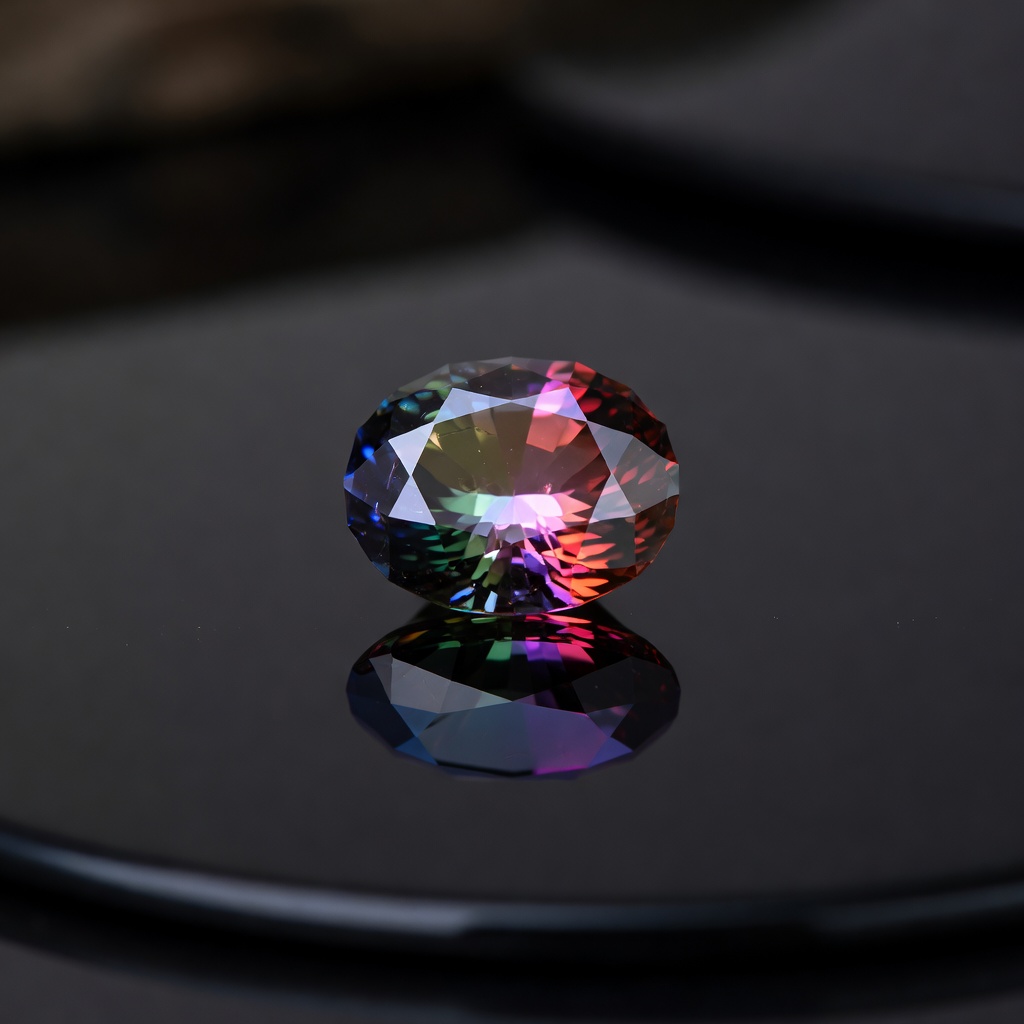
Color change garnet represents one of the most captivating and scientifically fascinating varieties within the garnet family, specifically belonging to the pyrope-spessartine solid solution series. Unlike their statically colored cousins, these extraordinary gemstones possess the remarkable ability to transform their appearance before your eyes, shifting between distinct color hues depending on the lighting environment. This optical phenomenon, often described as an alexandrite effect garnet display, occurs when the stone moves from daylight conditions to incandescent lighting, creating a magical transformation that has captivated gem collectors and jewelry enthusiasts since its discovery. Despite growing awareness in the gemological community, color change garnet remains extraordinarily scarce, representing less than one percent of total garnet production worldwide, which explains why fine specimens command significant premiums in the marketplace.
The historical discovery of these chameleon-like gems traces back to the late 20th century when miners in Madagascar and Tanzania began noticing unusual garnet crystals that seemed to change color when carried from outdoor sunlight into candlelit tents. Early gemologists initially dismissed these reports as exaggerations or lighting tricks until laboratory analysis confirmed the genuine photochromic properties of these rare garnet varieties. Today, understanding Color Change Garnet Properties and Information has become essential for serious gem collectors, as these stones offer the rare combination of alexandrite-like visual drama at a fraction of the cost, while maintaining the durability and brilliance characteristic of the garnet family.
Chemical Composition and Crystal Structure Analysis
The mesmerizing optical behavior of color change garnets stems from their unique chemical composition within the pyrope-spessartine garnet series, represented by the formula (Mg,Fe,Mn)₃Al₂Si₃O₁₂. This solid solution series allows for variable ratios between magnesium-rich pyrope components and manganese-rich spessartine components, creating a chemical playground where trace elements can work their optical magic. The specific balance between these primary constituents determines not only the base color of the stone but also its capacity for displaying dramatic color shifts under different lighting conditions.
What truly distinguishes these gems from ordinary garnets is the presence of specific trace elements, particularly vanadium (V³⁺) and chromium (Cr³⁺), which typically occur in concentrations between 0.5% and 2% of the total chemical makeup. Vanadium serves as the primary chromophore responsible for the blue-green transmission in daylight, while chromium contributes to the red-purple absorption bands that become visible under incandescent lighting. When both elements occur in the proper ratios within the crystal lattice, they create competing absorption bands in the yellow-orange region of the spectrum, resulting in the striking color change phenomenon that makes these gemstones so desirable.
Crystallographically, color change garnets belong to the isometric crystal system, meaning they possess identical optical properties in all directions and exhibit single refraction. This isotropic behavior differs significantly from the biaxial optical character of alexandrite, though both stones display similar color change effects. The cubic crystal structure allows light to travel through the stone with minimal interference, maximizing brilliance and fire while maintaining the integrity of the color shift phenomenon. Gem cutters must work with these isometric properties carefully, as the crystal orientation significantly influences how dramatically the color change appears when the stone faces upward in jewelry settings.
The Science Behind the Color Change Mechanism
The gemstone color change phenomenon observed in these rare pyrope-spessartine specimens represents a sophisticated interplay between physics, chemistry, and human perception known as photochromism. Within the atomic structure, vanadium and chromium ions create specific absorption bands in the visible spectrum, particularly concentrated around 570-590 nanometers in the yellow-orange region. When white light enters the crystal, these elements selectively absorb certain wavelengths while transmitting others, but the crucial factor lies in how different light sources distribute their energy across the visible spectrum between 400-700 nanometers.
Daylight, which typically registers around 5500K on the color temperature scale, contains abundant blue and green wavelengths that the garnet's crystal structure transmits efficiently, resulting in the appearance of teal-blue or greenish-blue colors to the observer. Conversely, incandescent lighting operates at approximately 3000K and emits primarily red and orange wavelengths; under this illumination, the vanadium-chromium absorption bands block the transmitted blue-green light while allowing the red-purple spectrum to pass through, creating the dramatic shift that defines these stones. This differential transmission creates the illusion that the stone has changed color, when in reality, it remains the same crystal simply revealing different aspects of its absorption spectrum based on available light energy.
Comparing this mechanism to alexandrite's color change reveals fascinating convergent evolution in gemology, where different mineral species arrive at similar optical effects through different chemical pathways. While alexandrite achieves its shift through chromium alone within a beryllium aluminum silicate structure, the pyrope-spessartine garnet utilizes a vanadium-chromium partnership within an aluminum silicate framework. Both result in blue to purple garnet appearances under changing light, though garnets typically show more pronounced blue-green to red-purple shifts compared to alexandrite's classic emerald-green to raspberry-red transition. Understanding these subtle differences helps gemologists and collectors appreciate the unique character of each blue to purple garnet specimen they encounter.
Diagnostic Color Variations and Visual Characteristics
When evaluating color change garnets, gemologists recognize several distinct diagnostic color variations that help classify quality and determine value within this rare category. The most common and commercially desirable shift occurs between teal-blue or greenish-blue in daylight and purple, red, or pink under incandescent lighting, creating a visual drama that rivals the finest alexandrite specimens. However, connoisseurs particularly prize those exceptional stones displaying a pure blue to purple garnet transition without the intermediate green component, as these represent the rarest expression of the phenomenon and command the highest premiums in the collector market.
The intensity of the color shift depends on several factors, with chromium content playing the most significant role in determining the saturation of the red-purple component visible under warm lighting. Stones with higher chromium concentrations typically display more vivid pinkish-red to purple hues, while vanadium-rich specimens may emphasize the blue-green daylight color more prominently. Cut orientation critically affects the visibility of this shift; master cutters orient the table facet perpendicular to the crystallographic axes to maximize the optical path length through the stone, ensuring that both daylight and incandescent colors appear at their most vivid when the gem faces upward in a ring or pendant setting.
Practical examination of these stones requires specific lighting protocols to accurately assess the color change quality. Gemologists recommend viewing specimens first under natural north daylight or equivalent 5500K fluorescent lighting to observe the cool component, then immediately transferring the stone to incandescent or warm LED lighting (2700K-3000K) to evaluate the warm component. The most valuable color shift garnet specimens demonstrate an immediate, dramatic transformation visible to the naked eye without requiring prolonged adaptation periods. Some exceptional Madagascar specimens have been documented showing nearly 100% color turnover, appearing almost sapphire-blue in daylight and amethyst-purple in candlelight, representing the pinnacle of what these rare garnet varieties can achieve.
Geographic Origins and Mining Sources
Madagascar stands undisputed as the premier source for fine quality blue-to-purple color change garnets, particularly the deposits surrounding the Bekily region in the southern part of the island. Stones from this locality typically exhibit the most dramatic color shifts, often displaying vivid teal or blue-green in daylight that transforms into rich purple or magenta under incandescent light. The unique geochemical conditions of Madagascar's granitic pegmatites and alluvial deposits have created the perfect environment for forming pyrope-spessartine garnets with the ideal vanadium-to-chromium ratios necessary for strong photochromic effects, making these specimens the standard against which all others are measured.
Secondary deposits across East Africa and Asia contribute significant quantities of color change material to the market, though typically with different color characteristics than their Madagascar counterparts. Tanzania's Umba Valley produces notable quantities of these gems, often showing more greenish-blue daylight colors with reddish-purple incandescent shifts, while Sri Lankan alluvial deposits occasionally yield specimens with unusual brownish-green to red changes. The Ural Mountains in Russia, historically famous for alexandrite, also produce limited quantities of color change garnets, as do recent discoveries in Myanmar's Mogok Stone Tract, where miners have found exceptional crystals showing rare blue-to-purple transitions without green intermediates.
The geographic origin significantly influences not only the aesthetic qualities but also the chemical composition and resulting value of these stones. Madagascar material typically commands premium prices due to the intensity of the blue-to-purple shift, while Tanzanian stones often offer more affordable entry points for collectors seeking the color change experience. Gemological laboratories now use advanced trace element analysis, including laser ablation inductively coupled plasma mass spectrometry (LA-ICP-MS), to determine geographic origin with increasing precision. This provenance documentation has become crucial for high-value specimens, as collectors increasingly seek specific locality information when building curated collections of these rare garnet varieties.
Gemological Properties and Identification Criteria
Professional gemological identification of color change garnets relies on several distinctive physical and optical properties that distinguish them from other gemstones exhibiting similar color change phenomena. These stones typically display refractive indices ranging between 1.74 and 1.76, placing them among the higher refractive index garnets due to their pyrope-spessartine composition. Their isotropic optical character means they exhibit single refraction, showing no birefringence when viewed through a polariscope—a crucial diagnostic feature that immediately separates them from doubly refractive alexandrite or sapphire imitations that might show similar color changes.
Specific gravity measurements for color change garnets fall between 3.62 and 4.18, varying according to the exact chemical composition and the ratio of magnesium to manganese content. Pyrope-rich specimens tend toward the lower end of this range, while spessartine-dominant stones may approach 4.20. These density measurements, combined with refractive index data, create a distinctive signature that helps gemologists plot the stone's position within the pyrope-spessartine solid solution series. Advanced testing using Raman spectroscopy can confirm the exact chemical makeup, verifying the presence of vanadium and chromium while ruling out treatments or synthetic origin.
Distinguishing natural color change garnets from simulants requires vigilance against several common market deceptions. Synthetic alexandrite, produced through flux growth or hydrothermal methods, sometimes enters the market misrepresented as rare garnet varieties, though its doubly refractive nature and different inclusion patterns reveal its true identity. Glass imitations lack the garnet's characteristic refractive index and specific gravity, while diffusion-treated stones may show surface-concentrated color rather than the body color typical of natural material. Professional gemologists examine inclusion patterns using microscopy, looking for the rounded crystal inclusions, tension cracks, and growth zoning characteristic of natural pyrope-spessartine formation, ensuring that consumers receive genuine, untreated specimens when investing in these valuable gems.
Evaluating Quality: The Four Cs of Color Change Garnets
Evaluating color change garnets requires modifying the traditional Four Cs framework to prioritize the unique optical phenomenon that defines these gems. Color assessment transcends simple hue preference; instead, gemologists and collectors focus primarily on the strength and distinctness of the color change itself rather than static body color. A stone showing a dramatic, immediate shift from vivid blue to rich purple receives higher grading than a stone with attractive static color but subtle change, even if the latter appears more saturated in single lighting conditions. The ideal specimen displays strong saturation in both color phases, with minimal brown or gray modifiers that might dull the transformation.
Clarity standards for these rare garnet varieties follow the Type II gemstone classification, meaning they typically contain minor inclusions visible under 10x magnification but rarely affecting durability or transparency to the naked eye. Acceptable inclusions include small crystal inclusions, fingerprint patterns, and needle-like rutile crystals, provided they do not significantly impact the stone's brilliance or interfere with the color change visibility. However, surface-reaching fractures or large included crystals near the table facet significantly reduce value, as these flaws may compromise structural integrity and create light leakage that diminishes the dramatic color shift effect.
Cut optimization presents unique challenges for lapidaries working with color change rough, as the cutter must balance maximum weight retention with optimal optical performance. The pavilion angles require precise calculation to ensure total internal reflection returns maximum light to the observer while allowing sufficient path length through the stone for the color change mechanism to manifest fully. Brilliant cuts with larger tables often maximize the face-up color change visibility, though step cuts can emphasize the stone's clarity and transparency. Case studies of famous cut stones, such as the 7.88-carat "Malagasy Chameleon" exhibited at the Tucson Gem Show, demonstrate how expert cutting can enhance a stone's value by 300% or more compared to poorly executed commercial cutting that obscures the color shift phenomenon.
Market Value, Pricing, and Investment Potential
The color shift garnet value spectrum spans an extraordinarily wide range, reflecting the dramatic variations in quality and rarity within this category. Current market prices for commercial quality stones showing subtle color changes typically begin around $500 to $800 per carat, making them accessible entry points for collectors seeking to experience the phenomenon without significant investment. Fine quality specimens displaying distinct blue-to-purple shifts command $2,000 to $8,000 per carat, while exceptional stones exceeding two carats with vivid, immediate color changes can surpass $15,000 per carat, directly competing with mid-range alexandrite pricing while offering comparable visual drama.
When compared to alexandrite, the alexandrite effect garnet market presents an intriguing value proposition for informed buyers. While fine Russian or Brazilian alexandrite often exceeds $50,000 per carat for stones over one carat, color change garnets offer similar optical effects at roughly one-third to one-fifth the price point. This pricing disparity stems primarily from alexandrite's historical prestige and name recognition rather than relative rarity, as fine color change garnets are actually scarcer in terms of total available carat weight. Investment-minded collectors increasingly recognize this market inefficiency, acquiring high-quality specimens as potential appreciation assets while enjoying their aesthetic beauty.
Several rarity factors drive the upper end of the pricing spectrum for these gems. Size limitations represent the most significant constraint, as crystals rarely yield clean finished stones over two to three carats, with five-carat-plus faceted gems appearing on the market only sporadically and commanding extraordinary premiums when available. The specific geographic origin also influences value, with certified Madagascar material typically outselling Tanzanian or Sri Lankan equivalents by 20-40% when all other quality factors remain equal. Additionally, the trend toward untreated, ethically sourced gemstones has boosted demand for natural color change garnets, as these stones require no enhancement to display their remarkable properties, appealing to collectors prioritizing natural rarity and sustainability in their acquisitions.
Proper Care, Cleaning, and Maintenance Protocols
Understanding the physical limitations of color change garnets is essential for preserving their beauty and value over generations. With a Mohs hardness of 7 to 7.5, these gems resist scratching from everyday dust and debris reasonably well, though they remain vulnerable to damage from harder materials such as diamonds, sapphires, or even other garnets. More critically, their pyrope-spessartine composition makes them susceptible to thermal shock; rapid temperature changes can cause internal fractures or surface-reaching cracks due to differential expansion within the crystal structure. Owners should never expose these stones to sudden temperature shifts, such as wearing them in saunas or hot tubs, or leaving them in direct sunlight on cold windowsills.
Safe cleaning methods prioritize gentle techniques that remove dirt and oils without subjecting the stone to mechanical or thermal stress. The recommended approach involves soaking the jewelry in warm water mixed with mild dish soap for approximately fifteen minutes, followed by gentle scrubbing with a soft-bristled toothbrush to remove accumulated debris from pavilion facets and setting prongs. This method effectively restores brilliance without risking the thermal shock associated with steam cleaning or the potential loosening of inclusions caused by ultrasonic cleaners. After cleaning, rinsing thoroughly in lukewarm water and patting dry with a soft, lint-free cloth prevents water spots from dulling the surface luster.
Storage recommendations focus on preventing contact with harder gemstones that might scratch the surface and diminish the optical performance critical to the color change effect. Individual soft cloth pouches or compartmentalized jewelry boxes with padded dividers provide optimal protection, ensuring that diamond jewelry or sapphire pieces cannot rub against garnet surfaces during storage. For investment-grade specimens not worn regularly, storage in a cool, dark environment with stable humidity helps preserve the chemical integrity of the vanadium and chromium chromophores. Periodic professional inspection by a qualified jeweler ensures that setting prongs remain tight and the stone shows no signs of developing fractures, protecting both the aesthetic beauty and the financial investment represented by these rare and captivating gems.
Essential Buying Guide: Authentication and Certification
When navigating the market for color change garnets, securing proper documentation from reputable gemological laboratories represents the most critical step in ensuring authenticity and value. Certificates from organizations such as the Gemological Institute of America (GIA), American Gemological Laboratories (AGL), or GemResearch Swisslab (GRS) provide verification of natural origin, confirmation of untreated status, and detailed analysis of the chemical composition that creates the color change effect. These reports should specifically note the stone's position within the pyrope-spessartine series and ideally comment on the strength of the color change observed under standardized lighting conditions, giving buyers confidence in their investment.
Several red flags should alert prospective buyers to potential problems when evaluating these rare garnet varieties. Suspiciously low prices often indicate synthetic material, glass imitations, or heavily treated stones masquerading as natural gems; if a dealer offers a two-carat "color change garnet" for $200, the stone likely lacks the genuine photochromic properties that define the category. Vendors who cannot or will not demonstrate the color change under different light sources during the sales presentation may be selling ordinary garnets with minimal color shift potential. Additionally, stones accompanied only by generic "appraisal certificates" from unknown entities rather than recognized laboratories should be viewed with skepticism, as these documents often inflate values without providing scientific verification.
Before completing any significant purchase, informed buyers should ask dealers specific questions regarding the exact chemical composition and geographic origin of the stone. Requesting information about the vanadium and chromium content percentages helps verify that the stone possesses the proper chemical framework for stable, permanent color change rather than temporary photochromic effects seen in some treated stones. Inquiring about the mining location allows buyers to understand the typical color characteristics associated with that origin and verify that the observed shift matches documented parameters for that locality. Reputable dealers welcome these questions and provide detailed provenance information, often including rough crystal photographs or cutting diagrams that trace the stone's journey from mine to market, ensuring transparency in the acquisition of these exceptional alexandrite effect garnet specimens.
Frequently Asked Questions
What causes the color change effect in garnets?
The color change in garnets results from trace amounts of vanadium (V³⁺) and chromium (Cr³⁺) in the crystal structure. These elements create distinct absorption bands in the visible spectrum that transmit different wavelengths depending on the light source—transmitting blue-green in daylight (rich in blue wavelengths) and red-purple in incandescent light (rich in red wavelengths).
How rare is color change garnet compared to alexandrite?
Color change garnet is significantly rarer than alexandrite in terms of total gem-quality material available. While alexandrite is the more famous color-change gemstone, fine color change garnets representing the pyrope-spessartine series comprise less than 1% of all garnet production, making high-quality specimens with strong blue-to-purple shifts extremely scarce and highly prized by collectors.
What is the difference between pyrope and spessartine in these garnets?
Color change garnets belong to the pyrope-spessartine solid solution series, meaning they contain varying ratios of magnesium (pyrope component) and manganese (spessartine component). Higher spessartine content typically correlates with better color change potential and lighter body colors, while pyrope-rich specimens tend toward darker, more saturated hues that may mask the color shift phenomenon.
How much does a high-quality color change garnet cost per carat?
Prices for color change garnets vary dramatically based on the strength of the color shift. Commercial quality stones with subtle changes range from $200-$800 per carat, while fine specimens showing dramatic blue-to-purple shifts command $2,000-$8,000 per carat. Exceptional stones over 2 carats with vivid color changes can exceed $15,000 per carat, rivaling fine alexandrite prices.
Can color change garnets be treated or enhanced?
Unlike many gemstones, color change garnets are rarely treated because heating typically destroys the delicate vanadium-chromium balance responsible for the color change effect. However, consumers should beware of diffusion-treated stones or glass imitations. Always request certification from reputable laboratories like GIA or AGL to confirm natural, untreated status.
What lighting should I use to see the color change effect properly?
To observe the full color change, examine the stone under daylight-equivalent lighting (5500K-6500K fluorescent or LED daylight bulbs) to see the blue-green component, then under incandescent or warm candlelight (2700K-3000K) to see the red-purple shift. The change should be visible to the naked eye immediately when switching between light sources.
Are color change garnets durable enough for engagement rings?
With a Mohs hardness of 7-7.5, color change garnets are moderately durable but require protective settings for daily wear. They are harder than opal or pearl but softer than sapphire or diamond. Prone to chipping if struck, they are best suited for occasional wear jewelry or engagement rings with bezel settings that protect the girdle and pavilion.
How can I distinguish natural color change garnet from synthetic alexandrite?
While both show similar color changes, garnets are singly refractive (isotropic) while alexandrite is doubly refractive (anisotropic), observable with a polariscope. Garnets also typically show higher specific gravity (3.6-4.2 vs alexandrite's 3.7-3.8) and different refractive indices. Professional gemological testing is essential as visual identification alone is unreliable.