Understanding the Color Change Garnet Price Guide for Collectors and Investors
The mesmerizing world of color change garnets represents one of the gemstone market's most fascinating segments, offering collectors an accessible alternative to alexandrite while displaying equally dramatic optical phenomena. These extraordinary stones shift between distinct hues depending on lighting conditions, creating an almost magical transformation that captivates both novice enthusiasts and seasoned gemologists. Unlike their more famous cousin alexandrite, color change garnets provide exceptional value for collectors seeking the coveted alexandrite effect garnet experience without the astronomical price tags typically associated with chrysoberyl varieties.
Since their emergence in the international gemstone market during the 1990s, color change garnets have steadily gained recognition among connoisseurs who appreciate their unique combination of rarity and visual drama. Primary mining operations concentrate in Madagascar's Bekily region, Tanzania's Umba Valley, and select deposits in Sri Lanka, with each location producing material exhibiting distinct characteristics that influence both appearance and market valuation. Understanding the nuances of color change garnet identification requires familiarity with these geographical variations, as origin significantly impacts not only the specific colors displayed but also the premium commanded in today's competitive marketplace.
The Science Behind Color Shifting Phenomena
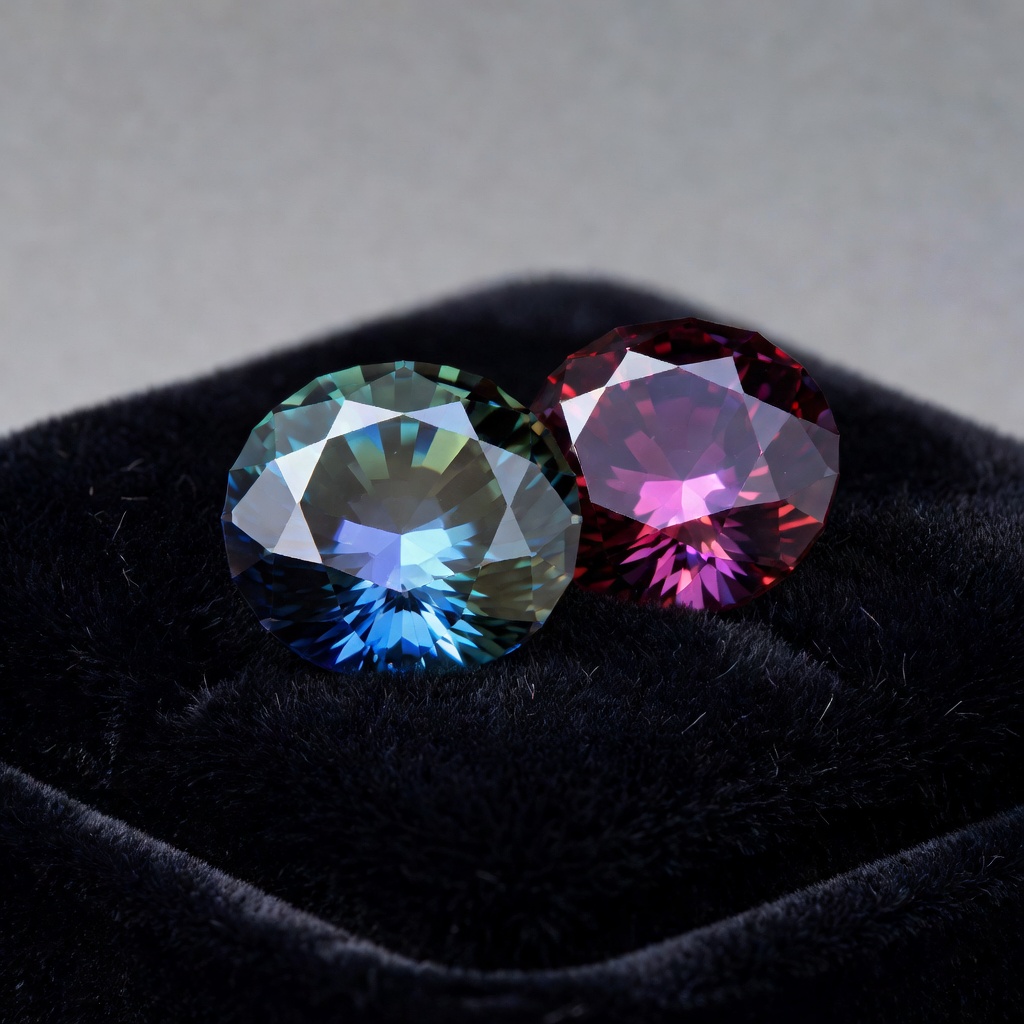
Distinguishing true color change from pleochroism gemstone effects remains essential for accurate valuation, as these optical properties stem from fundamentally different mineralogical mechanisms. Pleochroism describes the phenomenon where a crystal absorbs different wavelengths of light depending on the viewing angle, creating varied colors when rotated under a single light source, whereas genuine color change requires specific transitions between entirely different lighting environments. True gemstone color shift occurs exclusively when viewing the stone under natural daylight balanced at 5500K-6500K versus incandescent lighting at 2700K-3000K, with high-quality specimens displaying dramatic hue variations between these conditions.
The chemical composition of these rare pyrope-spessartine garnets includes trace elements of vanadium and chromium that create the distinctive absorption bands responsible for the color transition. Vanadium content typically produces the blue to purple garnet shift most prized by collectors, while varying ratios of chromium influence the saturation and intensity of the red or purple components visible under warm incandescent lighting. Advanced spectroscopic analysis reveals these trace elements' precise distribution within the crystal lattice, helping gemologists distinguish natural color change mechanisms from treated stones or simulants attempting to replicate this rare optical effect.
Quality Factors Affecting Color Change Garnet Value
Evaluating color change garnet value factors requires assessing the stone's performance under both standard lighting conditions, with particular attention to saturation levels and hue purity in each environment. Premium specimens display vivid, saturated colors without gray or brown modifiers that dilute the visual impact; for instance, a top-quality stone might appear intense teal or blue-green in daylight before transforming to rich raspberry or purple under incandescent bulbs. The speed and completeness of the color transition also significantly impact desirability, with the finest stones showing instantaneous, complete shifts rather than gradual or partial changes that suggest lower quality material.
Clarity standards for these garnets differ somewhat from other precious stones, as the very rarity of strong color change effects means collectors often accept minor inclusions that would disqualify other gemstones. Eye-clean specimens command substantial premiums, though the presence of characteristic needle inclusions or fingerprint patterns may actually assist in natural origin determination when examined by qualified laboratories. However, stones with visible inclusions that obstruct light transmission or diminish the brilliance of the color shift typically fall into commercial grade categories, representing more affordable entry points for collectors prioritizing the optical phenomenon over absolute clarity.
Complete Garnet Price Per Carat Breakdown
Understanding garnet price per carat requires familiarity with the three-tier classification system used by dealers and auction houses to categorize these unique gemstones. Commercial grade material exhibiting weak color change with visible inclusions and grayish or brownish modifiers typically trades between $150 and $500 per carat, offering accessible options for jewelry enthusiasts seeking the novelty of color change without investment-grade quality. Fine quality stones displaying strong, distinct color shifts with eye-clean clarity and desirable hues command $800 to $3,000 per carat, representing the sweet spot for serious collectors balancing visual impact with liquidity in the secondary market.
Exceptional and collector-grade specimens featuring rare colors, large sizes, or extraordinary clarity levels can achieve $5,000 to $15,000 or more per carat, particularly for Madagascar blue to purple garnet material exceeding three carats. Recent auction results demonstrate the investment potential of these top-tier stones, with documented sales of exceptional Bekily garnets surpassing $10,000 per carat when accompanied by prestigious laboratory certification. When budgeting for acquisition, collectors should anticipate that prices escalate non-linearly with size, meaning a five-carat fine quality stone may cost significantly more than five times the price of a one-carat equivalent due to the extreme rarity of large crystals with strong color change properties.
Origin Premium: Madagascar Color Change Garnet vs. Other Sources
Madagascar color change garnet material, particularly from the Bekily region in the southern part of the island, commands consistent premiums of 20 to 30 percent above equivalent quality stones from other localities due to the region's distinctive blue-to-purple shift. These prized specimens typically display pure teal or greenish-blue hues in daylight that transform cleanly to violet or purple under incandescent lighting, avoiding the muddy brownish modifiers that characterize material from competing deposits. The geological conditions in Madagascar's Proterozoic metamorphic belts create the specific chemical environment necessary for vanadium-rich pyrope-spessartine formation, resulting in the most visually striking and commercially desirable color change effects in the garnet family.
Tanzanian deposits, while historically significant and producing substantial quantities of color change material, typically yield stones showing brownish or grayish modifiers in both lighting conditions that reduce their market value relative to Madagascar equivalents. Sri Lankan sources occasionally produce fine color change garnets, though these often display different color ranges such as grayish-green to reddish-purple rather than the pure blue-purple transition collectors most covet. Savvy buyers recognize that origin determination requires sophisticated laboratory analysis beyond standard gemological testing, as visual identification alone cannot reliably distinguish between Madagascan and Tanzanian material without advanced spectroscopic or chemical analysis confirming trace element profiles characteristic of specific mining districts.
Size, Rarity, and Investment Potential of Rare Garnet Varieties
The market for rare garnet varieties experiences dramatic supply constraints once stone weights exceed three carats, as the geological conditions necessary for large crystal formation rarely coincide with the specific chemical requirements for strong color change effects. Stones surpassing five carats with vivid, distinct color transitions represent extreme rarities, often commanding price multipliers of three to five times the per-carat rate of smaller equivalents due to collector competition and museum interest. Historical auction data reveals consistent appreciation for investment-grade color change garnets, with documented price increases of 200 to 300 percent over the past two decades for exceptional specimens, outpacing many traditional colored stone investments while remaining accessible compared to alexandrite.
Investment considerations should focus on acquiring stones with strong documentation of natural, untreated status combined with clear photographic or video evidence of the color change phenomenon. While one to two carat stones offer excellent options for jewelry applications, serious collectors targeting appreciation potential should prioritize three carat and larger specimens with GIA or AGL certification confirming Madagascar origin. The relatively recent discovery of these deposits compared to classical gemstone sources suggests that market recognition continues evolving, potentially offering early entrants advantageous positioning before broader mainstream awareness drives prices toward parity with other rare color change gemstones.
Treatments, Synthetics, and Authentication of Natural vs Treated Garnets
Distinguishing natural vs treated garnets requires awareness of common enhancement techniques, particularly heat treatment applied to improve clarity by reducing the visibility of needle inclusions or healing fractures within the crystal structure. While heating rarely creates color change effects in garnets (unlike sapphires or rubies), the treatment reduces market value by 20 to 40 percent depending on the extent of improvement and disclosure transparency. Advanced laboratory testing utilizing infrared spectroscopy and microscopic examination of inclusion patterns provides definitive identification of thermal enhancement, as heated stones often display discoid fractures or altered mineral inclusions that differ significantly from natural geological formation characteristics.
The gem market also contains synthetic corundum and alexandrite simulants fraudulently represented as natural color change garnets, requiring careful examination of refractive indices, specific gravity, and spectroscopic signatures to authenticate genuine material. Natural garnets possess distinct singly refractive optical properties and characteristic absorption spectra that separate them from doubly refractive synthetic alternatives attempting to mimic the alexandrite effect. Additionally, fracture filling using oils or polymers represents a clarity enhancement technique that compromises durability and requires disclosure; buyers should examine stones under darkfield illumination to detect flash effects or interference patterns indicating cavity filling, particularly in stones offering unusually low prices for their apparent clarity grades.
Certification and Smart Buying Strategies
When buying color change garnets, securing comprehensive laboratory reports from respected institutions such as GIA, AGL, or SSEF provides essential documentation regarding origin determination, treatment status, and confirmation of the color change phenomenon itself. These reports should specifically note the colors observed under different lighting conditions and explicitly state whether the stone is natural and unheated, protecting buyers from misrepresented material or undisclosed treatments. For online purchases, request video documentation showing the stone's transition between daylight-balanced LED sources (5500K-6500K) and incandescent lighting (2700K-3000K), as static photographs cannot adequately capture the dynamic optical effect that constitutes the stone's primary value proposition.
Reputable dealers specializing in colored stones, established auction houses like Christie's or Sotheby's, and recognized gemological dealers in Antwerp or Bangkok offer the safest acquisition channels, providing return policies and guarantees of authenticity that private sellers or unverified online marketplaces cannot match. Red flags requiring immediate caution include prices significantly below market rates for claimed quality grades, reluctance to provide independent laboratory certification, or sellers attributing color change to pleochroism rather than true photochromism. Building relationships with dealers who maintain detailed photographic inventories and who source directly from cutting centers in Madagascar or Sri Lanka often yields access to exceptional material before it reaches broader commercial markets, particularly for collector-grade specimens exceeding five carats.
Frequently Asked Questions About Color Change Garnets
How Much Does a 1-Carat Color Change Garnet Cost?
Fine quality 1-carat color change garnets typically range from $500 to $2,000 per carat, depending on the strength of the color shift and clarity. Exceptional specimens with vivid blue-to-purple transitions can command $3,000 or more, while commercial grade material with weak color change may cost $150-$400 per carat. Prices escalate significantly for stones displaying the prized alexandrite-like effect with minimal inclusions and strong saturation in both lighting conditions.
What Colors Do Color Change Garnets Display?
Quality color change garnets shift from blue-green, teal, or grayish-blue in daylight to purple, reddish-purple, or raspberry under incandescent lighting. The most valuable stones show a strong contrast between these colors without brown or gray modifiers that dull the transition. Madagascar material particularly excels at displaying the pure blue to purple garnet shift that most closely resembles fine alexandrite, while Tanzanian sources may exhibit brownish undertones that reduce visual impact and market value.
Are Color Change Garnets Rarer Than Alexandrite?
Fine color change garnets from Madagascar are equally rare to high-quality alexandrite in terms of geological occurrence. However, they remain significantly more affordable due to lower market recognition, offering collectors exceptional value for stones with strong alexandrite-like effects. While alexandrite has enjoyed centuries of documented history and royal associations, color change garnets only entered the market in significant quantities during the 1990s, suggesting potential for continued price appreciation as awareness spreads among jewelry connoisseurs.
How Can I Verify the Color Change Effect When Buying Online?
Request videos showing the stone under both daylight (or LED daylight bulbs at 5500K-6500K) and incandescent light (2700K-3000K). Reputable sellers should provide certification from GIA or AGL that specifically notes the color change phenomenon, along with photos in different lighting conditions. Be wary of sellers using colored backgrounds or filters that might artificially enhance the apparent color shift, and insist on viewing the stone against neutral gray or white backgrounds to accurately assess the transition quality.
Do Color Change Garnets Receive Treatments?
Some color change garnets undergo heat treatment to improve clarity, though this typically reduces value by 20-40%. Unlike sapphires, they are rarely treated to enhance color change. Always request a laboratory report confirming natural, unheated status for investment-grade purchases. Heat treatment can sometimes be detected through microscopic examination of inclusions, which may appear heat-altered or show discoid fractures not present in naturally formed material, making independent certification essential for high-value acquisitions.
What Size Color Change Garnet Offers the Best Investment Potential?
Stones exceeding 3 carats with strong, distinct color changes represent the best investment potential due to extreme rarity. While 1-2 carat stones are suitable for jewelry, specimens over 5 carats with certification appreciate most consistently, particularly Madagascar origin material. The geological improbability of large crystal formation combined with the specific chemical requirements for color change creates a supply bottleneck at larger sizes, ensuring sustained demand from serious collectors and museums seeking significant specimens for their collections.
Where Do the Most Valuable Color Change Garnets Originate?
Madagascar produces the most valuable color change garnets, particularly those from the Bekily region showing strong blue-to-purple shifts. Tanzanian material is also significant but often displays different color ranges. Madagascar origin commands a 20-30% price premium over other sources due to the superior purity of color transition and absence of brownish or grayish modifiers that compromise the visual drama of the color change effect. Advanced laboratory testing can confirm origin through trace element analysis, adding significant value to certified stones.
Can Color Change Garnets Be Worn Daily in Rings?
With a hardness of 7-7.5 on the Mohs scale, color change garnets are suitable for daily wear in protective settings like bezels or halos. However, avoid ultrasonic cleaners and harsh chemicals. Pendants and earrings are ideal for preserving these relatively soft gemstones long-term. While harder than opal or pearl, garnets can still scratch or chip when subjected to sharp impacts against hard surfaces, making protective mounting styles essential for ring applications intended for everyday use rather than occasional wear.