Understanding Color Change Garnet Properties
Color change garnets represent one of the most fascinating phenomena in the gemstone world, displaying an alexandrite-like transformation that captivates collectors and jewelry enthusiasts alike. These rare specimens shift from blue-green or grayish-blue hues in daylight to rich purplish-red or raspberry tones under incandescent lighting, creating a magical chameleon effect that distinguishes them from other garnet varieties. This optical phenomenon occurs due to the presence of vanadium and chromium within the crystal structure, which selectively absorb different wavelengths of light depending on the light source. Unlike common red garnets, these color-shifting varieties command premium prices and require specialized knowledge to maintain their extraordinary appearance.
The physical durability of these gemstones plays a crucial role in determining appropriate care protocols. Color change garnets typically register between 6.5 and 7.5 on the Mohs hardness scale, placing them in the moderately hard category that demands respect during daily wear and maintenance routines. While this hardness provides reasonable resistance to scratching from dust and minor impacts, it falls significantly below diamonds (10), sapphires (9), and even quartz (7), meaning careless storage alongside harder gemstones can result in unsightly surface damage. Understanding garnet Mohs hardness care principles helps owners recognize that while these stones suit regular jewelry wear, they require protective settings and mindful handling to prevent chips along facet edges or the girdle.
Chemically, these aluminum silicate crystals contain trace elements that make them sensitive to thermal shock and extreme temperature fluctuations. Rapid transitions from hot to cold environments can create internal stress fractures or exacerbate existing inclusions, potentially compromising both the structural integrity and the visual color-shift effect. Unlike more robust gemstones such as diamonds or rubies, color change garnets often contain natural inclusions that, while contributing to their unique character, create weak points vulnerable to sudden temperature changes. This sensitivity necessitates alexandrite-like garnet maintenance approaches that prioritize gradual temperature adjustments and avoid exposure to heat sources that might otherwise seem benign.
Daily Wear Guidelines and Precautions
Implementing consistent daily habits forms the foundation of effective Color Change Garnet Care and Cleaning, ensuring your precious gemstone maintains its captivating dual-color personality for generations. Always remove color change garnet rings, pendants, and earrings before engaging in physical activities, exercise routines, or manual labor that might subject the stone to impact or abrasion. Activities such as gardening, weightlifting, rock climbing, or even vigorous cleaning around the house present risks of striking the gemstone against hard surfaces, potentially causing chips, cracks, or loosening the setting prongs. Consider establishing a dedicated jewelry dish near your bathroom sink or bedside table to create a consistent habit of removing pieces before potentially damaging activities.
The sequence of your beauty routine significantly impacts the longevity of your gemstone's brilliance and the security of its setting. Apply all cosmetics, perfumes, hairsprays, and lotions before putting on your garnet jewelry, allowing these products to dry completely before adorning yourself. Chemical residues from these personal care items can create a filmy buildup on the pavilion and table facets, dulling the stone's luster and potentially interfering with the color-change phenomenon that makes these gems so desirable. Additionally, the oils and alcohols present in many beauty products can weaken the structural integrity of certain setting adhesives or contribute to metal tarnishing that compromises prong stability over time.
Temperature management represents another critical aspect of daily wearing garnet jewelry protocols. Avoid exposing your gemstones to extreme temperature fluctuations, such as moving from a hot sauna into a cold pool or leaving jewelry on a car dashboard during summer heat. These sudden thermal shifts can induce stress within the crystal lattice, particularly in stones with visible inclusions or feathers. Furthermore, make a habit of inspecting your jewelry settings weekly by gently running a fingernail over the prongs to check for looseness, and observe the stone for any wobbling within the mounting. Early detection of setting issues prevents the heartbreak of losing a rare color change garnet due to a worn or bent prong.
Safe At-Home Cleaning Techniques
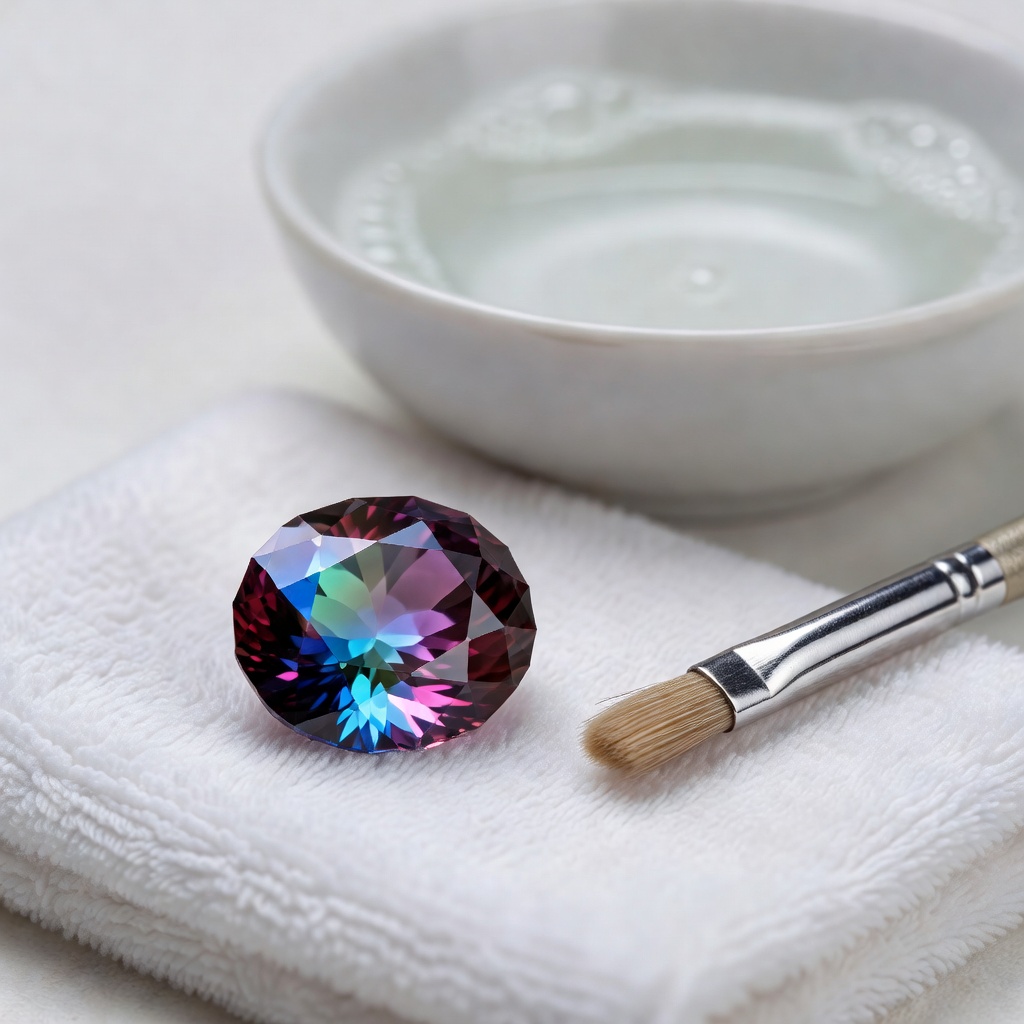
Maintaining the mesmerizing color shift of your garnet requires gentle yet effective cleaning methods that preserve both the stone's surface and its internal structure. Begin by preparing a cleaning solution using lukewarm distilled water mixed with a few drops of mild, pH-neutral dish soap, avoiding tap water that might contain minerals capable of leaving deposits on the gemstone surface. The water temperature should feel comfortable to your touch—approximately room temperature to slightly warm—never hot, as excessive heat can potentially damage the stone or loosen the setting. Place your jewelry in this solution and allow it to soak for fifteen to twenty minutes, which helps dissolve accumulated oils and debris without aggressive scrubbing.
After soaking, employ a soft-bristled baby toothbrush or specialized jewelry cleaning brush to gently scrub the gemstone and its setting. Focus particular attention on the underside of the stone (the pavilion) and the area where the gemstone meets the metal setting, as these regions trap the majority of skin oils, hand creams, and environmental grime that diminish brilliance. Use light, circular motions rather than aggressive back-and-forth scrubbing, and never apply downward pressure that might force the stone from its mounting. These safe garnet cleaning methods effectively remove buildup without risking scratches to the 6.5-7.5 hardness surface or damage to delicate prongs.
Rinsing requires equal care to ensure no soap residue remains to create a cloudy appearance. Hold the jewelry under a gentle stream of lukewarm distilled water, rotating it to allow water to flow across all surfaces, or alternatively, submerge it in fresh distilled water and swish gently. Never rinse over an open drain; instead, use a bowl or close the sink drain to prevent catastrophic loss. Immediately pat the piece dry using a lint-free microfiber cloth or a soft, clean jeweler's polishing cloth, carefully drying between the prongs and under the gallery. Avoid air-drying, as water spots can form and calcify, requiring professional removal. For intricate settings, use a cool hairdryer on the lowest setting held at a distance to evaporate trapped moisture, or gently wave the piece in the air before final polishing with your cloth.
Professional Maintenance and Inspection
While diligent at-home care maintains daily brilliance, professional intervention remains essential for preserving the structural integrity and long-term value of color change garnet jewelry. Schedule comprehensive cleaning and inspection appointments every six to twelve months with a certified gemologist or experienced jeweler who specializes in colored gemstones rather than general jewelry repair. These professionals possess the magnification tools and expertise to detect microscopic fractures, loose prongs, or setting wear invisible to the naked eye. During these visits, request that the jeweler check specifically for prong integrity, examining whether the metal has worn thin or shifted position, which commonly occurs in rings worn daily.
Professional cleaning services may include steam or ultrasonic treatments, but exercise extreme caution when permitting these methods for color change garnets. Only allow steam cleaning if the professional has specific experience with included garnets and can control the temperature and pressure precisely. Steam can effectively remove stubborn residues from behind the stone, but the intense heat and pressure pose risks for stones with internal fractures or those treated with fracture-filling substances. Always inform your jeweler about any treatments your stone may have received, as certain enhancement processes react adversely to heat. Reputable professionals will assess the stone's clarity characteristics before recommending appropriate professional gemstone cleaning techniques.
Beyond cleaning, professional services should include re-polishing options for stones that have developed minor surface scratches or lost their vitreous luster due to years of wear. This process removes microscopic layers of material to restore the original shine, though it should be performed sparingly to preserve carat weight. Additionally, jewelers can perform prong tightening, re-tipping (adding metal to worn prong ends), and setting security checks that prevent stone loss. For antique pieces or those with complex settings, consider establishing a relationship with a jeweler who offers jewelry maintenance services specifically tailored to rare or valuable colored gemstones, ensuring they understand the unique requirements of color shift gemstone preservation.
Proper Storage Solutions
Proper storage plays a pivotal role in maintaining the pristine condition of these rare gemstones, preventing both physical damage and environmental degradation when the jewelry is not being worn. Store each color change garnet piece separately in individual soft fabric pouches, lined jewelry box compartments, or acid-free tissue paper to prevent contact with other jewelry items. Harder gemstones such as diamonds, sapphires, rubies, or even topaz can scratch the surface of your garnet if stored together in a shared jewelry box compartment, permanently marring the facets that create the stone's brilliance and color-shifting display. Consider investing in a jewelry box with adjustable dividers or fabric-lined drawers that accommodate each piece individually.
Environmental factors significantly impact long-term gemstone stability, making rare garnet storage solutions particularly important for preserving color integrity. Keep your jewelry away from direct sunlight exposure and heat sources such as radiators, window sills, or display case lighting that remains illuminated for extended periods. Prolonged UV exposure or heat can potentially affect the color stability of certain garnet varieties over decades, though research continues regarding specific long-term light sensitivity. For safekeeping, choose a drawer or closet location that maintains relatively stable temperatures rather than attics or basements subject to extreme seasonal variations.
Humidity control represents another often-overlooked aspect of gemstone storage. Excessive moisture can accelerate tarnishing in silver or lower-karat gold settings, while extremely dry conditions might affect certain treatments or adhesives used in jewelry construction. Include silica gel packets in your jewelry storage area to maintain stable humidity levels between 40-50%, replacing them every few months as they absorb moisture. For heirloom pieces or items worn infrequently, consider storing them in bank safety deposit boxes with controlled environments, though ensure they are thoroughly cleaned and completely dry before long-term storage to prevent mold or mildew development on storage fabrics.
Cleaning Methods and Chemicals to Avoid
Understanding what not to do proves equally important as knowing proper cleaning techniques when maintaining these valuable gemstones. Never use ultrasonic cleaners for color change garnets, as the intense high-frequency vibrations can loosen stones from their settings, cause existing fractures to expand, or create internal damage invisible until later. The combination of vibration and heat generated by these machines poses particular gemstone ultrasonic cleaner risks for garnets containing natural inclusions or those set in older mountings where metal fatigue may have weakened prong security. While ultrasonic cleaners work well for diamonds and sapphires, the specific crystal structure and common inclusion patterns in color change garnets make them unsuitable for this aggressive cleaning method.
Steam cleaning machines, whether professional-grade or home units, present similar dangers through thermal shock mechanisms. The sudden application of high-temperature steam to a relatively cool stone creates rapid expansion that can shatter included crystals or widen internal feathers. Even professionals exercise caution with steam on garnets, typically reserving this method for eye-clean stones with robust settings. At home, avoid steam entirely as part of your Color Change Garnet Care and Cleaning routine, opting instead for the gentle soap-and-water method described previously.
Chemical exposure poses perhaps the most insidious threat, as common household substances can etch or dissolve garnet surfaces over time. Avoid contact with bleach, ammonia, acetone, chlorine (found in pools and hot tubs), and alcohol-based solutions that can damage both the gemstone and its metal setting. Similarly, never use abrasive cleaning materials including toothpaste, baking soda, powdered cleansers, or rough cloths that can scratch the 6.5-7.5 hardness surface. Even "gentle" jewelry cleaning solutions designed for silver or costume jewelry may contain chemicals incompatible with garnets. When in doubt, stick to the mildest soap and water solution, remembering that these ancient minerals survived millions of years in the earth but require protection from modern chemical exposures.
Traveling with Color Change Garnet Jewelry
Transporting these valuable color-shifting treasures requires strategic planning and appropriate protective equipment to prevent loss, theft, or damage during your journeys. Invest in hard-sided, padded travel cases specifically designed for fine jewelry, featuring individual compartments that prevent pieces from contacting each other during movement. These cases should offer crush-resistant exteriors and soft, non-abrasive interior linings that cushion impacts from luggage handling. For extended trips or multiple pieces, consider cases with built-in organization systems that secure rings, earrings, and pendants separately, preventing the tangles and scratches that occur when jewelry shifts freely within a bag.
Always pack color change garnet jewelry in your carry-on luggage rather than checked baggage to maintain temperature control and prevent loss due to mishandled luggage. Aircraft cargo holds experience extreme temperature variations and pressure changes that could stress sensitive gemstones, while carry-on bags remain in climate-controlled cabin environments. Additionally, keeping your valuables within sight eliminates the risk of theft or misplacement by airline personnel. When passing through airport security, place your jewelry case in a separate bin for X-ray screening, and consider requesting private screening if you prefer not to expose valuable pieces in public areas.
At your destination, utilize hotel room safes for storing jewelry when not being worn, ensuring the safe is properly bolted to furniture or walls for security. Avoid leaving jewelry in checked luggage at hotels or exposed on bathroom counters where housekeeping might accidentally knock items into sinks or drains. For international travel, carry documentation including current appraisals, purchase receipts, and high-quality photographs stored separately from the jewelry itself—perhaps in digital cloud storage accessible from anywhere. These documents facilitate customs declarations and insurance claims if necessary, while detailed photographs help prove ownership and document the specific color-change characteristics of your particular stone.
Troubleshooting Common Issues
Even with meticulous care, color change garnets occasionally develop issues that require prompt attention to prevent permanent damage or stone loss. When your gemstone appears cloudy or lacks its usual brilliance despite cleaning, investigate potential causes such as soap residue trapped beneath the stone, hard water mineral buildup, or microscopic scratches on the table facet. These issues typically resolve with thorough professional cleaning or gentle re-polishing, but persistent cloudiness might indicate internal damage or filled fractures that have degraded over time. If home cleaning fails to restore clarity within two attempts, discontinue wear and consult a gemologist to assess whether the stone requires professional re-polishing or if the cloudiness stems from internal rather than surface characteristics.
Loose stones represent an emergency requiring immediate cessation of wear to prevent the catastrophic loss of your gemstone. If you detect movement within the setting, hear rattling sounds, or notice prongs that no longer securely contact the stone's girdle, place the item in a sealed plastic bag or small container and store it safely until professional repair occurs. Do not attempt to tighten prongs yourself using household tools, as improper pressure can chip the garnet's vulnerable edges or cause the stone to pop completely from the mounting. Similarly, if you notice bent or damaged prongs, avoid wearing the piece even if the stone currently feels secure, as weakened metal can fail unexpectedly during normal daily activities.
Restoring brilliance to stones dulled by skin oils or environmental contaminants usually requires little more than the gentle cleaning protocols outlined previously, though heavily built-up residues might necessitate professional attention. However, if you observe surface pitting, etching, or a milky appearance that does not improve with cleaning, you may be witnessing chemical damage requiring re-polishing by a lapidary specialist. Recognizing signs of chemical damage early prevents further deterioration—look for a loss of surface luster that appears different from simple dirt accumulation, or microscopic pitting visible under magnification. Addressing these garnet maintenance issues promptly preserves both the aesthetic beauty and monetary value of your alexandrite-like treasure.
Long-term Value Preservation Strategies
Preserving the investment and heirloom potential of color change garnets requires documentation practices and environmental controls extending beyond routine cleaning and storage. Maintain updated appraisals from certified gemologists every two to three years, or more frequently if market values fluctuate significantly, ensuring your insurance coverage reflects current replacement costs. Accompany these appraisals with high-quality photographs taken in both daylight and incandescent lighting to document the specific color-change phenomenon of your particular stone, as subtle variations in hue shift affect value considerably. Store digital copies of these documents in cloud storage and physical copies in secure locations separate from the jewelry itself.
Insurance considerations form a critical component of color shift gemstone preservation, particularly given the rarity and high value of fine color change garnets. Verify that your homeowner's or renter's policy specifically covers loose gemstones and high-value jewelry, or obtain a specialized jewelry insurance policy that includes provisions for mysterious disappearance and damage during travel. When scheduling the item on your policy, provide the detailed color-change description and any treatment disclosures, as untreated stones command significantly higher premiums and replacement values than those subjected to enhancement processes.
Environmental management over years and decades prevents slow degradation of both the gemstone and its setting. Avoid prolonged exposure to heat sources such as continuous display case lighting, car dashboards, or windowsills where daily sun exposure accumulates thermal stress. If displaying your collection, use LED lighting that emits minimal heat and rotate pieces regularly to prevent continuous exposure of any single item. Additionally, document any treatments or enhancements—such as fracture filling or heat treatment—that the stone received before your ownership or during your possession. This transparency supports future resale values and assists heirs in maintaining proper care protocols, ensuring your alexandrite-like garnet maintenance practices preserve the stone's magic for future generations.
Your Complete Care Checklist
Implementing a structured maintenance schedule ensures consistent Color Change Garnet Care and Cleaning without overwhelming your daily routine. Weekly tasks include visual inspection under good lighting to check for loose stones, bent prongs, or accumulated dirt, followed by gentle wiping with a soft microfiber cloth to remove skin oils and dust. This brief ritual, requiring less than five minutes, prevents buildup that necessitates more aggressive cleaning later while familiarizing you with your jewelry's normal appearance so you can quickly detect abnormalities.
Monthly maintenance involves deeper cleaning using the lukewarm distilled water and mild soap solution described previously, thoroughly drying the piece to prevent water spots and checking that all stones remain secure in their settings. During this monthly session, examine the jewelry under magnification if possible, looking for new scratches, chips, or changes in the stone's clarity that might indicate damage requiring professional attention. For pieces worn daily, this monthly deep clean maintains optimal brilliance and ensures the color-change effect remains vivid and noticeable.
Annually, schedule professional inspection, cleaning, and prong checks with a qualified jeweler who understands garnet Mohs hardness care requirements. Use this appointment to update appraisals, adjust insurance coverage, and address any wear issues before they result in stone loss. Lifelong practices include maintaining proper documentation, updating insurance beneficiaries, and educating family members about the unique characteristics and care requirements of these rare gems. By following this gemstone care checklist, you ensure that your color change garnet continues to display its magical dual-color personality for decades, maintaining both its emotional significance and financial value as a treasured possession or family heirloom.
Frequently Asked Questions
Can I use an ultrasonic cleaner for my color change garnet?
No, avoid ultrasonic cleaners for Color Change Garnet Care and Cleaning. The intense vibrations can loosen settings and cause stones to fall out, while the heat generated may create thermal shock that fractures the gemstone. Always use gentle hand-cleaning with mild soap and water instead.
How often should I clean my color change garnet jewelry?
Clean your color change garnet every 2-4 weeks using mild soap and warm water to remove skin oils and debris that dull the brilliance. For pieces worn daily, weekly gentle wiping with a microfiber cloth helps maintain the color-shifting effect. Professional cleaning every 6-12 months ensures deep cleaning without damage.
Is color change garnet durable enough for everyday wear?
With a Mohs hardness of 6.5-7.5, color change garnets are moderately durable but require careful attention. They're suitable for regular wear in protective settings like bezels or halos, but should be removed during activities involving impact, abrasion, or exposure to harsh chemicals to prevent chips and scratches.
What causes my color change garnet to look cloudy or dull?
Cloudiness usually results from accumulated skin oils, soap residue, hard water mineral deposits, or lotion buildup on the pavilion and table facets. Proper Color Change Garnet Care and Cleaning using distilled water and mild dish soap will restore clarity. If cloudiness persists after cleaning, consult a professional for possible internal inclusions or damage.
Can I wear my color change garnet in the shower or swimming pool?
Remove color change garnet jewelry before showering or swimming. Chlorine in pools and hot tubs can damage both the gemstone and metal settings, while sudden temperature changes in hot showers may stress the stone. Soap and shampoo can also leave filmy residues that diminish the color-change effect.
How should I store color change garnet rings and pendants?
Store each piece separately in soft fabric pouches or individual compartments in a jewelry box to prevent scratching from harder gemstones. Keep away from direct sunlight and heat sources that might affect color stability. For long-term storage, include silica gel packets to control humidity and prevent metal tarnishing.
Will steam cleaning damage my color change garnet?
Steam cleaning poses significant risks for color change garnets, particularly those with inclusions or fractures. The sudden heat can cause internal cracking or worsen existing flaws. While some professionals may use controlled steam, never attempt steam cleaning at home as part of your Color Change Garnet Care and Cleaning routine.
What should I do if my color change garnet's setting feels loose?
Stop wearing the jewelry immediately to prevent stone loss. Do not attempt to tighten prongs yourself, as improper pressure can chip the garnet's edges. Take the piece to a certified jeweler who specializes in colored gemstones for professional tightening, re-tipping, or setting repair.