Introduction to Color Change Garnets
Color change garnets represent one of the most captivating varieties within the garnet family, specifically belonging to the pyrope-spessartine solid solution series. These remarkable phenomenal gemstones owe their existence to unique geological conditions where trace elements become incorporated into the crystal lattice during formation, creating a gem that essentially displays two distinct personalities depending on the light source. Unlike their more common red or green cousins, these rare East African garnets have emerged as a serious contender in the collector's market, offering a visual drama previously reserved for only the most expensive alexandrite specimens.
For couples seeking an alexandrite alternative for engagement rings or investors looking to diversify their rare gemstone investment portfolio, understanding the nuances of quality becomes paramount. The market distinguishes sharply between commercial grade material, which may show only subtle shifts under specific conditions, and investment-grade stones that display dramatic, immediate transformations from daylight to incandescent viewing. This Color Change Garnet Buying Guide will navigate you through the technical specifications, geographic origins, and quality markers essential for making an informed acquisition in this specialized market segment.
The Science Behind the Color Shift Phenomenon
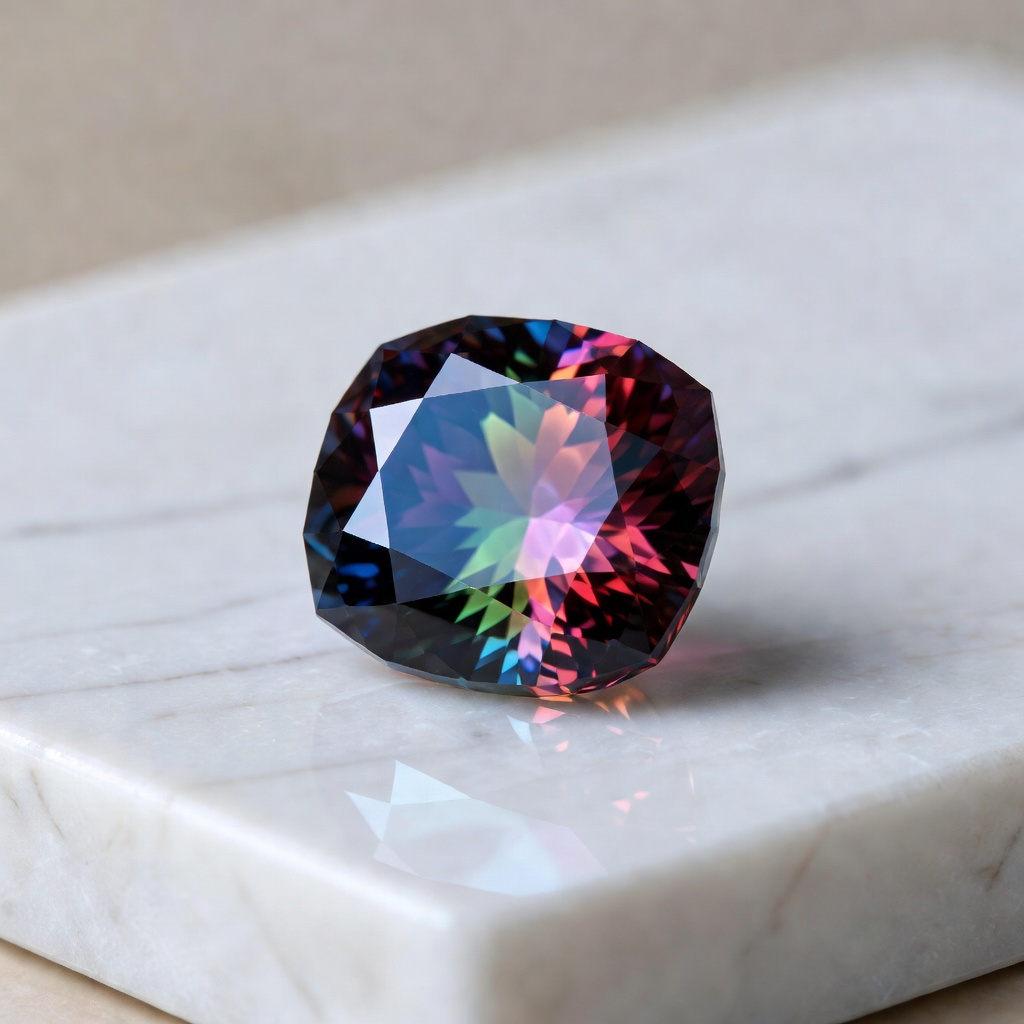
The mesmerizing garnet color shift that makes these stones so desirable stems from the presence of vanadium and chromium trace elements within the gem's chemical structure. When vanadium ions replace aluminum in the crystal lattice, they create absorption bands that selectively filter light differently depending on the spectral output of the illumination source. Under daylight conditions measuring approximately 5000-5500K, which contains balanced proportions of blue and red wavelengths, the stone absorbs specific portions of the spectrum, allowing blue-green or teal wavelengths to reach the observer's eye.
Conversely, when viewed under incandescent light sources emitting warmer temperatures around 2700-3000K with predominant red wavelengths, the absorption characteristics shift dramatically, revealing purple, raspberry, or burgundy tones. Gemologists calculate the color change percentage by comparing the dominant hue in both lighting conditions, with stones exhibiting approximately 40% change considered acceptable for commercial use, while specimens displaying 80% or greater change command premium prices in the investment market. This measurable phenomenon distinguishes true phenomenal gemstones from those with merely pleochroic or dichroic optical properties.
Geographic Origins and Bekily Deposits
Madagascar's Bekily mines have achieved legendary status among connoisseurs for producing the finest blue to purple garnet material known in the trade. Discovered in the late 1990s, these deposits yield stones that exhibit the most dramatic color transitions, shifting from vivid teal or electric blue in daylight to rich purple or magenta under incandescent lighting. The specific geological conditions in this region, characterized by manganese-rich pegmatites subjected to unique metamorphic pressures, create the perfect environment for vanadium incorporation that produces these exceptional color change garnets.
East African garnets from Tanzania's Umba Valley and various Kenyan deposits also produce significant quantities of color change material, though typically exhibiting different color palettes. Tanzanian stones often lean toward green-to-brown or green-to-red shifts, while Kenyan material frequently displays blue-to-pink transitions. Market valuations reflect these geographic distinctions, with fine Bekily material commanding the highest premiums due to its superior saturation and distinct blue-to-purple garnet transformation. Savvy collectors often request specific locality documentation when building investment portfolios, as provenance significantly impacts long-term appreciation potential in the rare gemstone investment sector.
Evaluating Quality: The Four Cs Framework
When assessing color change garnets for purchase, color intensity serves as the primary value determinant, with investment-grade stones requiring vivid saturation in both daylight and incandescent conditions. Premium specimens should display pure hues without muddy brown or gray modifiers that indicate lower vanadium concentration or inferior crystallization. The most desirable stones present teal, forest green, or royal blue in daylight, transitioning cleanly to raspberry, plum, or burgundy under warm lighting, with the strongest examples maintaining face-up brilliance regardless of viewing angle.
Clarity standards for these phenomenal gemstones remain somewhat forgiving compared to diamonds, as minor inclusions characteristic of the pyrope-spessartine species typically do not significantly impact value unless they affect durability or color change visibility. However, deal-breakers include surface-reaching fractures that compromise structural integrity or dense inclusion clouds that obscure the optical phenomenon. Optimal cutting styles feature step cuts or mixed cuts with deeper pavilions that maximize light return and color change visibility, while poorly executed native cuts can diminish even the finest rough material. Carat weight availability drops precipitously above three carats for fine material, creating exponential pricing jumps where exceptional specimens may command five to ten times the per-carat rate of smaller stones.
Market Pricing and Budget Planning
Current market pricing for color change garnets spans a remarkably wide range, reflecting the dramatic quality variations within this category. Commercial grade stones with weak color change percentages or brownish modifiers typically trade between $300 to $800 per carat, suitable for fashion jewelry where the phenomenon serves as a curiosity rather than a defining feature. Fine quality material exhibiting strong, immediate color shifts with excellent clarity generally ranges from $1,500 to $3,000 per carat, offering an accessible alexandrite alternative for serious collectors and engagement ring buyers seeking unique center stones.
Exceptional specimens weighing over three carats with 80% or greater color change and premium saturation can command $5,000 to $10,000 per carat at auction, rivaling fine sapphire or spinel prices. When developing acquisition strategies, buyers must balance the 40% versus 80% color shift differential against carat weight considerations; a smaller stone with dramatic color change often provides greater long-term satisfaction and investment potential than a larger stone with weak phenomenon. Budget allocation should prioritize color intensity and shift percentage over absolute size, particularly for first-time buyers entering the rare gemstone investment market.
Certification, Treatments, and Authentication
Securing reliable laboratory documentation stands as a non-negotiable step in any Color Change Garnet Buying Guide, with reports from GIA (Gemological Institute of America), AGL (American Gemological Laboratories), or Gübelin providing essential verification of natural, unenhanced status. These prestigious institutions employ advanced spectroscopic analysis to confirm the presence of vanadium and chromium while detecting any heat treatment that might have been applied to improve clarity or modify color. While most high-quality color change garnets remain completely natural, some commercial material undergoes low-temperature heating to reduce brownish tones, a treatment that significantly diminishes investment value and collector desirability.
Distinguishing natural stones from synthetics, simulants, and misidentified gems requires both laboratory equipment and gemological expertise. Synthetic corundum with vanadium doping occasionally appears in the market misrepresented as natural garnet, while some dealers mistakenly sell strongly pleochroic tourmaline or iolite as color change material. A proper laboratory report will explicitly state "Natural Pyrope-Spessartine Garnet" with "No Indications of Heating" and may include a color change percentage assessment. For significant purchases, consider obtaining a second opinion from an independent gemologist who can verify that the stone matches the certificate and exhibits the claimed phenomenon under standardized lighting conditions.
Where to Buy and Dealer Vetting
Navigating the purchasing process for these rare gems requires distinguishing between specialized colored gemstone dealers with gemological credentials and general jewelry retailers who may lack specific expertise in phenomenal gemstones. Established vendors focusing on buying rare gemstones typically provide detailed photography under multiple lighting conditions, including specific daylight and incandescent comparisons that demonstrate the color shift phenomenon clearly. Reputable dealers will gladly accommodate requests for video documentation showing the transition between light sources and will specify whether the stone displays a 40% or 80% change under standardized conditions.
When vetting potential sellers, ask specific questions regarding return periods, with minimum seven to ten day windows allowing for independent verification by your own gemologist. Critical red flags include dealers who gaslight buyers about lighting conditions, claiming that the color change only appears under "special" lights they control, or those who provide vague certification from unknown laboratories. Authentic dealers welcome third-party verification and provide detailed provenance information regarding the stone's mining locality, particularly for premium Bekily or East African garnets. Avoid tourist trap establishments, cruise ship vendors, and online marketplaces lacking established reputations in the fine gemstone trade.
Jewelry Setting and Wearability Considerations
With a Mohs hardness rating of 7 to 7.5, color change garnets occupy a moderate position on the durability scale, making them suitable for rings but requiring thoughtful protective measures for daily wear. While harder than opal or pearl, these stones remain susceptible to scratching from everyday encounters with dust (which contains silica at hardness 7) or harder gemstones like diamonds and sapphires. For engagement rings or daily wear pieces, selecting protective setting styles becomes crucial for long-term preservation, with bezel settings providing complete rim protection and halo designs offering缓冲 against direct impacts while enhancing the stone's visual size.
Metal color selections significantly impact the perception of both color states in garnet jewelry design, with white gold or platinum enhancing the blue-green daylight appearance while providing a neutral background for the purple incandescent phase. Rose gold settings can complement the warm incandescent tones but may subtly diminish the cool daylight colors. For active lifestyles or manual occupations, consider mounting these East African garnets in pendant or earring designs rather than rings, as these locations experience less mechanical stress and impact. Regardless of setting choice, ensure the mounting allows adequate light entry from the sides and bottom to maximize the visibility of the garnet color shift phenomenon in various environments.
Care, Maintenance, and Long-term Preservation
Proper gemstone maintenance for color change garnets focuses on gentle cleaning methods that preserve both the surface polish and internal integrity of these rare gems. Unlike diamonds or sapphires, these stones should never be subjected to ultrasonic cleaners or steam cleaning systems, as thermal shock or vibration can exacerbate existing fractures or inclusions. Instead, use only warm soapy water—mild dish detergent works effectively—applied with a soft natural bristle brush to remove accumulated oils and debris from the pavilion facets and setting crevices.
Storage protocols require separation from harder gemstones to prevent scratching; store your blue to purple garnet pieces in individual soft cloth pouches or dedicated compartmentalized jewelry boxes. When traveling, carry these stones in padded containers away from diamonds, rubies, or sapphires that could mar the surface during transit. Schedule professional inspections every six to twelve months for prong settings, checking for loose stones, worn metal, or impact damage that might compromise the setting's security. These simple preservation steps ensure that your rare gemstone investment maintains its optical performance and structural integrity for generations.
Investment Outlook and Final Checklist
The investment outlook for fine color change garnets remains exceptionally strong due to constricting supply chains from depleted Bekily deposits and increasing global demand for unique alexandrite alternatives. Unlike alexandrite, where Russian and Brazilian sources command astronomical prices often exceeding $50,000 per carat for fine material, these East African garnets offer accessible entry points for investors while maintaining similar visual drama and rarity characteristics. Market analysis indicates that fine specimens over three carats with strong color shifts have appreciated steadily at 8-12% annually over the past decade, outpacing many traditional investment vehicles.
Before finalizing any acquisition, consult this comprehensive Color Change Garnet Buying Guide checklist: Verify GIA, AGL, or Gübelin certification confirming natural, untreated status; Test the color change personally under both 5000-5500K daylight and 2700-3000K incandescent sources; Examine for eye-clean clarity with no surface-reaching fractures; Confirm cutting quality maximizes face-up color and brilliance; Validate the dealer's return policy allows independent verification; and Document the specific geographic origin for provenance records. By adhering to these rigorous standards, collectors can confidently acquire these phenomenal gemstones knowing they possess both immediate aesthetic pleasure and long-term financial appreciation potential.
Frequently Asked Questions
What exactly is a color change garnet?
Color change garnet is a rare variety of the garnet family, specifically pyrope-spessartine, that displays different colors under different lighting conditions. Typically appearing blue-green or teal in daylight and shifting to purplish-red or pink under incandescent light, this phenomenon occurs due to trace amounts of vanadium and chromium in the crystal structure. These phenomenal gemstones belong to the same species as common red garnets but form under specific geological conditions that allow for the incorporation of these special trace elements, creating one of nature's most fascinating optical displays.
How does color change garnet compare to alexandrite?
While alexandrite shows a green-to-red color change and commands prices of $10,000-$50,000+ per carat for fine material, color change garnet offers a similar dramatic shift (often blue-to-purple) at significantly lower prices, typically $500-$5,000 per carat. Garnets also tend to show stronger, more obvious color changes than many alexandrites, making them excellent alexandrite alternatives for those seeking the color shift phenomenon without the extreme cost. Additionally, fine color change garnets often exhibit better clarity and larger available sizes than equivalently priced alexandrite, providing practical advantages for jewelry applications.
What colors indicate a high-quality color change garnet?
Premium specimens display vivid saturation in both lighting conditions, typically shifting from teal, blue-green, or forest green in daylight to raspberry, purple, or burgundy under incandescent light. Avoid stones that appear muddy brown or gray in either lighting, as these modifiers indicate lower quality material or insufficient vanadium content. The strongest stones show approximately 40-80% color change with no brownish modifiers, maintaining pure, intense hues that remain attractive regardless of the light source.
Are color change garnets treated or enhanced?
Most high-quality color change garnets on the market are completely natural and untreated, which significantly adds to their value. However, some material may receive heat treatment to improve clarity or reduce brownish tones, a process that should be disclosed but often isn't by unscrupulous sellers. Always require a laboratory report from GIA, AGL, or similar institutions confirming "no indications of heating" before purchasing investment-grade stones, as untreated specimens command premium prices and maintain better long-term value in the rare gemstone investment market.
How much should I expect to pay for a color change garnet?
Commercial grade stones with weak color change start around $200-$500 per carat. Fine quality material with strong color shifts ranges from $1,500-$3,000 per carat, while exceptional large specimens (3+ carats) with dramatic color changes can command $5,000-$10,000 per carat or more at auction. Prices escalate exponentially for stones exhibiting the coveted blue to purple garnet transition from Bekily, Madagascar, particularly when coupled with high clarity and expert cutting that maximizes the color shift phenomenon.
Is color change garnet durable enough for an engagement ring?
With a Mohs hardness of 7-7.5, color change garnet is moderately durable and suitable for engagement rings, but requires protective settings. Choose bezel settings, halo designs, or low-profile mountings to protect the stone from hard knocks and reduce exposure to abrasive dust particles. For active lifestyles, consider pendant or earring designs instead of daily-wear rings, as these locations experience less mechanical stress while still showcasing the remarkable garnet color shift that makes these stones so special.
How can I verify a color change garnet is natural before buying?
Always purchase certified stones accompanied by reports from reputable labs like GIA, AGL, or Gübelin, which verify the natural origin and untreated status of these East African garnets. Test the color change yourself using daylight and incandescent light sources (or LED equivalents with color temperatures of approximately 5000K and 2700K respectively). Natural stones should show the shift immediately and dramatically, while synthetics or simulants may exhibit different optical characteristics. Buy only from dealers offering generous return periods (minimum 7-10 days) for independent verification by your own gemologist.
Where is the best place to buy color change garnets?
Purchase from specialized colored gemstone dealers with gemological credentials, established online vendors with detailed photography and return policies, or reputable auction houses for high-end specimens. These sources provide the expertise necessary to evaluate phenomenal gemstones properly and typically offer certification from recognized laboratories. Avoid tourist trap jewelry stores, cruise ship vendors, and sellers who refuse to provide independent laboratory certification or proper lighting for viewing the color change, as these represent significant red flags in the rare gemstone investment market.