What Is Citrine? Understanding This Golden Gemstone
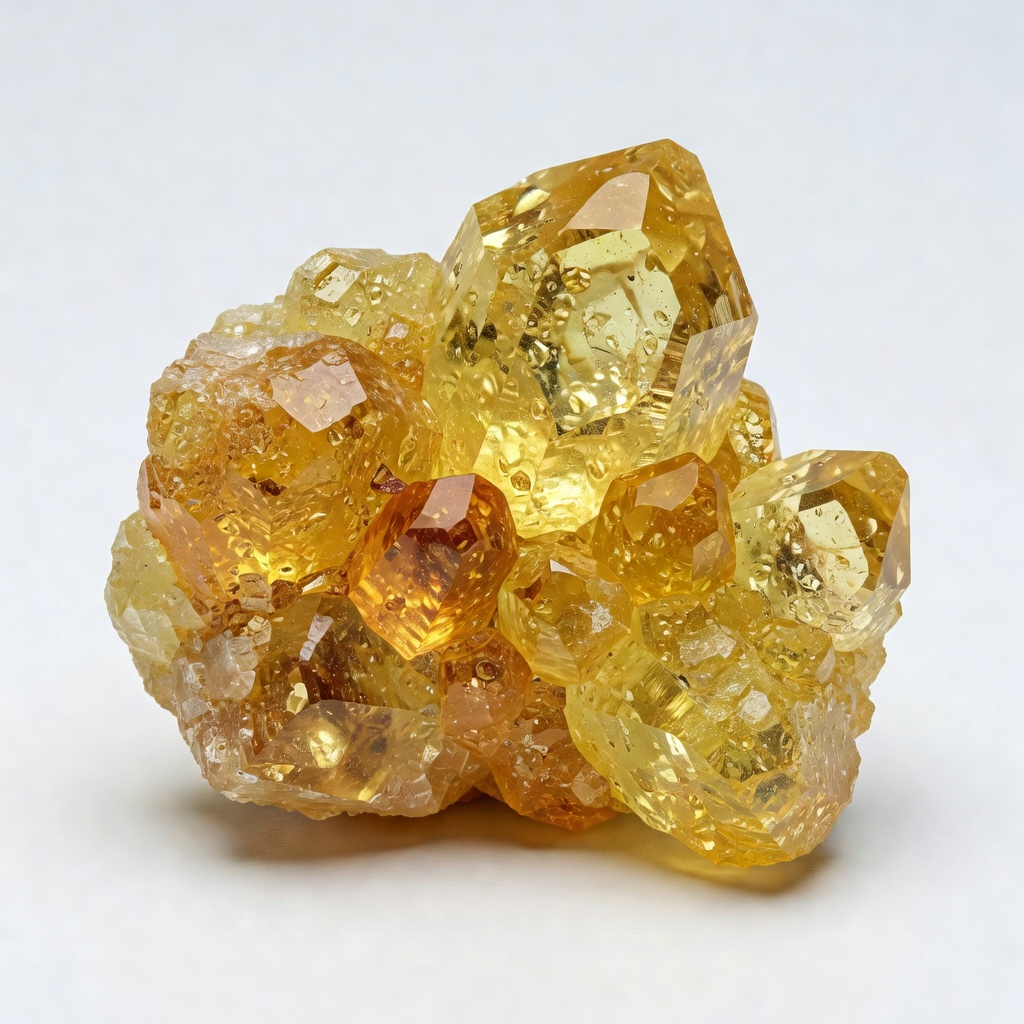
Citrine stands as one of the most beloved varieties of quartz, distinguished by its captivating range of golden hues that span from pale lemon yellow to deep amber and reddish-orange tones. As a silicon dioxide mineral, this gemstone has captured human imagination for millennia, earning its name from the French word "citron" meaning lemon, which perfectly describes its refreshing citrus-like coloration. Unlike many other gemstones that require complex mining and extraction processes, citrine often forms in impressive crystal clusters within geodes and volcanic rock formations, making it both accessible and visually striking for collectors and jewelry enthusiasts alike.
Throughout history, citrine has maintained significant cultural importance across various civilizations, from ancient Roman intaglio work to Victorian Scottish jewelry traditions. Roman priests fashioned citrine into rings and talismans, believing the stone could ward off evil thoughts and protect against snake venom, while 17th-century Scottish weapon makers adorned dagger handles with citrine for both decorative and symbolic purposes. In more recent centuries, the Art Deco period saw massive demand for citrine, with Hollywood stars wearing elaborate citrine jewelry pieces that cemented the stone's reputation as an affordable yet luxurious alternative to yellow diamonds and topaz.
Today, citrine remains one of the most sought-after yellow gemstones in the jewelry market, prized for its durability, affordability, and vibrant energy that seems to capture sunlight within its crystalline structure. Contemporary crystal enthusiasts and holistic practitioners continue to value citrine not merely for its aesthetic beauty but for its reputed ability to transmute negative energy into positive vibrations. Whether set in sterling silver pendants for daily wear or displayed as raw clusters in meditation spaces, citrine bridges the gap between geological wonder and metaphysical tool, offering Citrine Properties and Information that appeal to both scientific minds and spiritual seekers.
Physical and Geological Citrine Properties
Understanding the fundamental citrine stone properties requires examining its chemical composition and crystalline structure through a geological lens. Citrine belongs to the trigonal crystal system and shares the chemical formula SiO₂ with other quartz varieties, ranking 7 on the Mohs hardness scale. This substantial hardness makes citrine suitable for everyday jewelry wear, though it remains susceptible to scratches from harder materials like diamonds, sapphires, and topaz. The crystal typically forms hexagonal prisms terminated by six-sided pyramids, often displaying striations perpendicular to the crystal's long axis, which gemologists use as identifying characteristics during authentication processes.
The distinctive coloration of citrine ranges from pale straw yellow to deep Madeira orange, with the most valuable specimens exhibiting a saturated golden hue without brownish or reddish overtones. Natural coloration occurs when trace amounts of iron within the silicon dioxide structure undergo specific geological heating processes, creating the characteristic yellow color centers. Factors influencing hue intensity include the concentration of iron ions, the temperature at which the crystal formed, and exposure to natural irradiation over millions of years. Premium specimens often display subtle color zoning, where deeper yellow sections alternate with lighter areas, creating natural beauty marks that distinguish authentic stones from their treated counterparts.
Geologically, citrine forms through two primary processes: natural heating of amethyst or smoky quartz within the earth, and direct crystallization from hydrothermal solutions in igneous and metamorphic rocks. Major deposits occur in the Minas Gerais region of Brazil, where miners extract magnificent geodes containing citrine crystals up to several inches in length. Madagascar produces specimens with particularly rich, golden colors, while the Ural Mountains of Russia yield rare natural citrine with unique clarity characteristics. Other significant sources include Spain, France, and Colorado in the United States, each producing specimens with subtle variations in color saturation and crystal formation patterns that help experienced gemologists determine geographic origin.
Metaphysical Citrine Properties and Crystal Meaning
Within metaphysical circles, citrine crystal meaning centers predominantly on abundance, prosperity, and the manifestation of personal intentions, earning it the enduring nicknames "Merchant's Stone" and "Stone of Abundance." Historical records indicate that merchants during the Hellenistic period kept citrine stones in their cash boxes to not only attract wealth but to prevent excessive monetary loss, a tradition that continues among modern business owners who place citrine specimens in their shops or offices. The stone's golden radiance symbolizes the sun's life-giving energy, representing vitality, growth, and the fertile power of manifestation that transforms abstract dreams into concrete reality.
Practitioners believe that citrine carries solar energy within its crystalline matrix, making it an exceptional tool for clearing negative energy and invigorating the auric field without requiring energetic cleansing itself. Unlike many crystals that absorb negativity and require regular purification, citrine is said to transmute negative vibrations into positive ones continuously, acting as an energetic purifier that never needs clearing. This unique property makes it invaluable for meditation spaces, healing rooms, and personal crystal grids where maintaining high vibrational frequencies remains essential for spiritual work and manifestation practices.
On a personal development level, citrine amplifies the will center, enhancing creative expression, personal confidence, and the courage necessary to pursue ambitious goals. Artists and writers often keep citrine on their desks to overcome creative blocks, while public speakers may carry small tumbled stones to boost confidence before presentations. The crystal supports the alignment of thought patterns with action, helping individuals bridge the gap between intention and execution. For those engaged in psychic development, citrine offers protective qualities that shield against negative energies while simultaneously opening channels for higher guidance and spiritual insight, creating a safe container for intuitive exploration and energy work.
Citrine Healing Properties: Physical, Emotional & Spiritual Benefits
The citrine healing properties extend across physical, emotional, and spiritual dimensions, making this crystal a versatile tool in holistic wellness practices. Physically, practitioners associate citrine with digestive health and metabolic function, often recommending it for individuals experiencing chronic fatigue, digestive disorders, or imbalances in the endocrine system. Crystal therapists may place citrine on the stomach area during healing sessions to stimulate digestive fire and improve nutrient absorption, while others recommend wearing citrine jewelry to support thyroid function and maintain consistent energy levels throughout demanding workdays. Some naturopaths suggest that the warming energy of citrine improves circulation and supports the detoxification processes of the liver and kidneys.
Emotionally, yellow citrine benefits include significant support for those navigating depression, anxiety, and seasonal affective disorder, as its sunny disposition helps dispel darkness and negative thought patterns. Therapeutic applications often involve holding citrine during cognitive behavioral exercises or placing specimens in living spaces to create an atmosphere of optimism and joy. Case studies from crystal healing practitioners document clients experiencing improved mood stability and reduced anxiety attacks when working with citrine consistently over eight-week periods. The stone encourages self-expression and helps release fears of judgment, making it particularly beneficial for individuals recovering from trauma or working through deep-seated insecurities that inhibit authentic self-presentation.
Spiritually, citrine facilitates chakra activation and aura cleansing, particularly when used in conjunction with other high-vibration stones during meditation or energy healing sessions. Advanced practitioners utilize citrine in manifestation rituals, programming the crystal with specific intentions during the waxing moon phase to amplify goal achievement. In crystal therapy layouts, placing citrine at the solar plexus while simultaneously holding clear quartz at the crown creates an energetic circuit that draws divine inspiration down into practical, actionable plans. Regular meditation with citrine can accelerate spiritual advancement by dissolving energetic blockages that prevent the free flow of universal life force energy throughout the subtle body systems.
Natural Citrine vs Heat Treated: Key Differences
Understanding the distinctions between natural citrine vs heat treated specimens proves essential for both collectors and energy workers seeking authentic citrine properties and information. Natural citrine occurs when amethyst or smoky quartz undergoes gradual heating by geological processes deep within the earth over millions of years, resulting in subtle color variations that range from pale yellow to smoky golden hues. These natural specimens typically display even color distribution throughout the crystal structure, though they may exhibit gentle color zoning and often contain natural inclusions, fractures, or phantoms that indicate authentic formation conditions. The crystals maintain their original hexagonal terminations and may show etching or striations characteristic of natural geological growth patterns.
In contrast, heat-treated amethyst comprises approximately 95% of the citrine market, created when manufacturers heat purple amethyst to approximately 470°C (878°F) in industrial ovens, causing the iron impurities to shift from purple to yellow or orange-red coloration. Visual indicators of heat treatment include stark color contrasts where the crystal base remains white or colorless while the tip shows intense orange-yellow coloration, a pattern rarely seen in natural specimens. Treated stones often display reddish or burnt orange tones rather than the pale, smoky yellow characteristic of natural citrine, and may show evidence of their amethyst origin in partially converted sections displaying residual purple hues.
From an investment and energetic perspective, natural citrine commands significantly higher prices due to its rarity, with fine specimens costing $50 to $200 per carat compared to $5 to $30 per carat for heat-treated material. Purists argue that natural citrine possesses stronger, more stable metaphysical properties because the color change occurred through natural earth energies rather than artificial processes, though many contemporary practitioners acknowledge that heat-treated stones still carry beneficial quartz vibrations. When purchasing citrine for specific energy work, serious practitioners often request certificates of authenticity or purchase from dealers specializing in untreated specimens, particularly when seeking crystals for deep meditation or therapeutic applications where energetic purity remains paramount.
Citrine Chakra Association and Energy Work
The citrine chakra association primarily resonates with the Solar Plexus Chakra (Manipura), located between the navel and sternum, which governs personal power, self-esteem, and metabolic fire. When this energy center becomes blocked or underactive, individuals may experience digestive issues, lack of confidence, or difficulty asserting boundaries in personal and professional relationships. Working with citrine on the Solar Plexus helps activate this golden wheel of energy, stimulating the fire element that transforms passive intention into decisive action. Many energy healers place citrine directly on the solar plexus during body layouts while guiding clients through empowerment visualizations that strengthen their sense of autonomy and personal authority.
Beyond its primary solar plexus connection, citrine maintains secondary associations with the Sacral Chakra (Svadhisthana) and the Crown Chakra (Sahasrara), creating a unique energetic bridge between creative expression and spiritual connection. When used on the Sacral Chakra, citrine enhances creative flow, sensuality, and emotional intelligence, making it excellent for artists experiencing creative blocks or individuals working through intimacy issues. At the Crown Chakra, citrine facilitates the downloading of higher wisdom into practical, usable insights, preventing spiritual experiences from remaining abstract or disconnected from daily reality. This triadic chakra relationship makes citrine particularly effective for holistic energy alignment practices that seek to integrate body, mind, and spirit.
Best practices for meditation and chakra balancing with citrine include creating specific body layouts where the stone rests on the solar plexus while the practitioner lies supine in a comfortable position. Advanced techniques involve combining citrine with tiger's eye for enhanced grounding or pairing it with amethyst to create a spectrum of violet and gold that balances spiritual insight with practical manifestation. For optimal energy flow, place citrine on the left side of the body to receive its energetic qualities, or on the right side to project its influence outward into your environment. Regular practice of citrine meditation, even for ten minutes daily, can significantly shift one's energetic baseline toward confidence, optimism, and empowered decision-making.
How to Identify Authentic Citrine: Expert Tips
Developing expertise in citrine gemstone information requires learning sophisticated identification techniques that distinguish genuine specimens from clever imitations or treated alternatives. Visual inspection serves as the first line of defense, where authentic citrine displays natural color zoning with gradual transitions between lighter and darker areas rather than abrupt color changes. Natural specimens often contain internal characteristics such as fluid inclusions, growth lines, or phantom crystals that indicate genuine geological formation, whereas synthetic or glass imitations may appear too perfect or contain round bubble inclusions foreign to natural quartz formation.
Common fakes in the marketplace include dyed glass, colored resin, and heat-treated amethyst passed off as natural citrine, each presenting specific telltale signs upon close examination. Dyed glass typically shows color concentration in surface cracks or fractures while appearing colorless internally, and lacks the double refraction characteristic of crystalline quartz. Resin imitations feel unusually light and warm to the touch compared to genuine stone, and may show mold marks or perfect clarity that nature rarely produces. When examining potential heat-treated amethyst, look for the telltale white base with dark orange tip coloration, and check for any remaining purple patches that indicate incomplete conversion from the original amethyst structure.
Price indicators provide crucial clues, as suspiciously inexpensive citrine often signals treatment or fabrication, particularly when stones display deep, uniform coloration at bargain prices. Professional testing methods offer definitive identification, with natural citrine exhibiting a refractive index between 1.544 and 1.553 and a specific gravity of 2.65. Advanced gemological laboratories use spectroscopic analysis to detect heat treatment signatures and can identify synthetic material through inclusion patterns and growth structure analysis. When investing in high-value specimens, always request certification from reputable gemological institutes such as GIA or AGS, and consider working with dealers who specialize in untreated material, referencing database codes like vxatnv when verifying authentic geological specimens through professional registries.
Practical Uses and Applications of Citrine
Integrating citrine into daily life involves strategic applications that maximize both its aesthetic beauty and energetic citrine healing properties. For jewelry wearing guidelines, select pieces that place citrine in contact with the skin, such as pendants resting at the solar plexus or rings worn on the dominant hand to project its energy outward into your environment. Bracelets worn on the left wrist allow the body to receive citrine's energetic input throughout the day, supporting consistent mood elevation and confidence maintenance during stressful work situations. However, remove citrine jewelry before engaging in strenuous physical activities, household cleaning with chemicals, or swimming in chlorinated pools to prevent surface damage or energetic contamination.
In Feng Shui applications, citrine serves as the premier stone for activating the Wealth Corner (Xun position) of homes and offices, traditionally located in the far left corner from the main entrance. Place a citrine cluster or generator point in this area to stimulate financial flow and business opportunities, combining it with Chinese coins or wealth symbols for enhanced effect. For career advancement, position citrine on the north side of your desk to support professional recognition, or place it in the cash register or accounting area of businesses to attract and maintain monetary abundance. Some practitioners create wealth bowls containing citrine, pyrite, and green aventurine placed near entranceways to capture prosperity energy before it exits the space.
Crystal grid combinations featuring citrine create powerful manifestation tools when arranged in sacred geometric patterns during specific moon phases or astrological timings. Combine citrine with clear quartz points directed outward to amplify intention, green jade for sustained wealth, and carnelian for creative business ventures. For meditation techniques, hold a citrine sphere or tumble stone while visualizing golden light filling your solar plexus and radiating outward to encompass your entire auric field. Advanced practitioners may perform "citrine sunbathing," where they lie with the stone on their solar plexus during sunrise or sunset hours to absorb the harmonious resonance between the crystal and solar energies, deeply anchoring the citrine crystal meaning of abundance into their cellular memory.
Caring for Your Citrine Crystal: Maintenance Guide
Proper maintenance of your citrine ensures longevity of both its physical beauty and energetic potency, requiring specific protocols that honor its unique citrine stone properties. For safe cleaning methods, rinse your crystal under lukewarm running water using a soft cloth or natural bristle brush to remove accumulated dust and oils, avoiding harsh chemical cleaners, ultrasonic cleaners, or steam cleaning that might damage the stone's surface or affect any treatments it may have received. After washing, pat the crystal dry immediately with a microfiber cloth to prevent water spots, particularly on faceted jewelry pieces where mineral deposits might accumulate in setting crevices.
Charging techniques for citrine require careful consideration of light exposure, as prolonged direct sunlight can fade the vibrant yellow coloration over time, particularly in natural specimens with sensitive color centers. While brief sun exposure of one to two hours won't immediately damage most citrine, moonlight charging proves safer and equally effective for energetic restoration. Place your citrine on a windowsill during the full moon or bury it in a bowl of brown rice for twenty-four hours to ground and recharge its energy field. Some practitioners prefer charging citrine on selenite slabs or quartz clusters, which continuously clear and amplify the stone's natural vibrations without risk of color fading.
Storage recommendations emphasize protecting citrine from harder minerals that might scratch its surface, necessitating separate compartments in jewelry boxes or individual cloth bags for specimens. When traveling with citrine, wrap pieces in soft cloth or place them in padded containers to prevent impact damage, as quartz can chip if dropped on hard surfaces despite its relative durability. For energetic cleansing, employ smudging with white sage or palo santo, passing the crystal through the smoke while setting the intention for purification. Sound healing using tuning forks, singing bowls, or bells also effectively clears stagnant energy from citrine, restoring its natural vibrancy and ensuring it maintains optimal performance in healing work or personal energy support.
Citrine Buying Guide: Quality, Pricing, and Selection
Navigating the citrine market requires understanding quality grading systems and price structures to make informed purchasing decisions based on accurate citrine gemstone information. Quality evaluation follows the traditional four Cs: color, clarity, cut, and carat weight, with the most valuable specimens displaying saturated golden yellow to orange-yellow hues without brownish tints or zoning distractions. Clarity standards permit eye-clean stones with minimal inclusions for jewelry purposes, though collectors may specifically seek specimens with interesting internal characteristics like phantoms or rutile needles. Precision cutting maximizes citrine's brilliance, with oval, cushion, and emerald cuts particularly popular for showcasing the stone's color and light performance.
Price ranges vary dramatically based on treatment status and quality, with commercial heat-treated citrine typically costing $5 to $30 per carat for standard jewelry grades. Natural, untreated citrine commands premium prices ranging from $50 to $200 per carat for exceptional clarity and color, with museum-quality specimens or rare formations potentially exceeding these figures. Large citrine geodes or cathedral formations for home décor may range from $100 to several thousand dollars depending on size, crystal quality, and aesthetic presentation. When evaluating prices, remember that intensely saturated orange-red "citrine" usually indicates heat-treated amethyst rather than natural material, and adjust value expectations accordingly.
Ethical sourcing considerations have become increasingly important in the crystal trade, with responsible buyers seeking dealers who provide transparency regarding mining practices and fair labor conditions. Reputable dealers should disclose whether citrine is natural or heat-treated and provide information about the stone's country of origin when available. Investment potential remains strongest for natural citrine specimens with documented provenance, particularly large crystals from classic localities like Russia or Madagascar, which appreciate in value over time unlike mass-produced treated material. When building a collection or making significant purchases, establish relationships with established gem dealers who offer return policies and certification options, ensuring your acquisition of this golden gemstone supports both ethical trade practices and your personal energetic or aesthetic goals.
Frequently Asked Questions
What are the main healing properties of citrine?
Citrine is renowned for boosting energy, supporting digestion and metabolism, alleviating depression and anxiety, and enhancing manifestation abilities. It cleanses negative energy while promoting optimism, confidence, and mental clarity.
How can I tell if my citrine is natural or heat-treated?
Natural citrine typically shows subtle color zoning with a pale, even yellow hue and natural crystal formations. Heat-treated amethyst often displays an orange-reddish tone with white base color, stark color contrast, and may show traces of amethyst's purple in unheated areas.
Which chakra is citrine associated with?
Citrine primarily resonates with the Solar Plexus Chakra, enhancing personal power, confidence, and self-esteem. It also supports the Sacral Chakra (creativity) and Crown Chakra (spiritual connection), making it excellent for overall energy alignment.
Can citrine be exposed to sunlight or water?
Citrine can be cleaned with water briefly, but avoid prolonged soaking. Limit sunlight exposure to 1-2 hours as extended UV exposure may fade its color. For charging, moonlight is safer and preferred by crystal practitioners.
Is citrine expensive compared to other gemstones?
Commercial citrine is quite affordable at $5-$30 per carat. However, natural, untreated citrine is rare and commands premium prices from $50-$200+ per carat. Heat-treated amethyst (sold as citrine) is significantly cheaper and constitutes most market inventory.
What is the spiritual meaning of citrine crystal?
Spiritually, citrine represents abundance, joy, and personal power. It's considered a stone of manifestation that carries the sun's energy, helping transform dreams into reality while dispelling negativity and promoting positive life changes.
How should I cleanse and charge my citrine?
Cleanse citrine by smudging with sage, using sound vibrations, or placing it on selenite. Charge it under moonlight for 4-6 hours, or by burying it in brown rice for 24 hours. Avoid saltwater and extended sun exposure to prevent damage.
Can I wear citrine jewelry every day?
Yes, citrine is durable enough (Mohs 7) for daily wear. Wearing citrine as rings, pendants, or bracelets provides continuous energy support. However, remove during strenuous activities to prevent chips or scratches, and cleanse weekly to maintain its energetic properties.