Why You Need a Comprehensive Citrine Price Guide
Citrine has emerged as one of the most sought-after gemstones in the modern jewelry market, offering the warm, sunny glow of topaz at a fraction of the cost. This golden quartz variety has seen demand surge by nearly 15% over the past two years, making it a staple for both fashion-forward consumers and serious collectors alike. However, the vast disparity in quality, treatment methods, and sourcing has created a pricing landscape that confuses even experienced buyers. Without a thorough understanding of citrine gemstone value, consumers routinely overpay by 40-60% for stones that are heat-treated amethyst misrepresented as natural citrine.
This comprehensive Citrine Price Guide will demystify the current market, teaching you how to distinguish between commercial-grade heat-treated material and rare natural specimens worth hundreds per carat. You will learn to evaluate the four critical factors that determine value, understand geographic pricing variations, and identify the specific varieties that hold investment potential. Whether you are purchasing your first citrine pendant or adding to a serious gemstone collection, this guide provides the actionable knowledge needed to make informed purchasing decisions in 2024.
Understanding Citrine: Natural vs. Heat-Treated Pricing
The most crucial concept in citrine valuation involves understanding the fundamental difference between naturally occurring citrine and heat-treated amethyst, as this distinction creates the widest price gaps in the market. True natural citrine forms when trace iron impurities within quartz crystals are naturally heated by geothermal processes deep within the earth, resulting in the characteristic golden to orange hues that command premium prices of $50-300 per carat for fine specimens. In contrast, approximately 95% of citrine available in retail settings is actually heat-treated amethyst or smoky quartz, which shifts purple or brown tones to yellow and orange through artificial heating in industrial ovens, typically selling for just $5-50 per carat.
Professional gemologists identify natural citrine by examining color zoning patterns, as natural specimens often show subtle phantoms or gradual color transitions, while heat-treated stones may display distinctive reddish-brown edges with pale centers or uneven color distribution. When evaluating natural citrine vs heat treated citrine, always request laboratory certification for stones priced above $100 per carat, as ethical dealers should readily disclose treatment status. Geographic origins also influence pricing significantly, with Brazilian natural citrine commanding the highest premiums due to historical significance and exceptional clarity, while Madagascar and Congolese material often offers slightly lower citrine cost per carat but equally beautiful color profiles for budget-conscious buyers.
Key Factors That Determine Citrine Prices
Evaluating citrine requires understanding a specific hierarchy of value factors that differ slightly from other colored gemstones, particularly regarding color saturation and treatment status. Color serves as the primary value determinant, with deep reddish-orange tones known as Madeira commanding the highest prices, followed by rich golden yellows, while pale lemon shades remain most affordable. Clarity expectations for citrine are stringent compared to other quartz varieties, with completely eye-clean stones (showing no visible inclusions to the naked eye) valued at two to three times the price of included material, particularly in larger carat weights where flaws become more apparent.
Cut quality significantly impacts citrine gemstone value, as precision cutting that maximizes brilliance and color saturation can add 20-40% to a stone's market price compared to native-cut or poorly proportioned gems. Carat weight creates exponential price increases in fine material, with stones exceeding 10 carats commanding disproportionately higher per-carat rates due to the rarity of large, clean crystals suitable for faceting. Most importantly, untreated natural specimens carry a 5-10x premium over their heat-treated counterparts, making citrine quality factors like origin documentation and treatment disclosure essential components of any valuation process.
Color Hierarchy and Saturation Standards
Within the citrine color spectrum, value increases proportionally with saturation until reaching overly dark brown tones that detract from the stone's brightness. The ideal color range spans from pure golden yellow to deep orange-red, avoiding the greenish or brownish tints that characterize lower-quality material. When examining potential purchases, view stones under multiple lighting conditions, as incandescent lighting can mask color zoning or uneven saturation that becomes obvious in natural daylight.
The Impact of Cut and Proportions
Expert faceting transforms citrine from a common quartz variety into a brilliant, valuable gemstone through precise angle calculations that optimize light return. Poorly cut stones often exhibit "windowing," where light passes directly through the pavilion rather than reflecting back to the eye, significantly reducing value regardless of material quality. Premium cutting houses in Germany and Thailand specialize in citrine, producing calibrated stones with exceptional polish that justifies higher prices in the wholesale market.
Current Citrine Price Ranges Per Carat (2024)
The citrine price per carat 2024 market reflects continued stability in the commercial sector while witnessing significant appreciation for investment-grade natural material. Understanding these specific price brackets empowers buyers to recognize fair market value and avoid inflated retail markups that plague uninformed purchasers. Commercial-grade citrine, characterized by pale yellow color and visible inclusions, typically trades between $5-15 per carat and represents the bulk of mass-market jewelry, offering accessible entry points for fashion jewelry but limited resale potential.
Good-grade material featuring medium golden color and eye-clean clarity commands citrine cost per carat rates of $15-35, representing the sweet spot for quality jewelry that balances beauty with affordability. Fine-grade stones displaying deep golden-orange saturation without brown undertones range from $35-75 per carat and suit significant jewelry pieces or modest collections. Extra-fine Madeira citrine with exceptional reddish-orange color and flawless clarity starts at $75 per carat and can exceed $150 for exceptional specimens over 5 carats. At the apex of the market, collector-quality natural untreated citrine with museum-grade characteristics ranges from $100-300+ per carat, with exceptional large crystals commanding even higher premiums at specialized auctions.
Price Variations by Market Channel
Retail jewelry stores typically apply 3-5x markups over wholesale costs, meaning a stone purchased for $30 per carat wholesale may retail for $90-150 per carat in a physical storefront. Online specialized gemstone dealers offer more competitive citrine price per carat 2024 rates, usually operating on 1.5-2x markups, though buyers must factor in the inability to physically inspect stones before purchase. Auction houses provide opportunities for exceptional values on estate pieces but require expertise to avoid overbidding on misrepresented material.
Citrine Variety Pricing: From Lemon to Madeira
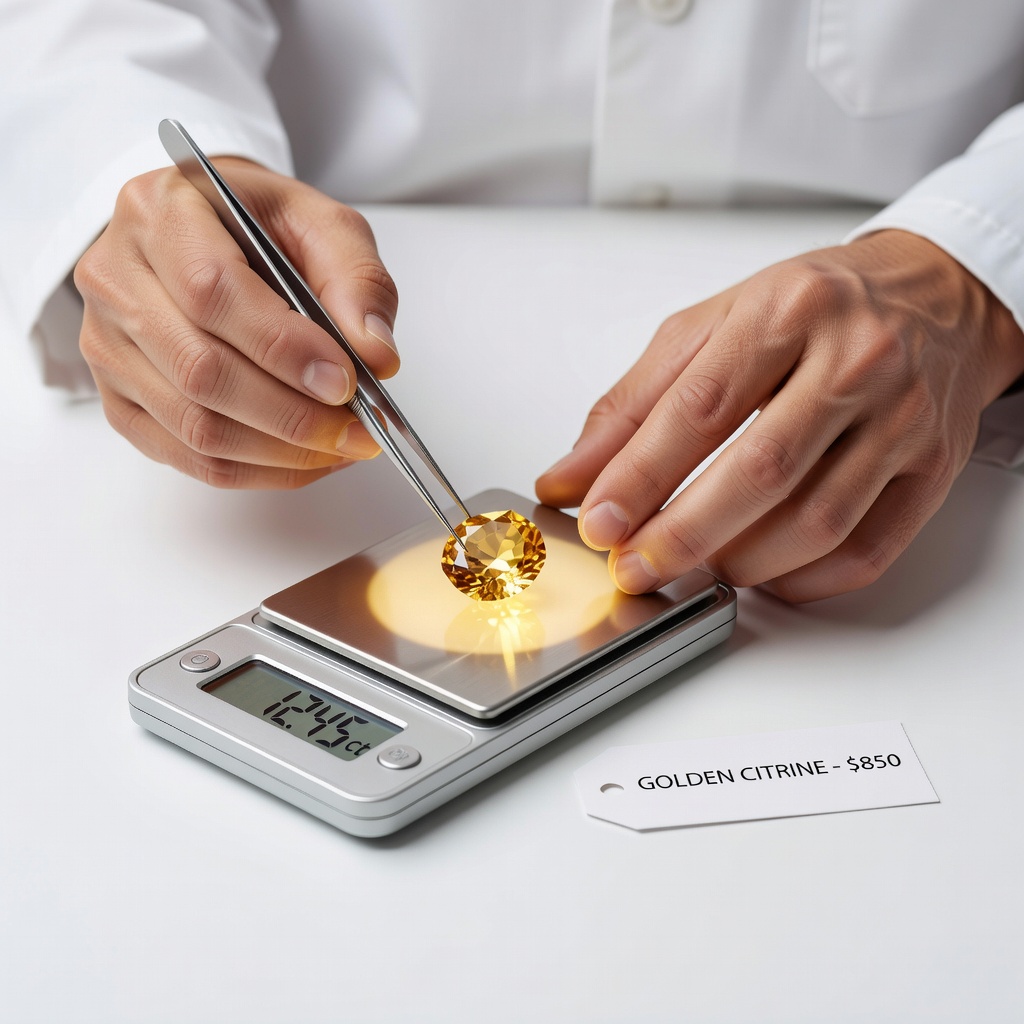
Specific trade names within the citrine category indicate distinct color ranges that command different price premiums, helping buyers communicate precisely what they seek. Lemon citrine, displaying pale yellow to greenish-yellow tones reminiscent of citrus fruit, represents the most affordable entry point at $5-20 per carat, popular for casual silver jewelry and beading projects where intense color is not required. Golden citrine price points center around $20-50 per carat for stones exhibiting pure, saturated yellow without orange or brown modifiers, offering the classic look most consumers associate with November's birthstone.
Palmeira or whiskey citrine displays rich orange-brown tones that appeal to autumn color palettes, typically ranging from $30-80 per carat depending on saturation and clarity. Madeira citrine value peaks the market at $50-150 per carat for stones showing deep reddish-orange colors similar to Madeira wine, with the finest specimens achieving prices rivaling fine garnet or tourmaline. Be cautious with "fire citrine" marketing terms, as this often indicates heavily treated material or coated stones where marketing hype artificially inflates prices beyond intrinsic value.
Regional Color Preferences
American markets traditionally favor the bright golden yellow tones associated with sunshine and optimism, while European collectors increasingly seek the deeper Madeira and whiskey colors that suggest vintage luxury. Asian markets show growing appreciation for untreated natural material regardless of shade, prioritizing rarity and authenticity over saturated color achieved through enhancement.
How to Evaluate Citrine Quality Like a Professional
Developing professional evaluation skills protects your investment and ensures you pay fair prices commensurate with actual quality rather than sales hype. Begin with color evaluation by examining the stone face-up against a white background under natural daylight-equivalent lighting, looking for even saturation throughout the crown without color zoning or "bleeding" where color concentrates unevenly. For clarity grading, use a 10x jeweler's loupe to inspect for fractures, liquid inclusions, or "feathers" that might affect durability, remembering that while minor inclusions are acceptable in stones under $20 per carat, fine material should appear clean even under magnification.
Cut assessment requires checking that the table (top flat facet) sits parallel to the girdle (widest part), with symmetrical pavilion facets that meet precisely at the culet (bottom point). Request laboratory certification from reputable organizations like GIA, AGL, or Gubelin for any citrine gemstone value exceeding $500, as these reports definitively state treatment status and geographic origin. Learn to detect common treatments beyond standard heating, including irradiation (which creates unnatural neon colors) and surface coatings (which scratch easily and represent fraud), by examining stone edges for color concentrations that suggest artificial enhancement.
Tools for Home Evaluation
Invest in a quality 10x triplet loupe and a daylight-equivalent LED lamp to accurately assess citrine outside jewelry store lighting, which often uses warm tones to enhance yellow stones unnaturally. A digital caliper helps verify that carat weight claims match actual dimensions, as some dealers exaggerate weights to justify inflated prices.
Smart Buying Tips: Where and How to Purchase
Strategic purchasing decisions can save hundreds of dollars while securing superior stones compared to impulse buys at retail jewelry counters. Online purchasing from reputable specialized dealers typically offers buying citrine tips that translate to 20-40% savings over brick-and-mortar stores, as these vendors maintain lower overhead and compete in a global marketplace, though you should prioritize sellers offering 30-day return policies and detailed photography including videos showing the stone from multiple angles. When evaluating Citrine Price Guide comparisons across platforms, be wary of prices that seem too good to be true, as $3-per-carat "citrine" is almost certainly glass, synthetic quartz, or heavily treated material with undisclosed fillers.
Red flags include sellers who cannot specify whether stones are natural or treated, vague origin descriptions like "African" without specific countries, or stones showing obvious windowing and poor polish. Negotiation remains standard practice in the loose gemstone market, with polite requests for 10-15% discounts often successful when purchasing multiple stones or paying via wire transfer rather than credit cards. Build relationships with established dealers who specialize in quartz varieties rather than general jewelry stores, as these specialists possess deeper inventory and expertise regarding citrine quality factors and fair market values.
Timing Your Purchase
Gemstone markets experience seasonal fluctuations, with citrine prices often softening in December through February following the November birthstone rush, creating optimal buying opportunities for non-gift purchases. Major trade shows like Tucson and Bangkok offer wholesale access to exceptional material, though retail buyers should attend with experienced guides to navigate minimum purchase requirements.
Investment Potential and Value Retention
While most citrine serves primarily as wearable adornment rather than serious investment, specific categories show promising appreciation potential for collectors with long-term horizons. Market trends indicate that demand for high-quality citrine increased 15% between 2023-2024, driven by renewed interest in affordable colored gemstones and ethical sourcing preferences that favor quartz over heavily mined precious stones. Investment-grade characteristics include natural untreated origin, exceptional color saturation in the Madeira range, and sizes exceeding 20 carats where supply constraints create genuine scarcity.
Expect standard commercial citrine to retain only 30-50% of retail value upon resale, similar to most consumer jewelry, while exceptional natural specimens may appreciate 5-10% annually depending on market conditions. The long-term outlook suggests potential pressure on heat-treated material prices as synthetic quartz becomes increasingly indistinguishable from natural heated amethyst, making untreated citrine cost per carat likely to outpace treated material appreciation. Focus collectible efforts on documented natural crystals from historic localities or exceptional cut stones with provenance from renowned lapidaries to maximize citrine gemstone value retention.
Building a Collection Strategy
Begin with fine examples of each major color variety—lemon, golden, and Madeira—before pursuing ultra-rare natural specimens, allowing you to develop visual acuity for quality gradations while building liquid assets that can be resold if necessary. Maintain detailed records of purchases, including vendor receipts, laboratory reports, and photographic documentation, as provenance significantly impacts resale values for collector-grade material.
Caring for Citrine to Protect Your Investment
Proper maintenance preserves both the beauty and citrine gemstone value over decades of wear, preventing the damage that necessitates costly repairs or recutting. Clean citrine jewelry using only warm soapy water and a soft-bristled brush, as ultrasonic cleaners can exacerbate existing fractures while steam cleaning may cause thermal shock in stones with hidden inclusions. Store citrine pieces separately from harder gemstones like diamonds, sapphires, and rubies, as quartz ranks 7 on the Mohs hardness scale and can be scratched by these materials, while citrine itself can scratch softer gems like opal or pearl.
Prolonged exposure to direct sunlight or UV radiation can fade natural color in some specimens, particularly lighter-toned material, so store fine pieces in closed boxes rather than display cases near windows. Obtain professional appraisals every 3-5 years for insurance purposes, updating valuations to reflect current citrine price per carat 2024 markets and replacement costs. If damage occurs, consult a master lapidary regarding re-cutting potential, as skilled cutting can sometimes salvage value from chipped stones by reducing carat weight while improving overall proportions and brilliance.
Professional Maintenance Schedules
Have prongs and settings checked biannually by a jeweler, as citrine's relative hardness makes it suitable for rings but the brittle tenacity means sharp blows can cleave stones if settings become loose. Consider removing citrine rings before gardening, sports, or household cleaning to prevent chemical exposure from harsh detergents that might etch the surface over time.
Frequently Asked Questions About Citrine Pricing
How Much Should I Expect to Pay for Citrine Per Carat in 2024?
In 2024, citrine prices range from $5-15 per carat for commercial quality stones, $15-75 for fine quality, and $75-150+ for exceptional Madeira citrine. Natural, untreated citrine commands $50-300+ per carat due to its rarity. These prices reflect the stone's color saturation, clarity grade, and treatment status, with precision-cut stones commanding premiums at every quality level.
What Is the Price Difference Between Natural and Heat-Treated Citrine?
Natural citrine costs 5-10 times more than heat-treated amethyst (sold as citrine). While heat-treated stones run $5-50 per carat, genuine natural citrine ranges from $50-300+ per carat depending on color and clarity. This significant price disparity reflects the geological rarity of natural citrine formation compared to the industrial abundance of heat-treated material.
Which Citrine Color Is the Most Valuable?
Deep reddish-orange Madeira citrine is the most valuable, commanding $50-150+ per carat for fine specimens. The most prized stones show saturated color without brown undertones. Natural golden yellow citrine is also highly valued, particularly when it displays the rare "cognac" tones found in specific Brazilian localities.
Does Citrine Hold Its Value Over Time?
Heat-treated citrine typically depreciates 50-70% after purchase, similar to most mass-market gemstones. However, natural, untreated citrine with exceptional characteristics can appreciate in value, especially specimens over 10 carats with premium color. Investment potential correlates directly with rarity documentation and the absence of artificial enhancement.
What Are the Biggest Red Flags When Buying Citrine?
Watch for prices that seem too low, sellers who can't specify if it's natural or treated, vague origin claims, and stones with windowing or poor cuts. Also be wary of 'fire citrine' marketing without proper disclosure of enhancement methods. Additional warning signs include uneven color distribution, surface scratches indicating coating treatments, and sellers who resist independent laboratory verification.
Is It Better to Buy Citrine Online or in Jewelry Stores?
Online retailers typically offer 20-40% lower prices and better selection, but ensure they have strong return policies and gemological certifications. Physical stores allow inspection but often carry higher markups. Buy from vendors with good reviews and clear return terms either way, prioritizing those who provide detailed photographs, videos, and treatment disclosures for every stone.
How Can I Verify I'm Getting a Fair Citrine Price?
Compare similar stones across 3-4 reputable sellers, check treatment disclosure, request certification for stones over $500, and understand the 4Cs for citrine. Use this price guide as a benchmark and don't hesitate to negotiate 10-15% discounts on loose stones. Building relationships with established gemstone dealers provides access to wholesale pricing tiers unavailable to casual buyers.
Are Larger Citrine Stones More Expensive Per Carat?
Yes, citrine prices per carat increase significantly above 5-10 carats for fine quality stones. While small commercial stones might be $5-10/ct, fine quality stones over 10 carats can command 2-3x higher per-carat prices due to rarity in larger sizes. This exponential pricing reflects the difficulty in finding large quartz crystals without internal fractures or color zoning suitable for cutting.