Introduction to Citrine and Why Proper Care Matters
Citrine has earned its reputation as one of the most beloved gemstones in modern jewelry collections, serving as the official November birthstone and captivating wearers with its warm, golden hues reminiscent of autumn sunshine. This stunning quartz variety appears in everything from delicate cocktail rings to statement necklaces, making proper citrine care and cleaning essential knowledge for any jewelry enthusiast. Whether you have inherited a vintage citrine brooch or recently purchased a contemporary pendant, understanding how to maintain these gemstones ensures they retain their brilliance for decades to come.
Many collectors underestimate how quickly improper handling can diminish citrine's natural beauty, leading to clouded surfaces, diminished sparkle, or permanent color changes that significantly reduce both aesthetic appeal and monetary value. Common mistakes such as exposure to harsh household chemicals or prolonged sunlight exposure can transform a vibrant golden stone into a pale, lifeless crystal within months. By implementing consistent maintenance routines and avoiding damaging practices, you can preserve the clarity, color saturation, and structural integrity that make citrine such a treasured addition to any jewelry wardrobe.
Understanding Citrine's Physical and Chemical Properties
Before diving into specific maintenance protocols, understanding the fundamental characteristics of this gemstone provides crucial context for why certain citrine gemstone care methods work better than others. Citrine ranks 7 on the Mohs hardness scale, which offers moderate durability suitable for daily wear but leaves it vulnerable to scratches from harder materials like diamonds, rubies, and sapphires. This hardness level means citrine can withstand normal contact with skin and clothing, yet requires protection from abrasive surfaces and impact during physical activities.
One of the most critical citrine stone properties involves its sensitivity to ultraviolet radiation, which can cause significant color fading over time, particularly in specimens that have undergone heat treatment processes. The crystal structure contains iron impurities that create the characteristic yellow-to-orange coloration, but these same elements react negatively to prolonged sun exposure, gradually bleaching the stone to a pale, washed-out appearance. Additionally, citrine possesses distinct cleavage properties that make it susceptible to chipping or cracking when subjected to sharp blows or extreme temperature fluctuations, necessitating careful handling during both wear and cleaning procedures.
Natural Citrine Versus Heat-Treated Varieties
The market predominantly features heat-treated amethyst-citrine rather than naturally occurring citrine, creating important distinctions in durability and care requirements that every owner should recognize. Natural citrine forms through geological heat processes deep within the earth, resulting in typically pale yellow coloration and generally stable internal structures that resist environmental changes. Conversely, most commercial citrine begins as purple amethyst that artisans heat-treat to achieve those desirable golden-orange tones, a process that can create internal stress fractures and make the stone more susceptible to thermal shock during cleaning or wear.
Daily Wear and Maintenance Best Practices
Establishing intelligent habits during everyday use forms the foundation of effective citrine jewelry maintenance, preventing cumulative damage that compounds over months and years of ownership. Always remove citrine rings, bracelets, and necklaces before engaging in exercise routines, swimming sessions, or household cleaning chores, as these activities expose the gemstone to chlorine, salt water, sweat, and impact risks that compromise both setting security and stone integrity. Physical activities particularly endanger prong-set citrine rings, where sudden impacts against gym equipment or weights can loosen the stone or cause chips along the crystal's edges.
Cosmetics and personal care products present another significant threat to caring for citrine gemstone pieces, as hairsprays, perfumes, lotions, and makeup contain chemicals that create residue buildup and potential chemical reactions with the stone surface. Develop the habit of putting on citrine jewelry last when dressing, allowing skincare products and fragrances to fully absorb and dry before adorning yourself with these golden treasures. Additionally, implement a weekly visual inspection routine using a jeweler's loupe or magnifying glass to examine prongs, clasps, and settings for signs of looseness, wear, or accumulated debris that requires immediate attention.
Workplace and Activity-Specific Precautions
Professional environments often harbor hidden dangers for citrine jewelry, from typing-induced abrasion against keyboard edges to chemical exposure in laboratory or cleaning settings. If you work with your hands frequently, consider reserving citrine pieces for special occasions rather than daily professional wear, or select bezel settings that offer superior protection compared to prong styles. Gardening, cooking, and DIY home improvement projects particularly threaten citrine integrity, as soil particles, kitchen acids, and construction debris can scratch the surface or work their way into setting crevices.
Safe DIY Cleaning Methods for Citrine Stones
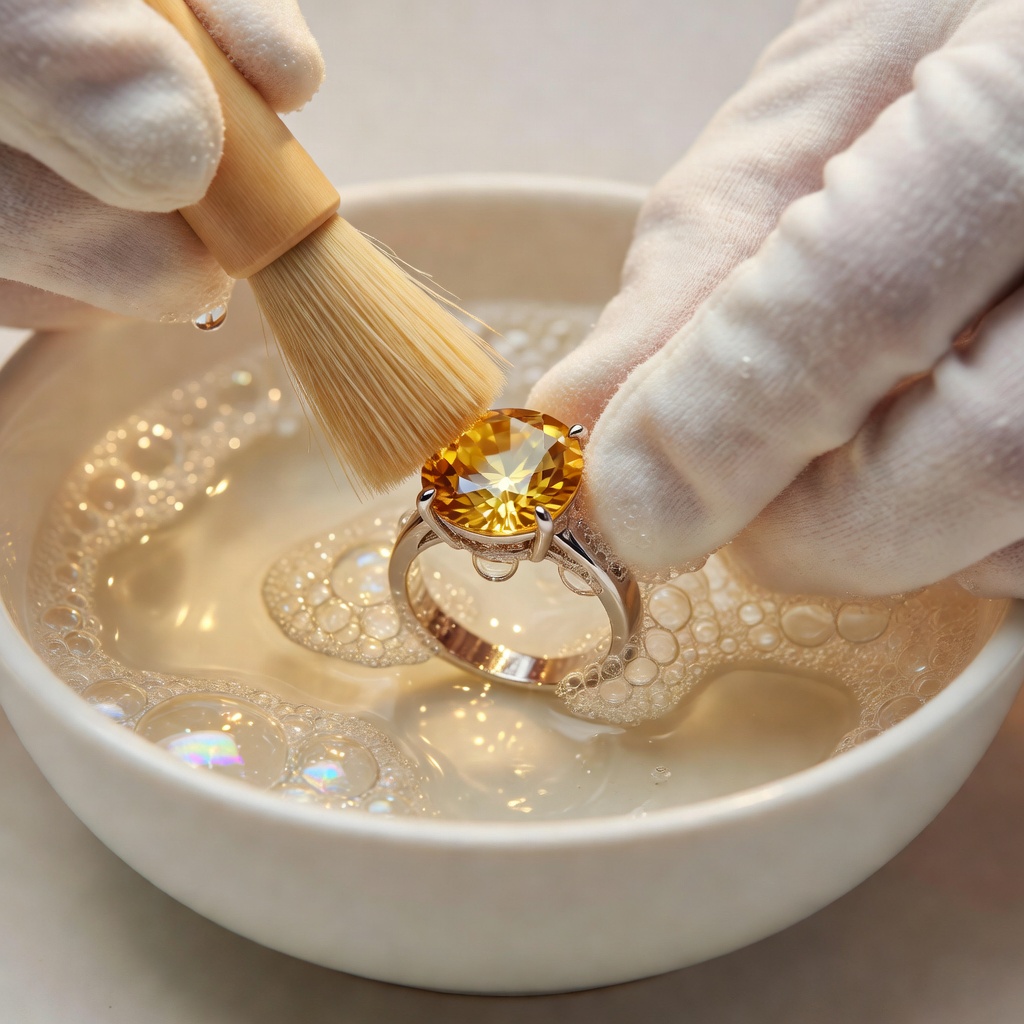
Regular home cleaning maintains citrine's fire and brilliance without requiring expensive professional services, provided you follow gentle, time-tested methodologies that respect the stone's physical limitations. Begin by preparing a cleaning solution using lukewarm water—never hot—and a few drops of mild, phosphate-free dish soap in a clean bowl, creating a gentle bath that dissolves oils and residues without chemical aggression. This simple approach to how to clean citrine stone effectively removes everyday grime while preserving the delicate surface polish that professional cutters work carefully to achieve.
Submerge your citrine jewelry for approximately ten to fifteen minutes to loosen accumulated debris, then employ a soft-bristled baby toothbrush to gently scrub the stone and setting using small circular motions. Pay particular attention to the area behind the gemstone, where skin oils and soap scum typically accumulate and diminish light reflection through the crown. When cleaning citrine crystals with intricate cuts or many facets, work methodically across each surface to ensure complete residue removal without applying excessive pressure that might loosen the setting.
Complete the process by rinsing thoroughly under lukewarm running water, ensuring all soap dissipates from hidden crevices and underneath the stone where buildup commonly occurs. Pat the jewelry completely dry using a lint-free microfiber cloth, then allow it to air-dry on a clean towel for several hours before returning it to storage or wearing. These citrine stone cleaning tips ensure your gemstones maintain their signature honey-like transparency while avoiding the pitfalls of overly aggressive cleaning techniques that plague many well-intentioned owners.
Critical Mistakes to Avoid When Cleaning Citrine
Understanding what not to do proves equally important as knowing proper techniques, as certain common practices can permanently damage citrine despite appearing effective for other household items. Never expose citrine to harsh chemicals including ammonia, bleach, chlorine, or acidic cleaners such as vinegar, as these substances etch the quartz surface and create microscopic pitting that dulls the stone's luster irreparably. When researching citrine cleaning methods, immediately disregard any advice suggesting abrasive powders, toothpaste, or baking soda scrubs, as these materials scratch the relatively soft 7-hardness surface and create pathways for future dirt accumulation.
Ultrasonic cleaners and steam cleaning devices, while excellent for diamonds and sapphires, pose significant dangers for citrine due to the stone's internal characteristics and potential heat treatment history. The intense vibrations of ultrasonic baths can expand existing microscopic fractures or create new ones, particularly in stones that began as amethyst before heat treatment converted them to citrine. Steam cleaning introduces extreme temperature variations that cause thermal shock, potentially cracking the stone instantly or creating internal stresses that lead to future breakage, making these devices definite entries on the list of what not to clean citrine with.
Temperature management extends beyond professional equipment to include simple household habits that owners often overlook during routine maintenance. Never use hot water when cleaning citrine, as the sudden temperature difference between the stone and water can cause internal cracking or crazing of the surface. Similarly, avoid cleaning citrine near open windows with direct sunlight exposure, as the combination of heat from the sun and cleaning solutions can create unpredictable chemical reactions or rapid temperature shifts that stress the crystal structure.
When and How to Seek Professional Citrine Cleaning
Despite diligent home care, certain situations necessitate professional citrine cleaning to address issues beyond the scope of DIY methods and prevent minor problems from becoming catastrophic failures. Schedule an appointment with a certified jeweler immediately upon noticing deep scratches that catch on fabric, loose stones that rattle within their settings, or stubborn buildup that persists despite repeated gentle cleaning attempts. Professional intervention also becomes necessary when prongs appear worn, thin, or bent, as these structural issues threaten total stone loss if left unaddressed.
The professional cleaning process typically begins with a comprehensive inspection using magnification to identify fractures, inclusions, or setting weaknesses that might affect which cleaning methods the jeweler employs. Unlike home cleaning, professionals can access high-pressure steam systems specifically calibrated for sensitive gemstones, along with specialized polishing compounds that remove surface scratches without damaging the underlying stone. Many jewelers also offer complimentary tightening of prongs and clasp adjustments during cleaning appointments, providing comprehensive citrine maintenance tips tailored to your specific piece's condition and setting style.
For frequently worn citrine jewelry, establish an annual professional maintenance schedule that includes deep cleaning, structural inspection, and appraisal updates for insurance purposes. Expect to invest between $25 and $75 for standard cleaning and inspection services, though costs vary based on jewelry complexity and regional pricing differences. Heirloom pieces or antique citrine jewelry warrant more frequent professional attention, perhaps every six months, due to the aged settings and potential brittleness of older stones that require expert monitoring.
Proper Storage Techniques for Citrine Jewelry
How you store citrine between wearings significantly impacts its longevity, as improper storage leads to scratching, color fading, and setting damage that routine cleaning cannot reverse. Implement a system of individual soft cloth pouches or dedicated jewelry box compartments for each citrine piece, ensuring that harder gemstones like diamonds or sapphires cannot contact and abrade the citrine surface. This fundamental principle of citrine gemstone storage prevents the "jewelry box damage" that occurs when pieces jostle together during drawer opening or travel, creating microscopic scratches that accumulate into visible wear patterns.
Location selection for your storing citrine jewelry efforts requires careful consideration of environmental factors that threaten color stability and structural integrity. Never store citrine in direct sunlight, on windowsills, or near heat sources such as radiators or heating vents, as cumulative UV exposure gradually bleaches the golden color while heat dries out natural oils in organic materials and potentially stresses the crystal. Instead, choose a cool, dark drawer or closet safe that maintains stable temperatures between 65 and 75 degrees Fahrenheit with low humidity levels that prevent tarnish on metal settings and moisture-related damage to the stone.
For extensive collections or particularly valuable pieces, consider investing in a jewelry safe with humidity control features or silica gel packets that absorb excess moisture from the air. When traveling with citrine jewelry, utilize hard-sided travel cases with individual padded slots rather than soft rolls or pouches that allow pieces to contact each other during transit. Always ensure citrine pieces are completely dry before storage, as trapped moisture can promote bacterial growth, metal corrosion, and mineral deposits that become increasingly difficult to remove over time.
Natural vs. Heat-Treated Citrine: Care Differences
Distinguishing between natural and treated varieties informs appropriate care strategies, as heat treated citrine care protocols differ subtly but significantly from those for naturally formed specimens. Visual identification provides the first clue: natural citrine typically displays pale yellow to smoky golden hues with subtle color zoning and natural inclusions, while heat-treated stones often exhibit intense reddish-orange or Madeira colors with more uniform saturation throughout the crystal. When examining a stone against white light, natural citrine usually shows dichroic properties and subtle color variations, whereas treated material may appear more homogenous due to the artificial heating process.
The thermal treatment process creates internal stresses within the crystal lattice that make these stones more vulnerable to temperature fluctuations and mechanical shock than their naturally formed counterparts. Owners of treated citrine must exercise extra caution regarding natural citrine vs treated cleaning procedures, strictly avoiding any hot water exposure and minimizing temperature changes during wear. If you suspect your stone underwent irradiation treatment in addition to heating—common in producing deeply colored specimens—additional precautions apply regarding light exposure, as irradiated stones can be particularly photosensitive and prone to fading.
When acquiring new citrine pieces, request documentation from the jeweler regarding treatment history, as this information directly impacts your maintenance approach and insurance valuation. Natural citrine commands higher prices and generally tolerates slightly more robust handling, though both varieties deserve gentle treatment and regular maintenance. If you own antique citrine jewelry from before the 1980s, assume natural origin, as heat-treatment technology for mass production became widespread relatively recently in jewelry history.
Solving Common Citrine Care Problems
Even with meticulous care, citrine jewelry occasionally develops issues that require targeted solutions to restore its original beauty and functionality. When confronting heavy lotion or oil residue that resists standard cleaning, prepare an extended soak using the mild soap solution mentioned previously, allowing the piece to rest for thirty to forty-five minutes rather than the standard ten to fifteen. For particularly stubborn citrine care problems, gently heating the water to exactly body temperature—not higher—before adding the stone can help dissolve waxy buildup, though this technique requires precise temperature monitoring to avoid thermal shock.
Cloudiness or haziness that persists after thorough cleaning often indicates microscopic surface scratches or subsurface fractures that scatter light rather than allowing it to pass cleanly through the crystal. While home remedies cannot address deep cleaning citrine stone issues of this nature, professional re-polishing removes superficial damaged layers and restores optical clarity, essentially returning the stone to its original factory finish. Attempting DIY polishing with automotive compounds or metal polishes inevitably worsens the situation by creating additional scratches or chemically reacting with the quartz.
Minor surface scratches that haven't penetrated deeply into the stone respond well to gentle buffing with specialized jewelry polishing cloths designed for delicate gemstones, using light pressure and straight-line motions rather than circular rubbing. For scratches on the metal setting rather than the stone itself, professional re-plating or refinishing may be necessary to prevent rough metal edges from eventually damaging the citrine through contact. Always address loose stones immediately by discontinuing wear and securing the piece in a padded container until professional repair prevents total stone loss.
Creating a Long-Term Citrine Preservation Plan
Serious collectors and those inheriting valuable citrine pieces benefit from developing comprehensive citrine long term care strategies that extend beyond daily cleaning to encompass decades of preservation. Establish an annual maintenance checklist that includes professional inspection, deep cleaning, prong tightening, and updated appraisals reflecting current market values for insurance documentation. Photograph each piece annually under consistent lighting conditions to track subtle color changes, setting wear, or stone movement that might indicate developing problems requiring intervention.
Insurance considerations play a crucial role in citrine preservation, particularly for large specimens or antique pieces where replacement costs could be substantial. Maintain detailed records including purchase receipts, gemstone certifications, treatment disclosures, and photographs in both digital and physical formats stored separately from the jewelry itself. For estate planning purposes, document any family history associated with heirloom pieces, as provenance significantly impacts both monetary and sentimental value for future generations who will inherit these golden treasures.
Heirloom care strategies require special attention to storage environments that remain stable over years or decades of occasional wear, including climate-controlled safes or bank deposit boxes for pieces worn only during special occasions. When passing citrine jewelry to younger family members, include written care instructions based on the specific treatment history and setting style of each piece, ensuring that sentimental value translates through proper maintenance knowledge. Consider establishing a "jewelry care fund" alongside the physical inheritance, providing financial resources for future professional maintenance that preserves these family treasures for successive generations.
Frequently Asked Questions About Citrine Maintenance
Can I clean my citrine stone with water?
Yes, lukewarm water with mild soap is safe for cleaning citrine gemstones and represents the recommended method for regular maintenance. Avoid hot water as it can cause thermal shock, and always dry thoroughly with a lint-free cloth to prevent water spots and potential damage to the stone's setting. Ensure the water temperature feels comfortable to your touch—neither hot nor cold—to protect the crystal structure from stress fractures.
Does citrine fade in sunlight?
Yes, prolonged direct sunlight can cause citrine to fade, particularly heat-treated varieties which are more photosensitive than natural specimens. Store your citrine jewelry in a dark place such as a jewelry box drawer or closet safe, and limit exposure to UV light during wear to preserve its golden color intensity. Windowsills, car dashboards, and bathroom counters with natural light exposure should be avoided for storage purposes.
Is it safe to use vinegar or baking soda to clean citrine?
No, never use vinegar, baking soda, or other acidic or abrasive cleaners on citrine as these materials can etch the quartz surface and permanently damage the polish. The acidic nature of vinegar reacts with the iron content in citrine, potentially altering color, while baking soda acts as an abrasive that creates microscopic scratches. Stick to mild, pH-neutral soap solutions only, specifically phosphate-free dish soaps designed for delicate surfaces.
How often should I clean my citrine jewelry?
Clean citrine jewelry monthly for pieces worn regularly, and after each use for special occasion items that contact perfumes or hairsprays during events. Perform a quick rinse with lukewarm water if the piece becomes exposed to sweat, lotions, chlorine, or household chemicals during daily activities. Weekly visual inspections for setting security should accompany the monthly cleaning schedule to catch potential problems early.
Can I use an ultrasonic cleaner on my citrine gemstone?
No, ultrasonic cleaners are not recommended for citrine due to the risk of internal damage from vibration frequencies. The intense vibrations can expand existing microscopic fractures or create new ones, especially in stones with inclusions or those that underwent heat treatment during processing. Always use gentle hand-cleaning methods with soft brushes and mild soap rather than mechanical cleaning devices.
What's the difference in care between natural and heat-treated citrine?
Heat-treated citrine is more sensitive to temperature changes and requires gentler care than natural varieties due to internal stresses created during the heating process. Avoid hot water and sudden temperature shifts when cleaning or wearing heat-treated stones, and be aware that these varieties may fade more quickly under UV exposure. Natural citrine is generally more stable but still requires careful handling and protection from harsh chemicals and impacts.
Can citrine crack from heat exposure?
Yes, citrine can crack from thermal shock caused by sudden temperature changes, such as moving from hot sunlight to air conditioning or using hot water during cleaning. The quartz structure expands and contracts with temperature shifts, and rapid changes create internal stresses that exceed the stone's tolerance, resulting in visible cracks or internal fractures. Always use lukewarm water for cleaning and avoid wearing citrine in situations involving extreme temperature differentials.
How do I restore shine to a dull citrine stone?
Use a soft jewelry polishing cloth specifically designed for delicate gemstones to address minor dullness caused by skin oil accumulation or light surface residue. For significant loss of luster, deep scratches, or cloudiness that persists after cleaning, consult a professional jeweler for re-polishing services that remove damaged surface layers. Avoid DIY polishing compounds, automotive waxes, or metal polishes that may contain abrasives too harsh for citrine's 7-hardness rating.