Why Citrine Deserves a Spot in Your Collection
Citrine has emerged as one of the most sought-after gemstones in contemporary jewelry collections, offering an accessible entry point into the world of precious stones without the premium price tags associated with sapphires or rubies. As the official November birthstone and a traditional gift for thirteenth wedding anniversaries, this golden quartz variety combines warm aesthetics with remarkable versatility that complements both vintage and modern design sensibilities. The growing demand for affordable luxury has positioned citrine as a favorite among millennials and Gen Z collectors who prioritize both beauty and value in their jewelry investments.
Navigating the citrine market requires more than casual browsing, as significant variations in quality, treatment history, and pricing can confuse even experienced buyers. Following a comprehensive citrine buying guide protects you from common pitfalls such as overpaying for heat-treated stones marketed as rare natural specimens or purchasing synthetic imitations passed off as genuine gemstones. Understanding the nuances of citrine quality factors empowers you to make informed decisions that align with your aesthetic preferences, budget constraints, and intended usage, whether you seek a statement cocktail ring or delicate everyday earrings.
This guide provides everything you need to know before purchasing citrine, from distinguishing natural citrine from treated alternatives to understanding citrine price per carat fluctuations across different markets. We will explore essential quality indicators, authentication methods for fake citrine identification, optimal citrine jewelry settings for various lifestyles, and ethical sourcing considerations that increasingly influence modern purchasing decisions. By the conclusion, you will possess the confidence and knowledge necessary to select a citrine gemstone that delivers lasting satisfaction and value.
Natural vs. Heat-Treated Citrine: What You Must Know
The distinction between natural citrine and heat treated citrine represents the most critical knowledge gap for prospective buyers, as approximately ninety-nine percent of citrine available in the commercial market originates from heat-treated amethyst or smoky quartz. Natural citrine forms when trace amounts of iron within quartz crystal structures oxidize under specific geological conditions over millions of years, resulting in subtle colorations ranging from pale champagne to smoky golden-brown. In contrast, heat-treated material begins as purple amethyst or gray smoky quartz that artisans heat to 470-560 degrees Celsius, transforming the crystal structure to display yellow, orange, or reddish hues that mimic natural citrine's appearance.
Visual inspection provides the first line of defense in distinguishing these categories, as natural citrine typically exhibits even color distribution with gentle gradations from smoky bases to lighter tips, while heat treated citrine often displays stark white bases where the original quartz remained unaffected by heating temperatures. Under magnification with a jeweler's loupe, treated stones frequently reveal telltale zigzag banding patterns or triangular color zoning inherited from their original amethyst structure, whereas natural specimens show straight, horizontal color banding or completely uniform coloration. Additionally, treated stones tend toward intense orange-yellow or burnt orange shades rarely found in nature, while authentic natural citrine presents more subdued lemon-yellow to golden-brown tones.
Price differentials between these categories remain substantial, with untreated natural specimens commanding five to ten times the price of heat-treated alternatives due to their geological rarity and collector demand. However, treatment does not necessarily diminish a stone's beauty or durability, and many jewelry enthusiasts happily purchase heated citrine for its vibrant colors and affordability. The critical factor involves informed consent: reputable sellers must disclose treatments transparently, allowing you to decide whether the premium for natural origin aligns with your collecting philosophy or if the cost savings of treated material better serve your jewelry goals.
Decoding Citrine Quality: The Essential 4Cs
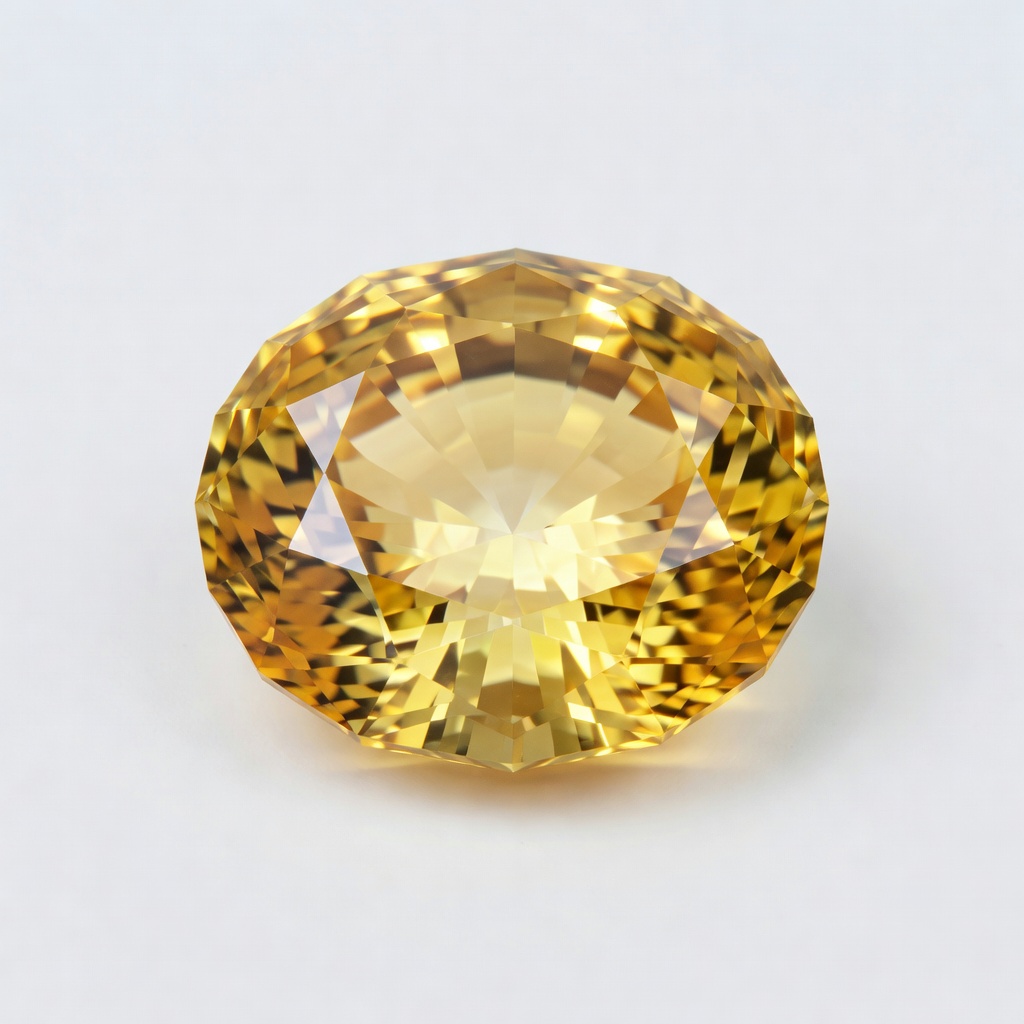
Evaluating citrine gemstone quality requires applying the traditional four Cs framework adapted specifically for this quartz variety, beginning with color assessment as the primary value determinant. The most prized citrine displays saturated golden-yellow to rich reddish-orange tones, specifically the deep Madeira color named after Portuguese wines, which commands premium pricing in both natural and treated categories. Stones with pure yellow hues without brownish or grayish undertakes outperform pale lemon-colored specimens in value, while any greenish tinge significantly diminishes desirability. When examining color, always view the stone face-up against a white background under natural daylight-equivalent lighting to assess true color saturation and distribution consistency.
Clarity standards for citrine remain relatively forgiving compared to emeralds or rubies, as quartz typically forms with fewer inclusions than many precious gemstones, and consumers generally expect eye-clean specimens. Most quality citrine falls between Type I and Type II on the GIA clarity scale, meaning inclusions should be absent or minimally visible to the unaided eye in better grades. Avoid stones displaying prominent fractures, surface-reaching inclusions, or clusters of tiny crystals that compromise structural integrity, particularly for rings subject to daily impact. However, minor internal features acceptable in other gemstones often prove deal-breakers in citrine because the material's abundance makes flawless alternatives readily available at moderate price points.
Cut quality dramatically influences how citrine interacts with light, with well-executed faceting maximizing both brilliance and the perception of color depth. Opt for cuts with proper depth percentages that prevent windowing, where light passes directly through the stone rather than reflecting back to the viewer, creating dead zones in the center. Oval, cushion, and emerald cuts prove particularly flattering for citrine, enhancing color saturation while minimizing the visibility of any slight inclusions. Regarding carat weight, citrine remains affordable enough to accommodate larger stones, though prices escalate exponentially for natural specimens exceeding ten carats. For jewelry purposes, three to five carats offers optimal finger coverage for rings without excessive weight, while collector pieces and pendants showcase beautifully at twenty carats and above.
Citrine Prices: What to Expect Per Carat
Understanding citrine price per carat structures enables realistic budgeting and prevents overpayment for misrepresented goods, with current market ranges spanning from ten to one hundred dollars depending on quality factors and treatment history. Commercial-grade heat-treated citrine typically retails between ten and thirty dollars per carat for stones under five carats, offering exceptional value for fashion jewelry and gifts without breaking budget constraints. Mid-range specimens with superior cutting and color saturation may command thirty to fifty dollars per carat, while rare natural citrine with deep Madeira coloring easily reaches fifty to one hundred dollars per carat, with exceptional museum-quality pieces exceeding two hundred dollars per carat.
The dramatic price disparity between treated and natural material reflects supply dynamics rather than aesthetic superiority, as geological citrine remains genuinely scarce compared to the abundant amethyst deposits suitable for heat treatment. When allocating your budget, prioritize cut quality and color saturation over sheer carat weight, as a smaller, well-cut stone with intense color outperforms a larger, poorly cut pale specimen in both beauty and potential resale value. For engagement rings or heirloom pieces intended for generational transfer, investing in verified natural citrine with accompanying gemological certification provides documented provenance that treated material cannot match.
Smart buyers recognize where economizing makes sense without compromising beauty, such as selecting slightly smaller carat weights to afford better color grades or choosing commercial clarity over flawless specimens where differences remain invisible to casual observation. Conversely, never compromise on treatment disclosure or structural integrity to save costs, as undisclosed treatments violate trade ethics and fractures threaten the stone's longevity. When comparing prices across retailers, ensure equivalency in treatment status, as comparing natural citrine prices to treated stone listings creates false expectations about market value.
How to Identify Fake Citrine and Avoid Scams
Mastering fake citrine identification techniques protects you from increasingly sophisticated imitations including glass, yellow topaz, and synthetic quartz that unscrupulous sellers market as genuine citrine. Glass imitations often contain telltale bubbles visible under ten-power magnification, exhibit perfect clarity without natural inclusions, and feel noticeably warmer to the touch than genuine quartz, which maintains a cool temperature against the skin. Yellow topaz, while a genuine gemstone, typically commands higher prices and displays greater brilliance and hardness than citrine, making misidentification financially disadvantageous to buyers who pay citrine prices for superior topaz or vice versa.
Several at-home tests provide preliminary authentication without specialized equipment, starting with the temperature test where genuine citrine feels cool initially but warms gradually when held, unlike glass which adjusts immediately to body temperature. A standard jeweler's loupe examination reveals natural inclusions, growth lines, or color zoning in genuine stones, while synthetic or glass imitations appear too perfect or display curved striations indicative of manufactured growth processes. Under UV light, natural citrine typically shows weak to moderate yellow-orange fluorescence, though this varies by origin, while some synthetic quartz displays distinctive phosphorescence or unusual color reactions absent in natural material.
Professional gemological certification becomes essential when purchasing investment-grade pieces or when any doubt exists about a stone's authenticity or treatment history. Reputable laboratories such as GIA, IGI, or AGS provide reports documenting species identification, natural versus synthetic origin, and any treatments applied, offering irrefutable documentation for insurance and resale purposes. For significant purchases exceeding five hundred dollars, always demand third-party certification rather than relying solely on seller guarantees, and verify the certificate's authenticity directly with the issuing laboratory using report numbers and security features.
Where to Buy Quality Citrine: Complete Source Guide
Selecting reputable sources for purchasing citrine requires balancing convenience, selection variety, and verification capabilities between online retailers and traditional brick-and-mortar jewelers. Established online gemstone dealers specializing in colored stones often provide superior value compared to general jewelry chains, offering extensive inventory spanning different origins, cuts, and price points with detailed specifications and high-resolution photography. However, online purchases demand careful vetting of return policies, ensuring minimum seven-day inspection periods with full refund options, and verification that sellers provide treatment disclosure and origin information for every listing.
Physical jewelry stores offer the tactile advantage of examining stones under various lighting conditions and immediately assessing color accuracy, which digital photography sometimes misrepresents due to white balance variations or post-processing enhancements. When visiting brick-and-mortar establishments, ask specific questions about treatment history, requesting written guarantees that accompany your receipt, and inquire about the store's sourcing practices regarding ethical mining standards. Reputable dealers welcome these questions and maintain transparency about their supply chains, whereas evasive responses or reluctance to document treatment status signal potential red flags.
Regardless of venue, certain warning signs should trigger immediate caution, including prices significantly below market rates, vague origin statements such as "African" or "South American" without specific country documentation, and reluctance to provide independent gemological certification. Avoid sellers who claim all citrine is natural or who dismiss treatment disclosure as unimportant, as these statements indicate either deliberate deception or dangerous ignorance. For vintage or antique citrine pieces, work with dealers who guarantee period-authenticity and can explain how treatment practices differed historically, as much vintage citrine is natural due to the prevalence of untreated material in earlier mining periods.
Perfect Jewelry Settings for Your Citrine Gemstone
Selecting optimal citrine jewelry settings requires balancing aesthetic enhancement with protective considerations that accommodate citrine's seven on the Mohs hardness scale, making it durable yet vulnerable to hard impacts and abrasive surfaces. Metal selection significantly influences the overall appearance, with yellow and rose gold amplifying the warm golden tones of citrine to create cohesive, vintage-inspired aesthetics particularly suited to Art Deco or Victorian-inspired designs. Conversely, white gold and platinum provide striking contrast that makes the yellow gemstone pop against cool metal tones, offering contemporary sophistication that highlights the stone's color saturation through complementary opposition.
Setting style choices impact both security and wearability, with bezel settings offering maximum protection by encircling the gemstone's girdle with metal, ideal for active individuals or rings worn daily during manual activities. Prong settings allow more light penetration to maximize brilliance and color display but require periodic maintenance to ensure prongs remain tight and protective, particularly for softer quartz varieties vulnerable to chipping at exposed edges. For earrings and pendants, basket settings with protective v-shaped prongs secure the stone while showcasing pavilion depth, whereas cocktail rings benefit from halo settings that amplify perceived size and add scintillation through surrounding diamond or white sapphire accents.
Popular design configurations maximize citrine's versatility across jewelry categories, with solitaire rings featuring cushion or emerald cuts showcasing the stone's color purity without distraction, making excellent engagement ring alternatives for non-traditional couples. Cluster earrings combining variously sized citrine rounds create luminous cascades that catch light with every movement, while statement pendants featuring twenty-carat-plus specimens serve as bold focal points for professional wardrobes. For those seeking personalized expression, custom-designed settings incorporating filigree work or nature-inspired motifs complement citrine's organic warmth, creating heirloom pieces that transcend mass-produced trends.
Caring for Citrine: Maintenance Made Simple
Proper maintenance ensures your citrine jewelry retains its luminous beauty and structural integrity across decades of wear, beginning with appropriate cleaning methods that preserve both the gemstone and its setting. The safest home cleaning approach involves warm water mixed with mild dish soap, using a soft-bristled toothbrush to gently dislodge accumulated oils and debris from both the stone's surface and beneath the setting prongs where grime typically concentrates. After scrubbing, rinse thoroughly under lukewarm running water to remove soap residue that could dull the stone's luster, then pat dry with a lint-free microfiber cloth to prevent water spots on the metal components.
Storage practices significantly impact citrine longevity, as this relatively hard gemstone can scratch softer materials like pearls or opals while simultaneously risking damage from contact with harder stones such as diamonds, rubies, or sapphires. Store citrine pieces in individual soft pouches or compartmentalized jewelry boxes with fabric-lined dividers that prevent contact with other items, and keep pieces away from direct sunlight exposure for extended periods, as prolonged intense UV light may cause slight fading in some heat-treated specimens. Avoid storing citrine in excessively dry environments or safety deposit boxes for extended periods, as extremely low humidity can cause certain treatments or fillers to deteriorate over time.
Professional maintenance schedules should include annual inspections by qualified jewelers who can check for loose prongs, worn settings, or chips that may compromise the stone's security, particularly for rings subjected to daily wear and impact. While ultrasonic cleaners prove safe for untreated, unfractured citrine, avoid these devices for stones with visible inclusions, fracture fillings, or coated surfaces, as vibration frequencies can exacerbate existing weaknesses or dislodge treatments. Professional repolishing every five to ten years restores surface luster by removing microscopic scratches accumulated through normal wear, though this process minimally reduces carat weight and should be performed conservatively.
Ethical Citrine Buying: What to Look For
Ethical sourcing considerations increasingly influence discerning buyers seeking natural citrine that aligns with environmental stewardship and fair labor practices within the gemstone supply chain. Major citrine-producing regions include Brazil, which dominates commercial production with mines in Rio Grande do Sul, alongside significant deposits in Madagascar, Russia's Ural Mountains, and Colorado's Rocky Mountains, each presenting distinct mining methodologies and regulatory oversight standards. Brazilian operations range from small-scale artisanal mining to large industrial concerns, whereas Russian deposits often involve challenging extraction conditions that raise worker safety considerations, making origin transparency crucial for ethical verification.
Fair trade certifications and environmental compliance standards within the colored gemstone market continue evolving, with organizations like the Responsible Jewellery Council and Fairmined establishing protocols that some citrine suppliers now follow, though comprehensive chain-of-custody tracking remains less developed than in the diamond industry. Reputable retailers increasingly provide documentation regarding mining practices, including water reclamation efforts, habitat restoration commitments, and fair wage guarantees for extraction workers, allowing consumers to support operations prioritizing sustainability over exploitative practices. When evaluating ethical claims, look for specific details rather than vague marketing language, and verify certifications through independent third-party organizations rather than accepting self-reported sustainability statements.
Verifying retailer claims about ethical sourcing requires due diligence including direct questions about supplier relationships, mining cooperative partnerships, and specific environmental safeguards implemented at extraction sites. Transparent dealers maintain documentation tracing stones from rough material through cutting and setting, often partnering with specific mining communities or cutting houses that meet established labor and environmental standards. For collectors prioritizing ethical acquisition, consider seeking out American-mined citrine from Colorado or North Carolina, where stringent environmental regulations govern extraction, or support artisanal Brazilian mining cooperatives that ensure fair compensation for local communities while employing traditional low-impact extraction methods.
Your Citrine Buying Checklist: Final Summary
Approaching your citrine purchase with systematic evaluation ensures optimal satisfaction and value retention, beginning with verification of treatment status through seller documentation or independent laboratory certification. Confirm color quality by examining the stone face-up under natural lighting, seeking saturated golden-yellow to reddish-orange hues without grayish or greenish undertones, and verify that color distribution appears even without obvious zoning or windowing. Inspect clarity by viewing the stone against a white background with magnification, ensuring eye-clean appearance without surface-reaching fractures or prominent inclusions that threaten durability.
Evaluate cut quality by assessing brilliance and fire across the entire stone face, rejecting specimens with dead zones or poor symmetry that diminish light return, and select carat weights appropriate for your intended setting and wearing frequency. Verify authenticity through basic physical tests and professional certification for significant investments, and confirm ethical sourcing through documented supply chain transparency when values alignment matters to your purchase decision. When negotiating final pricing, reference current market rates for comparable treatment status and quality grades, and secure comprehensive return policies that allow independent verification by your own gemologist.
Remember that the best citrine purchase balances objective quality factors with personal aesthetic preference, as gemstone selection ultimately serves your individual enjoyment and expression. Whether choosing affordable heat-treated material for fashion-forward versatility or investing in rare natural specimens for collection purposes, informed buying empowers confident decisions that resist market manipulation and misrepresentation. Trust your education, demand transparency, and select pieces that resonate emotionally while meeting the technical standards outlined in this guide, ensuring your citrine jewelry brings lasting pleasure and represents genuine value in your collection.
Frequently Asked Questions
How can I tell the difference between natural citrine and heat-treated amethyst?
Natural citrine has a subtle, pale yellow to smoky brown color with even distribution. Heat-treated amethyst often shows a stronger orange-yellow hue with white base color remnants or color zoning. Under magnification, treated stones may display zigzag banding patterns from original amethyst structure. Price is also a clue: natural citrine costs 5-10x more than treated material.
What is the average price per carat for quality citrine?
Heat-treated citrine typically costs $10-$30 per carat for good quality stones under 5 carats. Natural citrine ranges from $50-$100+ per carat depending on color saturation and clarity. Exceptional natural specimens with deep Madeira coloring can command $200+ per carat. Size dramatically affects pricing, with stones over 10 carats seeing exponential price increases.
Is citrine durable enough for everyday jewelry wear?
Citrine ranks 7 on the Mohs hardness scale, making it suitable for everyday wear with proper care. It can withstand normal activities but is vulnerable to hard knocks and scratches from harder materials like diamonds or sapphires. Avoid wearing citrine rings during heavy manual labor. Earrings and pendants experience less impact and are ideal for daily use.
What color citrine is considered the most valuable?
Deep reddish-orange Madeira citrine is the most valuable, especially in natural, untreated stones. Rich golden-yellow without brown undertones is second most prized. Pale lemon yellow is most common and affordable. Avoid stones with grayish or greenish tinges. Color should be evenly distributed throughout the stone without visible zoning when viewed face-up.
Can citrine fade or change color over time?
Natural citrine is highly stable and resistant to fading. However, heat-treated citrine may fade slightly with prolonged intense UV exposure. Avoid leaving citrine jewelry in direct sunlight for extended periods. Store in a dark jewelry box when not worn. Unlike amethyst, citrine is generally color-stable under normal wearing conditions and indoor lighting.
Should I get a certificate when buying citrine?
Certification is recommended for purchases over $500 or stones exceeding 5 carats. A gemological report from GIA, IGI, or AGS confirms authenticity and identifies any treatments. For smaller, less expensive stones, a seller's written guarantee of treatment disclosure may suffice. Always keep receipts and any documentation for insurance purposes and future resale.
What's the best way to clean citrine jewelry at home?
Use warm water with mild dish soap and a soft-bristled toothbrush. Gently scrub the stone and setting, rinse thoroughly, and pat dry with a lint-free cloth. Avoid harsh chemicals, ultrasonic cleaners, and steam cleaners, especially for fracture-filled stones. Clean monthly for pieces worn regularly. Professional cleaning once a year is recommended for valuable pieces.
Is citrine a good investment gemstone?
Citrine is not a primary investment gemstone like diamonds, rubies, or emeralds. Treated citrine has minimal resale value. Rare, natural citrine with exceptional color may appreciate modestly over time. Buy citrine primarily for personal enjoyment and wearability rather than investment returns. Focus on quality within your budget rather than speculative appreciation.