Introduction to Chrysoprase and Its Care Requirements
Chrysoprase stands as one of the most coveted varieties of green chalcedony quartz, distinguished by its captivating apple-green to deep emerald hues caused by nickel impurities within the microcrystalline quartz structure. Unlike its crystalline quartz cousins such as amethyst or citrine, chrysoprase possesses a unique cryptocrystalline formation that creates a waxy luster and translucent appearance prized by jewelry collectors and lapidary artists alike. Understanding proper chrysoprase care and cleaning protocols becomes essential for anyone investing in this rare gemstone, as its delicate composition requires significantly different handling than harder, non-porous stones commonly found in jewelry boxes.
The maintenance of chrysoprase demands particular attention due to its inherently porous microstructure, which allows the stone to absorb liquids, oils, and environmental contaminants that can permanently alter its appearance. While many assume that all quartz varieties share the same durability characteristics, green chalcedony maintenance requires a specialized approach that accounts for the stone's natural water content and sensitivity to chemical interactions. Neglecting these specific care requirements can result in dehydration, color fading, or surface damage that diminishes both the aesthetic appeal and monetary value of your chrysoprase collection.
Proper chrysoprase care and cleaning practices directly impact the preservation of the stone's characteristic translucency and vibrant coloration, ensuring that your jewelry maintains its luminous glow for generations. Many collectors mistakenly believe that quartz gemstones are indestructible due to their relative hardness, leading to inappropriate cleaning methods and storage conditions that accelerate deterioration. By implementing targeted maintenance strategies specific to chrysoprase's unique properties, you can prevent the common issues of browning, cracking, and loss of luster that plague improperly cared-for specimens.
Understanding Chrysoprase Physical Properties
Chrysoprase registers between 6.5 and 7 on the Mohs hardness scale, placing it in the moderate durability range where it resists scratching from everyday dust and minor impacts but remains vulnerable to harder materials commonly found in jewelry collections. This hardness rating means that while chrysoprase can withstand normal wear during daily activities, it will suffer scratches from contact with diamonds, sapphires, rubies, and even household quartz dust that settles on surfaces. Understanding chrysoprase hardness and durability limitations helps collectors make informed decisions about when to remove their jewelry and how to store it safely alongside other pieces.
The cryptocrystalline structure of chrysoprase contains microscopic pores and channels throughout the stone matrix, creating a sponge-like quality that distinguishes it from macrocrystalline quartz varieties. This porosity allows chrysoprase to absorb liquids rapidly, including body oils, perspiration, cleaning solutions, and environmental pollutants that can stain the stone or alter its chemical composition over time. When absorbed contaminants interact with the nickel-bearing minerals responsible for chrysoprase's green color, they can trigger chemical reactions that result in permanent discoloration or cloudiness within the stone.
Natural chrysoprase contains significant water content within its microscopic structure, typically ranging from one to ten percent by weight, which contributes to its translucency and color saturation. Exposure to heat sources, direct sunlight, or dry environments causes this water content to evaporate, leading to dehydration that manifests as brittleness, surface cracking, or the development of brown patches where the green color fades irreversibly. Sudden temperature changes present additional risks, as thermal shock can cause internal fracturing in stones already compromised by dehydration or existing inclusions.
Daily Wear and Handling Best Practices
Establishing consistent habits for wearing chrysoprase jewelry significantly extends its lifespan and maintains its aesthetic qualities through years of enjoyment. Always remove chrysoprase rings, bracelets, and pendants before engaging in physical activities such as exercising, playing sports, gardening, or performing household chores that might subject the stone to impact or abrasion. Even activities as seemingly benign as washing dishes or carrying groceries can expose your chrysoprase to harsh detergents, hard water minerals, or accidental bumps against granite countertops that compromise the stone's polish and structural integrity.
Personal care products pose significant threats to chrysoprase jewelry cleaning protocols, making it essential to apply cosmetics, perfumes, hairsprays, and lotions before putting on your gemstone pieces. These products often contain alcohol, acids, oils, and chemical solvents that can etch the surface of chrysoprase or seep into its porous structure, causing gradual discoloration and degradation of the waxy luster. Adopting the jewelry industry's "last on, first off" rule ensures that chrysoprase avoids unnecessary exposure to potentially damaging substances during your daily grooming routine.
Professional jewelers recommend treating chrysoprase as a special-occasion stone for certain high-risk activities, even if you wear it regularly otherwise. Swimming in chlorinated pools or saltwater exposes the stone to chemical reactions and potential dehydration, while cooking activities may subject it to heat, acidic food splatter, and thermal shock from moving between hot kitchens and air-conditioned dining areas. When handling raw foods, particularly citrus fruits, tomatoes, or vinegar-based preparations, always remove chrysoprase jewelry to prevent etching from acidic compounds that can permanently damage the stone's surface.
Safe At-Home Cleaning Methods
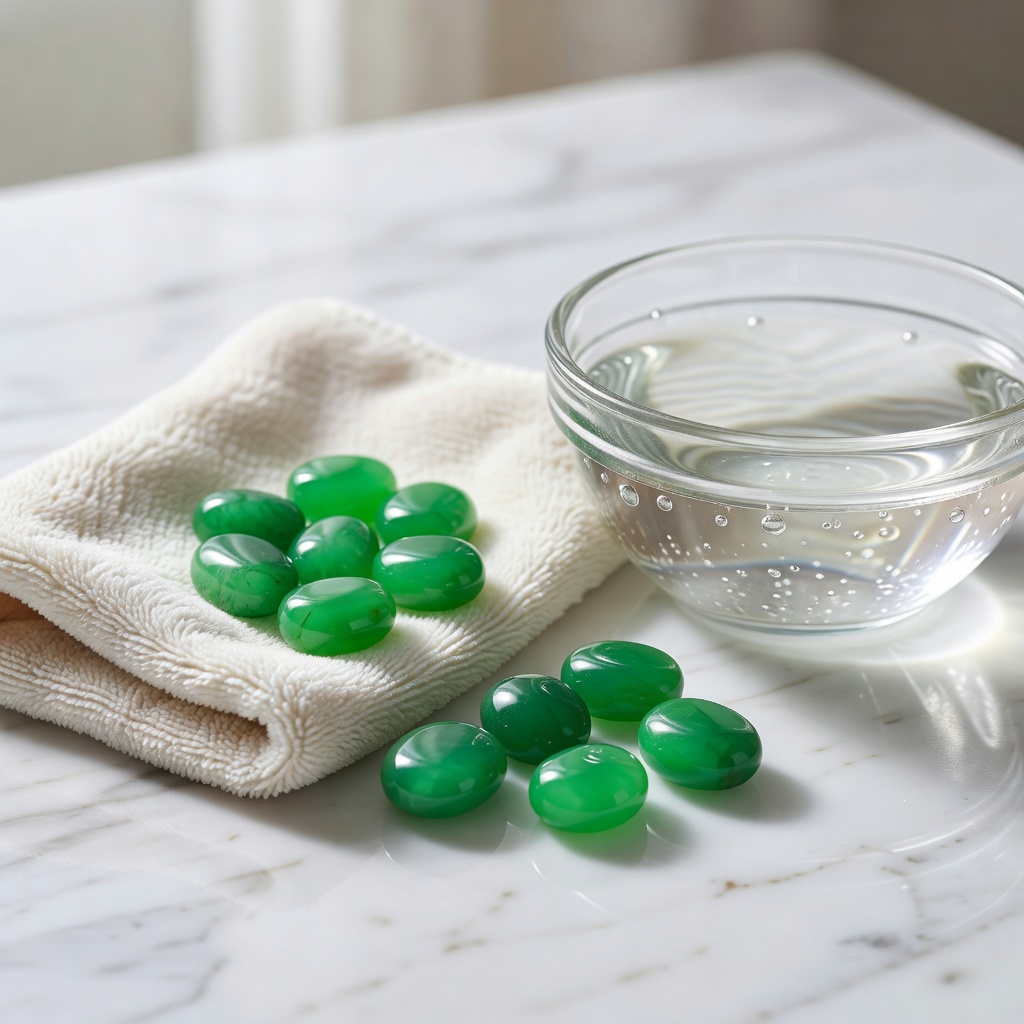
Implementing proper cleaning techniques at home maintains your chrysoprase's brilliance without risking the damage associated with harsh chemical treatments or aggressive mechanical cleaning. Begin by preparing a solution of lukewarm water—never hot, as temperature extremes can cause thermal shock—mixed with a few drops of mild, phosphate-free dish soap that will not leave residue or chemically interact with the stone. The water temperature should feel comfortable to your touch, approximately room temperature to slightly warm, ensuring that you do not trigger expansion or contraction within the stone's crystalline structure.
Select a soft-bristled baby toothbrush or clean makeup brush with natural or synthetic fibers that will not scratch the chrysoprase surface during the cleaning process. Gently scrub the stone and its setting, paying particular attention to the back of the cabochon or faceted gem where body oils and debris accumulate, creating a film that dulls the stone's appearance. For beaded chrysoprase strands or delicate vintage pieces, use a soft, lint-free cloth dampened with the cleaning solution rather than a brush to avoid stressing the drill holes or stringing material.
Rinse your chrysoprase thoroughly under lukewarm running water, ensuring that all soap residue washes away completely, as any remaining film can attract dust and create a cloudy appearance over time. Hold the jewelry securely to prevent accidental drops down the drain, using a mesh strainer in the sink as a safety precaution for smaller pieces like earrings or loose beads. Pat the stone dry immediately using a soft, lint-free microfiber cloth that will not leave fibers trapped in any surface irregularities, then allow the piece to air dry completely on a clean towel for several hours before returning it to storage.
Cleaning Techniques and Products to Avoid
Modern jewelry cleaning technology offers numerous conveniences for diamond and sapphire owners, but these same tools pose catastrophic risks to chrysoprase and other porous gemstones. Never subject chrysoprase to ultrasonic cleaners, which use high-frequency sound waves to create cavitation bubbles in cleaning solutions, as these vibrations can exacerbate existing fractures within the stone or create new internal cracks in dehydrated specimens. Similarly, steam cleaning equipment generates both intense heat and pressure that forces moisture into microscopic fissures, potentially causing the stone to shatter or develop internal clouding that destroys its translucency.
Harsh chemical cleaners commonly found in households can permanently damage chrysoprase within seconds of contact, making it crucial to avoid bleach, ammonia, chlorine, alcohol-based solutions, and acetone when maintaining your collection. These substances not only strip away any protective oils that might benefit the stone but can also react with the nickel content responsible for chrysoprase's green color, potentially altering the hue or creating chemical burns on the surface. Even commercial jewelry cleaning solutions designed for gold and silver often contain chemicals too aggressive for green chalcedony maintenance requirements.
Abrasive cleaning agents including toothpaste, baking soda, commercial scrubbing powders, or jeweler's rouge will scratch the relatively soft surface of chrysoprase, creating microscopic grooves that collect dirt and diminish the stone's natural luster. While these abrasives might effectively clean harder gemstones, they permanently damage the waxy polish characteristic of fine chrysoprase specimens. Additionally, avoid soaking chrysoprase for extended periods in any liquid, as prolonged submersion can actually cause the stone to lose its natural moisture content through osmotic processes, leading to the very dehydration that proper chrysoprase care and cleaning aims to prevent.
Proper Storage Solutions for Longevity
Creating an appropriate storage environment for chrysoprase requires understanding the stone's sensitivity to environmental factors that can degrade its appearance over time. Store each chrysoprase piece individually in soft cloth pouches, fabric-lined jewelry boxes, or acid-free tissue paper to prevent scratching from contact with harder gemstones or metal settings. Individual storage compartments prevent the scratching that occurs when chrysoprase rubs against diamonds, sapphires, rubies, or even other chalcedony varieties during drawer movement or travel.
Position your chrysoprase storage away from direct sunlight, heating vents, windowsills, and other sources of heat or ultraviolet radiation that can fade the apple-green color and evaporate the stone's natural moisture content. Ultraviolet light breaks down the nickel-bearing minerals responsible for chrysoprase's color, while heat accelerates dehydration processes that lead to cracking and brittleness. Consider storing valuable chrysoprase collections in interior drawers or closets rather than vanity tops where bathroom heat and humidity fluctuations occur regularly.
Maintaining moderate humidity levels in your storage area helps prevent the dehydration that plagues neglected chrysoprase specimens, particularly in arid climates or during winter months when heating systems dry indoor air. Place a small dish of water or a humidity-regulating silica gel packet (maintained at appropriate moisture levels) in your jewelry box to create a microenvironment that preserves the stone's water content. For heirloom pieces or investment-grade chrysoprase, consider storing the gems in sealed containers with controlled humidity levels, ensuring that you check them periodically for signs of drying or color changes that might require professional intervention.
Addressing Dehydration and Color Changes
Recognizing the early warning signs of chrysoprase dehydration allows collectors to intervene before irreversible damage occurs to their precious green chalcedony specimens. Watch for the development of brown patches, particularly around edges or surface-reaching fractures, which indicate that the stone's natural water content has evaporated and the nickel chromophores have oxidized or shifted chemically. A dull, lifeless appearance lacking the characteristic waxy luster, or the emergence of white spots and surface crazing (fine networks of cracks), also signals advanced dehydration requiring immediate attention.
When you notice early signs of drying, professional rehydration treatments offer the best chance of restoring some moisture to the stone, though complete reversal of brown discoloration remains unlikely once the chemical changes have occurred. Some experienced collectors gently apply a tiny amount of neutral mineral oil to the surface of severely dehydrated specimens, allowing the stone to absorb the oil over several days in a sealed container, though this technique remains controversial among purists and may affect the stone's value. Professional gemstone conservators possess specialized equipment and solutions designed specifically for hydrating chrysoprase without introducing contaminants that could further damage the stone.
Understanding that some color changes result from permanent chemical alterations helps set realistic expectations for chrysoprase restoration and emphasizes the importance of preventive green chalcedony maintenance. Excessive heat exposure or chemical contact can alter the oxidation states of the nickel minerals within chrysoprase, creating color shifts that no amount of rehydration can reverse. To maintain the characteristic apple-green hue that makes chrysoprase desirable, implement strict environmental controls, avoid all chemical exposures, and conduct monthly visual inspections of your collection to catch developing issues before they become permanent blemishes.
Professional Maintenance and When to Seek Help
Establishing a relationship with a certified gemologist or experienced jeweler who understands chrysoprase hardness and durability limitations ensures that your collection receives appropriate care beyond routine home maintenance. Schedule annual inspections for frequently worn chrysoprase pieces, during which professionals can examine prongs, bezels, and settings for wear that might allow the stone to loosen or fall out, while also assessing the gem for early signs of dehydration or damage invisible to the naked eye. These preventive examinations often catch loose settings or developing fractures before they result in catastrophic loss of the stone.
Professional rehydration treatments become necessary for specimens showing advanced dehydration symptoms, utilizing specialized vacuum chambers and proprietary solutions that safely restore moisture without risking thermal shock or chemical contamination. Expert lapidaries can also perform gentle polishing services to remove minor surface scratches and restore the waxy luster characteristic of fine chrysoprase, using techniques and compounds specifically selected for porous quartz varieties rather than the aggressive polishing methods suited for agate or jasper. For beaded chrysoprase necklaces and bracelets, professional re-stringing every few years prevents the sudden breakage that occurs when silk or nylon threads degrade, potentially scattering valuable beads that might chip upon impact with hard flooring.
Seek immediate professional assistance if you accidentally expose your chrysoprase to harsh chemicals, ultrasonic cleaning, or extreme heat, even if visible damage does not appear immediately. Internal fracturing or chemical alteration may not manifest visibly for weeks or months following the incident, but prompt professional assessment can sometimes mitigate ongoing damage through stabilizing treatments. Additionally, consult professionals before attempting any DIY restoration techniques found online, as inappropriate oils, waxes, or chemical treatments can permanently damage porous gemstones and significantly reduce their value in the collector's market.
Long-Term Preservation Strategies
Developing systematic care routines ensures that your chrysoprase collection remains vibrant and structurally sound for decades, preserving both sentimental and investment value. Establish a regular cleaning schedule every two to three weeks for frequently worn pieces, using the gentle soap-and-water method described previously, while conducting monthly visual inspections under good lighting to detect early signs of setting wear, surface scratching, or color changes. Documenting your maintenance activities in a jewelry care journal helps track which pieces require more frequent attention and identifies environmental factors in your home that might be affecting specific stones.
Create a comprehensive photographic record of your chrysoprase collection, capturing high-resolution images of each piece from multiple angles under consistent lighting conditions to document their condition for insurance purposes and future comparison. These baseline photographs prove invaluable when assessing whether color changes or damage have occurred over time, particularly for subtle shifts in translucency or the development of surface features that might indicate dehydration. Store digital copies of these records in cloud storage alongside physical printouts in your safe deposit box or home safe, ensuring that documentation survives any potential loss or damage to the physical jewelry.
Implement environmental controls for heirloom chrysoprase pieces that you intend to pass down through generations, including humidity monitoring devices in storage areas and UV-filtering glass for display cases. Educate family members, particularly younger generations who may inherit these pieces, regarding proper chrysoprase handling techniques, storage requirements, and the specific vulnerabilities of green chalcedony compared to harder gemstones like diamonds or sapphires. By institutionalizing knowledge about chrysoprase care and cleaning within your family, you ensure that these beautiful apple-green treasures maintain their beauty and value across multiple generations rather than falling victim to the common misconceptions that destroy improperly maintained gemstone collections.
Frequently Asked Questions
Can chrysoprase get wet or be worn in the shower?
While brief contact with lukewarm water is safe for cleaning, you should not wear chrysoprase in the shower. Prolonged exposure to water, especially hot water and harsh soaps, can cause dehydration, dull the polish, and potentially lead to color changes in the green chalcedony.
How do you clean chrysoprase jewelry at home?
Clean chrysoprase using lukewarm water and a few drops of mild dish soap. Gently scrub with a soft-bristled brush, rinse thoroughly to remove all soap residue, and pat dry immediately with a soft microfiber cloth. Never use ultrasonic cleaners or harsh chemicals on chrysoprase.
Can I use an ultrasonic cleaner for my chrysoprase stone?
No, you should never use ultrasonic cleaners on chrysoprase. The porous nature of this green chalcedony makes it susceptible to internal fracturing and damage from ultrasonic vibrations, which can compromise the stone's structural integrity and cause existing fractures to worsen.
Why is my chrysoprase turning brown or losing its green color?
Brown discoloration typically indicates dehydration, as chrysoprase contains natural water content that can evaporate when exposed to heat, direct sunlight, or dry environments. Once brown, the color change is usually permanent, though professional rehydration may help slightly. Prevent this by proper storage away from heat sources.
How should I store chrysoprase jewelry to prevent damage?
Store chrysoprase in a soft cloth pouch or fabric-lined jewelry box away from direct sunlight and heat. Keep it separate from harder gemstones that could scratch its surface, and consider adding a small humidity source in the storage area to prevent the stone from drying out and cracking.
Is chrysoprase sensitive to sunlight and heat?
Yes, chrysoprase is highly sensitive to both sunlight and heat. Prolonged UV exposure can fade the apple-green color, while heat causes the natural water content within the stone to evaporate, leading to dehydration, brittleness, and potential cracking. Always store chrysoprase in a cool, dark place.
What is the hardness of chrysoprase and how does it affect care?
Chrysoprase rates 6.5-7 on the Mohs hardness scale, meaning it can be scratched by harder materials like diamonds, sapphires, and even quartz dust. This moderate hardness requires careful storage separate from other jewelry and removal during activities that might cause impact or abrasion.
Can you wear chrysoprase every day?
Yes, chrysoprase can be worn daily with proper precautions. Remove it before exercising, swimming, cleaning with chemicals, or applying personal care products. While durable enough for regular wear, its porous nature and sensitivity to chemicals require mindful handling to maintain its beauty over time.